Ideal Visit Time: Big Island Weather & Crowds
When is the best time to visit the Big Island of Hawaii for perfect weather and avoiding crowds? Is it during the summer months when the sun shines brightly, or perhaps during the winter when the island has a special magic? Discovering the ideal time to visit the Big Island can make all the difference in ensuring an unforgettable experience. Let’s explore the weather conditions and crowd levels on the island to help you plan your dream vacation.
Whether you’re looking for sunny days to explore volcanic landscapes, lush greenery, or enjoy water activities, or seeking a more peaceful atmosphere away from the bustling tourist season, finding the perfect balance is key. Don’t miss out on the opportunity to make the most of your visit to the Big Island. Let’s dive into the details and uncover the best time to visit for optimal weather and lesser crowds.
Understanding Big Island’s Climate
When planning your trip to the Big Island, it’s crucial to have a clear understanding of its climate. The weather conditions throughout the year greatly impact the overall experience and can influence the crowd levels as well. By familiarizing yourself with the different seasons and weather patterns, you can make an informed decision about the ideal time to visit.
The Big Island’s climate is characterized as tropical, with generally warm and pleasant temperatures year-round. However, it’s important to note that the island’s diverse topography creates microclimates, resulting in varying weather conditions across different regions. For example, the eastern side of the island tends to be wetter and greener, while the western side experiences drier and sunnier weather.
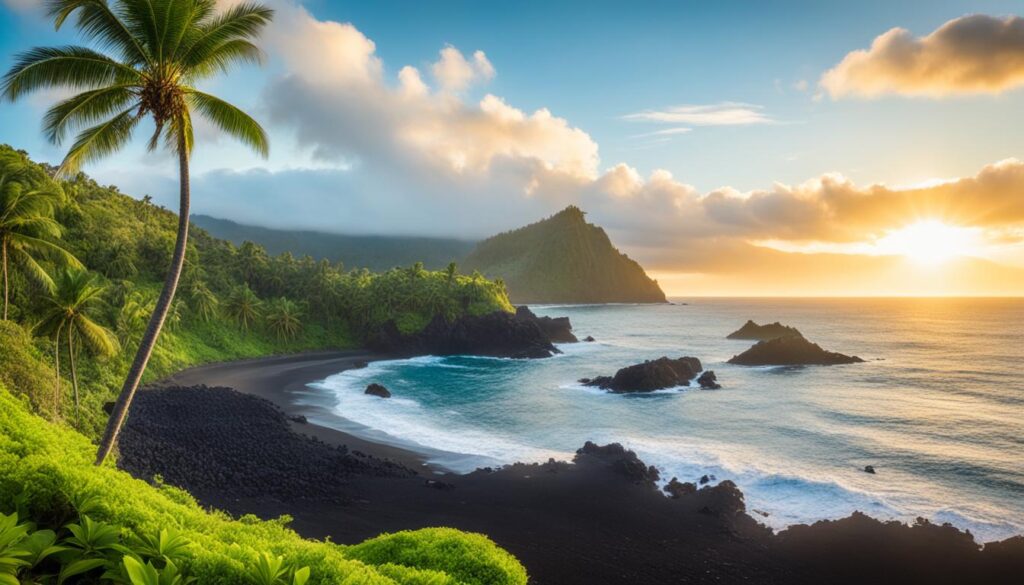
The Big Island has two main seasons: the dry season and the wet season. The dry season, commonly known as summer, usually extends from May to October, while the wet season, often referred to as winter, typically lasts from November to April. During the dry season, you can expect more sunshine, warm temperatures, and lower chances of rain. In contrast, the wet season brings more precipitation, especially in the form of brief showers or heavier rainfall in certain areas.
| Season | Temperature Range | Rainfall |
|---|---|---|
| Dry Season (Summer) | Highs: 82-88°F Lows: 68-74°F |
Low to moderate rainfall |
| Wet Season (Winter) | Highs: 79-83°F Lows: 63-68°F |
Higher rainfall, occasional heavy showers |
It’s worth noting that the trade winds, a prevailing weather feature in Hawaii, play a significant role in regulating the climate on the Big Island. These cooling winds provide relief from the tropical heat and can enhance the overall comfort of your visit.
Understanding the climate of the Big Island allows you to plan your activities and pack accordingly. Whether you prefer the sunny skies of the dry season or don’t mind occasional showers during the wet season, knowing what to expect will help you make the most of your trip.
High and Low Tourist Seasons
When planning your visit to the Big Island, it’s essential to understand the high and low tourist seasons. By knowing when the crowds tend to be bigger or smaller, you can tailor your trip to ensure the best possible experience.
High Tourist Season
The high tourist season on the Big Island typically occurs during the winter months from December to February. This period attracts a significant number of visitors, as people from colder regions seek refuge in the island’s warm climate. Expect popular attractions, such as Volcanoes National Park and the stunning beaches, to be more crowded during these months.
Low Tourist Season
The low tourist season on the Big Island typically falls during the spring and fall months, from March to May and September to November, respectively. During these times, you can anticipate fewer crowds and a more peaceful atmosphere. It’s an ideal opportunity to explore the island’s natural beauty and engage in activities without the hustle and bustle of peak tourist periods.
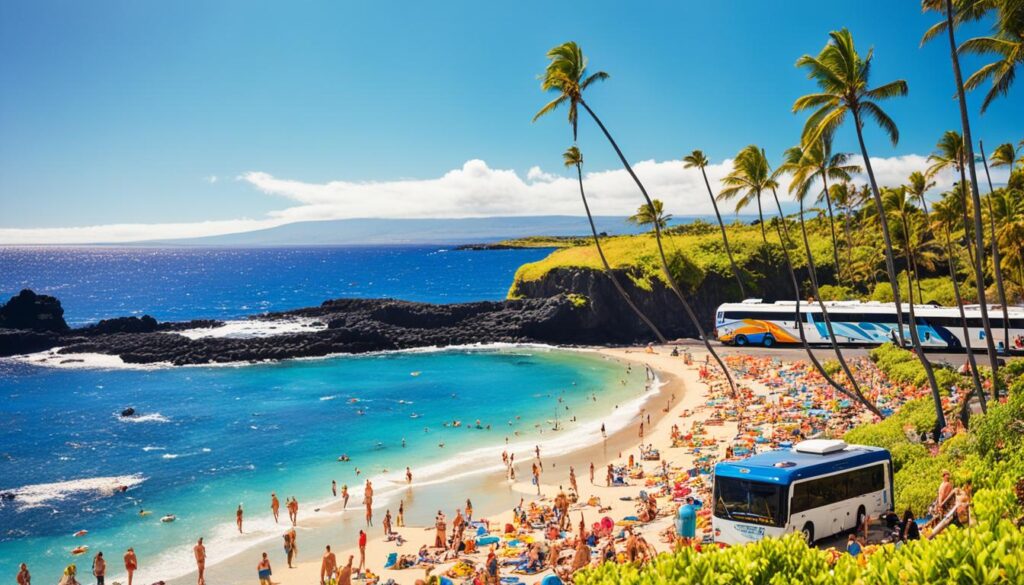
“Visiting the Big Island during the low tourist season allowed me to have a more authentic experience. I enjoyed the tranquility of the beaches and had easier access to popular attractions. It was truly a memorable trip!”
– Robert, California
Whether you prefer to soak up the energy of a bustling tourist scene or seek a quieter getaway, understanding the high and low tourist seasons on the Big Island is crucial. Consider your personal preferences and the type of experience you desire before finalizing your travel plans.
Best Time to Visit for Weather
When planning your trip to the Big Island, the weather plays a crucial role in ensuring an enjoyable outdoor experience. The best time to visit in terms of weather is during the months that offer warm temperatures, clear skies, and lower chances of rain. Let’s take a closer look at the seasons that provide optimal weather conditions for your vacation.
Summer: June to August
During the summer months, the Big Island experiences its warmest temperatures, averaging around 85°F (29°C). This is the perfect time to soak up the sun, relax on the stunning beaches, and engage in various water activities such as snorkeling, scuba diving, and swimming with dolphins. With minimal rainfall and long daylight hours, summer offers ideal conditions for exploring the island’s natural beauty.
Fall: September to November
In the fall, temperatures on the Big Island begin to cool down slightly, ranging from 80°F to 85°F (27°C to 29°C). The chances of rain also decrease during this time, making it an ideal season for outdoor adventures. Fall is also the beginning of the whale-watching season, as humpback whales migrate to the warm Hawaiian waters. Witnessing these majestic creatures in their natural habitat is truly a remarkable experience.
Winter: December to February
Winter on the Big Island brings milder temperatures, ranging from 75°F to 80°F (24°C to 27°C). This is a fantastic time to explore the island’s lush rainforests, hike its stunning trails, and enjoy breathtaking views of waterfalls. While there may be occasional rain showers, the overall weather remains pleasant and provides an excellent opportunity to escape the winter chill.
Spring: March to May
Spring on the Big Island brings refreshing temperatures, ranging from 75°F to 80°F (24°C to 27°C). This season offers a vibrant landscape, as flowers bloom and the island comes alive with colors. It’s a great time to explore the botanical gardens, go on scenic drives, and participate in cultural events such as the Merrie Monarch Festival – a celebration of hula and Hawaiian traditions.
By choosing the right season for your visit, you can ensure the most favorable weather conditions on the Big Island, allowing you to fully enjoy all the outdoor activities and natural wonders it has to offer.
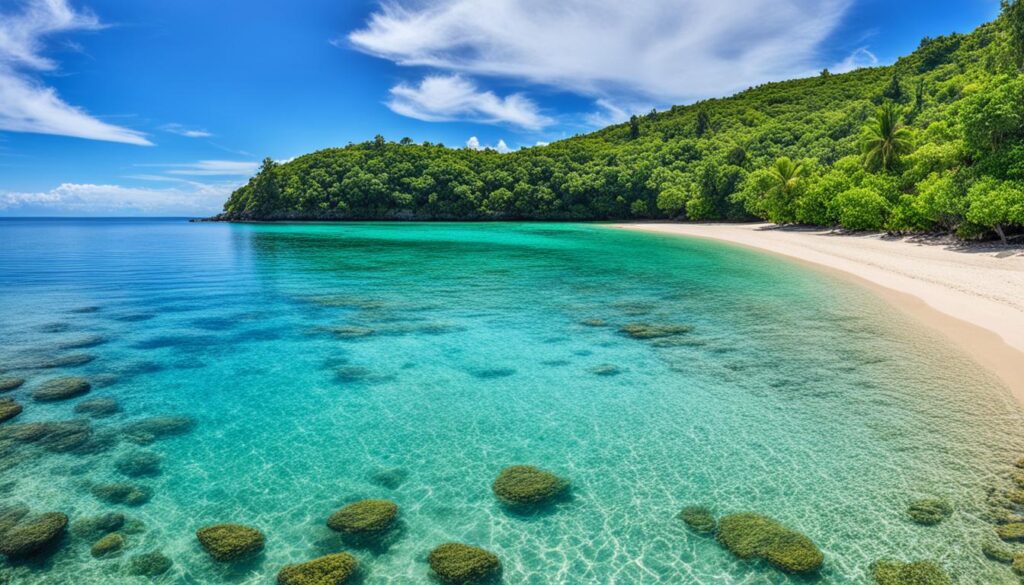
| Season | Average Temperature | Rainfall | Main Activities |
|---|---|---|---|
| Summer: June to August | 85°F (29°C) | Minimal rainfall | Beach activities, snorkeling, scuba diving, swimming with dolphins |
| Fall: September to November | 80°F to 85°F (27°C to 29°C) | Decreased chances of rain | Outdoor adventures, whale watching |
| Winter: December to February | 75°F to 80°F (24°C to 27°C) | Milder temperatures, occasional rain showers | Rainforest exploration, hiking, waterfall views |
| Spring: March to May | 75°F to 80°F (24°C to 27°C) | Refreshing temperatures | Botanical gardens, scenic drives, cultural events |
Peak Season vs. Off-Peak Season
When planning your Big Island vacation, it’s important to consider the differences between the peak and off-peak seasons. Understanding these distinctions will help you make an informed decision and ensure a memorable trip. Let’s explore the advantages and disadvantages of visiting during each season, taking into account the weather, crowds, and overall vacation planning.
The Big Island Tourist Season
The Big Island experiences two main tourist seasons: the peak season and the off-peak season. The peak season typically aligns with popular vacation times, such as school holidays and the summer months. During this time, the island buzzes with energy as tourists from all over the world flock to its stunning beaches, hiking trails, and cultural attractions. The off-peak season, on the other hand, offers a quieter atmosphere and fewer crowds, allowing you to experience a more peaceful and intimate vacation.
Advantages of Peak Season
- Perfect weather: The peak season on the Big Island, especially during the summer months, boasts sunny skies, warm temperatures, and calm waters. It’s an ideal time to indulge in water activities such as snorkeling, surfing, and kayaking.
- Abundance of events: From lively festivals to cultural celebrations, the peak season offers a wide range of events that showcase the vibrant spirit of the Big Island. Immerse yourself in the local culture and make lasting memories.
- Optimal conditions for outdoor adventures: With clear skies and pleasant temperatures, the peak season provides excellent conditions for exploring the island’s diverse landscapes. Hike through lush rainforests, witness stunning waterfalls, and marvel at the breathtaking views from volcanic peaks.
Disadvantages of Peak Season
- Crowded attractions: The popularity of the peak season means that popular attractions can be crowded, requiring careful planning and patience. Be prepared for longer wait times and limited availability at restaurants, accommodations, and tour operators.
- Higher prices: Due to the increased demand, prices for accommodations and activities tend to be higher during the peak season. Keep this in mind when budgeting for your trip.
- Book in advance: To secure your preferred accommodations and activities, it’s recommended to book well in advance during the peak season. This ensures you won’t miss out on any must-see attractions or experiences.
Advantages of Off-Peak Season
- Less crowded: If you prefer a more laid-back and peaceful vacation, the off-peak season offers fewer tourists and smaller crowds. Take advantage of serene beaches and enjoy a more relaxed atmosphere at popular attractions.
- Potential savings: During the off-peak season, you may find lower prices for flights, accommodations, and activities. This allows you to stretch your budget and enjoy more of what the Big Island has to offer.
- Unique experiences: The off-peak season allows you to connect more intimately with the island’s beauty and culture. Enjoy quieter hiking trails, discover hidden gems, and engage with locals on a deeper level.
Disadvantages of Off-Peak Season
- Weather considerations: While the Big Island has pleasant weather year-round, the off-peak season may experience more rain and less predictable conditions. Be prepared for occasional showers and plan your activities accordingly.
- Limited availability: Some attractions, tours, and restaurants may have reduced hours or even temporarily close during the off-peak season. Research and plan ahead to ensure your desired activities and dining options are available.
- Quieter nightlife: If you’re looking for a vibrant nightlife scene or a variety of evening entertainment options, the off-peak season may offer limited choices. However, you can still enjoy cozy dinners, live music, and cultural performances.
Ultimately, the decision between visiting during the peak season or off-peak season depends on your personal preferences and vacation priorities. Consider factors such as weather, crowds, pricing, and the experiences you wish to have. Regardless of the season you choose, the Big Island’s natural beauty and warm aloha spirit will make your vacation truly unforgettable.
In the words of Mark Twain, “Twenty years from now you will be more disappointed by the things you didn’t do than by the ones you did do.”
| Peak Season | Off-Peak Season |
|---|---|
| Sunny weather and warm temperatures | Quieter atmosphere and fewer crowds |
| Abundance of events and cultural celebrations | Potential savings on flights, accommodations, and activities |
| Optimal conditions for outdoor adventures | More intimate experiences and engagement with locals |
| Crowded attractions and higher prices | Potential for more rain and limited availability |
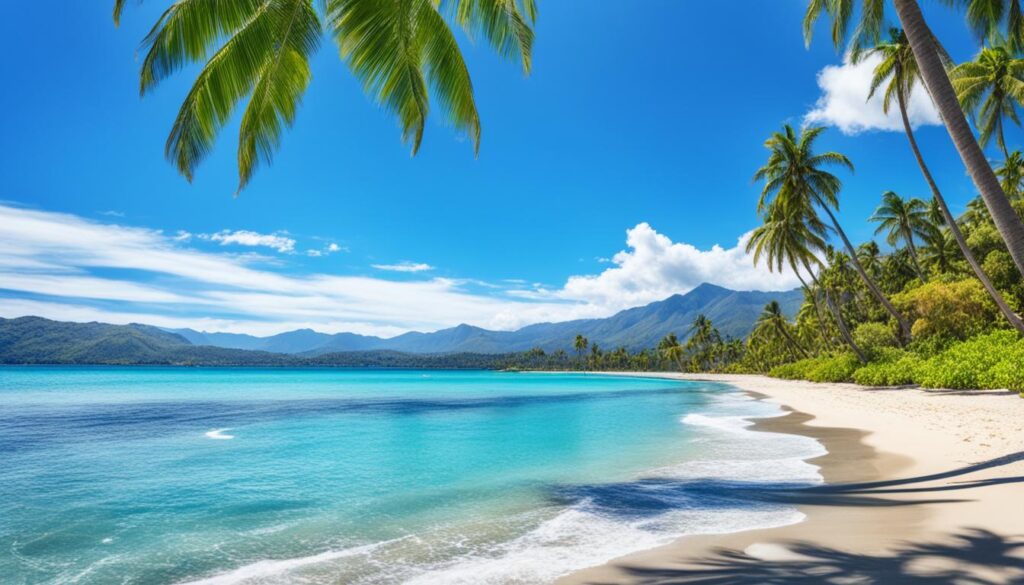
Winter Months: December to February
When it comes to the best time of year to visit the Big Island for favorable weather and smaller crowds, the winter months from December to February offer a unique experience. During this time, you can enjoy pleasant temperatures, idyllic landscapes, and exciting events that make your trip to the Big Island truly memorable.
Big Island Weather: Winter on the Big Island is characterized by mild temperatures, making it a perfect getaway from colder regions. With average temperatures ranging between 70°F (21°C) and 80°F (27°C), you can comfortably explore the island’s natural wonders and engage in outdoor activities. The weather is typically drier during these months, with lower chances of rain compared to other times of the year.
Crowd Levels: The winter months also bring fewer tourists compared to the peak travel seasons, providing a more tranquil and intimate experience. You can enjoy the island’s attractions, beaches, and hiking trails without the hustle and bustle often associated with popular vacation destinations. With fewer crowds, you’ll have more space to immerse yourself in the island’s unique culture and enjoy its natural beauty.
During the winter months, the Big Island hosts a variety of events and festivals. One popular event is the Waimea Ocean Film Festival, showcasing inspiring films and documentaries related to the ocean and its conservation. Another highlight is the Annual Waimea Cherry Blossom Heritage Festival, featuring traditional Japanese performances, art, and crafts. These events offer you a chance to connect with the local community and gain a deeper understanding of the island’s rich cultural heritage.
“The winter months on the Big Island provide the perfect balance of favorable weather and fewer crowds, allowing you to explore the island at your own pace and immerse yourself in its unique offerings.”
Here’s a breakdown of the average temperatures and rainfall during the winter months:
| Month | Average Temperature (°F) | Rainfall (inches) |
|---|---|---|
| December | 73 – 80 | 2.7 |
| January | 71 – 78 | 2.9 |
| February | 70 – 77 | 2.3 |
As you can see, the winter months on the Big Island offer pleasant temperatures and lower chances of rain, making it an ideal time to visit if you prefer milder weather and a quieter atmosphere.
Spring Months: March to May
As the winter chill starts to fade away, the spring months on the Big Island of Hawaii bring forth a vibrant burst of colors and delightful weather. If you’re searching for the best time to visit Big Island for pleasant weather and fewer crowds, look no further than the months of March to May.
During these months, the Big Island experiences mild temperatures, with average highs ranging from 79°F to 83°F (26°C to 28°C), making it an ideal time for outdoor activities. Whether you’re hiking through lush rainforests, exploring volcanic landscapes, or lounging on sandy beaches, the spring weather sets the stage for unforgettable adventures.
One of the highlights of visiting the Big Island in spring is witnessing the blooming landscapes. As nature awakens from its slumber, the island becomes a paradise of vibrant flowers and lush greenery. Take a leisurely stroll through the botanical gardens, witness the colorful blossoms in Hawaii Volcanoes National Park, or simply appreciate the beauty of nature as you drive along scenic routes.
Spring is also the prime time for whale watching on the Big Island. From late December to early April, humpback whales migrate to the warm waters of Hawaii, delighting visitors with their majestic presence. Join a whale-watching tour or find a spot on the coastline to catch a glimpse of these magnificent creatures and their awe-inspiring displays.
With the spring months falling outside of the peak tourist season, you can expect fewer crowds compared to the winter months. This allows you to explore popular attractions and experience the island’s cultural offerings without feeling overwhelmed by the influx of visitors.
“Spring on the Big Island brings forth a magical transformation, with blooming flowers, gentle temperatures, and the chance to witness the awe-inspiring beauty of humpback whales. Experience the island’s natural wonders and cultural heritage without the hustle and bustle of peak tourist season.”
So, if you’re looking for the best time to visit the Big Island of Hawaii for pleasant weather, blooming landscapes, and the opportunity to see majestic whales, plan your trip between March and May. Experience the island’s captivating charm during this quieter season, and create memories that will last a lifetime.
Big Island Spring Highlights
| Spring Highlights | Details |
|---|---|
| Blooming Landscapes | Experience the explosion of colors across the island as flowers and plants come to life. |
| Whale Watching | Witness the incredible sight of humpback whales as they migrate to Hawaiian waters. |
| Mild Temperatures | Enjoy pleasant weather with average highs ranging from 79°F to 83°F (26°C to 28°C). |
| Lower Crowds | Take advantage of the quieter season and explore popular attractions without the hustle and bustle. |
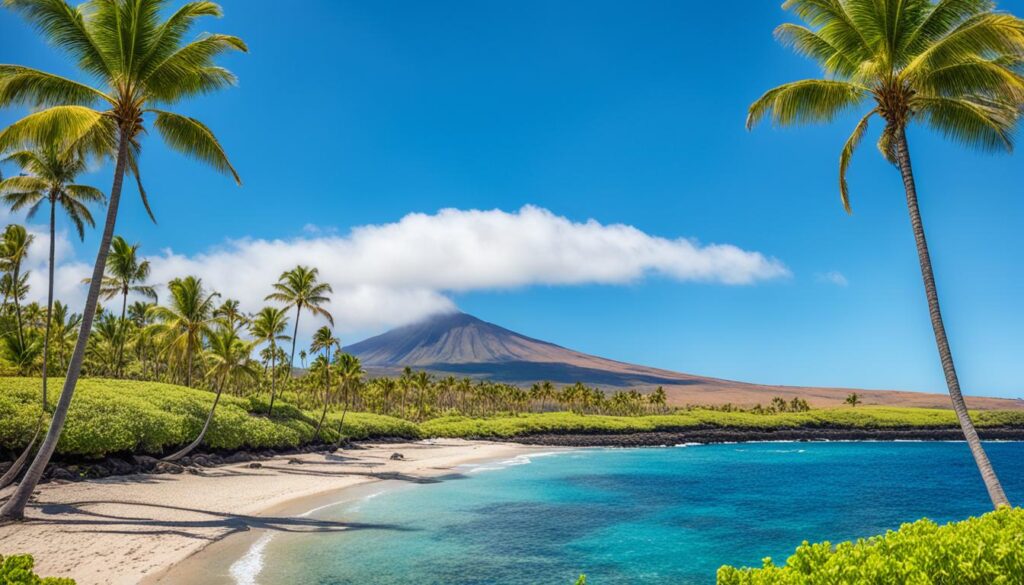
Immerse yourself in the beauty of the Big Island during the enchanting spring months, where nature’s vibrant display and comfortable weather create an idyllic backdrop for your Hawaiian getaway.
Summer Months: June to August
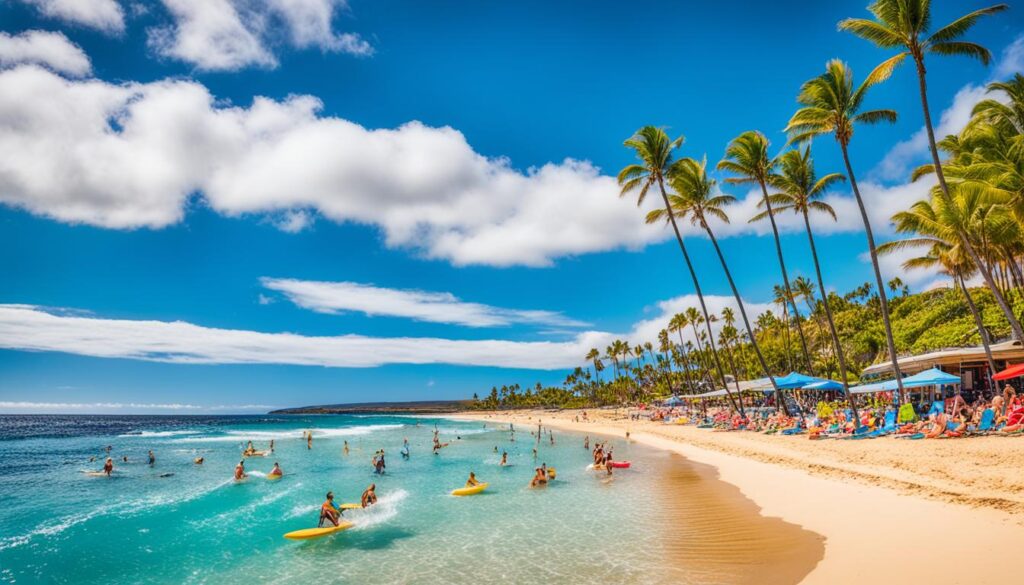
During the summer months of June to August, the Big Island of Hawaii experiences warm temperatures and an abundance of outdoor activities and celebrations. This is widely regarded as one of the best times of the year to visit the island, both in terms of weather and crowd levels. Whether you’re looking to relax on the renowned beaches or embark on thrilling water adventures, summer offers an ideal setting for your Hawaiian getaway.
Weather Patterns
The summer weather on the Big Island is characterized by sunny days, with temperatures ranging from the mid-80s°F to the low 90s°F (29-32°C). The climate is generally dry during this time, making it perfect for outdoor exploration and enjoying the island’s natural beauty. However, it’s essential to stay hydrated and apply sunscreen regularly to protect yourself from the intense tropical sun.
Water Activities
Summer is the perfect season to indulge in various water activities on the Big Island. Whether you’re a seasoned surfer or a first-time snorkeler, the island offers a range of options for water enthusiasts of all skill levels. Dive into the crystal-clear waters to witness vibrant coral reefs, swim with manta rays, or discover the fascinating marine life while scuba diving.
If you’re seeking coastal adrenaline, try your hand at paddleboarding or kayaking along the stunning coastline. For those looking to relax, simply bask in the sun on one of the island’s picturesque beaches or take a refreshing dip in the turquoise waters.
Summer Festivals and Events
The summer months also bring an array of festivals and events on the Big Island. From cultural celebrations to music festivals, there’s something for everyone to enjoy. The renowned Merrie Monarch Festival, held annually in Hilo, showcases traditional Hawaiian arts, including hula dancing and crafts. It’s an ideal opportunity to immerse yourself in the island’s rich cultural heritage.
For music lovers, the Waimea Ocean Film Festival offers an unforgettable experience, featuring captivating documentaries and live performances by talented musicians. This festival combines the beauty of nature with the power of storytelling through film and music.
Plan Your Summer Getaway
When planning your summer trip to the Big Island, take advantage of the favorable weather conditions and the abundance of activities and events. Be sure to book your accommodations and attractions in advance, as summer is a popular time for visitors. Whether you’re looking for a relaxing beachfront resort or an adventurous eco-lodge, the island offers a range of options to suit every traveler’s preferences.
“Summer on the Big Island is a magical time, where the warm tropical breeze and the crystal-clear waters beckon you to explore and create unforgettable memories.”
– Local resident, Mark Johnson
So, pack your swimsuit, sunscreen, and a sense of adventure as you embark on a summer getaway to the enchanting Big Island of Hawaii.
| Pros | Cons |
|---|---|
| Warm temperatures ideal for outdoor activities | Popular tourist season, leading to higher crowds |
| Abundance of water activities, including surfing, snorkeling, and paddleboarding | Potential for higher accommodation and flight prices |
| Opportunity to experience vibrant summer festivals and events | Increased demand for popular attractions and tours |
Fall Months: September to November
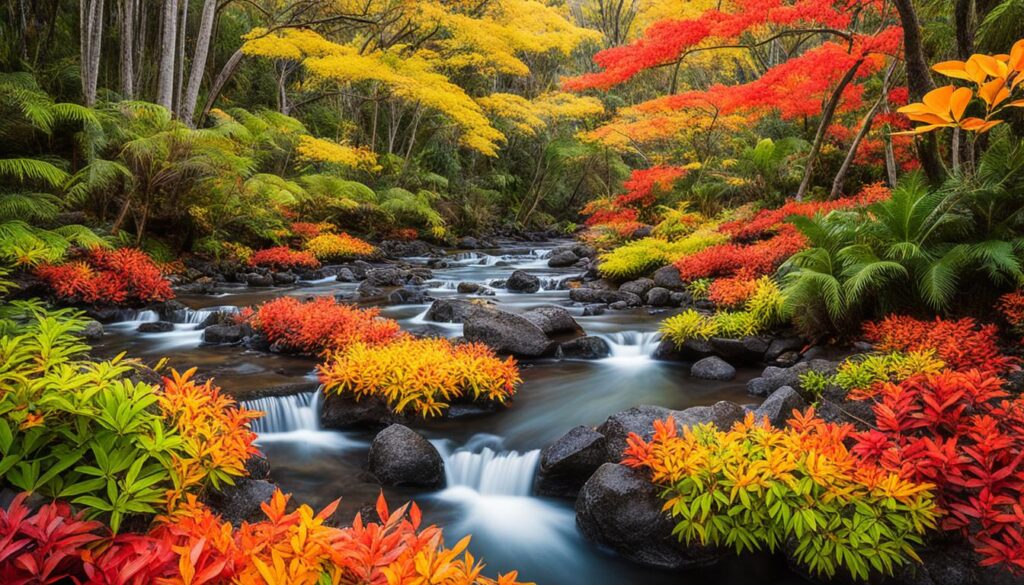
As the summer heat mellows and the vibrant colors of autumn take over, the fall months are a delightful time to visit the Big Island. The weather during this season offers a wonderful balance of warmth and cooler breezes, making it an inviting time to explore the island’s natural wonders and outdoor activities.
Weather: The fall months on the Big Island experience pleasant temperatures, with highs ranging from the mid-70s to low 80s Fahrenheit (23 to 28 degrees Celsius). The evenings may be slightly cooler, making it perfect for enjoying beach bonfires or stargazing under the clear night skies. The chance of rainfall is relatively low during these months, allowing you to fully enjoy outdoor adventures without interruptions.
Crowds: Fall is considered the shoulder season on the Big Island, which means you can expect fewer crowds compared to the peak summer months. This provides a more tranquil and relaxing atmosphere, allowing you to unwind and immerse yourself in the island’s natural beauty without feeling overcrowded.
Unique Events and Cultural Celebrations: The fall months also bring a variety of unique events and cultural celebrations to the Big Island. One notable event is the Kona Coffee Cultural Festival, which takes place in November and celebrates the island’s rich coffee heritage. You can indulge in tastings, learn about coffee production, and experience the vibrant Kona coffee culture.
Quote: “Fall on the Big Island is a captivating time to embrace the island’s enchanting beauty while escaping the summer crowds. Experience the perfect blend of pleasant weather, scenic landscapes, and unique cultural celebrations.” – Local resident
Things to Do:
During the fall months, you can engage in a wide range of activities on the Big Island. Here are a few recommendations:
- Explore Hawaii Volcanoes National Park and witness the stunning lava flows and rugged volcanic landscapes.
- Take a scenic drive along the Hamakua Coast, enjoying breathtaking ocean views and cascading waterfalls.
- Embark on a whale watching tour to witness the incredible humpback whales that migrate to Hawaiian waters during this time of year.
- Visit the Waimea Cherry Blossom Heritage Festival, held in early November, and admire the blooming cherry blossoms while enjoying live entertainment and cultural displays.
- Indulge in a leisurely beach day to soak up the warm sun and swim in the crystal-clear waters of the Big Island’s beautiful beaches.
Whether you’re seeking outdoor adventures or cultural experiences, the fall months offer a perfect blend of favorable weather and fewer crowds, making it an ideal time to discover the wonders of the Big Island.
Planning Your Big Island Getaway
Planning a trip to the Big Island requires careful consideration of various factors to ensure a smooth and enjoyable vacation. From accommodation options to transportation, here are some practical tips to help you plan your dream getaway.
1. Choose the Right Accommodation
When visiting the Big Island, it’s essential to select the accommodation that suits your needs and preferences. Whether you prefer luxury resorts, cozy vacation rentals, or budget-friendly hotels, the island offers a wide range of options to cater to every traveler’s taste.
2. Consider the Peak Season
As you plan your Big Island vacation, keep in mind that the island experiences a peak season when crowds are more significant. This season, typically during summer and major holidays, may result in higher prices and reduced availability. If you prefer a quieter experience, consider visiting during the off-peak season when the island is less crowded.
3. Book Ahead for Popular Attractions
The Big Island is known for its stunning beaches, volcano hikes, and other popular attractions. To avoid disappointment, it’s advisable to book ahead for any tours or activities you wish to experience during your visit. This way, you can secure your spot and ensure a smooth and hassle-free exploration of the island.
4. Rent a Car
While the Big Island offers public transportation options, renting a car provides the most flexibility and convenience for exploring the island at your own pace. Having your own vehicle allows you to visit remote beaches, drive along scenic routes, and easily reach various attractions without relying on schedules or shared transportation.
5. Pack Accordingly for the Weather
Before packing for your Big Island trip, be sure to check the weather forecast and pack accordingly. The island’s climate can vary, so it’s wise to bring a mix of light clothing for warmer days and layers for cooler evenings. Don’t forget to pack sunscreen, a hat, and comfortable footwear for outdoor activities.
6. Embrace the Aloha Spirit
One of the best travel tips for visiting the Big Island is to embrace the aloha spirit. The locals are known for their warm hospitality, so be sure to greet them with a friendly “aloha” and respect the local customs and traditions. Immerse yourself in the island’s unique culture and create memories that will last a lifetime.
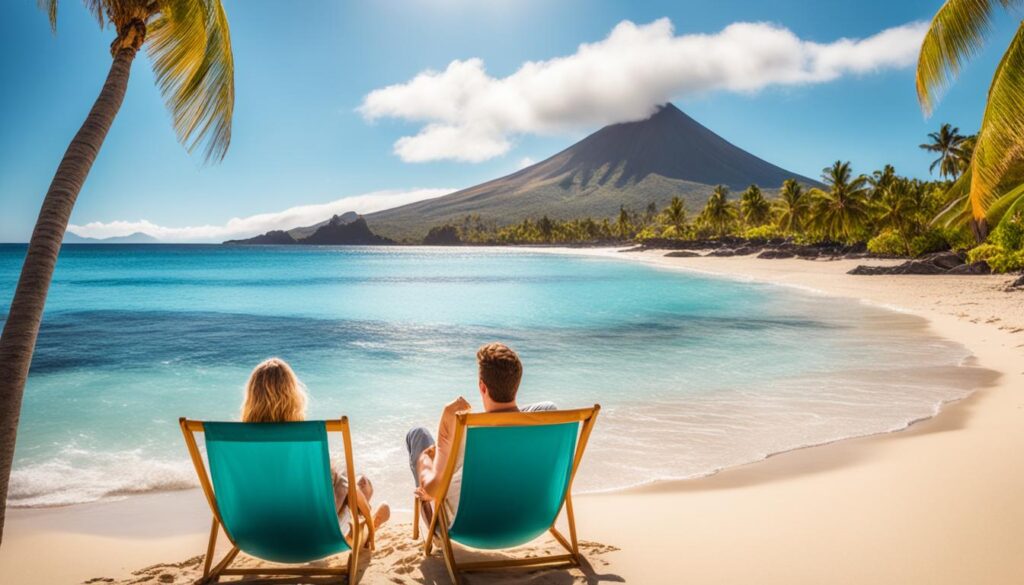
Now that you have some practical tips for planning your Big Island getaway, you can start organizing the perfect vacation. Remember to consider the peak season, book your accommodations and activities in advance, and pack accordingly for the weather. With careful preparation, your trip to the Big Island will be a memorable and enjoyable experience.
Conclusion
After exploring the various aspects of the Big Island’s weather and crowds, it is clear that the ideal time to visit depends on your personal preferences. If you prefer warm temperatures, clear skies, and smaller crowds, the off-peak seasons such as spring and fall are your best bet. However, if you’re looking for the bustling energy and vibrant atmosphere, the peak season during the summer months might be more suitable for you.
When planning your Big Island getaway, it’s important to consider both the weather and crowds to ensure a memorable and enjoyable trip. By visiting during the off-peak seasons, you can take advantage of lower prices, shorter wait times, and more intimate experiences with nature. On the other hand, the peak season offers a wide range of activities, festivals, and events that cater to all types of travelers.
Remember to plan ahead and book your accommodations and transportation in advance, especially if you’re visiting during the peak season. Additionally, be flexible and prepared for occasional rain showers, as the weather on the Big Island can be unpredictable. With careful planning and consideration, you can make the most of your visit to this beautiful Hawaiian island, experiencing its unique charm and breathtaking landscapes.