Ideal Time for Punakha Trek: Best Season Guide
When is the best time to see Bhutan’s stunning landscapes and cultural wonders? Finding the answer can make your Punakha trek truly unforgettable. Knowing the best season for trekking in Punakha is key. It shows you the best times to see the area’s beauty and experience its rich culture.
This guide will help you understand the best seasons for trekking in Bhutan. Spring and autumn are the top seasons for seeing the Himalayas’ beauty and enjoying good weather. With the right planning, your trekking adventure in Punakha will be amazing.
Introduction to Punakha Trekking
Punakha, once Bhutan’s capital, is now a top spot for trekking. Its valleys and mountains attract trekkers worldwide. They come to see the stunning views and learn about local traditions.
The treks here suit all levels, from beginners to experts. You can choose from easy walks or tough hikes. Here are some Punakha trekking tips to keep in mind:
- Go trekking from March to May or September to November for the best weather.
- Be ready for high altitudes, up to 3,400 meters (11,154.86 feet) at Dopshing Pang.
- Bring the right gear to enjoy your trek comfortably.
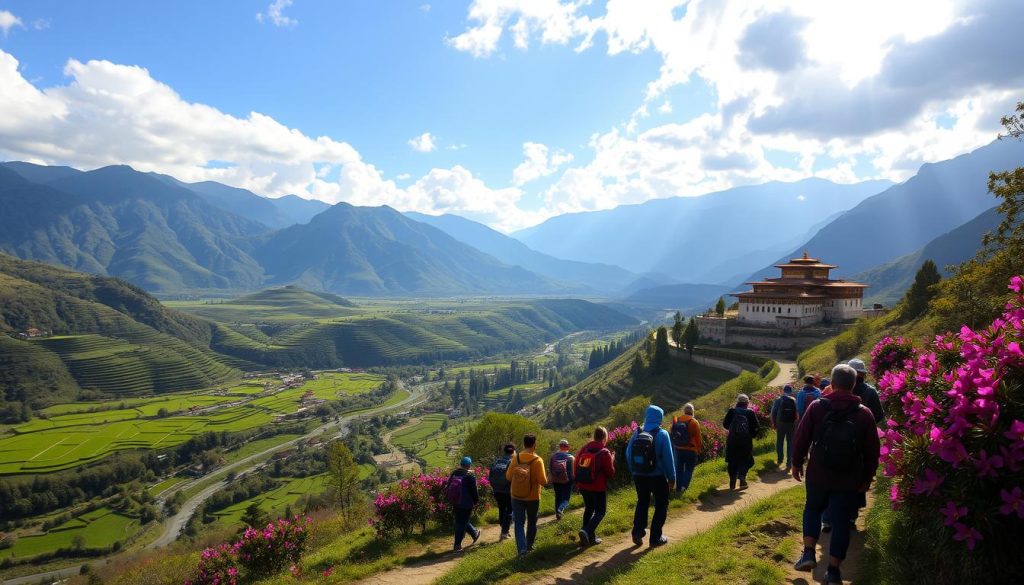
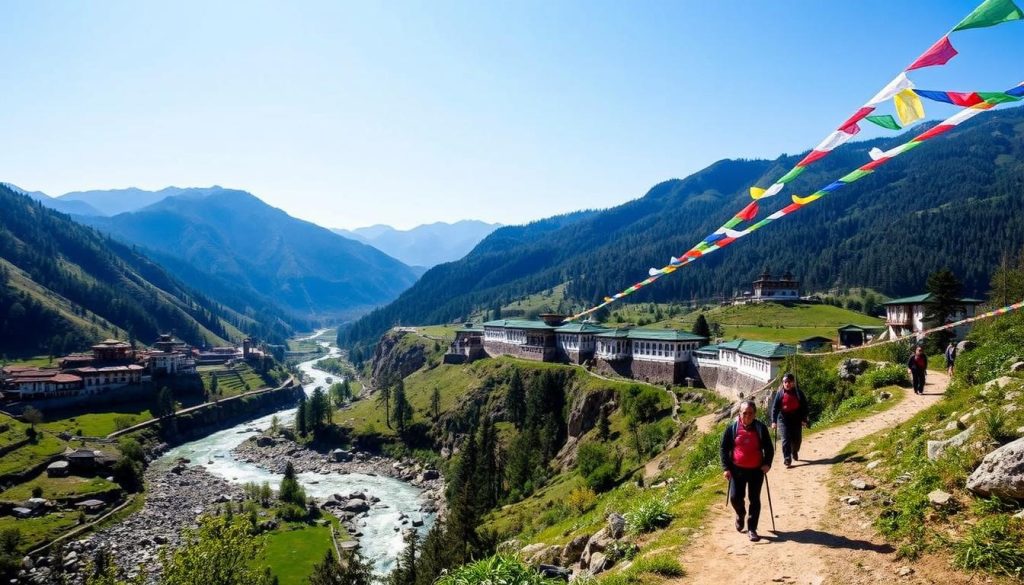
Punakha’s landscapes and people make trekking special. You’ll walk on old trails, through forests, and by rice fields. Meeting the locals adds to the adventure. Follow these tips to make the most of your trip to this Himalayan paradise.
Overview of Bhutan’s Trekking Seasons
Planning a trek in Bhutan requires knowing the best times. The country has four main trekking seasons, each with its own charm and challenges.
Spring, from March to May, is a time of vibrant colors and stunning views. Temperatures range from cold at night to warm in the day. Rainfall is minimal until late May.
Autumn, from October to November, is the peak season for trekking in Punakha. Daytime temperatures are pleasant, while nights can be cool. This season offers clear skies and comfortable weather.
Winter, from November to March, brings a unique beauty. Temperatures are cooler, but Punakha remains milder. This season is best for shorter treks, like the Punakha Winter Trek.
Monsoon season, from June to September, is wet and challenging. Rainfall can be heavy, and visibility poor. Yet, experienced trekkers might find it suitable for high-altitude adventures.
Spring Season: Ideal for Nature Enthusiasts
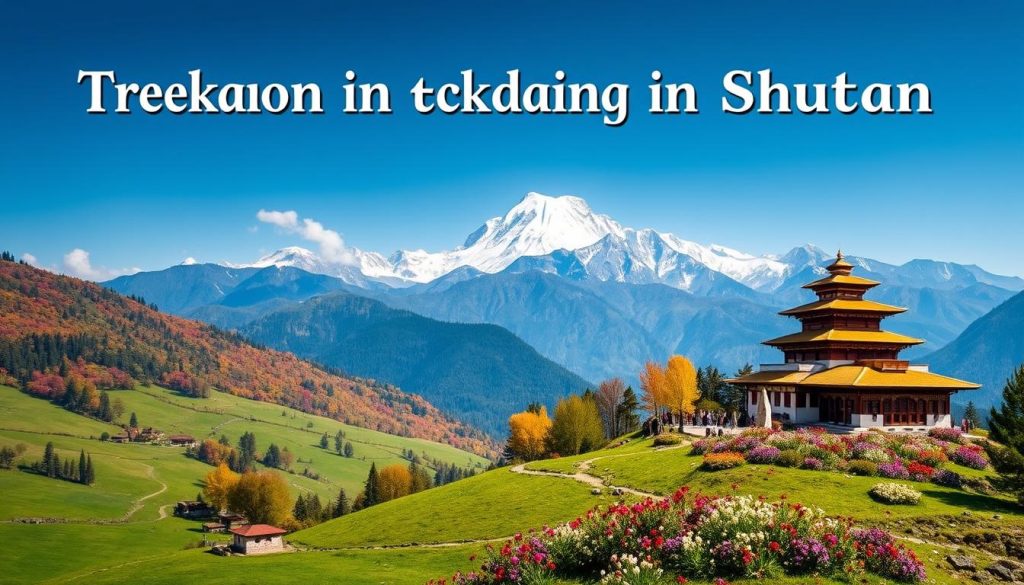
Spring turns Bhutan into a colorful world, perfect for trekking. This season is filled with beautiful flowers that make your hike special. From early March to mid-April, Punakha is the best place to trek, with great weather and stunning views.
Floral Splendor and Vibrant Landscapes
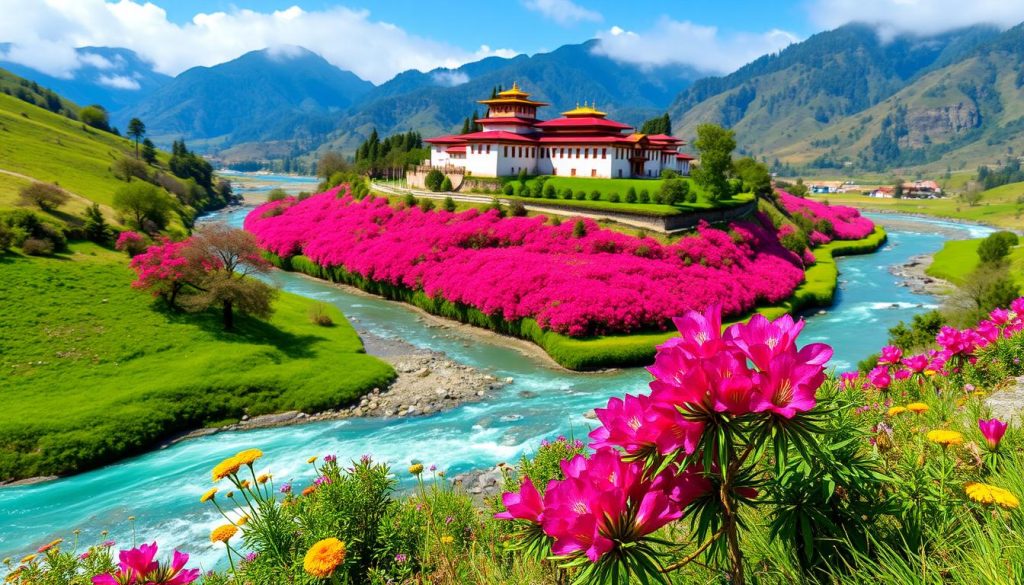
Bhutan’s spring is amazing, with over 4500 types of flowers. Rhododendrons cover the trails, making them look like a painting. Trekking here lets you see nature’s beauty and explore different landscapes.
Temperatures and Weather Conditions
Spring’s average temperature is about 20 degrees Celsius, great for outdoor fun. The weather in Punakha is usually dry, with little rain. This makes spring a perfect time for trekking, with comfortable weather for nature lovers.
Noteworthy Treks During Spring
Spring is the best time for many treks. The Druk Path Trek is a four-day journey with amazing views and cultural spots. The Chomolhari Base Camp Trek, lasting seven days, offers incredible mountain sights. Trekking during festivals like the Punakha Drubchen adds to the experience, showing off Bhutan’s culture.
| Treks | Duration | Highlights |
|---|---|---|
| Druk Path Trek | 4 days | Scenic vistas, cultural exploration |
| Chomolhari Base Camp Trek | 7 days | Incredible mountain views |
| Snowman Trek | ~25 days | Challenging high-altitude trek |
Autumn Season: The Best Season for Punakha Trek
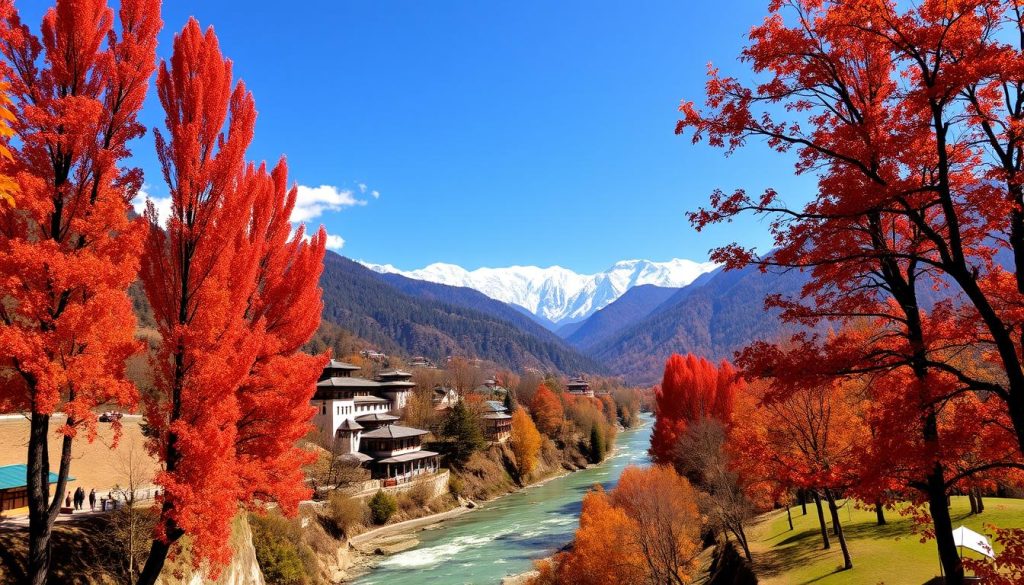
Autumn, from September to November, is the top time for Punakha trek. The weather is perfect, making it a great time for trekkers. You’ll see clear skies, dry paths, and cool temperatures.
This season is perfect for exploring Bhutan’s beautiful landscapes. High-altitude treks are possible, offering unforgettable views.
Stable Weather and Clear Views
Autumn weather is calm, with little rain. You’ll enjoy sunny days and clear blue skies. Nights are cool, ranging from -10°C to 3°C.
The Himalayas are visible, adding to the beauty. This makes autumn a favorite season for many.
Key Treks to Consider in Autumn
- Bumthang Cultural Trek
- Jumolhari Trek
These treks are popular in autumn. The weather is great, and the views are stunning. Trekking above 4000m is possible, offering amazing adventures.
Cultural Festivals to Experience
Autumn is also filled with cultural festivals. You can enjoy the Thimphu Tshechu and the Black-Necked Crane Festival. These events let you dive into Bhutan’s traditions while surrounded by nature.
This mix of culture and nature makes autumn the best season for Punakha trek.
Winter Trekking: A Unique Experience
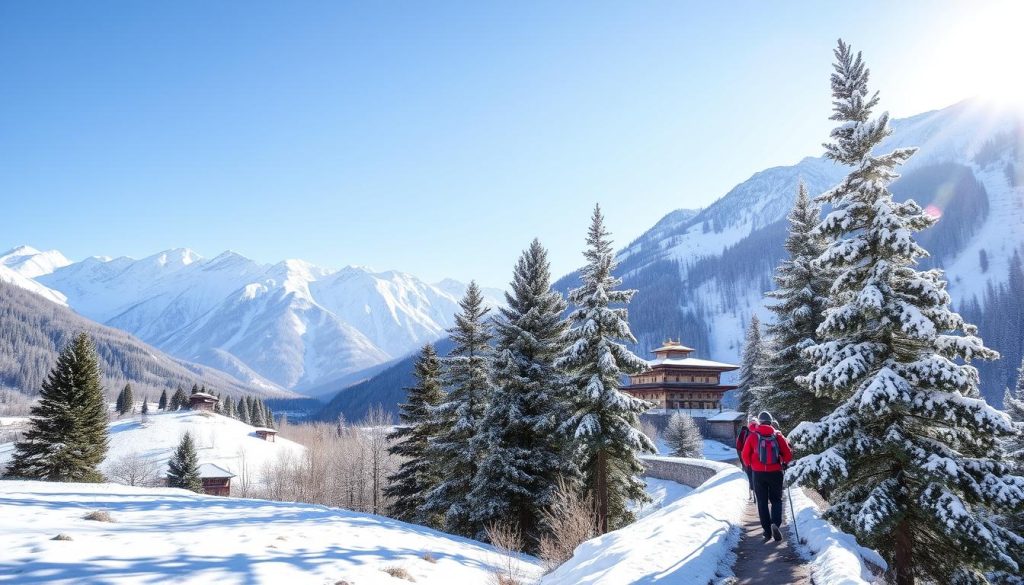
Winter trekking in Bhutan is a special chance for adventurers. It lets you see the country’s serene beauty. Lower-altitude treks are perfect for this season, showing off Bhutan’s culture and nature.
Access to Lower Altitude Treks
Winter is great for treks at lower altitudes. Places like Limukha village campsite and Chorten Ningpo are accessible. The Druk Path is open, welcoming all fitness levels for Punakha trekking.
Weather Considerations in Winter
Winter temperatures can drop to -5°C (23°F) in high places. But, clear skies offer amazing views of the Himalayas. Getting ready for the cold is key to enjoying your trek.
Festivals and Wildlife Sightings
Winter brings festivals like the Trongsa Tsechu. Trekkers can dive into Bhutan’s culture. You might also see migratory birds, making your trek even more exciting.
Challenges of Monsoon Season Trekking
The monsoon season in Bhutan, from late June to early September, brings big challenges for trekkers. Those wanting to see Punakha’s beautiful trails need to know about the obstacles they might face.
Heavy Rainfall and Trail Conditions
Heavy rain is a big problem during the monsoon. It makes the trails slippery, raising the chance of falls and injuries. Landslides are also a worry, mainly on steep slopes.
It’s important to stay alert and ready when trekking in the monsoon.
Visibility Issues and Humidity
The weather in Punakha during the monsoon is often very humid and misty. This can make it hard to see the beautiful views that attract trekkers. Fog can limit your view of the natural beauty around you.
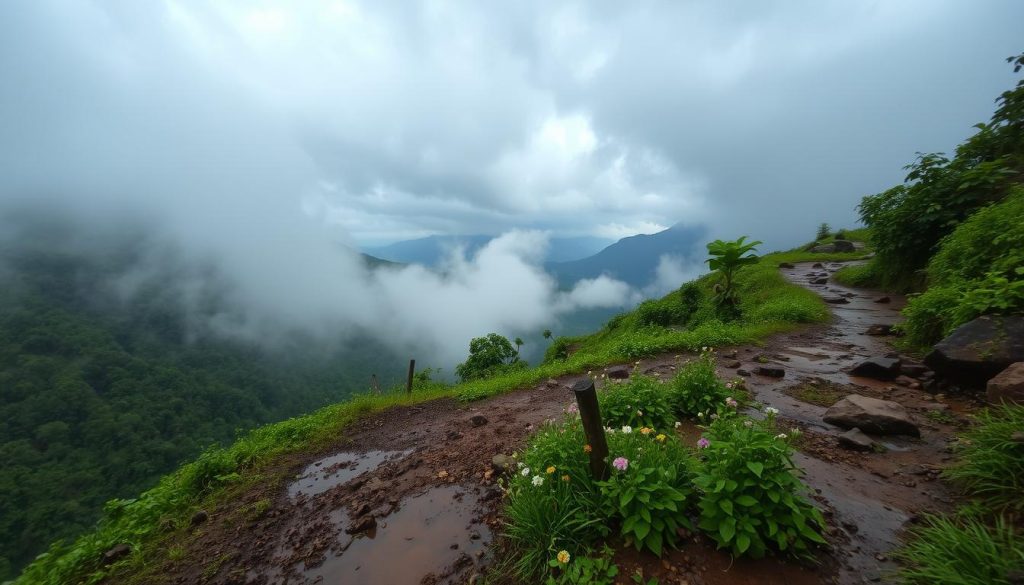
Knowing about these challenges can help you plan your trek. This way, your adventure in Bhutan can still be fun, even with the monsoon season’s hurdles.
Factors Influencing the Best Time to Trek
Choosing the right time for a trek in Punakha depends on many things. Your personal preferences for trekking are key. Knowing your experience levels and what kind of challenges you want will help pick the best time for your adventure in Bhutan.
Personal Preferences and Experience Levels
Every trekker has their own goals and comfort levels. Some love the challenge of high altitudes, while others prefer easier trails with amazing views. Your season preferences and activities planned can greatly affect your trekking experience. Here are some things to think about based on your trekking preferences:
- Cultural significance of local festivals.
- Interest in specific flora and fauna during trekking seasons.
- Degree of solitude or busyness of trails.
Health Considerations and Preparation
Your health and fitness should guide your trekking time choice. Trekking at high altitudes requires good physical prep. Prioritizing your health can avoid health issues during the trip. Here’s how to pick the right trekking season or trail for you:
- Stay hydrated and acclimatize properly.
- Consult with a healthcare professional before your trek.
- Engage in physical training tailored to trekking conditions.
Punakha Trekking Permits and Regulations
Before you start your trek in Punakha, it’s important to know about permits and regulations. Trekking in Bhutan is more than just an adventure. It’s about following strict rules to keep the country’s beauty and culture safe. You need the right permits to trek in Punakha.
You must get your permits from licensed Bhutanese tour operators. These permits help follow the law and protect the environment. Bhutan’s rules are in place to preserve its heritage and support sustainable tourism.
Trekking groups can have 1 to 12 people. This rule helps keep treks small and sustainable. Also, you must be at least 16 years old to trek. This ensures everyone is ready for the challenges on the trails.
Here’s a quick guide to trekking rules:
| Aspect | Details |
|---|---|
| Group Size | 1-12 people |
| Minimum Age Requirement | 16 years old |
| Trek Duration | 8-10 days |
| Maximum Altitude Reached | 3,400m (11,154ft) |
| Best Trekking Months | March to May, September, October |
| Average Daily Trekking Duration | 6–8 hours |
| Altitude of Punakha | 1,310m (4,297ft) |
| Travel Insurance Requirement | Full comprehensive travel insurance recommended |
Knowing these rules will make your trek better and ensure you follow Bhutan’s laws. You’ll enjoy the stunning views, knowing you’re doing it right in this magical place.

Punakha Trekking Packages: What to Expect
Planning your trek in Bhutan? Knowing about Punakha trekking packages can make your trip better. These packages offer different services for all kinds of adventurers. You’ll get guided tours, transport, places to stay, and food.
A good trekking itinerary is key for a smooth adventure. Most treks use double tents for a cozy stay. Some paths let you sleep in village homes, offering a peek into local life. Meals are big and tasty, with rice, vegetable curries, and snacks.
Think about your budget when picking a package. The Sustainable Development Fee is USD $200 per person per day. It helps fund Bhutan’s health, education, and environment. Trekking here is more expensive than in Nepal, but it’s worth it for the quality and unique experience.
Here’s a quick look at what you can find:
| Package Type | Duration | Services Included | Starting Price (USD) |
|---|---|---|---|
| Punakha Winter Trek | 2 Days | Guided tour, meals, camping | 160 |
| Longer Himalayan Treks | Up to 15 Days | All-inclusive (meals, gear, guides) | 250+ |
| Short Scenic Hikes | 1-3 Days | Guided walks, local homestays | 120 |
Looking for an exciting trek or a calm walk in beautiful places? The right Punakha trekking package is out there. Learn about each package to find the best fit for you. This way, you’ll have unforgettable moments in Bhutan’s amazing nature.
Punakha Trekking Tips for Beginners
Starting your first trek in Punakha is both thrilling and a bit scary. Here are some tips to make your trekking adventure better. Knowing what to expect can really help.
First, pack the right things. You’ll need comfy hiking boots, clothes for the weather, and a strong backpack. Don’t forget water and snacks to keep your energy up. Also, learn about the terrain and weather, as they can change a lot.
Getting in shape is key for beginners. Do some light exercises before your trek to build your endurance. Remember, the changing heights can be tough, so think about your fitness level.
It’s also vital to prevent altitude sickness. Slowly getting used to the higher altitudes can help. Take your time going up, letting your body adjust. If you start to feel sick, like headaches or dizziness, go down to a lower place right away.
Here are some more tips:
- Drink plenty of water before, during, and after your trek.
- Wear layers to handle the changing temperatures in Punakha.
- Be respectful of local traditions and the environment.
- Tell your guide about any health issues you have.
By following these easy tips, you can have a great and safe trekking experience. Enjoy your adventure!

| Tip | Description |
|---|---|
| Packing Essentials | Comfortable boots, weather-appropriate clothing, snacks, and water |
| Physical Preparation | Engage in light workouts to boost stamina |
| Altitude Awareness | Acclimate your body to reduce altitude sickness risk |
Punakha Trekking Weather Insights
Knowing the weather in Punakha is key for a great trek. The climate changes a lot throughout the year. This affects your trek in this beautiful valley.
Summer, from June to August, has daytime highs of 15°C and lows of 7°C at night. July is the wettest month, with 740mm of rain. But, you’ll still get 22 clear days on average, great for those who don’t mind a little rain.
July is also warm, with highs of 27-28°C. This is good for trekkers who like milder weather.
Autumn, from September to November, sees cooler temperatures. Daytime highs are 10°C, and nights can drop to 0°C. The weather is more stable, with 27 clear days a month. October is a top month for trekking, with 80% of visitors coming to enjoy the weather and festivals.
Winter, from December to February, is colder. Daytime highs are 5°C, and nights can be -8°C. But, winter trekking in Punakha is special, with almost 29 clear days a month. February is a bit warmer, with temperatures from 7 to 22°C, perfect for winter adventures.
In summary, the best time to visit Punakha for trekking depends on the season. Each season offers a unique experience, whether you like summer’s green or winter’s crisp air. Planning your trek based on these insights will make your adventure in Bhutan unforgettable.
Conclusion
When planning your Punakha trek, it’s key to know about Bhutan’s seasons. Spring brings nature to life, while autumn offers clear skies and festivals. Each season has its own beauty, making planning crucial.
Customizable tour packages let you design your trek. You can choose to see flowers in spring or snow in winter. Planning well ensures you enjoy Bhutan’s culture and nature fully.
Bhutan is a place where nature and culture meet, offering unforgettable experiences all year. Whether you’re trekking in autumn’s excitement or winter’s calm, adventure awaits you.