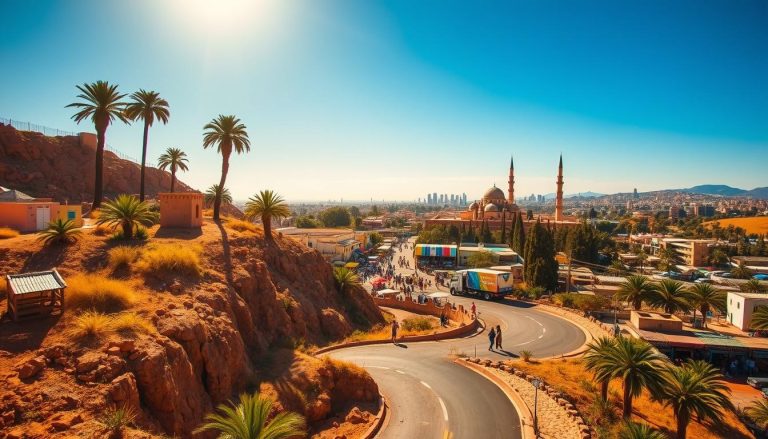
Hunza Valley Astrophotography: Capture Starry Skies
Imagine capturing the Milky Way and mesmerizing star trails in your photos. The Hunza Valley in Pakistan’s Karakoram Range is perfect for astrophotography. Its dark skies and high altitudes make it a stargazer’s paradise.
This region is captivating for astrophotographers. Let’s explore the Hunza Valley and its night sky wonders. We’ll uncover the secrets of capturing stunning celestial sights in Northern Pakistan.
Hunza Valley: A Stargazer’s Paradise
The Hunza Valley is a stargazer’s dream in the Karakoram Range. This northern Pakistan gem offers a stunning backdrop for cosmic exploration. Its high altitude and clear skies make it perfect for astrophotography.
Discover the Wonders of the Night Sky
Hunza Valley’s unique location creates ideal stargazing conditions. Dark skies and low light pollution reveal an unparalleled celestial view. The Milky Way stretches across the heavens, while constellations twinkle brightly.
At over 2,500 meters, the valley’s altitude enhances stargazing quality. It reduces atmospheric distortion and light pollution. This environment allows visitors to connect deeply with the night sky’s beauty.
- Witness the stunning Milky Way galaxy in all its splendor
- Observe captivating celestial events, such as meteor showers and planetary alignments
- Capture breathtaking images of the night sky, showcasing the Karakoram Range as a majestic backdrop
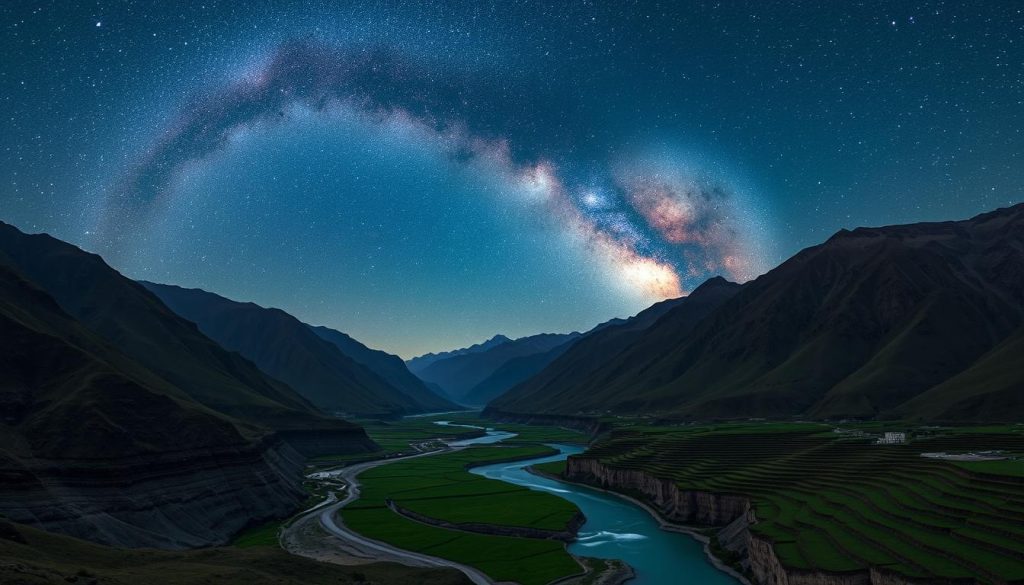
“The night sky in Hunza Valley is a sight to behold. It’s as if the stars have descended from the heavens to dance before your eyes.”
Hunza Valley offers an unforgettable experience for all sky watchers. Astronomy enthusiasts can immerse themselves in cosmic wonders here. This remarkable place unlocks the secrets of the universe for visitors.
The Ideal Conditions for Astrophotography
Dark Skies and High Altitude
The Hunza Valley in Northern Pakistan offers perfect conditions for astrophotography. At over 8,000 feet, the region’s altitude reduces atmospheric distortion. This allows for clearer, more detailed night sky captures.
The valley’s remote setting ensures minimal light pollution. This creates remarkably dark skies, ideal for stargazing and astrophotography. The high altitude and dark skies make Hunza Valley a top spot for celestial photography.
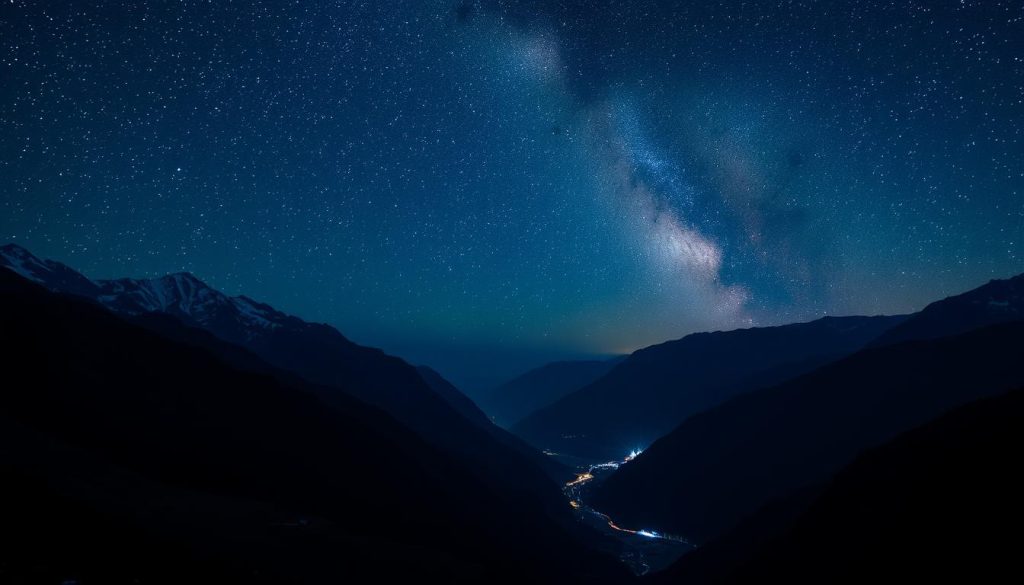
“The Hunza Valley’s high altitude and remote location create the perfect canvas for capturing the wonders of the night sky.”
Hunza Valley offers an unmatched experience for both new and seasoned astrophotographers. The region’s unique conditions provide endless chances to capture awe-inspiring celestial displays. These natural wonders grace the skies above Northern Pakistan year-round.
Hunza Valley Astrophotography: Capturing the Milky Way
The Hunza Valley’s pristine night skies offer a unique chance to photograph the Milky Way. Long exposure techniques can immortalize the galaxy’s luminous clouds and dust lanes. The high altitude and dark conditions create an ideal setting for capturing celestial wonders.
As darkness falls, Hunza Valley becomes a stargazer’s paradise. The absence of light pollution reveals the Milky Way’s mesmerizing brilliance. Long exposure photography unlocks the true beauty of this celestial wonder, showcasing its intricate details.
Photographers often use stacking to capture the Milky Way in Hunza Valley. This technique combines multiple long-exposure images to reduce noise and enhance detail. The valley’s dark-sky conditions allow for stunning, high-quality images of the Milky Way’s grandeur.
“The Hunza Valley’s night sky is a breathtaking canvas for astrophotography. Capturing the Milky Way against the backdrop of the towering Karakoram mountains is a truly humbling experience.”
Hunza Valley is a must-visit for anyone interested in Hunza Valley astrophotography. Its high altitude and dark skies create perfect conditions for celestial photography. Both seasoned and novice photographers can capture unforgettable images of the Milky Way here.
This Northern Pakistan valley is ideal for night sky photography and long exposure techniques. It offers a rare opportunity to immortalize the Milky Way’s splendor against breathtaking landscapes.
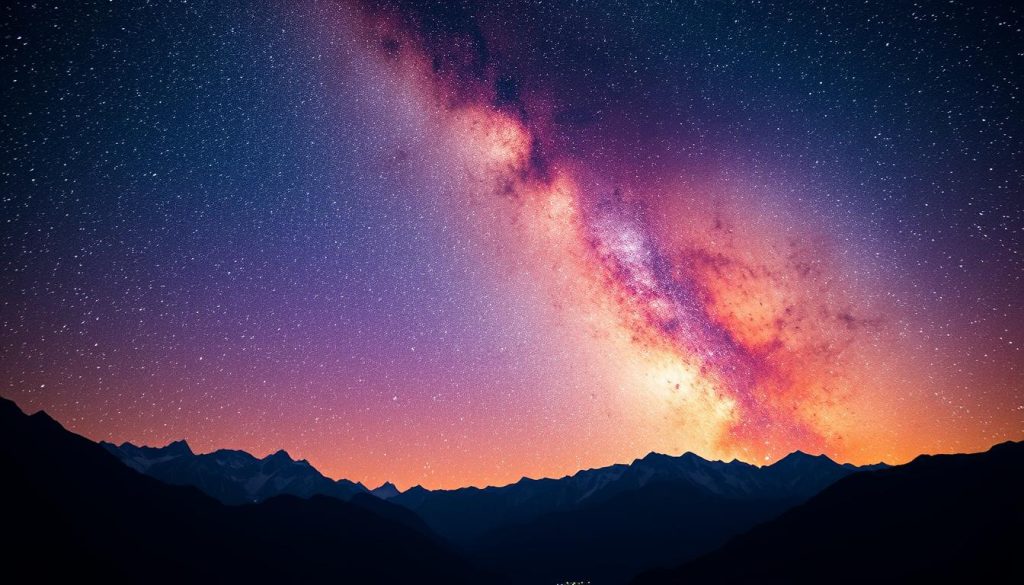
Star Trails: A Mesmerizing Celestial Dance
The Hunza Valley offers a captivating display of star trails in the night sky. Long exposure techniques allow astrophotographers to capture the stars’ movement. These images showcase stunning, swirling patterns of the celestial dance above.
Long Exposure Techniques
Mastering long exposure is crucial for star trail photos in the Hunza Valley. Exposures can range from 30 minutes to several hours. This extended shutter speed records the stars’ gradual movement across the sky.
The result is a captivating visual effect. It transforms the night sky into a mesmerizing celestial display. Photographers can create stunning astrophotography masterpieces with these techniques.
To achieve the perfect star trail shot, consider the following tips:
- Use a sturdy tripod to ensure your camera remains perfectly still during the long exposure.
- Experiment with different shutter speeds, ranging from 30 minutes to several hours, to capture the desired effect.
- Shoot in RAW format to maximize image quality and flexibility during post-processing.
- Utilize manual focus to keep the stars sharp and in focus throughout the exposure.
- Employ the “Bulb” mode on your camera to manually control the shutter speed for the perfect star trail shot.
These techniques help immortalize the stars’ dance in the Hunza Valley. Your astrophotography will mesmerize viewers with its celestial beauty. Practice and experimentation will lead to stunning results.

“The night sky is a canvas, and the stars are the brushstrokes that paint a mesmerizing celestial dance.”
Astrophotography Tours in Hunza Valley
Hunza Valley offers amazing astrophotography tours for photographers. These tours help capture the stunning night sky. Expert guides provide valuable insights and assistance for stargazing.
The valley is perfect for astrophotography due to its dark skies. High-altitude spots offer great views of the Milky Way and star trails. Tours run in spring and autumn when skies are clearest.
Popular stargazing spots include Eagle’s Nest and Altit and Baltit Forts. The Passu Cones are also a favorite location. Experienced photographers teach camera setup and night sky photography techniques.
These tours cover more than just astrophotography. You’ll capture landscapes, architecture, and cultural scenes too. This lets you explore Hunza Valley’s beauty and heritage fully.
Joining a tour will give you stunning night sky images. You’ll also gain skills to improve your future astrophotography adventures.
Essential Gear for Night Sky Photography
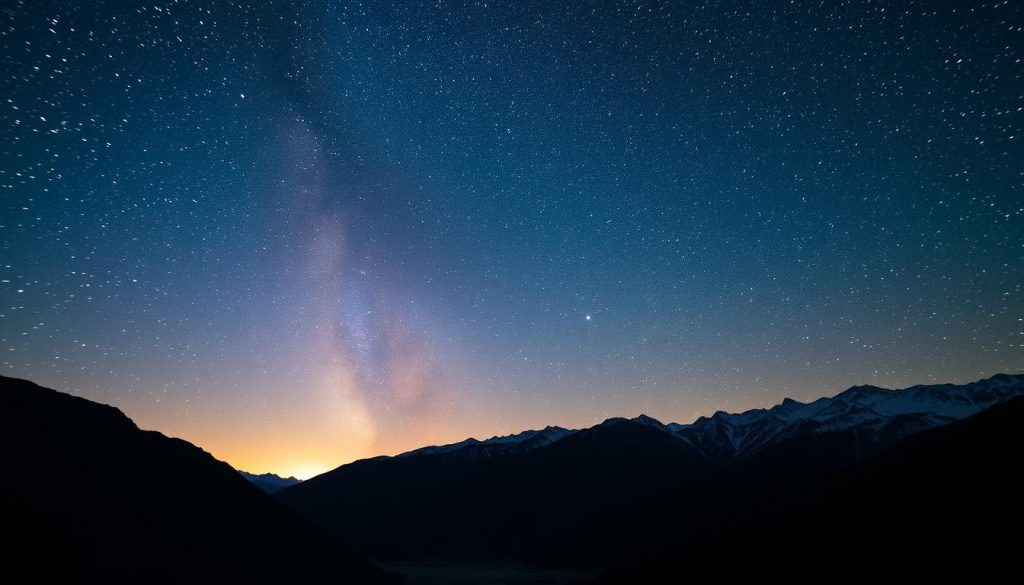
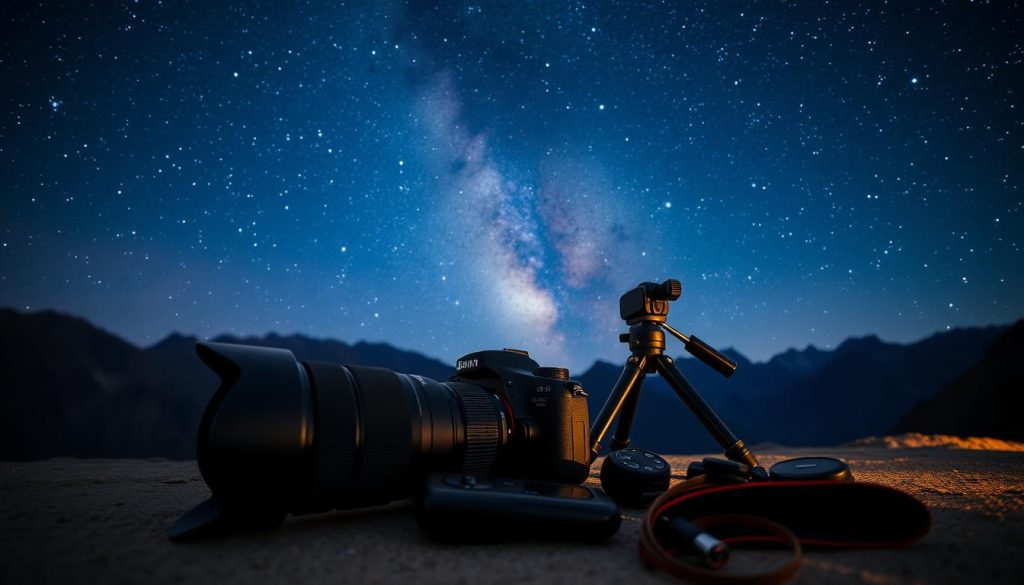
Capturing Hunza Valley’s night sky requires specialized equipment. You’ll need a DSLR or mirrorless camera with manual controls. A wide-angle lens with a fast aperture and a sturdy tripod are also essential.
These tools will help you create stunning images of the Milky Way and star trails. With the right gear, you can unlock the secrets of the night sky.
Cameras, Lenses, and Accessories
For astrophotography, a camera with manual mode is crucial. It lets you control shutter speed, aperture, and ISO for perfect exposure. A full-frame sensor provides better low-light performance and wider field of view.
Pair your camera with a wide-angle lens (16-35mm or 24-70mm). Choose one with a fast maximum aperture, like f/2.8 or wider. This setup gathers more light and creates dramatic perspectives.
A sturdy tripod ensures sharp, shake-free long exposures. A remote shutter release or intervalometer helps trigger the shutter without causing blur.
- DSLR or mirrorless camera with manual controls
- Wide-angle lens with fast aperture (f/2.8 or wider)
- Sturdy tripod
- Remote shutter release or intervalometer
- Headlamp for hands-free illumination
- Extra batteries to power your gear in the cold conditions
- Dew heater to prevent lens fogging
The right gear equips you to capture Hunza Valley’s captivating night sky. You’ll be ready to photograph the Milky Way and create mesmerizing star trails.
Post-Processing for Stunning Astrophotography
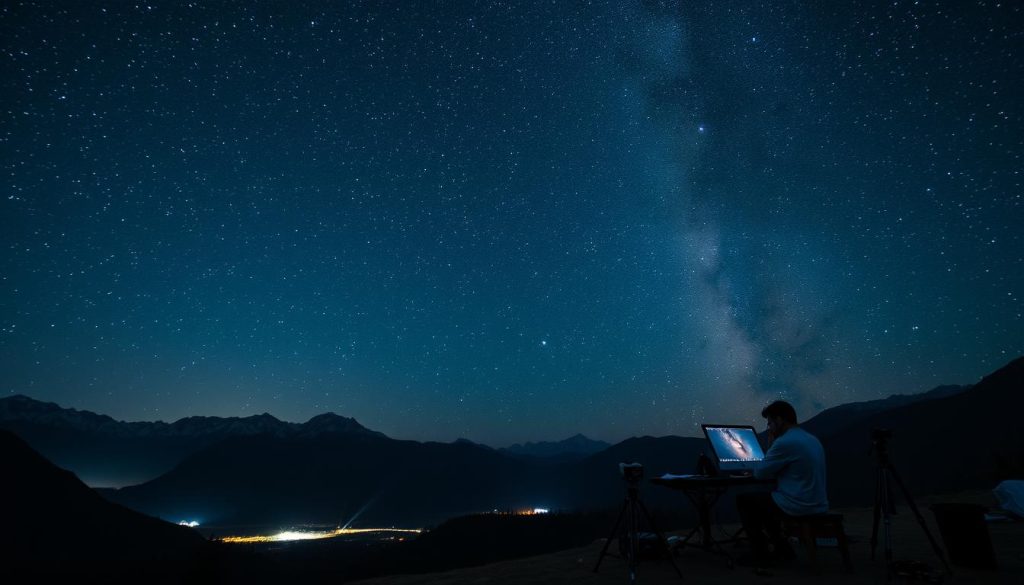
Capturing astrophotography in the Hunza Valley is just the start. Post-processing is crucial to make your night sky photos shine. This involves adjusting exposure, contrast, color balance, and reducing noise.
The Milky Way contains at least 100 billion stars. Use software like Adobe Lightroom Classic or StarStax to enhance colors and details. This brings out the vibrancy of the Milky Way’s spiral arms and countless stars.
Managing image noise is a key step in post-processing. Low-light conditions often result in grainy images. Apply noise reduction to smooth imperfections while keeping essential details sharp.
Fine-tune exposure and contrast to highlight celestial objects against the dark sky. Adjust white balance to accurately show the natural colors of stars and nebulae.
| Software | Key Features |
|---|---|
| Adobe Lightroom Classic | Comprehensive image editing tools, including noise reduction, exposure, and color adjustments |
| StarStax | Specialized software for creating stunning star trail compositions |
Mastering astrophotography post-processing elevates your night sky photography. It showcases the cosmos’ true beauty through carefully crafted image editing techniques.
“Astrophotography is not just about capturing the night sky; it’s about revealing the hidden splendor of the universe and sharing it with the world.”
Hunza Valley: More Than Just Astrophotography
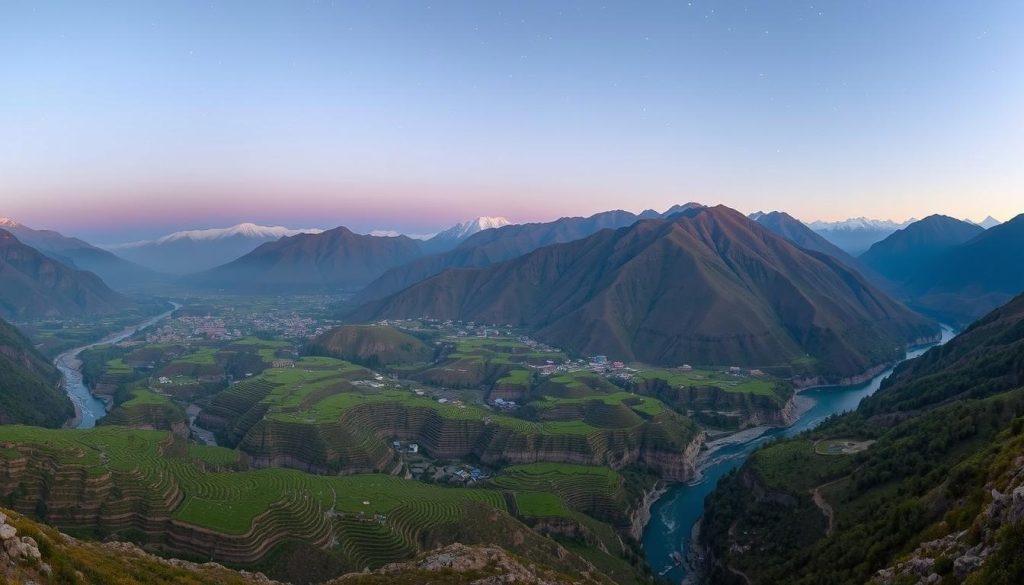
The Hunza Valley offers more than just stunning night skies. This Northern Pakistan gem boasts towering peaks, glaciers, and lush landscapes. Visitors can enjoy hiking, mountain biking, or simply soaking in the serene surroundings.
Exploring Northern Pakistan’s Natural Beauty
The Hunza Valley is a photographer’s paradise. It offers diverse landscapes, architecture, and cultural scenes. Spring and autumn tours are popular for capturing the region’s beauty.
The Gilgit-Baltistan area, including Hunza, Skardu, and Phandar, is known for its stunning views. It boasts pristine lakes, national parks, wildlife, and rich culture. Many photographers love the Kalash Valley for its unique customs.
The Hunza Valley lets you dive into local traditions and festivals. You can capture awe-inspiring views and vibrant culture. This Northern Pakistan gem truly showcases natural beauty beyond its famous night skies.
Safety and Ethical Considerations
Prioritize safety in the Hunza Valley’s high-altitude environment. Be aware of altitude sickness risks. Take appropriate precautions to ensure your well-being.
Follow Leave No Trace principles to protect the local environment. Get necessary permits before starting your astrophotography project. Respect local communities and their customs.
Preserve the Hunza Valley’s natural beauty and fragile ecosystems. Leave no trace of your visit behind. Your actions can help maintain this stunning location.
| Safety Considerations | Ethical Considerations |
|---|---|
|
|
Prioritize safety and ethics during your Hunza Valley astrophotography adventures. This approach ensures memorable, sustainable experiences. It also shows respect for local communities and the environment.
Conclusion
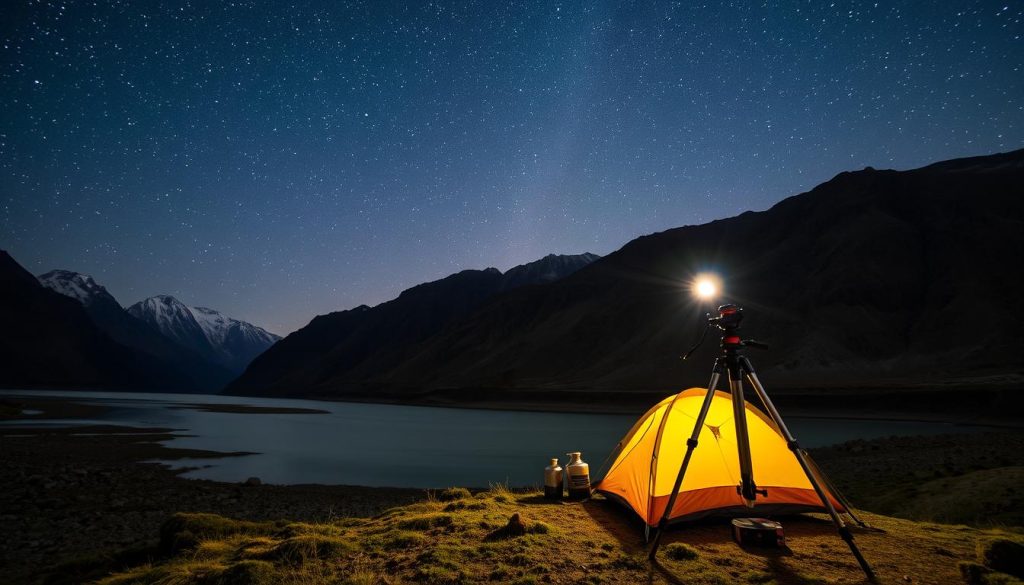
The Hunza Valley in Pakistan’s Karakoram Range is a haven for astrophotographers. It offers a chance to capture the night sky’s mesmerizing beauty. The valley’s pristine, high-altitude setting provides dark skies and stunning landscapes for celestial images.
The Hunza Valley appeals to both seasoned and new astrophotographers. Its natural wonders include vibrant fall foliage, snow-capped peaks, and serene mountain streams. These features make it a must-visit destination for unforgettable experiences.
The captivating night sky and breathtaking scenery inspire photographers in the Hunza Valley. With proper gear and techniques, you can capture the Milky Way and star trails. These images will create lasting memories of this remarkable place.
The Hunza Valley’s astrophotography magic awaits your exploration. Your journey here will leave a lasting impression on both you and your camera. Discover the wonders of this unique corner of the Karakoram Range.