

Haa Valley’s Key to Sustainable Farming & Community
What if the answer to our global food problems is in Haa Valley, Bhutan? It’s a hidden spot 106 km from Thimphu. Here, sustainable farming and community projects are more than just ideas. They are a way of life.
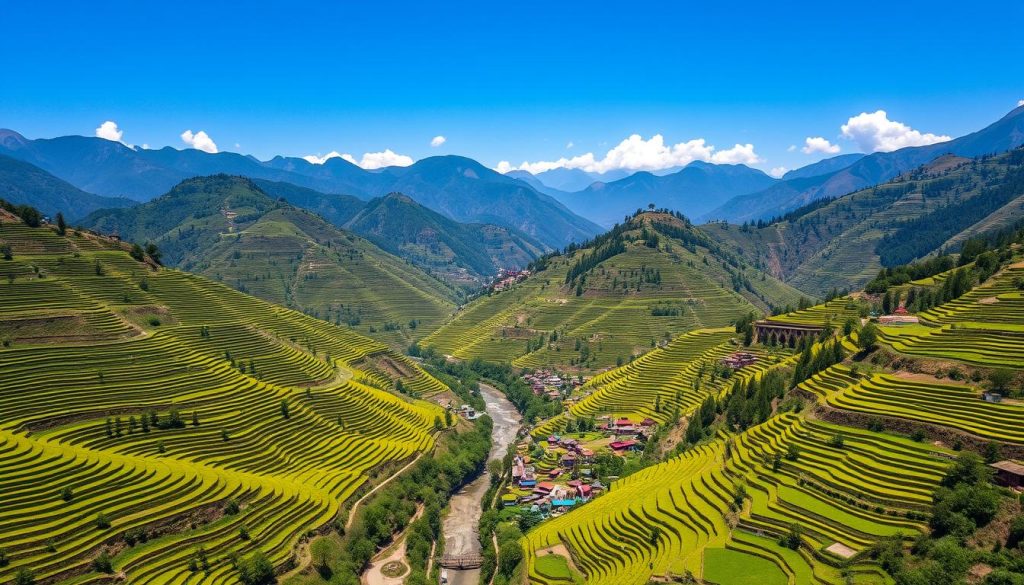
Haa Valley sits at 3056 m high, surrounded by Sikkim. It’s a place where eco-friendly farming is changing lives and saving the environment.
In Haa, you’ll find the famous ‘Hoentey’ buckwheat dumpling and lively winter festivals. The valley’s culture and farming go hand in hand. Locals focus on organic farming, managing water, and saving biodiversity.
With stunning views and high-altitude trails, Haa Valley is a hit in eco-tourism. It’s also leading in community development. The valley is working on projects to improve rural life.
Introduction to Haa Valley
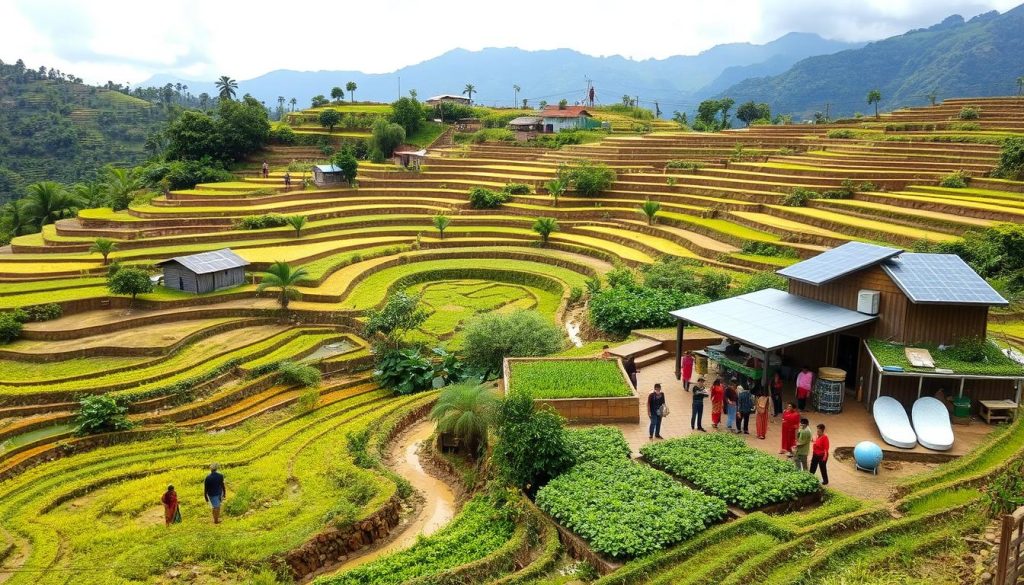
The Haa Valley in Bhutan is known for its beautiful landscapes and rich farming history. Its location creates a special climate, perfect for growing a wide variety of crops. Small farms are key to the local economy, thanks to the fertile land and good weather.
Visiting the Haa Valley, you’ll see how old farming ways meet new ideas to boost growth and care for the land. These steps are vital for keeping farming important and protecting the local culture.
Talking to the people there, you’ll learn about their creative farming techniques. They use the area’s natural features to their advantage. This mix of old and new farming shows the value of caring for the land and understanding the connection between geography and farming.
| Aspect | Details |
|---|---|
| Geographic Location | Nestled in Bhutan, characterized by its mountainous terrain and fertile soil. |
| Agricultural Practices | Mainly smallholder farming, with crops that leverage the unique climate. |
| Community Engagement | Local farmers actively participate in initiatives that strive for sustainability. |
| Economy | Heavily reliant on agriculture, supporting families and local markets. |
Understanding Sustainable Farming
Sustainable farming is key to better farming that helps the planet and people. It aims to keep farming practices healthy for the environment. This way, farming can grow food without harming nature.
Organic farming is a big part of this. It uses natural ways to help plants grow, keeping the soil and wildlife healthy. Agroecology also plays a role, using nature’s ways to make farming stronger and less harmful.
Regenerative agriculture is another important idea. It not only keeps farming going but also makes the soil and wildlife better. This approach helps fix damaged areas and even fights climate change.
In places like Haa Valley, local farming is changing for the better. People are using methods that are good for the planet and their economy. This shows how sustainable farming can lead to a brighter future for food and the environment.
Importance of Community Development
Community development is key to better living standards, mainly in rural areas. It makes people feel they own and are responsible for their community. This is great for cooperative farming.
Local engagement helps share resources, building stronger community ties. It leads to better farming practices through knowledge sharing. Empowered communities often see more success in farming projects.
Let’s look at two farming ways to see why community development matters:
| Farming Approach | Impact of Community Development | Challenges Faced |
|---|---|---|
| Top-Down Initiatives | Limited local buy-in, resulting in decreased effectiveness | Resistance from local farmers and lack of knowledge transfer |
| Community-Led Initiatives | Increased participation and collaboration among residents | Initial friction when aligning diverse interests |
In summary, focusing on community development boosts rural farming and life quality. It empowers people and strengthens community bonds. Haa Valley shows how grassroots efforts can make farming thrive.
Impact of Climate Change on Agriculture
Climate change is a big threat to farming, hitting places like Haa Valley hard. The weather is getting warmer and rain is harder to predict. This makes farming very tough, leading to less food and more hunger.
Farmers need to find new ways to grow food as the world’s population grows. By 2050, we’ll have 9.7 billion people to feed. At the same time, we must cut down on carbon emissions from farming. This is why we need new farming methods and tools to make crops stronger.
In Hawaii, 87% of food comes from outside, showing how dependent we are on imports. This makes it clear we need to grow more food locally. There’s also a lot of land that’s not used for farming, which could help us grow more food.
By using crops that can handle drought or better irrigation, we can fight some of the effects of climate change. The rice-wheat system in Asia is under a lot of pressure from the weather. Natural disasters like storms and wildfires have already hurt farming, making it clear we need to farm better.
Understanding how climate change affects farming is key. We must work on making farming more resilient. This helps farmers and keeps our food systems strong for the future.
Local Community Engagement in Farming Initiatives
Getting the community involved is key for local farming in Haa Valley. Wendy Gady shows how farming can be a community-engaged process. She combines new farming methods with old ones, bringing farmers and communities closer together.
People helping out in farming helps ensure everyone has food. It makes sure the food grown is what locals want, giving them access to healthy food. Gady’s work has started projects that help farmers and teach them new things. This helps build a stronger community.
Supporting local farmers’ markets is also important. Gady makes sure farmers have a say in how farming is run in Hawaii. This helps farmers work with government, businesses, and groups, making farming better.
Being involved in farming does more than just feed people. It makes food systems stronger, so they can handle tough times better. Groups and organizations help Gady’s work, giving farmers the support they need.
Working together, communities learn new things about farming. This helps them use farming in a way that’s good for the environment. It also helps the local economy, making life better for people.
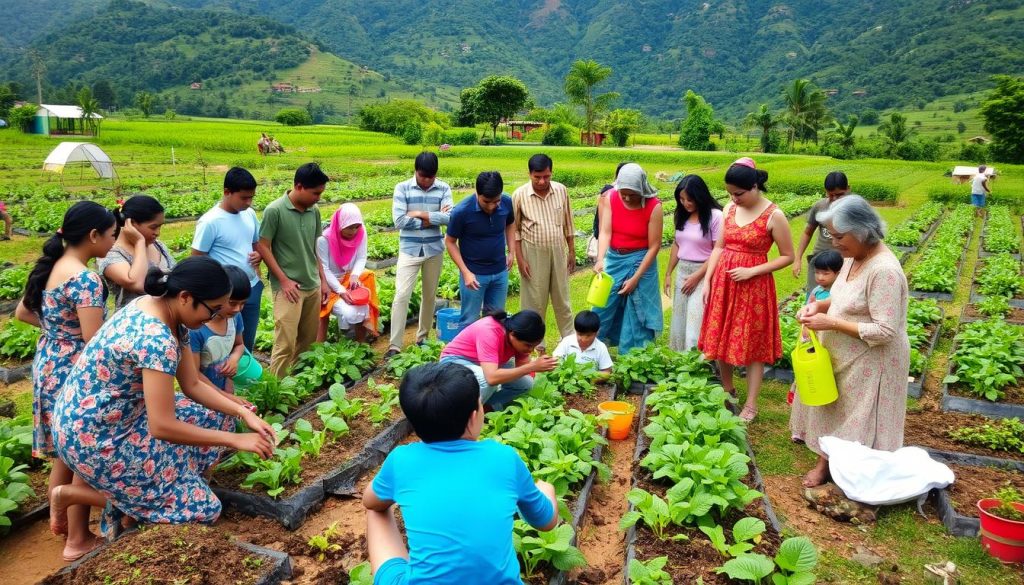
Organic Farming Initiatives in Haa Valley
In recent years, Haa Valley has seen a big rise in organic farming. This move is part of a worldwide push for healthier food systems. By using organic methods, local farmers cut down on chemicals and improve soil quality. This leads to big health benefits for people and the planet.
At the heart of these efforts are education and training for farmers. These programs help farmers switch to organic farming. Organic farming boosts farm yields and protects the local ecosystem. It also helps keep the valley’s rich biodiversity safe, with 203 bird species and many endangered ones.
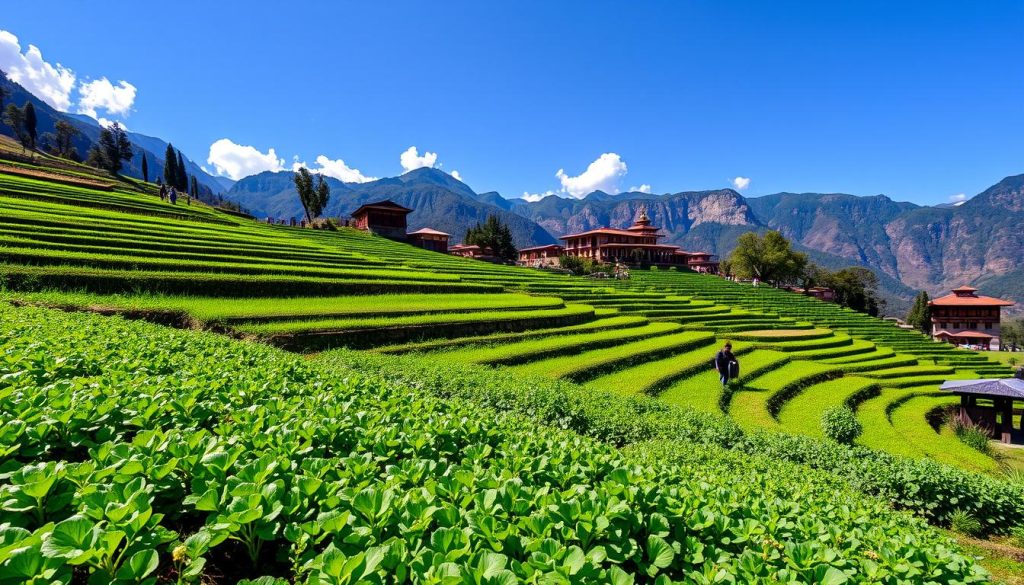
Investments in community programs help spread organic farming. Haa Valley uses local knowledge and practices in its farming. This approach improves product quality and sustainability, offering more health benefits from organic food.
These organic farming projects help farmers, consumers, and the community. As more people learn about the benefits, more join in. This creates a strong network of sustainable farming and conservation in Haa Valley.
Sustainable Farming and Community Projects in Haa Valley
Haa Valley is home to many sustainable farming projects and community efforts. These projects mix caring for the environment with creating jobs. Four projects got funding to improve farming and help the community grow.
The Eco Camp project is one such effort. It’s run by seven friends from Katsho. They aim to teach sustainability through education.
In Phobjikha Valley, KKOD is a milk processing unit led by 50 farmers. They plan to make ice cream and yogurt. This will bring in new money and jobs for the community.
The Soe Lanor Cooperative is another great project. They make “chugu,” a soft cheese from yak milk. This helps local people by selling unique products to tourists and locals.
Even with challenges, like losing markets during the pandemic, these projects are moving forward. They show how farming can help communities.
The Draktsho Vocational Training Center is also making changes. They’re teaching entrepreneurship to youth with special needs. This helps everyone learn new skills and feel included.
Haa Valley’s high altitude and location make it special. It’s 106 km from the capital and has many economic activities. Over 20 homestays offer authentic experiences to tourists.
Local culture is vibrant, with people making souvenirs like yak tail key chains. Homestays offer hands-on experiences, like making traditional dumplings. This strengthens community bonds.
| Project Name | Description | Target Audience |
|---|---|---|
| Eco Camp | Educational program promoting sustainable practices | Local youth and tourists |
| KKOD | Milk processing unit with new product launches | Local farmers and consumers |
| Soe Lanor Cooperative | Development of “chugu,” a traditional Yak cheese | Community members and visitors |
| Draktsho Vocational Training Center | Entrepreneurship Curriculum for special needs youth | Young adults with disabilities |
These projects show a big commitment to sustainable farming. They help local farmers, encourage buying local, and keep Haa Valley’s culture alive. Haa Valley shows how sustainable farming can change the economy and protect the environment.
Eco-Friendly Agriculture Practices
Using eco-friendly farming methods is key for a sustainable farm. In Haa Valley, farmers use sustainable agriculture techniques to meet food needs and protect the environment. They use crop rotation, intercropping, and integrated pest management to save resources.
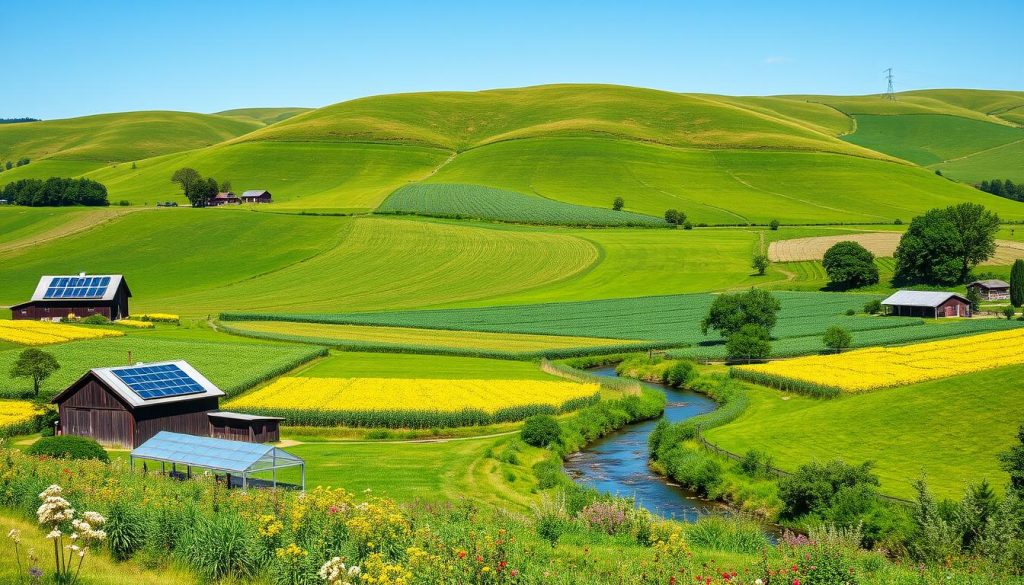
Crop rotation means changing what’s grown in a field with the seasons. It stops soil from getting worn out and keeps pests away. Intercropping grows different plants together, boosting biodiversity and soil health. Integrated pest management uses natural and chemical methods to control pests.
Farmers in Haa Valley show how to care for the environment through farming. They use natural ways to farm, protecting their land and preparing for climate changes. These methods help farmers grow more food while keeping their land healthy.
| Sustainable Agriculture Techniques | Benefits |
|---|---|
| Crop Rotation | Prevents soil depletion, reduces pests |
| Intercropping | Enhances biodiversity, improves soil health |
| Integrated Pest Management | Sustainable pest control, minimizes chemical use |
These eco-friendly methods are crucial for saving resources and keeping Haa Valley healthy. They help farmers succeed and benefit their community and the environment.
Environmental Conservation Programs and Their Role
Environmental conservation programs are key in supporting sustainable farming. They help protect local ecosystems and ensure food security. In Haa Valley, efforts focus on managing water and conserving soil.
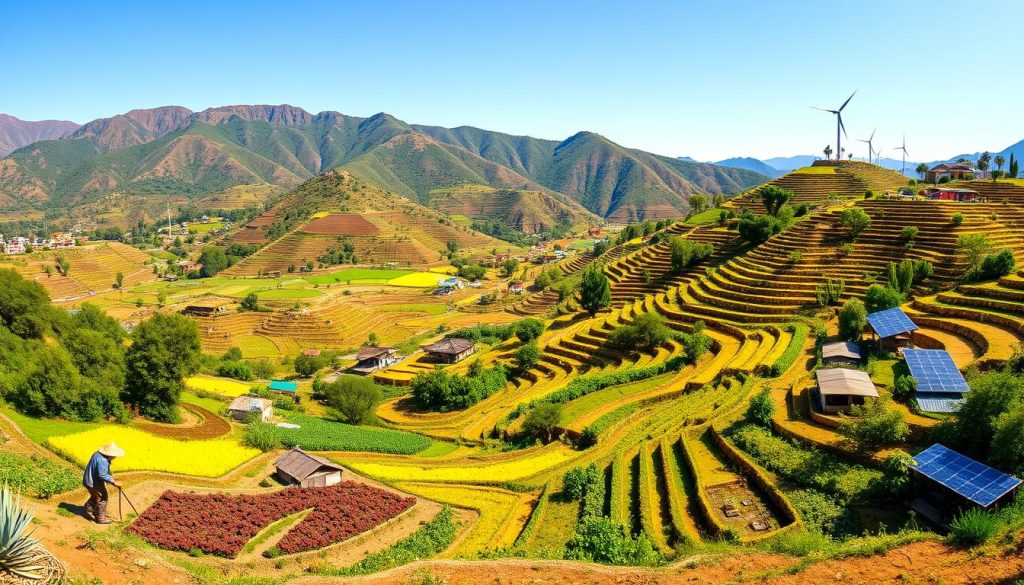
These programs make the environment healthier and boost farm productivity. By using sustainable farming methods, farmers save natural resources and grow more food. This way, farming can continue to thrive for generations to come.
Here are some notable programs and initiatives related to environmental conservation in the region:
| Program Name | Focus Area | Funding Amount |
|---|---|---|
| Community Stewardship Program | Preserving cultural and natural resources | $18,500 to $50,000 |
| Regenerative Experiences Program | Enhancing community engagement | $20,000 to $35,000 |
| Kumuwaiwai Center for Sustainability | Educational outreach and sustainable farming | Varies |
These programs show the value of working together to protect the environment. By focusing on conservation, communities can improve their farming. This leads to a sustainable and prosperous future.
Promoting Rural Development Initiatives
Investments in rural development change communities like Haa Valley for the better. About $772.6 million went into 216 projects in 45 states, Puerto Rico, and the Northern Mariana Islands. This helped over 1 million people in rural areas.
These efforts improve local infrastructure, market access, and education for farmers. They support sustainable growth. This is key for rural areas.
Expanding high-speed internet is a big goal. $51.7 million was set aside for this. The Bipartisan Infrastructure Law adds $65 billion for internet expansion. This helps rural areas grow economically.
Since the Biden-Harris Administration started, $3.7 billion has gone into 338 ReConnect projects. This boosts connectivity in rural areas.
Funding is crucial for economic growth in underserved communities. $76.6 million was given to 32 projects to strengthen these areas. About $2.6 billion is dedicated to economic development, creating jobs and boosting resilience.
Clean drinking water and sanitary systems are big concerns in rural areas. $644.2 million was given to rural utilities to help 913,000 people. This will benefit 158 rural utilities involved in these projects.
Clean energy jobs are growing in rural areas. In 2021, over 243,000 workers were employed in nonmetropolitan counties. This shows rural employment is getting closer to pre-pandemic levels.
Research by the NORC Walsh Center for Rural Health Analysis shows a team effort to tackle rural health issues. It suggests working closely with rural communities to improve health and equity.
Through these efforts, rural development improves agriculture and living standards. It also helps local communities connect with the wider economy.
Social Impact Projects Transforming Communities
Social impact projects in Haa Valley are changing local communities for the better. They tackle big issues like poverty and education. They also help people develop skills and practice sustainability.
In the United States, many eco-communities focus on social impact. They show how to make a real difference in communities.
Community development projects aim to improve well-being and economic stability. They use inclusive strategies. Here are some examples of successful projects:
| Project | Location | Focus Area | Community Impact |
|---|---|---|---|
| Atlan | Vermont | Permaculture | Long-standing commitment to sustainable culture development |
| Bezaleel Israel Eco-Village | Washington | Permaculture Farming | Offers opportunities for local empowerment through apprenticeship |
| Abundance EcoVillage | California | Self-Sustainability | Generates own wind and solar power, enhancing eco-friendly practices |
| Bodhi Farms | New Mexico | Organic Farming | Engages community through local farmers’ markets |
| Breitenbush Hot Springs | Oregon | Cooperative Living | Operates off-grid, emphasizing community well-being |
| The Baltimore Free Farm | Baltimore | Food Accessibility | Addresses food justice through local engagement |
These projects show the power of working together for social change. They prove that empowering local communities can lead to lasting development. As more communities see these successes, they can start their own journeys towards positive change.
Challenges Facing Sustainable Practices
The path to sustainable farming in Haa Valley is filled with obstacles. Despite the local community’s wish for eco-friendly farming, several barriers stand in the way. These need urgent attention and action.
One big challenge is limited access to resources. Farmers face hurdles in getting the tools, technology, and money needed for sustainable farming. The U.S. Department of Agriculture points out that past financial issues add to the problem. Without enough credit, farmers can’t invest in green farming methods.
Climate changes also pose a big problem. Studies show that weather shifts make farming unpredictable. This makes it tough for farmers to stick to old ways. Changes in weather can make crops more vulnerable to environmental stress, making sustainable farming harder.
Here’s a closer look at the main challenges and barriers:
| Challenge | Details |
|---|---|
| Lack of Access to Resources | Insufficient tools and technology for effective sustainable practices. |
| Financial Constraints | Limited funding and credit opportunities hinder adoption of sustainable methods. |
| Climate-Related Issues | Unpredictable weather patterns affect crop viability and yield. |
| Education and Awareness | Need for training and information on sustainable practices among farmers. |
Knowing these barriers helps us find solutions. By tackling these issues, we can pave the way for a more sustainable future in Haa Valley. This will help farmers overcome their challenges and thrive.
Conclusion
To truly embrace a sustainable farming future, it’s crucial to see the big role community resilience plays in Haa Valley. Local farmers, leaders, and organizations working together share knowledge and strengthen sustainable practices. This teamwork helps create a thriving ecosystem for future generations.
The path to better community resilience is about more than just new farming methods. It’s also about building strong relationships that support each other. These efforts improve economic stability, social bonds, and environmental health.
As we strive for a sustainable farming future, understanding local partnerships is key. By supporting these efforts in Haa Valley, you join a movement that protects the land and empowers its people. Together, we can build a resilient, sustainable agricultural system that benefits everyone.





