Guide: How to use the Austrian public transportation system?
Welcome to our comprehensive guide on using the Austrian public transportation system. Whether you’re a first-time visitor or a seasoned traveler, getting around Austria is a breeze thanks to its efficient and extensive transportation network.
In this guide, we’ll walk you through the steps of using public transportation in Austria, from understanding the network structure to planning your journey, purchasing tickets, and more. Our expert tips and insights will equip you with the knowledge to explore this beautiful country with ease.
Read on to discover our Austrian public transportation system guide, filled with insider information to make your travels stress-free and enjoyable.
Understanding the Austrian Public Transportation Network
When it comes to using public transportation in Austria, there are several options to choose from. Whether you’re travelling within a city or between different regions, Austria offers a variety of modes of transportation to get you where you need to go.
Here are the most common options for getting around:
| Transportation Type | Description |
|---|---|
| Buses & Trams | Interconnect various parts of Austrian cities and suburban areas. |
| Metros & Subways | Underground rapid transit systems in cities like Vienna and Graz. |
| Regional Trains | Connect cities and towns within a given region of Austria. |
| Intercity Trains | Link major cities across Austria, as well as with other countries in Europe. |
| Multimodal Transportation | Combine different transportation modes to get to your destination, such as buses and trains or trains and cable cars. |
It’s worth noting that public transportation in Austria is reliable, affordable, and eco-friendly. You’ll find that trains and buses are clean, comfortable, and equipped with modern amenities such as air-conditioning and Wi-Fi.
When planning your journey, keep in mind that most public transportation systems operate on a regular schedule throughout the day, with reduced services during weekends and holidays.
Now that you have a better understanding of the different modes of transportation available in Austria, let’s move on to planning your journey.
Planning Your Journey
Traveling in Austria is a breeze if you plan your journey in advance. Whether you’re exploring cities or venturing into the countryside, public transportation will get you there. Here are some tips on how to navigate the Austrian transportation system:
- Research your options: Austria offers a variety of transportation options, including buses, trains, trams, and metros. Before you depart, research which mode of transportation is best for your needs.
- Check schedules: Make sure to check the schedules of the buses, trains, trams, and metros you need to take. You don’t want to miss your ride!
- Plan for connections: If you need to take more than one mode of transportation to get to your destination, make sure you plan for connections. Leave enough time between rides to ensure a smooth transition.
- Purchase tickets: You can purchase tickets online, at ticket kiosks, or at ticket counters. We recommend purchasing your tickets in advance to save time and money. Keep in mind that some tickets may need to be validated before boarding.
- Understand the zones: Austria’s transportation network is divided into zones. Make sure to understand which zones you need to travel through and purchase the appropriate ticket.
- Use helpful apps: There are many apps available that provide information on public transportation schedules, routes, and ticket purchasing options. Download a few to make your journey even smoother.
By planning your journey in advance, you can avoid any confusion or delays during your travels in Austria.

Ticket Types and Prices
Understanding ticket types and prices is essential for a hassle-free experience using public transportation in Austria. Here are some helpful tips:
Ticket Types
There are several ticket options available, depending on the duration and frequency of your travel. Here is an overview:
| Ticket Type | Description |
|---|---|
| Single Ticket | Valid for one trip within a specific zone or network |
| 24-hour Ticket | Valid for unlimited travel within a specific zone or network for 24 hours |
| Weekly/Monthly Pass | Valid for unlimited travel within a specific zone or network for a week or month |
| Vienna City Card | Includes unlimited travel on public transportation within Vienna, as well as discounts on attractions and restaurants |
Pro Tip: If you plan to use public transportation frequently, consider purchasing a weekly or monthly pass, as it can be more cost-effective than buying individual tickets.
Prices
Prices vary depending on the duration and zone of travel. Generally, the more zones you travel through, the higher the price. Here are some examples of prices for single tickets within Vienna:
- 1 Zone: €2.40
- 2 Zones: €2.90
- 3 Zones: €4.40
Pro Tip: Keep in mind that some attractions and museums offer discounted or free public transportation with the purchase of an entry ticket.
Purchasing and Validating Tickets
Tickets can be purchased at ticket machines located at stations and stops, as well as at ticket offices and selected retail outlets. It’s important to validate your ticket before boarding the transportation by stamping it in the validation machine. Failure to do so can result in a fine.
Pro Tip: You can also purchase tickets and passes using the WienMobil app, available for download on iOS and Android devices.
Using Public Transportation in Vienna
Vienna, the capital city of Austria, has a well-developed and expansive public transportation system that makes it easy to get around the city. Whether you’re a tourist or a local, you’ll find that using public transportation in Vienna is convenient, affordable, and efficient.
The Modes of Transportation
Vienna’s public transportation network comprises buses, trams, U-Bahn (metro), and S-Bahn (suburban train). The U-Bahn and S-Bahn are the fastest and most efficient ways to travel long distances, while the buses and trams are better for shorter distances and exploring specific neighborhoods.
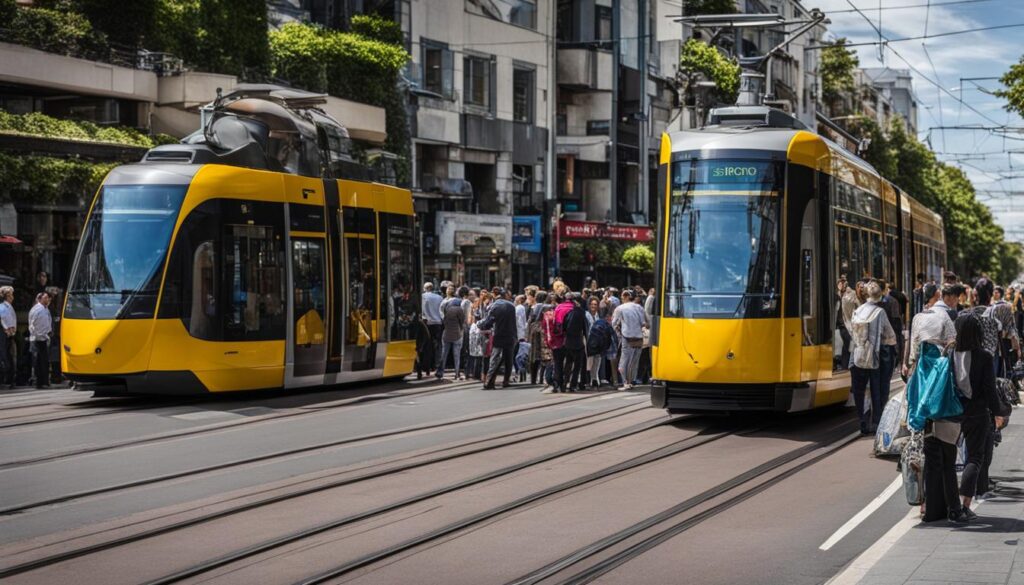
One of the best ways to explore Vienna is by using the tram network, which covers most of the city’s central areas. It’s a great way to see Vienna’s stunning architecture and historic landmarks, such as the St. Stephen’s Cathedral, the Vienna State Opera, and the Hofburg Palace.
Purchasing Tickets
There are several options for purchasing tickets in Vienna. You can buy single tickets, day passes, or multi-day passes. These tickets can be purchased at ticket machines located at U-Bahn and S-Bahn stations, or at numerous sales points throughout the city, including tobacco shops and convenience stores.
It’s important to note that all tickets must be validated before use. You can do this by inserting your ticket into one of the blue validation machines located at U-Bahn and S-Bahn stations, or on trams and buses.
Understanding the City’s Zones
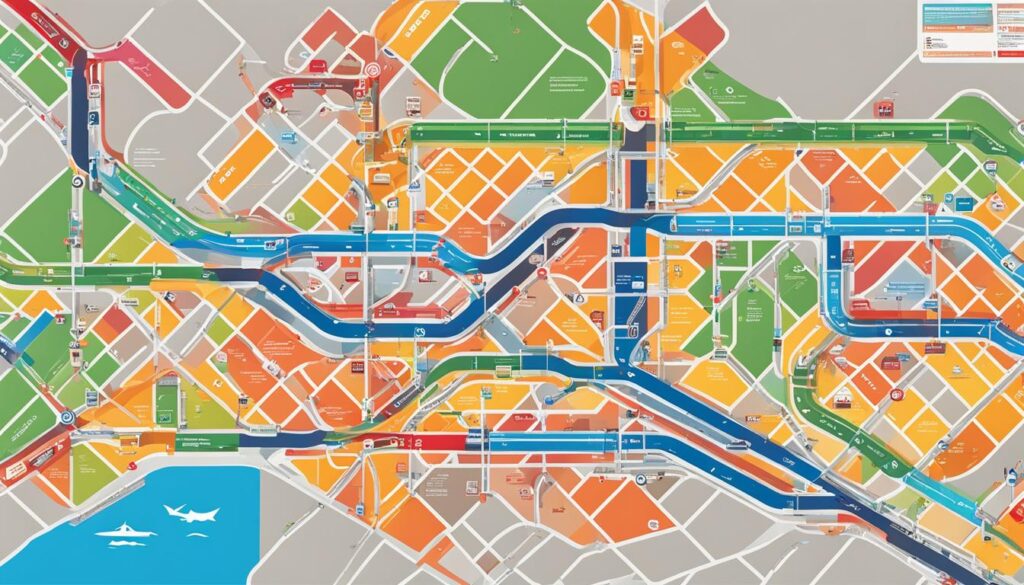
Vienna is divided into various zones that determine the price of your ticket. Zone 100 covers the central areas of the city and is the most commonly used zone for tourists. If you’re traveling outside of the central areas, you’ll need to purchase a ticket for the appropriate zone. Information on zones can be found on the network maps at stations or on the Wiener Linien website.
Vienna City Card
If you plan on using public transportation extensively during your stay in Vienna, you may want to consider purchasing the Vienna City Card. This card provides unlimited travel on all forms of public transportation within the city, as well as discounts for various attractions and restaurants. You can purchase the Vienna City Card at the airport, tourist information offices, and many hotels throughout the city.
With a little planning and some basic knowledge of Vienna’s public transportation network, you can confidently explore the city and all it has to offer.
Exploring Salzburg with Public Transportation
Salzburg is a beautiful city in Austria, known for its stunning architecture and musical heritage. It is easily accessible using public transportation, which allows you to explore the city and its surroundings conveniently and at an affordable cost.
Using Public Transportation in Salzburg
The public transportation network in Salzburg is well developed and consists of buses and trams. The buses run frequently and connect the city’s different areas, while the trams cover the city center and are a convenient way to get around. You can buy tickets from ticket machines located at bus and tram stops, or from the driver when you board the vehicle.
Tip: You can save money by buying a day pass, which allows you unlimited travel on all means of public transportation in Salzburg for 24 hours.
Special Passes for Popular Attractions
If you plan to visit popular attractions in Salzburg like the Hohensalzburg Castle or the Salzburg Zoo, consider getting a Salzburg Card. This special pass not only includes free admission to many attractions but also allows unlimited use of public transportation in the city. You can buy it online or at any tourist information center in the city.
Getting to Salzburg from Vienna
If you are traveling from Vienna, you can take the train to Salzburg. There are several trains running daily, and the journey takes around 2.5 hours. Trains leave from Vienna’s central train station and arrive at Salzburg’s central train station, which is conveniently located near the city center.
Getting to Salzburg from Munich
If you are in Munich and want to visit Salzburg, you can take a train or bus. Trains run hourly from Munich’s central train station and take around 1.5-2 hours to reach Salzburg. Buses also run frequently and take around 2 hours to reach Salzburg.
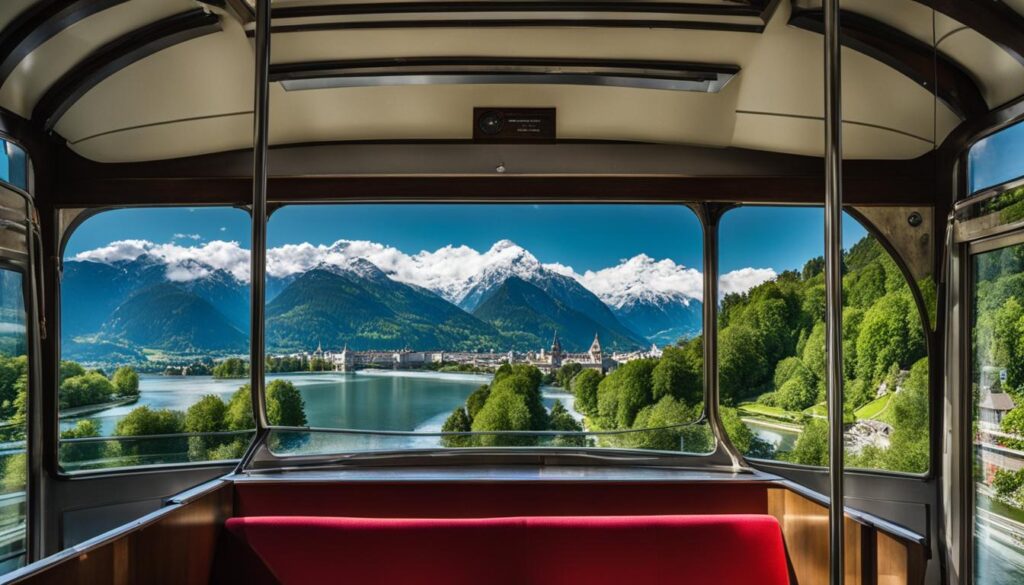
Note: The train journey from Munich to Salzburg is scenic and passes through beautiful countryside areas, so it is recommended to take the train if you have time.
Discovering Innsbruck by Public Transportation
Innsbruck, nestled in the heart of the Austrian Alps, is a popular destination for outdoor enthusiasts. With its stunning mountain views, picturesque architecture, and rich history, Innsbruck is an experience like no other. Fortunately, navigating Innsbruck is easy and convenient with its efficient public transportation system.
Using public transportation in Austria is an easy and cost-effective way to get around, and Innsbruck is no exception. The city’s transportation system includes buses, trams, and mountain railways, giving visitors plenty of options to explore the city and surrounding areas.
When visiting Innsbruck, consider purchasing the Innsbruck Card which provides access to public transportation and discounts on popular attractions. With prices starting at just €49, you can save money while experiencing all that Innsbruck has to offer.
Getting Around Innsbruck
The buses and trams in Innsbruck are an affordable and convenient way to explore the city. With regular schedules and a large network of routes, you can easily reach major attractions, such as the Imperial Palace, the Bergisel Ski Jump, and the Golden Roof.
If you want a more scenic experience, take the mountain railways. The Hungerburgbahn and Nordkette Cable Car offer breathtaking views of the city and surrounding mountains. With the Innsbruck Card, you can access these attractions at a discounted rate.
Traveling to Surrounding Areas
Using public transportation in Innsbruck also allows for easy access to nearby towns and villages. The Stubaitalbahn tram takes you to the picturesque village of Fulpmes, while the S-Bahn connects you to popular ski resorts such as Seefeld in Tirol and St Anton am Arlberg.
For a unique experience, take the Zillertalbahn train which runs through the stunning Zillertal Valley. With its panoramic views and charming villages, this train journey is sure to be a highlight of your trip.
Tips for Using Public Transportation in Innsbruck
- Don’t forget to validate your ticket before boarding trains and buses.
- Check schedules and routes in advance to avoid any delays or confusion.
- Be mindful of peak hours and plan accordingly to avoid crowds.
- If traveling to ski resorts, make sure to bring appropriate gear and clothing.
“The transportation system in Innsbruck is clean, efficient, and easy to use. The views from the mountain railways are incredible, and the Innsbruck Card is a great value for money.” – Maria, traveler
Using public transportation in Austria is a great way to explore the country’s stunning landscapes and vibrant cities. Innsbruck, with its charming architecture, rich history, and stunning mountain views, is a must-visit destination. By following these tips and utilizing the city’s transportation system, you can have a stress-free and memorable experience.
Exploring the Austrian Countryside by Train
Discovering Austria’s picturesque countryside is a must-do during your travels. Luckily, the country’s train network offers an efficient and comfortable option for exploring the stunning landscapes. From the snow-capped peaks of the Alps to the rolling hills of the Wachau Valley, there are countless destinations to discover.
Train Routes
Train routes to the countryside vary depending on your starting point and desired destination. Some popular routes include:
- Vienna to Salzburg
- Vienna to Graz
- Salzburg to Innsbruck
- Vienna to Hallstatt
- Vienna to Wachau Valley
Many of these routes offer breathtaking views of the Austrian countryside, passing through quaint villages and towns along the way.
Train Types
There are several train types to choose from, depending on your route and budget:
| Train Type | Description |
|---|---|
| EuroCity (EC) | International trains with first and second class options, equipped with wifi and food service. |
| InterCity (IC) | Domestic trains with first and second class options, equipped with wifi and food service. |
| RegionalExpress (REX) | Local trains that make frequent stops, offering economy class only. |
Prices vary depending on the train and class chosen, as well as the distance traveled.
Buying Tickets
Train tickets can be purchased at train stations, online, or through mobile apps. It’s recommended to book tickets in advance, especially during peak travel season, to ensure availability and to save money.
Online and mobile ticket purchases typically require registration and payment by credit card. When purchasing at a train station, it’s important to validate the ticket at a machine before boarding the train.
Tips for a Smooth Journey
- Check train schedules and book tickets in advance to save money and guarantee availability.
- Choose a class and train type that fits your travel needs and budget.
- Arrive at the train station at least 15-20 minutes before departure time.
- Validate your ticket at a machine before boarding the train.
- Keep your ticket for the duration of the journey, as it may be checked by a conductor.
- Enjoy the stunning views and the comfortable ride!
Accessibility and Special Services
When using public transportation in Austria, it’s important to know that the system is designed to be accessible to all travellers. Whether you have a disability, are travelling with children or require special assistance, there are services available to make your journey as smooth as possible.
Services for Passengers with Disabilities
If you have a disability, you can use many modes of public transportation in Austria with ease. Trains, buses, and trams often have low floors and ramps for easier boarding and alighting. Many stations also have elevators or escalators, and tactile paving for visually-impaired passengers.
Passengers with disabilities can use a wheelchair on most types of public transportation. It’s essential to inform the transportation operator ahead of time if possible, so that they can make any necessary arrangements. Additionally, the Austrian Federal Railways provides assistance for passengers with disabilities free of charge.
Special Amenities for Families and Seniors
If you’re travelling with children, many transportation operators offer special amenities to make your journey more comfortable. This includes family compartments on trains and strollers on buses. Some operators even offer discounts for families or children travelling with an adult.
If you’re a senior citizen, you may also be eligible for discounts on public transportation in Austria. The Vienna Transport Authority, for example, offers reduced fares for seniors over the age of 63.
Assistance Dogs
Assistance dogs are welcome on most types of public transportation in Austria. These include guide dogs for visually impaired passengers or service dogs for passengers with disabilities. It’s essential to inform the transportation operator ahead of time if possible, so that they can make any necessary arrangements.
Remember to bring any necessary documentation for your assistance dog, including a health certificate and identification tags.
Tips for a Smooth Journey
Using public transportation in Austria can be a breeze with these tips:
- Plan ahead: Research routes and schedules before you travel. This will help you avoid delays and ensure you arrive at your destination on time.
- Validate your ticket: Most public transportation tickets in Austria need to be validated before you board. Look for the validation machines and don’t forget to stamp your ticket.
- Observe etiquette: Wait for passengers to exit before boarding. Don’t take up more than one seat, and keep your belongings close to you.
- Avoid peak hours: Rush hour in Austria’s cities can be crowded and chaotic. If possible, plan your travel outside of peak hours.
- Be aware of safety guidelines: Pay attention to signage and announcements regarding safety guidelines. For example, keep your hands inside the tram or train and hold on to handrails while standing.
- Save time and money: Consider purchasing a multi-day pass or a Vienna City Card for unlimited public transportation access. These options can save you time and money.
By following these tips, you’ll be able to navigate the Austrian public transportation system with confidence and ease.
Austrian Public Transportation Tips: Making the Most of Your Journey
Using the public transportation system in Austria is a convenient and cost-effective way to travel. However, there are a few tips that can help you navigate the network like a pro:
- Plan ahead: Use online resources or mobile apps to plan your journey, check schedules, and buy tickets in advance. This will save you time and ensure a smooth experience.
- Validate your ticket: Make sure to validate your ticket before boarding. Failure to do so can result in a hefty fine.
- Be punctual: Austria’s public transportation system is known for its punctuality, so make sure to arrive at the station or stop on time.
- Respect etiquette: Austrian public transportation is known for its quiet and orderly atmosphere. Be mindful of other passengers and avoid loud conversations or music.
- Watch your belongings: While Austria is generally a safe country, it’s always a good idea to keep an eye on your belongings when using public transportation.
- Consider special passes: If you’ll be using public transportation frequently, consider purchasing a pass. Some cities offer special passes that include discounts on attractions or other perks.
Follow these tips and you’ll have a stress-free and enjoyable journey while using the Austrian public transportation system.
Conclusion
Congratulations on completing our guide to using the Austrian public transportation system! You are now equipped with the knowledge and tips to confidently navigate Austria’s efficient transportation network. Whether you’re traveling to Vienna, Salzburg, Innsbruck, or the countryside, using public transportation will make your journey convenient and enjoyable.
Remember to plan ahead, understand ticket types and prices, and take advantage of helpful apps and resources to enhance your experience. Don’t forget to adhere to etiquette and safety guidelines while traveling.
Final Thoughts
Exploring Austria by public transportation is not only practical, but also a wonderful way to immerse yourself in the culture and scenery of this beautiful country. Enjoy the freedom of travel and create unforgettable memories on your journey. We hope our guide has been helpful and wish you a safe and enjoyable trip!