Guide: How Do I Use the Barcelona Metro? – Explore with Ease
If you’re planning a trip to Barcelona, one of the most convenient ways to get around the city is by using the Barcelona Metro. But if you’ve never used a metro system before, you might feel a bit overwhelmed. That’s why we’ve created this Barcelona Metro guide to help you navigate the city with ease.
In this guide, you’ll learn everything you need to know about using the Barcelona Metro, from getting started with the metro system to purchasing tickets and understanding the timetable and routes. Whether you’re a first-time visitor or a seasoned traveler, this guide will equip you with the knowledge to explore Barcelona like a pro.
So, if you’re wondering “How do I use the Barcelona Metro?” or simply looking for more information, you’ve come to the right place. Let’s dive in!
Getting Started with the Barcelona Metro
Before diving into the details, let’s start by familiarizing yourself with the Barcelona Metro system. The metro system is one of the most extensive subway systems in Europe, with a total of 12 lines and over 160 stations. The Barcelona Metro system is designed to be easy to use, with clear and concise signage throughout the stations and trains.
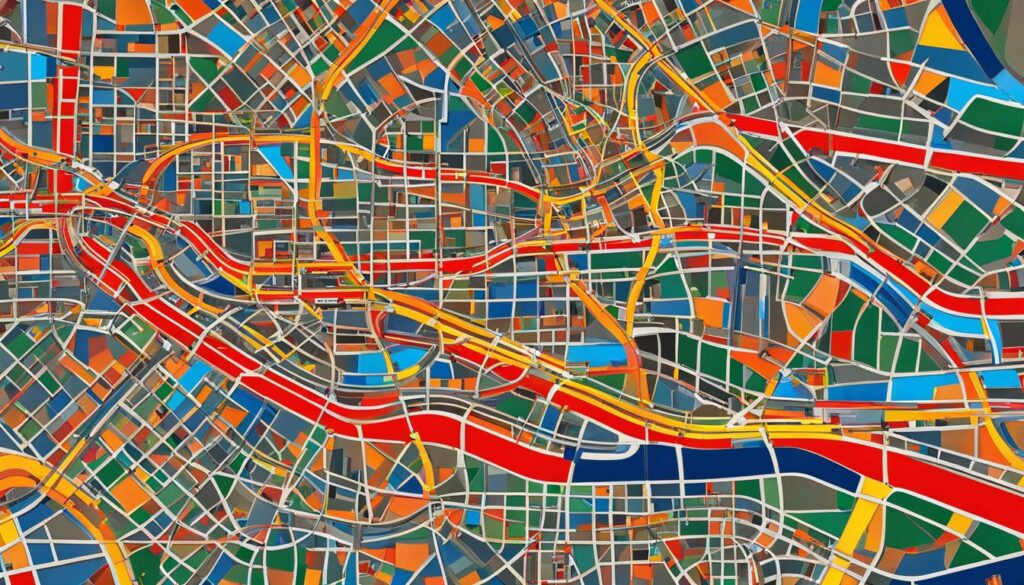
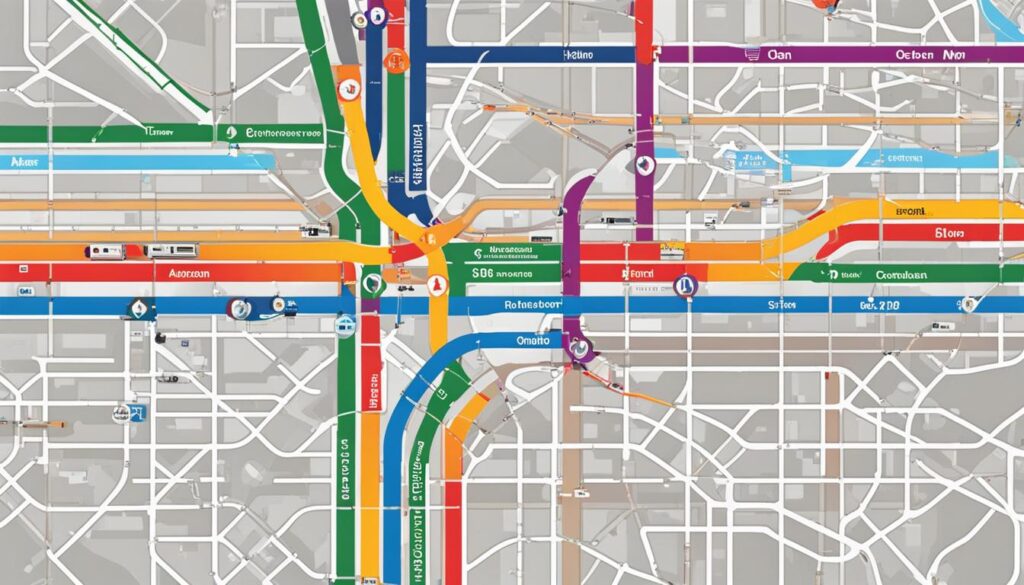
The Barcelona Metro map is your key to navigating the system. You can find the map at all Metro stations, Tourist Information Centers, and online. The map will help you plan your routes and understand the different lines, stations, and connections.
Each line of the Barcelona Metro system is color-coded, with a designated number, and you can plan your journey by selecting your starting station and the destination station on the map. The Barcelona Metro map can also help you plan your route beyond the metro system, as it shows the connections with other modes of transportation, such as buses, trams, and trains.
As you explore the Barcelona Metro system, you will discover that each station has its unique design, and some stations are quite impressive, such as the Liceu station, which features tile mosaics and ornate light fixtures.
Now that you have a basic understanding of the Barcelona Metro system, you can move on to learning about the different ticket options available in the next section.
Barcelona Metro Tickets and Fares
To use the Barcelona Metro, you need to purchase a ticket. There are several options for tickets, depending on the duration of your stay and the number of journeys you plan to make. Here are the different types of Barcelona Metro tickets available:
| Ticket Type | Description | Price |
|---|---|---|
| Single Ticket | Allows one journey on the Barcelona Metro | €2.40 |
| 10-Journey Ticket | Allows ten journeys on the Barcelona Metro | €11.35 |
| T-Dia | Allows unlimited journeys on the Barcelona Metro for one day | €10.50 |
| T-Casual | Allows unlimited journeys on all public transportation, including the Barcelona Metro, for two days | €16.50 |
| T-Usual | Allows unlimited journeys on all public transportation, including the Barcelona Metro, for 30 days | €40.00 |
It’s important to note that single tickets are not available for return journeys. You need to purchase one ticket for each journey you make. Also, it’s essential to validate your ticket before boarding the train. Failure to do so could result in a fine.
If you are planning to use the Barcelona Metro frequently, it’s advisable to purchase a T-Usual ticket, which offers unlimited travel for 30 days. This ticket is economical and convenient, especially if you plan to stay in Barcelona for an extended period.
Children under four years old can travel on the Barcelona Metro for free. Additionally, children aged four to ten can travel for free on Sundays and public holidays, accompanied by an adult with a T-Usual ticket.
Now that you know about the different ticket options, choose the one that best suits your needs and start exploring Barcelona with ease!

Barcelona Metro Timetable and Operating Hours
The Barcelona Metro operates from early morning until midnight on weekdays. However, during weekends and holidays, the timetable might vary. It’s advisable to check the Barcelona Metro timetable in advance to plan your journeys accordingly.
The frequency of trains depends on the time of day and day of the week. During rush hours, trains run frequently, usually every 2-3 minutes. In the late evenings, the frequency decreases, with trains running every 10-15 minutes.
If you’re planning to travel late at night, it’s important to check the timetable beforehand, as some lines might have limited service after a certain time.
Tip: Download the Barcelona Metro app to stay up-to-date with the latest schedule changes and service disruptions.
Navigating Barcelona Metro Routes
The Barcelona Metro has an extensive network of routes that covers various areas of the city. The metro system comprises 12 lines, numbered from L1 to L12, with each line having a designated color. Understanding the routes and transfers can help you navigate the Barcelona Metro with ease.
Major Metro Lines and Stations
The following are some of the major metro lines and their key stations:
| Line | Color | Key Stations |
|---|---|---|
| L1 | Red | Sants Estació, Plaça de Catalunya, Arc de Triomf |
| L2 | Purple | Passeig de Gràcia, Sagrada Familia, Paral·lel |
| L3 | Green | Lesseps, Diagonal, Zona Universitària |
| L4 | Yellow | Barceloneta, Urquinaona, Guinardó | Hospital de Sant Pau |
| L5 | Blue | Sagrada Familia, Diagonal, Sants Estació |
These lines cover many popular tourist destinations, and you can plan your routes accordingly. You can also use the Barcelona Metro map to determine which line to take to your destination.
Transfers and Connections
Some stations on the metro system serve as transfer points between different lines. For example, Plaça de Catalunya Station connects L1 and L3, while Sagrada Familia Station connects L2 and L5. It’s important to understand how transfers work to avoid confusion and delays. The Barcelona Metro website provides a useful tool to plan your trips and transfers.
The Barcelona Metro also connects to other forms of transportation, such as buses and trains. For instance, Verdaguer Station on L4 connects to several bus lines, while Sants Estació Station connects to the national and international train network. Combining different modes of transportation can be an efficient way to explore the city.
Whether you’re traveling to see the iconic Sagrada Familia or enjoy the beaches, using the Barcelona Metro can help you get there. Understanding the routes and transfers will make your journeys smooth and hassle-free.
Barcelona Metro Stations of Interest
While every Barcelona Metro station has its unique character, some serve as landmarks or are connected to popular tourist destinations. Here are a few noteworthy stations to look out for during your travels:
Passeig de Gracia
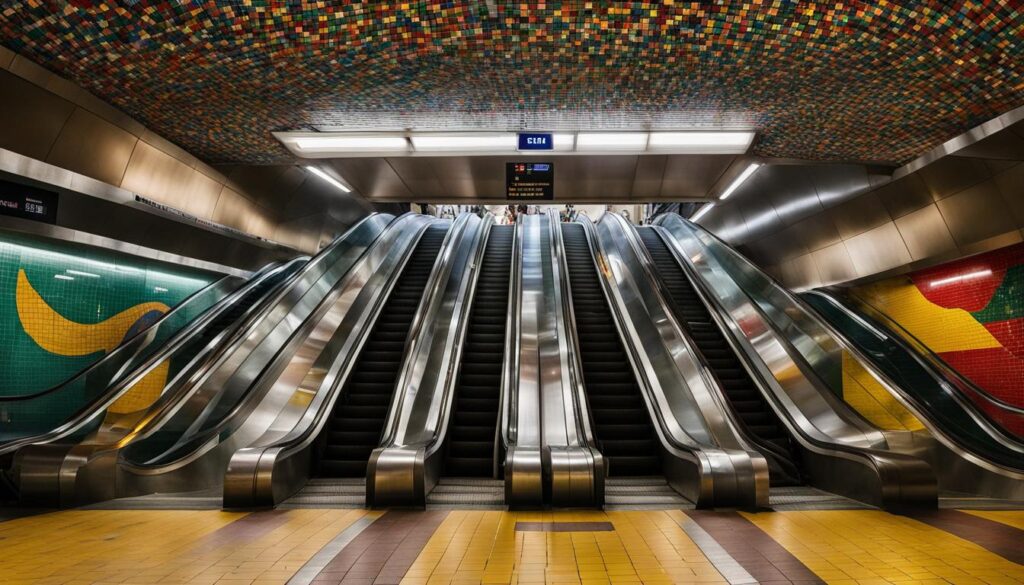
This centrally located station is a hub for several Barcelona Metro lines and is located near many significant landmarks and attractions. From here, you can explore the famous Casa Batllo, Casa Mila, and La Pedrera buildings. The station is also a gateway to high-end shopping areas such as Passeig de Gracia and Rambla Catalunya.
Sagrada Familia
The Sagrada Familia station is named after the world-famous basilica designed by Antoni Gaudi. This station provides easy access to the famous church, as well as the nearby Hospital de Sant Pau, another significant modernist architectural landmark.
Parc Guell
The Parc Guell station is located near the famous park of the same name, designed by Gaudi. The park is home to many Instagram-worthy spots, including the colorful mosaics and the iconic salamander sculpture.
Olympic Village
The Olympic Village station is situated in the heart of the Olympic Port area and provides easy access to the beach. The station is also known for its public art installations, including an enormous fish sculpture.
Ciutadella-Vila Olimpica
This station is located near the Parc de la Ciutadella, a beautiful park that is popular with locals and tourists alike. The station is also close to the famous Arc de Triomf, a triumphal arch that serves as a gateway to the park.
Exploring Barcelona’s Metro stations can be an adventure in its own right. With many stations decorated with colorful tiles, murals, and sculptures, it’s worth keeping your eyes peeled for the unique art installations that can be found throughout the underground network.
– Barcelona Metro enthusiast
Essential Tips for Using the Barcelona Metro
When traveling on the Barcelona Metro, there are a few things to keep in mind to ensure a smooth and stress-free journey. Here are some essential tips to help you make the most of your experience:
Avoid Peak Hours
If possible, try to avoid traveling during the peak rush hour, which is typically from 8:00-9:00 am and 6:00-7:00 pm on weekdays. This will help you avoid overcrowded trains and long waits at the stations. If you must travel during these hours, give yourself extra time and be prepared for crowds.
Understand Etiquette
When traveling on the Barcelona Metro, it’s important to be mindful of proper etiquette. Always give priority to the elderly, pregnant women, and individuals with disabilities, who are given special seating areas. It’s also important to avoid eating or drinking on the train, as this is not permitted.
Stay Aware of Your Belongings
While the Barcelona Metro is generally a safe and secure mode of transportation, it’s important to keep an eye on your belongings. Pickpocketing can occur in crowded areas, so make sure your bags and pockets are secure. It’s also a good idea to keep your valuables out of sight and avoid flashing your phone or wallet.
Use the Metro Map
By using the Barcelona Metro map, you can plan your routes in advance and avoid getting lost. The map is color-coded and easy to understand. You can find a free copy of the map at any metro station or online.
Choose the Right Ticket
There are various ticket options available for the Barcelona Metro, and it’s essential to choose the right one based on your needs and duration of stay. For example, if you’re planning to use the metro frequently, a multi-ride pass or tourist card might be more cost-effective. Make sure to validate your ticket before boarding.
By following these essential tips, you can make the most of your Barcelona Metro experience. With its extensive network, you can easily explore the city and access its many popular tourist attractions.
Accessibility on the Barcelona Metro
Ensuring that the Barcelona Metro is accessible for people with disabilities is an important consideration in the city’s transportation system. The metro system has a range of facilities and services in place to make travel easier for individuals with mobility challenges.
Accessible Stations
Most stations on the Barcelona Metro system are equipped with facilities to support individuals with disabilities. This includes elevators, escalators, and ramps. Additionally, tactile paving is used to guide individuals with visual impairments through the stations. These features make travel on the metro system more convenient and accessible for everyone.
If you require further assistance, you can contact the station staff. They are trained to help individuals with disabilities navigate the system and will be happy to provide any assistance you need.
Assistance Options
The Barcelona Metro also offers assistance options for individuals with disabilities. This includes a free assistance service, which helps individuals with disabilities move through the metro system with ease. The service is available every day of the year and is staffed by trained professionals who can help with boarding and disembarking from trains and navigating the stations.
In addition, the metro system has special seating areas reserved for individuals with disabilities. These areas are clearly marked and are located adjacent to the doors, making it easier for individuals with disabilities to board and exit the trains.
Assistive Devices
The Barcelona Metro allows individuals with disabilities to use assistive devices such as wheelchairs and mobility scooters. However, it’s important to note that there are certain restrictions in place. For example, the maximum width for wheelchairs and scooters is 700mm, and the maximum weight is 250kg.
If you’re traveling with an electric wheelchair or scooter, it’s also important to note that you’ll need to obtain a special permit in advance. You can do this by contacting the metro operator directly or through the Barcelona City Council’s website.
Exploring Beyond the Barcelona Metro
While the Barcelona Metro is a convenient way to get around, it’s always great to explore other transportation options. Barcelona offers an extensive transportation network, including buses, trams, trains, and cable cars, providing easy access to various parts of the city and neighboring regions.
Barcelona Bus
The Barcelona bus system is extensive and covers areas that are not accessible through the metro network. The buses are frequent and run throughout the day, with some night buses available as well. The city also has a hop-on-hop-off bus tour, which is a great way to explore the city’s top attractions at your own pace.
Barcelona Tram
The Barcelona tram system offers a unique way to travel through the city, with three tram lines connecting various parts of the city. The tram system is integrated with the metro network, and you can use the same ticket for both modes of transportation.
Barcelona Train
The Barcelona train system connects the city to the surrounding regions and provides a quick and efficient way to explore the area. The Rodalies de Catalunya is the main commuter rail network that connects the city to other towns and cities in Catalonia. You can use the same TMB ticket to travel on the train network within the city limits.
Barcelona Cable Car
The Barcelona Cable Car is a unique way to explore the city from above and get stunning views of the city skyline. The cable car connects the beachside neighborhood of Barceloneta with Montjuic Hill, where you can visit the castle and enjoy panoramic views of the city.
By combining different modes of transportation, you can create your own unique itinerary and explore Barcelona beyond the metro network.
“Barcelona offers an extensive transportation network, including buses, trams, trains, and cable cars, providing easy access to various parts of the city and neighboring regions.”
Conclusion
Congratulations, you now have a good understanding of how to use the Barcelona Metro! By following the tips and guidelines outlined in this guide, you can confidently navigate the city’s vast metro system with ease.
Make the Most of Your Visit
Remember, the Barcelona Metro is just one of many ways to explore this vibrant city. While it’s a convenient and affordable option, don’t be afraid to venture beyond the metro and experience all that Barcelona has to offer.
Plan Ahead
To make the most of your visit, it’s important to plan ahead. Research the different neighborhoods, attractions, and events that interest you, and map out your itinerary accordingly. With a bit of planning, you can maximize your time in Barcelona and create unforgettable memories.
Stay Safe
When using the Barcelona Metro, always prioritize your safety. Keep an eye on your belongings, avoid traveling alone late at night, and be aware of your surroundings. By taking a few simple precautions, you can ensure a safe and enjoyable metro experience.
Enjoy Your Trip!
Finally, remember to have fun! Barcelona is a vibrant and exciting city with plenty to offer visitors. Whether you’re exploring the Gothic Quarter, enjoying the nightlife in El Raval, or soaking up the sun on Barceloneta Beach, there’s something for everyone in this beautiful city. So grab your metro map and start exploring!