Punta Cana Markets and Shopping: What to Buy and Where to Find It
Most visitors to Punta Cana never leave the resort compound, which means they miss the shopping and market culture entirely. The resort gift shops sell generic Caribbean souvenirs at resort prices. The real shopping happens at the open-air markets along El Cortecito beach, the modern malls on the Bavaro strip, and in Higüey, the nearest actual Dominican city about 45 minutes west.
What’s worth buying in the Dominican Republic specifically: larimar (a blue stone found only in the DR), Dominican amber (some of the finest in the world), hand-rolled cigars, locally produced rum and cacao, and mamajuana (a traditional herbal drink made with rum, red wine, and honey-soaked bark). These are the items that are genuinely local, not mass-produced imports stamped with “Punta Cana.”

Where to Shop
El Cortecito Beach Market
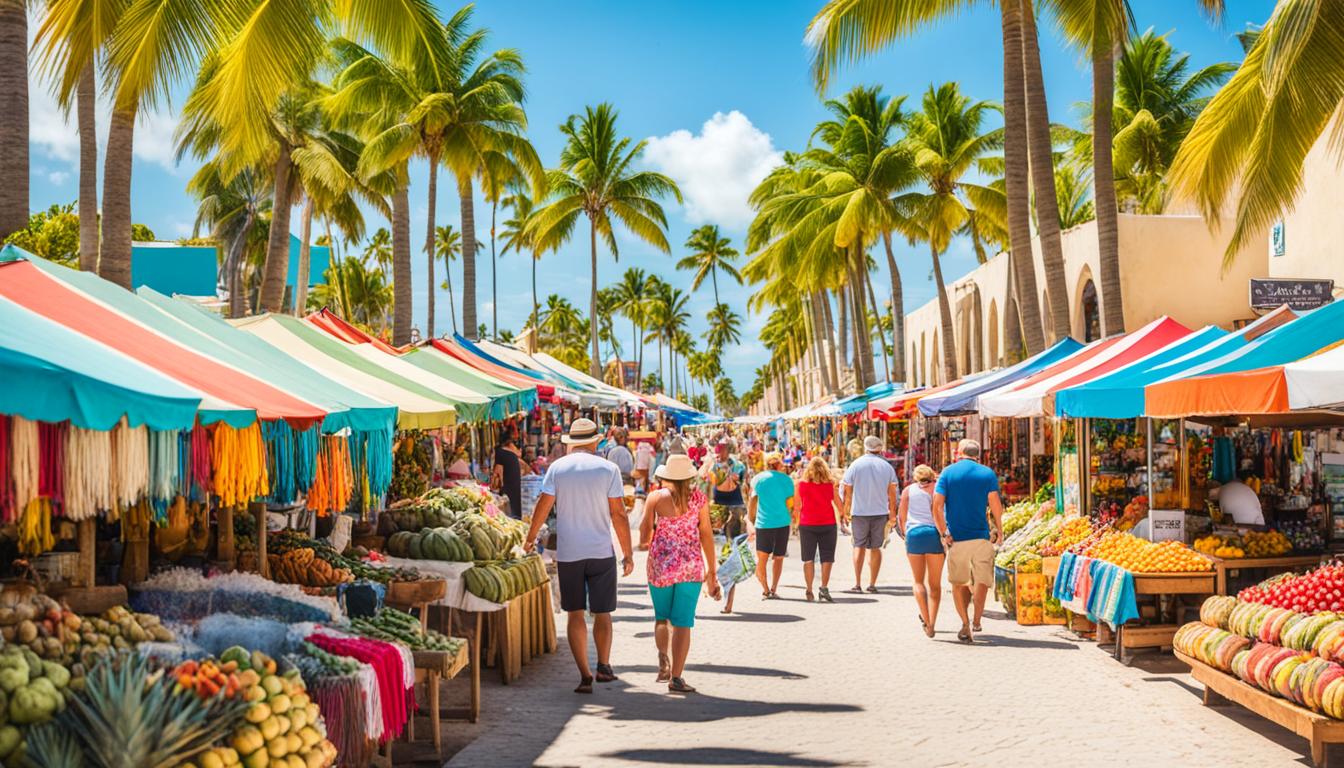
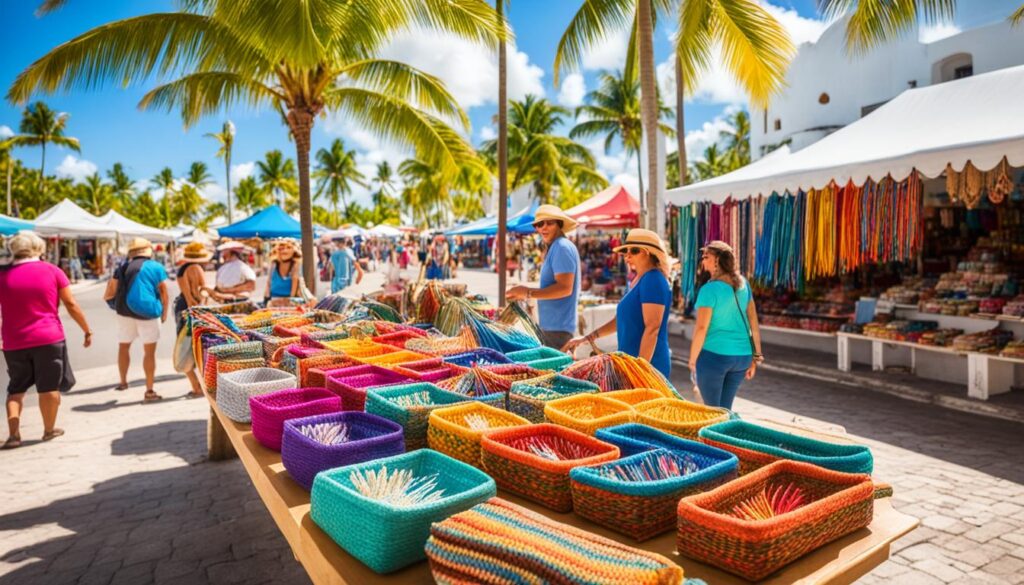
The most accessible market for resort visitors. El Cortecito is an open-air strip along the beach where vendors sell jewelry (larimar and amber are the specialties), paintings, wood carvings, and clothing. Bargaining is expected and part of the experience. Start at about 40-50% of the asking price and negotiate from there. The vendors are friendly and persistent. Quality varies widely, so inspect items carefully, especially jewelry. Genuine larimar has a distinctive blue-white marbling that’s hard to fake, but lower-quality pieces are common.
Palma Real Shopping Village
The upscale option. Palma Real is a modern, air-conditioned shopping center on the Bavaro strip with international brands, jewelry stores, and a few Dominican cigar shops. Prices are fixed (no bargaining) and higher than the open-air markets, but the quality and authenticity are more reliable. If you want to buy high-quality larimar or amber jewelry with a certificate of authenticity, this is a better bet than the beach vendors.
Plaza Bavaro
A mid-range shopping center closer to the resorts. It has a supermarket (useful for buying rum, coffee, and cacao at local prices rather than resort markup), clothing stores, and a few souvenir shops. More functional than atmospheric, but good for picking up consumable gifts like Dominican chocolate or Brugal rum.
Punta Cana Village
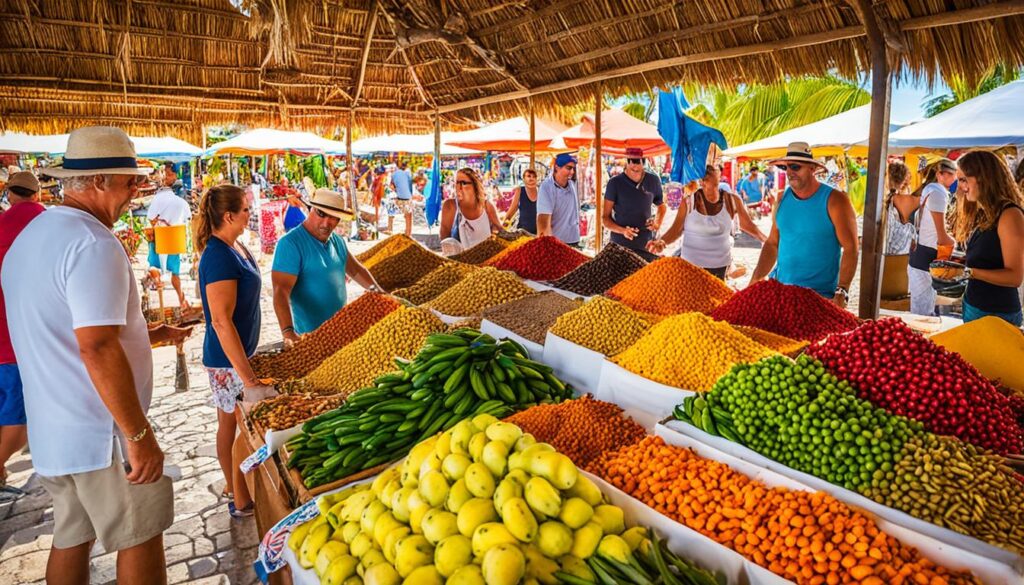
A newer development near the Punta Cana International Airport with restaurants, shops, and a small farmer’s market. The farmer’s market sells tropical fruits, local cheeses, honey, and artisanal products. It’s less touristy than the beach markets and gives a slightly more authentic shopping experience.
Higüey
For the real local market experience, take a taxi or rental car to Higüey, the capital of La Altagracia province. The central market here is where Dominicans actually shop: fresh produce, spices, household goods, and local products at local prices. It’s not set up for tourists, which is exactly the point. The Basilica de Nuestra Señora de la Altagracia, one of the most important churches in the Caribbean, is also worth seeing while you’re there.
What to Buy (and What to Skip)
Worth buying: Dominican larimar jewelry (unique to the island), amber jewelry (check for inclusions, which indicate authenticity), hand-rolled cigars from a reputable shop (not beach vendors, who sometimes sell machine-made cigars repackaged as hand-rolled), Dominican rum (Brugal, Barceló, and Ron Bermúdez are the main brands, all available at supermarkets), Dominican cacao and chocolate, and mamajuana bottles for a distinctive gift.
Skip: mass-produced “Caribbean” souvenirs (keychains, magnets, shot glasses) that are identical across every island, counterfeit brand-name goods, and any jewelry where the vendor can’t explain the stone’s origin. If a deal seems too good to be true on larimar or amber, it probably is.
Practical Tips
Currency
The Dominican Peso (DOP) is the local currency. Most tourist-facing vendors accept US dollars, but you’ll get better prices paying in pesos. ATMs are available at the malls and in Bavaro. Exchange rates at resort desks are typically worse than ATMs or bank exchanges.
Bargaining
Expected at open-air markets and beach vendors. Not expected at malls and established shops. Start around 40-50% of the asking price at markets. Be friendly, patient, and willing to walk away. Vendors will often call you back with a better price. Don’t bargain aggressively on small-value items, it’s not worth souring the interaction over a dollar.
Getting there
Most resorts offer shuttle service to Palma Real and Plaza Bavaro. Taxis to El Cortecito from the Bavaro resort strip cost about 300-500 DOP ($5-9 USD). Getting to Higüey requires a taxi (about 2,000-2,500 DOP or $35-45 USD round trip) or a rental car. Uber operates in the area but availability varies.
Frequently Asked Questions
Is it worth shopping outside the resort in Punta Cana?
Yes, significantly. Resort gift shops mark up souvenirs by 2-3x compared to local markets. The El Cortecito beach market and Palma Real shopping center are the most accessible options outside the resort gates.
What is larimar and is it worth buying?
Larimar is a blue pectolite stone found only in the Dominican Republic. It ranges from light sky blue to deep volcanic blue. Higher-quality pieces (deeper blue, fewer white inclusions) are more valuable. Buy from established shops with certificates of authenticity rather than beach vendors for the best quality.
Can I bargain at Punta Cana markets?
At open-air markets and beach vendors, yes, and it’s expected. Start at 40-50% of the asking price. At malls and established stores, prices are fixed. Be respectful and friendly during negotiations.
What is the best local rum to buy in the Dominican Republic?
Brugal, Barceló, and Ron Bermúdez are the three major Dominican rum brands. Brugal Añejo and Barceló Imperial are popular mid-range options. Buy at a supermarket (like the one in Plaza Bavaro) for the best prices rather than at resort shops or airport duty-free.
Is it safe to shop at the local markets?
Yes. The tourist markets in Punta Cana (El Cortecito, Palma Real, Plaza Bavaro) are safe and well-trafficked. Standard precautions apply: don’t flash large amounts of cash, keep valuables secure, and be aware of your surroundings. Higüey’s central market is also safe but less tourist-oriented.