

Exploring Durbar Square Beyond Main Temples Attractions
Ever wondered what secrets Durbar Square in Kathmandu holds beyond its famous temples? This UNESCO World Heritage Site, known as Hanuman-Dhoka Durbar Square, is famous for its stunning architecture and royal history. But there’s so much more to see.
The main temples get a lot of attention for their detailed designs and rich history. Yet, there are many hidden gems waiting to be found. These hidden spots not only make your visit to this cultural treasure more special. They also offer a peek into the local traditions and lives that make this ancient square so unique.
Introduction to Durbar Square
Durbar Square is a key part of Kathmandu’s rich history and culture. It’s a UNESCO World Heritage Site, showing off its past to visitors. The buildings here, made by Newar craftsmen, started in the 3rd century. They really grew in the 16th century during the Malla reign.
It was once the heart of royal power and important ceremonies. Today, it’s still a big part of local festivals and events. Walking through, you’ll see amazing temples, palaces, and statues. It’s a must-see in Kathmandu.
The Architectural Marvels of Durbar Square
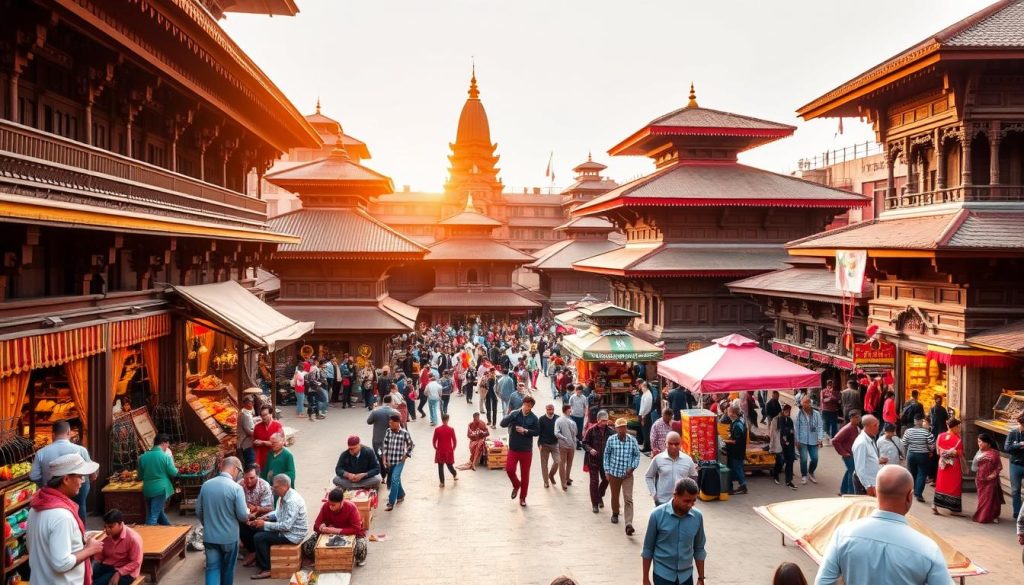
Durbar Square is a showcase of historic architecture, especially the Newar style. It’s filled with stunning temples and palaces. The Taleju Bhawani Temple and the Gaddi Baithak stand out, showing the Newar community’s skill.
When you visit Durbar Square, you’ll see many architectural styles. You’ll find:
- Pagoda-style temples with tiered roofs that soar majestically into the sky.
- Palace buildings adorned with vibrant façades and elaborate detailing.
- Octagonal structures such as Chyasin Dega, showcasing the unique design philosophies of the era.
The buildings here date from the 12th to the 18th centuries. They’re not just for worship but also tell the story of Nepalese architecture. The colors and details are inviting, making you want to uncover the centuries of stories they hold.
Durbar Square Beyond Main Temples: Discovering Lesser-Known Attractions
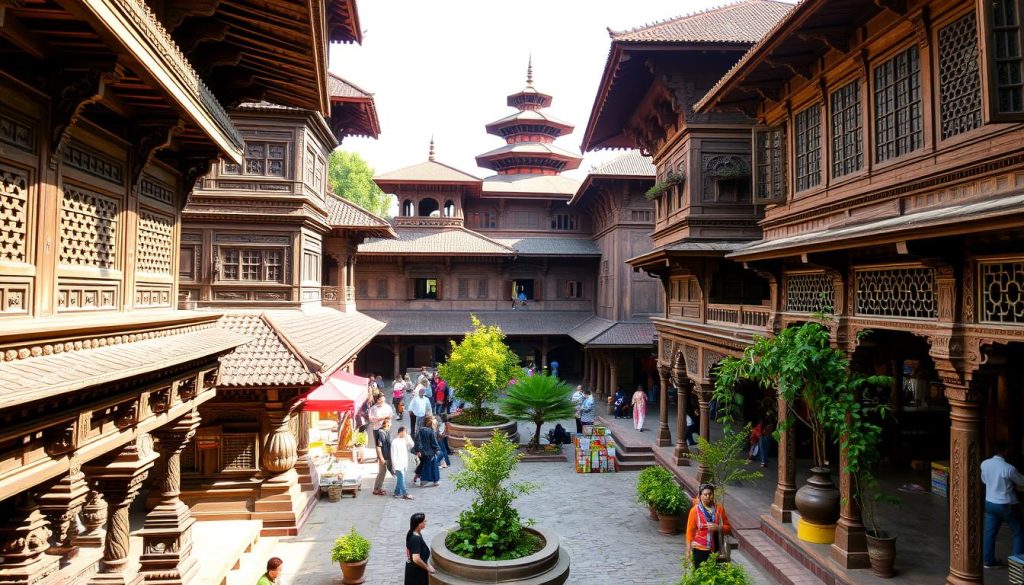
While many flock to Durbar Square’s famous temples, there’s much more to see. Off the main path, you’ll find hidden gems that show Kathmandu’s true culture and lifestyle. These spots offer a unique peek into the city’s heart.
Tundikhel is a vast open space where locals enjoy traditional activities. You might catch a community event or cultural show. It’s a lively spot that captures the essence of daily life, away from the temple crowds.
The Kasthmandap is another must-see. This wooden wonder was built from a single tree. Its intricate carvings and sturdy design showcase local artisans’ skill. It’s a hidden gem worth exploring.
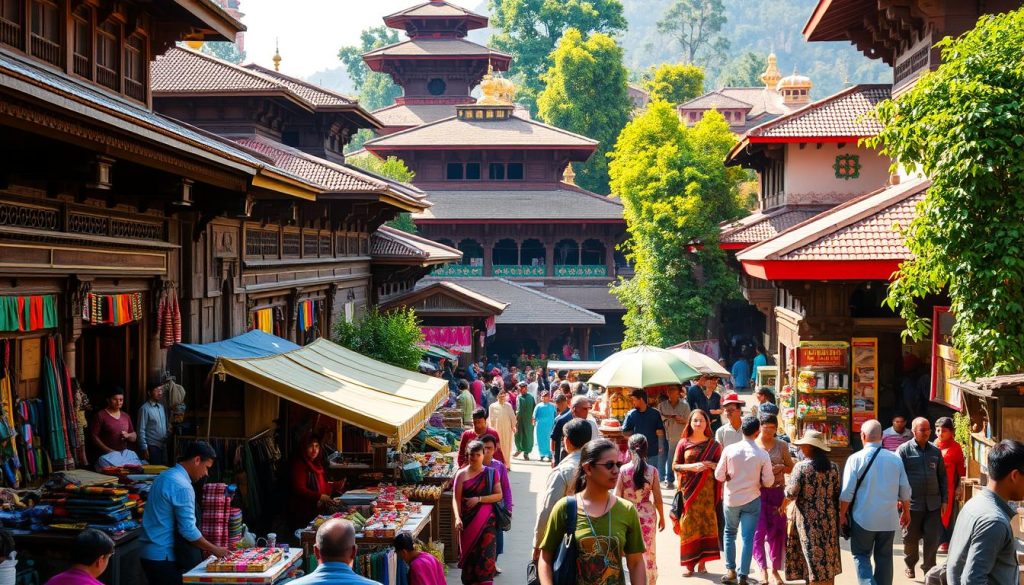
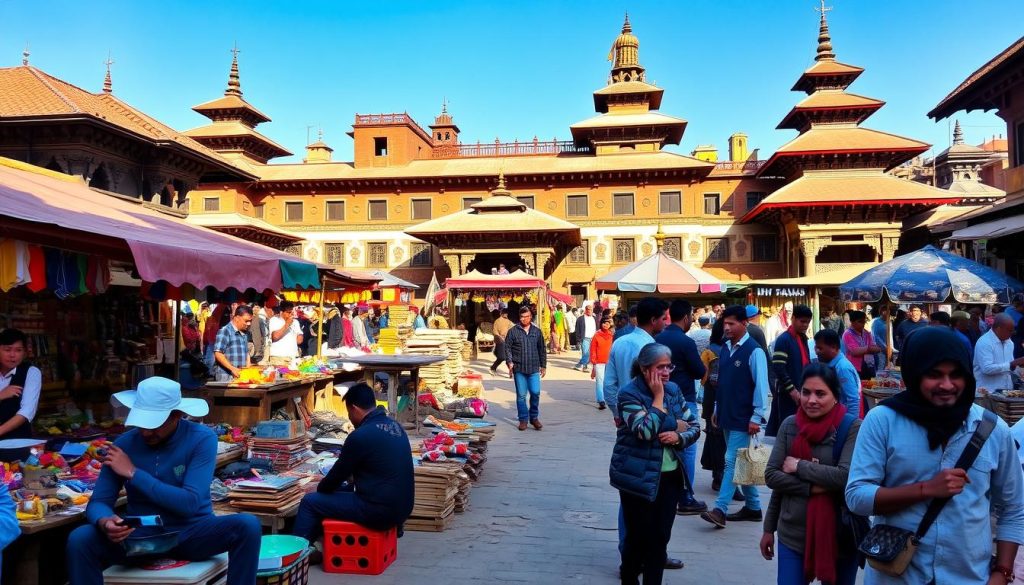
The side streets of Durbar Square are filled with shops and artisan stalls. Here, you can find local crafts and preserves. Every corner offers a chance to meet talented artisans and see their work come to life. From handmade jewelry to traditional textiles, you’ll find unique treasures that reflect Nepal’s rich culture.
| Attraction | Description | Notable Feature |
|---|---|---|
| Tundikhel | An open space for community activities | Cultural performances |
| Kasthmandap | A historic wooden structure | Built from a single tree |
| Local Shops | Artisan stalls and crafts | Traditional handmade goods |
Exploring these hidden spots deepens your connection to local heritage and community. Each discovery adds to your understanding and appreciation of Durbar Square. Take your time to uncover these gems and enjoy the journey.
Cultural Heritage and Traditions
Durbar Square is a lively showcase of Nepal’s rich culture. It’s a place where many local traditions come to life. People from all over come to see these traditions, making it a special spot.
One of the biggest festivals here is Indra Jatra. It features a grand chariot procession with the living goddess, Kumari. This event shows the area’s lively customs and spiritual importance.
In the square, you’ll find community events that unite people. These events celebrate shared cultural values. Local dances, music, and rituals fill the air, showing the traditions’ role in daily life.
Joining in these events gives you a real look at the local culture. It shows how important their cultural heritage is to them.
The Living Goddess: Understanding the Kumari
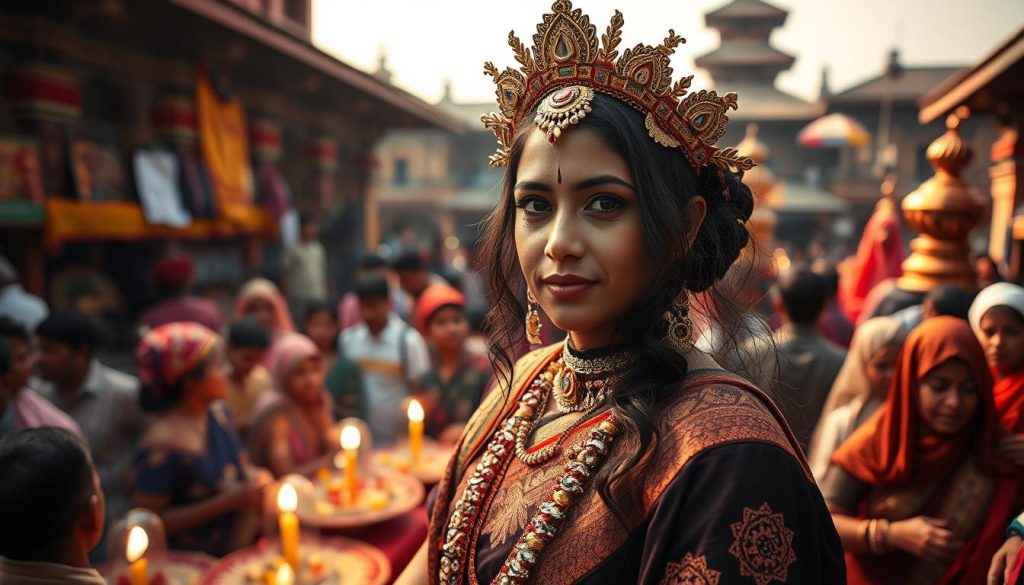
The tradition of the Kumari is a unique part of Nepalese culture. It involves choosing a young girl to be the living goddess, Taleju. This girl is seen as a divine figure, connected to sacred practices in Kathmandu.
The Tradition of the Kumari
The selection of the Kumari is a detailed process. Girls are picked based on physical and astrological criteria. They go through tests to show their wisdom and emotional strength.
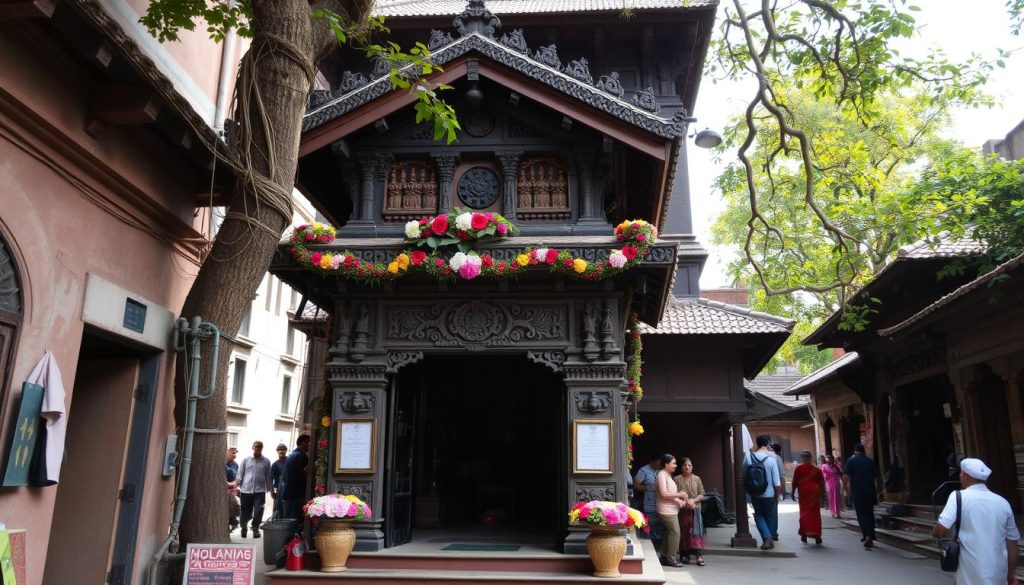
Once chosen, the Kumari lives in the Kumari Ghar, a temple with beautiful carvings. She represents the hopes of her community, linking tradition to spirituality and society.
Visiting the Kumari Ghar
The Kumari Ghar is a place of wonder for locals and visitors. People wait outside for the Kumari’s appearances. When she comes out, everyone shows respect and admiration.
Being around the Kumari Ghar lets you see the mix of spirituality, culture, and tradition in Kathmandu. It’s a special experience.
| Criteria for Selection | Description |
|---|---|
| Physical Characteristics | Specific features like smooth skin, no scars, and the presence of 32 auspicious signs. |
| Astrological Alignment | The girl’s horoscope is examined to ensure it aligns with that of the goddess Taleju. |
| Emotional Tests | Her ability to remain calm and composed during frightening situations, such as facing decapitated animal heads. |
| Age Requirement | Typically, the Kumari is selected before she reaches puberty, usually between 2 and 4 years old. |
Engaging Local Insights: Stories from Kathmandu
Exploring Durbar Square is a journey filled with local insight. It connects the past and present. Talking to residents, you hear stories that link to Kathmandu’s heritage.
Walking through the square, you might hear about ancient craftsmen. They built the stunning architecture we admire today. The community’s pride in their lineage and cultural legacy is clear.
Conversations with locals reveal interesting aspects of life in Kathmandu. Their insights add depth to your understanding. Talking to them creates lasting connections and gives you a real look into their world.
| Type of Local Insight | Description |
|---|---|
| Artisan Tales | Craftsmen share their family legacies and techniques passed down through generations. |
| Market Stories | Vendors recount their experiences and the history of the products they sell. |
| Guided Narratives | Guides provide context about the significance of historical sites, enhancing your understanding. |
Embracing these community narratives makes your visit more meaningful. It deepens your connection to Kathmandu’s heart and soul. The knowledge shared by locals enriches your experience, offering a unique perspective.
Exploring Nearby Attractions
Beyond Durbar Square, many attractions await your discovery. The Swayambhunath Stupa, or Monkey Temple, is a key landmark. It offers spiritual peace and stunning views of Kathmandu Valley. Both Hindus and Buddhists find solace here.
The Boudhanath Stupa is another must-see. It’s a huge mandala-shaped stupa for Tibetan Buddhism. Walking around it, you see locals and monks in their daily rituals. This adds to the area’s lively vibe.
The Pashupatinath Temple is a major Hindu site by the Bagmati River. It’s filled with historical sites and cultural importance. It’s a top spot for those interested in Hindu traditions.
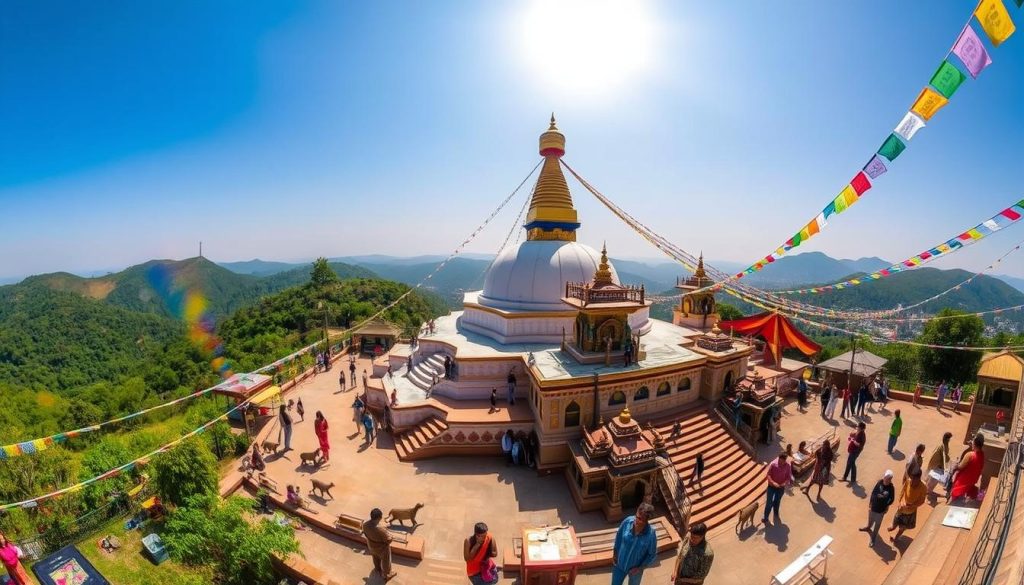
Visiting these nearby attractions deepens your understanding of Kathmandu’s culture. Here’s a quick look at these sites:
| Attraction | Description | Significance |
|---|---|---|
| Swayambhunath Stupa | Iconic stupa offering panoramic views and spiritual experience. | Major site for both Hindus and Buddhists. |
| Boudhanath Stupa | Large mandala-shaped stupa, central to Tibetan Buddhism. | Important pilgrimage site. |
| Pashupatinath Temple | Hindu temple complex along Bagmati River. | Key pilgrimage destination for Hindus. |
Exploring these sites gives you a deeper appreciation of Nepal’s history and spirituality. It makes your visit unforgettable.
The Impact of Restoration Efforts After Natural Disasters
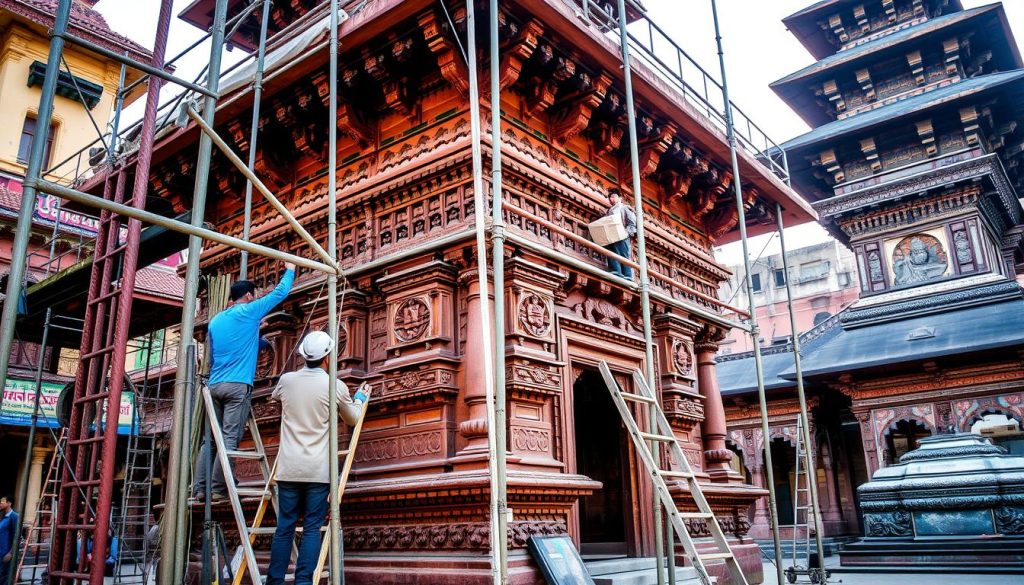
Durbar Square has faced big challenges from natural disasters, especially the 1934 and 2015 earthquakes. These disasters caused a lot of damage to many historical buildings. This led to a big push for historical preservation efforts.
The effort to restore Durbar Square shows the strength of the Nepalese people. It also highlights the need to protect cultural heritage. Many projects have started to fix damaged sites using traditional skills. This keeps the true spirit of these monuments alive.
Restoration work keeps getting better, involving more people and teaching them about preserving history. Visitors can feel the pride of the locals, who are deeply connected to their cultural heritage. Every detail in the restoration tells a story of overcoming challenges.
Conclusion
Exploring Durbar Square beyond the main temples gives you a unique view of Kathmandu’s history and culture. This square is more than just temples. It’s a place filled with hidden attractions that show the city’s lively traditions.
Every corner of Durbar Square has stories that deepen your understanding of Nepal’s culture. These stories are woven into the fabric of the city.
As you explore Durbar Square, you’ll find hidden treasures that show the local way of life and art. It’s not just about seeing sights; it’s about feeling the community’s spirit. Visiting Durbar Square becomes a journey into the heart of Kathmandu.
Your visit to this site will make you appreciate its history and cultural importance. It’s a chance to see the real charm of Durbar Square. Let yourself be part of its story.





