

Exploring Cuban Coffee Culture: Cafecitos & Rituals
Welcome to the vibrant world of Cuban coffee culture, where every sip tells a story and every cafecito holds a cherished tradition. Have you ever wondered how Cuban espresso became a symbol of Cuban pride? Or why cafecitos are more than just a drink in Cuba? Join us on a journey as we unravel the secrets of Cuban coffee rituals and discover the rich heritage behind this beloved beverage. From the bustling coffee shops to the unique brewing techniques, get ready to immerse yourself in the flavors and customs that have shaped Cuban coffee culture for generations.
A Brief History of Cuban Coffee
Cuban coffee has a rich and diverse history that dates back several centuries. The roots of this beloved beverage can be traced back to the early days of Spanish colonization in Cuba. Coffee was introduced to the island by French settlers who fled the Haitian Revolution in the late 18th century.
By the 19th century, coffee production in Cuba was booming, and the country quickly became one of the world’s leading coffee exporters. The favorable climate and fertile soil of regions such as the Sierra Maestra Mountains and the Escambray Mountains provided the perfect conditions for cultivating high-quality coffee beans.
During this time, Cuban coffee gained international recognition for its exceptional flavor and aroma. The unique combination of rich volcanic soil, altitude, and tropical climate resulted in beans with a distinct and robust flavor profile.
The coffee industry in Cuba flourished throughout the 19th and early 20th centuries, with numerous coffee plantations and mills dotting the countryside. The production process involved hand-picking the ripest coffee cherries, sun-drying the beans, and roasting them to perfection.
“Cuban coffee gained international recognition for its exceptional flavor and aroma.”
However, the industry faced significant challenges in the 20th century. Political unrest, economic crises, and changes in international trade had a profound impact on Cuban coffee production. Despite these obstacles, Cuban coffee persevered and continued to thrive as a symbol of the country’s resilience and cultural heritage.
Today, Cuban coffee remains an integral part of the nation’s identity, deeply ingrained in the daily lives and traditions of its people. The distinct brewing methods, such as the use of a stovetop espresso maker called a “cafetera,” and the consumption of small, strong espresso shots known as “cafecitos,” are a testament to the enduring legacy of Cuban coffee culture.
The Evolution of Cuban Coffee
Over the years, Cuban coffee has evolved to meet the changing tastes and preferences of consumers. While traditional brewing methods and flavors are still cherished, modern techniques and innovations have also made their way into the Cuban coffee scene.
One notable development is the rise of specialty coffee in Cuba. The demand for unique and high-quality beans has led to the emergence of small-scale coffee roasters and specialty coffee shops in major cities like Havana. These establishments showcase the diverse flavors and profiles that Cuban coffee has to offer, appealing to both locals and tourists alike.
Another significant change is the growing interest in sustainable and environmentally friendly coffee practices. Cuban coffee growers are increasingly embracing organic farming methods and working towards preserving the natural resources that contribute to the exceptional quality of their beans.
| Year | Milestone |
|---|---|
| 18th century | Coffee introduced to Cuba by French settlers |
| 19th century | Cuba becomes a leading coffee exporter |
| 20th century | Challenges faced due to political and economic upheavals |
| Present | Cuban coffee remains a symbol of cultural heritage |
The Essence of Cafecitos
When it comes to Cuban coffee culture, one cannot overlook the essence of cafecitos. These iconic espresso shots are not just a beverage but a reflection of the vibrant and social nature of Cuban coffee customs. The preparation of cafecitos is an art, and their significance extends beyond the mere act of consumption.
Cafecitos are typically made using a traditional stovetop espresso maker called a “moka pot.” This method allows the coffee to brew slowly, resulting in a strong and bold flavor. The rich aroma that fills the air during the brewing process is a sensory delight that signifies the start of a shared experience.
In Cuba, cafecitos hold a special place in social settings. This beloved coffee is often enjoyed in small cups, encouraging frequent refills and a sense of togetherness. The act of sharing cafecitos embodies the warmth and hospitality that is deeply ingrained in Cuban culture.
The Significance of Cafecitos in Cuban Coffee Customs
“Cafecitos are more than just a pick-me-up; they are an integral part of our daily life. It’s how we connect, celebrate, and unwind together.”
For Cubans, cafecitos are not merely a quick caffeine fix but a symbolic gesture of friendship and community. This coffee tradition has stood the test of time, transcending generations and embodying the true essence of Cuban hospitality.
Whether it’s a morning ritual, a midday pick-me-up, or an after-dinner treat, cafecitos form a thread that weaves through the fabric of Cuban daily life. It is during these coffee breaks that conversations flow, laughter fills the air, and connections are deepened.
Cuban coffee customs are incomplete without the humble cafecito. Its undeniable presence in the social and cultural landscape of the country is a testament to the enduring power and allure of this beloved beverage.
“In Cuba, a cafecito is more than just a cup of coffee; it’s a way of life. It brings us together, nourishes our souls, and keeps our traditions alive.”
The essence of cafecitos lies not only in their preparation and enjoyment but in the sense of unity and belonging they inspire. It is through these small cups of espresso that Cuban coffee customs thrive, leaving a lasting impression on those fortunate enough to experience the richness of this cherished tradition.

Local Cuban Coffee Rituals
Immersing yourself in Cuban coffee culture means experiencing the rich tapestry of rituals and customs that accompany each cup. From the moment coffee beans are ground until the last sip is enjoyed, every step in the process is steeped in tradition and significance.
1. Traditional Pouring Technique
One notable ritual is the traditional pouring technique. With great finesse, the coffee is poured from an elevated height into a demitasse cup. This action not only enhances the crema, the layer of foam that forms on top of the coffee, but also creates a captivating visual display that links back to the artistry of Cuban coffee making.
2. Sharing Coffee with Others
In the world of Cuban coffee, sharing is an integral part of the experience. It is common for friends, family, and even acquaintances to gather and enjoy a cafecito together. This act of shared coffee not only fosters social connection but also symbolizes hospitality, warmth, and camaraderie.
The pleasure of sharing coffee extends beyond the home as well. Cafeterías, the ubiquitous coffee shops in Cuba, serve as meeting places where locals gather to catch up, share stories, and enjoy a cafecito or two. These establishments play an essential role in fostering community and preserving the unique coffee traditions of Cuba.
“Coffee is not just a beverage in Cuba; it’s an opportunity to connect, bond, and strengthen relationships. It’s a part of who we are as Cubans.”
– Carlos Ruiz, Cuban Coffee Enthusiast
3. Coffee as a Symbol of Cuban Identity
Cuban coffee rituals are not merely practices of indulgence; they are deeply ingrained in the cultural fabric and identity of the Cuban people. Coffee is seen as a symbol of resilience, pride, and solidarity, reflecting the strength and perseverance that define the Cuban spirit.
These rituals are cherished and passed down through generations, preserving the essence of Cuban coffee culture for years to come.
Cuban Coffee Making Techniques
When it comes to making Cuban coffee, there are unique brewing techniques that set it apart from other coffee traditions. From the iconic moka pot to the art of frothing milk, mastering these techniques is crucial in creating the perfect cup of Cuban coffee.
Brewing with the Moka Pot
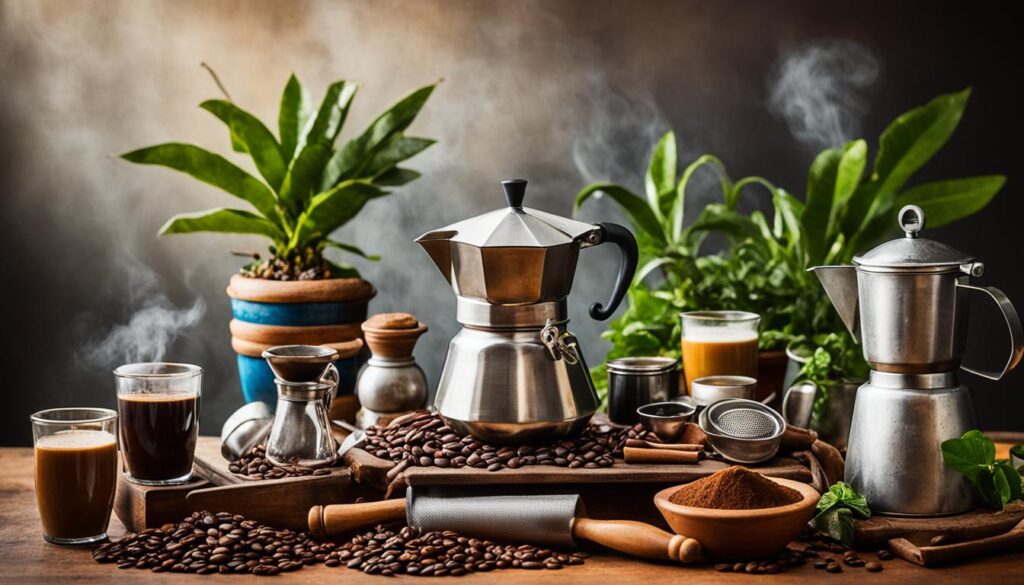
At the heart of Cuban coffee making is the moka pot, also known as a cafetera. This classic coffee brewing device consists of three chambers: a bottom chamber for water, a middle chamber for ground coffee, and a top chamber for the brewed coffee.
To brew Cuban coffee using a moka pot:
- Fill the bottom chamber with water up to the valve.
- Add finely ground Cuban coffee to the middle chamber, filling it without compacting the coffee.
- Screw on the top chamber tightly.
- Place the moka pot on the stovetop over medium heat.
- As the water heats up, steam will be produced, pushing the brewed coffee to the top chamber.
- Once you hear a gurgling sound, indicating that all the water has passed through the coffee grounds, remove the moka pot from heat.
- Pour the strong, concentrated coffee brewed by the moka pot into small espresso cups or demitasse cups.
The moka pot brewing method delivers a bold and intense coffee flavor that is synonymous with Cuban coffee.
Frothing Milk for Cuban Coffee
In addition to the brewing process, the art of frothing milk plays a crucial role in the preparation of certain Cuban coffee drinks like café con leche.
Here’s how to froth milk for Cuban coffee:
- Pour cold milk into a small saucepan.
- Heat the milk gently on low heat, stirring occasionally.
- Once the milk starts to steam, remove it from the heat.
- Using a handheld milk frother or a French press, froth the milk vigorously until it develops a creamy texture and fine bubbles.
- Pour the frothed milk over the brewed coffee to create a delicious café con leche.
The frothed milk adds a creamy and velvety touch to the Cuban coffee, enhancing its taste and providing a delightful drinking experience.
Mastering the Cuban coffee making techniques, from brewing with the moka pot to frothing milk, allows you to enjoy the authentic flavors and experience the rich cultural heritage of Cuban coffee.
Cuban coffee making techniques are essential for creating the distinct flavors and vibrant experience of traditional Cuban coffee. Whether you’re using the iconic moka pot or frothing milk for a café con leche, these methods bring the artistry of Cuban coffee to life.
The Role of Cafecito Culture in Cuban Society
In Cuban society, cafecito culture holds a significant place, transcending the simple act of drinking coffee. Cafecitos, the iconic Cuban espresso shots, and the rituals surrounding them have become a social and cultural glue, fostering a sense of community and togetherness among the Cuban people.
The cafecito tradition is deeply ingrained in the daily lives of Cubans, creating opportunities for connection and conversation. Whether it’s sharing a cup of coffee with family members in the morning or gathering with friends for an afternoon cafecito break, these rituals provide a space for bonding and exchanging experiences.
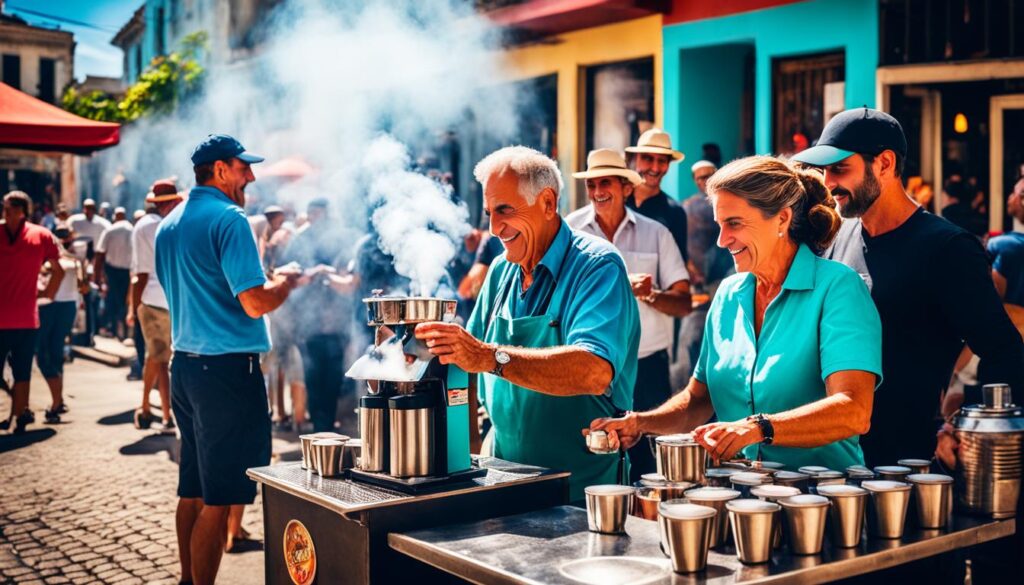
The power of cafecito culture lies in its ability to bring people together, transcending social boundaries. In Cuba, it’s common to see people from all walks of life, from politicians to artisans, standing side by side at neighborhood coffee stands, engaging in passionate discussions about anything from politics to sports. Coffee becomes the catalyst that sparks these conversations and cultivates a sense of camaraderie among individuals.
The cafecito culture also plays a vital role in Cuban hospitality. Offering a cup of coffee, particularly a cafecito, is a gesture of warmth and goodwill. It symbolizes a desire to connect with others and create meaningful relationships. Whether welcoming guests into their homes or inviting strangers to sit and share a coffee at a local café, Cubans use coffee as a means to show hospitality and make others feel welcome.
Furthermore, the ubiquity of cafecito culture extends beyond the home and social settings. Cuban workplaces often include communal coffee breaks, providing an opportunity for colleagues to bond and recharge together. It is during these moments that colleagues engage in casual conversations, share stories, and support one another, strengthening the sense of unity within the workplace.
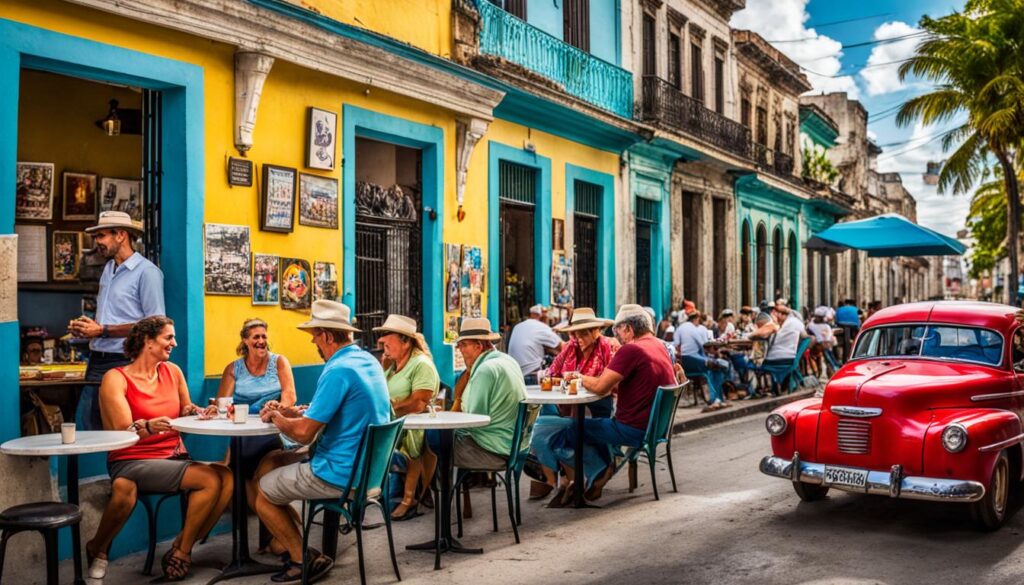
The cafecito culture’s influence on Cuban society can also be seen in the lively street corners and bustling coffee shops across the country. These vibrant spaces serve as meeting points for locals and visitors alike, creating a sense of belonging and shared experiences. They function as cultural hubs, where the aroma of freshly brewed coffee mingles with the sounds of animated conversations, laughter, and the clinking of coffee cups.
Overall, cafecito culture is an integral part of Cuban society, reflecting the values of community, connection, and hospitality. Through the simple act of sharing a cup of coffee, Cubans forge relationships, bridge divides, and strengthen their sense of identity. The tradition of cafecitos and the rituals surrounding Cuban coffee serve as a testament to the enduring power of coffee to bring people together.
| Cafecito Culture in Cuban Society | |
|---|---|
| Brings people together | Fosters community and togetherness |
| Transcends social boundaries | Creates opportunities for connection and conversation |
| Symbolizes hospitality | Warm gesture of welcoming and making others feel at home |
| Strengthens workplace unity | Coffee breaks as moments of bonding |
| Serves as cultural hubs | Meeting points for locals and visitors |
Exploring Cuban Coffee Shops
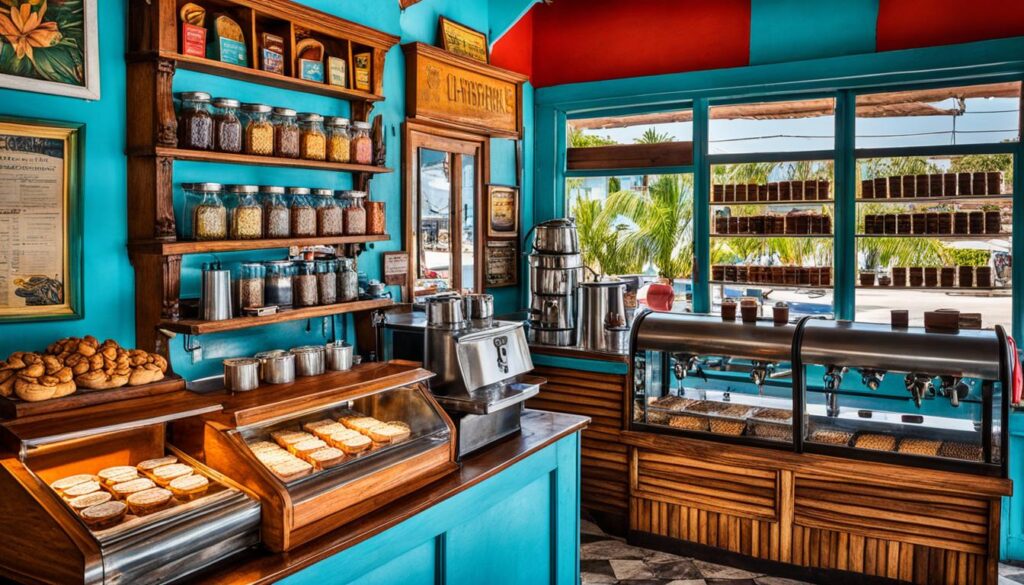
Immerse yourself in the vibrant world of Cuban coffee shops, where the rich Cuban coffee culture and espresso tradition come alive. These establishments are not just places to enjoy a cup of coffee, but also integral pillars of the community that reflect the unique ambiance, decor, and menu offerings that define Cuban coffee culture.
Step inside a Cuban coffee shop, and you’ll immediately be captivated by the warm and inviting atmosphere. The walls are adorned with colorful artwork and photographs that pay homage to Cuba’s coffee heritage, telling the story of its rich history and traditions. The aroma of freshly brewed coffee fills the air, enticing you to embark on a sensory journey.
As you explore the menu, you’ll encounter a variety of coffee options that cater to different preferences. From the intensely strong espresso shots known as “cafecitos” to creamy and indulgent Cuban cortaditos, there’s a range of flavors to suit every taste. Take a moment to savor the unique blends and intricate flavors that make Cuban coffee so distinct.
The Cafecito Ritual
“A cafecito is not just a beverage; it’s a way of life for Cubans. It’s the foundation of our social interactions, a moment to connect with friends, family, and even strangers.”
No trip to a Cuban coffee shop would be complete without experiencing the cafecito ritual. The preparation of a cafecito is a true art form, involving the careful blending of strong espresso, sugar, and a touch of foam. The result is a small, potent cup of coffee that packs a punch and sets the stage for heartfelt conversations and connections.
But the cafecito ritual extends beyond the coffee itself. It’s a symbolic gesture of hospitality and generosity. In Cuban culture, offering someone a cafecito is an invitation to sit, relax, and engage in meaningful conversations. It’s a chance to forge new friendships and strengthen existing bonds.
The Center of Community
“Cuban coffee shops are more than just places for caffeine; they are gathering spots and social hubs where the community comes together.”
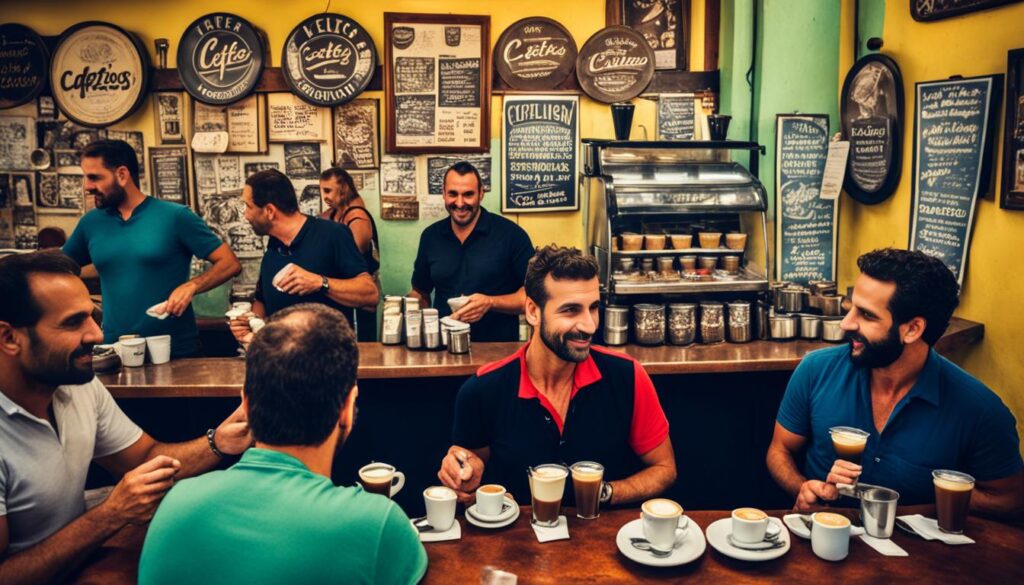
Cuban coffee shops play an essential role in the fabric of Cuban society. They are not just places to grab a quick coffee on the go but serve as meeting points where friends, neighbors, and even strangers connect. People gather to discuss current events, share stories, and seek solace in the comfort of familiar faces.
These establishments act as conduits for cultural exchange and solidarity, fostering a sense of belonging and unity within the community. In Cuban coffee shops, locals and visitors alike can experience the true essence of Cuban hospitality and immerse themselves in the vibrant world of Cuban coffee culture.
Uncovering the Cuban Coffee Experience
Exploring Cuban coffee shops allows you to delve deeper into the fascinating world of Cuban coffee culture. From the captivating decor to the unique menu offerings, these establishments offer an immersive experience that goes beyond just coffee. They embody the essence of Cuban hospitality, tradition, and the love for a perfect cup of cafecito.
So next time you find yourself in Cuba, make sure to step into one of these enchanting coffee shops, and let the aroma and flavors transport you into the heart of Cuban coffee culture.
The Art of Coffee Roasting in Cuba
When it comes to Cuban coffee culture and the cherished espresso tradition, the role of coffee roasting cannot be overlooked. Cuban coffee roasters employ traditional methods and techniques that result in distinct flavors and profiles, satisfying the palates of coffee enthusiasts worldwide.
Roasting coffee beans is an art form in itself, requiring skill and expertise to bring out the unique characteristics of each bean. In Cuba, this art has been honed over generations, with roasters carefully selecting the best beans and meticulously roasting them to perfection.
One of the traditional methods of coffee roasting in Cuba is the use of a drum roaster. This type of roaster consists of a rotating drum where the raw coffee beans are placed. The beans are then heated evenly, ensuring an even roast and optimal flavor development.
Cuban coffee roasters pay close attention to the roasting process, monitoring temperature and time to achieve the desired roast level. This meticulous approach allows them to create a range of roast profiles, from light to dark, each imparting its own unique flavor characteristics.
Roasting coffee is not just about bringing out flavors; it also involves the transformation of the bean’s chemical composition. The heat applied during roasting causes various chemical reactions within the bean, resulting in the development of aroma, acidity, and body.
“Roasting coffee is a delicate dance between heat, time, and the natural flavors inherent in the beans,” says Juan Rodriguez, a renowned Cuban coffee roaster. “It is our responsibility to honor the quality of the beans and bring out their true potential.”
“Roasting coffee is a delicate dance between heat, time, and the natural flavors inherent in the beans. It is our responsibility to honor the quality of the beans and bring out their true potential.” – Juan Rodriguez
The art of coffee roasting in Cuba extends beyond the physical process—it is deeply rooted in the culture and heritage of the Cuban people. It is a testament to their passion for coffee and their commitment to preserving the Cuban espresso tradition.
The result of this craftsmanship is a cup of coffee that embodies the essence of Cuban coffee culture. Each sip reflects the dedication and expertise of the roaster, along with the rich history and traditions that have shaped Cuban coffee into a national treasure.

Cuban Coffee Traditions and Festivals
Immerse yourself in the vibrant world of Cuban coffee traditions and festivals, where the rich aroma of cafecitos fills the air and the rhythmic beats of traditional music create an enchanting atmosphere. From annual events that bring together coffee enthusiasts from around the globe to local celebrations that honor the customs of the community, Cuban coffee culture thrives in these joyous occasions.
The International Coffee Festival
At the heart of Cuban coffee festivals lies the internationally acclaimed International Coffee Festival, a gathering that showcases the country’s rich coffee heritage. Held annually in Havana, this vibrant event attracts coffee professionals, enthusiasts, and tourists alike. During the festival, visitors have the opportunity to experience the flavors, aromas, and rituals of Cuban coffee traditions through tastings, workshops, and interactive exhibits.
One of the highlights of the International Coffee Festival is the traditional Cuban coffee competition, where baristas and coffee aficionados showcase their skills in crafting the perfect cup of cafecito. The competition not only celebrates the artistry of coffee-making but also serves as a platform for fostering innovation and highlighting the diversity of Cuban coffee.
Local Rituals and Celebrations
While the International Coffee Festival takes center stage, local communities throughout Cuba have their own unique coffee rituals and celebrations. These events provide a window into the daily lives of Cubans and their deep-rooted connection to coffee.
Every morning, as the sun rises, you’ll witness the ritual of “la sobremesa” – a cherished tradition where family and friends gather around a table laden with cafecitos. In this moment, time slows down, and conversations flow as freely as the rich, velvety coffee. It’s a time to connect, share stories, and savor the flavors that bring us together in harmony.
Throughout the year, various local festivals pay homage to Cuban coffee customs. From the Fiesta del Café in Guantanamo, celebrating the coffee-growing region’s bountiful harvest, to the Festival del Colón in Matanzas, where locals come together to showcase their coffee-making techniques, these celebrations offer a glimpse into the deep cultural significance of coffee in Cuba.
| Festival | Location | Description |
|---|---|---|
| Fiesta del Café | Guantanamo | A celebration of the coffee harvest, featuring traditional music, dance, and coffee-centric activities. |
| Festival del Colón | Matanzas | An annual gathering that showcases local coffee-making techniques and celebrates Cuban coffee culture. |
| Fiesta del Cafetero | Sierra Maestra | A festival dedicated to honoring the coffee workers of the Sierra Maestra region, with lively music, dance, and cultural performances. |
These local traditions and festivals not only celebrate Cuban coffee customs but also provide an opportunity for visitors to immerse themselves in the unique cultural tapestry that surrounds coffee in Cuba. From the distinctive flavors of each cup to the warm hospitality extended by the locals, these events offer an unforgettable experience that captures the true essence of Cuban coffee rituals.
Coffee Culture’s Impact on Cuban Identity
Cuban coffee culture and the rich espresso tradition have become more than just a daily routine in Cuba. They have become intertwined with the very fabric of Cuban identity, symbolizing the pride and resilience of the Cuban people.
In literature, coffee often takes center stage as a metaphor for Cuban life and struggles. From the works of renowned Cuban authors like José Martí and Alejo Carpentier to contemporary writers like Leonardo Padura, coffee serves as a powerful symbol of Cuban identity, reflecting the complexities and nuances of Cuban society.

In music, Cuban rhythms and melodies bring people together, much like the ritual of sharing a cup of coffee. Whether it’s the lively beats of salsa or the soulful tunes of bolero, coffee stands as a common ground where Cubans unite, celebrating their heritage and embracing their cultural identity.
Cuban art also draws inspiration from coffee culture, with coffee motifs often adorning paintings and sculptures. Artists use coffee as a symbol of warmth, hospitality, and connection, reflecting the role of coffee in fostering a sense of community among the Cuban people.
Impact on Daily Life
Cuban coffee culture goes beyond the cultural realm and permeates daily life. The cafecito, a small shot of sweet, strong espresso, is not just a beverage but a social ritual. It brings friends, colleagues, and strangers together, encouraging conversations, laughter, and meaningful connections.
Every day, Cubans gather at their local cafeterias or street-side coffee stands, exchanging stories, sharing their joys and sorrows, and finding solace in the comfort of a warm cup of coffee. It is through this shared experience that the essence of Cuban coffee culture truly comes to life.
Preserving Tradition
Despite the challenges faced by Cuba over the years, coffee culture has remained a steadfast tradition, deeply rooted in the hearts of the Cuban people. The art of roasting and brewing coffee has been passed down through generations, ensuring that the distinct flavors and techniques of Cuban coffee continue to thrive.
Cuban espresso tradition is not simply a beverage choice; it is a way of life that symbolizes community, resilience, and the enduring spirit of the Cuban people.
| Impact of Coffee Culture on Cuban Identity | Examples |
|---|---|
| Literature | • Coffee as a metaphor for Cuban struggles in the works of José Martí and Alejo Carpentier • Contemporary writers using coffee to reflect Cuban society, such as Leonardo Padura |
| Music | • Cuban rhythms and melodies uniting people, like the ritual of sharing coffee • Salsa and bolero celebrating Cuban heritage and cultural identity |
| Art | • Coffee motifs adorning paintings and sculptures, symbolizing warmth and community • Coffee as a subject matter that reflects Cuban artistic expression |
Through coffee culture, Cubans forge a collective identity that encompasses their history, values, and aspirations. It represents a celebration of their unique heritage and a testament to their unwavering spirit in the face of adversity.
Continue reading to explore the vibrant world of Cuban coffee shops and the art of coffee roasting in Cuba…
Conclusion
As we conclude our exploration of Cuban coffee culture, it becomes evident that cafecitos and local rituals play a crucial role in shaping the unique espresso tradition of the country. Cuban coffee is not simply a beverage; it is an integral part of the social fabric, a cultural cornerstone that brings people together.
The significance of cafecitos lies not only in their preparation but in the communal experience they create. Sharing a cup of Cuban coffee is more than just a daily routine; it is a cherished ritual that strengthens bonds between friends, family, and even strangers. From the traditional pouring technique to the conversations that flow alongside the coffee, the cafecito culture embodies the warmth and hospitality of the Cuban people.
These coffee rituals are deeply ingrained in Cuban society and go beyond mere consumption. They are a reflection of the country’s identity, a symbol of the resilience and pride of the Cuban people. Cuban coffee culture is an art form, an expression of passion and craftsmanship that has stood the test of time. It has become synonymous with the vibrant spirit of Cuba, captivating locals and visitors alike.





