Explore with Traverse City Guided Tours
Traverse City sits at the base of the Old Mission Peninsula on Grand Traverse Bay, roughly 4.5 hours north of Detroit and 2.5 hours north of Grand Rapids. The city has a population of approximately 15,000 but draws more than 3.5 million visitors annually, primarily because of its position at the center of two of Michigan’s designated wine regions, its proximity to Sleeping Bear Dunes National Lakeshore, and its concentration of independent food and beverage producers. Guided tours are the most time-efficient way to cover the area’s spread-out attractions, particularly the wineries on the Leelanau Peninsula and Old Mission Peninsula.
Why guided tours work well in Traverse City
Traverse City’s most compelling attractions are geographically dispersed. The Leelanau Peninsula wine trail extends 30 miles northwest of downtown. Sleeping Bear Dunes National Lakeshore is 35 miles west. The Old Mission Peninsula wine trail runs 18 miles north into the bay. Without a guide, visitors typically spend more time navigating unfamiliar rural roads than experiencing the destinations. Guided tours solve the logistics problem while also providing context that changes the experience: knowing that Old Mission Peninsula’s wine grapes benefit from the thermal moderation of the bay on both sides, or that Traverse City produces roughly 40 percent of the US tart cherry crop, makes the landscapes more meaningful.
Guided tours also handle the practical constraints of wine and food experiences. A designated driver is inherently included. Multiple winery stops in one afternoon are possible. And local guides typically have relationships with producers that result in access to private releases or production areas not available to walk-in visitors.
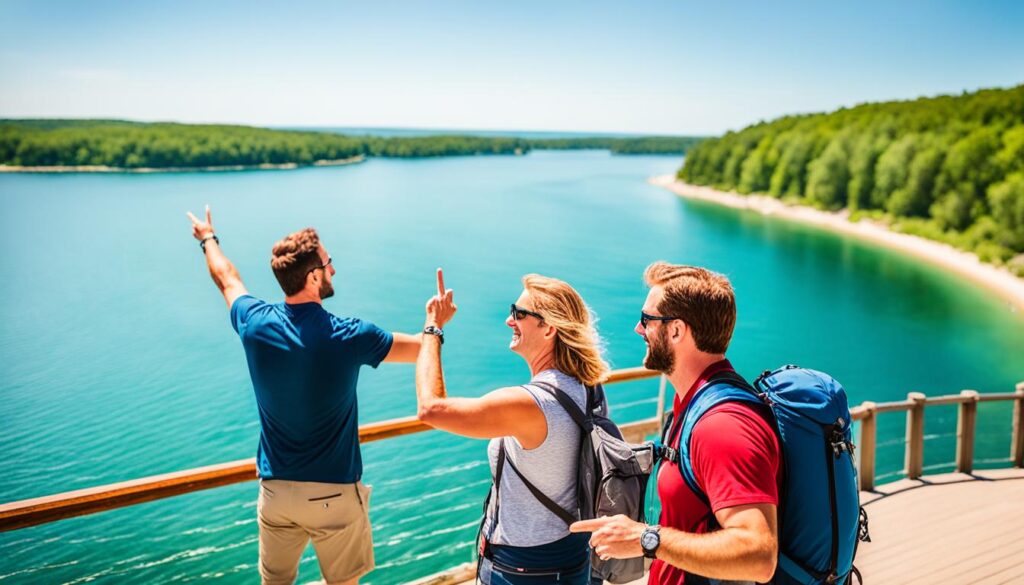
Types of guided tours available in Traverse City

Wine peninsula tours
The Leelanau Peninsula and Old Mission Peninsula together have more than 40 licensed wineries. Both peninsulas are in a federally designated American Viticultural Area (AVA). Old Mission Peninsula AVA, established in 1987, is one of the narrowest peninsulas in the world to support viticulture, at times only 3 miles wide, with the bay providing temperature moderation on both sides. Wine tour operators typically cover 3 to 5 wineries per half-day outing, with transportation included. Half-day tours run approximately $65 to $95 per person as of 2026; full-day tours covering both peninsulas run approximately $120 to $180 per person.
Culinary and farm tours
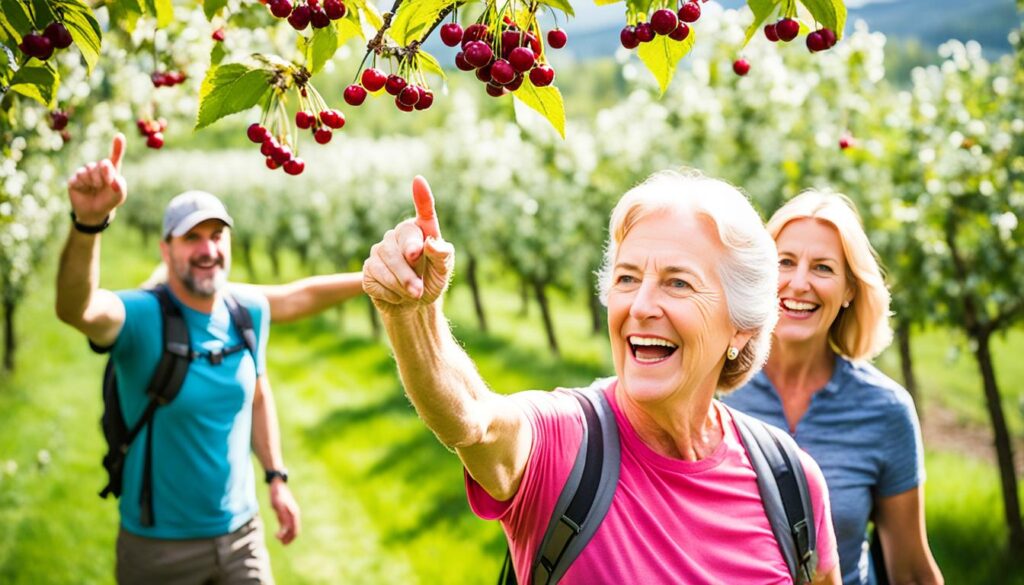
The agricultural base of the region extends well beyond cherries. The Grand Traverse area produces apples, blueberries, asparagus, and a range of specialty crops that feed a farm-to-table restaurant ecosystem unusual for a city of 15,000. Culinary tours typically include 3 to 5 stops covering a combination of farms, producers (cheese, charcuterie, jam, small-batch spirits), and restaurants. Duration is typically 3 to 4 hours; prices run approximately $75 to $150 per person depending on what’s included. Some operators include a seated farm meal as part of the experience.
Sleeping Bear Dunes tours
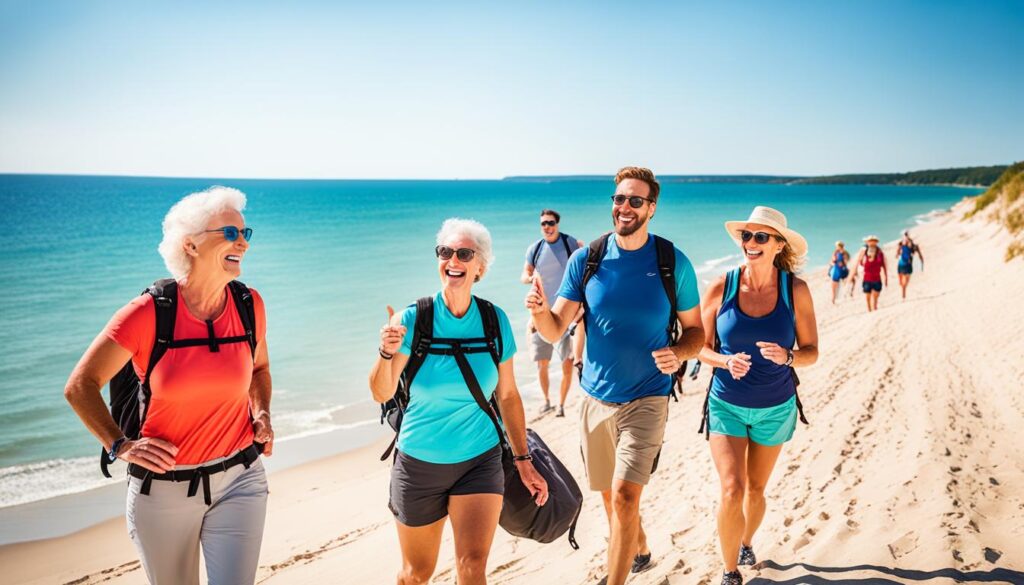
Sleeping Bear Dunes National Lakeshore covers 71,291 acres of Lake Michigan shoreline, forests, and inland lakes 35 miles west of Traverse City. The Pierce Stocking Scenic Drive runs 7.4 miles through the park and includes the Empire Bluff overlook, the lake overlooks at stops 8 and 9, and the Glen Lake overlook. The Dune Climb, a 130-foot sand dune on M-109, is the most-visited individual feature. Guided tours from Traverse City typically provide round-trip transportation, a park entry fee, and a guided walk of 2 to 3 hours. Prices run approximately $55 to $90 per person as of 2026.
Kayak and water tours
Grand Traverse Bay offers kayak touring from multiple launch points. The East Bay and West Bay are separated by the Old Mission Peninsula; the West Bay, adjacent to downtown Traverse City, is the calmer of the two and more suitable for guided kayak tours. Clinch Park Marina in downtown Traverse City (233 E. Grandview Parkway) provides watercraft rentals and is the most accessible launch point. Guided kayak tours typically cover 2 to 3 hours and include equipment and instruction; prices run approximately $45 to $85 per person.
Historical walking tours of downtown
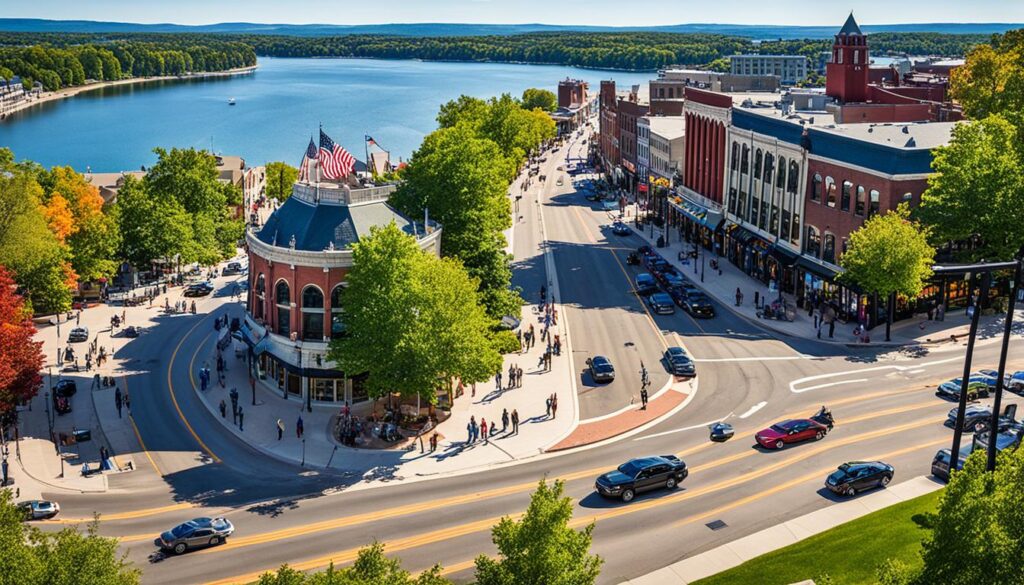
Downtown Traverse City was incorporated in 1881 and developed rapidly as a lumber and fishing port. The historic district along Front Street preserves a dense concentration of late 19th and early 20th-century commercial architecture. Walking tours cover the development of the lumber industry, the shift to cherry and wine agriculture, and the mid-century resort economy that shaped the city’s current character. Duration is typically 1.5 to 2.5 hours; prices run approximately $20 to $45 per person.
Traverse City tour pricing comparison
| Tour type | Duration | Price per person (2026) | Notes |
|---|---|---|---|
| Half-day wine tour | 3-4 hours | $65-$95 | Covers 3-5 wineries, transportation included |
| Full-day wine tour | 6-8 hours | $120-$180 | Covers both peninsulas |
| Culinary/farm tour | 3-4 hours | $75-$150 | Varies by number of included tastings |
| Sleeping Bear Dunes tour | 4-6 hours | $55-$90 | Transportation + park entry included |
| Kayak water tour | 2-3 hours | $45-$85 | Equipment and instruction included |
| Historical walking tour | 1.5-2.5 hours | $20-$45 | Downtown Traverse City historic district |
Unique guided experiences in Traverse City

The National Cherry Festival, held annually during the first full week of July since 1926, is Traverse City’s most-attended seasonal event, drawing approximately 500,000 visitors over eight days. Guided tours during festival week combine cherry-themed food stops, orchard visits, and access to festival events in a single organized outing. Booking well in advance is essential: the week of the Cherry Festival is the single highest-demand period for hotels and tour operators in the region.
Sunset photography tours along the Leelanau Peninsula and West Bay have grown in availability over the past several years. Traverse City at 44.7 degrees north latitude gets dramatic late-summer sunsets over Lake Michigan, and the 10-mile stretch of West Bay shoreline provides multiple vantage points for landscape and vineyard photography. These tours typically operate from late June through early September and last approximately 2 hours from sunset minus one hour. Prices run approximately $40 to $75 per person.
The TART Trail system (Traverse Area Recreation and Transportation) is a 10+ mile non-motorized trail connecting downtown Traverse City to surrounding townships. E-bike tours along the TART Trail provide access to both the waterfront and the outskirts of town with minimal physical exertion. Several downtown rental shops offer guided e-bike tours as of 2026; a 2- to 3-hour guided tour runs approximately $50 to $80 per person including bike rental.

Where to stay in Traverse City
The Park Place Hotel at 300 E. State Street in downtown Traverse City has operated continuously since 1873 and is the most historically significant hotel in the city. The 9-story property is a Traverse City landmark and is walking distance from Front Street dining, Clinch Park Beach, and Grand Traverse Bay. Rates run from approximately $160 to $280 per night as of 2026 depending on season.
The Grand Traverse Resort and Spa in Acme Township, 4 miles east of downtown, is the largest resort property in northern Michigan, with 750 rooms and suites, 3 golf courses, and a full-service spa. The resort is particularly suited for visitors combining tours with golf or those traveling in groups. Rates start from approximately $200 per night and climb substantially during peak summer weeks and Cherry Festival. The resort offers packages combining winery visits with on-site amenities.
The Cambria Hotel Traverse City at 355 E. Front Street is a newer downtown build with bay-view rooms directly on Grand Traverse Bay. Its location is the most convenient of any Traverse City hotel for reaching Front Street restaurants, the Clinch Park waterfront, and tour departure points. Rates run from approximately $180 to $350 per night as of 2026.

Best times to visit Traverse City for guided tours
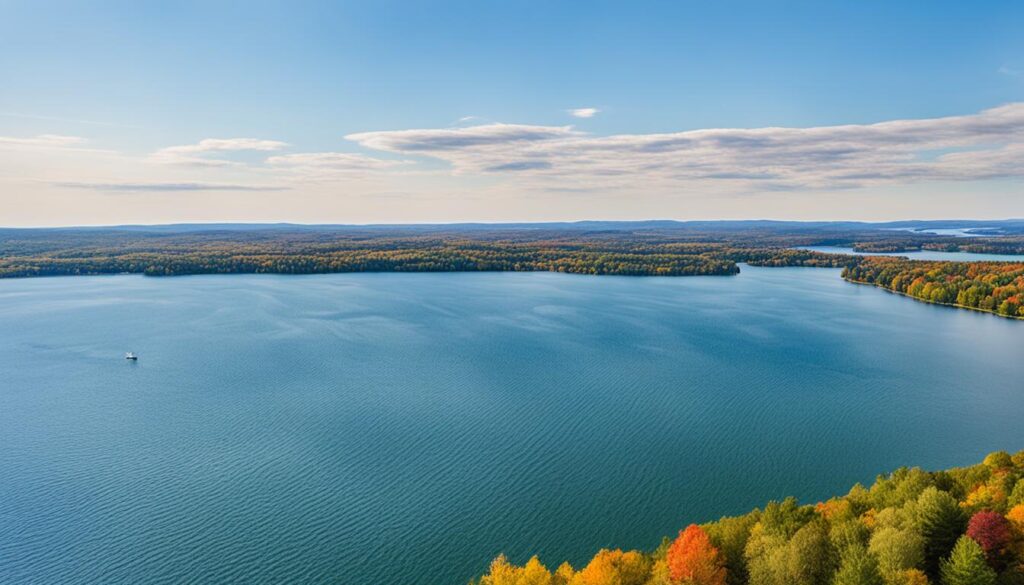
Late June through early September is peak season in Traverse City. Cherry harvest runs from approximately mid-July through early August; the first week of July overlaps with the Cherry Festival. Winery tours are most active from June through October when wines are being produced and harvest events are scheduled. The Leelanau and Old Mission wineries hold harvest open houses in September and early October that coincide with fall color, making this one of the most visually compelling times to visit.
Sleeping Bear Dunes tours operate from May through October. Summer weekends at the park are crowded; weekday tours in July and August provide notably better access to the Dune Climb and Pierce Stocking overlooks. May and October offer the most comfortable temperatures for walking the dunes, though water temperatures in the lake remain cold until July.
Planning and booking tips
Tour availability during Cherry Festival week (first full week of July) books out weeks or months in advance. If your visit coincides with this window, book tours immediately upon securing your accommodation. The same applies to harvest season weekends in September and October on the wine peninsulas.
Most wine tour operators require a minimum of 2 to 4 passengers to run a scheduled departure. Solo travelers and couples should verify whether the operator runs shared tours (which fill with other visitors) or private departures (which require a minimum spend). Shared tours are typically the better value for small groups; private tours allow customized stops.
The Traverse City Tourism Bureau at traversecity.com maintains a current list of licensed tour operators and seasonal events. The National Cherry Festival schedules and Cherry Capital Airport (TVC) flight information are also available at traversecity.com. The airport has direct service from Detroit, Chicago O’Hare, Minneapolis, and several other hubs on a seasonal schedule.
Frequently asked questions
What is Traverse City most known for?
Traverse City is most known as the Cherry Capital of the World, producing approximately 40 percent of the US tart cherry crop annually. It is also known for the National Cherry Festival (held annually since 1926 during the first week of July), two designated wine regions on the Leelanau and Old Mission Peninsulas, Sleeping Bear Dunes National Lakeshore 35 miles to the west, and its waterfront position on Grand Traverse Bay. The combination of agriculture, wine, and natural scenery in a small-city setting is uncommon in the Midwest and drives its high visitor numbers relative to population.
Do I need a guided tour to enjoy Traverse City or can I explore independently?
Independent exploration is practical for downtown Traverse City, Clinch Park Beach, and the TART Trail. However, the wine peninsulas and Sleeping Bear Dunes are spread across 30 to 35 miles of rural roads where a vehicle is necessary. Visitors wanting to sample multiple wineries in a single afternoon benefit most from guided transport to avoid driving after tastings. Sleeping Bear Dunes is accessible by personal vehicle with a $35 weekly pass, but guided tours provide context and handle navigation through the 71,000-acre park.
When is the best time to visit Traverse City for the Cherry Festival?
The National Cherry Festival is held during the first full week of July each year. The festival has run annually since 1926 and draws approximately 500,000 visitors over eight days, making it the single largest event on the Traverse City calendar. Hotels book out months in advance for this week; advance reservations are essential. If you want to experience cherry harvest without the crowds, visiting in mid-to-late July after the festival ends allows access to working orchards and cherry-themed products at local farms and markets.
What wineries should I visit near Traverse City?
The Old Mission Peninsula and Leelanau Peninsula together have more than 40 licensed wineries in two federally designated American Viticultural Areas. Old Mission Peninsula AVA, established in 1987, is particularly noted for Pinot Grigio, Riesling, and Pinot Noir. Chateau Chantal, Black Star Farms, and 2 Lads Winery are among the most frequently visited Old Mission properties. On Leelanau, Shady Lane Cellars, L. Mawby (one of Michigan’s oldest licensed wineries), and Brys Estate are well-regarded. A guided wine tour typically covers 3 to 5 properties per half-day and includes transportation.
How do I get to Traverse City?
Cherry Capital Airport (TVC) in Traverse City has direct flights from Detroit, Chicago O’Hare, Minneapolis, and a small number of other hubs on a seasonal schedule. The most consistent year-round connection is via Detroit. By car, Traverse City is 4.5 hours from Detroit (US-131 to M-115) and 2.5 hours from Grand Rapids (US-131 north to M-37). There is no direct Amtrak service to Traverse City; the nearest Amtrak station is Kalamazoo or Grand Rapids, both requiring a car connection of 2 to 3 hours.
What should I wear on a Traverse City guided tour?
Layering is practical for northern Michigan regardless of season. Summer daytime temperatures in Traverse City average 75 to 82 degrees Fahrenheit in July, but evenings on the water drop quickly. Wine tours, which move between indoor tasting rooms and outdoor vineyard areas, benefit from a light jacket even in July. For Sleeping Bear Dunes, closed-toe shoes are strongly recommended for the Dune Climb; the sand can exceed 100 degrees Fahrenheit on hot summer afternoons. Kayak tours require water-appropriate footwear (sandals or water shoes) and sunscreen.
Are Traverse City guided tours suitable for families with children?
Sleeping Bear Dunes tours are well-suited for families; the park has junior ranger programs and the Dune Climb is accessible for most ages and fitness levels. Historical walking tours of downtown are appropriate for older children interested in regional history. Wine and culinary tours are oriented toward adults, though some farm tour operators include family-friendly components such as u-pick cherry orchards or cheese-making demonstrations. For families, the most productive combination is a Sleeping Bear Dunes tour in the morning followed by Clinch Park Beach and downtown Traverse City in the afternoon.