

Explore Wildlife Conservation in Chittagong Hills
Bangladesh’s biodiversity holds hidden gems in the Chittagong Hill Tracts. This region covers 10% of the country’s land area. It’s a treasure trove of wildlife and natural wonders.
Discover captivating stories of conservation efforts in this biodiversity hotspot. Learn how these efforts protect diverse inhabitants like tigers, sun bears, gaurs, and turtles.
The Biodiversity Hotspot of Chittagong Hill Tracts
The Chittagong Hill Tracts is a stunning biodiversity hotspot in southeastern Bangladesh. It covers 13,295 square kilometers, over 10% of the country’s land area. This rugged, forested region is home to 11 unique indigenous ethnic groups.
Spanning 10% of Bangladesh’s Land Area
The Chittagong Hill Tracts boasts diverse flora and fauna. It’s one of Bangladesh’s last biodiversity strongholds. This area is part of the larger Indo-Burma Biodiversity Hotspot.
Home to 11 Indigenous Ethnic Groups
The region is a mosaic of cultural diversity. Eleven distinct indigenous groups call this area home. Each community brings unique perspectives and lifestyles to the Chittagong Hill Tracts.
This rich tapestry of cultures and livelihoods is an integral part of the region’s identity and heritage.
“The Chittagong Hill Tracts is a captivating biodiversity hotspot that spans over 13,295 square kilometers, accounting for more than 10% of Bangladesh’s total land area.”
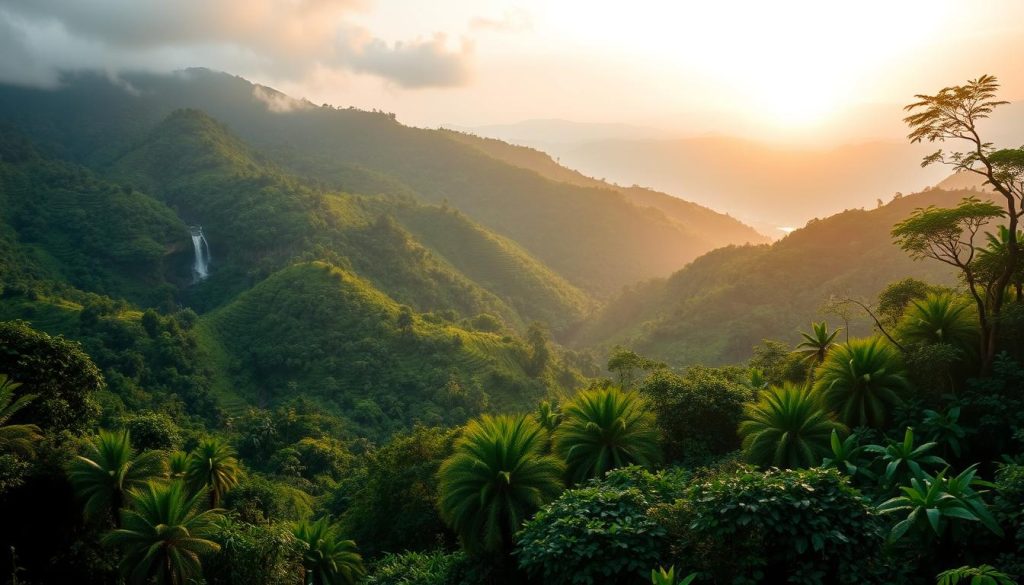
The Chittagong Hill Tracts hosts many unique plant and animal species. This ecosystem showcases the resilience of indigenous communities. They’ve lived harmoniously with the land for generations.
Their traditional practices and stewardship have preserved the region’s natural beauty. This has helped maintain the area’s rich biodiversity over time.
Surprising Wildlife Discoveries
Bangladesh’s Chittagong Hill Tracts region has unveiled amazing wildlife discoveries. This biodiversity hotspot covers 10% of the country’s land. Rare species, thought absent, have been photographed for the first time.
First Ever Photos of Sun Bear and Gaur in Bangladesh
Conservationists have made groundbreaking discoveries in the Chittagong Hill Tracts. They captured the first-ever photos of sun bears and gaurs in Bangladesh. These wildlife sightings confirm the presence of threatened species within the country.
Evidence of Tigers Roaming the Forests
Survey teams found a large paw print believed to be from a tiger. This suggests a possible unknown tiger population in the region. It’s a critical finding for the critically endangered big cat’s conservation.
Only about 2,500 mature tigers remain in the wild globally. Their presence in this area would significantly boost protection efforts.
These camera trap findings reveal the region’s diverse array of threatened species. Many were previously unknown or thought extinct in Bangladesh. Ongoing surveys continue to uncover hidden wildlife gems in this hotspot.
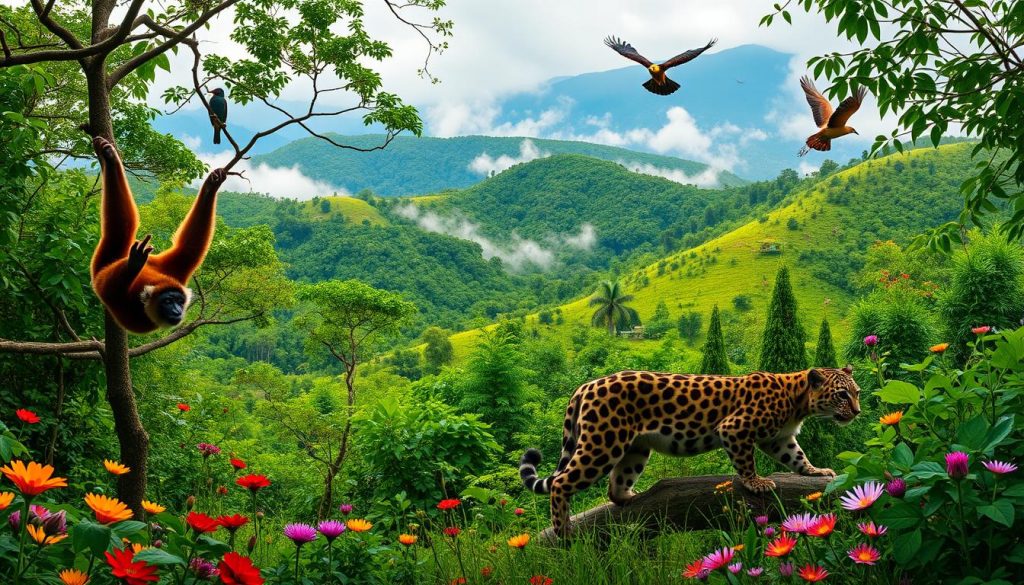
“The Chittagong Hill Tracts is the wildest part of Bangladesh and falls within the Indo-Burma Biodiversity Hotspot, housing many globally threatened species, including various cat species.”
Collaborative Conservation Efforts
Conservation in the Chittagong Hill Tracts is a team effort. The Creative Conservation Alliance works with local tribes and the Bangladesh Forest Department. CCA trains tribe members as “parabiologists” to monitor wildlife using camera traps. This blend of science and traditional knowledge reveals hidden biodiversity.
The Chittagong Hill Tracts make up 10% of Bangladesh’s land area. It contains 43% of the nation’s forests and crucial rivers. Many groups work together to protect this region. These include USAID, UNDP, and various government ministries.
Their efforts have improved water access and farming methods. They’ve also enhanced social bonds and wildlife protection. The project tackles climate change and illegal logging. It also promotes sustainable livelihoods and better watershed management.
The project aims to conserve forests and biodiversity. It works to improve community water access and reduce disaster risks. Gender equality and social cohesion are promoted through a community-driven approach.
This conservation effort involves many stakeholders. Governments, businesses, and communities all play a role. Partnerships are key to fighting climate change. They ensure lasting impact in indigenous communities with support from government agencies.
The Mro Parabiologists: Guardians of the Forest
The Chittagong Hill Tracts in Bangladesh is home to a unique group of wildlife protectors. These are the Mro people, one of eleven ethnic groups in the area. They’ve become crucial to conserving the region’s rich biodiversity.
The Mro parabiologists use their deep forest knowledge to aid wildlife monitoring programs. They work with camera traps and their keen observation skills. Their efforts have led to amazing discoveries, including the first photos of sun bears and gaur in Bangladesh.
These indigenous guardians have documented rare and endangered species. One example is the critically endangered Arakan forest turtle. The Mro’s work helps tailor conservation efforts to the area’s specific needs.
The impact of their work is significant. In areas they monitor, hunting of reptiles has dropped by at least 50%. They’ve also helped establish breeding colonies for endangered turtles and tortoises.
As the region faces threats from deforestation, the Mro parabiologists offer hope. They protect biodiversity and ensure a future for endangered species. Their story shows how traditional wisdom can support modern conservation efforts.
| Statistic | Value |
|---|---|
| Chittagong Hill Tracts (CHT) area | 13,295 square kilometers |
| Population density in CHT | 120 people per square kilometer |
| Population density in Bangladesh overall | 1,237 people per square kilometer |
| Decrease in CHT forest cover (2001-2014) | More than 30% |
| Highly threatened turtles and tortoises rescued and released by Mro parabiologists | Over 100, including 21 in 2018 |
| Decline in reptile hunting in areas covered by parabiologists | At least 50% |
The Mro parabiologists show the power of local ecological knowledge. They’ve become vital guardians of the Mro community‘s wildlife monitoring efforts. Their work has led to new discoveries and reduced poaching. They’re truly the Indigenous parabiologists of the Chittagong Hill Tracts.
Camera Traps Uncovering Biodiversity Gems
The Chittagong Hill Tracts in Bangladesh is a biodiversity hotspot. It’s home to many rare and endangered species. Camera traps have revealed amazing discoveries in this diverse region.
Arakan Forest Turtles and Keeled Box Turtles Recorded
Camera trap surveys have found critically endangered Arakan forest turtles and endangered keeled box turtles. These species were thought extinct or only in Myanmar. Their presence in Bangladesh is a exciting discovery.
This finding opens new doors for turtle conservation in Bangladesh. Mro parabiologists and CCA researchers are studying these endangered species. They aim to create better conservation strategies.
| Species | IUCN Status | Habitat |
|---|---|---|
| Arakan Forest Turtle | Critically Endangered | Forested areas in the Chittagong Hill Tracts |
| Keeled Box Turtle | Endangered | Forested areas in the Chittagong Hill Tracts |
Camera traps have revealed more than just turtles. They’ve provided insights into the area’s overall ecology. This information helps create better conservation plans for these unique species.

The turtle discoveries show the amazing biodiversity in this region. Camera trap surveys continue to uncover hidden gems. These efforts contribute to protecting Bangladesh’s natural heritage.
Reintroduction and Rewilding Initiatives
The Chittagong Conservation Alliance (CCA) is saving threatened species in the Chittagong Hill Tracts. They’re breeding and repatriating the majestic Asian giant tortoise. The CCA has released radio-tagged tortoises into a community-managed forest, giving them a chance to thrive.
The CCA also works with the Shrine of Bayazid Bostami to save the endangered black softshell turtle. Their joint effort has increased the numbers of this unique species. This provides hope for its long-term survival.
| Program | Key Achievements |
|---|---|
| Captive Breeding of Asian Giant Tortoises |
|
| Black Softshell Turtle Population Revival |
|
The CCA’s efforts show a holistic approach to wildlife conservation in the Chittagong Hill Tracts. They empower local communities and use innovative strategies. This lays the groundwork for a brighter future for the region’s unique species.

“Our approach combines top-down and bottom-up strategies, working closely with local tribes and the Forest Department to achieve lasting conservation impact.”
– Shahriar Caesar Rahman, Founder of the Creative Conservation Alliance
Wildlife conservation projects in Chittagong Hills
The Chittagong Hill Tracts boast diverse wildlife, from tigers to endangered Asian giant tortoises. The Creative Conservation Alliance (CCA) leads vital conservation projects in this unique region.
CCA’s key initiative establishes hunting moratoriums on threatened species like the Indian leopard. They’ve reduced hunting pressure on 15 species by 50% in tropical forests.
The organization set up captive breeding colonies for endangered turtles and tortoises. In January 2022, they released 10 captive-bred Asian giant forest tortoises into the wild.
CCA uses camera traps to monitor elusive species like tigers. These traps have revealed evidence of tigers in the Chittagong Hill Tracts.
The Crafts for Conservation program empowers local Mro women artisans. They design and sell traditional ethnic crafts, creating sustainable income and preserving natural heritage.

CCA’s approach shows the power of collaboration and community engagement. They work with the local Forest Department and indigenous tribes. Together, they preserve biodiversity and secure a bright future for the region’s wildlife.
Challenges: Poaching and Habitat Loss
The Chittagong Hill Tracts face major threats to its wildlife. Poaching and habitat destruction endanger the future of this ecological gem. These issues demand urgent attention from conservationists and local communities.
Poaching remains a serious problem in the region. Endangered species like Asian Elephants, Asiatic Black Bears, and Hoolock Gibbons are often targeted. Poachers from Myanmar contribute to this ongoing crisis.
These illegal activities harm more than just animal populations. They disrupt the delicate balance of the area’s ecosystems. This impacts the entire web of life in the Chittagong Hill Tracts.
Habitat destruction poses another significant threat to wildlife. Illegal logging and uncontrolled farming practices destroy native forests. These forests are vital for the region’s diverse animal species.
As the local population grows, so does the pressure on these habitats. This increasing strain threatens the survival of many species. Urgent action is needed to protect these precious ecosystems.
Experts stress the need to involve local communities in conservation efforts. Empowering them as land and wildlife stewards is crucial. Developing sustainable livelihoods that support conservation is key to long-term success.
- Poaching of endangered species like Asian Elephant, Asiatic Black Bear, and Hoolock Gibbon
- Habitat destruction through illegal logging and unsustainable agricultural practices
- Growing population pressures exacerbating the threats to the region’s ecosystems
- Empowering local communities as stewards of the land and wildlife
- Developing sustainable livelihoods that support conservation efforts
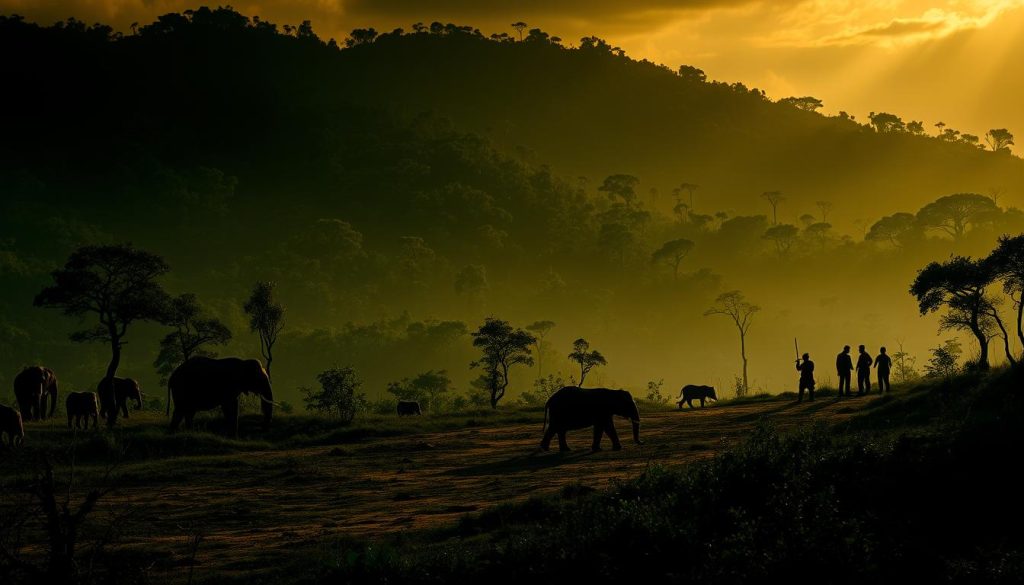
“Protecting the Chittagong Hill Tracts’ biodiversity requires a collaborative approach that addresses both poaching and habitat loss. By working hand-in-hand with local communities, we can create a sustainable future for the region’s precious wildlife.”
Empowering Indigenous Communities
Conservation efforts in the Chittagong Hill Tracts go beyond wildlife protection. The organization empowers indigenous communities through various initiatives. The Crafts for Conservation program creates a market for handmade products by Mro women.
This program provides alternative income sources. It reduces reliance on forest resources and supports sustainable development. The organization also establishes primary schools in remote villages.
They deliver environmental education programs to raise awareness. These initiatives aim to create conservation champions within local communities. They equip indigenous youth with knowledge to become stewards of their ancestral lands.
Crafts for Conservation Program
The Crafts for Conservation program is crucial for community engagement. It creates a sustainable market for Mro women’s handmade products. The program provides alternative livelihoods and reduces reliance on the forest.
This supports conservation goals by easing pressure on natural resources. It helps balance economic needs with environmental protection.
Environmental Education Programs
The organization leads environmental education initiatives in remote Chittagong Hill Tracts villages. These programs teach indigenous youth about sustainable development and protecting regional biodiversity.
By empowering local communities, they nurture future conservation champions. These efforts aim to safeguard the Chittagong Hill Tracts for generations.
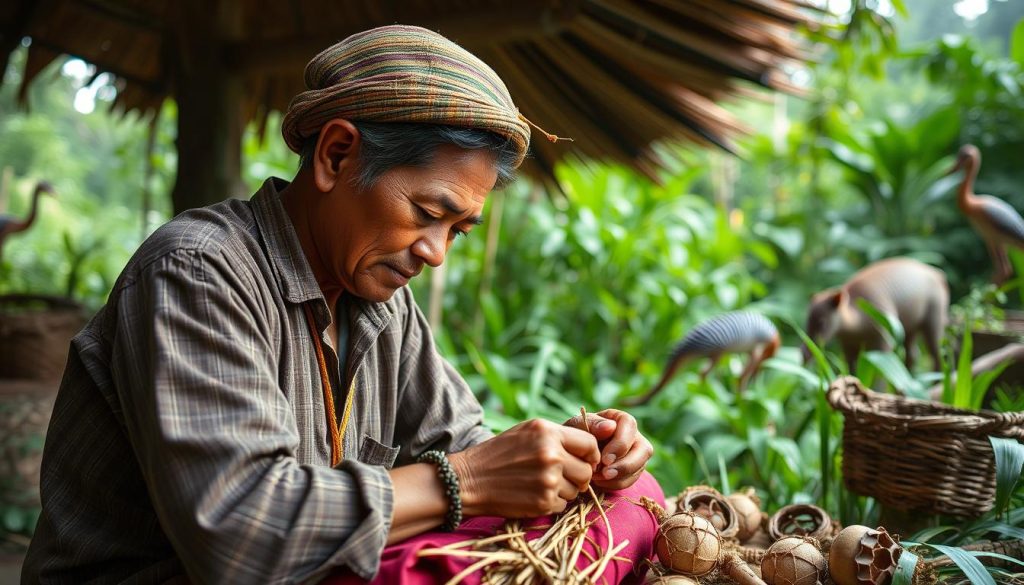
“The Crafts for Conservation program has not only provided a stable income for our community but has also instilled a deeper sense of pride in our cultural heritage. It’s a win-win for both conservation and sustainable development.”
– Donoai Mro, local artisan and program participant
A Beacon of Hope for Bangladesh’s Wildlife
The Chittagong Hill Tracts offer hope for Bangladesh’s wildlife recovery. This region is a stronghold for diverse threatened species. It’s home to tigers, sun bears, and critically endangered turtles.
Conservation efforts in the area have shown great success. The CCA, local communities, and government agencies work together effectively. Their initiatives preserve biodiversity and empower indigenous communities.
The region’s importance as a biodiversity hotspot is globally recognized. It provides a model for wildlife conservation in Bangladesh. This success story offers a blueprint for sustainable wildlife recovery nationwide.
“The Chittagong Hill Tracts has proven to be a resilient stronghold for a diverse array of threatened species, offering a beacon of hope for the future of Bangladesh’s wildlife.”

The Chittagong Hill Tracts showcase innovative conservation approaches. Community engagement plays a key role in their success. This region proves what can be achieved through collaborative wildlife protection efforts.
Conclusion
The Chittagong Hill Tracts of Bangladesh is a remarkable biodiversity hotspot. It’s home to a diverse array of threatened wildlife. The Creative Conservation Alliance leads collaborative efforts to protect and restore the region’s natural heritage.
Poaching and habitat loss threaten this unique ecosystem’s delicate balance. Your support can help safeguard Bangladesh’s wildlife for future generations. Your contribution can secure the Chittagong Hill Tracts’ future and its remarkable biodiversity.
The Chittagong Hill Tracts is a true gem deserving our protection. Together, we can address pressing issues facing this region. Join our mission to support wildlife conservation and preserve the area’s natural wonders.





