

Explore Wellington’s Fascinating History & Heritage Sites Outside the Beehive
Have you ever wondered what secrets lie hidden in the heart of New Zealand’s capital city? Beyond the bustling streets and iconic landmarks, Wellington’s rich history waits to be uncovered.
As you wander through the city, you’ll discover a plethora of heritage sites. These sites tell the story of Wellington’s past. From colonial-era architecture to cultural institutions, each site offers a unique glimpse into the city’s fascinating history.
You are about to embark on a journey to explore these hidden gems. You’ll dive into the history and heritage that make Wellington so unique. Get ready to uncover the stories and landmarks that lie just beyond the Beehive.
Wellington’s Rich Historical Background
Wellington’s history is a captivating tale of Māori heritage and European colonization. As New Zealand’s capital, Wellington boasts a deep cultural heritage. This is seen in its historical landmarks and heritage trails.
Māori Settlement and Cultural Heritage
The Māori settled in Wellington over a thousand years ago. They brought their language, customs, and traditions. Today, you can experience this heritage at sites like the Te Papa Tongarewa. It showcases Māori cultural artifacts and stories.

European Colonization and City Founding
European colonization greatly shaped Wellington. The city was founded in 1840 and became a key commercial hub. You can see this history in the city’s architecture, like the Old Government Buildings. It’s one of the largest wooden buildings globally.
| Historical Event | Date | Significance |
|---|---|---|
| Māori Settlement | 10th century | Beginning of Wellington’s cultural heritage |
| European Colonization | 1840 | Founding of Wellington as a city |
| Establishment of Te Papa Tongarewa | 1998 | Showcasing New Zealand’s history and culture |
Wellington Historical Walks and Heritage Sites Beyond the Beehive
As you explore Wellington, you’ll find many historical walks and sites beyond the Beehive. The city has a lot to offer, from guided tours to self-guided visits to important places.
Overview of Wellington’s Historical Districts
Wellington’s historical areas are full of cultural and historical value. You can visit the Bolton Street Cemetery, one of the oldest cemeteries. Or walk along the Wellington Waterfront Heritage Trail to learn about the city’s sea history.
Why Explore Beyond Parliament Buildings
While the Parliament Buildings are a must-see, there’s more to Wellington’s history. You can go on historical walking tours that cover Māori heritage, European settlement, and cultural growth. Exploring beyond the Beehive lets you understand Wellington’s history better and find hidden treasures.
Guided heritage walks in Wellington give you a special look at the city’s history. Guides share stories and facts that make the past come alive. These walks are great for anyone interested in architecture, culture, or history.
Old Government Buildings: The World’s Largest Wooden Building
As you explore Wellington’s rich history, you’ll find the Old Government Buildings. They are the world’s largest wooden building. This place is a key stop for anyone interested in Wellington’s historical architecture tour.
Architectural Significance and History
The Old Government Buildings are famous for their size and Victorian-era style. Built in the 19th century, they were the heart of New Zealand’s government. Their wooden design shows the skill of the time, making them a key part of historical heritage.
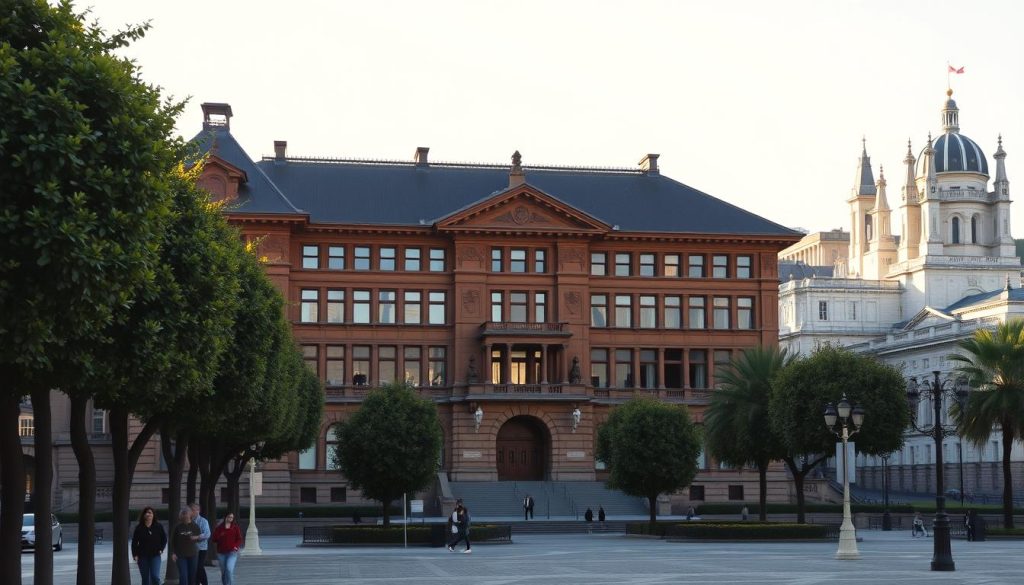
Visitor Information and Guided Tours
Guided tours let visitors see the Old Government Buildings up close. They share stories about the site’s history and design. When planning your Wellington historical landmarks tour, check the hours and schedules first. This way, you’ll get the most out of your visit.
Wellington’s Colonial Cottages and Historic Homes
As you explore Wellington’s historic areas, you’ll find charming colonial cottages. These homes share the city’s rich history. They show off Wellington’s architectural and cultural heritage.
Nairn Street Cottage: Wellington’s Oldest House
The Nairn Street Cottage is a key spot for those interested in Wellington’s past. Built in the mid-19th century, it’s Wellington’s oldest house. This cottage gives a peek into the lives of early settlers.
Visiting the cottage, you’ll learn about the daily lives and traditions of Wellington’s early residents.
Katherine Mansfield House & Garden
The Katherine Mansfield House & Garden is another historic gem. It was the home of the famous New Zealand writer, Katherine Mansfield. The house and garden offer a peaceful setting.
Here, you can explore Mansfield’s life and works. It’s a chance to understand her impact on New Zealand’s literature.
| Historic Home | Significance | Visitor Information |
|---|---|---|
| Nairn Street Cottage | Wellington’s oldest surviving house | Open for guided tours |
| Katherine Mansfield House & Garden | Childhood home of Katherine Mansfield | Open daily, guided tours available |
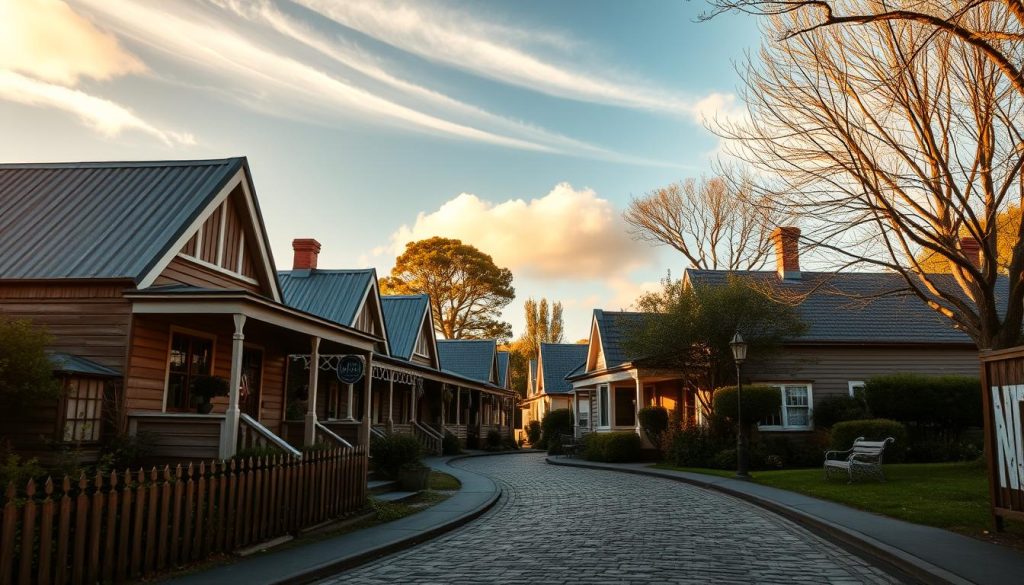
These historic homes highlight Wellington’s rich cultural heritage. Visiting these sites deepens your appreciation for the city’s history and its role in New Zealand’s story.
Te Papa Tongarewa: New Zealand’s National Museum
Te Papa Tongarewa is New Zealand’s national museum. It’s filled with historical collections and exhibitions. Located in Wellington, it’s a key spot for those interested in the country’s history.
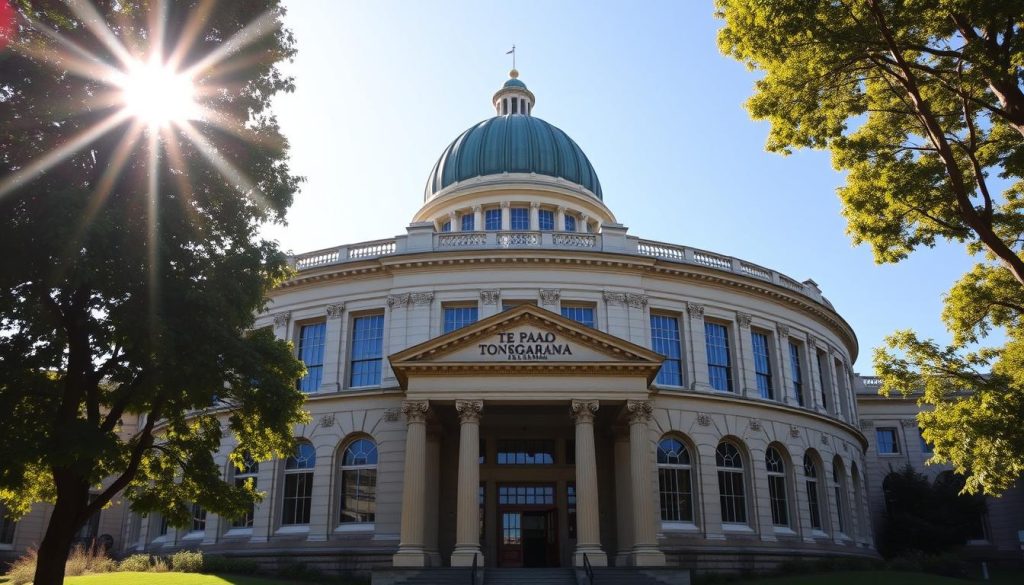
Historical Collections and Exhibitions
Te Papa Tongarewa is famous for its vast historical collections and lively exhibitions. As you explore, you’ll see many artifacts. These range from ancient Māori relics to exhibits on New Zealand’s natural history.
The museum’s exhibitions aim to engage and educate. They offer deep insights into New Zealand’s history, culture, and environment.
Some of the key exhibitions include:
- Collections on New Zealand’s natural history, including dinosaur fossils and a giant squid.
- Exhibitions on Māori culture, featuring traditional carvings, weavings, and other cultural artifacts.
- Displays on New Zealand’s history, including the country’s colonial past and its journey to becoming the modern nation it is today.
Māori Cultural Artifacts and Stories
Te Papa Tongarewa shines with its Māori cultural artifacts and stories. The museum has a vast collection of Māori taonga (treasures). These include carvings, weavings, and other cultural items.
These artifacts are more than just relics. They are living pieces of Māori culture. They continue to play a big role in New Zealand’s identity.
“Te Papa is a place where the past, present, and future come together to tell the story of New Zealand and its people.”
Exploring these collections helps you understand Māori culture. It shows its importance in New Zealand’s history and today’s society.
Wellington’s Maritime Heritage Trail
Wellington’s waterfront is more than just a pretty view. It’s a key to understanding the city’s sea history. The Wellington Maritime Heritage Trail takes you on a journey through the city’s past, with historic wharves and scenic walks.
Historic Wharves and Waterfront Walks
Walking along the waterfront, you’ll see historic wharves that are part of Wellington’s sea story. These wharves have seen the city’s trading history and the arrival and departure of sailors and travelers. The walks are both beautiful and educational, with signs that tell the city’s sea tales.
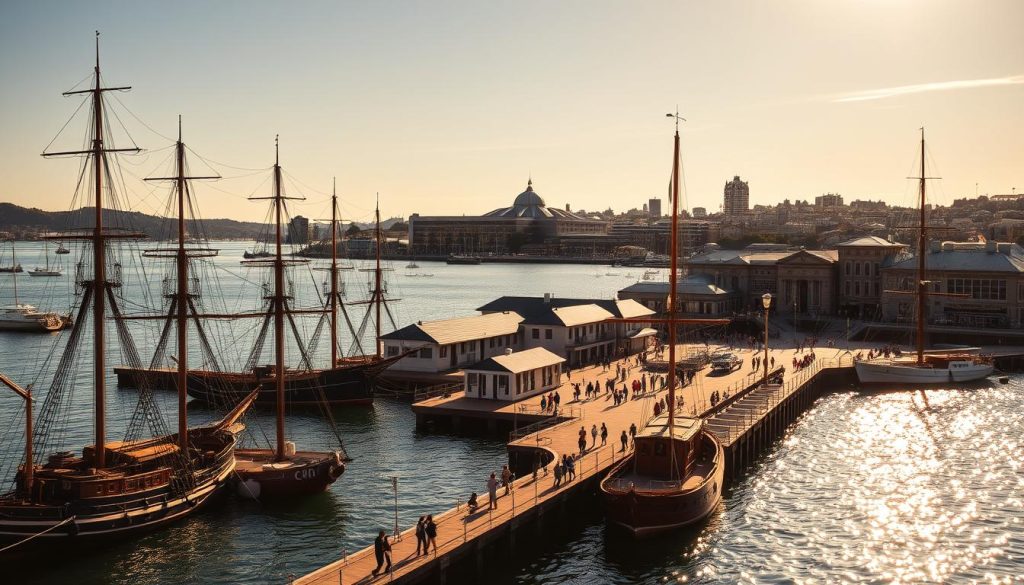
Museum of Wellington City & Sea
The Museum of Wellington City & Sea is a must-see for sea history fans. It has many exhibits, including interactive ones and artifacts. These tell the story of Wellington’s sea connection from the early days to now.
| Attraction | Location | Description |
|---|---|---|
| Historic Wharves | Wellington Waterfront | Significant role in Wellington’s maritime trading history |
| Museum of Wellington City & Sea | Jervois Quay, Wellington | Comprehensive exhibits on Wellington’s maritime heritage |
| Waterfront Walks | Wellington Waterfront | Scenic and informative journey through the city’s maritime past |
Exploring the Maritime Heritage Trail in Wellington helps you understand the city’s sea history. It shows how the sea has shaped Wellington into what it is today.
Military History: Fortifications and Memorials
Exploring Wellington reveals a rich military history. You’ll see fortifications and memorials that highlight its past. These sites remember Wellington’s role in historical conflicts.
Wrights Hill Fortress and World War II Sites
The Wrights Hill Fortress is a key part of Wellington’s military history. It shows the city’s defense systems during World War II. Visitors can see the fortress and learn about its construction.
National War Memorial and Pukeahu Park
The National War Memorial honors New Zealand’s military history. It’s located in Pukeahu Park, a significant landmark. It offers a chance to reflect on the nation’s military past.
Hidden Heritage Gems in Wellington’s Suburbs
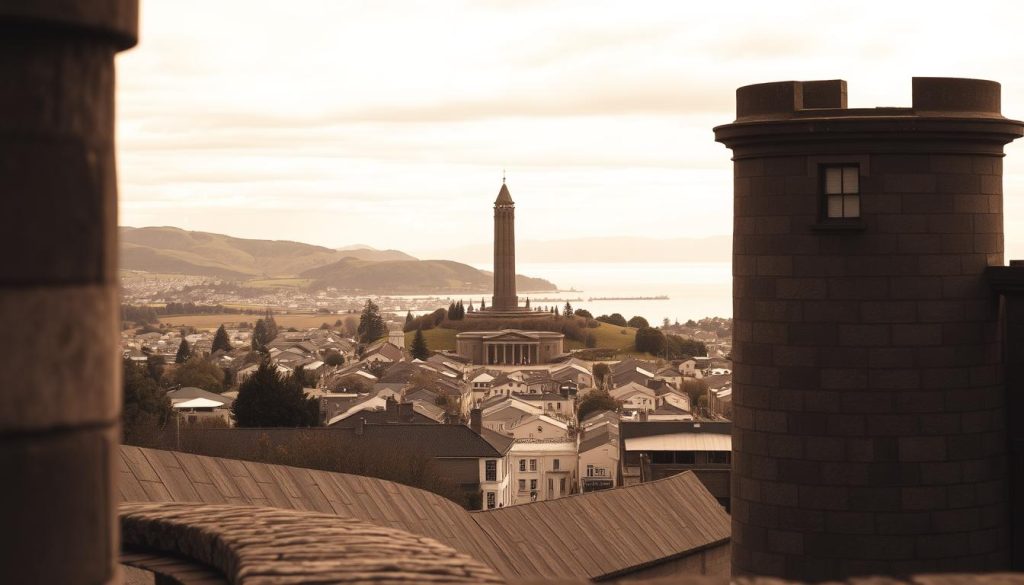
Wellington’s suburbs are full of history, even outside the city center. You’ll find hidden gems that show the city’s rich past. These spots are often missed by visitors.
Thorndon’s Historic District
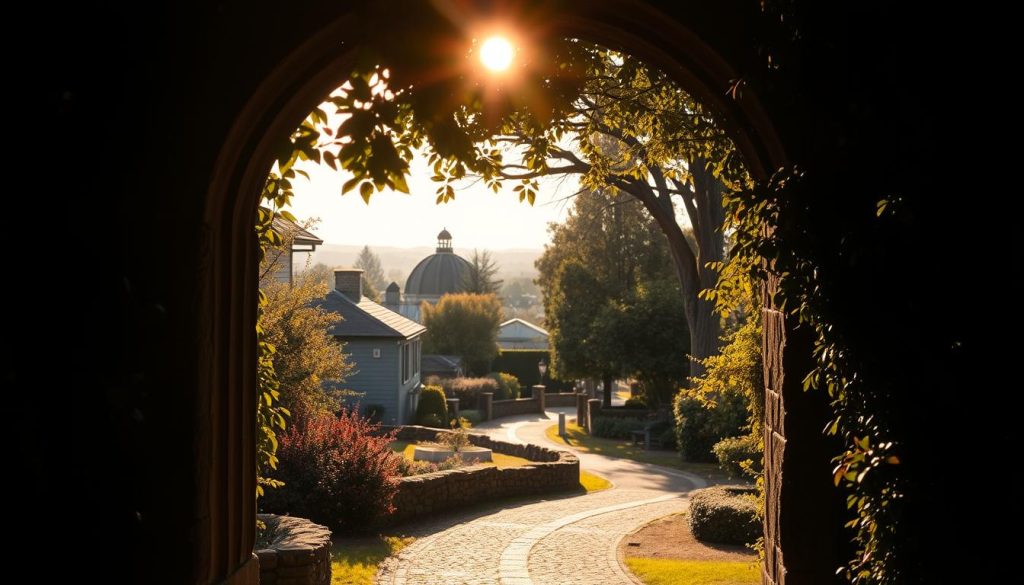
Thorndon’s Historic District is a must-see. It’s filled with historic homes from the 19th century. Walking here, you’ll see the unique buildings and beautiful gardens.
Petone Settlers Museum and First Landing Site
The Petone Settlers Museum tells the story of New Zealand’s first European settlers. It has exhibits on their history and experiences. The First Landing Site is nearby, marking where they first arrived.
| Heritage Site | Location | Historical Significance |
|---|---|---|
| Thorndon’s Historic District | Wellington Suburbs | 19th-century architectural heritage |
| Petone Settlers Museum | Petone, Wellington | Commemorates the first European settlers |
| First Landing Site | Petone, Wellington | Site of the first European settlement |
Wellington’s Cultural Heritage Celebrations
Exploring Wellington, you’ll find a city that celebrates its cultural heritage with pride. It shows off its rich history and vibrant culture through many events. You can dive into Wellington’s heritage by joining its cultural events all year round.
Matariki Festival and Māori Cultural Events
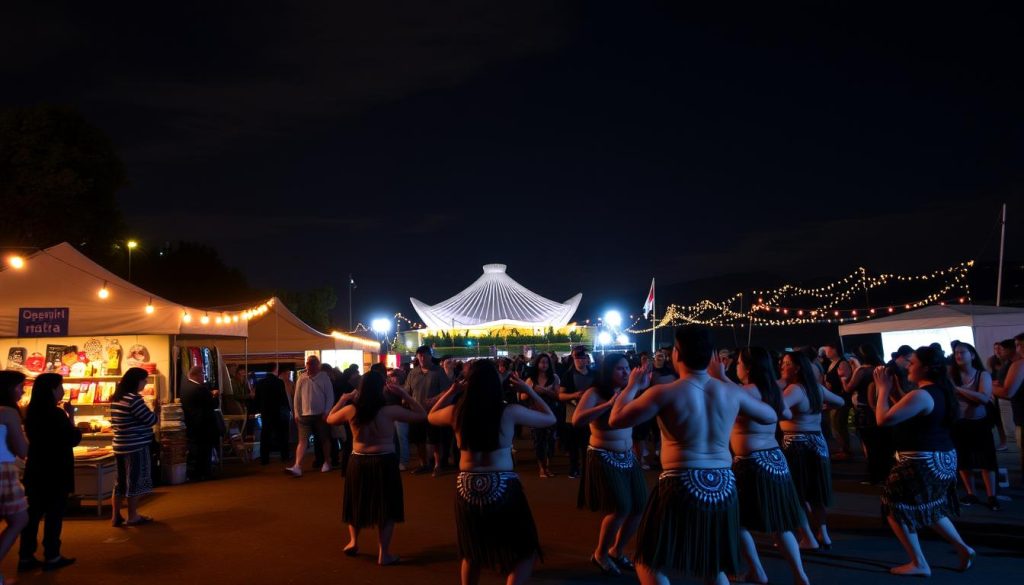
The Matariki Festival is a big deal in Wellington. It honors Māori culture and the start of the new year. You’ll see traditional Māori performances, taste local foods, and check out crafts. It’s a chance to learn about Māori traditions and see the city’s cultural diversity.
Heritage Week and Historical Reenactments
Wellington’s Heritage Week is another must-see. It has historical reenactments, guided tours, and exhibits that highlight the city’s heritage. You can visit historic sites, listen to lectures, and join workshops. These activities offer a peek into Wellington’s past and its cultural roots.
By taking part in these celebrations, you’ll understand Wellington’s history and culture better. Your visit will be more meaningful and unforgettable.
Practical Tips for Exploring Wellington’s Heritage Sites
Planning your trip to Wellington? Knowing how to visit its heritage sites can make your trip better. Wellington is rich in history, and its sites are a big part of its charm.
Best Times to Visit and Weather Considerations
Wellington’s weather is hard to predict. So, it’s smart to bring layers and waterproof stuff. Spring (September to November) and autumn (March to May) are the best times to go. The weather is usually nice then.
Guided Tours vs. Self-Guided Exploration
You can pick between guided heritage walks and exploring on your own. Guided tours give you deep knowledge from local experts. Self-guided tours let you go at your pace. Think about what you like and how you learn best.
Accessibility Information and Transportation Options
Many heritage sites in Wellington are easy to get to by public transport or walking. Here’s a quick guide on how to get there and what you can expect:
| Heritage Site | Public Transport | Accessibility |
|---|---|---|
| Te Papa Museum | Bus: 1, 2, 3 | Wheelchair accessible |
| Old Government Buildings | Bus: 1, 2; Train: Wellington Station | Ramp access |
| Wrights Hill Fortress | Bus: 14, 15 | Pathways; some steps |
Conclusion: Embracing Wellington’s Living History
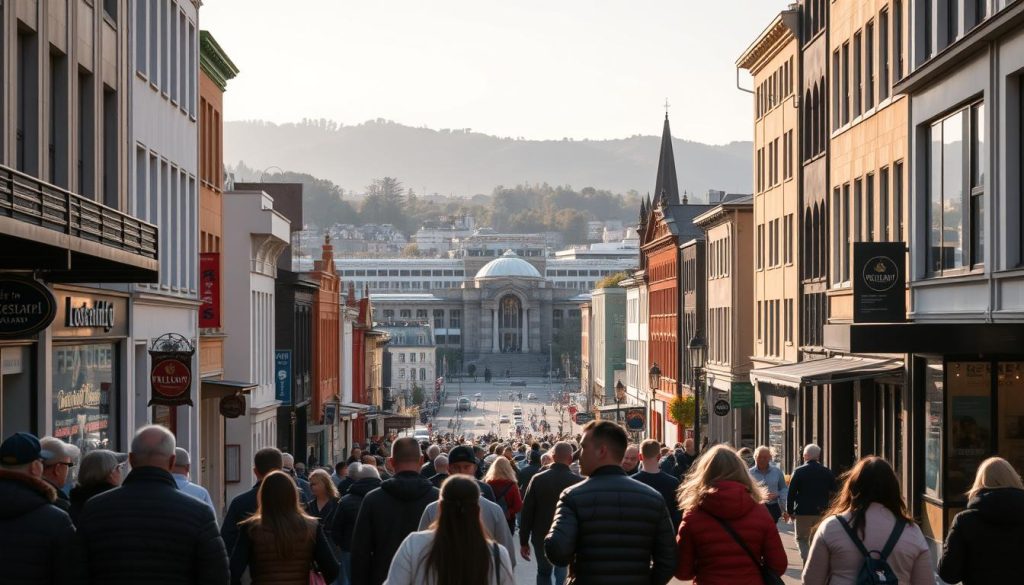
Exploring Wellington’s historical walks and sites beyond the Beehive reveals the city’s deep cultural heritage. You’ll see the Old Government Buildings and Te Papa Tongarewa. Each place gives a unique look into Wellington’s past.
Discovering Wellington’s history helps you understand how the city grew and changed. You’ll learn about Māori culture, European settlement, and maritime tales. Wellington has stories for everyone.
Walking through historic areas, don’t miss the hidden gems in suburbs like Thorndon and Petone. Wellington’s history and culture will amaze and inspire you.





