Explore Traditional Tea Ceremonies and Tea Houses
Tea has been enjoyed for centuries, not only for its diverse flavors but also for the cultural significance that accompanies it. Traditional tea ceremonies and tea houses have played an essential role in various cultures around the world for centuries, providing a peaceful refuge from the hectic pace of everyday life. In this article, you’ll discover the elegant and tranquil world of tea culture, exploring the customs, rituals, and history of traditional tea ceremonies and tea houses. From the refined elegance of the Japanese tea ceremony to the ornate Chinese tea houses, and beyond, you’ll gain insight into the timeless allure of this ancient art form. Join us on a journey through tea culture and discover a world of calmness, elegance, and tradition.
The Serenity of Tea Culture
Tea culture is not just about drinking tea. It is a way of life that promotes mindfulness and serenity. The history of tea culture dates back to ancient civilizations, where the consumption of tea was both a ritual and a symbol of social status. Today, tea ceremonies and tea houses play a central role in preserving and embracing this art form.
Tea culture is more than just a trend; it is a lifestyle choice that promotes well-being and relaxation. The tranquility that pervades tea ceremonies and tea houses offers a unique escape from the chaos of daily life. Drinking tea with intention and mindfulness, whether alone or in the company of others, provides a sense of connection to centuries-old traditions while grounding us in the present moment.
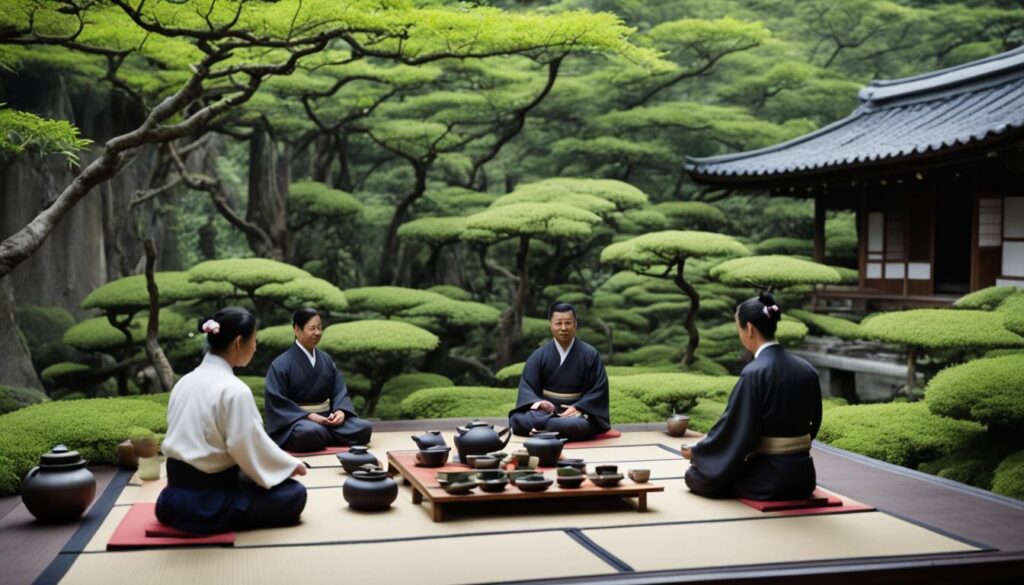
When you embrace tea culture, you enter a world of heightened awareness and appreciation for the beauty in simplicity. The deliberate preparation and presentation of tea during a ceremony is a treasured experience that requires focus and care. The details matter, from the selection of the tea variety to the choice of utensils and the way they are used.
“Tea is a divine herb that has the power to relax and stimulate, heal and soothe. When you drink tea, you become part of a ritual that has been practiced for centuries, connecting you to a rich cultural heritage and allowing you to savor the true essence of tea culture.”
Join us as we embark on a journey to explore traditional tea ceremonies, tea houses, and the art of tea culture.
The Japanese Tea Ceremony
The Japanese tea ceremony, or chanoyu, is a time-honored tradition that has been passed down through generations for centuries. It is a formal ritual that centers on the art of preparing and serving matcha, a powdered green tea.
The ceremony is steeped in symbolism and spirituality, with each element carefully orchestrated to create a sense of harmony between the guests, the host, and the tea. It is a testament to Japanese culture, showcasing the values of respect, humility, and mindfulness.
There are several rituals and etiquette practices associated with the Japanese tea ceremony, including the pouring of water, the preparation of the tea, and the cleansing of the utensils. These practices are steeped in symbolism and are intended to create a sense of tranquility and harmony.
The tea ceremony is typically performed in a traditional tea house, which is designed to create the perfect atmosphere for this spiritual and meditative experience. The tea house often features minimalist decor, with tatami mats and shoji screens adding to the serene ambiance.
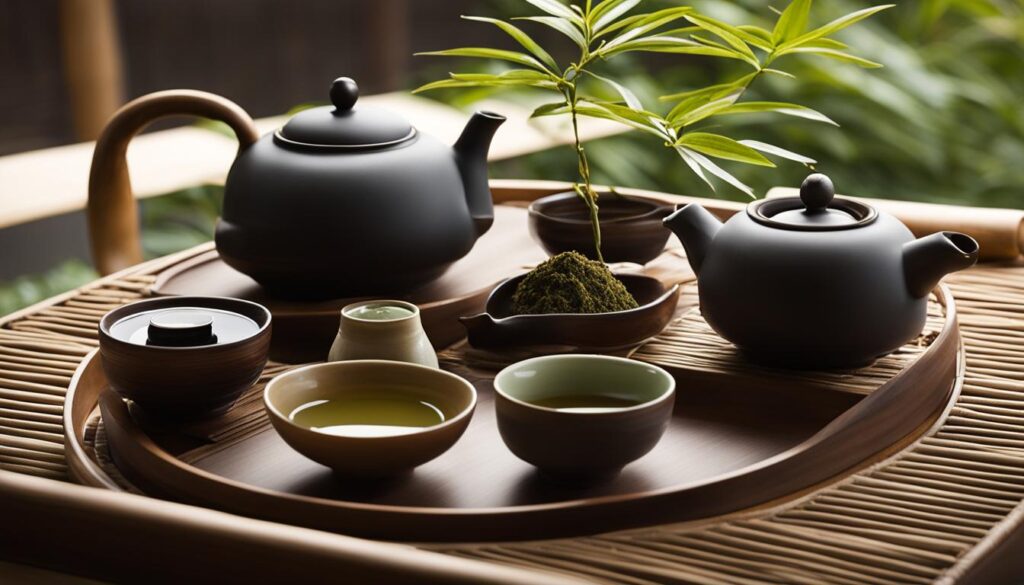
The Japanese tea ceremony is a beautiful and intricate practice that is deeply ingrained in Japanese culture. It is a unique opportunity to experience the beauty of Japanese hospitality and the art of tea making.
Discovering Tea Houses
Tea houses have a rich and diverse history, tracing back to ancient times in various cultures. These establishments were once exclusive spaces for the elite to socialize and conduct business, but over time they became gathering places for tea enthusiasts from all walks of life.
The tea house architecture varies greatly depending on the country and region. For example, in Japan, tea houses often feature traditional tatami mats and shoji screens, while Chinese tea houses have a more ornate and opulent design. Cultural influences are also visible in the decor and ambiance, showcasing the unique characteristics of each country’s tea culture.

Today, tea houses serve as a hub for tea lovers to come together and appreciate the art of tea in a serene and relaxing atmosphere. Whether you are in Japan, China, the United States, or another country, a visit to a tea house is an excellent way to experience tea culture firsthand.
Experiencing a Tea Ceremony
If you are attending a traditional tea ceremony for the first time, the experience can be both exciting and daunting. The age-old rituals and customs associated with a tea ceremony may seem unfamiliar, but they are meant to be savored and enjoyed.
When you arrive at the tea house, you will be greeted by a tea master who will guide you throughout the ceremony. You will be seated on a tatami mat, and the room will be dimly lit and decorated with traditional Japanese art. The master will start by explaining the history of the tea ceremony and its customs. They will then begin the preparations for the tea. The tea master’s every move is calculated and deliberate and is a part of the tea ceremony’s ritual.
Did you know? In Japan, the traditional tea ceremony is called the “Way of Tea,” and its origins can be traced back to the 9th century. It is a practice that has been passed down from generation to generation and is still deeply rooted in Japanese culture today.
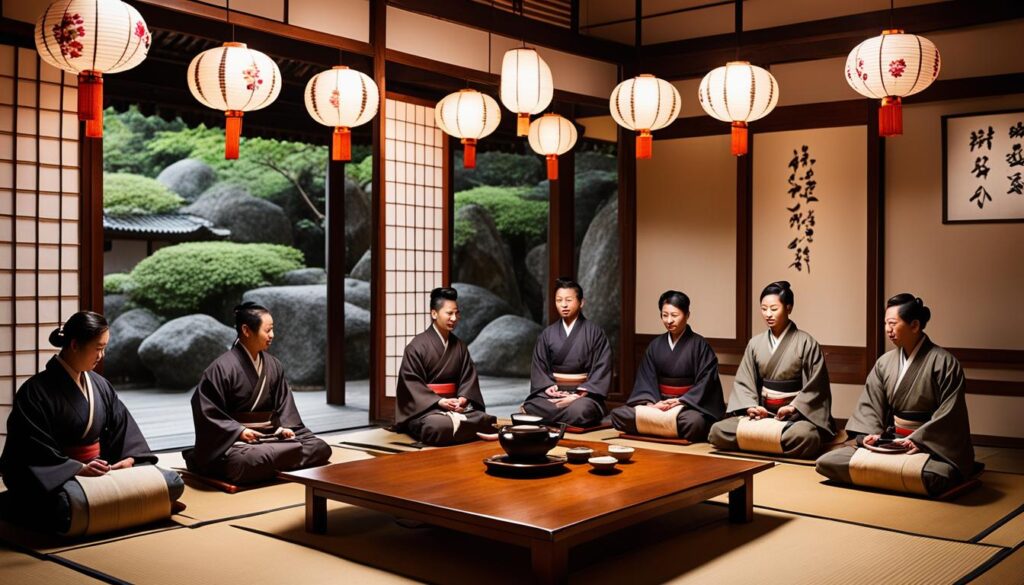
Once the tea is prepared, the tea master will serve it to the guests in a traditional tea bowl. You will be expected to hold the bowl with both hands, sip the tea slowly, and savor its flavors. It is customary to compliment the tea master on the tea’s quality and express your gratitude for the experience at the end of the ceremony.
If you are attending a tea ceremony, it is essential to follow proper etiquette and be respectful of the customs. Refrain from using your phone or camera during the ceremony and be mindful of your actions, as the ceremony is meant to be a meditative and peaceful experience.
Tea Varieties and Their Role in Ceremonies
Tea ceremonies are a centuries-old tradition that involve carefully selected teas to be prepared and served according to specific rituals. Each tea variety brings its unique flavor and characteristics and plays an integral role in the overall ceremony.
Some of the common tea varieties used in a traditional tea ceremony include:
| Tea Variety | Flavor Profile | Significance |
|---|---|---|
| Gyokuro | Sweet, vegetal, and rich | Considered the finest Japanese tea and is used in the most formal tea ceremonies |
| Matcha | Bitter, earthy, and creamy | Used exclusively in Japanese tea ceremonies, giving a beautiful green color to the tea |
| Chrysanthemum Tea | Floral, sweet, and slightly bitter | Used in Chinese tea ceremonies and symbolizes longevity and good health |
| Moroccan Mint Tea | Minty, sweet, and refreshing | Used in Moroccan tea ceremonies and a symbol of hospitality and friendship |
Proper selection and preparation of tea are crucial in a tea ceremony, as it sets the tone for the entire experience. It is important to understand the different tea varieties and their unique characteristics to create the perfect cup of tea for a memorable ceremony.
Tea Ceremony Tools and Utensils
The utensils and tools used in a traditional tea ceremony are as important as the tea itself. They are carefully crafted and chosen to create an immersive and authentic experience, reflecting the cultural significance of the ceremony. The following are some examples of tools and utensils used in a tea ceremony.
Chawan (Tea Bowl)
The chawan is a ceramic bowl used for drinking tea. It is an integral part of the tea ceremony and is often handcrafted by skilled artisans. The size, shape, and color of the bowl can differ depending on the formality of the ceremony and the occasion. In Japan, the chawan is often held in close regard and may be handed down as a family heirloom over generations.
Chasen (Bamboo Whisk)
The chasen is used to mix the tea powder with hot water. It is made of bamboo and its many fine bristles help to create a frothy texture to the tea. This whisk is essential to the tea-making process and is used to mix the tea powder properly.
Chashaku (Tea Scoop)
The chashaku is a bamboo scoop used to measure the tea powder for a single serving. It is typically made of bamboo and is a reflection of the elegance and simplicity of the tea ceremony.
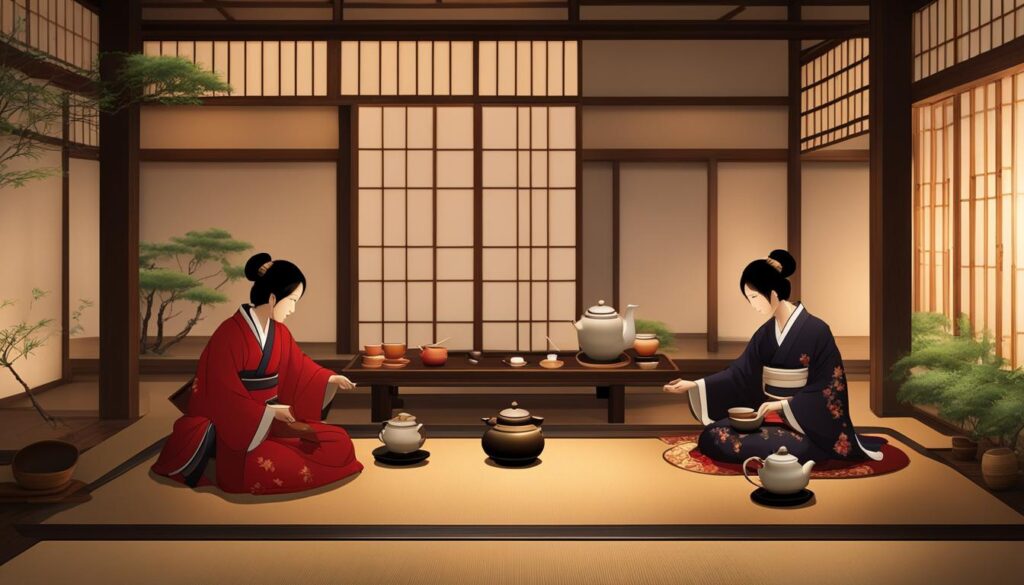
The careful selection and use of these tools and utensils, along with the proper tea preparation techniques, are essential components of a successful and authentic tea ceremony. They reflect the rich history and beauty of tea culture, making the experience even more profound and meaningful.
Tea House Decor and Ambience
Tea houses are more than just places to enjoy a cup of tea – they are immersive cultural experiences that engage all the senses. The decor and ambience of a tea house play a crucial role in this, creating a tranquil and inviting atmosphere that allows visitors to fully appreciate the tea culture.
Traditional tea houses are often decorated with natural materials such as wood, stone, and bamboo. They typically feature low tables and floor cushions, allowing guests to sit comfortably on the floor in the Japanese style known as zashiki. Soft lighting, muted colors, and natural elements like plants and flowers contribute to the peaceful atmosphere of the space.
Tea houses also incorporate cultural elements into their decor. For instance, Chinese tea houses may feature intricate carvings and paintings that reflect the country’s rich artistic heritage, while Moroccan tea houses often have vibrant textiles, stained glass, and intricate tile work.
Another aspect of tea house ambience is the use of ambient sound. In many traditional tea houses, the sounds of nature are emphasized, such as the rustling of leaves or the trickle of water. Relaxing music, such as traditional Japanese instrumental music, may also be played to create a peaceful atmosphere.
Overall, the atmosphere of a tea house is carefully curated to allow guests to fully immerse themselves in the tea culture and appreciate the beauty of the ceremony. Whether you are a tea enthusiast or a newcomer, the serene ambiance of a tea house is sure to leave a lasting impression on you.
Tea Ceremony Rituals Around the World
Tea ceremonies are not limited to Japanese culture, they have also influenced the tea traditions of various countries around the world. Here are some of the unique tea ceremony rituals celebrated in different cultures:
| Country | Tea Ceremony Ritual | Description |
|---|---|---|
| China | Gongfu Cha | This ceremony is characterized by a series of brewing and pouring techniques, typically performed using small yixing clay teapots. |
| Korea | Darye | This ceremony focuses on the preparation and presentation of tea, emphasizing the harmony between nature, instruments, and participants. |
| Morocco | Moroccan Mint Tea | This ceremony involves the preparation and serving of sweetened green tea infused with mint leaves, often in ornate silver teapots. |
These tea ceremonies showcase the diversity and depth of tea culture, each with its unique rituals and traditions that reflect the values and customs of their respective cultures.
Health Benefits of Tea
Aside from being a revered cultural tradition, tea has an array of health benefits that have been backed by scientific research. Consuming tea regularly can aid in weight management, boost immunity, and reduce the risk of chronic diseases like cancer, cardiovascular disease, and diabetes.
One key advantage of tea is that it contains high levels of antioxidants, which can help fight inflammation and oxidative stress in the body. These antioxidants are known to reduce the risk of cancer and other illnesses associated with aging. Drinking tea can also aid in digestion and promote relaxation, due to its natural calming effects.
Green tea, in particular, has been extensively researched for its health benefits. It contains a polyphenol called catechin, which has been shown to have anti-cancer, anti-inflammatory, and anti-obesity properties. Theanine, which is also present in green tea, has been found to reduce stress and anxiety.
In addition, black tea has been shown to have cardiovascular benefits by reducing the risk of heart disease and stroke. Its antioxidant properties have also been associated with lower blood pressure levels.
Overall, incorporating tea into your daily routine can be a simple and enjoyable way to promote better health and wellness. With a variety of tea flavors and types available, there is a tea for every taste preference and occasion.
Tea Tourism and Tea House Experiences
Travelling to experience different tea cultures and traditional tea ceremonies is becoming an increasingly popular trend. Whether you’re a tea enthusiast or simply looking for a unique cultural experience, there are many tea house destinations around the world that offer a glimpse into the enchanting world of tea.
If you’re planning a tea-inspired trip, consider visiting Higashiyama: a trendy district in Kyoto, Japan that boasts an array of traditional tea houses and serene gardens ideal for savoring a cup of tea. Alternatively, take a trip to the foothills of the Himalayas in India to explore the enchanting tea estates and tea gardens, where visitors can observe traditional tea processing techniques and enjoy a steaming cup of freshly brewed tea.
Visiting tea houses and experiencing traditional tea ceremonies isn’t just about enjoying a cup of tea, it’s about immersing oneself in centuries-old traditions and discovering the beauty of tea cultures from around the world.
Conclusion
Through this journey, you have delved into the rich culture of traditional tea ceremonies and tea houses. You have learned about the significance of tea in various cultures worldwide and how it has been cherished and celebrated over the centuries. You have explored the serenity and elegance of tea culture and how it promotes tranquility and mindfulness.
You have discovered the beauty and intricacy of the Japanese tea ceremony, the history and evolution of tea houses, and the various tools and utensils used in tea ceremonies. You have also gained insights into the diverse tea varieties used in these ceremonies and their roles, as well as the health benefits associated with tea consumption.
As you conclude this journey, you may find yourself inspired to seek out your own tea house experience or attend a traditional tea ceremony. Whether you travel to Japan, China, or any other country with tea culture, or simply visit a local tea house, you are part of a rich and enduring tradition. May your tea journey bring you serenity, connection, and joy.