Explore Top Activities in Thimphu – Uncover Bhutan’s Best
Have you ever wondered what makes Thimphu, the vibrant capital of Bhutan, a treasure trove of experiences? At an elevation of about 7,000 feet in the majestic Himalayan Mountains, Thimphu is more than a city. It’s a gateway to Bhutan’s culture and history.
Established as the capital in 1961, this city beautifully blends the old with the new. It’s a key hub for trade and governance.
In this Thimphu travel guide, you’ll discover incredible tourist attractions and sightseeing opportunities. You’ll get to immerse yourself in the rich tapestry of local traditions. From iconic monuments like the National Memorial Chorten to the breathtaking Buddha Dordenma statue, there’s something for every traveler.
Get ready to unveil the various activities that define this dynamic city. You’ll find lively markets and the serene beauty of ancient monasteries.
Discover Thimphu: Bhutan’s Vibrant Capital
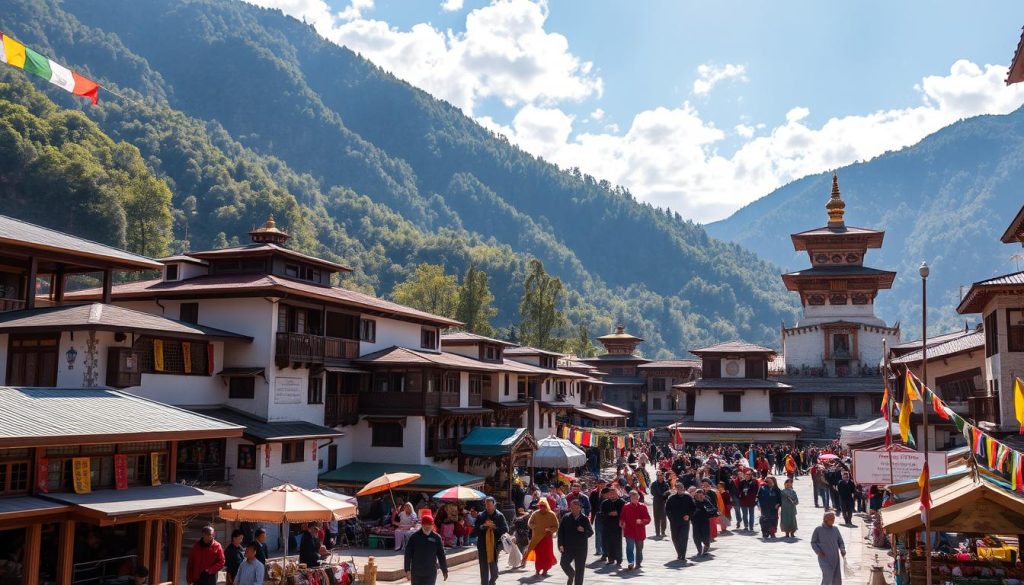
Thimphu, the largest city and capital of Bhutan, is a treasure trove of history and attractions. It became the capital in 1961, blending modern and traditional life. You’ll see roundabouts and traffic police, but no traffic lights. This shows the city’s dedication to keeping it calm.
Thimphu sits at about 2,320 meters (7,610 feet) above sea level, surrounded by mountains and greenery. Its markets and traditional dress show its cultural heart. Men wear ghos and women wear colorful kiras, making the city even more appealing. For adventure, buses connect Thimphu to all of Bhutan, starting from Paro International Airport.
Thimphu offers many experiences, like visiting the Tashichho Dzong or attending events at the Changlimithang National Stadium. Mojo Park is alive with music and food, mixing tradition with daily life. Don’t miss exploring the city’s hidden spots to truly grasp its culture.
What to do in Thimphu?
Thimphu is a place where old meets new, offering something for everyone. You can’t miss the National Memorial Chorten and the Buddha Dordenma Statue. They are key spots for history and culture lovers.
Visiting the National Memorial Chorten
The National Memorial Chorten was built in 1974 to honor the third King of Bhutan. It’s a Tibetan-style temple with detailed mandalas and old paintings. It’s a calm place for meditation in the midst of Thimphu’s lively streets.
Locals often go there to pray and walk around the stupa. It’s a place of peace and activity at the same time.
Admiring the Buddha Dordenma Statue
The Buddha Dordenma Statue is a must-see, standing at 169 feet tall. It’s at the Southern end of Thimphu Valley and is among the biggest Buddha statues globally. It offers stunning views of the city.
The base of the statue has a meditation hall with 125,000 smaller Buddha statues. This makes it a spiritual and awe-inspiring spot. It’s a top activity in Thimphu, blending amazing architecture with cultural richness.

Explore Cultural Landmarks
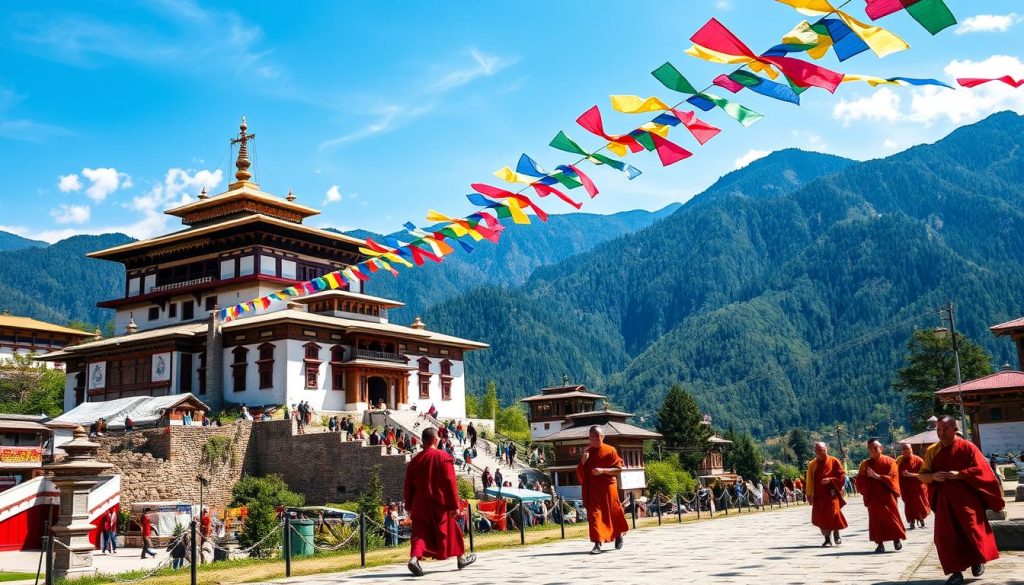
Exploring Thimphu’s cultural landmarks lets you dive into Bhutan’s rich history and stunning architecture. Tashichho Dzong is a must-see, showcasing traditional Bhutanese design. Simtokha Dzong offers a peek into the past with its detailed artwork. Changangkha Lhakhang provides a peaceful setting with amazing sunset views, enriching your cultural journey.
The Significance of Tashichho Dzong
Tashichho Dzong, a UNESCO World Heritage Site, is a key spot in Thimphu. It was built in 1641 and reflects Bhutan’s culture through its architecture. The dzong is home to the king’s throne room, government offices, temples, and gardens. Visit on weekdays and Sundays to see its full beauty.
Simtokha Dzong: A Historical Gem
Simtokha Dzong, built in 1629, is one of Bhutan’s oldest forts. It’s a treasure trove of history and art, with beautiful frescoes and relics. This landmark offers a glimpse into Bhutan’s past and a peaceful escape from the city.
Changangkha Lhakhang: Sunset Views and Heritage
Changangkha Lhakhang sits atop a hill, offering stunning views of Thimphu. It’s a sacred site for locals, famous for blessings for newborns. The temple is perfect for sunset photos, revealing Bhutan’s devotion and architectural splendor.
| Landmark | Year Established | Significance | Visiting Hours |
|---|---|---|---|
| Tashichho Dzong | 1641 | Administrative and spiritual center; royal throne room | Weekdays: 5 PM – 6:30 PM, Sundays: 8 AM – 5 PM |
| Simtokha Dzong | 1629 | One of the oldest forts; rich artistic heritage | Typically open all day |
| Changangkha Lhakhang | Uncertain, historical origins | Important spiritual site; stunning views | Usually open until sunset |
Bhutanese Art and Craftsmanship
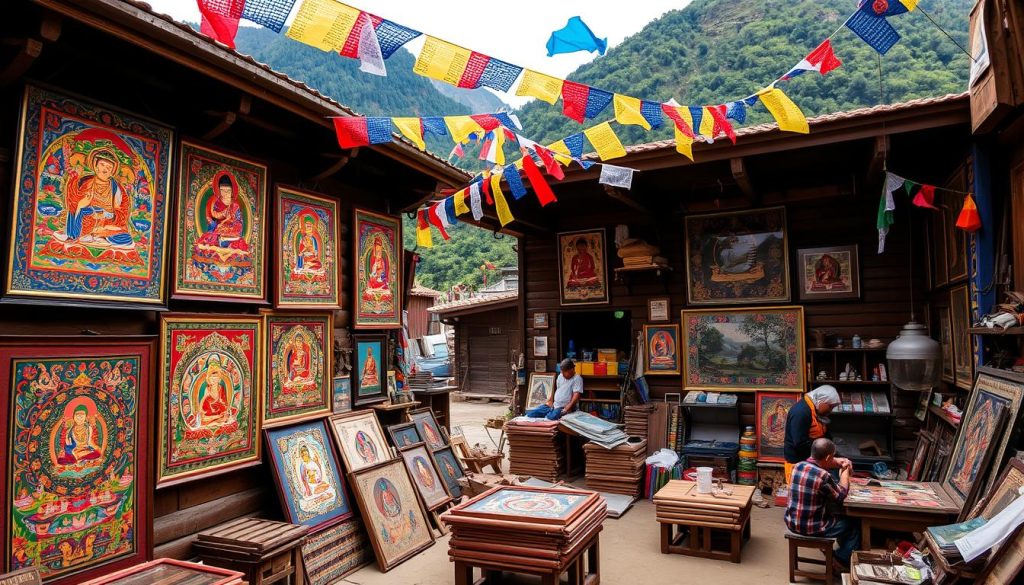
Exploring Bhutan lets you dive into its rich arts and crafts. This small Himalayan kingdom values its cultural heritage. You can see this at places like the Royal Textile Academy and Jungshi Handmade Paper Factory.
Visit the Royal Textile Academy
The Royal Textile Academy is a key spot for Bhutanese arts. Here, you’ll see how intricate textiles are made. Workshops are available for about $30, where you can learn to weave.
The fabrics, like Kira and Gho, show off the country’s artistic past. They are known for their bright colors and patterns.
Jungshi Handmade Paper Factory Experience
At the Jungshi Handmade Paper Factory, you can learn about paper making. This ancient craft uses Daphne tree bark. You can even make your own paper here.
This experience highlights the importance of dezo in Bhutan’s culture. It’s a way to keep traditional crafts alive.
| Craft | Location | Specialty | Experience Cost |
|---|---|---|---|
| Weaving | Royal Textile Academy | Kira and Gho fabrics | $30/session |
| Paper Making | Jungshi Handmade Paper Factory | Traditional paper | Varies |
| Woodturning | Trashiyangtse | Wooden bowls and utensils | Varies |
| Blacksmithing | Trashigang | Statues and armor | Varies |
Unwind at Local Markets
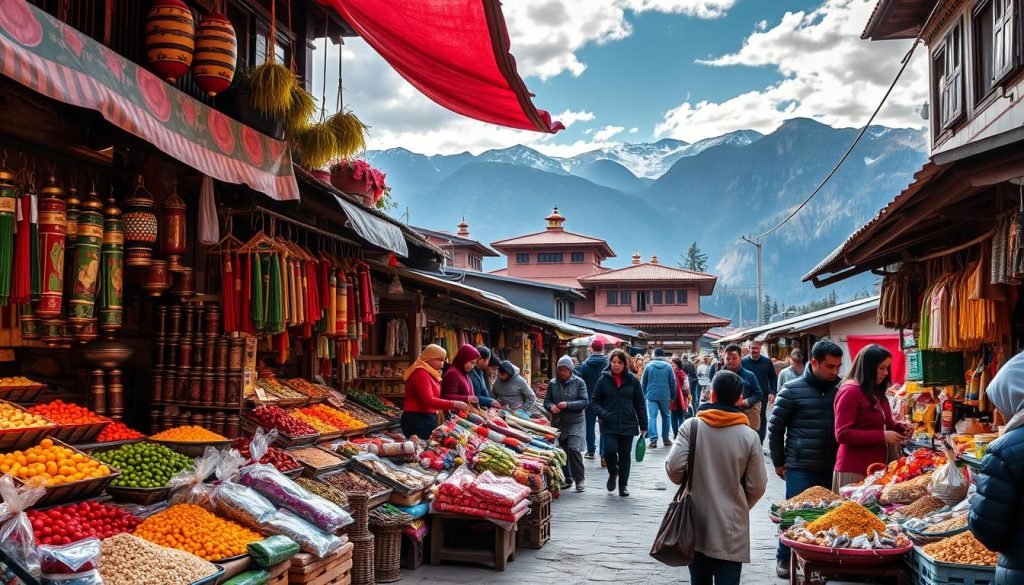
Exploring Thimphu’s local markets gives you a real look at Bhutanese life. You can talk to vendors, taste fresh food, and see Bhutan’s culture. The lively markets are a key part of Thimphu, perfect for those wanting to dive into the local scene.
Spice, Meat, Fish, and Vegetable Market
The Spice, Meat, Fish, and Vegetable Market is key to Bhutan’s food. It’s open from Thursday to Sunday. You’ll find fresh spices, meats, and veggies, all used in Bhutan’s dishes.
Every stall shows the hard work of local farmers and sellers. It gives a peek into the area’s farming ways.
Weekend Market: A Local Experience
The weekend market in Thimphu turns the city into a bustling place. You’ll see crafts, handmade items, and tasty foods. It’s a chance to meet locals, try snacks, and buy special souvenirs.
This market is more than a place to shop. It’s a celebration of Bhutan’s culture, filled with energy and fun.
| Market Type | Days Open | Main Offerings |
|---|---|---|
| Spice, Meat, Fish, and Vegetable Market | Thursday – Sunday | Fresh produce, spices, meats, fish |
| Weekend Market | Saturday – Sunday | Local delicacies, handmade crafts, cultural experiences |
Engage in Traditional Sports
Trying out traditional sports in Bhutan lets you see the heart of Bhutanese culture. Archery is a big deal here, seen as more than just a game. It’s a way to celebrate community spirit and heritage.
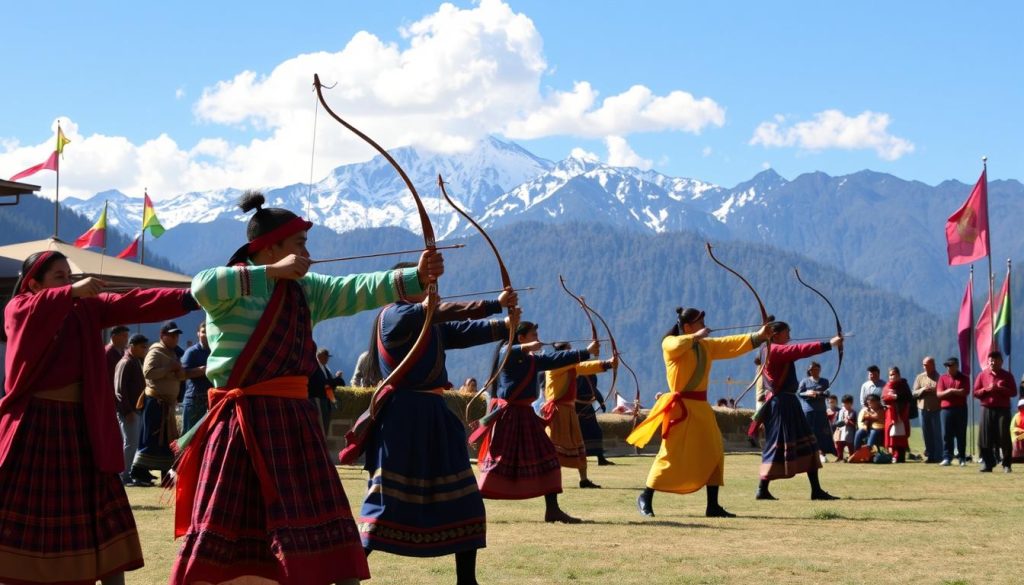
At Changlimithang Stadium in Thimphu, you can see amazing archery matches. Teams show off their skills and teamwork. The event is filled with music, dance, and local customs, making it unforgettable.
Archery at Changlimithang Stadium
Changlimithang Stadium is the main place for archery in Thimphu. People from all over come to watch. The matches are exciting, with teams of 11 players aiming at targets 145 meters away.
The Bhutanese way of scoring is unique. It focuses on teamwork, with points for hitting specific areas of the target. This shows the skill and teamwork of archery, and the lively culture of Bhutan.
The Importance of Archery in Bhutanese Culture
Archery is a big part of Bhutan’s culture. It started in the 1920s and became the national sport in 1971. It’s a key part of community festivals, with traditional songs and dances.
Women are now getting into archery, making it more inclusive. The royal family’s involvement makes archery even more special. It’s not just a sport, but a key part of Bhutan’s identity.
| Traditional Sport | Description | Number of Players |
|---|---|---|
| Archery | National sport of Bhutan with target shooting from 145 meters. | 11 players per team |
| Khuru | Dart-like game played in teams, throwing large darts at a target. | 8-12 individuals per team |
| Soksom | Sport involving throwing a javelin to hit a distant target. | Individual event |
| Degor | Teams throw flat stones at a wooden target with traditional accompanying music. | Team-based |
Experience Bhutanese Cuisine
Bhutanese food is a true reflection of the country’s culture and traditions. It’s filled with flavors and often includes rice, vegetables, and spices. When you visit local eateries in Thimphu, you get to enjoy authentic Bhutanese dishes. Each restaurant offers unique dishes that show the simplicity and complexity of Thimphu’s local food.
Dine at Local Eateries
Thimphu offers a variety of dining options, from casual spots to fancy restaurants. Some top places include:
- Babesa Village Restaurant – Located on the Babesa main highway, it offers a mix of traditional and modern Bhutanese dishes.
- Folk Heritage Museum Restaurant – Here, you can experience Bhutan’s rural traditions and learn about its culinary heritage.
- Chig-Ja-Gye Restaurant – At the five-star Taj Tashi, it combines a beautiful setting with amazing food.
- Druk Hotel’s Yak Restaurant – It’s unique because meals come from the hotel’s organic garden.
- Snow Lion Restaurant – Famous for its delicious pork momos, a must-try for newcomers.
Must-Try Dishes in Thimphu
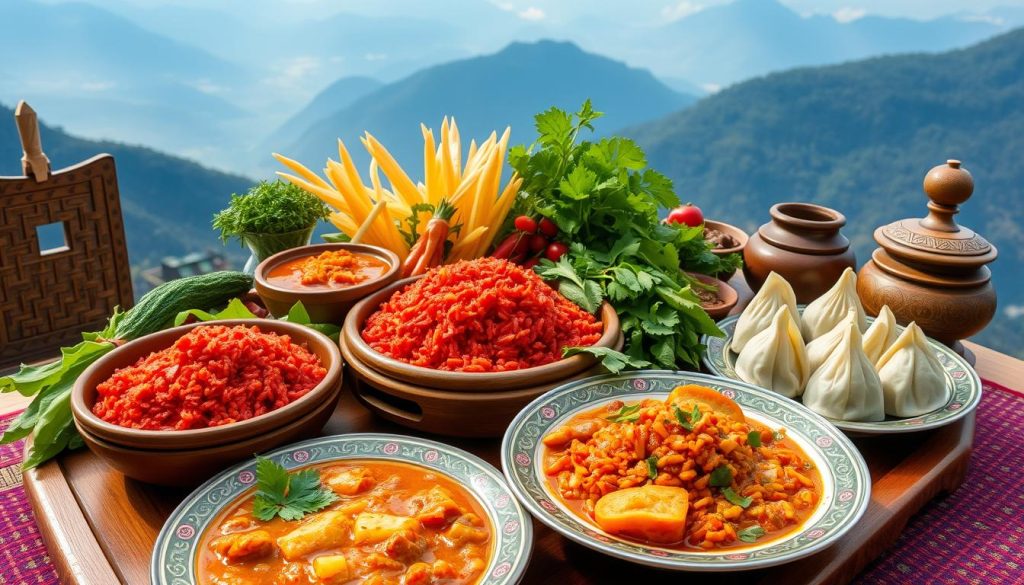
Visiting Thimphu means trying the local favorites. Some dishes you should not miss include:
| Dish | Description |
|---|---|
| Ema Datshi | Spicy chilies cooked with cheese, considered the national dish. |
| Phaksha Paa | Pork cooked with radish and local spices for a savory flavor. |
| Thukpa | A hearty noodle soup, popular for its warmth and flavor. |
| Momos | Steamed or fried dumplings filled with meat or vegetables, a delicious snack. |
| Bhutanese Butter Tea | A unique tea made with butter and salt, perfect for the chilly climate. |
Tasting these dishes helps you understand Bhutanese culture better. It also deepens your appreciation for the local food scene. Whether you eat at a busy market or a fancy restaurant, the flavors will stay with you.
Outdoor Adventures and Hikes
Thimphu offers many outdoor activities for everyone. You can explore beautiful trails and see amazing views. Trekking in Bhutan is a great way to see the area’s beauty and get some exercise.
There are easy hikes for families and harder ones for those who want a bigger challenge. You can choose what suits you best.
Trekking Options from Thimphu
The Cheri Monastery hike is a favorite for families. It’s a 2-3 hour walk of 2.4 km. It’s a great way to see the area.
The Tango Monastery hike is 4.0 km long. You might see monkeys and deer. For a longer trip, try the Pomola hike, a 13.0 km walk through a forest.
If you’re up for a big challenge, the Talakha hike is 13.5 km long. It offers stunning views from the top.
Exploring Gaedum and Tango Monastery
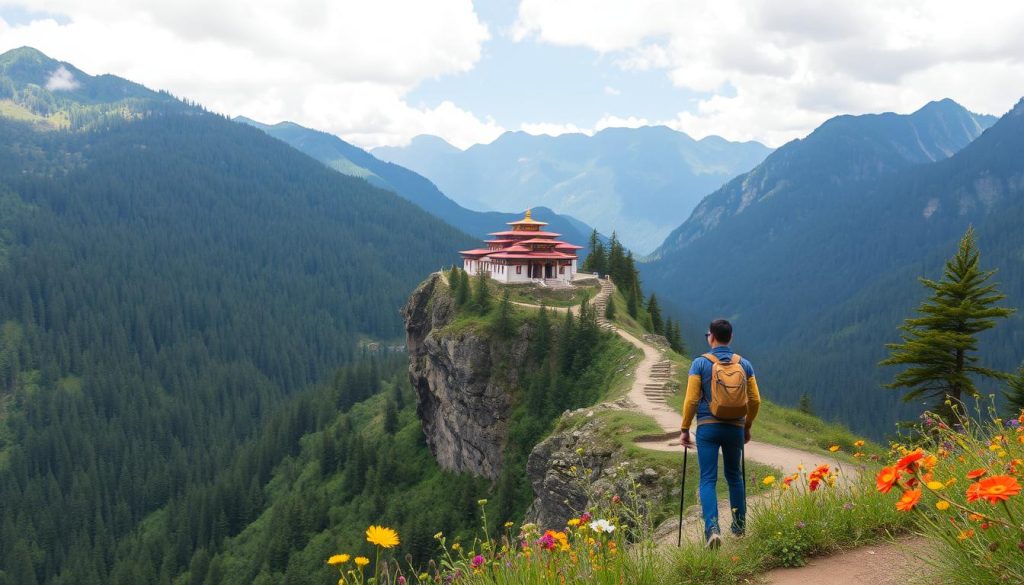
Walking the Gaedum path with the Tango Monastery hike is unforgettable. It’s a chance to experience Bhutan’s spirituality and nature’s calm. The Lungchutse hike offers great Himalaya views in just 6.1 km.
The best times to hike in Thimphu are from March to May and September to November. You’ll see the area’s beauty after the monsoon rains. Hiking in Thimphu is a great way to connect with nature.
Immersive Cultural Experiences
To truly appreciate Bhutanese culture, exploring Thimphu’s cultural experiences is key. Living museums and heritage sites offer a deep dive into Bhutanese traditions and lifestyles.
Simply Bhutan: A Living Museum
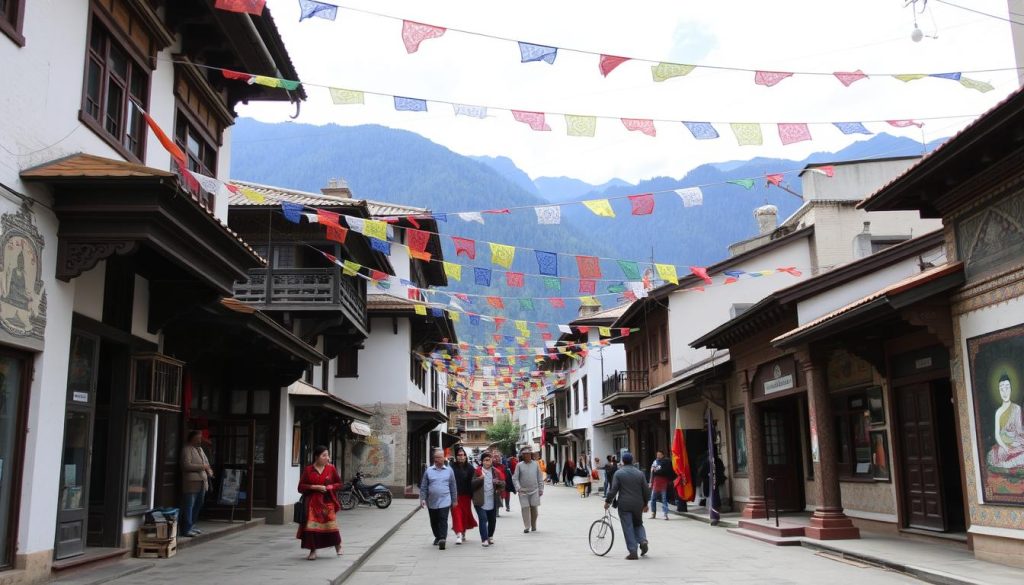
The Simply Bhutan museum brings Bhutanese life to life. It’s an interactive space where you can try traditional crafts and cooking. You’ll see daily routines like farming and learn about Bhutan’s history.
This experience will help you understand what it means to be Bhutanese.
Folk Heritage Museum: A Glimpse into the Past
The Folk Heritage Museum is another treasure trove of discovery. It shows what rural Bhutanese families lived like through recreated displays. You’ll see traditional homes, tools, and farming methods passed down through generations.
By diving into this cultural experience, you’ll appreciate the simplicity and authenticity of Bhutanese life.
| Experience | Description |
|---|---|
| Simply Bhutan Museum | An interactive museum representing traditional Bhutanese lifestyles and activities. |
| Folk Heritage Museum | A showcase of rural living, featuring traditional housing and artifacts from Bhutan’s past. |
Enjoy Scenic Views and Nature
Thimphu is a mix of lively city life and beautiful nature. Two top spots are the BBS Tower and the Motithang Takin Preserve. They offer amazing views and a chance to see unique wildlife.
BBS Tower: Panoramic Views of Thimphu
The BBS Tower sits on a hill, giving you a wide view of Thimphu valley. It’s perfect for taking photos and enjoying the quiet. It’s a top spot for anyone who loves nature.
Visit the Motithang Takin Preserve
The Motithang Takin Preserve is home to Bhutan’s national animal, the takin. It’s a peaceful place for nature fans. You can walk and watch wildlife here. It’s a great way to learn about Bhutan’s nature.
Visit Significant Educational Institutions
Thimphu, the capital of Bhutan, has many educational institutions. They work hard to keep and share Bhutan’s arts and culture. These places are not just for locals but also welcome visitors who want to learn about Bhutan’s crafts and literature.
The National Library of Bhutan
The National Library of Bhutan was started in 1967. It’s a key place for Bhutan’s literary treasures. It has many historical texts, including Tibetan and Dzongkha manuscripts.
These texts give deep insights into Bhutan’s culture and history. The library is famous for having the biggest written book in the world. It’s two meters tall and weighs 68 kilograms. It’s a big help for scholars and tourists who want to learn more about Bhutan’s knowledge.
National Institute for Zorig Chusum: Traditional Arts School
The Zorig Chusum Institute focuses on teaching traditional arts. It teaches the 13 traditional arts of Bhutan, like painting and sculpture. Students learn by doing, which helps keep these crafts alive in Bhutan today.
This institute is important for keeping Bhutan’s culture alive. It helps young people learn and value their cultural heritage.
Participate in Local Festivals and Events
Immerse yourself in Bhutanese culture by attending local festivals, like the lively Tshechus. These events highlight Bhutan’s traditions through performances, dances, and rituals. They happen all year in Bhutan’s 20 dzongkhags, drawing people from nearby villages.
Annual Tshechus: Cultural Celebrations
The Tshechus are a big deal in Bhutan. They happen on the tenth day of the Tibetan lunar month and can last up to four days. The Thimphu Tshechu is one of the biggest, attracting thousands and offering a peek into Bhutanese life.
Other notable tshechus include:
- Paro Festival: Held every March, it features the unveiling of a thongdroel and draws visitors from far and wide.
- Haa Summer Festival: In the Haa Valley, this event honors summer with traditional sports, dancing, and food.
- Tamzhing Phala Choepa: In early October, around Tamzhing Lhündrup Monastery, it showcases local customs.
- Thangbi Mani Festival: Founded in October, it includes the Mewang fire blessing ceremony and purification rituals.
These festivals in Thimphu are known for their colorful costumes and community spirit. Spring and autumn are the best times to see these festivals. You can connect with Bhutan’s traditions and community activities then.
Conclusion
Thimphu, the capital of Bhutan, is a mix of old traditions and new ways. It’s a place where you can find many exciting things to do. From the huge Buddha Dordenma statue to the old Tashichho Dzong, each spot shows what makes Bhutan special.
Exploring Thimphu means diving into local festivals like tshechu. Or, you could hike to the peaceful Tango Monastery. Your time in Thimphu will be filled with unforgettable moments and learning new things.
When planning your trip, remember some key tips for Thimphu. The focus here is on happiness and real cultural sharing, not just tourism. Visiting the National Memorial Chorten reminds you of Bhutan’s spiritual side. And the lively markets show off the country’s warm welcome.
In short, Thimphu has lots to offer, from history to food to outdoor fun. Get ready for a trip that shows off Bhutan’s culture and modern life. Your visit will leave a lasting impression, showing you the true heart of Bhutan.