Explore Top 10 Things to Do in São Paulo
Wondering if São Paulo is just a big city? Think again. It’s a place full of unique experiences waiting for you. In this guide, discover São Paulo’s lively atmosphere, stunning architecture, and cultural diversity. Whether you love history or food, São Paulo has something for you.
Avenida Paulista becomes a walker’s paradise on Sundays, and Liberdade is bustling. It’s the biggest Japanese area outside Japan. Don’t miss a walk in Ibirapuera Park, a huge cultural spot in Latin America. Or relax at Praça Pôr do Sol, famous for its sunsets. For street art fans, the Minhocão highway changes into a walkable zone on weekends.
São Paulo is more than quiet parks and history. It pulses with Brazil’s nightlife. Fabriketa is an old factory turned into an electronic music spot. At Mercado Municipal, food stalls show off São Paulo’s diverse tastes. Foodies must visit A Casa do Porco Bar for its famous pork dishes. It’s a world-renowned spot.
Stroll Down Avenida Paulista
Avenida Paulista is the vibrant heart of São Paulo, buzzing with life and culture. It used to be the city’s financial center. Now, it’s known for cultural spots, art galleries, and street performances, especially on Sundays. Visiting this avenue lets you dive into the soul of Avenida Paulista.
Pedestrian Sundays
On Sundays, Avenida Paulista becomes a lively pedestrian area, banning cars for the day. It’s like a beach in the city, with people enjoying the open space. You’ll see performers, cyclists, and lots of activities, making it a highlight of São Paulo.
Cultural Centers and Museums
Avenida Paulista is a treasure trove of culture, with must-visit museums and centers. The São Paulo Museum of Art (MASP) is famous for its Western art collection. It’s free on Tuesdays, a great deal for exploring. Plus, SESC Avenida Paulista has a free rooftop view, but you need to book in advance.
Street Performances
The street performances on Avenida Paulista are magical. Musicians, dancers, and artists showcase their skills outdoors. These acts bring São Paulo’s talent to life and are a key part of the experience on the avenue.
| Feature | Details |
|---|---|
| Pedestrian Sundays | Entire avenue closed to traffic, transforming into a lively pedestrian zone |
| Sao Paulo Museum of Art (MASP) | Comprehensive collection of Western art, free entrance on Tuesdays |
| Street Performances | A medley of musicians, dancers, and artists turning the street into an open-air gallery |
Catch Panoramic Views at Farol Santander
Farol Santander stands as a historic and architectural beacon in São Paulo. In the city’s heart, this art deco skyscraper shows breathtaking views of the vast cityscape. Once the Banespa Building, it’s now a renewed icon and key part of São Paulo’s skyline.
The History of Banespa Building
Constructed in 1939, the Banespa Building reflects São Paulo’s growth and passion for architecture. Inspired by New York’s Empire State Building, it symbolizes progress and resilience. Its art deco design, once the State Bank of São Paulo’s home, has evolved into Farol Santander. It keeps its historic vibe while embracing modern updates.
Observation Deck Highlights
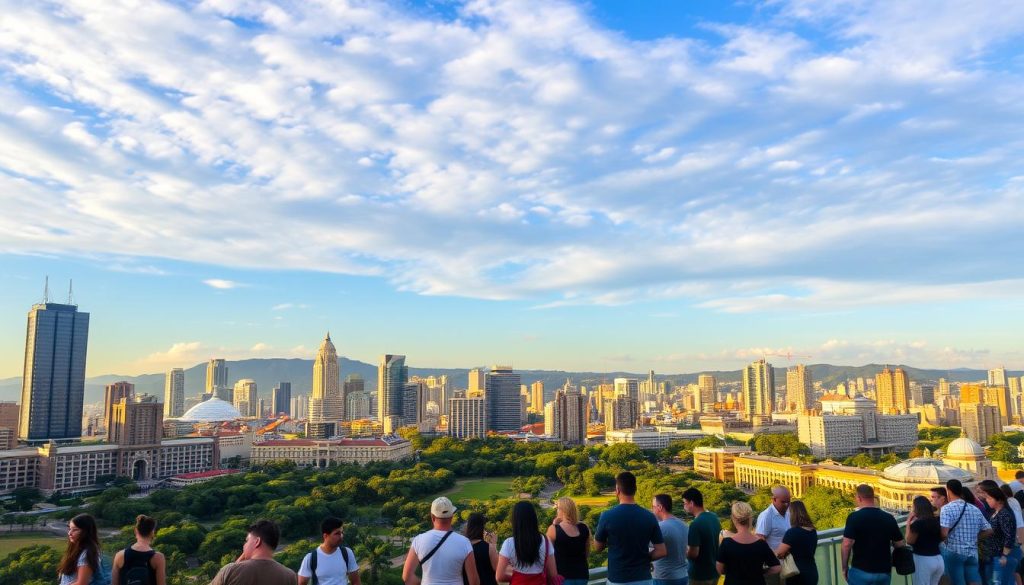
The observation deck at Farol Santander is a top attraction. Located on the 26th floor, it provides 360-degree views. You’ll see everything from skyscrapers to urban forests. Landmarks like the Municipal Market and Paulista Avenue are visible, offering a unique city view.
Booking Your Visit
Book your Farol Santander visit in advance to not miss out. Tickets can sell out because it’s popular. Booking early ensures you an unforgettable time at one of São Paulo’s iconic spots, whether on weekdays or weekends.
Relax in Ibirapuera Park
Ibirapuera Park in São Paulo is often matched with New York’s Central Park as the city’s largest green escape. It attracts over 200,000 visitors weekly, showcasing São Paulo’s love for parks. Covering nearly two square kilometers, it’s celebrated for Oscar Niemeyer’s architectural masterpieces amidst lush nature. Visitors find a perfect mix of beautiful gardens and cultural spots, ideal for relaxation or seeking enriching activities.
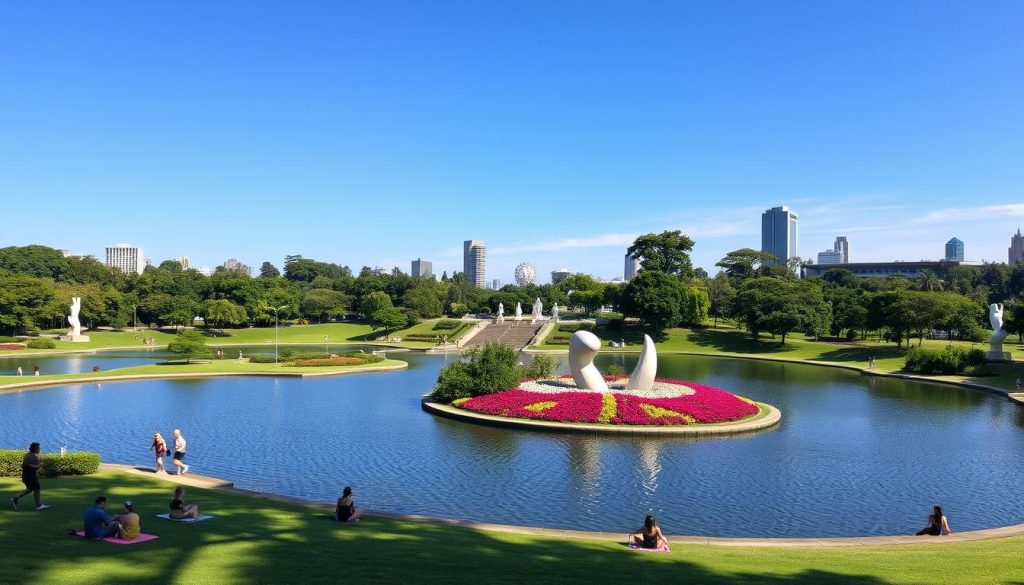
Oscar Niemeyer’s Architectural Gems
Ibirapuera Park features iconic structures by Oscar Niemeyer, like the remarkable Ibirapuera Auditorium and the dome-shaped Oca exhibition hall. The Auditorium, finished in 2005, stands out for its unique design and sound quality, hosting concerts and events, often free. It also houses the Bienal de São Paulo, a major art event displaying global artworks, further showcasing Niemeyer’s architectural brilliance.
Outdoor Activities
For those active at heart, Ibirapuera Park offers walking, biking trails, playgrounds, and vast green areas perfect for picnics. It suits everyone, whether you’re into biking, jogging, or leisurely walks through greenery. Plus, the park’s buzz is kept alive with regular events like concerts and exhibitions, making it a top choice for both locals and visitors.
Museums within the Park
Home to key museums, Ibirapuera Park stands as a cultural landmark in São Paulo. The Afro Brasil Museum delves into African culture and its significant impact on Brazil with an impressive collection. Also, the park’s venues host free exhibitions on various subjects, from Mayan art to Brazilian hues. These cultural experiences highlight the rich diversity of Ibirapuera Park, making it a must-see destination.
Visit the Municipal Market of São Paulo
Known locally as Mercadão, the Municipal Market of São Paulo is a key spot. It offers culinary and cultural wonders. It’s famous for fresh produce and gourmet foods, making it a top sight in São Paulo.
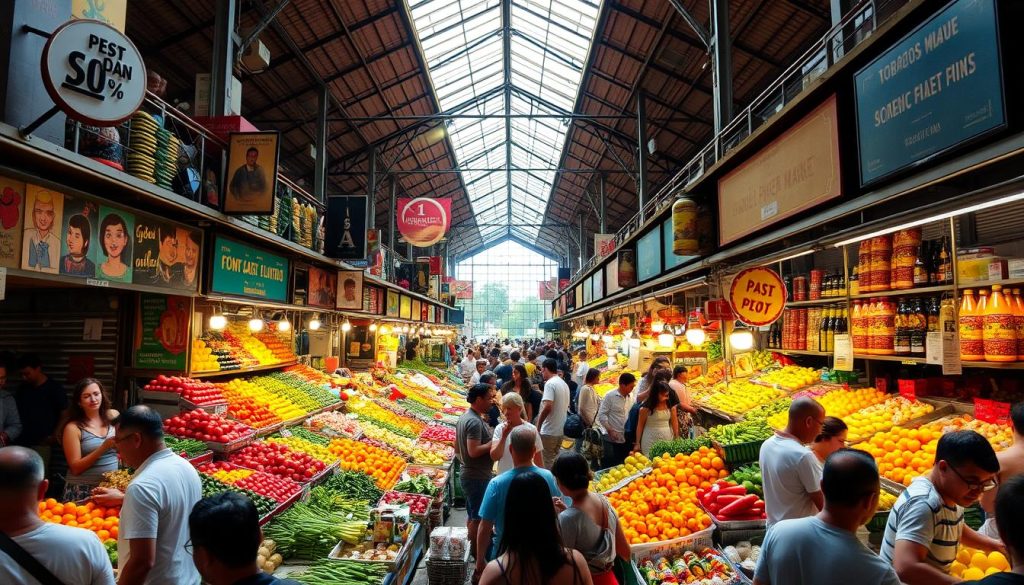
Exotic Fruits Tasting
Trying exotic fruits is a must at the Municipal Market. You can taste unique fruits like cupuaçu, graviola, and jabuticaba. These fruits are new to many tourists and have exciting flavors. They show off Brazil’s diverse plant life.
Food Court Highlights
The market’s food court serves traditional Brazilian dishes that delight anyone. Don’t miss the famous mortadella sandwich with heaps of meat. Also, try the pastel de bacalhau, a tasty codfish pastry. These dishes are favorites for anyone exploring São Paulo.
Historical Significance
The Municipal Market is also important for its history. It’s been a center of trade and culture in São Paulo since the 1930s. It’s part of the city’s daily life and shows São Paulo’s vibrant culture and history.
| Key Attractions | Description |
|---|---|
| Exotic Fruits | Sample unique fruits like cupuaçu, graviola, and jabuticaba |
| Mortadella Sandwich | Famous for its massive 300-gram servings, a culinary icon |
| Pastel de Bacalhau | A must-try codfish pastry, representing traditional flavors |
| Historical Tours | Explore the market’s rich history and its impact on the city |
Walk, Bike, or Chill on Minhocão Elevated Highway
The Minhocão Elevated Highway runs 2.2 miles through São Paulo. It’s known as “the big worm.” On weekends, it becomes a place for walking, cycling, and relaxing. Its use showcases São Paulo’s community spirit and commitment to leisure spaces.
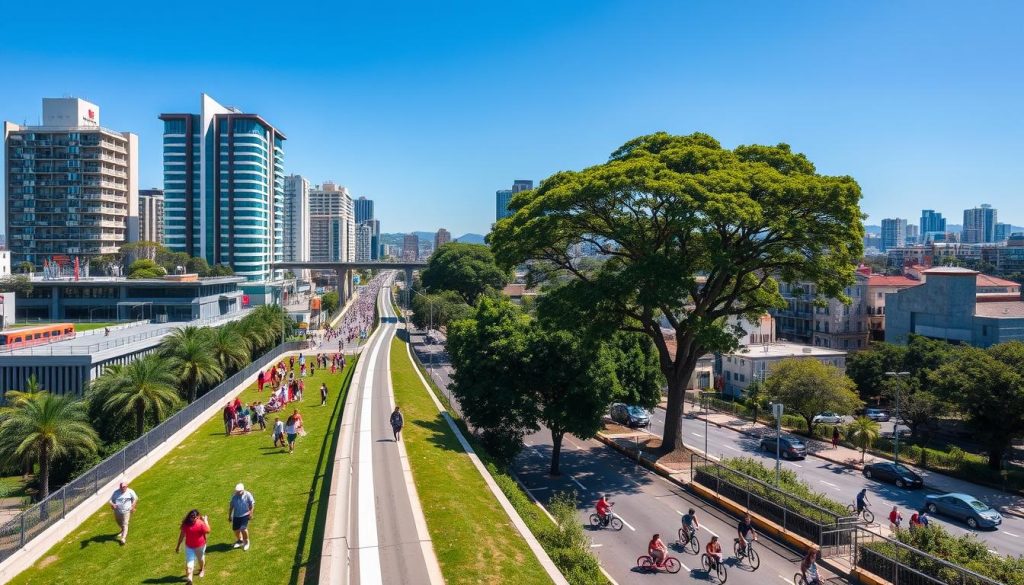
Weekend Pedestrian Space
Every weekend, cars are banned from the Minhocão from Saturday afternoon to Sunday. It becomes a peaceful escape above the busy city. From 9 PM on weekdays, it also turns into a night stroll spot.
Murals and Street Art
As you walk or bike the Minhocão, colorful murals and street art greet you. These artworks make the highway warm and visually striking. It acts as an outdoor gallery, showcasing São Paulo’s creativity.
Community Gatherings and Events
The Minhocão is a hub for community events. It hosts yoga, markets, and movie nights. These activities bring people together, creating a sense of community. They show how the Minhocão is a versatile space for São Paulo.
Explore Liberdade, São Paulo’s Little Tokyo
Liberdade is a unique part of São Paulo, known as its Little Tokyo. It celebrates Japanese culture with amazing food, lively street fairs, and a mix of cultures. It’s a favorite spot in São Paulo for both locals and visitors.
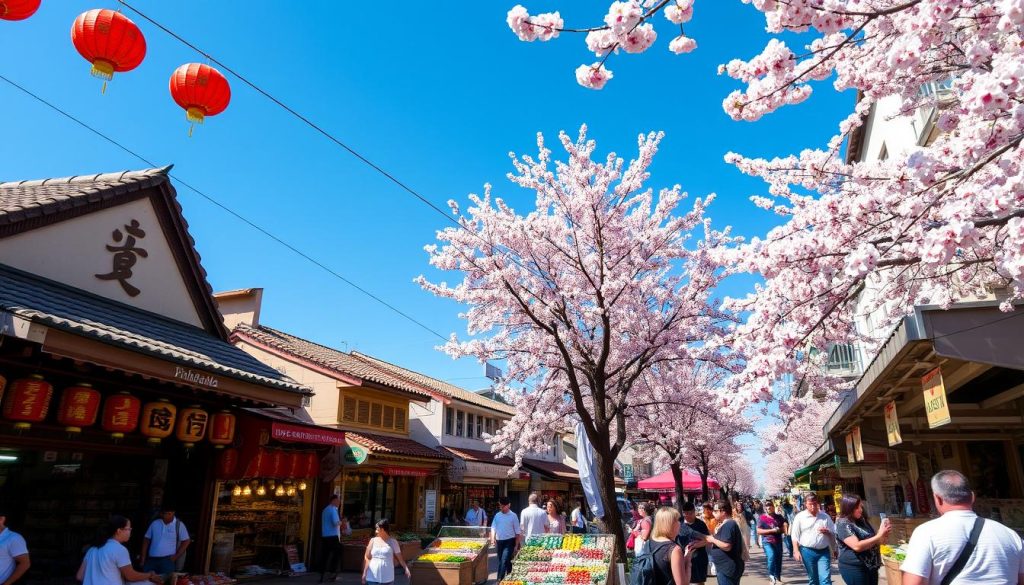
Japanese Cuisine and Culture
If you love Asian food, Liberdade is the place to be. For sushi, try Yamaga on Rua Tomás Gonzaga, praised by the Guardian. Or enjoy lamen at Lamen Kazu, also on the same street. You’ll find Japanese bookstores, Asian grocers, and daily markets on Rua Galvão Bueno too.
The Museu Histórico da Imigração Japonesa no Brasil offers an in-depth look at Japanese immigration. It has exhibits like boat models, items from early immigrants, and coffee plantation cabins.
Liberdade Street Fair
The Praça da Liberdade turns into a lively market on weekends. Vendors sell snacks and souvenirs under bright umbrellas. You’ll find Japanese delicacies and unique items for sale.
The over 100 years old Igreja Santa Cruz das Almas dos Enforcados adds a cultural touch. It’s a highlight for everyone enjoying São Paulo.
Diverse Immigrant Communities
Liberdade isn’t just about Japanese culture. It’s home to the largest Japanese community outside Japan. But you’ll also find Chinese and Thai influences. This diversity shines at places like Japan House São Paulo, which is just a walk away.
The district is easy to explore. It’s bounded by Avenida da Liberdade, Rua Barão de Iguape, and Rua da Glória. This area offers a visual and culinary feast.
| Attraction | Location | Highlight |
|---|---|---|
| Yamaga Sushi | Rua Tomás Gonzaga, 66 | Top budget sushi recognized by the Guardian |
| Lamen Kazu | Rua Tomás Gonzaga, 51 | Renowned for its delicious lamen |
| Yoka Pastelaria | Rua dos Estudantes, 37 | Famous for traditional pastéis |
| Museu Histórico da Imigração Japonesa no Brasil | Liberdade District | History of Japanese immigration with immersive exhibits |
Top 10 Things to Do in São Paulo
São Paulo is Latin America’s biggest city, filled with fun things to do and see. To truly understand this city, explore these top 10 must-dos.
- Avenida Paulista: This famous avenue draws crowds every day. It’s the location of the Museu de Arte de São Paulo (MASP), showcasing pieces by artists like Picasso and Van Gogh. Visit on Sundays when it becomes a walker’s haven.
- Ibirapuera Park: Named one of the top urban parks in the world, it has thirteen playgrounds, lakes, picnic spots, and bike lanes. It’s an oasis for chilling and outdoor fun.
- Municipal Market of São Paulo (Mercadão): Covering 12,000 square meters, this market is heaven for foodies. You can find exotic fruits and local eats you need to taste.
- Liberdade: This area is São Paulo’s Little Tokyo, with around 400,000 Japanese descendants. The Liberdade Street Fair offers a slice of Japan with its food and culture. Don’t skip it.
- Catedral da Sé: A giant among the world’s Neo-Gothic temples, this cathedral fits up to 8,000 people. Its stunning architecture is a must-see.
- Beco do Batman: This alley is a pioneer in showcasing graffiti art in Latin America. It’s a vibrant space where street artists display their work. Art fans should definitely visit.
- Farol Santander: Inspired by New York’s Empire State Building, this skyscraper has city views and tells of São Paulo’s architectural past.
- Pinacoteca do Estado: Since 1905, this art museum brings in over 500,000 visitors yearly. With nearly 10,000 art pieces, it’s a highlight for art lovers.
- Praça Roosevelt: This bustling square becomes lively at night. It attracts a young crowd, making it great for meeting locals.
- Minhocão Elevated Highway: This unique space is closed to cars at night on weekdays and all weekend. It’s decorated with art and is perfect for leisure.
São Paulo has many fascinating places to explore, offering a memorable city adventure. Each location listed gives you insight into the city’s rich culture and history.
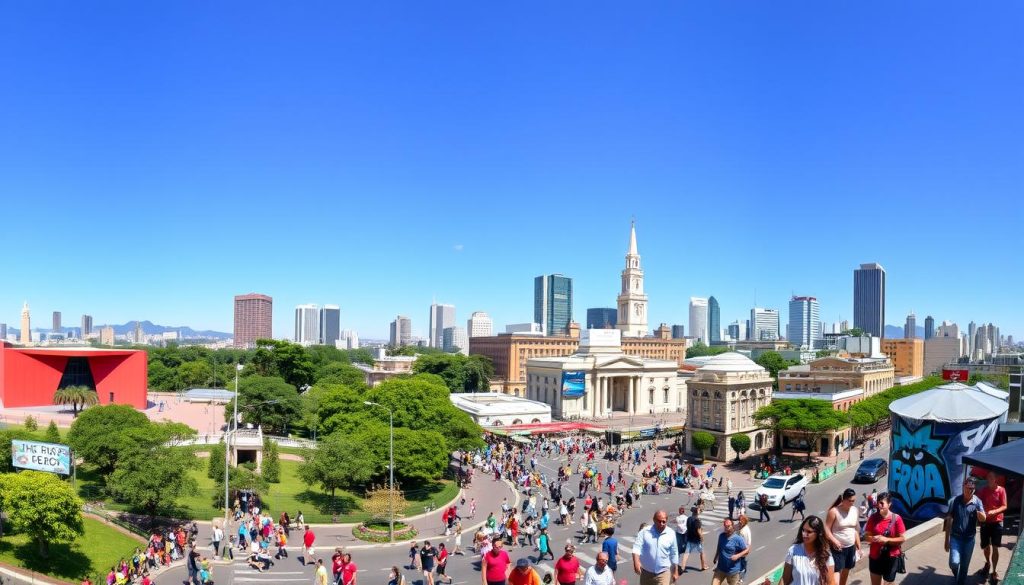
Hang with Locals in Praça Roosevelt
In São Paulo’s heart, Praça Roosevelt stands out. It’s a lively spot where various people meet. If you’re into skateboarding, art, or theater, it’s welcoming with its creative vibe.
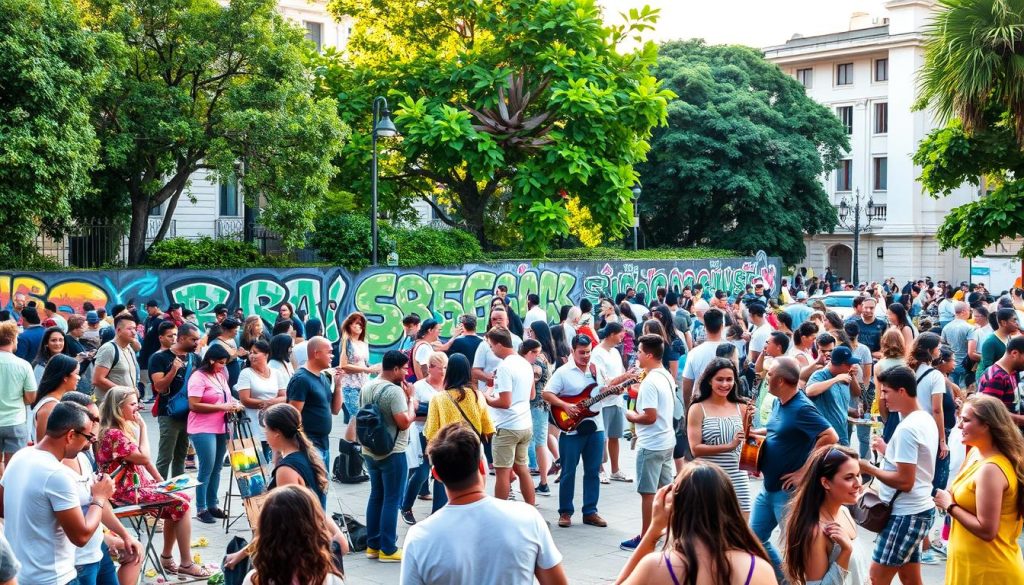
Come evening, Praça Roosevelt changes. Bars and cafes around it become alive. Here, you can see São Paulo’s nightlife up close. Live music often plays, adding to the fun atmosphere.
Places like Praça Roosevelt are more than spots to relax. They are cultural spots showing off the city’s diverse spirit. Around this square, you see the mix of old and new São Paulo, turning each visit into a discovery.
Here’s a look at what some of these local spots offer:
| Activity | Experience | Notes |
|---|---|---|
| Skateboarding | Engage or watch the local skateboarders in action | Popular among young enthusiasts |
| Theatre | Attend a performance at one of the adjacent theatres | Reflects the artistic vibe of the area |
| Bar Hopping | Explore an array of bars and cafes | Perfect for nighttime socializing |
| Live Music | Enjoy spontaneous live music performances | Adds to the lively evening atmosphere |
The mix of spots around Praça Roosevelt shows São Paulo’s rich culture. This area, blending past and present, is inviting to travelers and locals alike. It promises memorable times and lively meetings.
Admire Architectural Splendor of Catedral da Sé
The São Paulo Cathedral stands as a giant among neo-Gothic cathedrals worldwide. It blends history and design beautifully. Its twin towers and grand dome show off its fine craftsmanship. These features draw many visitors each day.
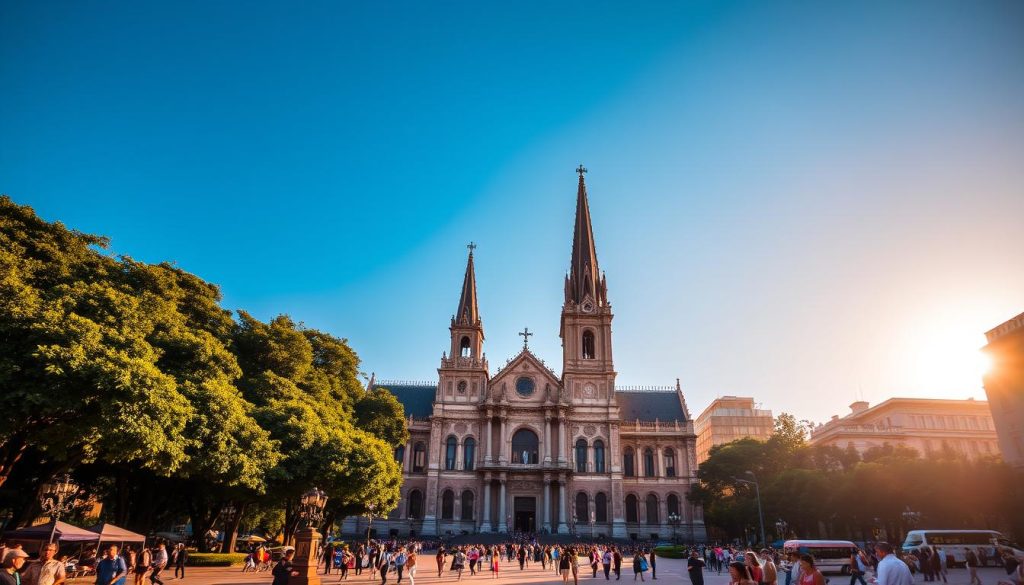
In São Paulo’s center, the Catedral da Sé welcomes everyone for free. It’s a spiritual and architectural wonder amid modern buildings. For a deeper look, try the recommended guided tours.
Its huge size and detailed work make it a top attraction. Besides its religious role, it hosts music events. This makes the cathedral a hit with architecture fans and tourists alike.
| Feature | Details |
|---|---|
| Architectural Style | Neo-Gothic |
| Twin Towers | Yes |
| Grand Dome | Yes |
| Free Entry | Yes, daily |
| Guided Tours | Available |
| Musical Performances | Regularly hosted |
The Catedral da Sé is more than a church; it’s a piece of São Paulo’s heart. Visiting here, whether for service, a concert, or to gaze at the architecture, will be unforgettable.
Get Artsy at Beco do Batman
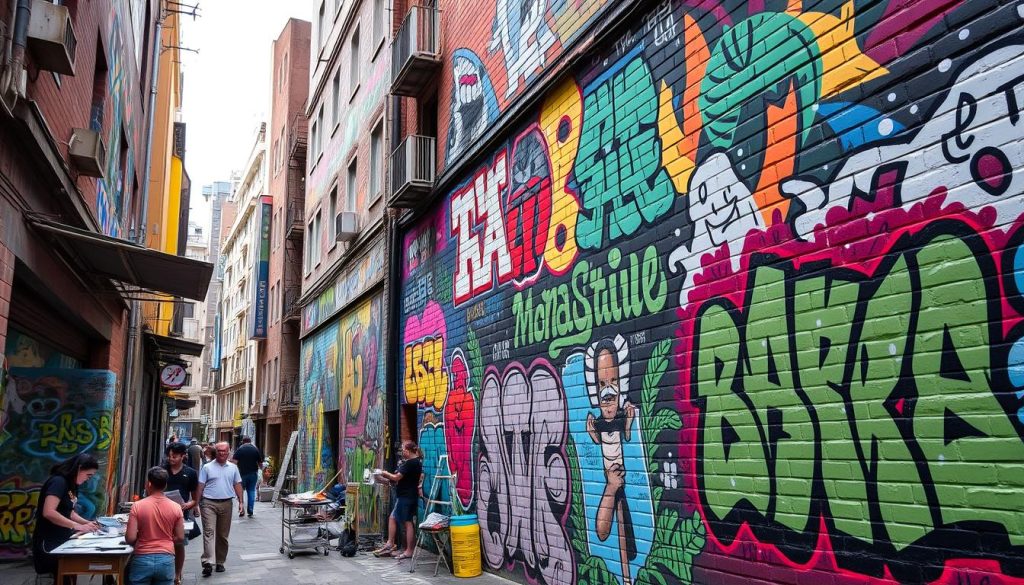
In the heart of Vila Madalena lies Beco do Batman, a key spot for São Paulo street art lovers. This alley bursts with vibrant street art and reflects urban creativity. The artwork changes often, bringing new pieces to replace the old.
In 2006, São Paulo’s Clean City Law stopped public ads. This sparked a rise in graffiti. Without ads, artists found new spaces for their work, particularly in Beco do Batman. This cleared the way for new artistic expression.
“The art in Beco do Batman often delves into political, cultural, and social themes, making it a powerful voice in urban discourse,” notes local artist Gina Silva.
Beco do Batman is more than a tourist spot; it’s a lively, evolving gallery. The art tackles issues like poverty and urban threats. Lots of street artists come here, keeping the art scene vibrant and current.
| Aspect | Details |
|---|---|
| Location | Vila Madalena, São Paulo |
| Art Characteristics | Ever-changing, community-focused themes |
| Impact of Clean City Law | Banning public ads, creating opportunities for graffiti |
| Visitor Experience | Continually evolving street art, unique each visit |
If you love photography, art, or just exploring, Beco do Batman is unmatched. The street art here highlights São Paulo’s creative vibe and reflects on the city’s issues. Let the unique art of Beco do Batman inspire you.
Conclusion
As your São Paulo trip ends, think about the vast experiences it offers. You can enjoy a walk down Avenida Paulista or see the city from Farol Santander. The diversity, from Ibirapuera Park’s calm to the lively Municipal Market, captures everyone’s heart.
To fully experience São Paulo, dive into local customs. See the beauty of Catedral da Sé and the art at Beco do Batman. The Museu do Futebol is a must-see for football fans, with its 15 interactive galleries. Also, enjoy Ibirapuera Park, a beloved green spot visited by millions.
When planning your visit, remember to explore the culinary delights, especially in Liberdade and the Municipal Market. Spend time at Praça Roosevelt for people-watching. Admire street art at Beco do Batman. São Paulo’s metro makes exploring easy. Visit places like Teatro Municipal and MASP for a mix of history and modern culture.