Explore the Top Sights in Tangier’s Historic Medina
When you enter Tangier’s Medina, you’re surrounded by bright colors and amazing smells. Have you ever thought about what secrets are hidden in its winding alleys?
The Medina is a place full of history and culture. It’s a must-see for anyone traveling. Famous artists like Delacroix, Paul Bowles, and Matisse loved it here. Walking through the narrow streets, you’ll find amazing sights and delicious food.
This article will show you the top sights and hidden gems in Tangier’s Medina. It’s your complete Tangier travel guide.
The Gateway to Africa: Understanding Tangier’s Historical Significance
Tangier is a key spot between Europe and Africa. Its location has made it a major center for trade and cultural exchange. This has shaped its history.
Tangier’s Strategic Location Between Continents
Tangier sits on the Strait of Gibraltar, connecting two continents. This spot has helped in the exchange of goods, ideas, and cultures. You’ll see how its location has influenced its architecture, food, and culture.
A Brief History of the Medina’s Development
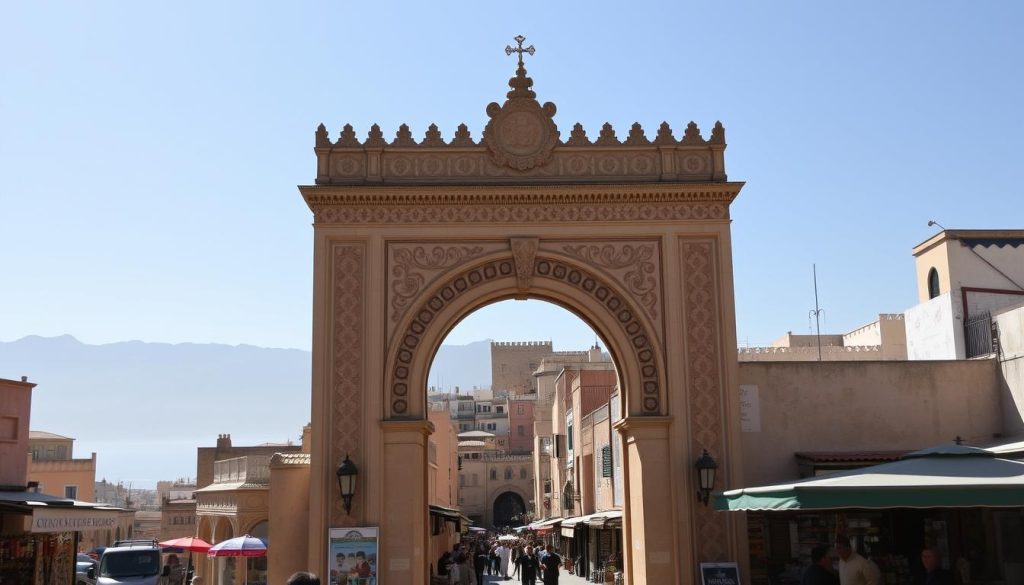
The Medina of Tangier shows the city’s rich past. Its narrow streets and old buildings reflect the impact of many cultures.
Influences from Various Civilizations
Tangier has been shaped by the Phoenicians, Romans, Arabs, and Europeans. Each group has added to its unique culture. Key influences include:
- Phoenician and Roman architectural styles
- Arabic language and Islamic traditions
- European architectural influences during the colonial period
The International Zone Period
The International Zone era was a significant time for Tangier. During this time, the city was ruled by several European powers. This era mixed cultures and architectural styles, making Tangier diverse. For the best Tangier sightseeing tips, visit historic monuments and museums. They show the city’s rich history and cultural mix.
Exploring Tangier’s Medina, you’ll find many Tangier tourist attractions. They highlight the city’s historical and cultural significance.
What Are the Top Things to Do in Tangier’s Medina?
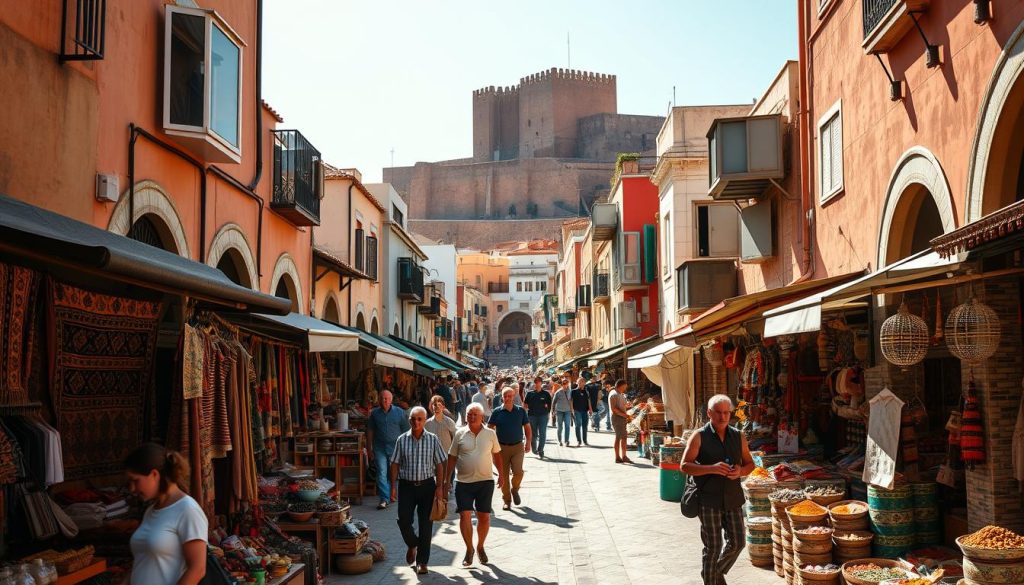
Tangier’s Medina is full of history and life. It offers many fun activities for visitors. You’ll find cultural, historical, and entertainment options that make Tangier special.
Overview of Must-See Attractions
The Medina is home to key attractions that highlight its history and culture. Some top sites include:
- The Kasbah, with its historic significance and stunning architecture
- The Grand Socco, a bustling square surrounded by cafes and shops
- The Petit Socco, known for its colonial architecture and literary connections
These spots give a peek into Tangier’s varied history and culture. They are key stops on your Medina tour.
Planning Your Exploration Route
Planning your route in Tangier’s Medina is key. Whether you’re here for a one-day itinerary or more, here are some tips to help you explore.
One-Day Itinerary Suggestions
Start at the Grand Socco for a one-day visit. Then, explore the souks and markets. Don’t miss the Kasbah and its views.
Multi-Day Exploration Options
With more time, find the Medina’s hidden spots. Visit the American Legation Museum or local workshops. A longer stay lets you enjoy the atmosphere and find hidden corners.
| Day | Morning | Afternoon |
|---|---|---|
| Day 1 | Explore Grand Socco and surrounding markets | Visit the Kasbah and its museum |
| Day 2 | Wander through the Petit Socco and its cafes | Discover local artisans and their workshops |
Plan your visit and choose the right itinerary for a memorable time in Tangier’s Medina.
The Grand Socco: Entering the Heart of the Medina
When you enter the Grand Socco, you dive into Tangier’s Medina heart. This big, sloping plaza is the Medina’s entrance. It’s filled with cafes and historic buildings, perfect for watching people.
The Grand Socco is more than just an entrance. It’s an experience that shows Tangier’s lively spirit.
The Historic Gateway and Its Architecture
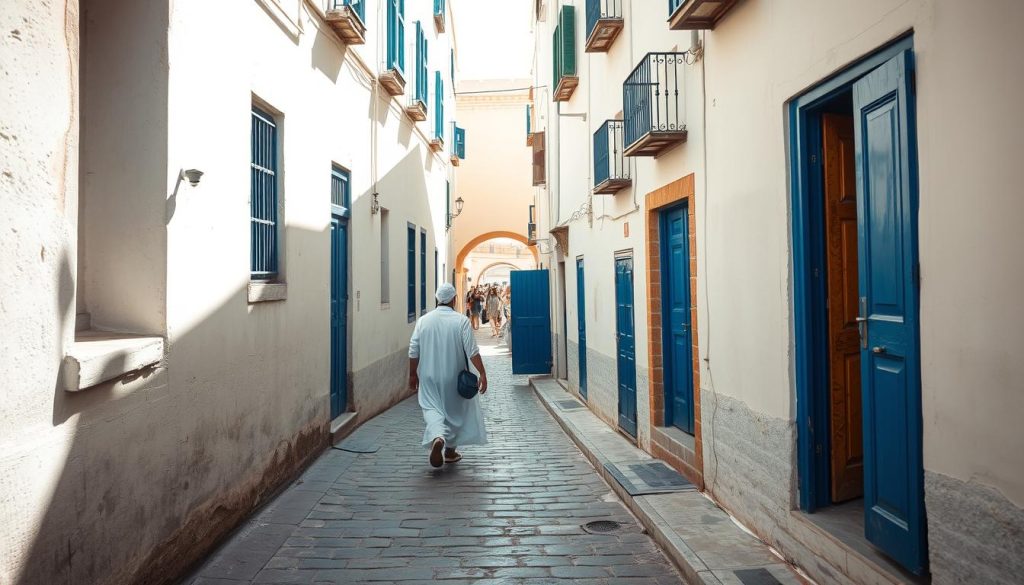
The Grand Socco’s buildings tell Tangier’s rich story. The square is surrounded by buildings that mix Moroccan and European styles. This mix comes from Tangier’s history with different cultures.
The buildings here are whitewashed, with detailed tile work and fancy doorways.
Surrounding Cafés and People-Watching Spots
The cafes around the Grand Socco are great for watching local life. You can enjoy a coffee or mint tea in the lively atmosphere. Café Hafa is famous for its literary ties.
Café Hafa and Its Literary Connections
Café Hafa has been a favorite spot for writers and artists for years. Famous authors like Paul Bowles have been here, attracted by its unique vibe and Mediterranean views. Visiting Café Hafa is like stepping into Tangier’s literary past.
| Café | Literary Connection | Atmosphere |
|---|---|---|
| Café Hafa | Paul Bowles, other writers | Unique, stunning views |
| Other Cafes | Local artists, intellectuals | Lively, cultural |
Exploring the Grand Socco and its area shows why it’s a key spot in Tangier off the beaten path. It’s a mix of history, culture, and daily life, making it a captivating place to explore.
Navigating the Labyrinthine Streets of the Medina
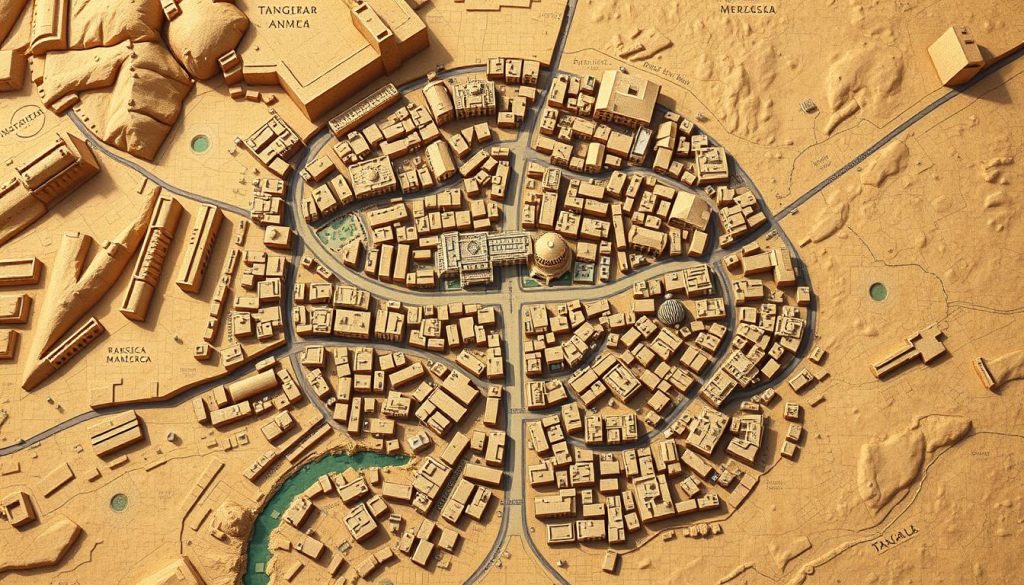
Exploring Tangier’s Medina is an exciting journey. The area is filled with narrow alleys and old buildings. It’s easy to lose your way, but with some tips, you can enjoy it confidently.
Understanding the Layout of Tangier’s Old City
The Medina’s streets are narrow and lead to surprises. Knowing the main spots and using a map helps you find your way. Key landmarks include the Grand Socco, the Kasbah, and various mosques.
Tips for Not Getting Lost While Exploring
Using a map or GPS is a good idea. Also, look for unique buildings and landmarks to guide you.
Using Landmarks as Navigation Points
Marking places like the Grand Socco or the Kasbah helps. Knowing where these are can keep you on track.
The Kasbah: Exploring Tangier’s Ancient Fortress
Visiting the Kasbah is like going back in time. It was once home to sultans and a hub for ancient trade. Today, it’s a key spot in Tangier’s Medina, filled with history, stunning architecture, and views.
The Sultan’s Palace and Dar el Makhzen Museum
The Kasbah is home to the Dar el Makhzen Museum, once the Sultan’s Palace. It has a vast collection of Moroccan art and artifacts. This gives visitors a peek into Morocco’s rich culture.
Moroccan Art and Artifacts Collection
The museum displays beautiful textiles, fancy jewelry, and historical items. These pieces tell the story of Morocco’s past. Exploring the museum helps you understand Morocco’s culture and history better.
| Artifact | Description | Significance |
|---|---|---|
| Intricate Textiles | Handwoven fabrics with traditional Moroccan patterns | Representative of Moroccan craftsmanship |
| Ornate Jewelry | Jewelry pieces adorned with precious stones and metals | Symbolizes wealth and status in Moroccan culture |
Panoramic Views from the Kasbah Walls
Visiting the Kasbah offers amazing views from its walls. You’ll see stunning views of Tangier and the Strait of Gibraltar. It’s a dream spot for photographers.
Photography Opportunities of the Strait of Gibraltar
The views from the Kasbah walls are perfect for photos. You can capture the beauty of the strait and the European continent in the distance. It’s a great way to remember your trip to Tangier.
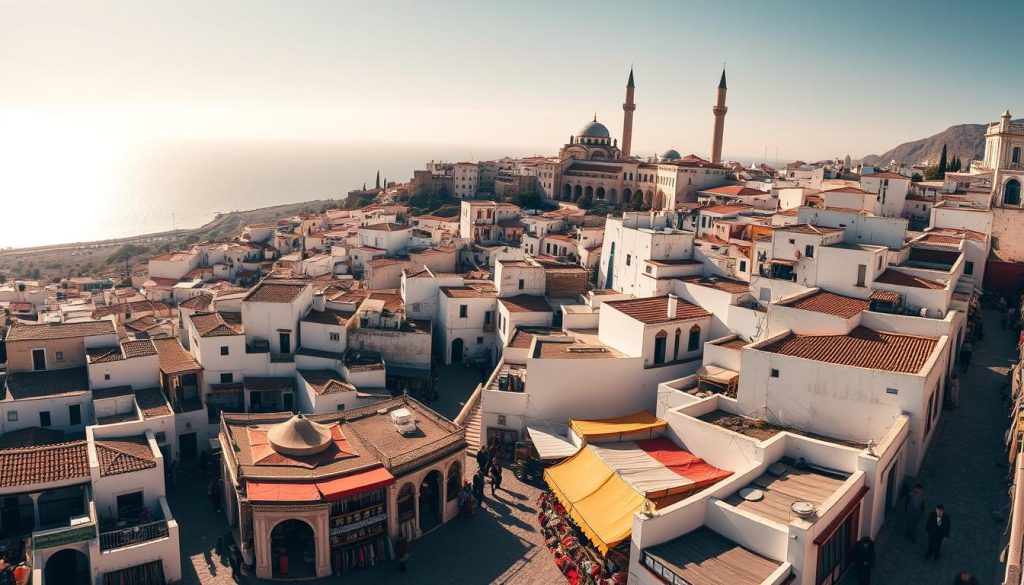
For Tangier sightseeing tips, don’t miss the Kasbah. It’s a key attraction in Tangier’s Medina. It combines history, culture, and natural beauty in a unique way.
Shopping in the Souks: Treasures of the Medina
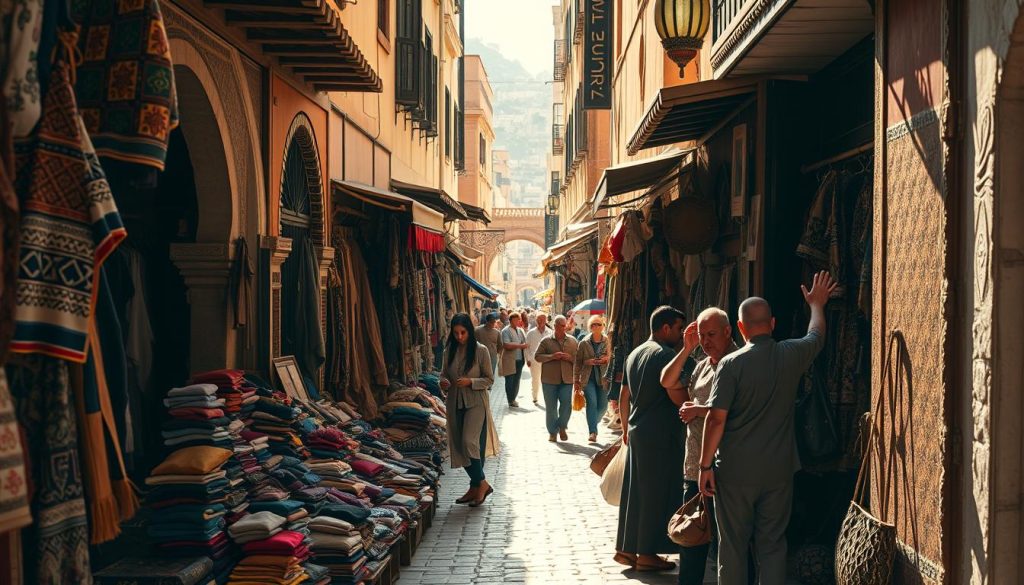
Shopping in Tangier’s Medina is an adventure. The souks offer a wide range of unique souvenirs and local handicrafts. As you wander through the narrow streets, you’ll find a treasure trove of traditional Moroccan goods.
Traditional Moroccan Crafts and Souvenirs
The souks are filled with intricately crafted items. You’ll see leather goods, metalwork, textiles, and carpets. These traditional Moroccan crafts are perfect for memorable souvenirs and gifts.
Leather Goods and Metalwork
Beautifully crafted leather bags, shoes, and jackets are available. You’ll also find intricate metalwork pieces like lanterns and decorative items. These are great examples of Moroccan craftsmanship.
Textiles and Carpets
Vibrant textiles and hand-woven carpets are common in the souks. These colorful items can add a Moroccan flair to your home decor.
Bargaining Tips and Etiquette
Bargaining is key in the souks. It’s important to be respectful and polite when negotiating prices. Start with a lower offer and be ready to haggle in a friendly manner.
Price Expectations for Common Items
For a leather bag, prices range from $20-$50. A hand-woven carpet might cost between $50-$200. Knowing these price ranges can help you shop with confidence.
By embracing the local culture and using smart bargaining techniques, you’ll get unique souvenirs. You’ll also have a more authentic Tangier Medina travel experience.
Culinary Delights: Tasting Tangier’s Local Flavors
Exploring Tangier’s Medina is more than just seeing sights. It’s also about tasting the local flavors that make this city unique. The culinary scene here reflects the city’s rich cultural heritage. It blends traditional Moroccan dishes with fresh seafood and local ingredients.
Traditional Moroccan Restaurants in the Medina
For a real dining experience, visit a traditional Moroccan restaurant in the Medina. These places serve local specialties like hearty stews and tagines. They are slow-cooked to perfection.
Recommended Dining Establishments
Some top places to eat offer views of the Medina or cozy family-run spots. Make sure to try Chicken Tagine or Msemen, a traditional Moroccan pancake.
Street Food Experiences Not to Miss
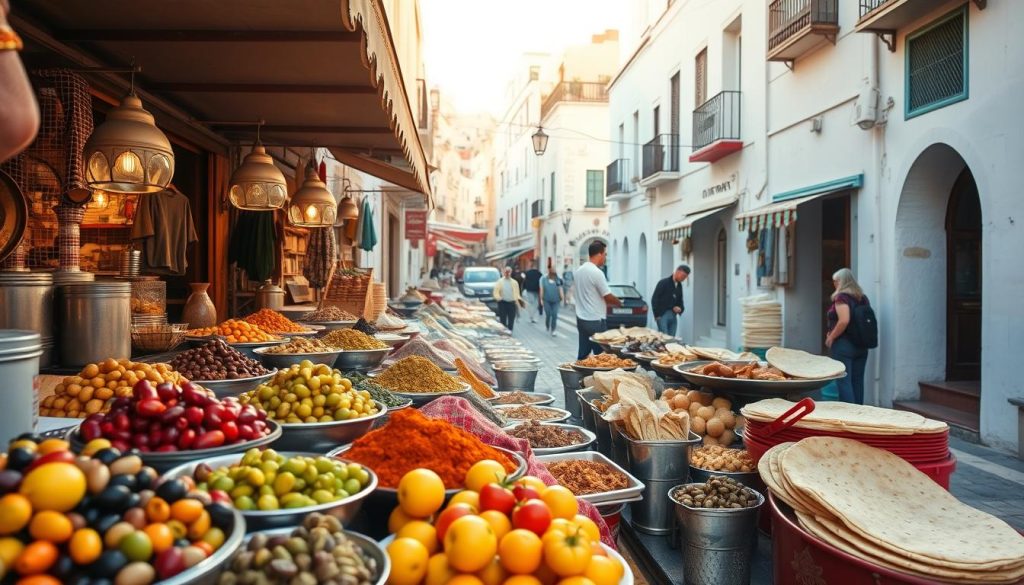
Tangier’s Medina is great for street food lovers. It offers a taste of local culture with savory snacks and sweet pastries. Don’t miss Mint Tea and Chebakia, a sweet pastry.
Mint Tea and Sweet Pastries
Mint tea is a big part of Moroccan culture. You’ll find it in cafes and street stalls. Enjoy it with sweet pastries for a true Tangier experience.
Seafood Specialties of Tangier
Being by the coast, seafood is a big part of Tangier’s cuisine. Look for restaurants with fresh fish and seafood dishes. They are often grilled over an open flame.
| Dish | Description | Where to Try |
|---|---|---|
| Chicken Tagine | A slow-cooked stew made with chicken, dried fruits, and spices. | Traditional Moroccan restaurants |
| Msemen | A traditional Moroccan pancake, often served with honey or savory fillings. | Street food stalls or family-run eateries |
| Grilled Fish | Fresh fish grilled over an open flame, often served with a side of vegetables. | Seafood restaurants near the coast |
The Petit Socco: The Historic Heart of the Medina
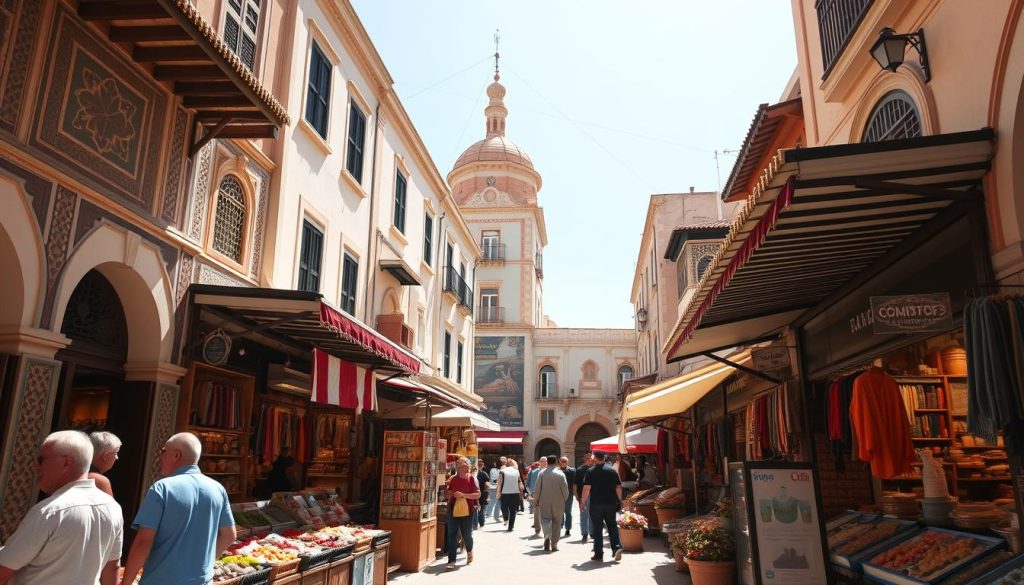
The Petit Socco is a gem in Tangier’s Medina. It’s filled with colonial architecture and rich literary history. This small square has been a favorite spot for writers and artists. They love its charming vibe and historic cafes.
Colonial Architecture and Atmosphere
The Petit Socco is surrounded by buildings that show Tangier’s colonial past. You’ll see a mix of Moorish and European styles. Sitting in a cafe here, you can feel the square’s special atmosphere.
Famous Cafés with Literary Connections
The Petit Socco is famous for its cafes. Famous writers like Paul Bowles and William Burroughs used to hang out here. Today, visitors come to feel the literary history of the area.
Café Central and Its Notable Visitors
Café Central is a highlight in the Petit Socco. It’s known for its rich history and literary ties. Many famous writers and artists have visited. They were drawn by the cafe’s unique vibe and the chance to meet other creatives.
Religious Sites and Architecture in the Medina
As you wander through Tangier’s historic Medina, you’ll find a mix of religious sites. These sites show the city’s rich cultural background. The Medina is a place where different religions come together, with many important sites to see.
The Great Mosque of Tangier
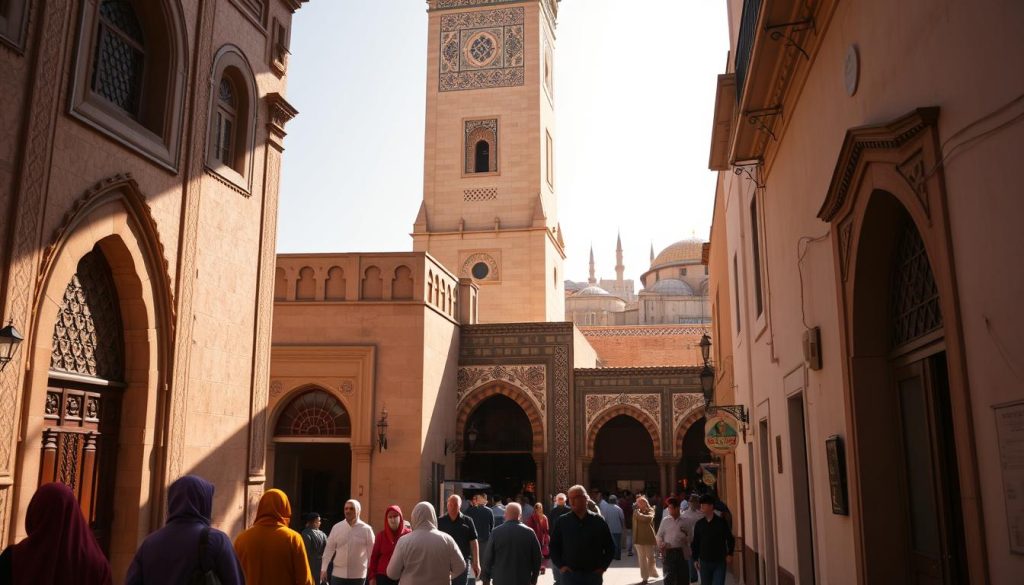
The Great Mosque of Tangier stands out as a key landmark in the Medina. Its tall minaret is eye-catching. This mosque is not just a place of prayer but also a symbol of Tangier’s Islamic history. Visitors can admire its architecture, but access might be restricted to those who don’t pray.
Jewish Heritage in the Medina
The Medina also boasts a strong Jewish heritage. You can see this in the Nahon Synagogue and the Jewish Quarter. The synagogue is a standout example of Tangier’s multicultural past.
The Synagogue and Jewish Quarter
The Nahon Synagogue is in the heart of the Jewish Quarter. It’s a key spot for those interested in Tangier’s Jewish history. It shows the rich Jewish heritage in Tangier.
Visiting these religious sites helps you understand the Medina’s cultural and historical importance. They are among the top attractions for tourists in Tangier.
Hidden Gems: Off the Beaten Path in Tangier’s Medina
Tangier’s Medina is full of hidden treasures waiting for you. As you wander off the main paths, you’ll find unique spots that show the true heart of this historic place.
Lesser-Known Corners Worth Discovering
The Medina is filled with artisan workshops and studios. Here, you can see traditional crafts being made. It’s a great place to find special souvenirs.
Artisan Workshops and Studios
When you visit these workshops, you’ll see artisans creating beautiful items. These pieces show the rich heritage of Tangier. You’ll see everything from woodwork to textiles, each with its own story.
Local Favorites Away from Tourist Crowds
There are local spots in the Medina that are loved by the people who live there. Places like community hammams and traditional bakeries offer a real taste of life here. They are where locals go to hang out, giving you a chance to meet them and learn about their daily lives.
Community Hammams and Bakeries
Trying a traditional hammam is a must. And don’t miss out on the tasty pastries and bread from local bakeries. These experiences are truly Tangier and will give you memories to cherish forever.
Practical Information for Visiting the Medina
To have a great time in Tangier’s Medina, knowing some basics is important. Being ready with the right info can make your visit better.
Best Times to Visit and Seasonal Considerations
The Medina is open all year, but spring (March to May) and autumn (September to November) are the best times. These months have nice weather and fewer people around.
Weather Patterns and Festival Dates
Tangier has a Mediterranean climate, with hot summers and cool winters. Remember, the Islamic New Year and Eid al-Fitr can bring big crowds and change some places’ hours.
Safety Tips and Cultural Etiquette
When you’re in the Medina, watch your stuff and respect the local ways. Keep your things safe, and be careful of people who seem too friendly, as they might be trying to trick you.
Appropriate Dress and Behavior
Wear clothes that cover your shoulders and knees as a sign of respect. Also, take off your shoes before going into mosques or private homes.
Dealing with Local Guides and Touts
Be careful of local guides or touts. Make sure to agree on prices before you accept their help. And if you don’t feel right, it’s okay to say no.
Conclusion: The Timeless Charm of Tangier’s Medina
As you finish your virtual tour of Tangier’s Medina, it’s clear this place is full of wonders. It has a rich history, cultural importance, and lively markets. The Medina is a place that will grab your attention and inspire you.
Whether you’re a seasoned traveler or new to planning trips, Tangier’s Medina will make a strong impression. It invites you to come back and explore more of its timeless charm.
From the Grand Socco to the Kasbah, and from the souks to the food, Tangier’s Medina has unforgettable sights. When you plan your visit, dive into the local culture, respect the traditions, and enjoy its unique beauty. Tangier’s Medina is a mix of history, culture, and beauty, promising to make your travel experiences richer.