Explore the Top 10 Things to Do in Buenos Aires
Buenos Aires is called “the Paris of South America” for many reasons. It combines European style with Latin American vibe, offering lots to do. You can spend four days exploring from Palermo Soho’s street art to La Boca’s historic Caminito. Buenos Aires tourism appeals to all.
This Buenos Aires travel guide will show you the top 10 things to do. Explore local cafes or wander through La Boca’s colorful streets. Buenos Aires enchants everyone who visits. Discover its hidden gems and top spots as you read on.
Discover the Vibrant Neighborhood of Palermo
Palermo Buenos Aires is known for its bohemian vibe and large green areas. It’s a neighborhood that welcomes everyone. It’s divided into Palermo Soho, Palermo Hollywood, and Palermo Chico, each having its own special appeal. This area shines with cultural spots, cool fashion stores, and lively parks among Buenos Aires attractions.
Street Art and Culture in Palermo Soho
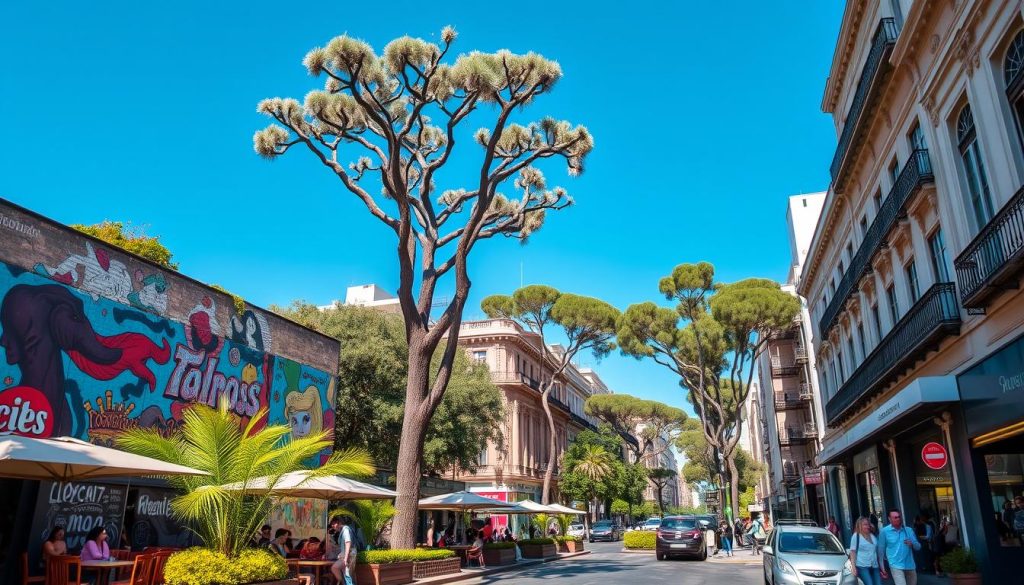
Palermo Soho is often called the ‘Soho of South America.’ It draws a young, creative crowd. The area bursts with street art, turning it into a giant outdoor gallery. This is why it’s a top spot in Buenos Aires. Art galleries feature exhibitions by well-known local artists, adding to the area’s artsy atmosphere.
On weekends, street markets at Plaza Armenia and Plaza Serrano display unique crafts. They attract locals and visitors alike. Fashion shops offer everything from high-end to up-and-coming brands, providing a great shopping experience.
Enjoy Palermo’s Parks and Green Spaces
The green spots in Palermo Buenos Aires are a peaceful break from city life. Places like Jardín Botánico and Parque Tres de Febrero are great for walks, picnics, and biking. These parks make Palermo one of the biggest and most peaceful areas in the city.
- Jardín Botánico: A place with a variety of plants and calm paths.
- Parque Tres de Febrero: Offers lakes, rose gardens, and space for fun outdoor activities.
Dining and Nightlife in Palermo
Palermo Buenos Aires is a top spot for food and nightlife, with many places to eat. You can find everything from classic steak houses to modern global dishes. The neighborhood is famous for outdoor dining and upscale restaurants.
- Stylish cafes with specialty coffee and creative cocktails
- Bars and clubs that are busy from the afternoon into the night, especially in summer
Palermo’s nightlife attracts both locals and tourists. Foot traffic goes up in the evening, showing its role as a popular place to meet.
Experience Tango in Buenos Aires
Buenos Aires is known for many things, but tango tops the list. This dance is more than just movement; it’s the soul of Argentina. For the full experience, check out milongas or take classes and see shows.
Visit Authentic Milongas
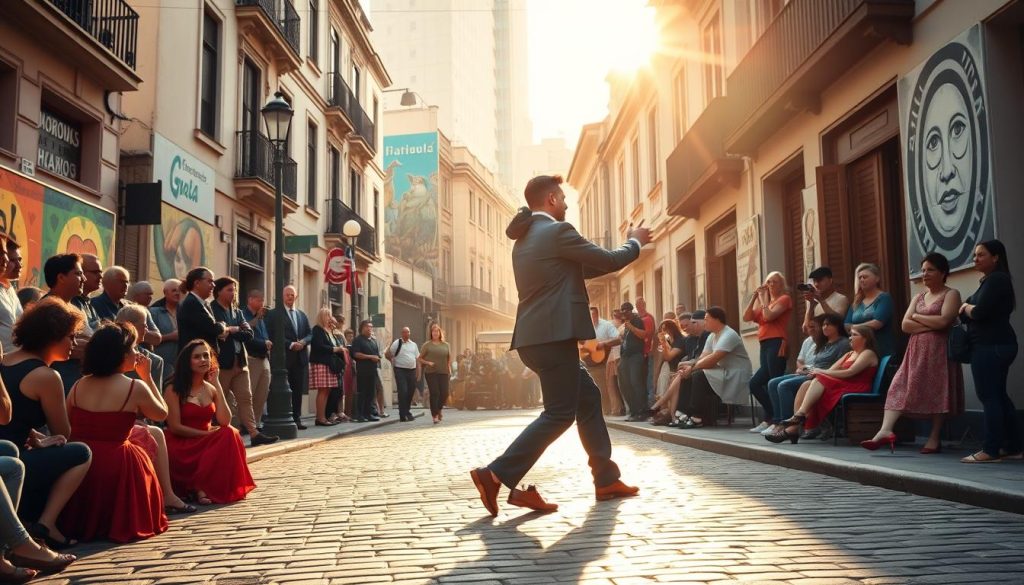
Milongas are where the heart of tango beats in Buenos Aires. They’re places where tourists and locals dance together. Each venue shares a piece of tango’s spirit, making it a must-visit. Clubs offer tango nights often, perfect for watching or joining in.
Attend Tango Shows and Classes
For a planned night out, the city’s many venues host amazing tango shows. These events have orchestras and skilled dancers. Places like Michelangelo Tango and El Viejo Almacen are famous for their shows:
| Venue | Show Only | Dinner + Show | Special Features |
|---|---|---|---|
| Michelangelo Tango | USD 35 – 105 | USD 75 – 165 | Live orchestra of 6 musicians, 2 singers |
| El Viejo Almacen | USD 35 – 105 | USD 75 – 165 | Performances for over 50 years, 4 couples dancing |
| Cafe de Los Angelitos | USD 35 – 105 | USD 75 – 165 | 7 tango couples |
If you want to learn tango, Buenos Aires is the place. Many schools welcome dancers of all levels. By learning tango, you get closer to the city’s heart.
Explore the Colorful Streets of La Boca
La Boca Buenos Aires is famous for its bright colors and deep cultural history. It gives tourists an unforgettable experience. Founded by Pedro de Mendoza in 1536, it grew rapidly in the mid-19th century due to global trade. Being the first natural harbor, its port was crucial for sending Argentinian beef all over the world.
Walk Through Caminito
El Caminito, named after a 1926 tango, is La Boca’s most famous street. It was turned into an open-air museum by artist Benito Quinquela Martín in 1955. Despite being just 150 meters long, it’s filled with colorful metal houses and art, showing the area’s rich culture. It’s best to visit during the day for a safe and vibrant experience. At night, it’s safer to stay within El Caminito’s busy area.
Visit La Bombonera Stadium
Seeing La Bombonera Stadium is a must in La Boca. It’s where the Boca Juniors football team plays. Since its founding in 1905, Boca Juniors has stayed in Argentina’s top league. The stadium can hold up to 49,000 fans and looks like a “chocolate box.” It’s open daily, except on game days, from 10h to 18h. Inside, there’s a museum dedicated to Argentine football’s fervent spirit, making it a key spot for tourists.
| Feature | Details |
|---|---|
| First Settlement | 1536 by Pedro de Mendoza |
| Main Market | Argentinian beef export |
| El Caminito | Transformed in 1955, 150 meters long |
| Safety | Safe for tourists during the day |
| La Bombonera Capacity | 49,000 |
| Architectural Remark | “Chocolate box” structure |
Revel in Buenos Aires’ Café Culture
Buenos Aires has a rich café culture that defines its social scene. You’ll find these cafés in areas like San Telmo, Recoleta, and Palermo. They’re not just spots for coffee but are key parts of the city’s history.
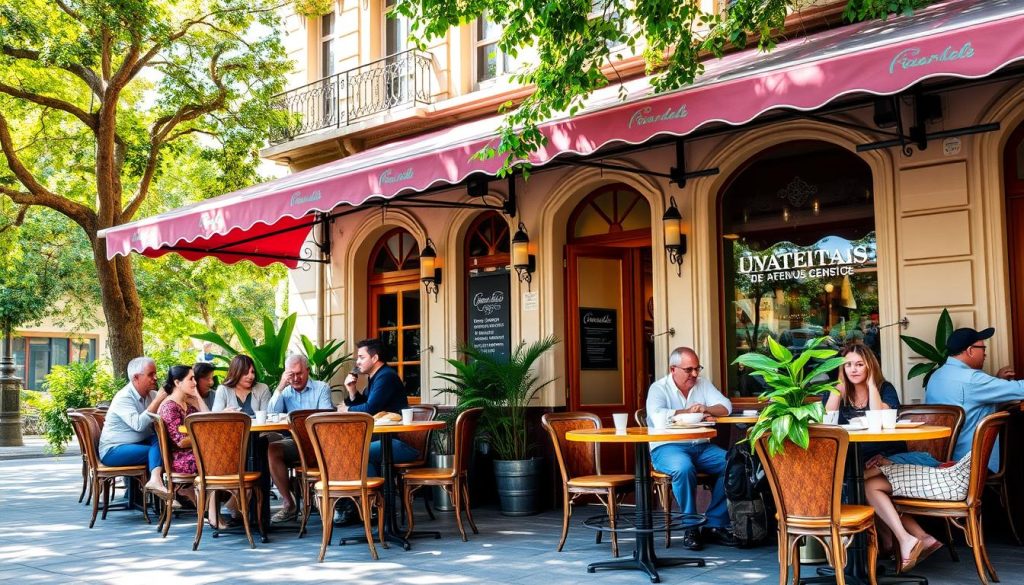
Experiencing the historic cafés of Buenos Aires is a must. They are favorite spots for thinkers and creators alike. Take Café Tortoni, for example. Since 1858, it has been a beloved place. With its elegant stained glass and wood panels, it’s perfect for enjoying espresso and stepping back in time.
But there’s more to Buenos Aires’ cafés than history. El Ateneo Grand Splendid merges café vibes with cultural essence. Originally a theater, it’s now among the globe’s most beautiful bookstores, offering a memorable café experience.
The culinary delights these cafés offer are unforgettable. You can try various pastries, croissants, and tasty sandwiches. Most cafés welcome guests from morning till night, especially on weekends. This makes it simple to include a café visit in your travel plans.
There are over 40 Cafés Notables in Buenos Aires, each recognized for its historical and cultural value. These landmarks are found all over the city, each telling its own unique story. Whether you’re in an antique café or a modern one, you’ll feel Buenos Aires’ lively essence.
Diving into Buenos Aires café culture is embracing an experience that’s both ancient and modern. As you wander the city’s streets, you’ll discover cafés that are more than coffee shops. They are places where you can witness the city’s cultural achievements.
So, on your journey through Buenos Aires or while finding a surprise café, remember to pause and enjoy. Visiting these cafés offers a true taste of local life – refined, cultured, and full of history.
Top 10 Things to Do in Buenos Aires
Explore the vibrant city of Buenos Aires, a place full of life and rich culture. It’s perfect for anyone, whether it’s your first visit or you’ve been many times. You’ll discover many interesting spots in Buenos Aires. Here are the top 10 things to do that show the heart of this lively city.
- Explore the Historic Neighborhoods: Take a walk through La Boca’s colorful streets, known for its murals and Caminito. Don’t miss the cobblestone streets of San Telmo, where old meets new.
- Marvel at Recoleta Cemetery: See the grand mausoleums at Recoleta Cemetery. It’s where Eva Perón rests. International tourists pay around $15 to get in.
- Experience Tango: Dive into tango culture at authentic milongas or watch amazing tango shows at Rojo Tango.
- Relax at the Ecological Reserve: Enjoy nature at Reserva Ecológica Costanera Sur, a vast urban nature haven. It’s free and offers great city views.
- Attend a Performance at Teatro Colón: Known globally as a top opera house since 1908, Teatro Colón has tours and incredible opera and ballet.
- Delight in Café Culture: Enjoy a coffee at the famous Gran Café Tortoni, opened in 1858. It’s one of the world’s most beautiful cafes.
- Visit Museums: Admire Latin American art at the National Museum of Fine Arts, Fundación Proa, and MALBA.
- Walk Plaza de Mayo: See Buenos Aires’ historic heart, with landmarks like Casa Rosada and the Mothers of Plaza de Mayo Vigil.
- Stroll Puerto Madero: Experience the revamped waterfront with great restaurants, bars, and reserves. It’s perfect for evenings out and fine dining.
- Dine at World-Class Restaurants: Treat yourself to a meal at Don Julio. It’s ranked 3rd in Latin America and 10th worldwide by World’s 50 Best Restaurants.
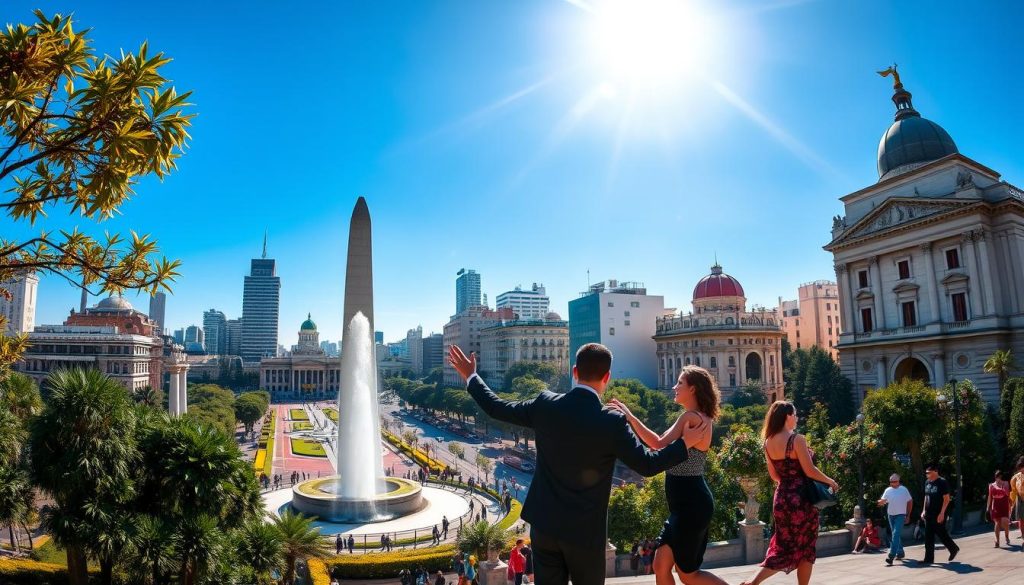
Buenos Aires offers a peek into its rich cultural world with these top 10 activities. From exploring historic areas, enjoying the art, to eating at top-rated spots, it promises a unique experience.
Tour the Historic Plaza de Mayo
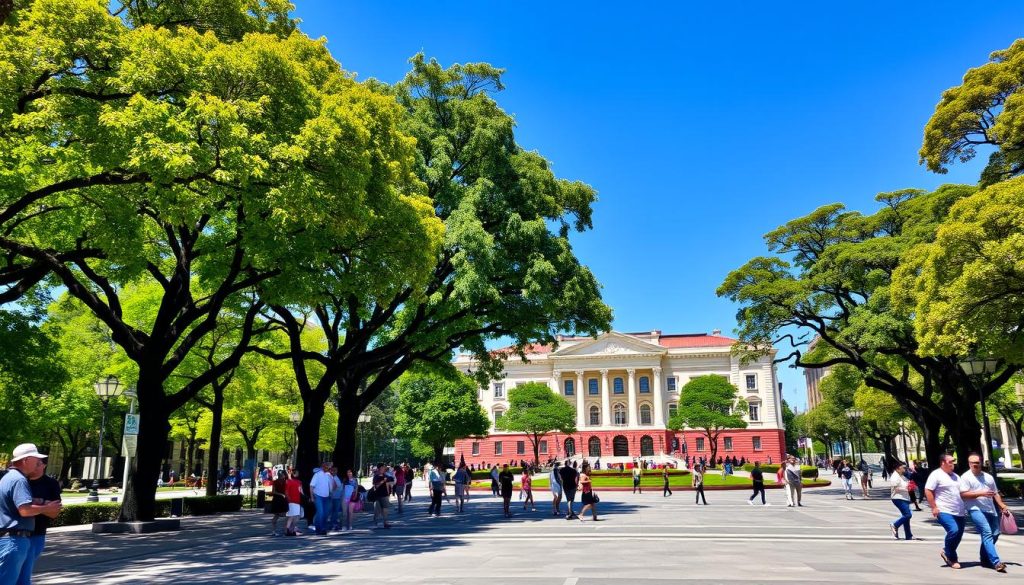
The Plaza de Mayo Buenos Aires is vital in history as one of the key Buenos Aires historical sites. From the city’s beginning, it has been the center of politics. It is encircled by famous buildings like the Casa Rosada, El Cabildo, and La Catedral Metropolitana.
Learn About the History at Casa Rosada
The Casa Rosada is where the president works and is central to government operations. Visitors can explore Argentina’s political past with guided tours. These tours highlight important events shaping present-day Argentina.
Experience the Mothers of Plaza de Mayo Vigil
The Mothers of Plaza de Mayo vigil symbolizes defiance against past injustices. It began in 1977 with weekly walks to remember the vanished children from the dictatorship era. The plaza also has the Pirámide de Mayo, marking the 1810 revolution’s legacy.
Visit the Famous Recoleta Cemetery
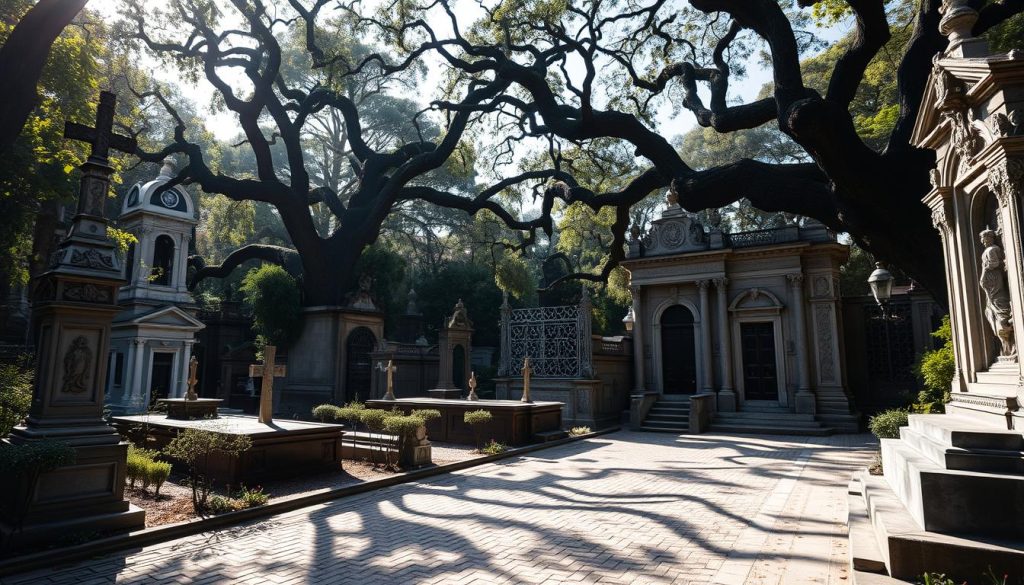
The Recoleta Cemetery in Buenos Aires is not just a place for rest. It’s a treasure of art and architecture too. It has grand mausoleums and graves of important people. It’s a peaceful spot to enjoy beautiful sculptures and marble work, showing the city’s art and history.
History and Notable Burials
With more than 6,400 mausoleums, Recoleta Cemetery displays many architectural styles like Gothic and Art Nouveau. Since 1822, it has been the final resting spot for presidents, intellectuals, and entertainers. Eva Perón, a notable figure, is buried five meters underground in a secure crypt.
- The tomb of Argentina’s seventh President, Domingo Faustino Sarmiento, has an obelisk and a condor. It shows his dedication to education and democracy.
- Admiral Guillermo Brown’s tomb uses bronze from battleships he led. It celebrates his impact on the Argentine Navy.
- The mausoleum for Rufina Cambaceres, who was buried alive at 19, still shows her scratch marks from trying to escape.
Architecture and Art in the Cemetery
Recoleta Cemetery is filled with over 6,400 statues, sarcophagi, and coffins. It boasts a mix of artistic and architectural styles. The site is home to the grand Dorrego-Ortiz Basualdo family mausoleum. Also, Liliana Crociati de Szaszak’s tomb has a life-size bronze statue of her, adding to the site’s diverse designs.
Free guided tours in Spanish are available, helping visitors explore. They run at 11 am and 2 pm from Tuesday to Friday, and at 11 am and 3 pm on weekends and public holidays. With over 90 tombs recognized as national monuments, Recoleta Cemetery is a must-visit. It’s open daily from 8 am to 6 pm.
Relax in the Buenos Aires Ecological Reserve
The Buenos Aires Ecological Reserve is a perfect getaway from the city’s noise. It covers around 865 acres of green space. Right next to Puerto Madero’s tall buildings, it offers peace amidst the city.
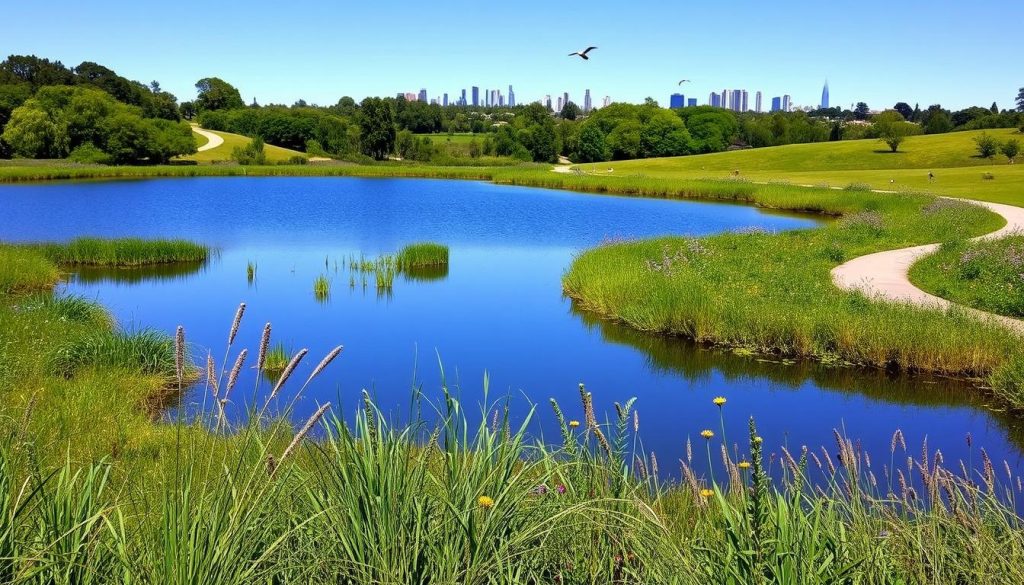
It’s filled with over 200 bird species and 220 types of plants. This rich biodiversity turns it into a prime spot for birdwatching. Every weekend, up to 10,000 people visit during summer, showing its popularity for eco-tourism.
About 90% of the visitors enjoy biking or walking on its trails. This makes the reserve a top choice for outdoor activities.
Bike rentals are especially popular, used by 70% of people in busy times. With about 4.3 miles of trails, there’s lots to explore by bike or on foot.
The reserve isn’t just for nature lovers. It also serves as a recreational area, drawing 1.5 million people yearly. Most of them walk or cycle. 25% enjoy the picnic spots during summer weekends, offering serene break spots.
65% of the visitors seek tranquility and nature here. Thanks to its beauty and activities, it’s a favorite green spot for locals and tourists.
| Visitor Statistics | Details |
|---|---|
| Area | 865 acres (350 hectares) |
| Bird Species | Over 200 |
| Plant Species | Over 220 |
| Annual Visitors | 1.5 million |
| Peak Weekend Visitors | 10,000 (Summer) |
| Outdoor Activities Participation | Approximately 90% |
| Trail Length | 7 kilometers (4.3 miles) for hiking and biking |
| Average Visit Duration | 2-3 hours |
Enjoy a Performance at Teatro Colón
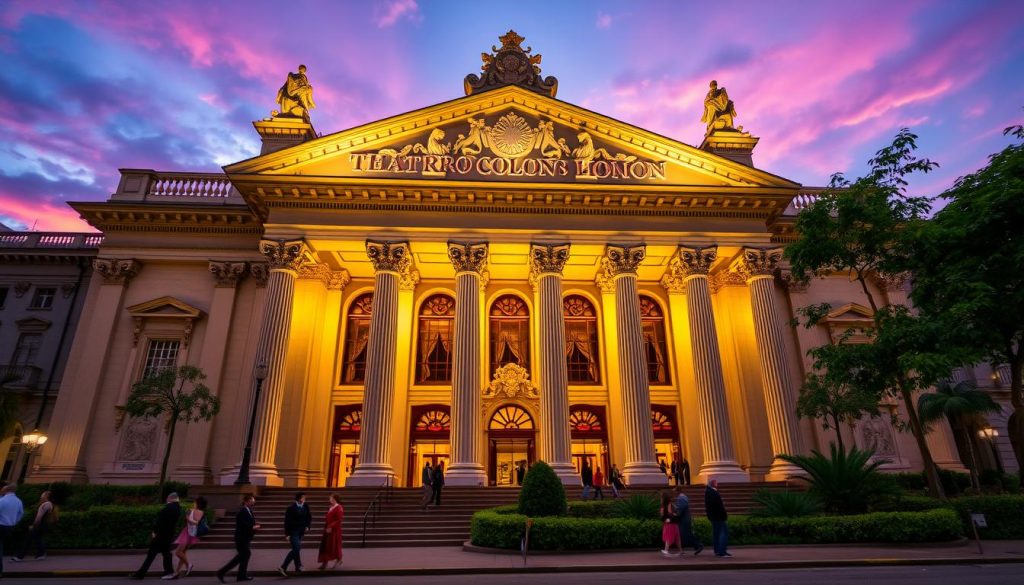
Teatro Colón in Buenos Aires is among the world’s top five opera houses. It’s known for amazing acoustics and beautiful architecture. It’s a key spot for cultural activities in Buenos Aires. Whether you love opera and ballet or just enjoy the arts, Teatro Colón is captivating for everyone.
Opera and Ballet Shows
Teatro Colón offers top-notch opera and ballet performances. Since opening in 1908 with Aida, it’s been a key cultural site. Productions like La bohème have graced its stage over 50 times. Over 2,000 seats and room for more than 120 musicians make every show immersive.
Tickets to these shows are highly sought after. In May 2023, fans lined up more than an hour early for The Magic Flute. Some fans even traveled 300 kilometers from Rosario, showing the theater’s huge appeal.
Guided Tours of the Theater
Teatro Colón also offers guided tours every 15 minutes, from 9 AM to 5 PM. These tours reveal the venue’s lush interiors and superb acoustics. Each visit offers a deep dive into its architecture, halls, and history, appealing to anyone interested in Buenos Aires’ culture. The last tour begins at 3 PM on show afternoons, giving plenty of time for exploration.
The tours cost ARS 18,000 (about $21). Despite the price increase from ARS 250, they are still essential for visitors and locals alike.
| Features | Details |
|---|---|
| Opening Year | 1908 |
| Seating Capacity | Over 2,000 |
| Orchestra Pit Capacity | Over 120 musicians |
| Tour Entry Fee | ARS 18,000 (~$21) |
| Tour Start Times | Every 15 minutes |
| Operating Hours | 9 AM – 5 PM |
Shop at Traditional Markets and Fairs
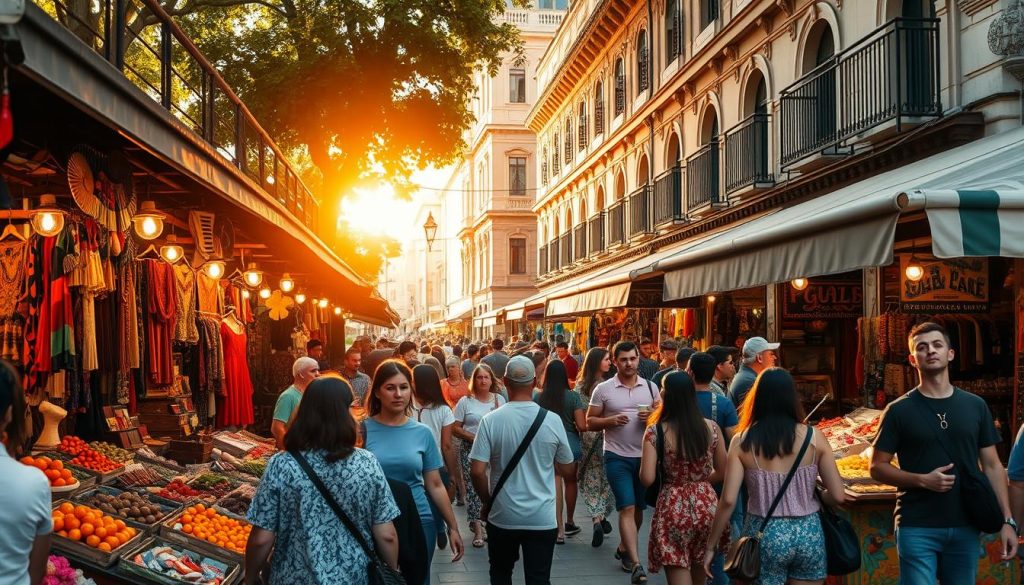
Buenos Aires is perfect for those who love markets. These places are bustling and full of life. They offer a glimpse into the local culture and traditions with a wide range of items. Shoppers can find everything from unique antiques to handmade crafts.
San Telmo Street Fair
The San Telmo Street Fair is a highlight for visitors. It happens every Sunday. From 8 am to 6 pm, Calle Defensa is filled with stalls. You’ll find antiques, handmade goods, and vintage items. Street performers make the atmosphere lively and fun.
Recoleta’s Weekend Market
Don’t miss Recoleta’s Weekend Market for a unique shopping experience. It’s open on Saturdays and Sundays, from 11 am to 8 pm. Located near the Recoleta Cemetery, it offers artisan crafts in a beautiful setting. This makes it perfect for tourists looking for special, handcrafted items.
Plaza Italia Market
Plaza Italia Market is another must-see. It’s great for weekend outings. With everything from books and clothes to food, there’s something for everyone. It’s open from 10 am to 5 pm on Saturdays and Sundays. This market showcases the city’s lively culture and commerce.
| Market | Days Open | Hours | Specialties |
|---|---|---|---|
| San Telmo Street Fair | Sunday | 8 am – 6 pm | Antiques, Artisanal Goods, Vintage Items |
| Recoleta’s Weekend Market | Saturday, Sunday | 11 am – 8 pm | Artisan Crafts |
| Plaza Italia Market | Saturday, Sunday | 10 am – 5 pm | Books, Clothing, Food Items |
Admire Art at Buenos Aires’ Museums
Buenos Aires museums are filled with fine and modern art. Each one has a mix of Argentine and international pieces. You’ll find iconic works and fresh exhibitions. Let’s look at some top museums to visit.
National Museum of Fine Arts
The National Museum of Fine Arts stands out in Buenos Aires. It holds over 700 works by 19th-century European artists like Francisco Goya and Vincent Van Gogh. Plus, you can join free guided tours on Tuesdays, Wednesdays, and Fridays at 1 p.m.
Fundación Proa
Fundación Proa is known for its modern exhibits. At 20 years old, this museum is famous for showing works by global artists. It’s a key part of Buenos Aires’ art scene.
MALBA – Latin American Art Museum
The MALBA – Latin American Art Museum is crucial in South America. It houses works by Diego Rivera and Frida Kahlo. The museum shines a light on Latin American art’s evolution and its significance in Buenos Aires.
Buenos Aires was chosen as the first partner for Art Basel’s “Cities” initiative. This focuses on boosting cultural opportunities worldwide. This partnership highlights the city’s strong position in the art world.
Visiting these museums takes you deep into Buenos Aires’ art world. You get a unique look at art in the city and its importance globally.
Conclusion
Your adventure in Buenos Aires will be one to remember. It offers a unique mix of Europe and Latin America. From the bright streets of La Boca to elegant tango venues, it has something for each person.
As you explore its neighborhoods, dive into the local culture. Marvel at historic sites, and try famous Argentine food. It’s clear why so many love Buenos Aires.
This city appeals to lovers of history, arts, and sports. Or those wanting to unwind in its parks. A tip for Buenos Aires: dine late, as locals eat around 9 to 10 PM. Try top steaks and ice cream from Persico and Lucciano’s. Enjoy the culture at milongas and weekend markets full of crafts and shows.
This guide to Buenos Aires’ top activities should help plan your visit. Tailor your trip to match your interests. Experience its architectural wonders, art museums, markets, and parks. Wishing you an unforgettable trip to the Argentine capital!