Explore the Captivating Afro-Brazilian Culture in Salvador
Thinking about visiting Brazil? You might wonder about Salvador’s Afro-Brazilian culture. It’s unique and captivating, thanks to its rich history and cultural mix. Salvador offers a deep dive into Afro-Brazilian heritage through its festivals, music, and food.
Salvador, the capital of Bahia, is Brazil’s heart of Afro-Brazilian culture. It’s filled with cultural events, parades, and concerts all year. The city’s culture is a blend of African, Portuguese, and indigenous traditions. This makes it a great place to explore and immerse yourself in Afro-Brazilian culture.
The Historical Roots of Salvador’s Afro-Brazilian Heritage
Exploring Salvador’s rich culture means understanding its Afro-Brazilian roots. The transatlantic slave trade brought millions of Africans to Bahia. This had a huge impact on Salvador’s unique culture.
Salvador’s history as a major slave port shaped its culture. Today, it’s home to over 80% of Brazil’s Afro-Brazilian people. The city’s vibrant Afro-Brazilian culture shows the strength and creativity of the African diaspora.
Some key facts about Salvador’s Afro-Brazilian heritage include:
- Salvador is recognized as the epicentre of Afro-Brazilian culture in Brazil.
- Bahia is identified as the birthplace of Brazil’s vibrant Afro-Brazilian culture.
- The Afro Brazil Museum explores various African rituals and traditions that contributed to Bahian culture.
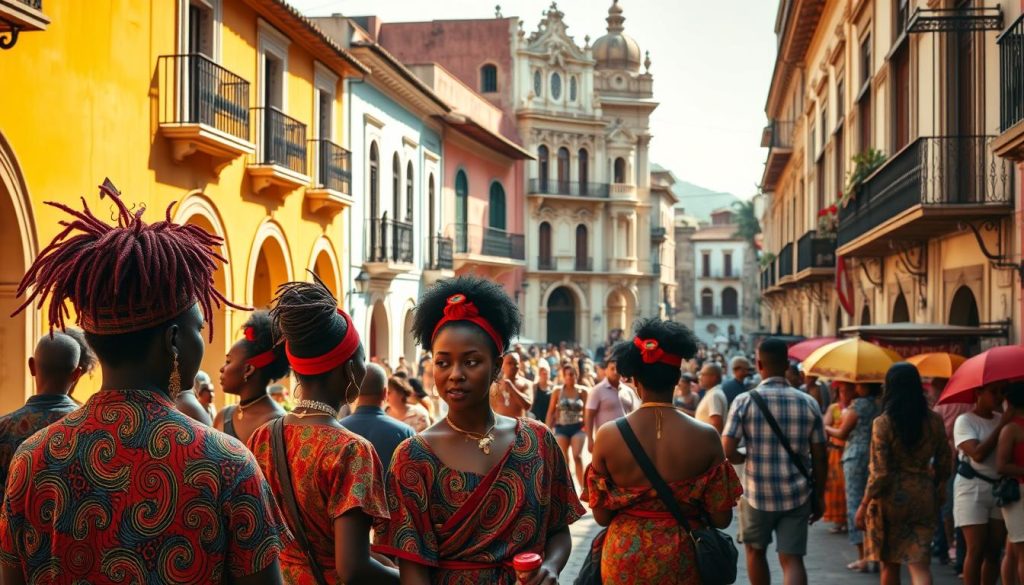
The culture in Bahia is a mix of African, European, and indigenous influences. The transatlantic slave trade was key to its development. As you explore Salvador, you’ll see the Afro-Brazilian community’s rich heritage. This includes vibrant music, dance, delicious food, and stunning architecture.
How to Experience the Afro-Brazilian Culture in Salvador
To dive into the Afro-Brazilian culture in Salvador, head to the Pelourinho neighborhood. It’s a UNESCO World Heritage Site with colonial-era streets and baroque buildings. This area is full of Afro-Brazilian traditions, with many cultural landmarks, museums, and places for performances. Pelourinho is the ideal spot to begin your journey into Salvador’s Afro-Brazilian heritage.
Attending cultural events and festivals is a great way to experience Salvador’s Afro-Brazilian traditions. The city has many events all year, like the Festa de Iemanjá in February and the Lavagem do Bonfim in January. These events highlight the city’s rich culture and let you connect with the local community. Don’t miss the Afro Brazil Museum to discover the rituals and traditions that shaped Bahian culture.
Some popular activities to experience Afro-Brazilian culture in Salvador include:
- Visiting the Pelourinho neighborhood and its historic landmarks
- Attending cultural events and festivals, such as the Festa de Iemanjá and the Lavagem do Bonfim
- Trying traditional Afro-Brazilian cuisine, such as acarajé and abará
- Watching a capoeira performance or taking a class to learn this traditional martial art
- Visiting the Afro Brazil Museum to learn more about the city’s cultural heritage
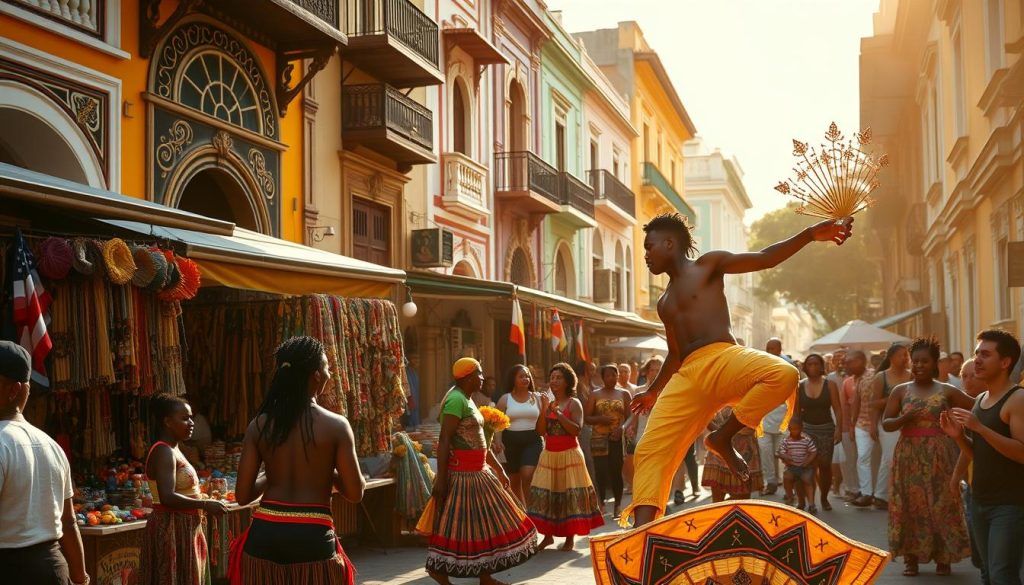
By exploring the Afro-Brazilian culture in Salvador, you’ll understand the city’s rich heritage and its role in Brazilian history. The cultural experience in Salvador is unique and rewarding. The best way to experience it is by joining the local community and participating in cultural events and traditions.
Understanding Salvador’s Religious Traditions
As you explore Salvador, you’ll find a rich mix of Afro-Brazilian spirituality. This mix is deeply rooted in the city’s history and culture. Salvador’s traditions blend African, Portuguese, and indigenous influences. Candomblé practices are a big part of this spiritual scene.
The city has many sacred temples and terreiros. These places are key for Candomblé practices and rituals. They are not just for locals but also draw visitors worldwide. These visitors want to see the lively Salvador religious traditions.
Throughout the year, many religious festivals happen. These events show the wide range and depth of Afro-Brazilian spirituality in Salvador.
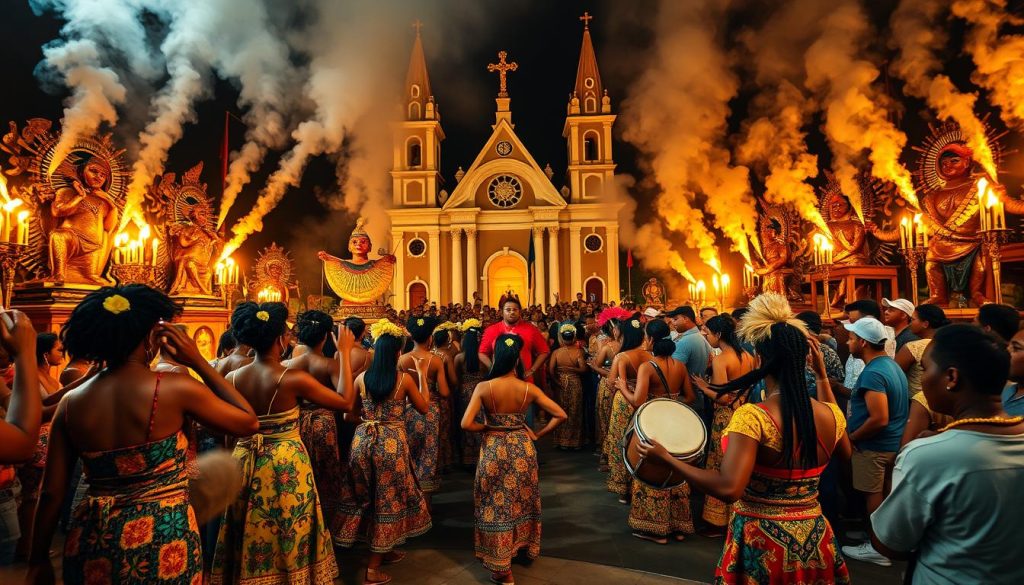
- Candomblé rituals and ceremonies, which are an integral part of the city’s spiritual heritage
- The significance of sacred temples and terreiros, which serve as community hubs and spiritual centers
- The vibrant religious festivals and celebrations, which reflect the city’s rich cultural diversity
Exploring Salvador’s religious traditions helps you understand the city’s unique culture. You’ll see how Afro-Brazilian spirituality shapes the local community.
Immersing Yourself in Salvador’s Music Scene
Exploring Salvador, you’ll find a mix of Afro-Brazilian music, samba, and axé. The city’s music is a blend of African beats, European sounds, and indigenous touches. This mix creates a lively and heartfelt sound.
Attending a live show is a great way to dive into the city’s music. Olodum, a famous percussion band, often plays at Largo da Tieta. You can also check out bars in Rio Vermelho’s Bohemian Quarter. There, you’ll find samba, forró, and axé music in the evenings.
Some top spots for music in Salvador include:
- Largo da Tieta: A historic square with live music, like Olodum’s shows
- Rio Vermelho: A bohemian area with many bars and live music spots
- Barra: Known for live music and dancing, focusing on samba and axé
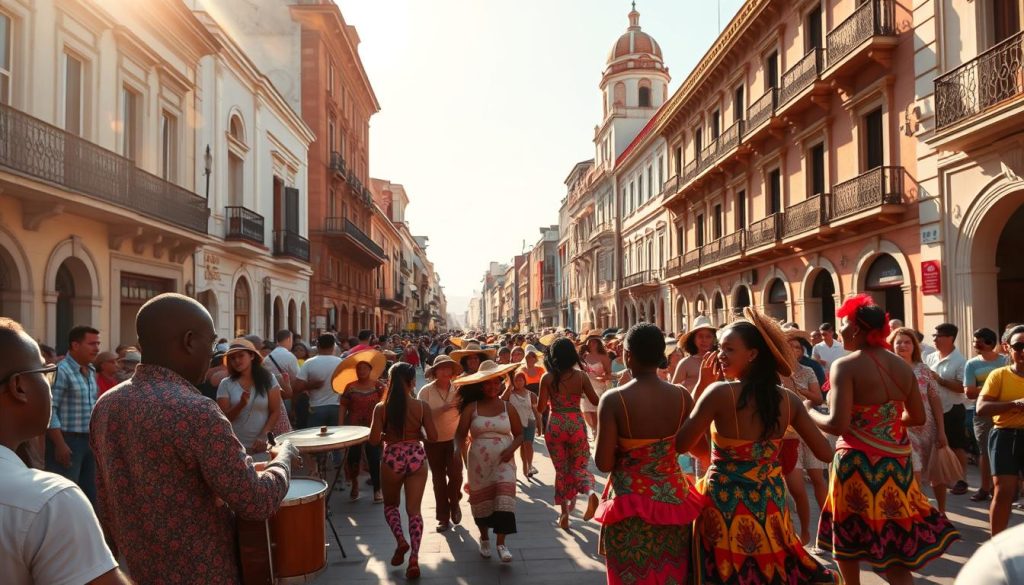
To really get into Salvador’s music, try a music festival or event. The Carnival is a highlight, showing off Afro-Brazilian culture and music. Salvador’s music scene is a memorable experience that will make you want more.
Traditional Bahian Cuisine and Culinary Experiences
Exploring Salvador reveals the rich flavors of Bahian cuisine. This mix of African, Indigenous, and Portuguese tastes is unique. You’ll find dishes like acarajé, moqueca, and abará, showing off Bahian’s culinary diversity.
Visiting food markets and street vendors is essential. Here, you can try traditional dishes and sweet treats like cocada and paçoca. The markets’ smells, sounds, and tastes are unforgettable. You’ll also meet locals who love their food.
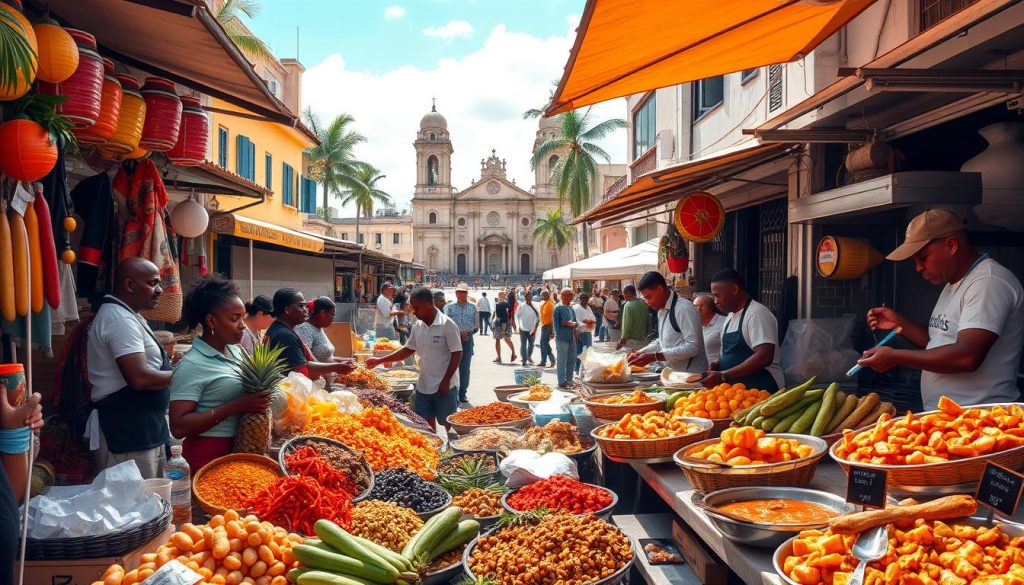
For a deeper dive into Bahian cuisine, take a cooking class or food tour. These activities let you learn about local ingredients and cooking methods. You’ll discover the role of dendê oil, coconut milk, and spices in Bahian dishes.
Some dishes you must try include:
- Acarajé: a crispy fried dough filled with spicy shrimp or peanut paste
- Moqueca: a hearty fish stew cooked in coconut milk and spices
- Abará: a steamed dumpling filled with mashed beans and spices
Exploring Bahian cuisine and culinary experiences enriches your understanding of Salvador’s culture. Whether you love food, history, or just exploring, Salvador’s culinary scene has something for everyone.
Art and Architecture in the Pelourinho District
The Pelourinho district is a treasure trove of colonial architecture. Its vibrant pastel-colored buildings show the city’s rich cultural identity. As you wander through the historic streets, you’ll see a mix of Afro-Brazilian art and colonial influences.
The area is filled with historic landmarks. The Nossa Senhora do Rosário dos Pretos church is one of them. It played a big role in ending slavery in Bahia.
The Pelourinho district is famous for its stunning colonial architecture. Buildings from the 17th and 18th centuries line the streets. The Afro Brazil Museum is a must-see. It offers insights into Bahian culture and the impact of Afro-Brazilian heritage.
Some of the key attractions in the Pelourinho district include:
- Colonial-era buildings with vibrant pastel-colored facades
- Historic landmarks like the Nossa Senhora do Rosário dos Pretos church
- The Afro Brazil Museum, showcasing the history and culture of Afro-Brazilian heritage
- Stunning examples of colonial architecture, reflecting the city’s rich cultural past
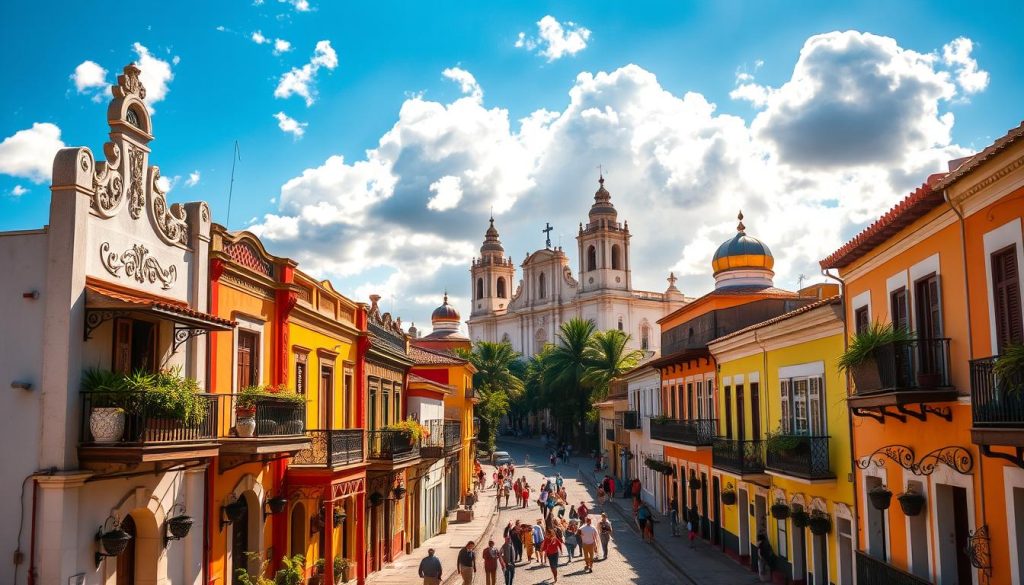
The Pelourinho district is vibrant and culturally rich. It has a unique mix of Afro-Brazilian art, colonial architecture, and historic landmarks. Exploring the district, you’ll learn about its significance and how it shapes the city’s culture.
The area’s stunning architecture, historic landmarks, and lively culture make it a must-see. It’s perfect for anyone wanting to dive into Salvador’s rich cultural heritage.
Experiencing Salvador’s Vibrant Festivals
Exploring Salvador, you’ll find many vibrant festivals. These events show off the city’s rich culture. You can enjoy everything from Salvador festivals to the famous Carnival. The Festa de Iemanjá on February 2nd is a highlight, drawing thousands.
Some key festivals in Salvador include:
- Carnival: one of the largest street festivals in the world, attracting over 2 million participants each year
- Festa de Iemanjá: a celebration that draws around 300,000 attendees to Rio Vermelho beach
- Lavagem do Bonfim: a festival that sees participation from approximately 100,000 people who wash the steps of the Bonfim Church
These festivals are a great way to see Salvador’s unique culture. You’ll meet locals and tourists. Salvador’s rich history, vibrant music, and stunning beaches make it perfect for experiencing Afro-Brazilian culture. 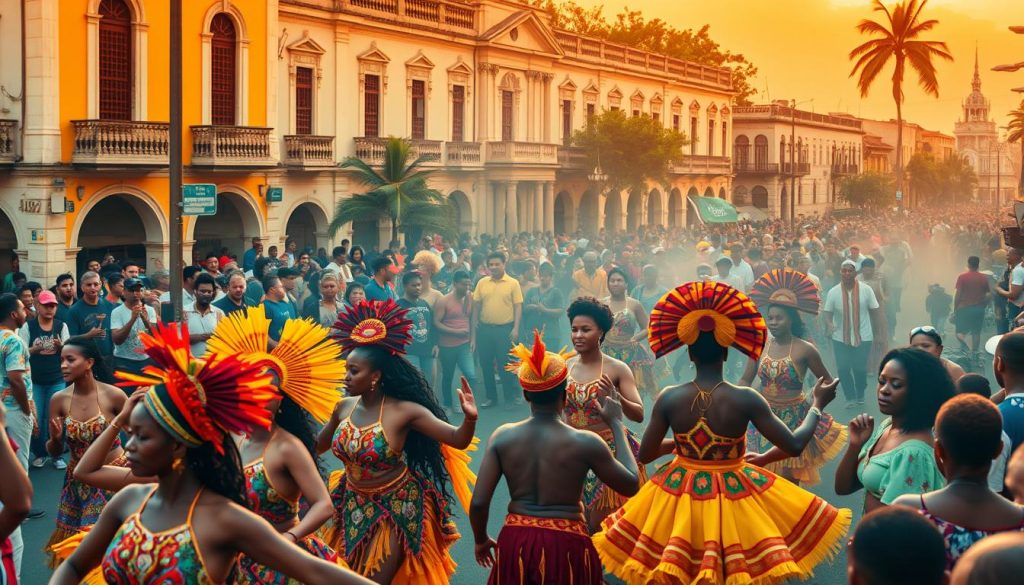
Traditional Crafts and Shopping in Salvador
Salvador offers a wide range of traditional crafts and authentic souvenirs. You can find colorful textiles and intricate woodcarvings in the city’s markets and shops. The Mercado Modelo is a great place to start, with over 200 stores on two floors.
Local artisan workshops are also worth visiting. Here, you can see crafts being made and even take a class. Workshops like the House of Boqueirão and Agá Studio showcase high-quality art and decoration pieces.
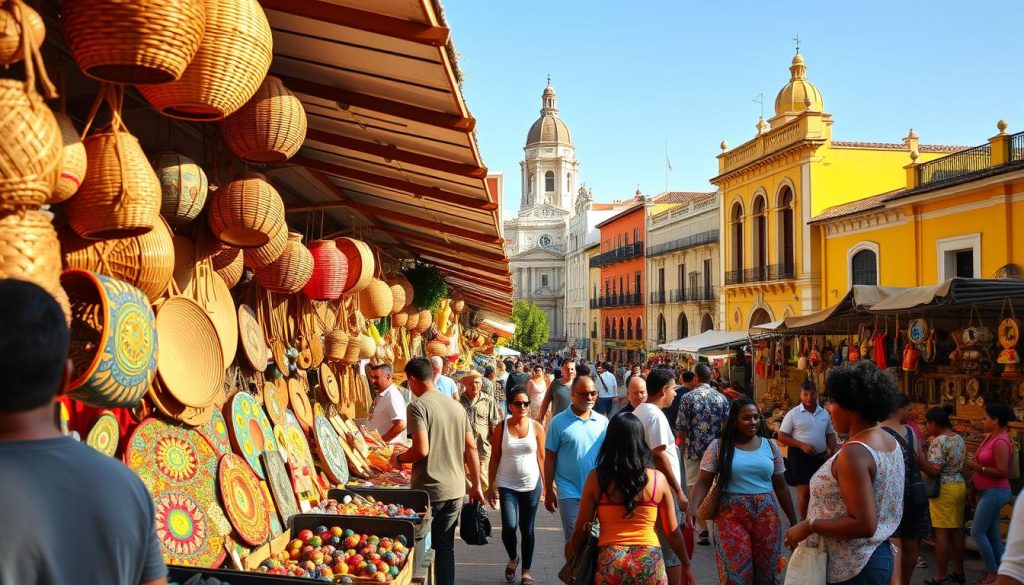
For a modern shopping experience, Salvador has several malls like Shopping Barra and Salvador Shopping. These malls have a variety of stores. But, for something truly authentic, try the markets and fairs. You can find unique souvenirs like bonfim ribbons and traditional Bahian clothing.
When shopping in Salvador, remember to haggle and bring cash. Weekdays are better for a peaceful shopping experience. Salvador’s rich culture and traditional crafts make shopping here a rewarding experience.
Best Neighborhoods for Cultural Exploration
Exploring Salvador, you’ll find many neighborhoods rich in Afro-Brazilian culture. The Pelourinho district and Rio Vermelho are highlights. Both are known for their vibrant cultural scenes.
These areas mix history, music, and art beautifully. Walking through Pelourinho’s cobblestone streets, you’ll see colonial buildings. Don’t miss the Afro-Brazilian Museum to dive into the city’s heritage.
Some top spots include:
- Pelourinho: historic district with colonial architecture
- Rio Vermelho: vibrant cultural scene with music and art
- Centro: bustling area with shops, restaurants, and cultural attractions
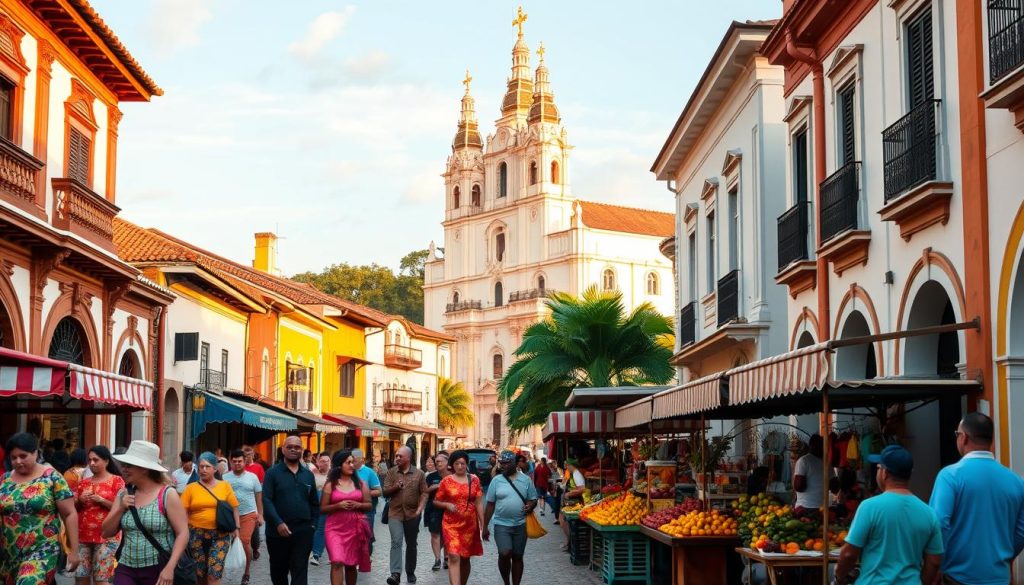
Exploring these neighborhoods, you’ll understand Salvador’s Afro-Brazilian culture better. Salvador offers something for everyone, whether you love music, art, or history. It’s a key place for cultural exploration.
Conclusion: Embracing Salvador’s Rich Cultural Heritage
Exploring Salvador reveals the importance of its Afro-Brazilian culture and the need to protect its Salvador cultural heritage. The city has about 2.9 million people, with 80% being Afro-Brazilian. This makes Salvador the largest place outside Africa with Afro-descendants.
Your cultural experience in Salvador will be enhanced by its historic district, Pelourinho, a UNESCO World Heritage Site. The city also hosts many cultural events and festivals, like the famous Carnival and Black Consciousness Day. You can dive into the local art scene, which includes traditional crafts and savor Bahian cuisine, influenced by African, Indigenous, and Portuguese cultures.
Some of the top attractions and experiences in Salvador include:
- Visiting the Elevador Lacerda, one of the largest open-air elevators in the world
- Exploring the Mercado Modelo, a marketplace featuring over 200 stalls showcasing local crafts and cuisine
- Attending a cultural event or festival, such as the Festa de Iemanjá or Carnival
- Discovering the city’s vibrant music scene, with genres like samba and axé music
In conclusion, Salvador’s cultural heritage is a unique treasure. By embracing it, you’ll have an unforgettable cultural experience. With its vibrant Afro-Brazilian culture, stunning architecture, and natural beauty, Salvador will leave you with lasting memories and a deeper appreciation for human culture’s diversity and richness.
Final Thoughts on Salvador’s Afro-Brazilian Culture
Exploring Salvador’s Salvador Afro-Brazilian culture shows why it’s a top spot for a deep cultural experience. The city’s rich Afro-Brazilian heritage is seen everywhere. From samba and axé music to Candomblé’s captivating rituals.
Salvador’s history is tied to the transatlantic slave trade, bringing millions of Africans here. Now, the city celebrates its Afro-Brazilian roots with festivals, food, and art. By diving into this culture, you learn about the Afro-Brazilian people’s strength and creativity.
Leaving Salvador, you’ll appreciate the community’s lasting spirit and their dedication to their heritage. The city’s samba, Candomblé, and Bahian food will stay with you. These memories will inspire you to come back and explore more of Salvador’s Afro-Brazilian essence.