Explore the Best Minneapolis Historic Mill Tour!
Ever wondered how Minneapolis turned from a quiet settlement to the “Mill City”? The Minneapolis historic mill tour takes you on a journey through the city’s rich past. It highlights the best historic mills that shaped its identity. You’ll learn about the flour milling industry, its impact, and the landmarks that remain from that time.
Get ready to dive into a world where history and culture meet. You’ll see how these mills helped shape Minneapolis and American history. Are you ready to visit these landmarks and see why they’re a must-see?
Introduction to Minneapolis’ Historic Mills
Minneapolis’ milling history is a story of growth and innovation. The city became the world’s flour milling capital thanks to its hard work. The mills along the Mississippi River show how the city changed the economy and culture.
Every mill had a big role in making Minneapolis what it is today. New milling technology brought jobs and investors. Inside these mills, you can hear stories of hard work and quiet moments of thought from the past.
Seeing these mills shows how important they were to Minneapolis. They show off their beauty and the old ways of milling. Visiting these sites lets us see the old technology and learn about the city’s past.
The Rich Heritage of the Flour Milling Industry
The story of Minneapolis flour milling is a big part of the city’s history. In the 1850s, the city changed a lot as steam and water-powered mills came into use. The Mississippi River gave Minneapolis a big advantage by providing water power. This helped make Minneapolis a key place for milling.
People like Cadwallader C. Washburn played a big role in starting the milling industry. They helped make the city’s economy strong.
The Birth of Minneapolis as a Milling Hub
The history of milling in Minneapolis has many important moments. Building mills by the river helped turn grains into flour. This made Minneapolis known as “Mill City.”
These businesses made Minneapolis important in the region and even across the country. They helped make flour production a big deal in Minneapolis.
Impact of Mills on Minneapolis’ Development
The milling industry did more than just make money for Minneapolis. It helped the city grow by creating jobs and encouraging new ideas. The Minneapolis Grain Exchange became a key part of the city’s economy.
It affected things like transportation and building projects. The old mills changed Minneapolis in big ways. They helped shape the city’s future.
Top Historic Mills You Must Visit
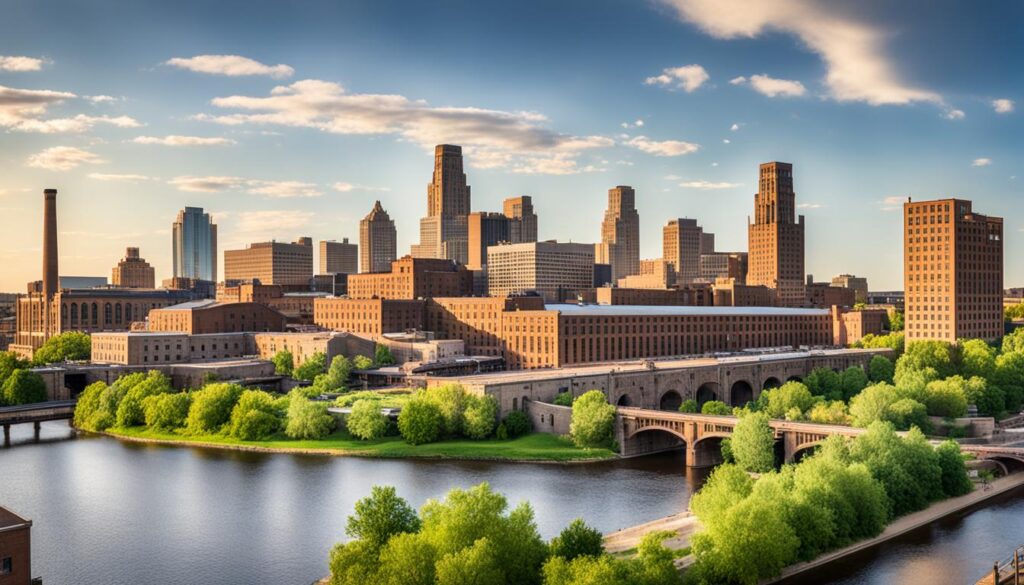
Exploring Minneapolis’ historic mills gives us a peek into the innovations that changed the city and the grain industry. These sites tell the story of how Minneapolis became a key milling center. It’s a journey through time that you won’t want to miss.
The Mill City Museum
Don’t miss the Mill City Museum, right on the site of the Washburn A Mill. It’s a place where history comes alive with interactive exhibits for everyone. You’ll see the 19th-century architecture and learn about flour milling’s importance.
Washburn A Mill Historic Site
The Washburn A Mill is a must-see for milling history in Minneapolis. Guided tours take you through its operational history. Plus, you get to see the beautiful riverfront views. It’s a top spot for learning and enjoying the scenery.
The Pillsbury A Mill
At Pillsbury A Mill, discover how it was a key player in Minneapolis’ flour milling. Once one of the biggest mills globally, its legacy lives on. You’ll learn about the innovations here, celebrating the city’s hardworking spirit.
Minneapolis Historic Mill Tour: What to Expect
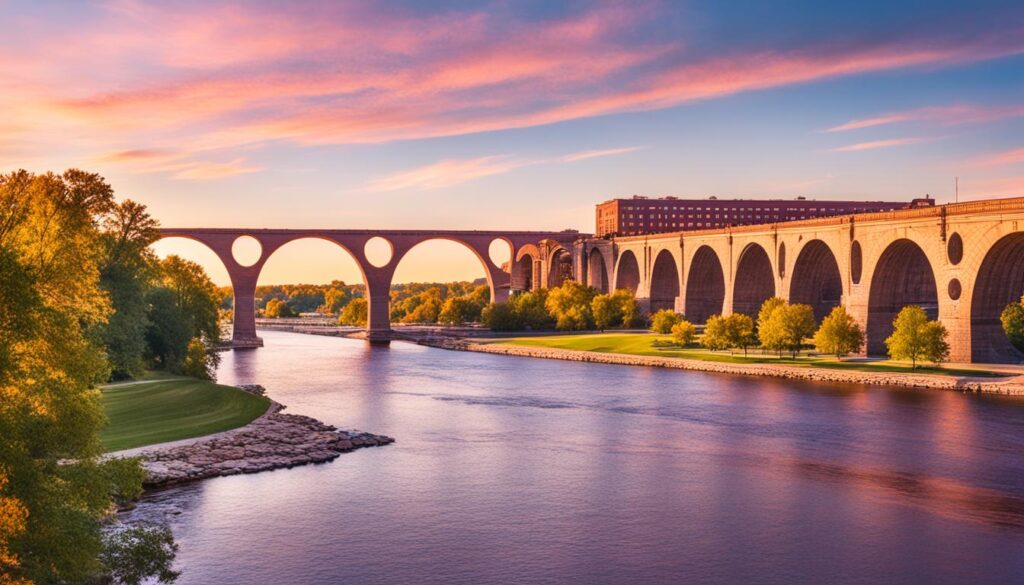
Discover the charm and importance of Minneapolis’ historic mills with different tour options. You can pick from guided or self-guided tours. Each style offers unique insights into the city’s history. Choose what fits your style and explore the rich history of these sites.
Guided Tour Experience
A guided tour in Minneapolis takes you deep into the history of the mills. Knowledgeable guides share stories and facts about the mills and their role in the city’s growth. You’ll see places you might miss on your own and hear tales that bring history to life.
Self-Guided Options
If you like to explore at your own pace, try a self-guided tour of the mills in Minneapolis. Use maps and apps to find your way around. This way, you can spend more time at places that interest you the most. It makes your tour a personal and meaningful experience.
Best Times to Visit the Historic Mills
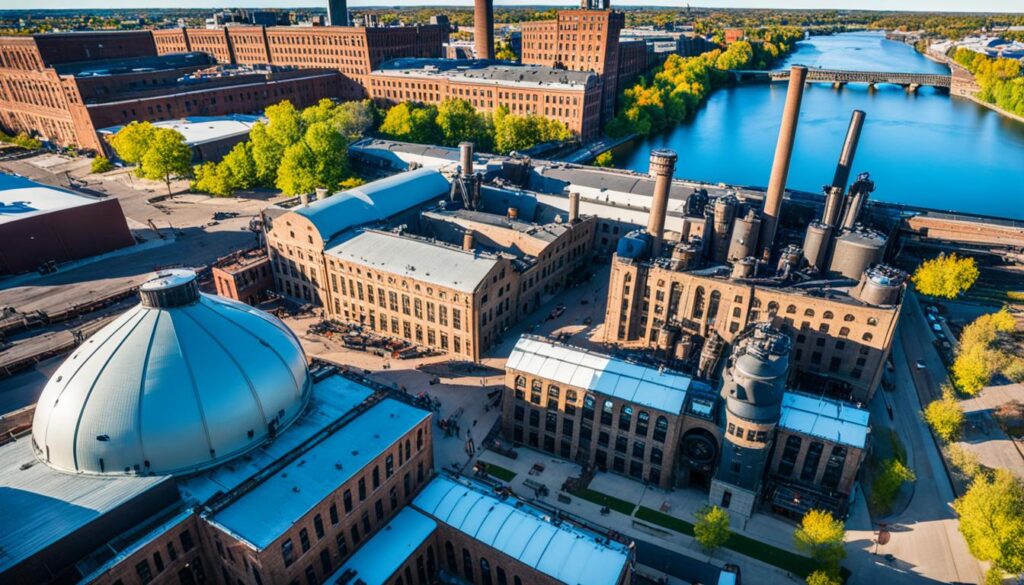
Knowing when to visit the historic mills in Minneapolis can make your trip better. Seasonal events in Minneapolis let you dive into local culture and history. Events like the Mill City Farmers Market let you try local foods and feel the community vibe. Plan your visit during these times for a rich experience full of activities and connections.
Seasonal Events and Activities
The historic mills have seasonal events that match your visit. These events often highlight local crafts, food, and educational programs. Going to these events adds more to your visit and might show you new parts of Minneapolis’ milling history.
Weather Considerations
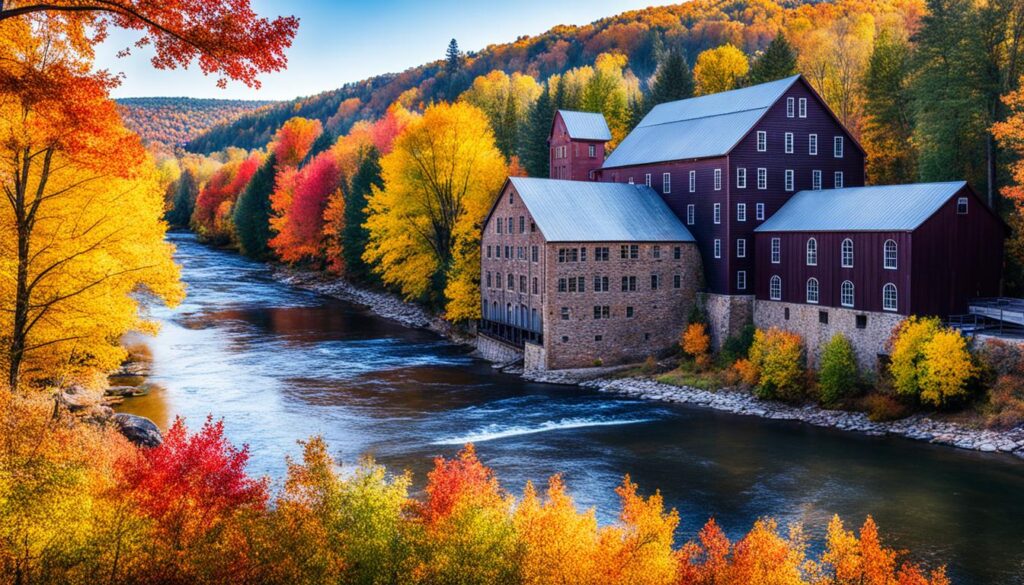
The weather in Minneapolis changes, affecting your visit. Summer is warm and great for being outside, while fall is perfect for photos with its beautiful leaves. Winter is cold, so be ready if you visit then. Spring brings back the beauty of nature, offering a lovely view. Knowing the weather helps you pick the best time to visit and plan for a great trip.
Explore Minneapolis Mills: A Walk Through History
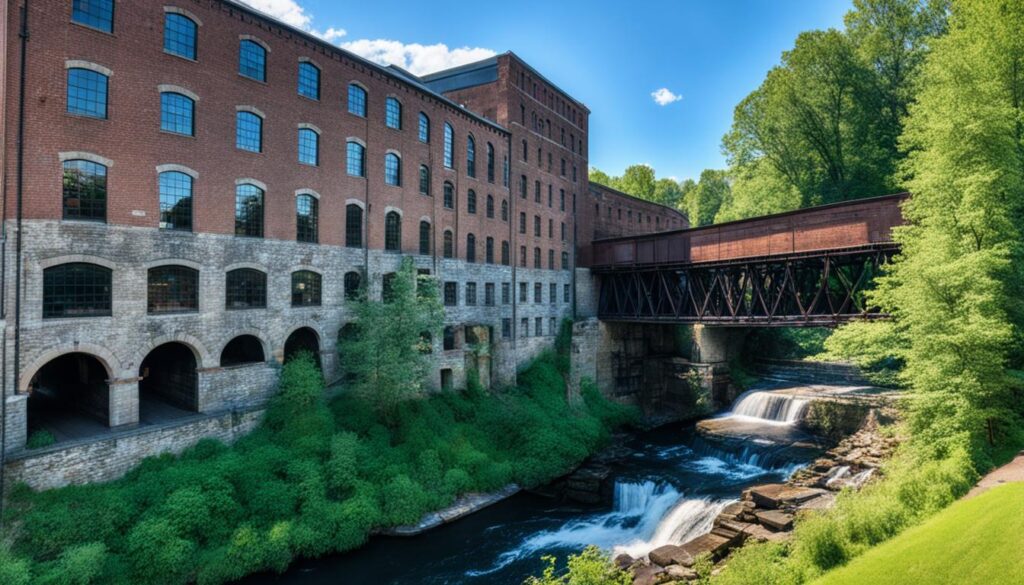
Start a journey through Minneapolis to connect with its rich milling history. This walk takes you through old factories, each telling stories of innovation and hard work.
As you walk, notice the detailed designs and old remnants that shape the city. Many mills, once full of life, now share stories of those who worked there. Every step shows you hidden spots linking today to important moments in Minneapolis’s past.
Take in the sights and sounds around you, feeling the vibe of restored industry sites. These preserved places invite you to explore, teaching about milling and the big role they played in Minneapolis’s growth.
Tips for Enjoying Your Historic Mill Tour
Getting ready is key for a great visit to Minneapolis’ historic mills. Knowing what to bring makes your trip better and helps you capture the best moments. Here are some must-haves to make your visit unforgettable.
What to Bring
When planning your trip, think about these essentials for historic tour Minneapolis:
- Water: It’s important to stay hydrated during your tour.
- Snacks: Bring some light snacks to keep your energy up.
- Comfortable Footwear: You’ll be walking a lot, so wear comfy shoes.
- Camera: Don’t forget your camera or smartphone for taking photos.
- Extra Battery or Charger: Keep your devices charged to capture everything.
Photography Opportunities
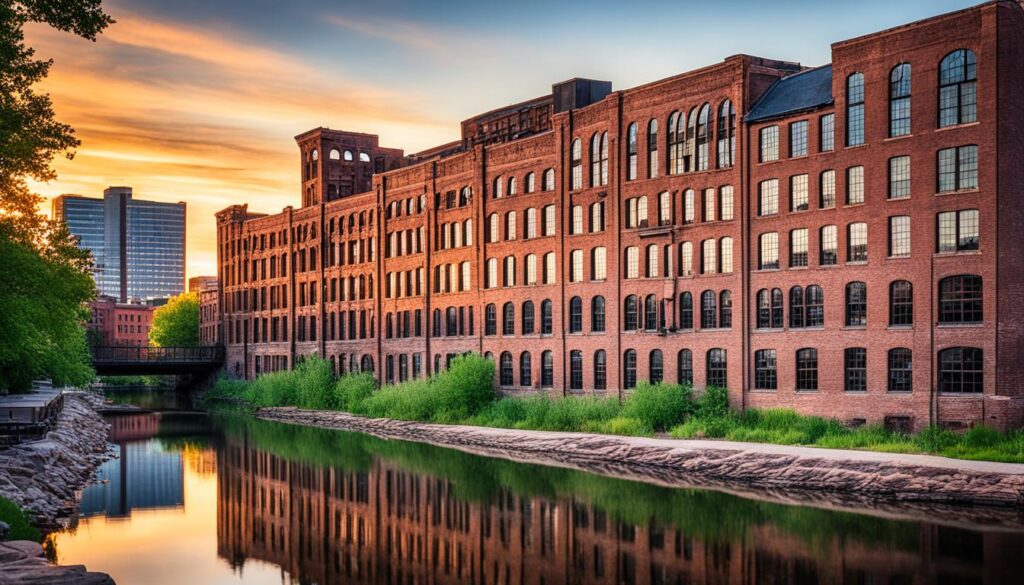
The mills offer many chances to take great photos. Here are some tips for finding the best photo spots Minneapolis:
- Golden Hour: Visit during sunrise or sunset for amazing light.
- Unique Angles: Look for different views around the mills.
- Detail Shots: Take close-ups of the mill’s details.
- Historic Context: Include signs or people in your photos to show the history.
Accessibility of Historic Mills in Minneapolis
Visiting the historic mills in Minneapolis is easy for everyone. You can pick from public transport, biking, or driving to get there. This makes your trip smooth and fun as you learn about these landmarks.
Transportation Options
There are many ways to get around Minneapolis to reach the historic mills. Here are some choices:
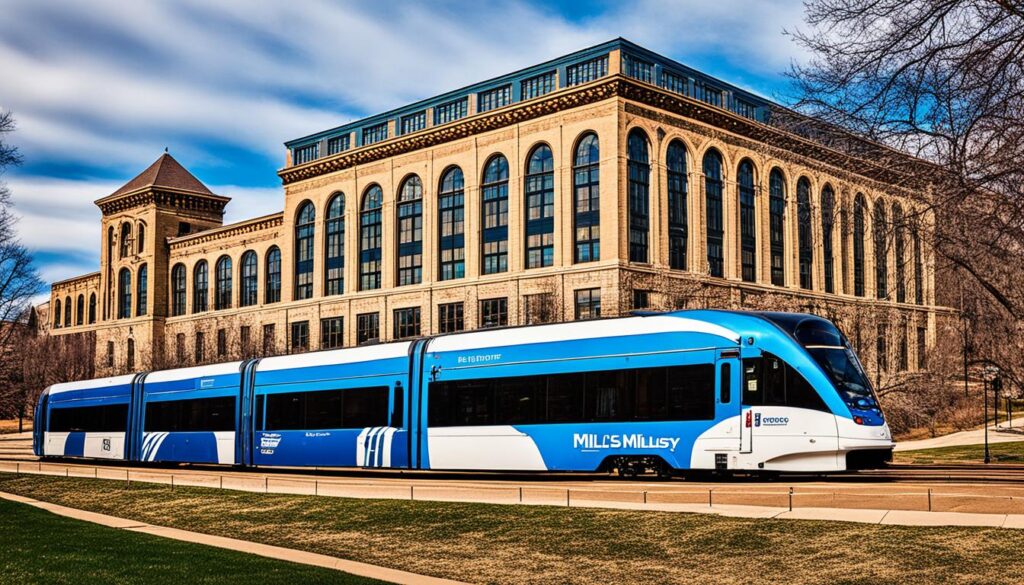
- Public Transit: Metro Transit has buses and light rail that go to the mills.
- Bicycle Paths: The city has many bike paths. This is great for those who want to see the sights while they ride.
- Parks and Parking: There’s plenty of parking near the mills for those who drive.
Facilities for Visitors
The historic mills in Minneapolis have everything you need for a great visit. You’ll find:
- Restrooms: These are easy to get to at each mill.
- Visitor Centers: You can find brochures and info at the on-site centers.
- Guided Tours: Many places offer tours that tell you all about the mills’ history and importance.
With these options and facilities, planning your trip to the historic mills is easy and fun. Use the amenities for tourgoers to fully enjoy your visit in this lively area.
Why a Guided Mill Tour in Minneapolis is Worth It
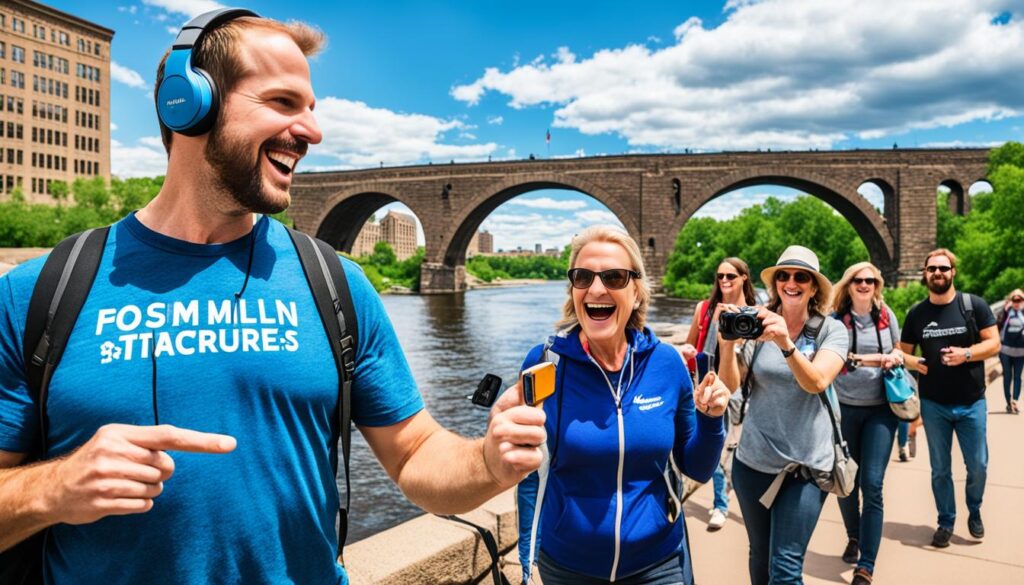
Joining expert guided tours in Minneapolis lets you dive deep into the city’s milling history. Guides share more than just facts; they add a personal touch that makes the tour special. Their insights into the mill’s history help you understand its importance.
Expert Insights from Guides
Guided tours offer knowledge from experts who know the milling industry well. They tell stories and share details you won’t find in books. You’ll learn about the lives of mill workers and how milling affected the economy, linking the past to today.
Unique Perspectives on Mill History
Guided tours change how you see Minneapolis’ milling culture. Guides show you the stories of the community and industry. This new view lets you see the people and events that made the mills what they are today.
Historical Mill Tour Minneapolis: Ideal for All Ages
The historic mills in Minneapolis are perfect for visitors of all ages. They offer family-friendly tours that make learning fun. Kids can explore the milling industry’s role in the city’s growth. The tours have interactive exhibits that keep kids interested and teach them about history.
Adults also find these tours engaging and informative. They get to learn new things in a fun way. The tours mix history with hands-on activities for a great experience.
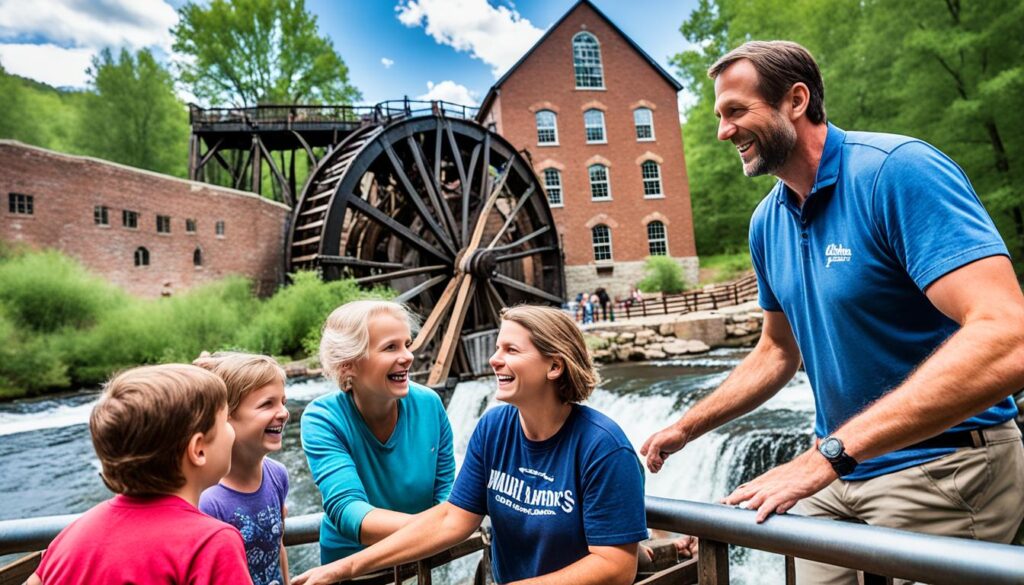
These tours are well-planned for families. They make sure everyone learns and has fun. With storytelling and guided tours, every moment is designed to be unforgettable.
| Age Group | Activities Offered | Learning Outcomes |
|---|---|---|
| Children | Interactive Exhibits, Story Time | Understanding Milling Processes |
| Teens | Hands-On Workshops, Tours | Historical Context of Minneapolis |
| Adults | Guided Historical Tours, Lectures | Insight into Industrial Revolution |
Everyone leaves with a deeper love for Minneapolis’s history. These tours are a great way to connect with the past. They’re perfect for families who want to learn together.
Conclusion
The Minneapolis mill tour recap shows how historic mills shaped the city’s identity. Visiting places like the Mill City Museum and the Washburn A Mill Historic Site takes you back in time. You see how the flour milling industry helped Minneapolis grow economically and culturally.
Exploring Minneapolis’ heritage teaches you about the milling process and the city’s innovative spirit. The mills’ unique architecture and stories make the journey through time exciting.
Whether you’re on a guided or self-guided tour, don’t miss out on the rich history and culture of these mills. It’s a chance to learn and enjoy, giving you a deeper look into this amazing city.