

Explore Sustainable Options for Your Cape Town Trip
Are you planning a trip to a city known for its stunning natural beauty and rich cultural heritage? As you prepare for your journey, you might wonder: How can you make your visit more eco-friendly?
This city is embracing eco-tourism. It offers a range of options for accommodations, activities, and dining. These choices not only reduce environmental impact but also make your experience richer. By choosing sustainable options, you help preserve the city’s beauty and heritage for the future.
Learn how to make your trip both memorable and good for the environment.
Why Cape Town Is Perfect for Sustainable Travel
Cape Town is becoming a top spot for eco-friendly travel. It combines stunning natural beauty with green tourism efforts. When you plan your visit, you’ll see the city’s dedication to being green.
Cape Town’s Commitment to Sustainability
Cape Town is working hard to lessen its environmental impact. The city has started programs to save water, cut down on waste, and use energy wisely. Many hotels and places to stay in Cape Town are using solar power and avoiding single-use plastics.
The Growing Eco-Tourism Movement in South Africa
South Africa, and Cape Town in particular, are seeing a big rise in eco-tourism. This movement helps local economies and protects nature and wildlife. As a traveler, you can help by picking eco-friendly tour operators and supporting local communities.
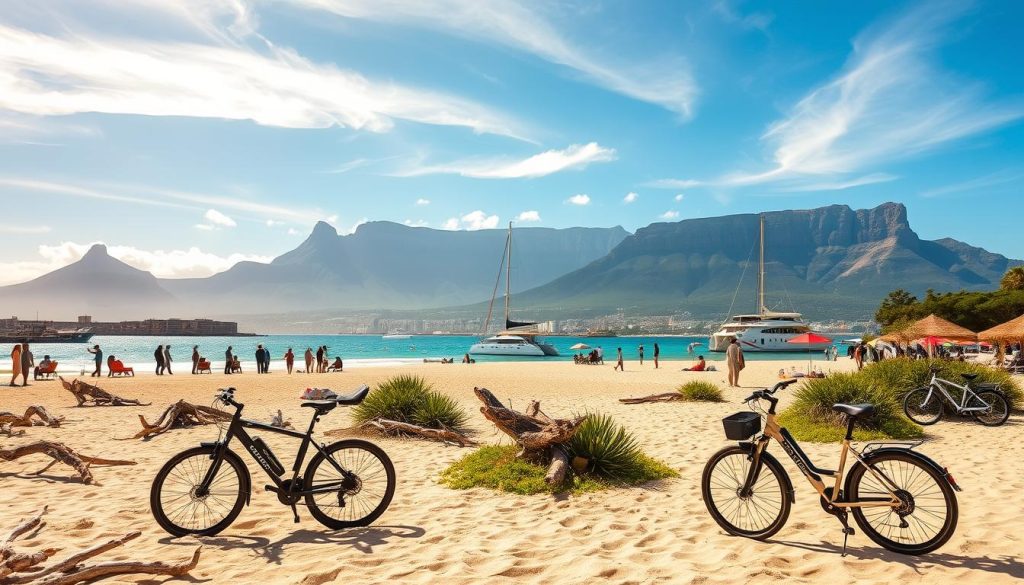
Choosing responsible travel options helps keep Cape Town’s beauty and culture safe. You can do this by staying in eco-friendly places, using green transport, or enjoying wildlife in a responsible way. Your choices can really make a difference.
Understanding Sustainable Travel in Cape Town
Planning a trip to Cape Town? Learning about sustainable travel can make your trip better. It’s about choosing actions that don’t harm the environment or local people.
What Makes Travel Sustainable
Sustainable travel means thinking about your carbon footprint and respecting local cultures. In Cape Town, pick eco-conscious tour operators. They focus on saving the environment and helping communities.

The Impact of Tourism on Cape Town’s Environment
Tourism can affect Cape Town’s environment, like water and wildlife. It’s important to be careful.
Water Conservation Challenges
Cape Town has had big water problems. Visitors can help by taking short showers and telling about leaks.
Biodiversity Protection
Cape Town is full of plants and animals. To protect them, stay on paths and don’t litter or disturb animals.
- Support local conservation efforts
- Choose eco-friendly accommodations
- Reduce, Reuse, Recycle during your trip
By making these small changes, you help keep Cape Town beautiful for the future.
Eco-Friendly Accommodations in Cape Town
Cape Town offers many green-certified hotels and eco-lodges for those who want to travel sustainably. Choosing where to stay is key to reducing your environmental impact. Cape Town has many eco-friendly options.
Green-Certified Hotels
Cape Town has several hotels that focus on being green. They use energy-efficient lights, save water, and reduce waste.
Hotel Verde Cape Town is a standout for its green efforts. It has recycling programs and uses energy-saving systems.
Sustainable Boutique Stays
Boutique hotels in Cape Town also focus on sustainability. They have unique styles and use eco-friendly practices.
The Vineyard Hotel is a great example. It saves energy and supports local communities, making it perfect for eco-conscious travelers.
Eco-Lodges Around Cape Town
Staying at an eco-lodge in Cape Town offers a unique experience. These lodges are in nature and help you connect with the environment while being eco-friendly.
Hotel Verde Cape Town
Hotel Verde Cape Town is known for its dedication to sustainability. It has a team focused on reducing its environmental impact.
The Vineyard Hotel
The Vineyard Hotel combines luxury with sustainability. It’s a great choice for travelers who want to make a positive environmental impact.

Sustainable Transportation Options
Visiting Cape Town can be eco-friendly. The city offers many green travel options. These make exploring easy and good for the planet.
Public Transit Systems
Cape Town has a good public transit system. It includes buses and trains. The MyCiTi bus service is modern and efficient, covering many places.
Bicycle Rentals and Cycling Routes
Cycling is a great way to see Cape Town. There are many rental services. The city has safe and scenic cycling routes.
Sea Point Promenade Cycling
The Sea Point Promenade is a favorite cycling spot. It has beautiful ocean views and a cool breeze. It’s perfect for enjoying the outdoors and staying fit.
City Center Bike Tours
Join a city center bike tour for a guided experience. These tours show Cape Town’s history and culture. They’re a sustainable way to see the city.
| Transportation Mode | Eco-Friendliness | Cost |
|---|---|---|
| Public Bus (MyCiTi) | High | Low |
| Bicycle Rental | Very High | Moderate |

Responsible Wildlife Experiences
Cape Town is a paradise for wildlife lovers. It offers many eco-friendly tours and activities that help conservation. You can enjoy many wildlife experiences that care for animals and protect their homes.
Ethical Animal Sanctuaries
Visiting ethical animal sanctuaries is a great way to help conservation. You get to see Cape Town’s amazing wildlife up close. These sanctuaries are safe homes for rescued or rehabilitated animals.
World of Birds Wildlife Sanctuary is a great example. It’s a safe place for many bird species. By visiting, you help their conservation and learn a lot.
Marine Conservation Tours
Cape Town’s coast is perfect for marine conservation tours. These tours are exciting and help protect marine life.
Responsible Whale Watching
Join responsible whale watching tours that follow strict rules. This ensures the whales’ safety. These tours also support local conservation efforts.
Seal Island Excursions
Go on a boat trip to Seal Island. You’ll see Cape fur seals in their natural home. This supports local tour operators who practice sustainable tourism.

| Experience | Location | Conservation Impact |
|---|---|---|
| World of Birds Sanctuary Visit | Kenilworth, Cape Town | Supports bird conservation and rehabilitation |
| Responsible Whale Watching | Hermanus, near Cape Town | Promotes whale conservation and supports local guidelines |
| Seal Island Excursion | Seal Island, Cape Town coastline | Contributes to sustainable tourism practices and seal conservation |
Sustainable Travel Cape Town: Food and Dining
Exploring Cape Town reveals a food scene deeply connected to sustainability and local culture. The city’s food scene focuses on fresh, local produce, vegan and vegetarian dishes, and lively markets.
Farm-to-Table Restaurants
Cape Town has many restaurants that use local ingredients. This reduces the need for long-distance transport. These farm-to-table restaurants serve fresh food and support local farmers and artisans.
Vegan and Vegetarian Options
The city offers many vegan and vegetarian places. These spots serve everything from hearty plant-based meals to creative vegan desserts. It’s easy to eat sustainably in Cape Town.
Local Food Markets
Cape Town’s local food markets are key to sustainable eating. They offer artisanal goods and fresh produce. Two top markets are:
Oranjezicht City Farm Market
This market leads the farm-to-table movement. It features local foods, crafts, and places to eat. Visitors can enjoy meals or buy local products to take home.
Neighbourgoods Market
Neighbourgoods Market is in Braakfontein. It’s a lively spot for local food, art, and music. Vendors sell organic produce and street food, showing off Cape Town’s food diversity.
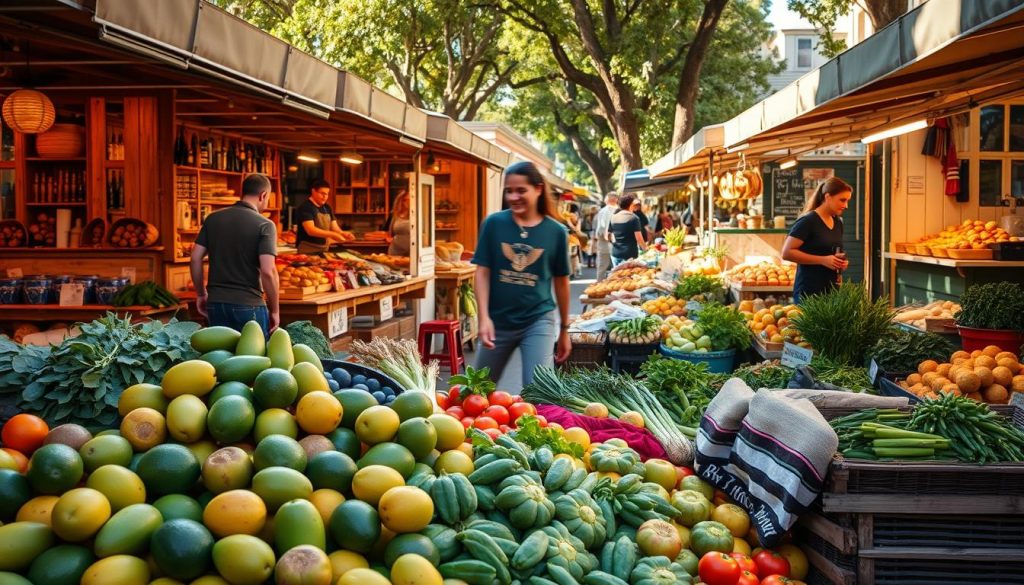
Choosing sustainable dining in Cape Town improves your trip and helps the local economy and environment. The city’s dedication to sustainable food makes it perfect for those wanting a real and eco-friendly food adventure.
Eco-Conscious Tour Operators
Enjoy Cape Town’s beautiful landscapes and lively culture with tour operators who care about the planet. These eco-friendly tour operators offer many experiences. They help protect the environment and support local communities.
Certified Green Tour Companies
Many tour companies in Cape Town are green certified. They follow sustainable tourism practices. For example, Green Tours Africa offers tours that focus on saving the environment and preserving cultural heritage.
Community-Based Tourism Initiatives
Community-based tourism lets you connect with local cultures and help communities grow. Programs like Cape Town Tours let you see the city’s different areas. You also help local economies.
Responsible Adventure Tours
For those who love adventure, Cape Town has tours that are fun and safe for the planet. Here are some:
- Sustainable Wine Tours: Visit Cape Town’s famous wine areas. These tours choose eco-friendly vineyards.
- Eco-Friendly Safari Options: Go on safaris that protect wildlife. They also support local conservation efforts.
| Tour Operator | Focus Area | Sustainability Feature |
|---|---|---|
| Green Tours Africa | Environmental Conservation | Carbon offsetting |
| Cape Town Tours | Community Development | Local employment initiatives |
| Eco Safari Cape Town | Wildlife Conservation | Anti-poaching efforts |

Nature-Friendly Activities in Cape Town
Cape Town is full of nature-friendly activities. These activities let you enjoy the city’s beauty while helping the environment. As a traveler, you can try eco-friendly experiences that make your trip better and help protect the city.
Hiking Responsibly on Table Mountain
Table Mountain is a famous spot in Cape Town. Hiking there is rewarding. To hike right, follow the Leave No Trace Principles. This means staying on trails, not littering, and respecting animals.
Leave No Trace Principles
- Plan ahead and prepare
- Travel and camp on durable surfaces
- Dispose of waste properly
- Leave what you find
- Minimize campfire impacts
- Respect wildlife
- Be considerate of other visitors
Beach Clean-Up Initiatives
Helping with beach clean-ups is a great way to support Cape Town’s environment. Groups like Surfrider Foundation South Africa host clean-up events. By joining, you help keep beaches clean and spread the word about pollution.
Sustainable Water Activities
Cape Town is perfect for water activities because of its coast. Try sustainable water activities like eco-friendly surfing and diving.
Eco-Friendly Surfing
Surfing is popular in Cape Town. Choose surf schools that use eco-friendly methods and gear.
Responsible Diving Practices
Diving lets you see Cape Town’s marine life up close. Make sure your diving company practices responsibly. This means not touching sea creatures and not feeding fish.

Doing these nature-friendly activities helps preserve Cape Town’s beauty. Whether hiking, cleaning beaches, or diving, your actions make a difference.
Supporting Local Communities Through Tourism
When you visit Cape Town, think about how you can help local communities. Choose tours that focus on the community and shop for fair trade items. This way, you help the local economy grow and support sustainable development.
Township Tours That Give Back
Township tours give you a peek into the lives of Cape Town’s people. They also help local projects, like education and building better places to live.
Langa Township Cultural Tours let you see Langa’s lively culture while helping local shops. Khayelitsha Community Projects also get support from tourists, helping with community growth.
Artisan Crafts and Fair Trade Shopping
Buying local crafts and fair trade items helps communities too. In Cape Town, many artisans make unique, handmade items that show off the area’s culture.
Community Development Projects
Many projects in Cape Town get help from tourism. These projects include education and building better places, all to make life better for locals.
| Project | Location | Impact |
|---|---|---|
| Langa Township Cultural Tours | Langa | Supports local businesses and community initiatives |
| Khayelitsha Community Projects | Khayelitsha | Promotes community development through various initiatives |
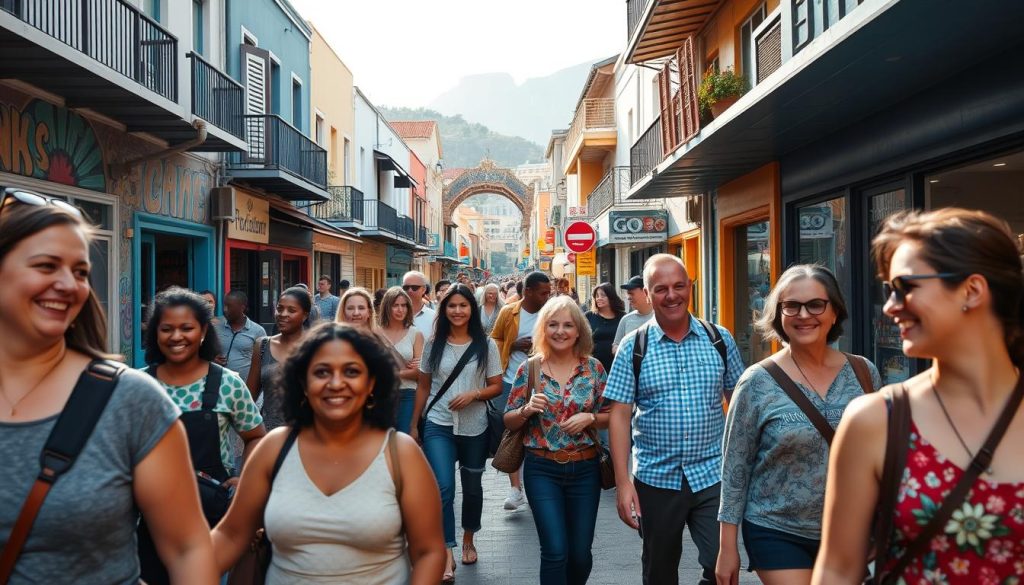
Traveling responsibly in Cape Town can really help the community. It’s a great way to make a difference in the area’s social and economic life.
Reducing Your Carbon Footprint While Visiting
It’s easy to cut down on carbon in Cape Town with a few simple steps. As a visitor, you can help the city be greener by making smart choices every day.
Water Conservation Tips
Water is precious, so saving it is key, even more so in dry areas. Try taking shorter showers and reuse towels. Many places in Cape Town now save water, so pick those spots.
Waste Reduction Strategies
Reducing waste is a big win. Cut down on single-use plastics by using a reusable water bottle and shopping bag. Also, pick restaurants that use less packaging or offer green options.
Energy-Saving Practices
Save energy to lower your carbon footprint. Turn off lights, AC, and gadgets when not needed. Look for places that use green energy or have energy-saving tech.
Plastic-Free Travel Essentials
Pack items that don’t use plastic, like bamboo toothbrushes and cloth napkins. “Traveling sustainably is not just about the destination; it’s about the journey and the choices you make along the way,” as echoed by eco-conscious travelers worldwide.
By using these tips, you’ll help Cape Town’s green efforts and support a greener tourism industry.
Planning Your Sustainable Cape Town Itinerary
Planning a trip to Cape Town means choosing activities and places to stay that are good for the planet. We’ve got some eco-friendly travel plans to help you enjoy your trip.
Eco-Friendly Itinerary Options
Cape Town has many green travel options, like eco-lodges and tours that care for the environment. For a quick trip, try a 3-Day Eco-Friendly Itinerary. It includes visits to nature spots and farms that use sustainable practices.
- Day 1: Explore eco-friendly neighborhoods and the Cape Town Botanical Gardens.
- Day 2: Go on a tour of a local farm and have dinner made from farm-fresh ingredients.
- Day 3: Visit Table Mountain National Park and help clean up the beach.
For a longer trip, a 5-Day Green Travel Plan lets you explore more of Cape Town’s green side. You can visit an animal sanctuary, go on a marine conservation tour, and stay at an eco-lodge.
- Day 1-2: Discover the city and its green spots.
- Day 3: Learn about sustainable living at a local community project.
- Day 4: Join an eco-tour, like hiking or biking.
- Day 5: Relax at a green beach resort or eco-lodge.
Seasonal Considerations for Sustainable Travel
Think about the season you’re visiting and how it affects your trip. Best Times for Low-Impact Visits are usually during the shoulder season. The weather is nice, and there are fewer tourists.
Best Times for Low-Impact Visits
Visiting in the shoulder season (April-May or September-October) can make your trip less impactful on tourist spots.
Seasonal Eco-Activities
Cape Town has eco-activities all year round. You can watch whales in winter or hike and cycle in spring and summer.
| Season | Eco-Activities | Tips |
|---|---|---|
| Spring (September-November) | Hiking, cycling, whale watching | Bring layers for changing weather. |
| Summer (December-February) | Beach activities, surfing, kayaking | Book eco-friendly accommodations in advance. |
| Autumn (March-May) | Shoulder season for lower impact | Enjoy mild weather and fewer tourists. |
| Winter (June-August) | Whale watching, wine tours | Check the weather forecast before heading out. |
Conclusion: Making a Positive Impact Through Sustainable Travel
When planning your trip to Cape Town, you can make a big difference. Choose eco-friendly places to stay, how you get around, and who you travel with. This helps protect Cape Town’s beauty and supports local people.
Traveling responsibly in South Africa, like in Cape Town, makes your trip better. It also helps keep the place beautiful for others in the future. Sustainable travel in Cape Town means thinking about how your actions affect the environment and local culture.
By choosing eco-friendly options, you help Cape Town stay green. This includes using less carbon, supporting local shops, and caring for wildlife. Remember, your choices can help keep Cape Town’s environment and culture safe for everyone.





