

Explore Sumhuram Old City Archaeological Site
Ever wondered how an ancient port controlled the trade of a valuable commodity? This trade shaped the destiny of entire civilizations. The Sumhuram Old City archaeological site in Oman is a fascinating place to learn about this. It’s located in the heart of Dhofar Governorate and shows the importance of frankincense in the region’s history.
Sumhuram was a major port from 400 BC to 500 AD. It was heavily fortified and key in the frankincense trade. Exploring this site, you’ll see its strategic importance and connection to the Kingdom of Hadramawt. You’ll learn about its history, attracting merchants from China and Rome. It’s a must-see among Dhofar Governorate attractions.
Introduction to the Sumhuram Old City
Sumhuram Old City is a key part of ancient Oman’s rich maritime and commercial history. It was founded in the 3rd century BC and thrived until it was abandoned in the 5th century AD. This city was a hub of trade and cultural exchange, with frankincense being a major commodity.
Exploring the archaeological discoveries in the city is fascinating. The site, covering only a hectare, has a deep well and canals for water. It also shows evidence of metalwork and unique coins minted there.
Sumhuram’s location made it a vital stop for ships between the Mediterranean and India. Excavations have found many imported items, showing its wide trade connections. Visiting Sumhuram lets you see its lasting impact through its structures and ongoing research.
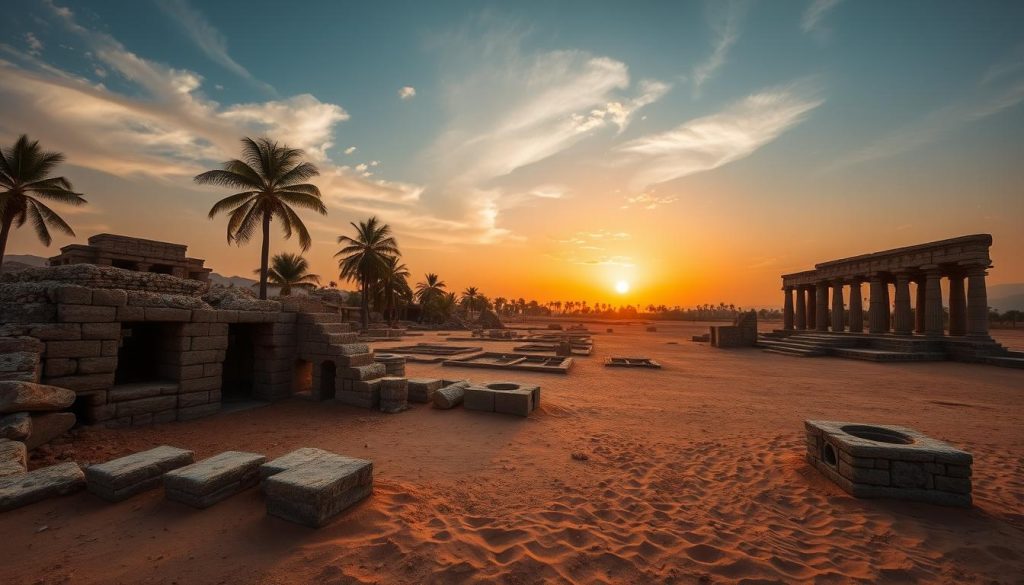
The area around Sumhuram also shows signs of long-term human presence, dating back to the Bronze Age. This suggests a lively community in what is now the Frankincense Land in Salalah. The history of Sumhuram highlights its role as a key trade center, connecting different cultures and economies.
Historical Significance of Sumhuram Old City
The Sumhuram Old City is a key part of Dhofar’s history. It was a major site before Islam. Founded in the 3rd century BC, it was a center for frankincense trade.
The Kingdom of Hadramawt helped make it a key commerce spot. It used local resources to grow the city’s trade along the Indian Ocean.
Pre-Islamic Era and its Importance
This time was full of trade and cultural exchange. It’s crucial for understanding the area’s trade history. Archaeology shows how different cultures interacted here.
Sumhuram was a key place for traders. They came for the valuable frankincense trade.
The Role of the Kingdom of Hadramawt
The Kingdom of Hadramawt was vital in Sumhuram’s growth. It helped the city use its natural wealth. This made it a major player in trade.
Even after Hadramawt declined, Sumhuram stayed important. It shows the lasting impact of its founding kingdom.
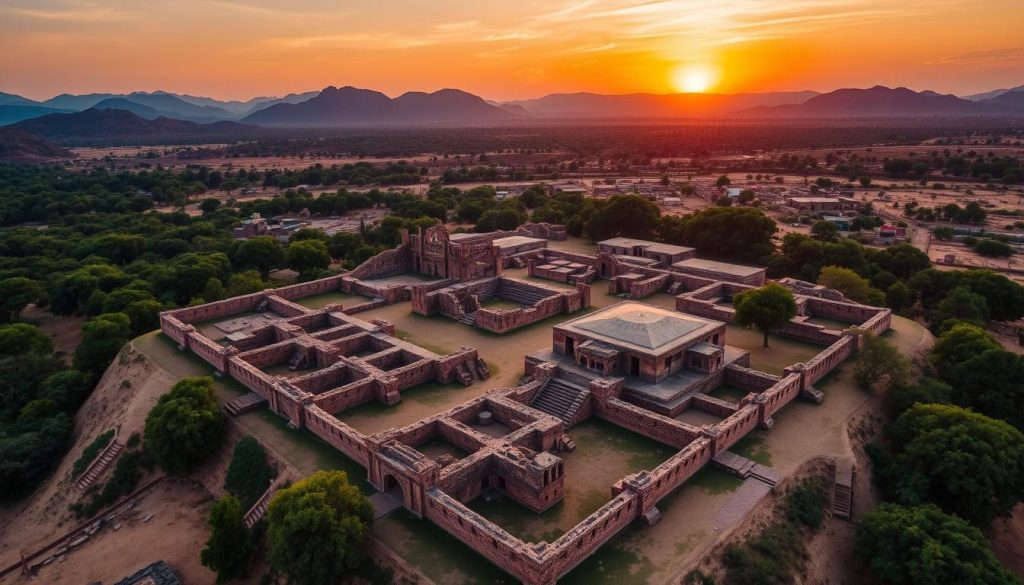
Location and Accessibility
Sumhuram’s location is key to its historical and cultural value. It sits on Oman’s southern coast, near Salalah. From there, you can see the Arabian Sea. Its spot on old trade routes made it a major port for frankincense.
Getting to Dhofar Governorate is easy, thanks to good roads. You can drive to Sumhuram and enjoy the views. Or, take a guided tour to learn more about its history.
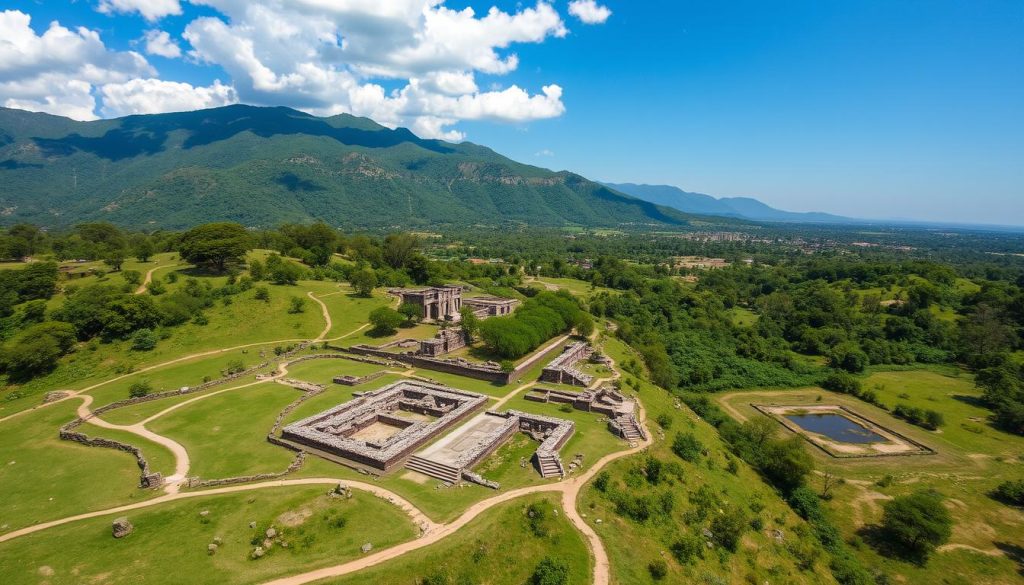
Technology has made visiting Sumhuram better. Now, you can take virtual tours and use augmented reality apps. These tools help you connect with the site’s history. Plus, tourism efforts keep the site and its surroundings safe.
| Aspect | Details |
|---|---|
| Location | Southern coast of Oman, near Salalah |
| Accessibility | Well-maintained roads from Salalah; organized tours available |
| Technological Integration | Virtual tours and augmented reality apps |
| Sustainable Tourism | Respect for archaeological integrity and environment |
Archaeological Discoveries at the Site
Excavations at Sumhuram have uncovered a lot about its past as a port city. The excavations at Sumhuram started in the late 1800s. Since then, many teams have worked to uncover its history.
These efforts have shown us how trade and city life were back then. They’ve given us a glimpse into a time long past.
Excavation Milestones and Key Findings
Over the years, many important discoveries have been made. These have helped us understand Sumhuram’s history better. Some of the key findings include:
- South Arabian inscriptions from the 3rd century BC found at the monumental gate.
- A metal production workshop shows the city’s role in trade.
- The city’s layout shows it was a well-planned trading center.
- Maritime contacts with Hadrami homeland, India, and the Mediterranean are evident.
Notable Artifacts Unearthed
Many important artifacts have been found at Sumhuram. They tell us a lot about the people who lived there. Some of these artifacts are:
| Artifact Type | Period | Significance |
|---|---|---|
| South Arabian Inscriptions | 3rd century BC – 1st century AD | Illustrate communication and cultural exchange. |
| Pottery | Various periods | Reflect daily life and artistic styles of the time. |
| Metal Artifacts | Various periods | Indicate skills in metallurgy and trade. |
| Maritime Tools | 4th century BC – 4th century AD | Show evidence of naval trade activities. |
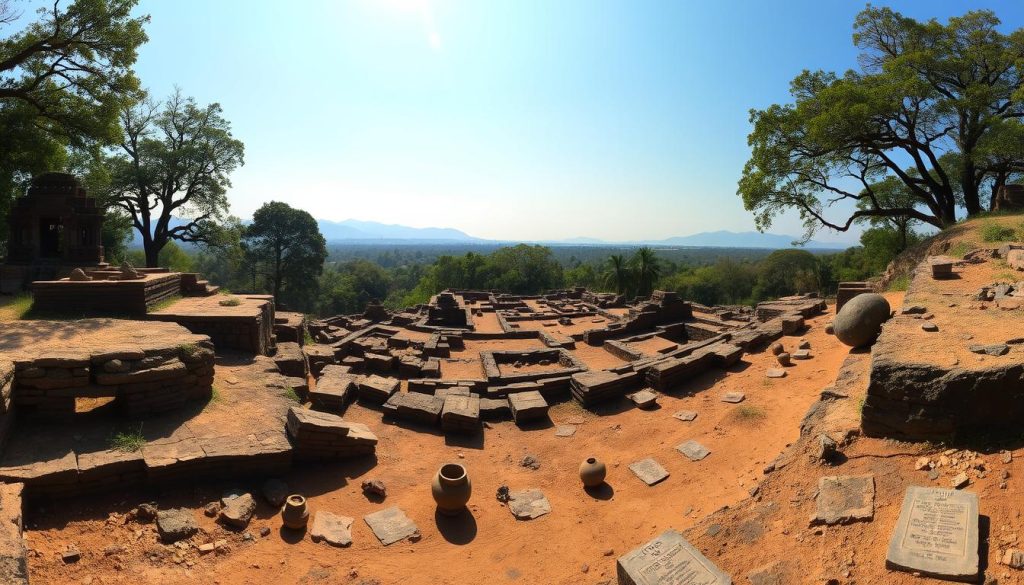
This collection of notable artifacts shows Sumhuram’s role in maritime trade and culture. It helps us understand the ancient world better. Ongoing research at the site continues to reveal more about this remarkable place.
Architectural Features of Sumhuram
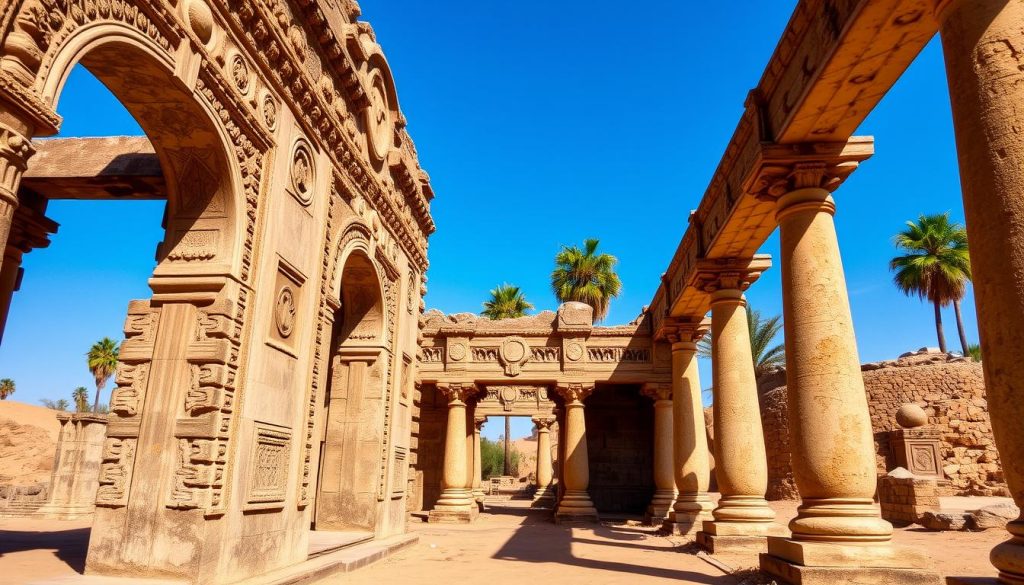
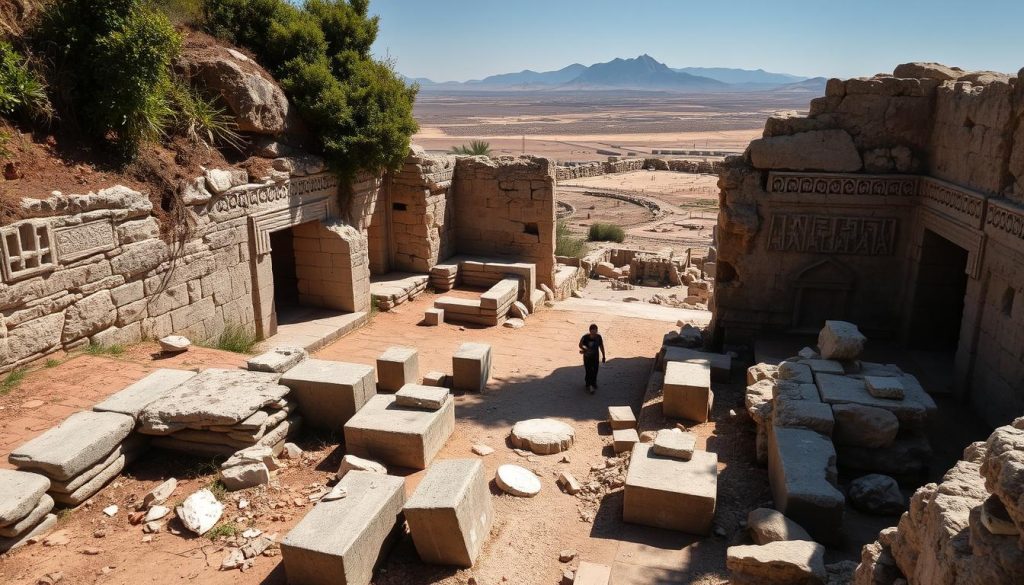
The architecture of Sumhuram Old City shows a mix of engineering skill and cultural importance. It highlights the city’s rich history. The city walls and organized homes show the town’s planning and social life.
City Walls and Gate Structures
The city walls were not just a boundary but a symbol of safety for the people. These walls were large and showed the advanced building skills of the time. The main gate had three wooden doors and a zigzag path.
This design helped control who entered and kept the town safe.
Residential and Commercial Areas
Sumhuram had different areas for homes and shops. The homes were tall, with living areas upstairs and storage downstairs. This setup gives a peek into the daily lives of the people and their work.
The market square was a key spot for trade. It had 11 rooms for storing frankincense and other goods. This shows the city’s strong economy.
| Architectural Feature | Description |
|---|---|
| City Walls | Robust fortifications protecting the settlement |
| Gate Structure | A zigzag path with three wooden doors enhancing security |
| Residential Areas | Multi-story houses with living spaces above and warehouses below |
| Commercial District | Rectangular market square with storage for goods |
Exploring Sumhuram, you’ll see amazing architecture. It gives a deep look into the area’s history and its role as a busy trading center.
UNESCO World Heritage Status
Sumhuram is now part of the UNESCO World Heritage Site, known as the Land of Frankincense. This recognition in 2000 shows its cultural and historical value. It highlights the need for ongoing preservation efforts.
Sumhuram’s ancient port has a rich history. It was connected to trade routes with places like the Indian Subcontinent and China.
The Land of Frankincense
The Land of Frankincense includes sites like Khor Rori, Al Baleed, Wadi Dawkah, and Shisr/Wubar. These places show centuries of frankincense trade and Oman’s maritime culture. Sumhuram, about 40 km east of Salalah, was a major trading hub from the 4th century BC to the 5th century AD.
Artifacts found there show the wide trade exchanges. They include items from far-off lands.
Global Recognition and Conservation Efforts
The UNESCO World Heritage status has led to big conservation efforts. These efforts aim to protect Sumhuram and its surroundings. They work to keep the site safe from harm caused by development.
Working with local communities and promoting cultural tourism is key. It helps keep the heritage and authenticity of the Land of Frankincense alive.
This Ancient Port and its Trade
Sumhuram was a key trading hub in ancient times. It was on the frankincense route, connecting the Arabian Peninsula to the Mediterranean. The area’s climate made it perfect for growing frankincense, a valuable resin.
Merchants from all over came to Sumhuram’s market. They traded goods with various civilizations. This made the port very important for commerce.
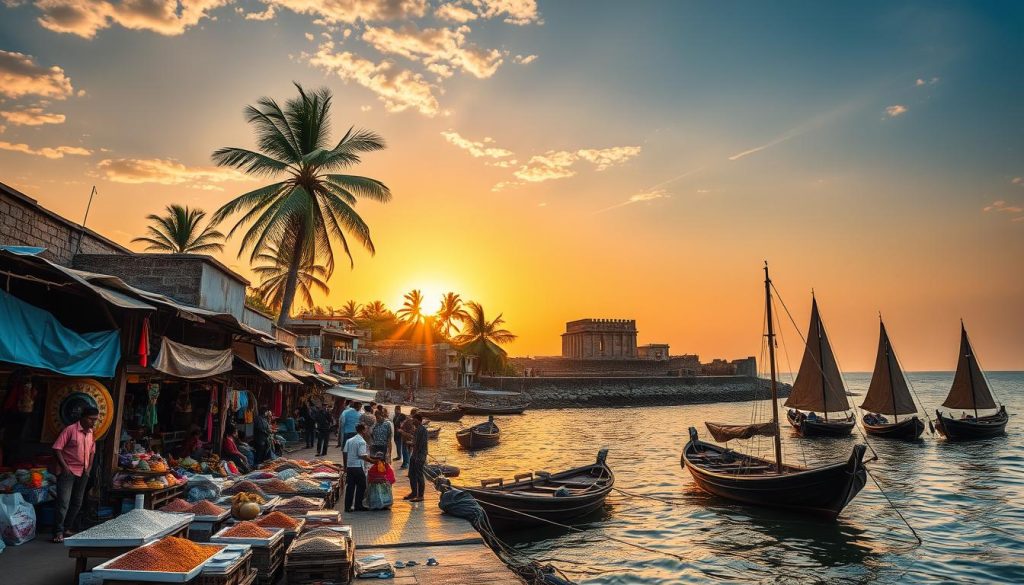
Maritime contacts through Sumhuram allowed for the exchange of goods. This included fragrant resins, luxury items, and everyday goods. Overland trade routes also played a role, ensuring products reached distant markets.
Traders from India and other places visited Sumhuram. They made connections that enriched cultural and commercial exchanges for centuries.
| Trade Item | Description | Cultural Significance |
|---|---|---|
| Frankincense | A valuable resin known for its aromatic qualities. | Used in religious and medicinal practices. |
| Myrrh | A resin utilized for perfumes and healing. | Symbolic in ancient rituals and cultural traditions. |
| Spices | Importantly traded for flavoring and preservation. | Integral to diverse culinary practices. |
Sumhuram’s role in ancient trade shows how economies and cultures were connected. The remains of this port highlight the importance of maritime routes. These routes helped trade and cultural exchanges across long distances.
Tourism Opportunities in Salalah
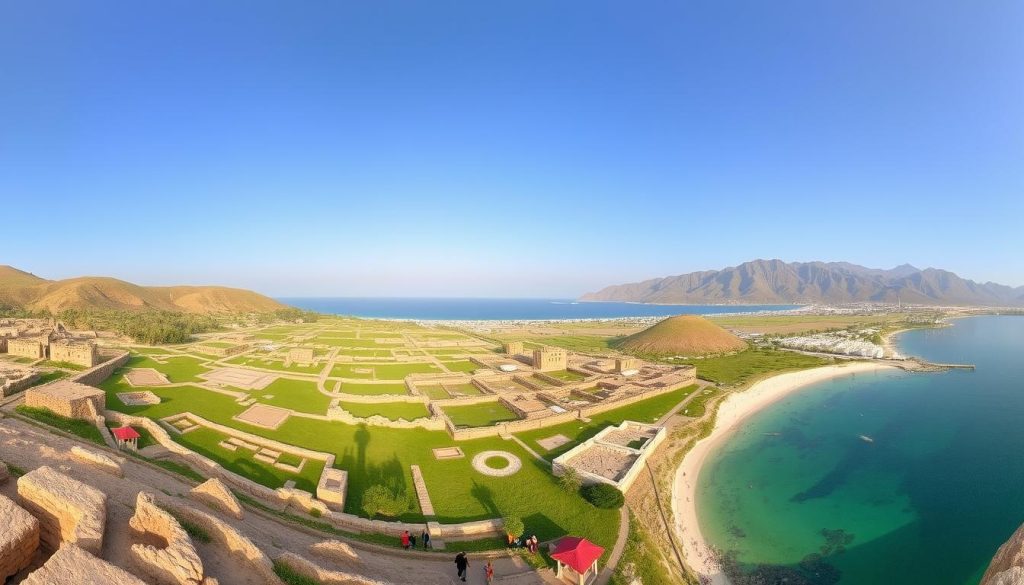
Tourism in Salalah is a mix of history, culture, and stunning landscapes. Visiting Sumhuram lets you see the ancient city’s ruins. These ruins offer a peek into Oman’s past. Guided tours make your visit both fun and educational.
What to Expect When Visiting Sumhuram
Visiting Sumhuram means you’ll go on tours that show its importance. You can choose from:
- Frankincense Trail Tour: Learn about the frankincense trade, how it’s harvested, and its history.
- Sunset Tour: See the site at sunset for a peaceful and beautiful view.
- Night Walk Through History: Walk through the lit-up ruins and hear stories of the city’s past.
- Cultural Insight Workshop: Try ancient Omani crafts to understand historical practices.
Nearby Attractions in Dhofar Governorate
While at Sumhuram, check out Dhofar’s other attractions. They add to your journey. Key spots include:
- Al Baleed Archaeological Park: A UNESCO site that shows the area’s history.
- Taqah Castle: A fortress with a museum, featuring Oman’s past.
- Samhan Mountain Reserve: Great for nature lovers, with wildlife and trails.
- Luban Road: An old frankincense route, perfect for exploring.
Adding these places to your trip makes it more complete. You’ll enjoy Salalah’s history and nature.
Cultural Heritage Related to Sumhuram Old City
The cultural heritage of Sumhuram Old City is rich and diverse. It shows connections to ancient civilizations like the Hadramawt and the Himyarite Kingdom. This site offers a glimpse into how these societies shaped trade, religion, and daily life for centuries.
Connections to Ancient Civilizations
Sumhuram is a key example of how ancient civilizations interacted. It shows the maritime trade routes that connected it to places like India and the Mediterranean. Inscriptions found at the site reveal the lively exchange between communities.
Excavations have uncovered artifacts that deepen our understanding of Sumhuram’s cultural impact. Pottery and coins found there highlight the city’s role in commerce. These finds show how important trade was for Sumhuram’s growth.
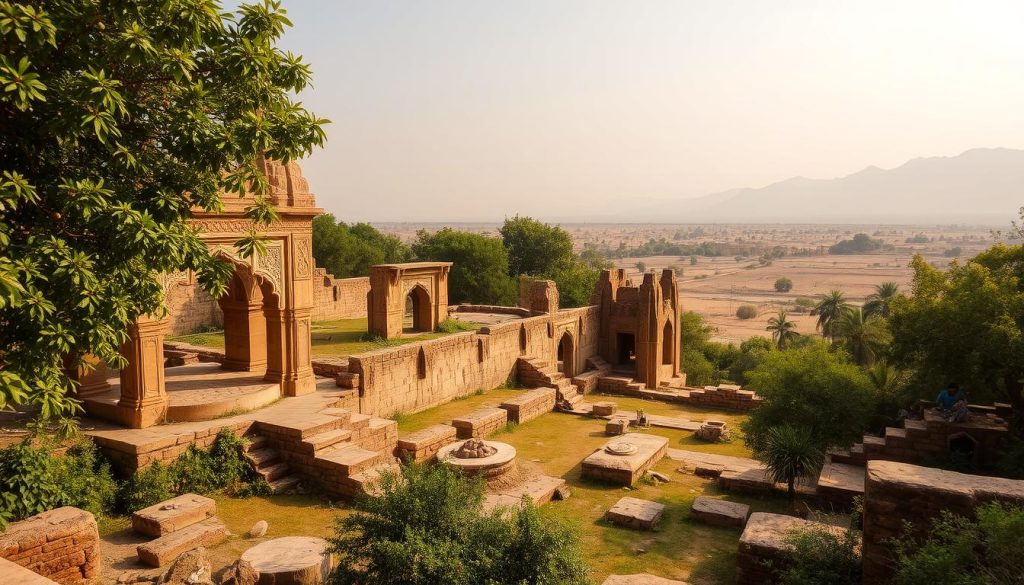
Understanding Sumhuram’s history is crucial for seeing its importance in ancient trade. By looking at its architecture and artifacts, we can see the cultural ties between ancient civilizations. These discoveries shed light on the bustling trade scene of the 1st to 3rd centuries. They show why Sumhuram Old City is a significant part of human history.
Preservation Challenges and Future Prospects
The Sumhuram Old City is known for its rich history and archaeological value. It faces big challenges that could harm its future. Things like weather changes and more tourists need careful handling.
Erosion and climate change are big worries. They could damage important buildings and artifacts. This is why it’s so important to act now.
Working together is key to saving Sumhuram. Local leaders, historians, and experts must join forces. They need to keep an eye on the site and find the best ways to protect it.
Without their efforts, Sumhuram’s history could be lost. This would mean future generations wouldn’t get to learn about its culture and past.
Getting local people involved in saving their heritage is also vital. This way, they can take pride in their history. It helps keep Sumhuram’s legacy alive for everyone to enjoy.
Sumhuram Old City Archaeological Site: Visitor Information
Planning your visit to the Sumhuram Old City archaeological site is exciting. You need some key visitor information to make your trip better. Knowing the visiting guidelines helps you enjoy your visit and protect the site.
Visitor Guidelines and Tips
Following the visiting guidelines is crucial for preserving this historical treasure. You should:
- Respect the ruins and stay on designated paths.
- Engage with the educational galleries to learn about excavation findings.
- Follow any posted rules and regulations to ensure a safe visit.
These guidelines help protect the site and let you appreciate its history more.
Facilities Available for Tourists
Sumhuram Old City has facilities to make your visit comfortable. You can find:
- Restrooms for convenience during your visit.
- A small coffee shop offering refreshments.
- Educational galleries showcasing significant archaeological finds.
These amenities add to the site’s wonders and improve your visit experience.
Conclusion
The Sumhuram archaeological site is a key part of Oman’s history. It shows how important Sumhuram was in ancient trade and cultural exchange. From the 3rd century BC to the 4th century AD, it was a major port that connected many civilizations.
Exploring Sumhuram, you’ll see amazing architecture and learn about the area’s social and economic life. The site’s artifacts tell us about its strong trade links, mainly with India. They also show how important seafood was in their diet.
Keeping Sumhuram safe is crucial for history and tourism. It lets us see the impact it had on the region. Whether you love history or just want to see ancient wonders, Sumhuram offers a special look into Oman’s past.





