Explore Salvador: Top 10 Things to Do in Salvador
Ever wondered what makes Salvador known as Brazil’s “capital of happiness”? It’s not just a place to visit. It’s an adventure waiting to happen. Salvador brings together history, vibrant culture, and beautiful views.
Salvador was Brazil’s first capital, founded in 1549. It’s packed with attractions for every visitor. You can explore the historic Pelourinho, relax on gorgeous beaches, or try Bahian foods. There’s always something exciting to discover. Join us as we dive into Salvador’s best spots. From ancient sites to modern celebrations, this city is bursting with color.
Uncover the unique charm of Salvador with this guide. We’ll show you the top 10 attractions in Salvador for memorable experiences in this energetic city.
Discover Pelourinho: Salvador’s Historic Heart
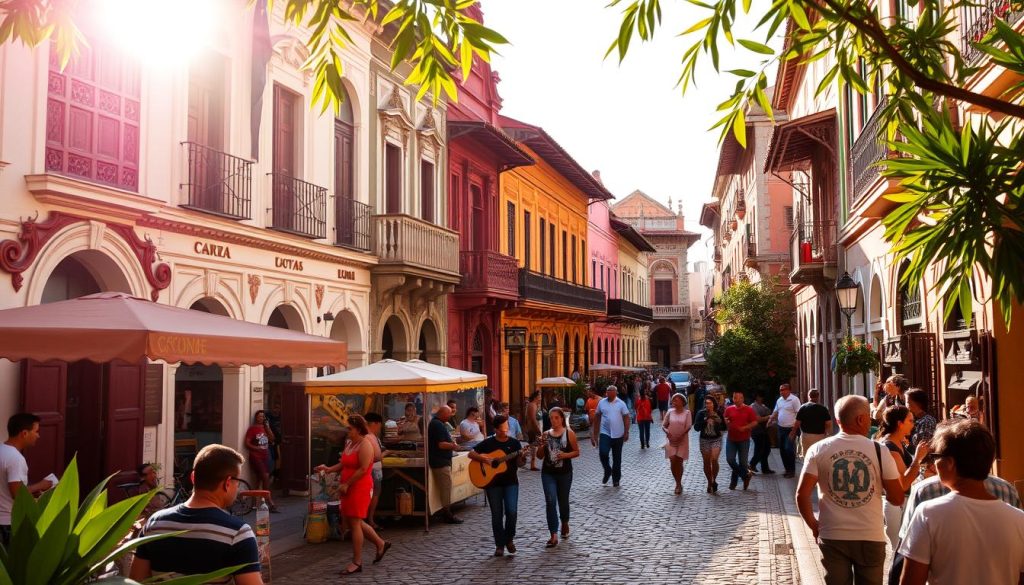
Pelourinho sits at the heart of Salvador, illuminated by its status as a UNESCO World Heritage Site. With its colonial architecture, cobbled paths, and vivid facades, it captivates all who visit. Once the capital of Brazil, it now thrives with historic sites like Igreja de Nossa Senhora do Rosário dos Pretos and the towering Lacerda Elevator.
The district buzzes with the rhythms of Afro-Brazilian music. It’s a core for cultural festivals and events that illustrate the dynamic spirit of its locals.
Historical Significance and Architecture
Salvador, established in 1549, was the foremost capital of Brazil. It stands as one of the earliest colonial cities in the Americas. Awarded UNESCO World Heritage Site status in 1985, Pelourinho is admired for its baroque colonial architecture.
This area is a testament to significant colonial periods, boasting buildings from the 17th and 18th centuries. Restoration efforts since the early 1990s have preserved its cultural and historical essence.
Main Attractions of Pelourinho
Walking through Pelourinho means discovering Salvador’s historical essence. The Museu Afro-Brasileiro sheds light on Afro-Brazilian culture with entry fees set between 5 to 10 BRL. These sites welcome visitors from 9 AM to 5 PM.
The Church of the Third Order of St. Dominic, with its Rococo and Neoclassical design, stands as another highlight here.
Events and Cultural Experiences
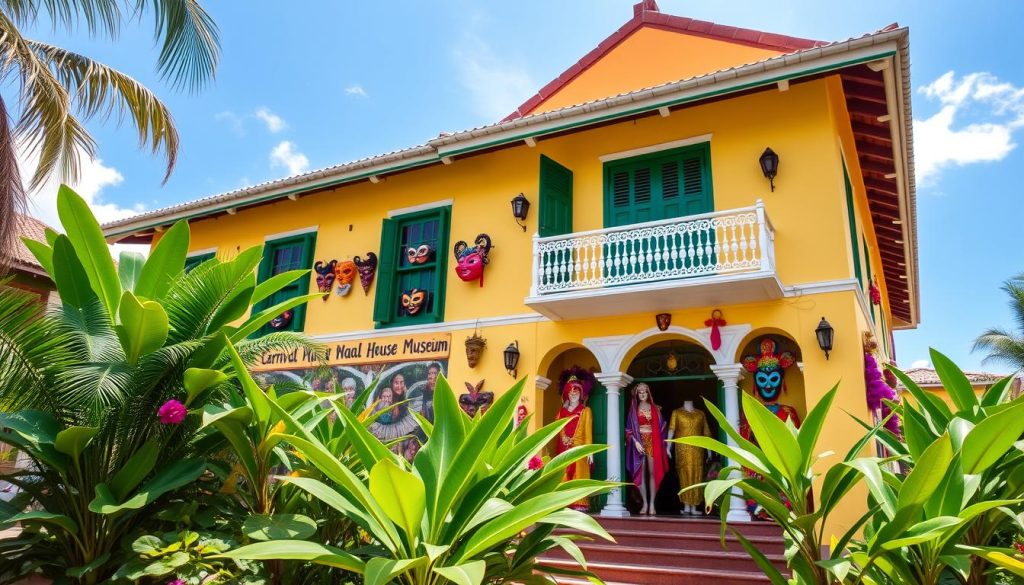
Pelourinho is Salvador’s cultural epicenter, alive with music, dance, and capoeira academies. It’s the stage for music festivals and traditional African-Brazilian festivities. In 2018, the Casa do Carnaval opened, offering interactive carnival displays.
Improvements have been made for accessibility, including ramps and other facilities at key sites.
| Attraction | Type | Operating Hours | Ticket Price (BRL) |
|---|---|---|---|
| Pelourinho | Historic District | 24/7 | Free |
| Museu Afro-Brasileiro | Museum | 9 AM – 5 PM | 5-10 BRL |
| Casa do Carnaval | Museum/Interactive | 9 AM – 5 PM | 10-20 BRL |
Relax on Salvador’s Beautiful Beaches
Salvador is blessed with a stunning coastline that offers a wide array of beach experiences. You can relax on beautiful sands, try exciting water sports, or enjoy tasty meals by the sea. Let’s look at what makes Salvador’s beaches so special.
Best Beaches to Visit
Porto da Barra is a top choice for its calm waters and lively scene. If you prefer quiet spots, check out Farol da Barra or Flamengo Beach. They offer peace, beautiful views, and golden sands.
Water Activities and Sports
If you love adventure, Salvador’s beaches have lots to offer. Try surfing at Stella Maris or snorkeling by Farol da Barra. There’s also paddleboarding and jet skiing for an exciting day on the water.
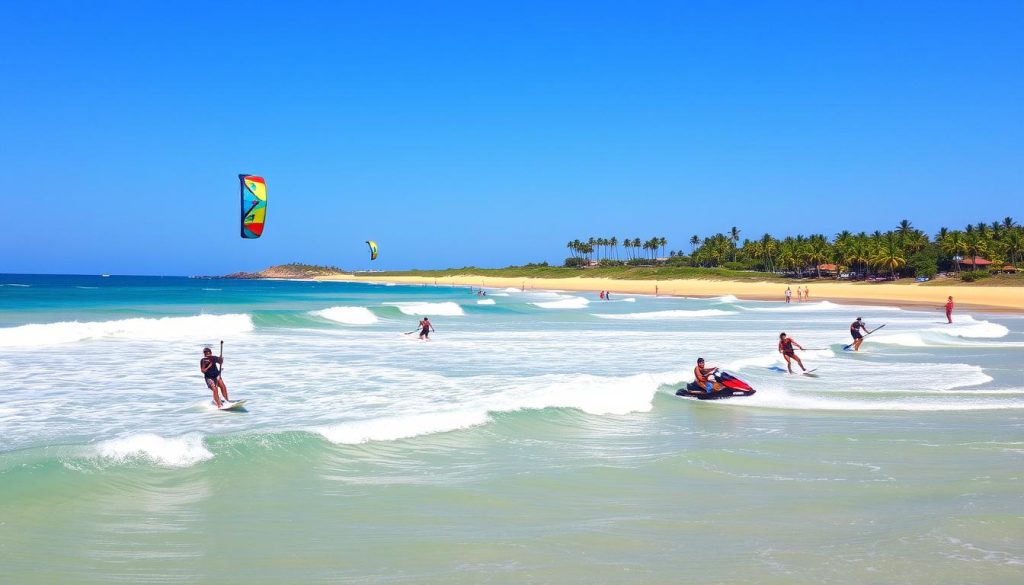
Praia do Forte is a great place for water sports in Salvador. You can see marine life up close in the clear waters. It’s perfect for anyone hoping to explore underwater.
Beachside Dining and Entertainment
Savoring meals by the sea in Salvador is a unique experience. You can eat delicious seafood and Bahian dishes at shacks or fancy restaurants. Enjoy live music and beautiful sunsets while eating local favorites like moqueca and acarajé.
You can also find lively nightlife and cultural shows near the sea. Itapuã Beach and Pituba Beach are great for events and fun. They ensure your beach visit is both chilled and full of excitement.
| Beach | Activities | Dining Options |
|---|---|---|
| Porto da Barra | Swimming, Snorkeling | Seaside Shacks, Seafood |
| Farol da Barra | Surfing, Snorkeling | Local Restaurants, Live Music |
| Praia do Forte | Diving, Paddleboarding | Elegant Dining, Fresh Seafood |
Experience Salvador’s Vibrant Nightlife
Salvador, Brazil shines after dark with its lively nightlife. It has many options for fun as the sun sets. This makes sure there’s something for everyone in this bustling city.
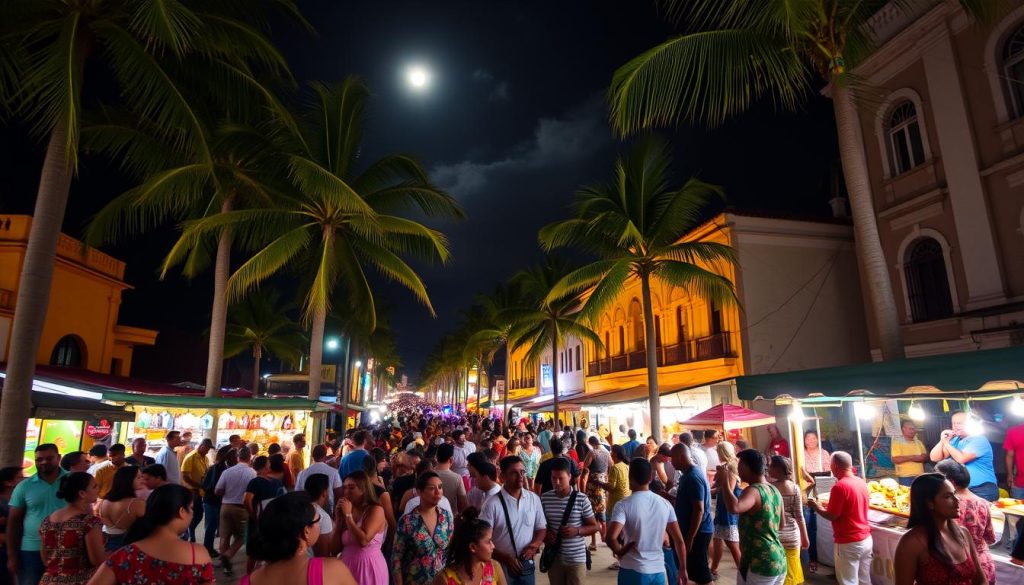
In Rio Vermelho, nightlife scores a 9/10. It’s a top spot for both locals and visitors. You can find everything from chill beach bars to exciting nightclubs here. Plus, there’s live music everywhere, so you’ll definitely find something you like.
If you love beach bars, Rio Vermelho is the place to be. Enjoy a cool drink and the relaxed vibe. For more action, check out the nightclubs. There, samba and reggae beats, especially from the famous Olodum band, will keep you moving all night.
Looking for cultural shows? There’s plenty in Salvador. You’ll get a glimpse of local culture through live music and dance. This city, known as the capital of happiness, makes its nightlife feel like one big party.
| Activity | Location | Rating |
|---|---|---|
| Live Music Performances | Rio Vermelho | 9/10 |
| Beach Bars | Porto da Barra | 8/10 |
| Nightclubs | Pelourinho | 9/10 |
Salvador’s nightlife is truly captivating. It offers bars, clubs, and cultural shows for every taste. Whether you want to chill, dance, or watch local acts, Salvador has it all for an amazing night.
Visit the Top Museums in Salvador
If you’re in Salvador, you should dive into its rich history and culture. The city’s museums are windows into its diverse heritage. Below are some top museums to check out.
Carnival House (Casa do Carnaval da Bahia)
Carnival House offers a deep dive into the vibrant Salvador Carnaval. Spread over four floors, it features interactive exhibits and historical pieces. Visitors can discover carnival rhythms and bright costumes, capturing the celebration’s spirit.
Afro-Brazilian Museum (Museu Afro-Brasileiro)
The Afro-Brazilian Museum explores Salvador’s African roots. Located in the historic Pelourinho, it’s a heritage site. Inside, there are artifacts and art celebrating Afro-Brazilian culture. It offers insights into the African diaspora’s impact on local culture.
Museum of Modern Art (MAM)
MAM is a hub for art lovers, nestled in a beautiful colonial area. It presents up to five art shows at once, featuring works from Brazil and the world. With weekly music events, it’s a lively spot for cultural exploration.
Sample Authentic Bahian Cuisine
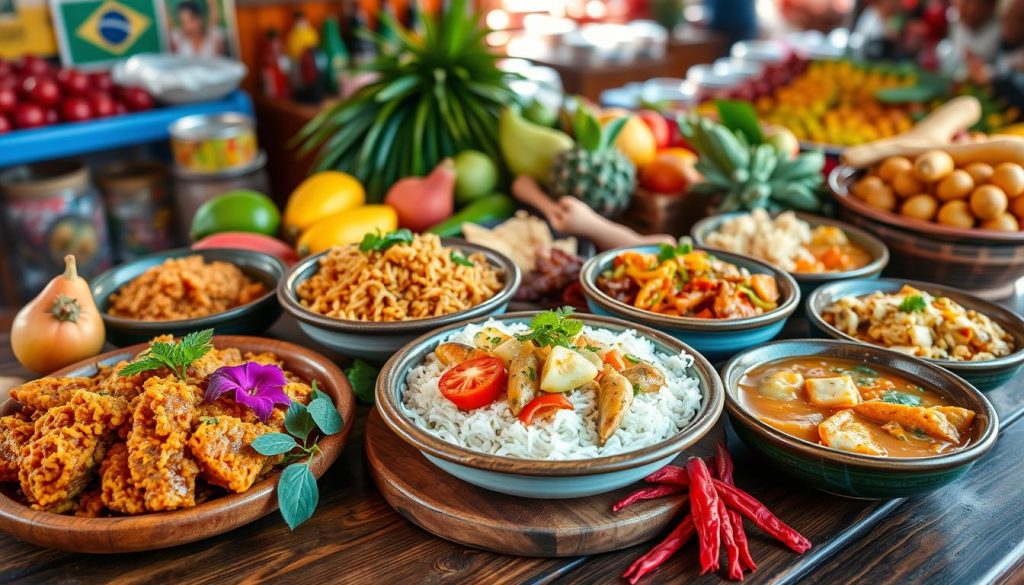
Diving into Bahian cuisine is a fun journey into Salvador’s rich food history. This cuisine mixes African, Portuguese, and Indian tastes. It creates unique flavors and dishes throughout the city. From delicious seafood stews to tempting street snacks, there’s something tasty for everyone in Salvador.
Popular Dishes to Try
Moqueca is a must-try Bahian dish. It’s a rich seafood stew with special oils, farofa, and rice. The mix of ingredients shows the city’s diverse culture. Another treat is Acarajé, a fried bean ball served with salad and shrimp. These are beloved local foods you should try.
Best Restaurants in Salvador
- Solange Café: Known for organic meals and traditional Bahian breakfasts like beiju and tapioca cuscuz.
- Casa di Vina Restaurant: Offers the Noite di Vina music event monthly, merging good food with local tunes.
- Barraca do Loro: Features a beach menu with treats like codfish croquettes and caipirinhas, making it a prime spot for dining by the sea.
Street Food Delights
Salvador’s street food shows off the city’s culinary range and heritage. Acarajé de Cira is a top spot for this iconic snack. Made with black-eyed peas and special oil, acarajé is not just tasty. It also celebrates local farming. Try abará too, which is steamed for a different but amazing taste.
| Dish | Description | Price Range (BRL) |
|---|---|---|
| Moqueca | Seafood stew with dendê oil, farofa, and rice | 20 – 40 |
| Acarajé | Deep-fried peeled bean ball with shrimp and tomato salad | 6 – 10 |
| Caipirinha | National cocktail made with cachaça, sugar, and lime | 10 – 15 |
| Beiju | Traditional Bahian breakfast item made from tapioca flour | 5 – 8 |
Bahian cuisine’s variety and unique tastes make Salvador a great place for food lovers. Whether at top restaurants or street food spots, you’ll feel Bahian culture in every bite.
Take a Walk Along Taroro’ Dike
Salvador’s Taroro Dike is a peaceful spot. Surrounded by greenery, this man-made lake offers a quiet getaway. It’s great for walking and picnics. The Orixás statues there have deep cultural meaning in the Candomblé religion.

Significance of the Dike
The Taroro Dike is more than just beautiful. Its Orixás sculptures remind us of Salvador’s rich culture and religion. Visiting can deepen your understanding of the spiritual aspects of Afro-Brazilian culture through these statues.
Activities Around the Dike
The Taroro Dike in Salvador has lots to do outside. You can jog, cycle, or enjoy a calm walk. It’s also a top spot for taking photos and bird-watching. This makes it appealing in many ways.
Statues of Orixás
Seeing the Orixás statues is a must at the Taroro Dike. These impressive, full-sized sculptures honor Candomblé deities. Each one beautifully represents different elements and forces. They add deep cultural and spiritual layers to your visit.
| Activity | Description |
|---|---|
| Walking | Relaxing stroll along the dike’s path with scenic views. |
| Jogging/Cycling | Engage in fitness activities on the well-maintained trails. |
| Picnicking | Enjoy a peaceful picnic by the lake surrounded by nature. |
| Photography | Capture the stunning landscapes and statues. |
| Bird-Watching | Observe various bird species in their natural habitat. |
Enjoy Breathtaking Views from Elevador Lacerda
Riding the historic Elevador Lacerda is essential when you’re in Salvador. It’s the world’s first urban elevator. From it, you get some of the most amazing views Salvador has to offer. Opened in 1873, it’s 63 meters tall and connects the Lower City to the Upper City.
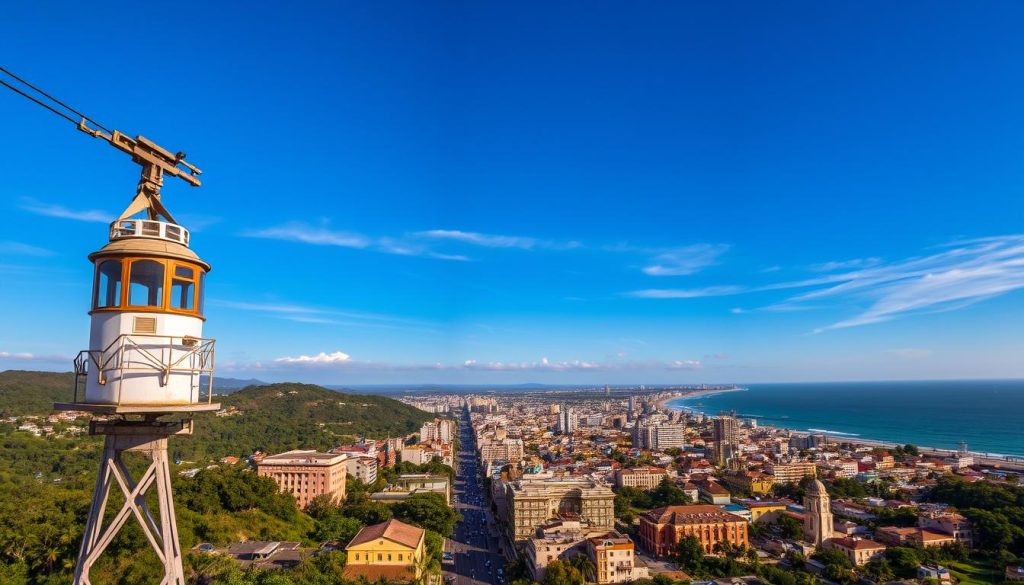
This engineering marvel was designed by Antônio de Lacerda. It’s not just for moving people. For only R$0.15, you can have a quick 30-second trip with about 27 other passengers. Every day, around 28,000 people use the Elevador Lacerda. It’s a famous and helpful way for people to get around.
The views from the top are unmatched. You’ll see wide views of the Bay of All Saints and the busy city below. The shift from the Lower City’s bustling energy to the Upper City’s calm, historic beauty is special. The elevator’s history and architecture, mixed with its use, make it stand out in Salvador.
Beyond its views, Elevador Lacerda is a piece of Salvador’s history. The first setup had one tower and two steam cabins. After a 1930 update, it grew to 72 meters with another tower and two Art Deco cabins. This made it possible to take 128 passengers at once, making trips better for everyone.
No matter if it’s your first visit or you’ve been many times, the views from Elevador Lacerda are unforgettable. This landmark is the perfect mix of history, architecture, and use. It shows the soul of the city and its amazing history.
Shop at Mercado Modelo
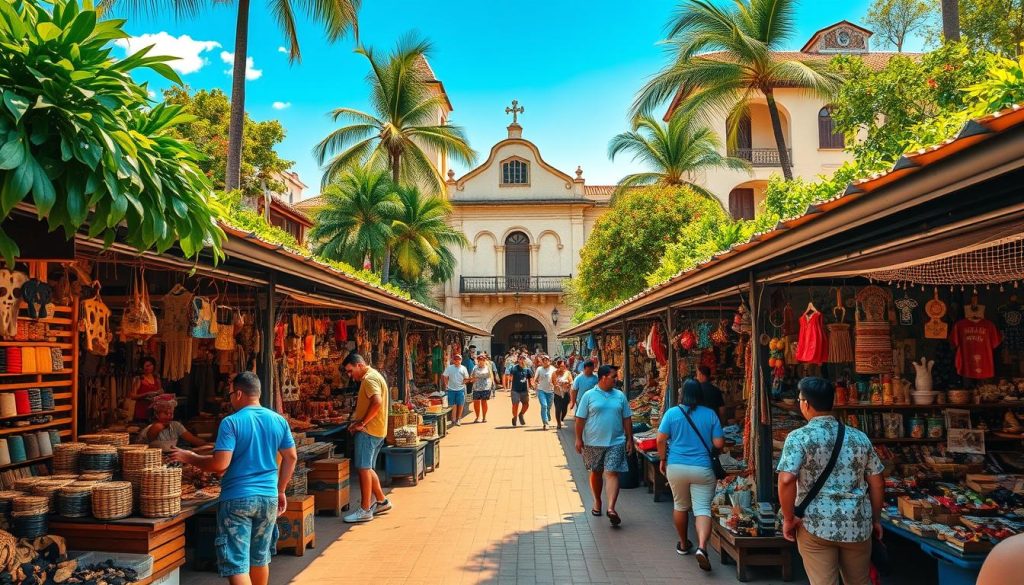
In the heart of Salvador, Mercado Modelo is a lively marketplace. It shows off the city’s rich cultural heritage. With over 250 shops, it’s a key spot for shopping in Salvador. You can dive into a vibrant world full of Brazilian goods, souvenirs, and tasty local foods here.
Shopping for Souvenirs
At Mercado Modelo, you’ll find lots of souvenirs to remember your visit. Or to give to your friends. You can buy traditional crafts, colorful garments, and special items like painted statues with mystical meanings. Try negotiating the price to save money on jewelry and Cachaca rum.
Local Cuisine and Delicacies
Tasting Bahian cuisine at Mercado Modelo is a must. The market is filled with places to try local dishes. Favorites include acarajé, moqueca, and sweet cocadas. These foods are a tasty way to learn about Bahian food traditions.
Historical Background of the Market
The market’s current building started as a Customs Office in 1861. It became Mercado Modelo in 1971. After a fire in 1984, it was rebuilt. It sits near the Elevador Lacerda, linking old and new Salvador.
The market opens Monday to Saturday from 9 am to 7 pm, and Sundays from 9 am to 2 pm. Visit in these hours for safe and lively shopping. It’s best to shop during the day because of pickpocket risks.
Conclusion
In conclusion, Salvador shines as a city full of life and history. It’s where the past meets the present in a colorful display. The historic Pelourinho district offers a journey back in time with its architecture and events. Enjoy the beautiful beaches, take part in water sports, and eat by the sea.
The nightlife in Salvador is buzzing with excitement. There are so many places to go and things to see. You can learn a lot at the city’s museums, like the Carnival House and the Afro-Brazilian Museum. Trying the local food is a must, as it brings you closer to the heart of Bahian culture.
When planning your visit, walk along Taroro’ Dike and enjoy views from Elevador Lacerda. Don’t forget to shop at Mercado Modelo for special gifts. Each place you visit will show you more about Salvador’s rich history and culture. Use our tips to explore Salvador fully. A trip here offers memories that last a lifetime.