Explore Palawan Indigenous Crafts and Workshops
Ever wondered about the secrets in Palawan’s traditional crafts? These crafts come from centuries of culture. Palawan is an enchanting island. It lets you discover indigenous crafts and workshops. These show the creativity and traditions of its diverse people. From woodcarving by the Tagbanua to textile weaving and vibrant street art in El Nido, Palawan has many stories to share.
You can meet skilled artisans in these workshops. Take part in hands-on experiences. Learn about traditional crafts passed down through generations. These workshops focus on sustainability and community. By exploring local markets and joining the Baragatan sa Palawan Festival, you’ll see Palawan’s rich culture. Let’s explore Palawan indigenous crafts and workshops together. Every thread and carved piece tells the story of a proud heritage.
Introduction to Palawan’s Cultural Heritage
Palawan is called “The Last Ecological Frontier” of the Philippines. It’s known for its stunning landscapes and rich cultural heritage. The lives of its indigenous people are full of music, dance, and traditional arts. These practices link them to their history and environment.
Indigenous groups like the Palaw’an, Tagbanua, and Batak have unique lifestyles. They practice kaingin, a traditional farming method. It shows the deep bond between the people and their land. Women’s weaving skills also play a big role in local economy and culture preservation.
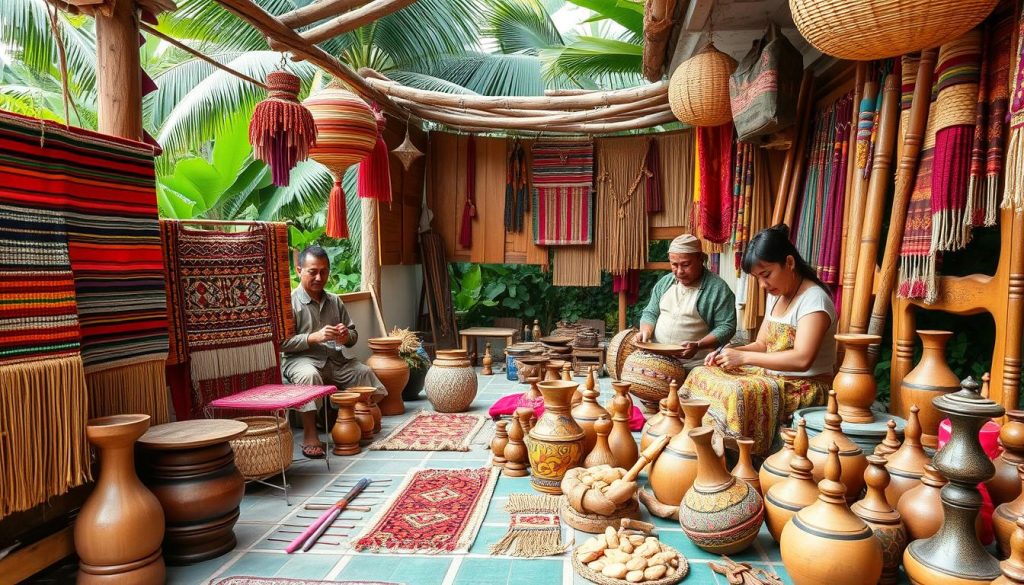
Take George, a master of rattan basket weaving for 20 years. And Rodel Francisco, who has been weaving since 1979. They represent the artisanship passed down through generations. The Palaw’an community values working together, which strengthens their bonds. This communal approach is key to their social structure.
But Palawan’s culture isn’t just about art and crafts. It’s also seen in its food. The cuisine, with dishes like Kinilaw and Curacha, reflects its heritage. Workshops on local food bring everyone closer to Palawan’s rich culture.
The Rich Tapestry of Indigenous Communities in Palawan
Palawan is known for its indigenous peoples, including the Batak, Tagbanua, and Palaw’an tribes. These communities have unique traditions that connect them to their environment and ancestors. Understanding these local cultures is key to appreciating Palawan’s rich heritage.
The Ethnos Training Centre is a hub for these indigenous groups. It supports goals like ending hunger, protecting the climate, and preserving life on land. By gathering people from different tribes, it blends ancestral knowledge with new skills.
Members of the Batak tribe travel far to reach the centre. They cross 16 rivers and walk 250 kilometers. The centre offers training for tribal church leaders, focusing on moral values. It also encourages traditional art-making as a form of worship.
The Ethnos Arts Museum opened in September 2023 to highlight local art. This museum displays various pieces valued by Palawan’s indigenous communities.
Local weaving is an important part of Palawan’s culture. Inabel and Abaca weavings are famous for their patterns and durability. These crafts use natural dyes from local plants, keeping age-old traditions alive.
Weaving centers help keep this tradition strong. They teach young people and support the local economy. Working with modern designers, indigenous artists find new ways to keep their crafts relevant and sustainable.
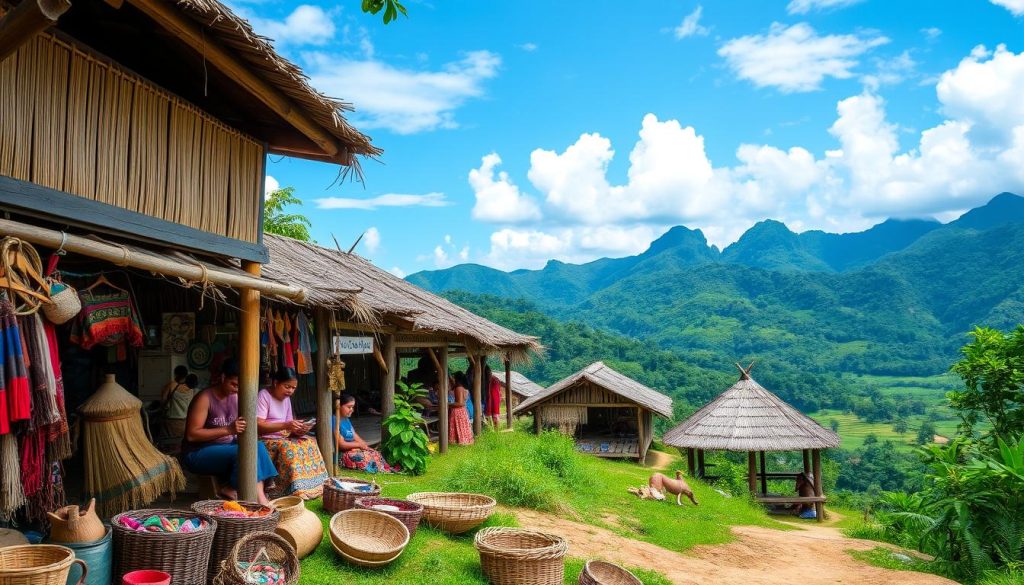
Respecting Palawan’s indigenous customs is crucial. When we embrace their traditions, we help preserve their culture. This makes our experiences as visitors more meaningful and helps these communities thrive in today’s world.
Palawan Indigenous Crafts and Workshops
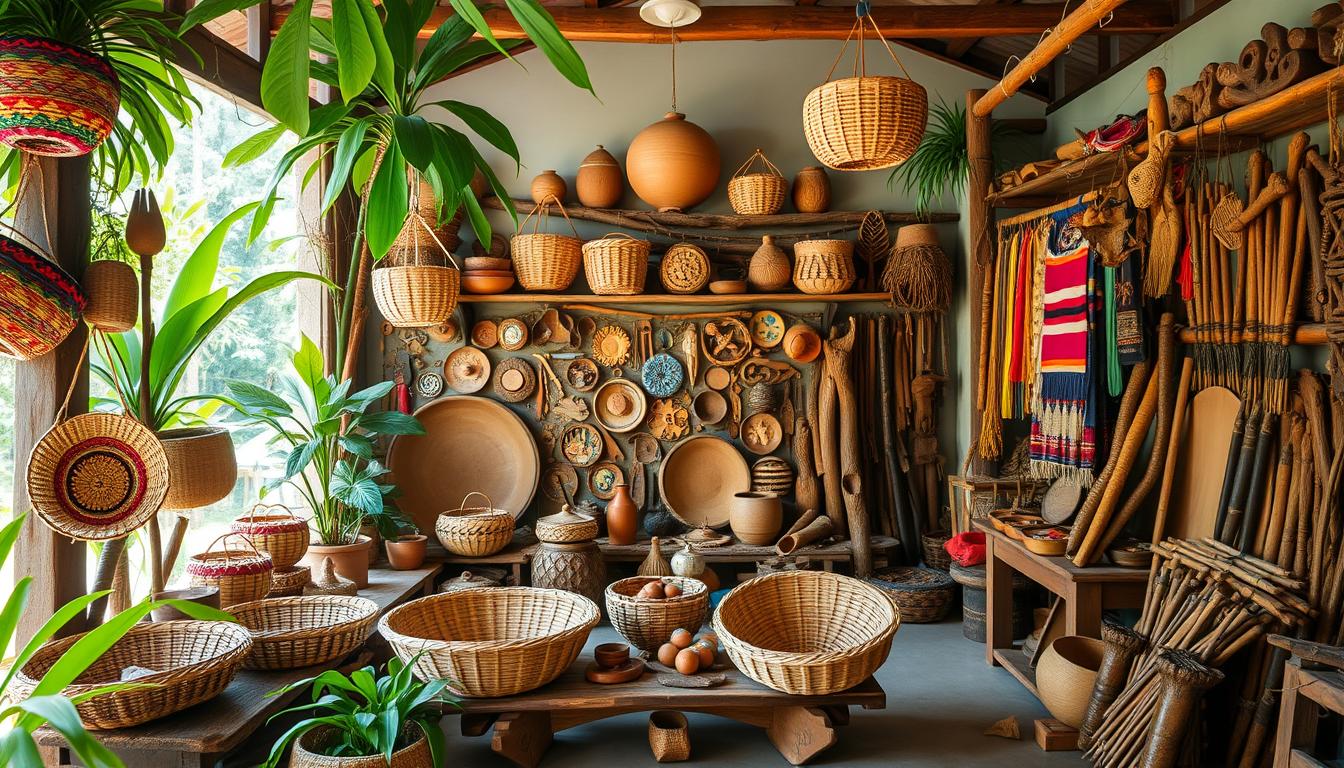
Palawan is celebrated for its rich culture and indigenous craft techniques. The local artisans’ artistry and hard work bring this culture to life. Traditional crafts like weaving, wood carving, basket making, and pottery tell stories of generations. To keep these skills alive, Palawan artisan workshops are key. They offer essential training and support for artisans, both new and experienced.
A Variety of Traditional Craft Techniques
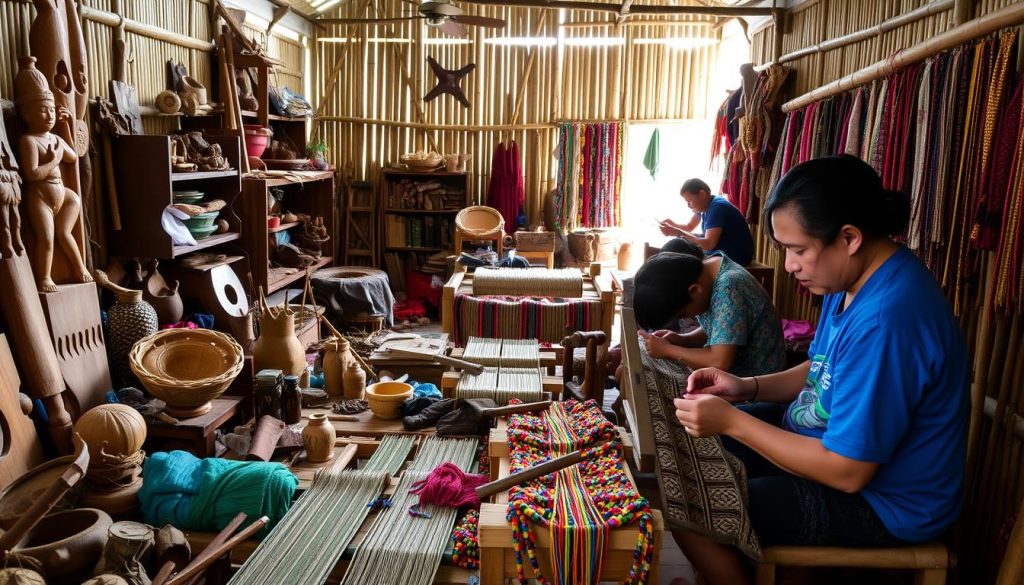
In Tina village, about 90.9 kilometers from Puerto Princesa City, Tagbanua weavers do amazing work. They use natural things like Screwpine pandan and rattan for their crafts. Women collect pandan leaves all year to make mats, bags, and baskets. For example, making a small rarong carrier from rattan takes two hours. It’s made to fit its owner just right.
Understanding the Role of Workshops in Skill Development
Palawan artisan workshops are crucial for keeping traditional skills alive. They are places where community members learn and grow, with help from skilled artisans. LifeCollege, Inc. runs programs to help artisans live better and manage resources well. By forming crafting groups, artisans can share ideas and be innovative. This helps them keep their culture strong and improves their lives. Supporting these workshops by taking part or buying their handmade items helps local communities and keeps their culture alive.
Traditional Textile Crafts in Palawan
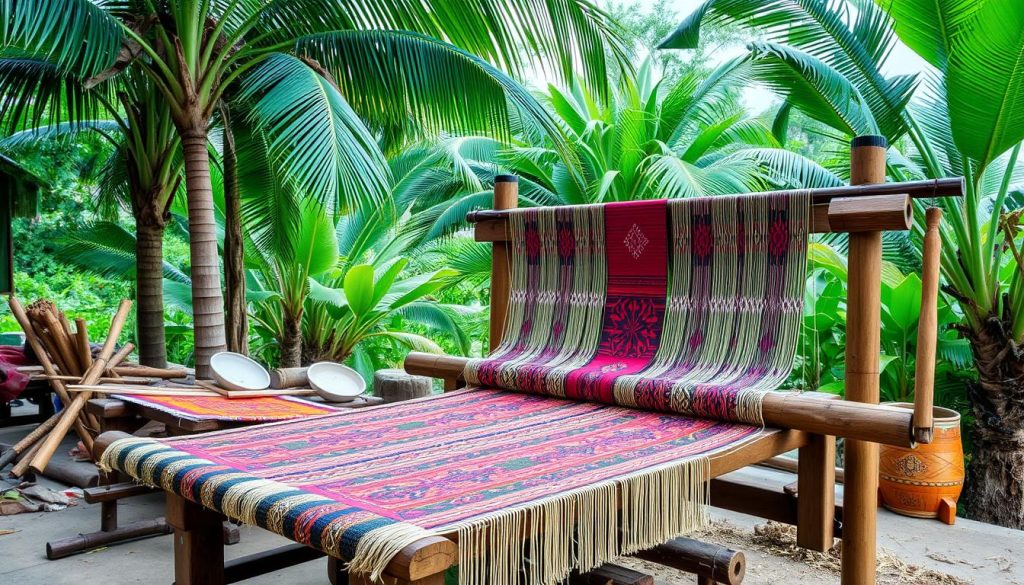
Palawan shows its culture through its textile crafts. Inabel and abaca are key to this craft. These materials show the island’s dedication to keeping craft practices alive and sustainable.
Inabel and Abaca: Key Materials
Inabel is a handwoven fabric loved for its detailed designs. Abaca, a strong banana plant fiber, adds durability. Together, they allow artisans to make stunning textiles, from clothes to items for the home.
The Importance of Natural Dyes
Natural dyes bring colors to traditional textiles. These dyes, made from local plants and minerals, show Palawan’s care for the environment. They make crafts more beautiful and keep techniques eco-friendly. Understanding this helps us appreciate the artistry and eco-consciousness in Palawan’s textiles.
Woodcarving: A Tagbanua Legacy
In Palawan, the Tagbanua artisans are known for their excellent woodcarving skills. This craft turns simple wood into detailed sculptures and useful items. It’s deeply tied to their rich culture and spiritual beliefs. Through woodcarving, the Tagbanua show their respect for nature and their heritage.
Palawan is famous for its unique art. Here, woodcarving is more than just a job. It helps keep traditions alive. The Tagbanua have been around for over 22,000 years, using techniques handed down from one generation to the next. Their art is full of meaning, often showing ancestral spirits and their history.
Artists like Abdulmari Asia Imao have made woodcarving a key part of Filipino art. Works like the Bul-ul, a fertility symbol from the Ifugao, show how different indigenous cultures connect.
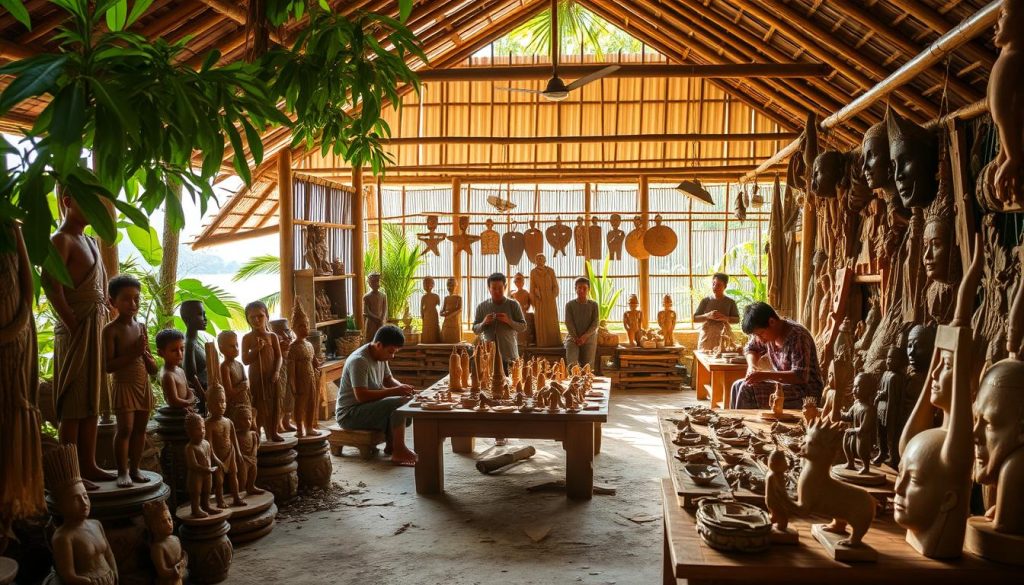
Palawan’s traditional workshops are key in keeping these skills alive. In these workshops, you can learn how each sculpture is made, from picking the right wood to the final touches. These places help the Tagbanua community earn a living through their art.
By joining these workshops, you help keep the Tagbanua’s culture going for the next generations. Exploring woodcarving in Palawan means being part of a story. It’s a story that celebrates the wonderful work of indigenous artisans and the Tagbanua people’s strong spirit.
Eco-Friendly Craft Practices in Palawan
Palawan is known for its green craft methods. Artisans there balance tradition with caring for the environment. They use local materials wisely. This way, they showcase beautiful crafts and promote keeping our planet safe.
Harnessing Local Materials Sustainably
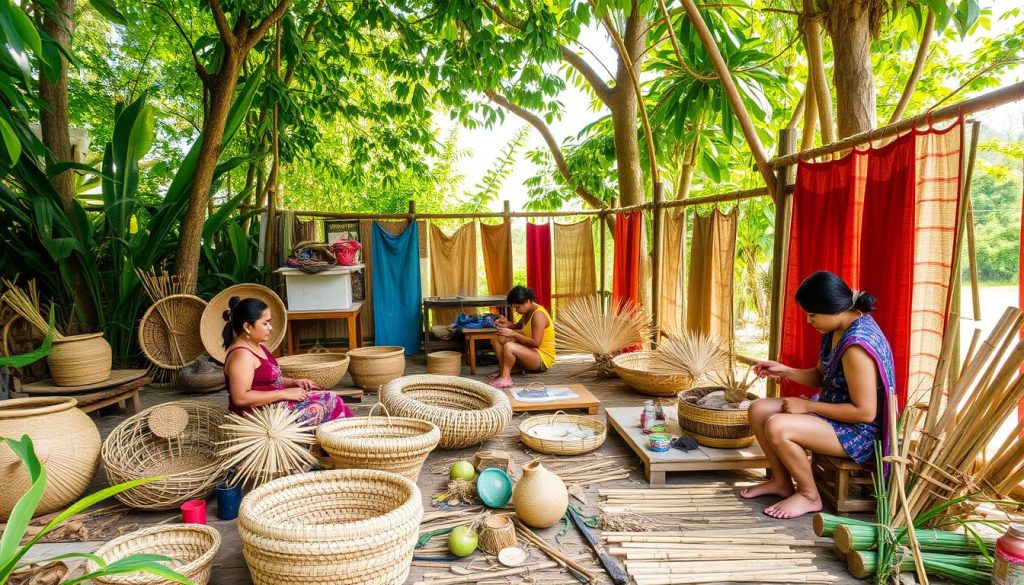
The Tina Weaving Community (TWC) is a great example. They use natural fibers like pandan and rattan. They make mats, bags, and rarongs. Pandan leaves are collected all year, mainly by local women. These women weave in the cooler parts of the day.
This old technique makes the most of the material’s flexibility. This lets the artisans create detailed designs without harming the environment. Making a small rattan rarong takes about two hours. It shows the crafters’ commitment and skill.
The Community-Based Approach to Craft Production
Community efforts are key to Palawan’s craft scene. The TWC, for instance, has no set leadership. This situation leads to both challenges and chances for improvement. The Woven Networks grant supports sustainable development. Workshops introduce new designs and colors, taken from nature around them.
These programs aim to build leadership within the crafts community. This way, artisans work together better. Their united effort upholds their craft making. It protects old ways while giving power to the young. This way, Palawan’s green crafting traditions will last long into the future.
| Craft Community | Materials Used | Key Practices | Community Impact |
|---|---|---|---|
| Tina Weaving Community | Pandan, Rattan | Seasonal Harvesting | Women’s Participation |
| Coron Natural Farms | Organic Vegetables, Endemic Plants | Traditional Gardening, Permaculture | Educational Initiatives |
Unique Craft Experiences in Palawan
Meeting local artisans in Palawan lets you dive into a colorful craft world. You get a rare chance to learn traditional skills and help the community. Through workshops, you can make crafts and meet the creators.
Hands-On Workshops You Can Participate In
In Palawan, there are workshops for all kinds of crafts. You can:
- Weaving, learning to make Inabel and T’nalak fabrics with ancient techniques.
- Woodcarving, discovering the secrets of this age-old art from master carvers.
- Traditional cooking, cooking with local flavors and methods, enriching your cultural journey.
These sessions teach you the value of each craft. They also let you bond with artisans and understand their heritage.
Local Artisan Markets to Explore
Don’t miss the artisan markets in Palawan. They’re full of life, showing off the area’s traditional crafts.
Check out:
- Market of Crafts: Here, you can buy beautiful tingkep baskets and wood carvings.
- Saturday Artisan Fair: Not just crafts, but also farm produce and local food, supporting the community.
- Palawan Craft Collective: A place for new artisans to showcase their talents, keeping traditions alive.
By visiting these markets, you support the artisans. Your purchases help a community rich in tradition and creativity.
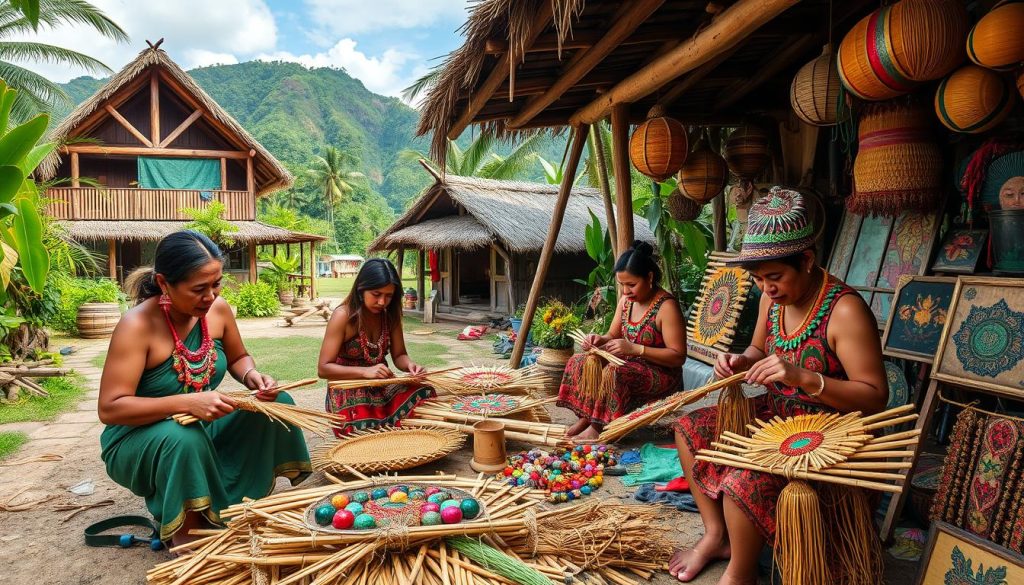
Engaging with Palawan’s Artisans
Connecting with Palawan’s artisans lets you feel the island’s vibrant culture. You get to know the stories and culture behind their work. By taking part in Palawan’s indigenous crafts and workshops, you dive deep into traditions passed down through generations.
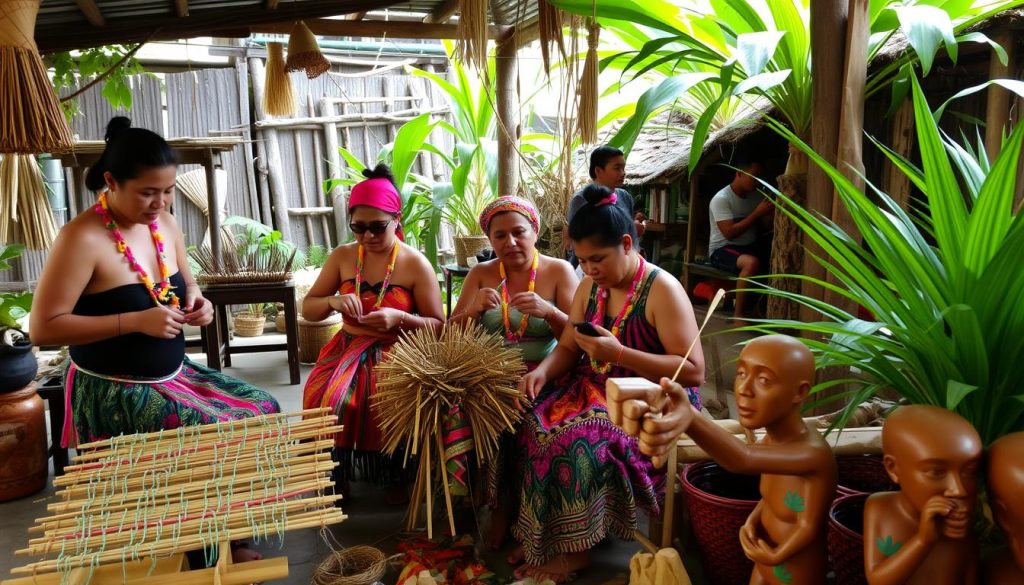
Talking to these artisans helps keep their skills and traditions alive. You’ll admire the hard work and dedication it takes to make these items. Getting to know the craftsmen gives you insight into their lives and dreams.
“Art is not just what you see. It’s about connecting and understanding the heritage behind it.”
In these workshops, you learn new skills and celebrate the area’s cultural heritage. It’s more than just a trip; it’s a chance to make memories, learn from experts, and help the local economy. By joining Palawan’s crafts and workshops, you add depth to your journey and honor the island’s traditions.
| Artisan Craft | Technique Used | Cultural Significance |
|---|---|---|
| Basket Weaving | Traditional lore and materials | Preserves heritage and empowers women |
| Woodcarving | Carving from local hardwoods | Reflects spiritual beliefs and history |
| Textile Production | Inabel and Abaca weaving | Showcases identity and craftsmanship |
Engage with Palawan’s artisans to discover a world filled with creativity and tradition. Your involvement supports Palawan’s heritage and helps keep these amazing crafts alive for future generations.
Cultural Festivals Celebrating Artisanry
Palawan’s cultural festivals brilliantly showcase the rich artistry of indigenous communities. These annual events are a unique chance to meet local craftspeople. Visitors see amazing talent that comes from Palawan’s cultural roots. Each festival shows off different artistic expressions, like traditional music, dance, and crafts.
The Baragatan sa Palawan Festival is a top event. It celebrates the area’s crafts and the unity among different cultures. It draws participants from many fields, adding up to 558 people. They come from sectors like construction, logistics, and education, to finance, real estate, and food service. This wide support shows how much effort goes into preserving Palawan’s cultural heritage.
These festivals do more than highlight local artistry. They also provide stages for indigenous crafts and workshops. Scholars take great interest in these events, often discussing them in academic works. This shows how important local crafts are. Visitors to the festivals can dive into the vibrant life and age-old traditions of Palawan. This experience brings them closer to the region’s cultural identity.
Conclusion
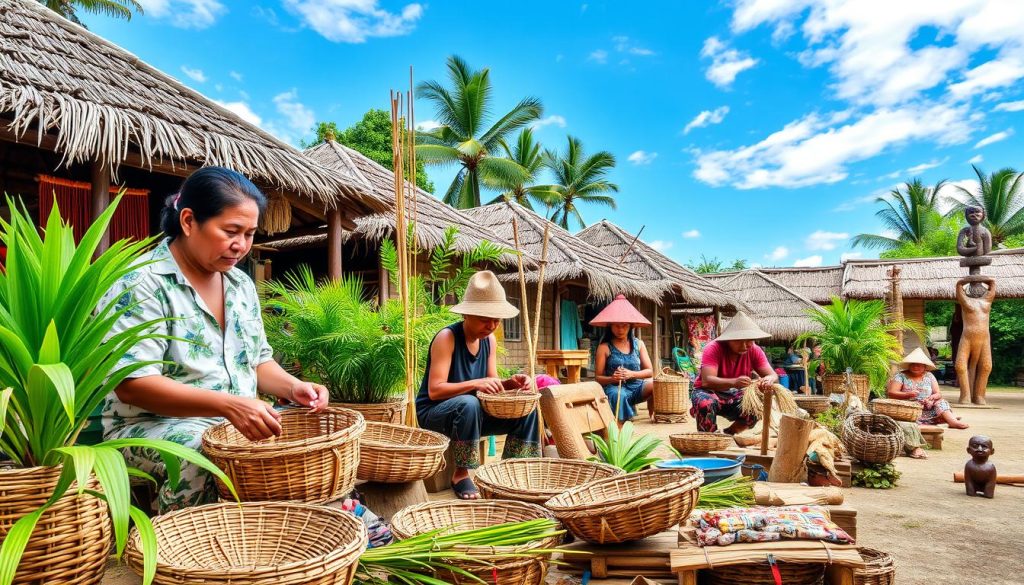
Exploring Palawan indigenous crafts offers a real peek into the island’s lively culture. You’ll see art forms passed down through families. From weaving to wood carving, each craft tells a history story. Getting hands-on with local artisans lets you really feel the island’s traditions.
When you join in on Palawan crafts, you help keep these unique skills alive. It supports workers who depend on these crafts to make a living. This way, we help keep the community strong and connect the past with today. These activities show how art, identity, and the earth are linked in Palawan.
Getting involved in these crafts keeps Palawan’s traditions going for others to see and learn. It’s more than just making things; it’s a heartfelt tribute to the artisans. You go on an inspiring journey through time and creativity.