
Explore Native American Reservations Near Phoenix
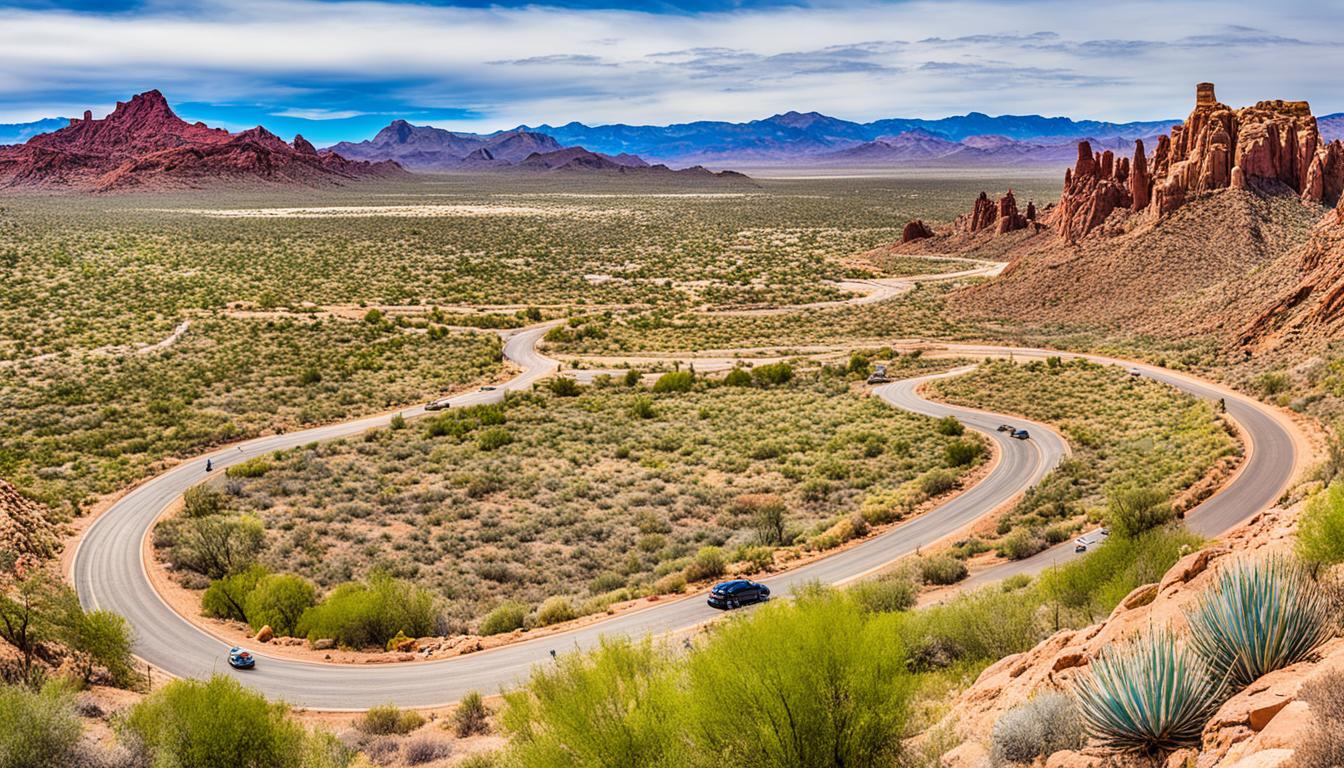
Native American tribal lands surround the Phoenix metro area in every direction, making the city an accessible base for cultural day trips across the Sonoran Desert. The Gila River Indian Community, Salt River Pima-Maricopa Indian Community, and Fort McDowell Yavapai Nation all border metropolitan Phoenix within a 30-to-45-minute drive. Each community governs its own tourism access and programming, so visitor experiences vary by tribe and season. Always check with the tribal authority directly before planning a visit to any reservation lands.
Start at the Heard Museum in Phoenix
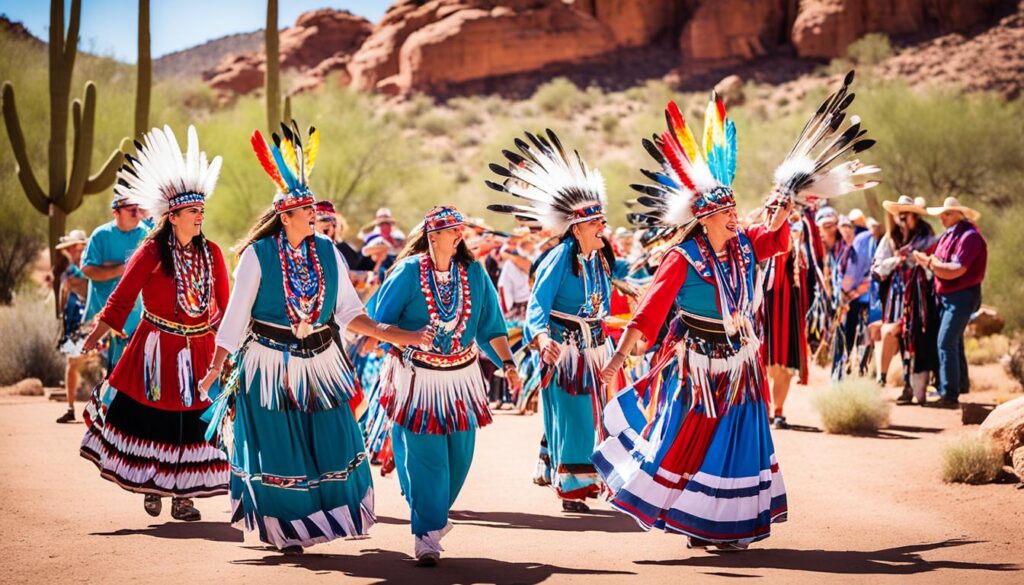
The Heard Museum at 2301 N Central Ave, Phoenix, is the most comprehensive starting point for understanding the indigenous cultures of the American Southwest. The museum holds more than 40,000 works of Native American art and cultural objects, including the Fred Harvey Fine Arts Collection and major holdings of Hopi kachina figures. Adults pay approximately $22 at the gate as of 2026; the museum is closed on Tuesdays. The annual Heard Museum Guild Indian Fair and Market, held each spring, brings together more than 600 Native artists selling directly to the public and is one of the largest Native American art markets in the United States.
Pueblo Grande Museum and Archaeological Park
Pueblo Grande Museum sits at 4619 E Washington St, Phoenix, on the site of a Hohokam village that was inhabited from approximately 450 to 1450 CE. The museum preserves a platform mound, a ball court, and sections of the ancient canal system that once irrigated thousands of acres across the Salt River valley. Admission is $8 for adults as of 2026, with free admission on the first Sunday of each month for Phoenix residents. The outdoor walk-through ruins are accessible year-round and include interpretive signage at each site.
Salt River Pima-Maricopa Indian Community
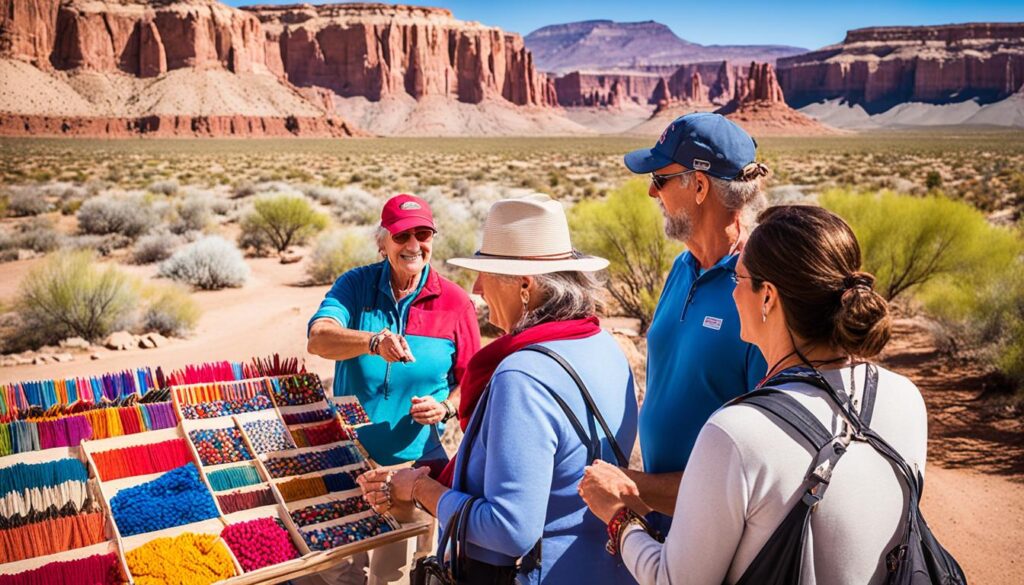
The Salt River Pima-Maricopa Indian Community occupies 52,600 acres immediately east of Scottsdale, making it one of the most accessible tribal communities from central Phoenix. The community is the home of Talking Stick Resort, a full-service casino resort at 9800 E Talking Stick Way, Scottsdale, with two hotel towers, a casino floor, and multiple restaurants. Salt River Fields at Talking Stick, operated jointly with Major League Baseball, hosts spring training for the Colorado Rockies and Arizona Diamondbacks each February and March. For cultural programming and tours of reservation lands, contact the Salt River Pima-Maricopa Indian Community at srpmic-nsn.gov before visiting.
Gila River Indian Community and Wild Horse Pass
The Gila River Indian Community encompasses more than 372,000 acres south of Phoenix along the Gila River, approximately 30 minutes from Phoenix Sky Harbor. The community developed the Wild Horse Pass corridor along I-10, which includes the Sheraton Grand at Wild Horse Pass (a AAA Four Diamond resort designed to reflect O’otham and Piipaash culture), the Whirlwind Golf Club, and the Rawhide Western Town and Steakhouse. The Huhugam Heritage Center at 4759 N Maricopa Road, Chandler, preserves the history and cultural materials of the Akimel O’otham and Piipaash peoples with exhibits open to the public. Check gricnaturalresources.com or gric.nsn.us for current access information before planning a visit to reservation lands.
Fort McDowell Yavapai Nation
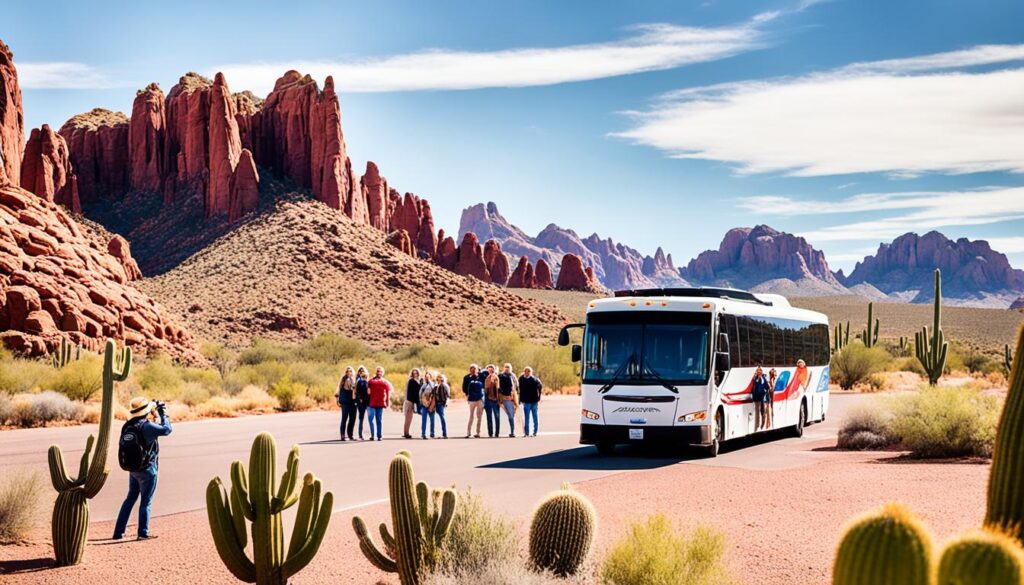
The Fort McDowell Yavapai Nation is located approximately 25 miles northeast of Phoenix near Fountain Hills, at the base of the McDowell Mountains along the Verde River. The community operates Fort McDowell Casino and the We-Ko-Pa Casino Resort, with guest accommodations, golf, and dining. The Verde River flowing through Fort McDowell lands is a recognized birding and kayaking corridor. For guided cultural experiences or access to tribal lands beyond the resort areas, contact the Fort McDowell Yavapai Nation at ftmcdowell.org in advance of your visit.
Havasupai Tribe: Havasu Falls permit requirements
The Havasupai Tribe is located at Supai Village in Havasu Canyon, a tributary of the Grand Canyon, approximately 225 miles northwest of Phoenix (roughly four hours by car plus a 10-mile hike). Havasu Falls, Mooney Falls, and Beaver Falls are on Havasupai Tribal land, and all visitors must obtain a permit and reservation before entering. Permits open for the following year in February and routinely sell out within hours. The tribe manages its own lodging (Havasupai Lodge) and campground at Supai Village. All tourism to Havasupai lands is managed through the tribal office; visit havasupaitribe.com for current permit availability and access rules. Do not attempt to visit without a confirmed permit.
Traditional arts and where to buy authentic work
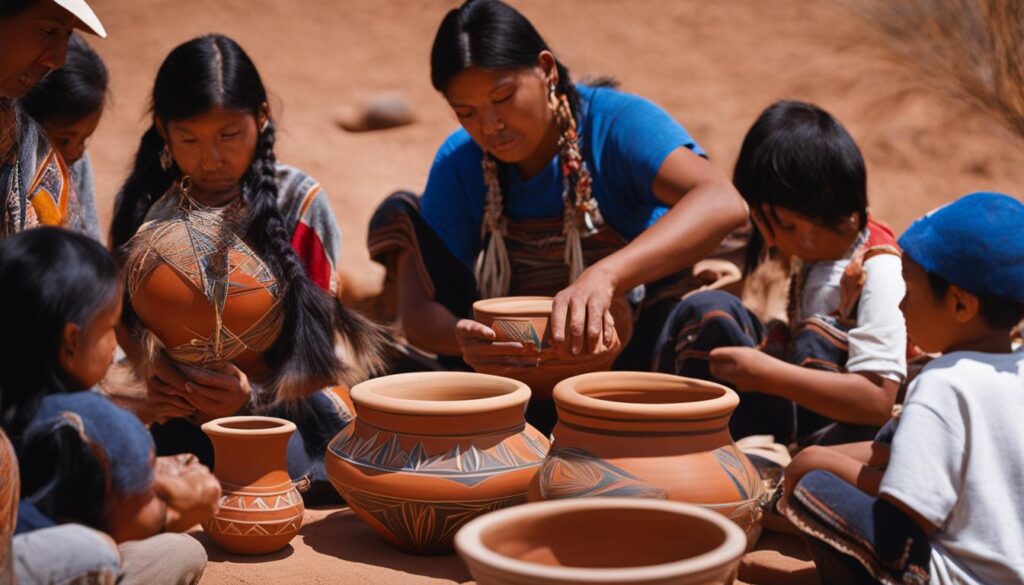
The Heard Museum Shop carries authenticated Native American art across jewelry, pottery, textiles, and kachina figures, with provenance documentation for every piece. The museum’s annual Indian Fair and Market is the best opportunity to buy directly from artists. The Pueblo Grande Museum gift shop carries Hohokam-region pottery reproductions and educational materials. For Navajo weaving, Hopi silver overlay jewelry, and Apache beadwork, the Old Town Scottsdale galleries along Main Street and Marshall Way host dealers who work with verified tribal artists. The Indian Pueblo Cultural Center in Albuquerque (a four-hour drive) operates the largest artist-direct marketplace in the Southwest if you are making a longer regional trip.
Cultural events and calendars
The Heard Museum Guild Indian Fair and Market is held annually each spring (typically the first weekend of March) and is free with museum admission. The Salt River Pima-Maricopa Indian Community hosts cultural events including the annual O’odham Piipaash Language Celebration; check srpmic-nsn.gov for the current schedule. The Gila River Indian Community hosts the annual Mul-Chu-Tha Community Fair and Rodeo at the Casa Blanca Fairgrounds, typically in February. Powwow events across the Phoenix metro area are listed on powwows.com with confirmed dates and public admission status for each event.
Native American cuisine in the Phoenix area
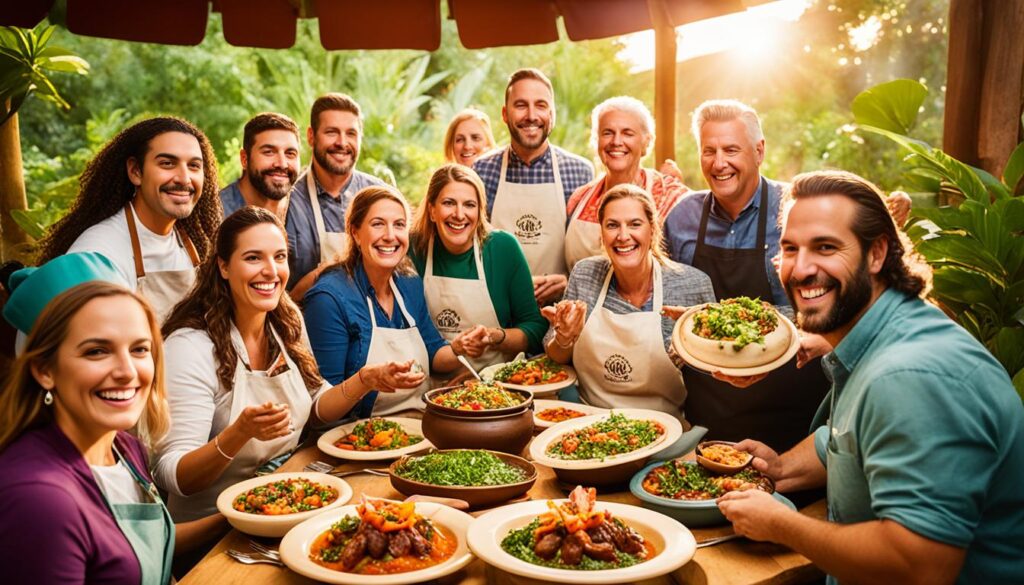
Traditional Southwest Native American food is built around the “Three Sisters” of corn, beans, and squash, supplemented by wild game, cholla buds, mesquite flour, and saguaro fruit. Frybread, a dough deep-fried in oil, is served at most community events and powwows. Navajo tacos use frybread as a base with beans, meat, lettuce, and cheese. The Kai Restaurant at the Sheraton Grand at Wild Horse Pass (on Gila River Indian Community land, 5594 W Wild Horse Pass Blvd, Chandler) is the only AAA Five Diamond restaurant on tribal land in the United States, serving a tasting menu that incorporates ingredients sourced from the Gila River region. Reservations are required and should be made well in advance.
Where to stay near Phoenix tribal lands
Several hotels near or on tribal lands make convenient bases for exploring the Phoenix area’s indigenous communities. Rates below are approximate starting prices from booking platforms as of 2026.
| Hotel | Location | From (2026) | Best for |
|---|---|---|---|
| Sheraton Grand at Wild Horse Pass | Gila River Indian Community (Chandler) | $220/night | On-reservation resort, Kai Restaurant, golf |
| Talking Stick Resort | Salt River Pima-Maricopa land (Scottsdale) | $190/night | Casino resort near Scottsdale, spring training |
| We-Ko-Pa Casino Resort | Fort McDowell Yavapai Nation (Fountain Hills) | $160/night | Mountain views, Verde River access, golf |
| Arizona Grand Resort and Spa | South Phoenix, near I-10 | $200/night | Base for Gila River and South Mountain day trips |
Frequently asked questions
Can visitors enter Native American reservations near Phoenix without a permit?
It depends entirely on the tribal community. Public venues like Talking Stick Resort and Fort McDowell Casino are open to all visitors without a permit. However, access to non-commercial reservation lands for hiking, photography, or exploration typically requires tribal permission. The Havasupai Tribe requires a confirmed permit for any visitor entering Havasu Canyon. Always check with the specific tribal authority before visiting any reservation land.
What is the best Native American cultural museum in Phoenix?
The Heard Museum at 2301 N Central Ave is widely regarded as the best museum for Native American art and culture in the Southwest. It holds more than 40,000 works, runs major annual events including the Indian Fair and Market, and offers rotating exhibitions covering tribes from across North America. Adults pay approximately $22 as of 2026.
How far in advance do I need to book Havasupai Falls permits?
Permits for Havasu Falls typically open in February for the following year and sell out within hours. Most travelers need to book 6 to 12 months in advance to secure a spot. Visit havasupaitribe.com for current permit opening dates and any changes to tribal access policies.
Where can I eat authentic Native American food near Phoenix?
The Kai Restaurant at the Sheraton Grand at Wild Horse Pass (on Gila River Indian Community land in Chandler) is the only AAA Five Diamond restaurant on tribal land in the US and serves regional Native cuisine from a tasting menu. Traditional frybread and Navajo tacos are commonly found at Phoenix-area powwows and community events. The Heard Museum cafe also serves rotating items tied to current exhibitions.
What tribes are closest to downtown Phoenix?
The Salt River Pima-Maricopa Indian Community borders Scottsdale’s eastern edge, about 20 minutes from downtown Phoenix. The Gila River Indian Community is about 30 minutes south via I-10. Fort McDowell Yavapai Nation is approximately 40 minutes northeast near Fountain Hills. All three communities have publicly accessible venues including resort hotels and casinos.
Are there guided tours to Native American reservations near Phoenix?
Several Phoenix-area tour operators offer guided day trips that include the Heard Museum, Pueblo Grande Museum, and stops near tribal communities. For immersive tours led by tribal members, check directly with the Salt River Pima-Maricopa Indian Community (srpmic-nsn.gov) and the Gila River Indian Community (gric.nsn.us), as tribally-operated programs are available seasonally and require advance booking. Third-party tour operators can be found through the Arizona Office of Tourism at visitarizona.com.
What is the Heard Museum Indian Fair and Market?
The Heard Museum Guild Indian Fair and Market is one of the largest Native American art markets in the United States, held annually each spring (typically the first weekend of March) on the museum grounds at 2301 N Central Ave, Phoenix. More than 600 artists sell directly to visitors across jewelry, textiles, ceramics, and paintings. Admission is included with museum entry. Check heardmuseum.org for the confirmed date each year.





