Explore Must-Try Korean Dishes for Authentic Flavors
You’ve probably heard of Korean cuisine, but have you ever explored the rich tapestry of flavors it offers? If not, now is the perfect time to embark on a culinary adventure and discover what makes Korean food so unique and delicious. In this article, we’ll introduce you to some of the must-try Korean dishes that will take your taste buds on a journey to remember. From savory grilled meat to spicy rice cakes, these traditional Korean dishes are sure to delight your senses and leave you craving for more.
So, what are the must-try Korean dishes? In the following sections, we’ll take a closer look at some of the most popular and iconic dishes that have come to define Korean cuisine. Whether you’re a fan of spicy or savory flavors, there’s a dish that’s sure to captivate your taste buds and leave you wanting more. So let’s dig in and discover the diverse and flavorful world of Korean cuisine together!
Introduction to Korean Cuisine
If you’re a foodie looking to expand your culinary horizons, Korean cuisine offers a sensational and authentic experience that cannot be missed. With its emphasis on fresh ingredients, bold seasonings, and vibrant colors, Korean food is a feast for the senses that will leave you craving for more.
Food is an integral part of Korean culture, with specific dishes and ingredients carrying deep cultural significance. Exploring traditional Korean food provides insight into the country’s history, values, and social customs, making it a fascinating and enlightening experience.
In this guide, we’ll explore the must-try Korean dishes that exemplify the essence of Korean cuisine. From the fiery kick of kimchi to the succulent flavors of bulgogi, these dishes are a feast for your taste buds and are an excellent introduction to traditional Korean food.
Kimchi – A Spicy Korean Staple
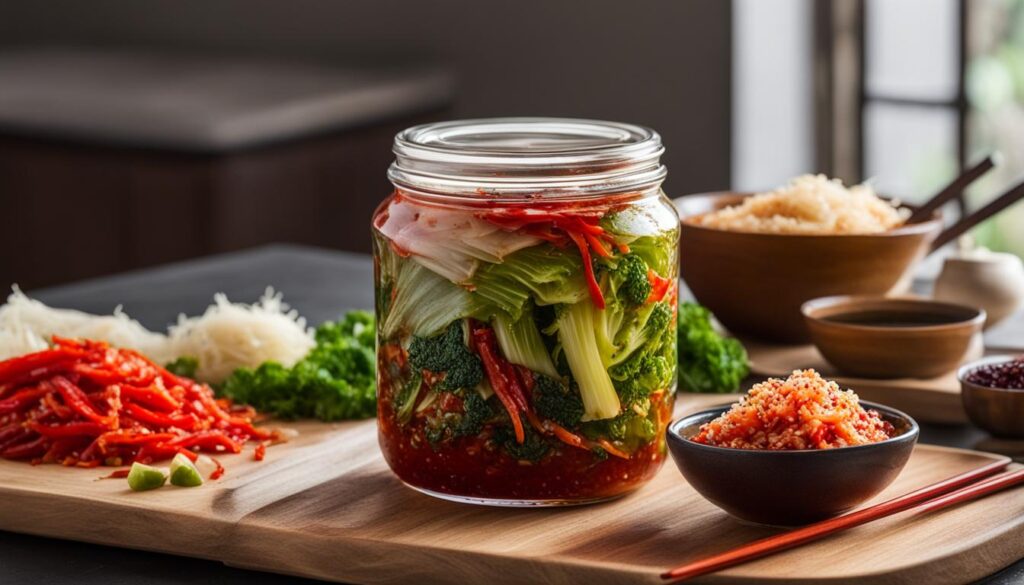
Get ready to dive into the world of kimchi, a must-try and popular Korean dish that has become a tradition in Korean cuisine. Kimchi is a spicy and tangy side dish made from fermented vegetables, most commonly cabbage, mixed with chili pepper flakes, garlic, ginger, and other seasonings.
Kimchi is a staple food in Korea, and there are more than 200 different types of kimchi available, each with its unique flavor and style. The most common types of kimchi are:
| Type of Kimchi | Ingredients | Characteristics |
|---|---|---|
| Baechu Kimchi | Napa cabbage, radish, scallions, garlic, ginger, red pepper flakes, fish sauce, and salted shrimp | Mild and crunchy |
| Kkakdugi | Cubed radish, garlic, ginger, scallions, chili pepper flakes, fish sauce, and salted shrimp or oysters | Salty and spicy |
| Mul Kimchi | Chopped radish, scallions, water, garlic, ginger, salt, and chili pepper flakes | Light and refreshing |
Kimchi is not only delicious but also healthy since fermented foods are known to be beneficial for gut health. Kimchi is also used as an essential ingredient in other Korean dishes, such as kimchi fried rice, kimchi stew, and kimchi pancakes.
Experience the unique tangy and spicy flavors of kimchi for yourself with a must-try Korean dish that has become an integral part of Korean cuisine.
Bibimbap – A Colorful Rice Bowl
Get ready to satisfy your hunger pangs with bibimbap, a delightful Korean dish that features a steaming bowl of rice topped with an array of vegetables, meat, and a fried egg. Whether you’re a vegetarian or a meat lover, bibimbap is a must-try dish that brings together the best of Korean cuisine.
This traditional Korean dish is a feast for the eyes and the taste buds. With its vibrant colors and bold flavors, bibimbap is a crowd-pleaser that is perfect for any occasion. The dish is often served in a piping hot stone bowl, which creates a satisfying sizzle and crispy texture.
Did you know that there are different regional variations of bibimbap? For instance, Jeonju-style bibimbap in South Korea is considered the most authentic and traditional version of the dish. It features an array of colorful vegetables such as mushrooms, bean sprouts, and carrot, along with sliced beef and a raw egg yolk that cooks in the hot rice bowl. On the other hand, the Gwangju-style bibimbap contains more diverse toppings like seafood and shredded meat.
How to Eat Bibimbap
“Mix it like crazy!”
The art of eating bibimbap lies in mixing all the ingredients together to create a harmonious blend of textures and flavors. The hot rice will cook the raw egg yolk and the various toppings will meld together to create a sumptuous dish. Add some spicy gochujang sauce to elevate the flavors and enjoy!
Bibimbap Nutritional Facts
| Nutrients | Amount per 1 cup (approx. 160g) |
|---|---|
| Calories | 430 kcal |
| Protein | 19g |
| Fat | 16g |
| Carbohydrates | 55g |
| Fiber | 5g |
| Sugar | 6g |
| Sodium | 920mg |
Bibimbap is a nutritious and filling meal that provides a good balance of protein, fiber, and carbohydrates. It is also a rich source of vitamins and minerals, especially vitamin A, vitamin C, and iron.
Whether you’re searching for a delicious new dish to try or simply looking to expand your knowledge of Korean cuisine, bibimbap is a must-try. With its colorful presentation and enticing flavors, it’s no wonder that bibimbap is one of the best Korean dishes around.
Bulgogi – Savory Grilled Meat
Transport your taste buds to Korea and indulge in the irresistible flavors of bulgogi, a must-try dish that epitomizes iconic Korean cuisine. The term “bulgogi” translates to “fire meat,” reflects the dish’s signature preparation style of being grilled over an open flame. Thinly sliced, marinated beef or pork is transformed into a mouth-watering masterpiece when grilled and served with rice and a side of kimchi.
The secret to bulgogi’s tender texture lies in its marinade of soy sauce, sugar, sesame oil, garlic, and other aromatic herbs and spices. This delectable fusion of sweet and savory flavors will undoubtedly leave a lasting impression as you savor each delicious bite.
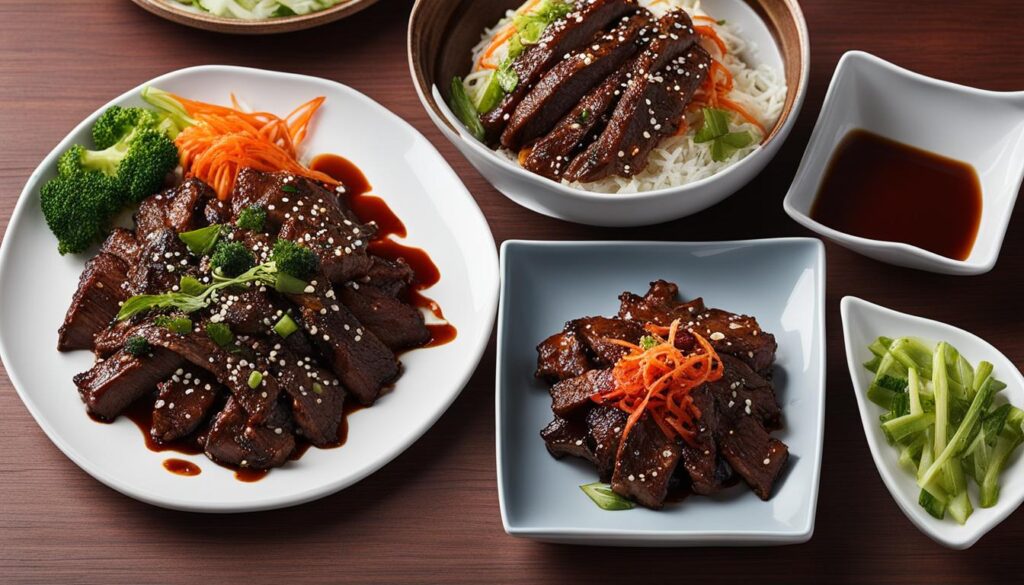
Experience the authentic Korean food culture and join in on the trend of Korean barbecue by trying Bulgogi.
Japchae – Stir-Fried Glass Noodles
Take your taste buds on a flavorful adventure with japchae, a must-try Korean dish that is both traditional and popular. This beloved dish is made with stir-fried sweet potato glass noodles combined with an assortment of vegetables and thinly sliced meat.
What makes japchae stand out is the harmony of textures and flavors in every bite. The glass noodles have a soft and chewy texture, while the fresh vegetables offer a satisfying crunch. The thinly sliced meat, usually beef, adds a savory and meaty touch to the dish.
The seasoning comes from a soy sauce-based marinade that brings an umami-packed punch to the dish. The marinade is typically made with soy sauce, sesame oil, sugar, and garlic, among other ingredients, which infuses every strand of noodle with rich flavors that are hard to resist.
It’s no wonder why japchae has become one of the most popular Korean dishes, both in Korea and around the world.
Ingredients
| Ingredient | Amount |
|---|---|
| Sweet potato glass noodles | 8 oz |
| Thinly sliced beef (or other meat) | 4 oz |
| Spinach | 2 cups |
| Carrots | 1 large |
| Onion | 1 medium |
| Green onions | 3 |
| Garlic | 3 cloves |
| Soy sauce | 2 tbsp |
| Sugar | 1 tbsp |
| Sesame oil | 1 tbsp |
How to Make Japchae
- Soak the sweet potato glass noodles in warm water for 30 minutes until they soften. Drain the water and set the noodles aside.
- Slice the beef thinly and marinate it with soy sauce, sugar, and minced garlic for at least 30 minutes.
- Blanch the spinach in boiling water for 1 minute. Rinse with cold water and squeeze out the excess water. Cut the spinach into 2-inch pieces and set them aside.
- Julienne the carrots and onion into thin strips.
- Heat up a pan with oil and stir-fry the marinated beef until it’s fully cooked. Remove from the pan and set aside.
- Stir-fry the carrots and onion until they’re softened. Add the spinach and green onions, and continue to stir-fry for another 1-2 minutes.
- Turn down the heat and add the sweet potato glass noodles and cooked beef to the pan. Stir-fry for 2-3 minutes, making sure everything is heated evenly.
- Drizzle the sesame oil over the noodles and vegetables, and give it a final toss. Serve hot and enjoy.
Once you try japchae, you’ll understand why it’s considered one of the most delicious and authentic Korean dishes out there. Don’t hesitate to make it at home and impress your friends and family with your newfound culinary skills.
Tteokbokki – Spicy Rice Cakes
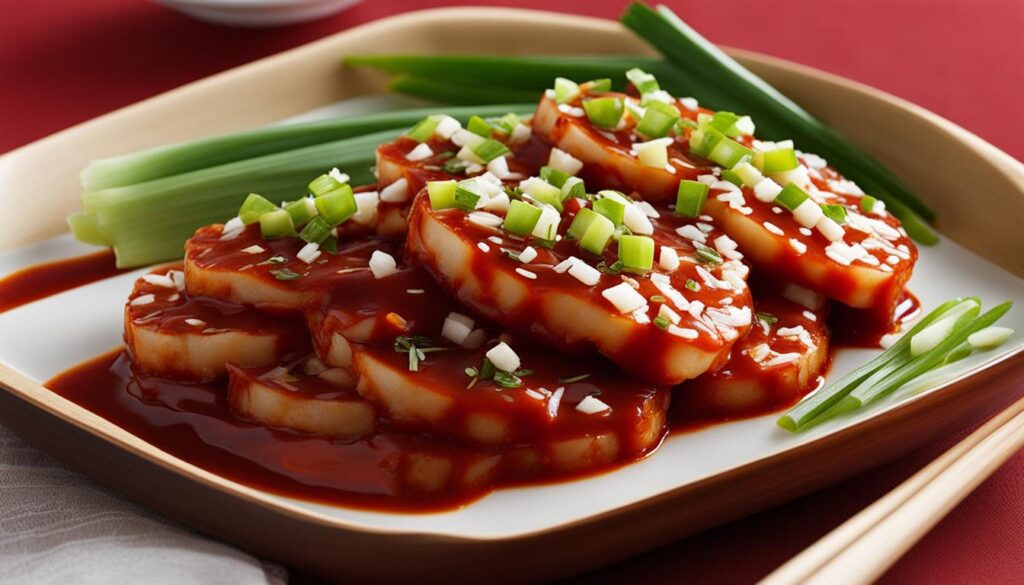
If you’re craving an explosion of spicy flavor, look no further than tteokbokki – a staple Korean dish made of chewy rice cakes smothered in a fiery red chili sauce. This popular street food is not for the faint of heart, but for those who dare to try it, the heat and irresistible flavors are addictive.
The History of Tteokbokki
Tteokbokki has been a favorite among Koreans since the Joseon dynasty. Originally called “garae tteok,” it was traditionally eaten during the Lunar New Year celebrations. Today, tteokbokki is enjoyed year-round and can be found at many street food vendors or restaurants across Korea.
The Ingredients and Preparation
Tteokbokki is made with cylindrical rice cakes, known as tteok. These are cooked in boiling water until they become soft and chewy. The sauce is made with gochujang (Korean chili paste), soy sauce, sugar, and other seasonings, then cooked with sliced fish cakes, boiled eggs, onions, and scallions. Some variations also include sliced beef, seafood, or cheese.
Where to Try Tteokbokki
Tteokbokki is a must-try Korean dish that can be found almost everywhere in Korea. From street vendors to Korean-style pubs (known as “pojangmacha”), as well as Korean restaurants, you are likely to find tteokbokki on the menu. Don’t forget to pair it with a cold drink to cool down the heat!
Samgyeopsal – Grilled Pork Belly
Savor the succulent joy of samgyeopsal, a traditional Korean dish consisting of thick slices of fatty pork belly grilled to perfection. The dish is a must-try Korean dish for anyone looking to indulge in authentic Korean food. Samgyeopsal is typically served in Korean barbecue restaurants where each table comes equipped with a grill. You get to cook your own meat and enjoy the experience with friends and family.
The best Korean dishes are known for their simplicity and focus on fresh ingredients. Samgyeopsal is no exception. Pork belly, the main ingredient, is marinated with soy sauce and sesame oil, then grilled to perfection, giving it a delicious, smoky flavor.
In addition to pork belly, the dish is often accompanied by various side dishes such as kimchi, rice, and fresh vegetables. These side dishes provide a variety of tastes and textures that complement the richness and flavor of the pork belly.
If you’re looking for the best Korean dishes, samgyeopsal should definitely be on your list. Its authentic flavors and unique dining experience are sure to leave you satisfied and craving more.
Jjajangmyeon – Black Bean Noodles
If you want to try a delicious Korean-Chinese fusion dish, then jjajangmyeon should definitely be on your list of must-try Korean dishes. This dish features thick wheat noodles that are smothered in a rich and savory black bean sauce, giving it its signature color and flavor.
Jjajangmyeon is a beloved comfort food in Korea, and for good reason. The deep and flavorsome umami notes in the black bean sauce make it a truly satisfying and indulgent dish. It’s also incredibly versatile, as you can add various vegetables, meats, and seafood to the dish to make it your own.
You can find jjajangmyeon in many Korean restaurants, as well as Chinese restaurants that specialize in Korean-Chinese fusion cuisine. Whether you’re looking for popular Korean dishes or traditional Korean food, jjajangmyeon is a must-try that you won’t regret.
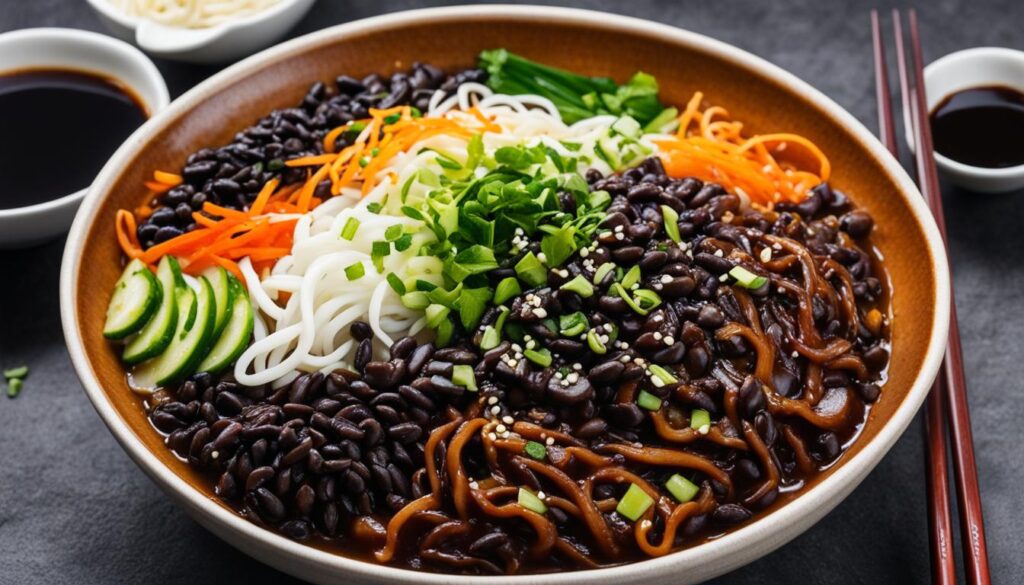
Indulge in the rich and savory flavors of jjajangmyeon, which has become one of the most popular Korean dishes today. Its unique blend of Korean and Chinese flavors, combined with the comforting texture of thick wheat noodles, has made it a staple in Korean cuisine.
Haemul Pajeon – Seafood Pancake
Dive into the delicious world of haemul pajeon, a savory seafood pancake filled with an array of fresh seafood and green onions. This classic Korean dish is a must-try for anyone looking to experience traditional Korean cuisine at its finest.
The pancake batter is made with a mixture of flour, eggs, and water, creating a crispy exterior that complements the tender interior filled with succulent seafood. Common seafood ingredients include shrimp, squid, and clams, but variations also include octopus, mussels, and oysters. Green onions are added to give the pancake a burst of refreshing flavor.
This dish is typically served hot and paired with a soy-based dipping sauce for extra flavor. The rich taste of the seafood melds harmoniously with the warm and savory pancake, making this a top contender for the best Korean dishes.
Ingredients
| Ingredients | Amount |
|---|---|
| All purpose flour | 1 cup |
| Eggs | 1-2 |
| Water | 1 cup |
| Seafood (shrimp, squid, clams, etc.) | 1-2 cups |
| Green onions | 1/2 cup, chopped |
Instructions
- In a mixing bowl, combine the flour, eggs, and water. Whisk until a smooth batter forms.
- Add the seafood and green onions to the batter, and mix well.
- Heat a non-stick pan over medium-high heat. Add a generous amount of oil to the pan.
- Pour the batter into the pan and spread it evenly to form a pancake shape. Cook until the bottom is golden brown.
- Flip the pancake over and cook until the other side is golden brown.
- Serve hot with a soy-based dipping sauce.
Experience the delicious flavors of haemul pajeon, one of the best traditional Korean dishes that will transport you to the heart of Korean cuisine.
Sundubu Jjigae – Spicy Soft Tofu Stew
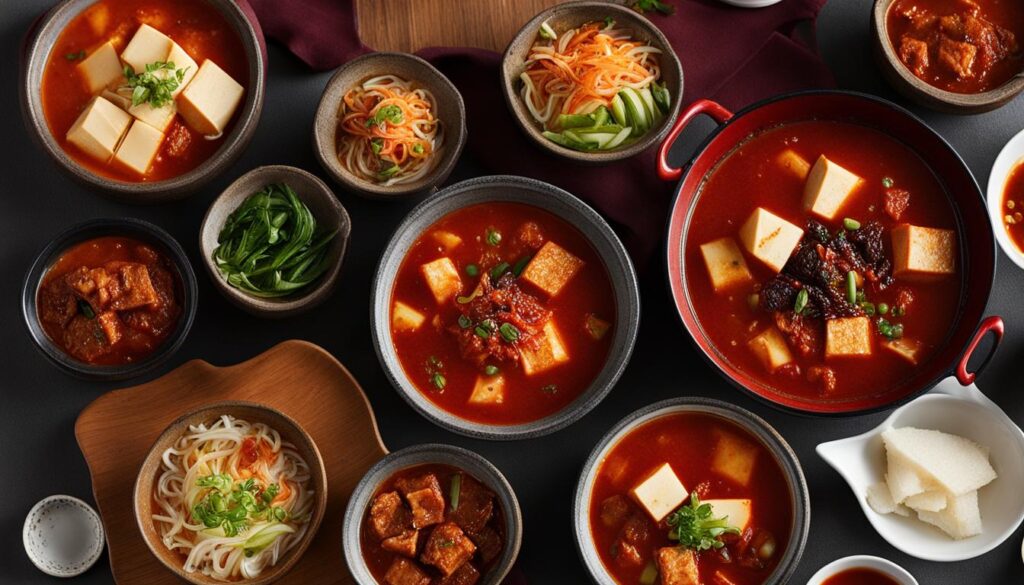
Looking for a warm and comforting dish? Try the popular Korean dish, sundubu jjigae! This must-try Korean dish is perfect for anyone seeking traditional Korean food with a spicy kick. The dish is made with soft tofu, traditionally cooked in a flavorful broth with ingredients such as clams, beef or mushrooms. Sundubu jjigae has a rich aroma, a silky smooth texture, and is packed with soothing flavors that will make you feel at home.
One of the highlights of this dish is the delicate and smooth texture of the tofu, which contrasts perfectly with the spicy broth. Each ingredient in the dish blends perfectly to create a hearty and healthy Korean meal. Sundubu Jjigae is often served with a bowl of rice and some side dishes, like kimchi or pickles, to complement the flavors. No matter the season, whether to warm up on a chilly night or to feel comforted on a difficult day, this dish will be your go-to food.
Ingredients:
| Ingredients | Amounts |
|---|---|
| Soft tofu | 1 package (14 oz) |
| Beef or clams or mushrooms | 1 cup |
| Onion | 1/2 cup, sliced |
| Garlic | 4 cloves, minced |
| Ginger | 1 tsp, minced |
| Green onions | 3 stalks, chopped |
| Vegetable or beef broth | 2 cups |
| Gochujang | 2 tbsp |
| Gochugaru | 1 tbsp |
| Soy Sauce | 1 tbsp |
| Sesame oil | 1 tbsp |
| Salt | 1 tsp |
Experience the warmth and comfort of sundubu jjigae, a traditional Korean dish that has become a popular Korean food worldwide. This simmering soup will make a delicious addition to your kitchen, bringing the flavors of Korea home to satisfy your cravings for the best Korean dishes.
Bingsu – Korean Shaved Ice Dessert
If you have a sweet tooth, you can’t miss trying bingsu – a classic Korean dessert that has become popular worldwide. Also known as patbingsoo, this dish is made from shaved ice and often topped with sweetened condensed milk, fruits, and sweet red beans. While it is commonly enjoyed during the summer months in Korea, you can try this delicious treat all year round.
Bingsu can be found in many cafes and restaurants throughout Korea, each with its own unique take on the dish. Most variations include toppings such as sliced fruit, nuts, or syrup. Some versions even feature green tea powder or flavored syrups for an extra twist of flavor.
If you want to enjoy this treat at home, it’s easy to make. All you need is a good shaved ice machine and your favorite toppings. Start with a base of shaved ice, and then add your desired toppings for a personalized bingsu creation. Experiment with different flavors and textures to create a flavor explosion in each bite.
Conclusion
Now that you have explored the diverse and rich flavors of Korean cuisine, it’s time to embark on a culinary adventure and try these must-try dishes. From the tangy and spicy kimchi to the savory bulgogi, each dish offers a unique and authentic taste of Korean tradition.
Experience the color, texture, and aroma of bibimbap, the tender and juicy samgyeopsal, and the umami-packed japchae. Or, if you’re feeling adventurous, try the fiery tteokbokki or the hearty jjajangmyeon.
End your meal on a sweet note with the refreshing bingsu, a perfect dessert for hot summer days. Korean food truly offers a unique and memorable dining experience that you won’t soon forget. So, what are you waiting for? Head to your nearest Korean restaurant and indulge in the authentic taste of Korean cuisine.