Explore Monastir’s Top Historical Landmarks on Your Next Trip
Are you ready to uncover the secrets of a city where the Mediterranean Sea meets a rich tapestry of history? Monastir, a coastal gem in Tunisia, offers a unique blend of ancient heritage and modern charm.
As a destination steeped in history, Monastir boasts an array of top historical attractions. These show its significance. From ancient fortifications to religious landmarks, the city’s historical landmarks are a testament to its cultural and architectural heritage.
By exploring Monastir’s history, you’ll gain a deeper understanding of the region’s importance. You’ll also experience the warm hospitality of this Tunisian city. Discover the must-visit landmarks that make Monastir a fascinating destination for travelers.
The Historical Significance of Monastir
Exploring Monastir reveals its deep historical roots. This city’s historical places, ancient sites, and famous sites draw visitors from everywhere. They show the city’s rich past.
Monastir’s Strategic Position in Mediterranean History
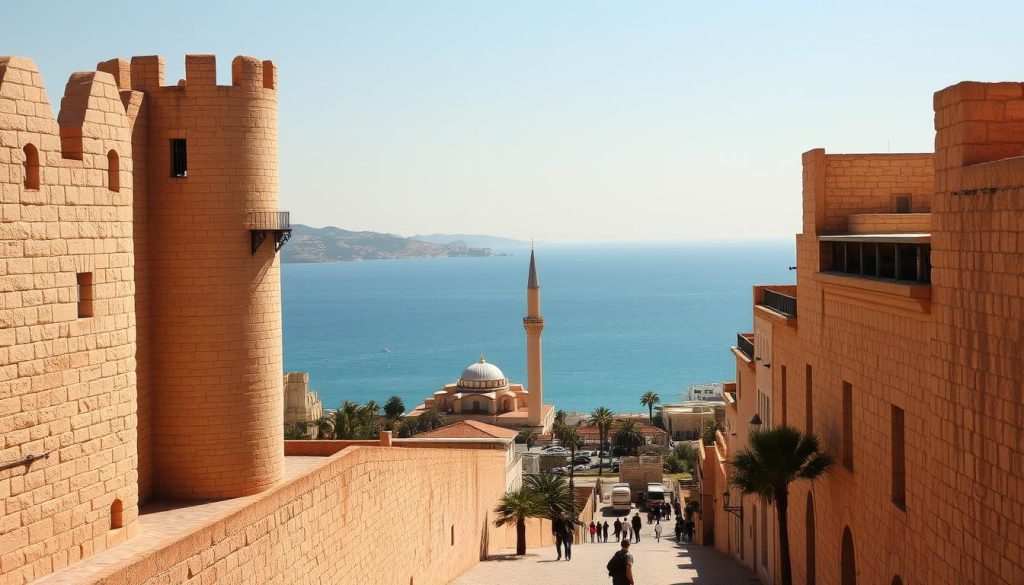
Monastir sits on the Mediterranean coast, a key spot for trade and culture. Its location helped different cultures meet, enriching its heritage. The city’s maritime significance is clear, as it was a major stop for empires and traders.
Overview of Historical Periods Represented in the City
Monastir’s story covers many eras, like the Punic and Roman eras, the Islamic period, and the Ottoman rule. Each era left its mark, seen in buildings, artifacts, and culture. Visitors can see these in museums, historical sites, and buildings.
Some important eras in Monastir are:
- The Punic and Roman periods, known for their architecture and culture.
- The Islamic period, which brought new religious and cultural practices.
- The Ottoman era, marked by administrative and architectural growth.
The Ribat of Monastir: An 8th Century Fortress
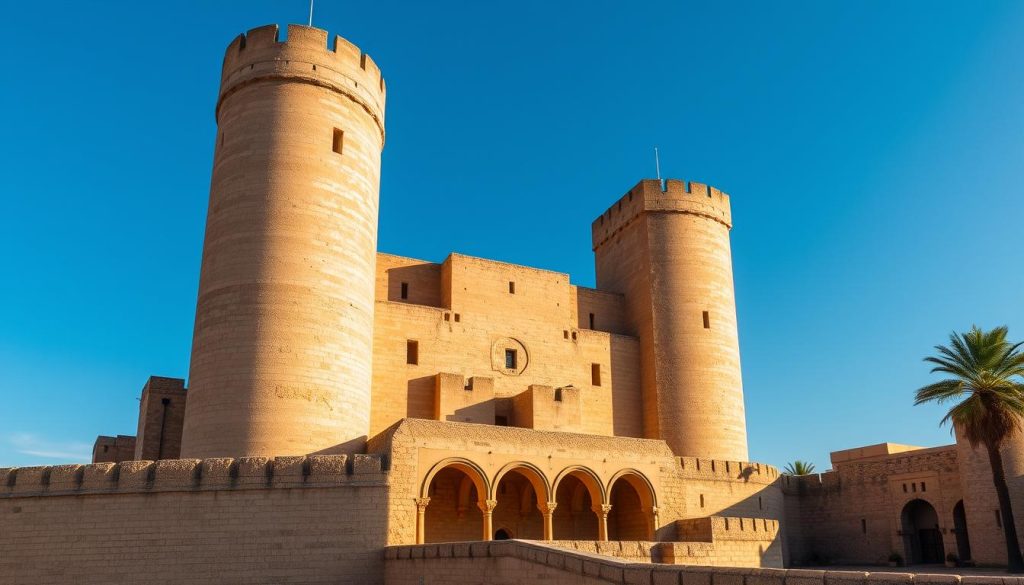
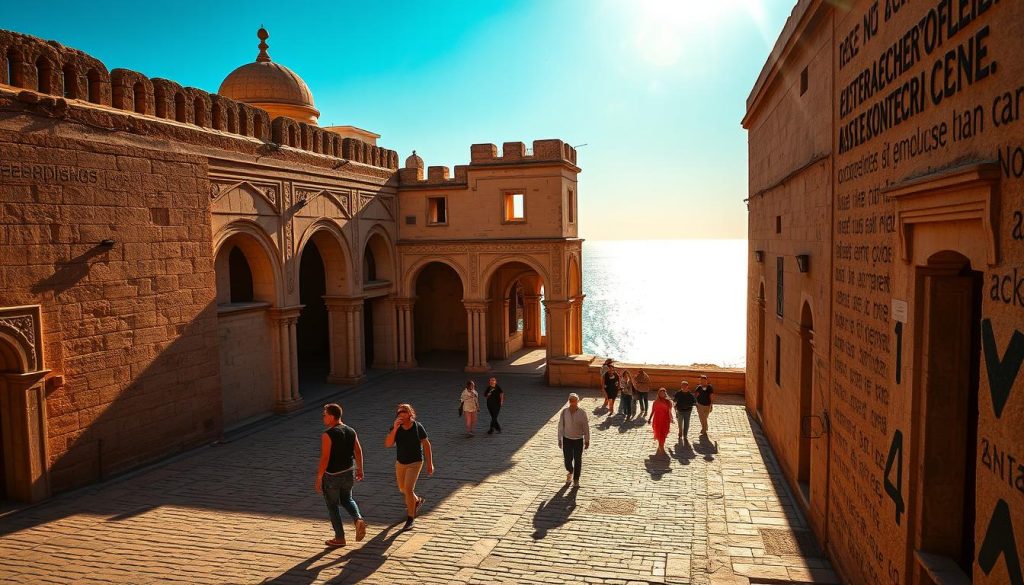
As you explore Monastir, the Ribat fortress is a must-see. It stands as a symbol of the city’s rich history. This 8th-century structure has been a fortress, a monastery, and even a film set. It’s one of the iconic buildings Monastir you can’t miss.
Defensive Architecture and Military History
The Ribat’s design shows early Islamic military building skills. Its thick walls and watchtowers were meant to keep invaders out. It was a key part of Monastir’s military history, defending against many attacks.
Famous Film Appearances and Cultural Impact
The Ribat has been in several films, most famously in the Star Wars series. This has made it a must-see monument in Monastir for history and film fans. Its fame in movies has also raised awareness of this historical site.
Exploring the Watchtowers and Panoramic Views
Visitors can climb the Ribat’s watchtowers for stunning views of Monastir and the Mediterranean Sea. The top offers a unique view of the city’s layout and history. The views are breathtaking, making it a highlight of any visit to this historical landmark Monastir.
| Aspect | Description |
|---|---|
| Architecture | Thick walls and robust watchtowers characteristic of early Islamic military construction. |
| Historical Significance | Played a crucial role in Monastir’s military history, serving as a protective fortress. |
| Cultural Impact | Featured in several films, including the Star Wars series, enhancing its global recognition. |
Bourguiba Mausoleum: Tunisia’s Monumental Tribute
In the heart of Monastir lies the Bourguiba Mausoleum, a tribute to Habib Bourguiba. This structure is a key historical site and shows Tunisia’s cultural wealth.

The Golden Dome and Architectural Elements
The Bourguiba Mausoleum is famous for its golden dome. It represents Tunisia’s Islamic heritage. The design blends traditional Tunisian styles with modern touches, making it a standout monument.
As you get closer, the mausoleum’s grandeur and detailed facade will impress you.
The Life and Legacy of Habib Bourguiba
Habib Bourguiba was crucial in Tunisia’s fight for freedom. He was the country’s first president. His birthplace in Monastir is closely tied to his legacy.
The mausoleum honors his impact on Tunisia, showing his influence on the nation.
The Surrounding Mosque and Cemetery Complex
The mausoleum is part of a larger complex with a mosque and cemetery. This area is for quiet reflection, honoring Habib Bourguiba and others. It’s a key cultural and historical spot, offering a look into Tunisian traditions and history.
Seeing the Bourguiba Mausoleum is essential when exploring Monastir’s history. It’s among the top historical attractions in Monastir, giving a peek into the city’s rich past and its role in Tunisia’s story.
What Historical Sites Should You Not Miss in Monastir?
Monastir is filled with historical sites that you must see. Each one gives a special look into the city’s past. You’ll find everything from ancient fortresses to grand mausoleums.
Hidden Historical Gems Off the Tourist Path
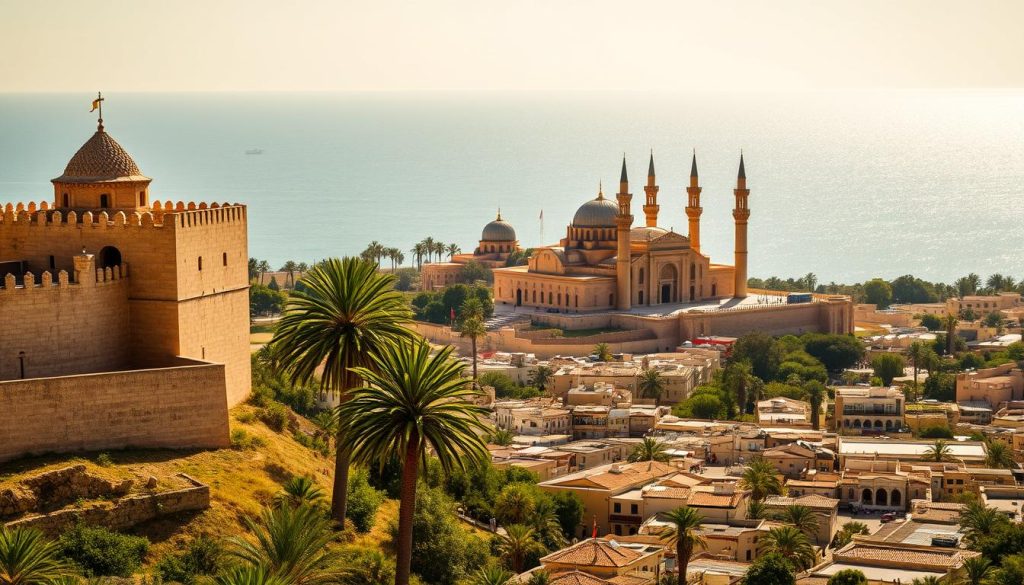
Many people visit the famous sites, but there are hidden gems too. These include lesser-known buildings and local museums. They offer a closer look at Monastir’s history.
Exploring these areas gives a deeper understanding of Monastir’s culture and history.
Local Historians’ Recommended Itinerary
Local historians suggest visiting the Ribat of Monastir and the Bourguiba Mausoleum. These sites are historically important and have stunning views of the city and sea.
Following this itinerary lets you see the best of Monastir’s history. You’ll appreciate the city’s rich heritage and landmarks even more.
The Great Mosque of Monastir: Religious Heritage
As you explore Monastir, you’ll find the Great Mosque. It’s a key part of the city’s rich religious history. This building is not just a place of worship but also shows the city’s cultural and historical side.
Islamic Architectural Features and Artistic Elements
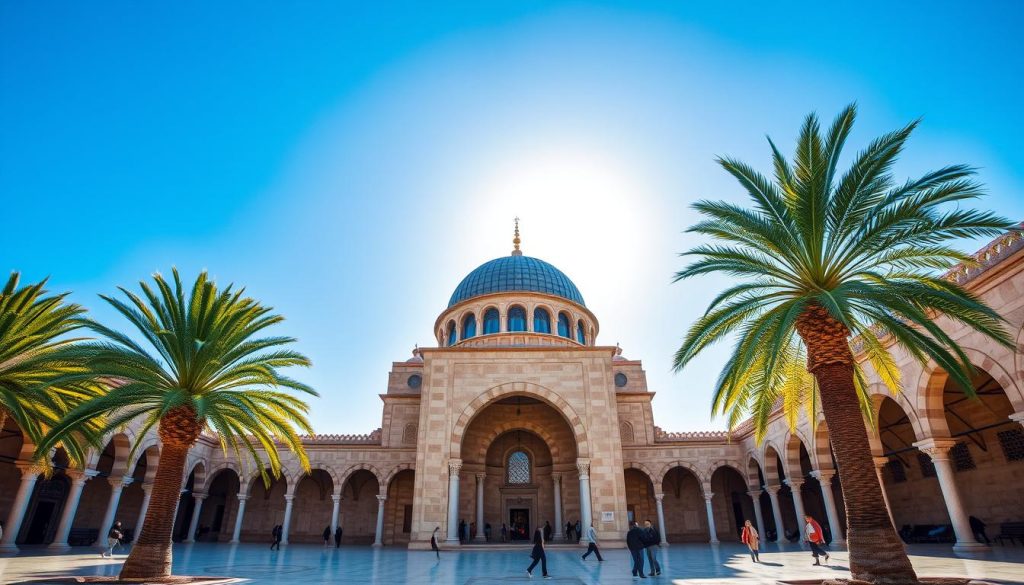
The Great Mosque of Monastir is famous for its Islamic architecture. It has detailed designs and beautiful calligraphy. As a iconic building, it highlights Monastir’s cultural wealth.
The mosque’s design includes arches, domes, and minarets. These features make it visually appealing and peaceful.
Visitor Etiquette and Photography Guidelines
When you visit the Great Mosque, remember to respect local customs. Wear modest clothing and be aware of your surroundings. You can take photos, but be gentle with worshippers. Avoid using flash or tripods.
The Great Mosque is a must-see monument in Monastir. It’s a key spot among the city’s historical landmarks Monastir.
Exploring this important religious site is a rewarding experience. The Great Mosque of Monastir will surely make your visit memorable.
Exploring the Ancient Medina Quarter
Monastir’s ancient Medina Quarter is a mix of history, crafts, and shopping. When you enter this area, you’ll feel the city’s deep history and lively culture.
Historical Buildings Within the Walls
The Medina Quarter has many historical buildings. You’ll see traditional Tunisian houses, old mosques, and other important structures. These buildings show Monastir’s rich past.
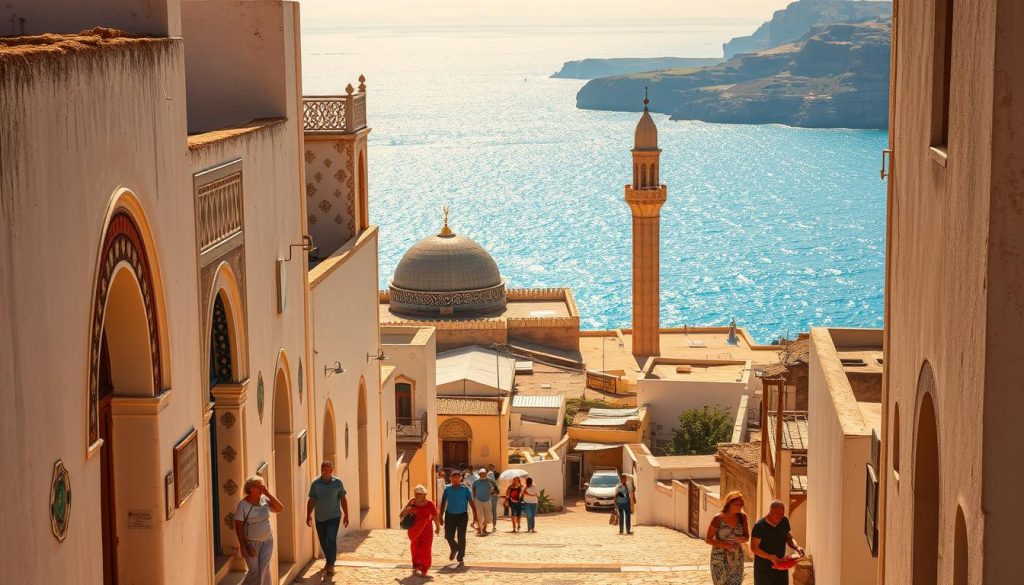
Traditional Crafts and Historical Shopping Districts
In the Medina Quarter, you’ll find traditional crafts like weaving, pottery, and metalwork. The shopping areas have local goods, from handmade items to traditional clothes. You can visit the busy souks and get a taste of local life.
| Craft | Description | Location |
|---|---|---|
| Weaving | Traditional textile weaving using local materials | Souk Al Weab |
| Pottery | Handmade ceramics and pottery | Souk Al Fakhkhareen |
| Metalwork | Intricately designed metal crafts and jewelry | Souk Al Haddadin |
Exploring the ancient Medina Quarter lets you see Monastir’s history and culture. It’s an experience you won’t forget.
Monastir Archaeological Museum: Artifacts Through the Ages
Explore Monastir’s rich cultural heritage at its Archaeological Museum. It’s filled with historical artifacts from the Punic era to the Islamic period.
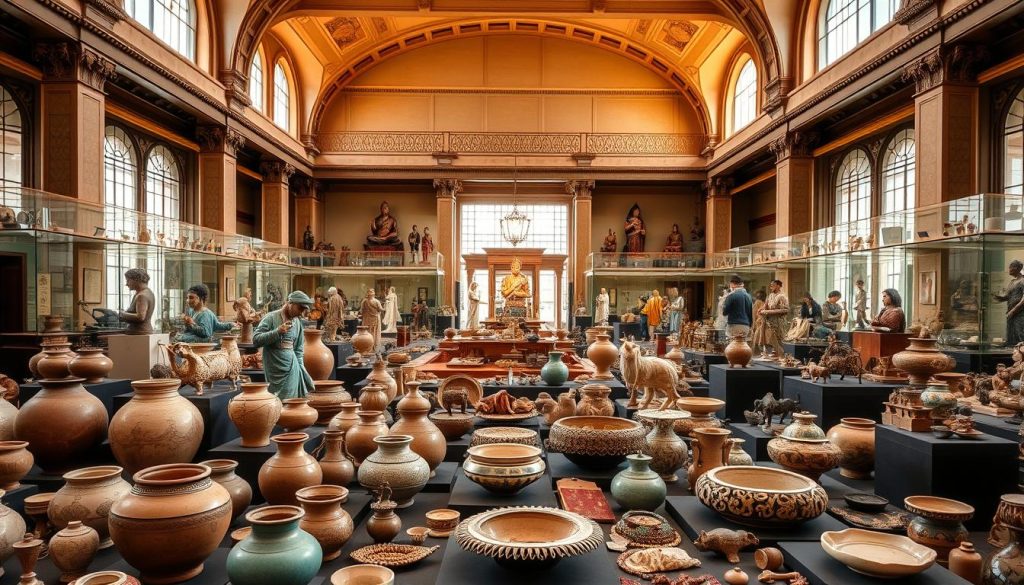
The museum offers a deep look into Monastir’s history. It shows why the city is a key historical landmark. As you wander through, you’ll see many artifacts that show Monastir’s importance over time.
Punic and Roman Collection Highlights
The Punic and Roman collections are the museum’s gems. They feature coins, pottery, and sculptures. These pieces show how these civilizations shaped Monastir’s culture.
- Punic Coins: A collection of coins from the Punic period. They give us a glimpse into the economy back then.
- Roman Sculptures: Detailed sculptures that show the Roman influence on Monastir’s art and culture.
Islamic Period Exhibits and Local Discoveries
The Islamic period exhibits show Islam’s big impact on Monastir. You’ll see manuscripts, ceramics, and architectural pieces. They highlight Monastir’s role in the Islamic world.
- Manuscripts: Rare Islamic manuscripts that show Monastir’s role in Islamic scholarship.
- Ceramics: Beautiful Islamic ceramics that showcase the art of the time.
Visiting the Monastir Archaeological Museum lets you dive into Monastir’s history. It’s a chance to see the top historical attractions the city has to offer.
Historical Day Trips From Monastir
Monastir is a great place to start day trips to Tunisia’s famous historical sites. Its location makes it easy to explore the area’s rich history. You can see ancient ruins, historic medinas, and landmarks that show Tunisia’s cultural diversity.
El Jem Amphitheater: Roman Grandeur Nearby
The El Jem Amphitheater is a must-see day trip from Monastir. It’s a UNESCO World Heritage Site and one of the best Roman amphitheaters in the world. Walking through it, you can imagine the crowds that once cheered there.
This site shows the Romans’ amazing engineering skills. Their buildings have lasted for centuries, standing as testaments to their greatness.

Sousse Medina and Ribat: Sister Historical Sites
Visiting the Sousse Medina and Ribat is another great choice. The Sousse Medina is a historic walled city with narrow streets and traditional shops. The Ribat, a fortified monastery, offers beautiful views of the city and sea.
Historian Paul Sebag calls the Ribat of Sousse one of Tunisia’s most important Islamic monuments. Seeing these sites helps you understand Tunisia’s history and culture.
“The historical sites around Monastir are a treasure trove of Tunisia’s rich past, offering insights into the country’s diverse cultural heritage.”
These day trips from Monastir are not just educational. They also make for unforgettable travel experiences.
Practical Guide to Visiting Monastir’s Landmarks
Before you start exploring Monastir’s landmarks, it’s good to know a few basics. Monastir is a city with a rich history. Being prepared will make your visit better.
Transportation Between Historical Sites
Monastir is small and easy to get around. You can walk or use local transport. Taxis and public transport are available. For a relaxed trip, rent a bike or take a guided tour.
| Transportation Method | Cost | Convenience Level |
|---|---|---|
| Public Transport | Low | Medium |
| Taxi | Medium | High |
| Bike Rental | Low | High |
Entrance Fees and Opening Hours
Most sites in Monastir have affordable entrance fees. The Ribat, for example, costs a little. Some mosques are free but ask for modest dress. Sites usually open in the morning and close early evening.
- Ribat: Open 8am – 6pm, $5 entrance fee
- Bourguiba Mausoleum: Open 8am – 5pm, free entrance
Recommended Local Guides and Tours
Getting a local guide can really help you understand Monastir’s history. Many guides speak several languages. Join a tour to see the best historical spots in Monastir.
Knowing about transport, entrance fees, and local guides will make your trip to Monastir’s landmarks better. You’ll enjoy and learn more.
Conclusion: Preserving the Historical Legacy of Monastir
Exploring Monastir’s history shows us why it’s key to save its landmarks. Sites like the Ribat fortress and Bourguiba Mausoleum are more than just attractions. They are the heart of Monastir’s identity.
When you visit these sites, you see Monastir’s role in Mediterranean history. You also learn about the city’s different eras. Saving these landmarks means future generations can enjoy Monastir’s history too.
Keeping Monastir’s legacy alive means more than just saving sites. It’s also about making visitors understand and value its history. As you plan your visit, remember to respect and protect Monastir’s heritage for the future.