Explore Marigot’s French Colonial Architecture
Have you ever wondered what makes Marigot’s French colonial architecture so special? This town is filled with beautiful colonial houses, a lively market, and stunning natural views. It’s a true gem of France in the tropics.
By taking a Marigot architecture tour, you can dive into the town’s rich history and culture. It’s a great way to see the beauty of Marigot’s French colonial architecture up close.
Marigot has a population of 10,000 and blends French and Caribbean styles perfectly. Walking through the town, you’ll see amazing colonial houses and vibrant markets. You’ll also enjoy the beautiful views around you, all while feeling the unique vibe of Marigot.
The French Colonial Legacy of Marigot
Exploring Marigot reveals a rich cultural heritage. You’ll see traditional 19th-century houses made of stone and timber. These buildings show the town’s French colonial past, blending French and Caribbean styles.
The French Caribbean architecture in Marigot is key to its identity. You’ll find colorful buildings, charming streets, and a lively marketplace. These structures well-preserved, tell the story of Marigot’s French colonial history.
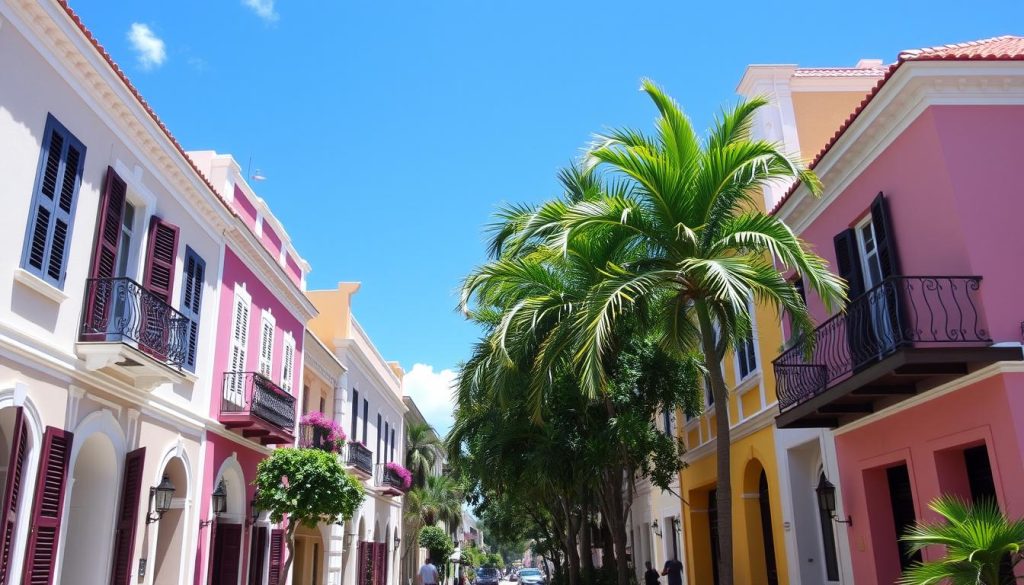
- Traditional 19th-century houses with stone and timber structures
- Colorful buildings and charming streets
- A vibrant marketplace with local goods and stalls
Walking through Marigot, you’ll see French Caribbean design influences everywhere. The town’s cultural importance in Saint Martin is clear in its historic buildings. They showcase the island’s complex history and rich cultural heritage.
Distinctive Features of Marigot’s Colonial Buildings
Exploring Marigot reveals its unique Marigot landmark architecture. This architecture shows the town’s rich cultural history. The colonial houses here date back to the 19th century. They are built with stone and timber, keeping their historical charm.
The ground floor is made of stone, held together by lime mortar. The second floor uses timber, built in traditional hut methods. Each building has an upstairs gallery. These galleries are adorned with gingerbread trim and finely crafted railings, typical of architecture of Marigot Saint Martin.
Some key features of Marigot’s colonial buildings include:
- Use of stone and timber in construction
- Traditional hut-building methods
- Upstairs galleries with gingerbread trim and railings
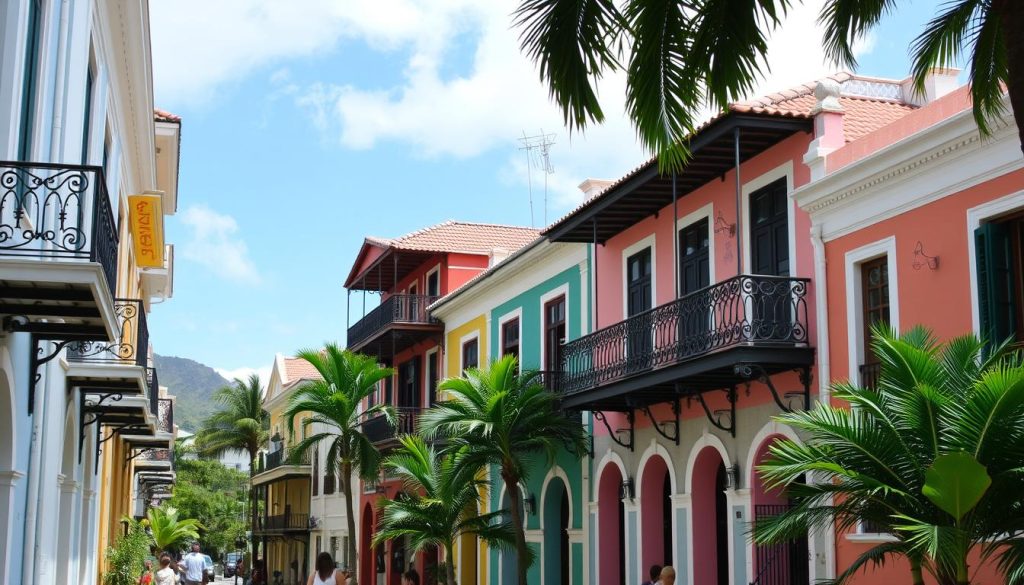
These unique features make Marigot’s colonial buildings a must-see. They are perfect for those who love history, architecture, and culture. By exploring the Marigot landmark architecture and architecture of Marigot Saint Martin, you’ll learn more about the town’s heritage and its importance in the region.
| Building Feature | Description |
|---|---|
| Stone and Timber Construction | Buildings on the ground floor are constructed from stones held together by lime mortar, while the second floor is made from timber |
| Traditional Hut-Building Methods | Timber is used in traditional hut-building methods to construct the second floor of colonial houses |
| Upstairs Galleries | Each facade has at least one upstairs gallery, featuring gingerbread trim and finely crafted railings |
Fort Louis: The Crown Jewel of Marigot’s Architecture
When you explore Marigot, Fort Louis is a standout. Built in 1789, it offers breathtaking views of the bay and town. It’s a key spot for anyone interested in Marigot’s architecture.
Fort Louis was built to keep the town safe from pirates and invaders. Its thick walls and bastions show its historical importance. Walking through, you’ll see the design and construction that made it a strong structure.
Military Architectural Elements
The fort’s design is all about defense. Its walls and bastions were made to withstand attacks. Today, visitors can see these features up close and learn about Marigot’s history.
Strategic Design and Construction
The fort’s design shows the skill of its builders. It had its own water and supplies, making it ready for sieges. This made it a key defense for the town.

Panoramic Views from the Fort
Visiting Fort Louis, you’ll see amazing views. On a clear day, you can see the whole bay and town. It’s perfect for photos and a great place to learn about history and architecture.
The Historic Waterfront District
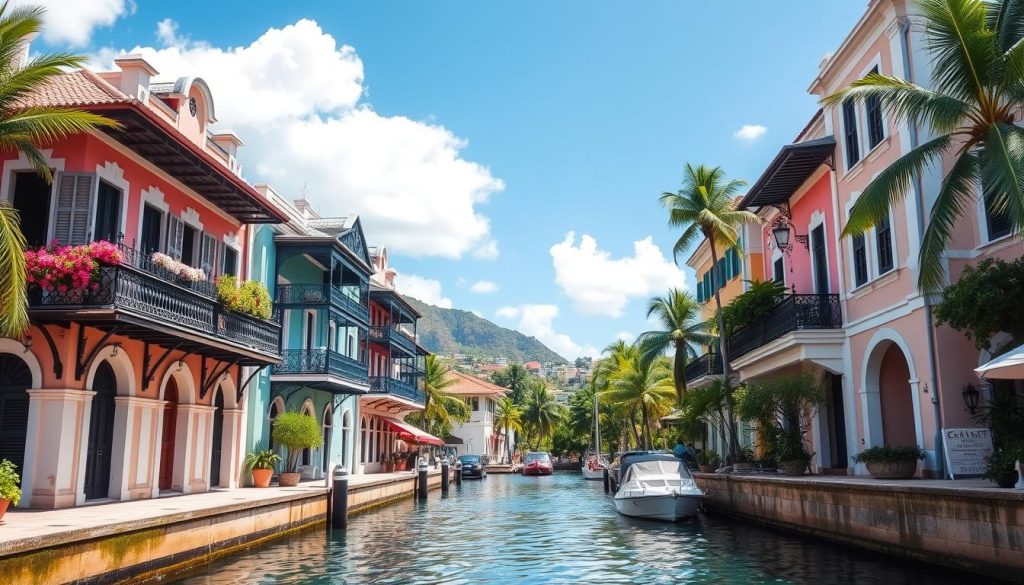
As you walk along Marigot’s scenic waterfront, you’ll find a historic district. It’s filled with landmarks and great for Marigot architectural exploration. The town’s market, in the district’s heart, is a top spot. It has over 100 stalls with local goods and souvenirs.
The district has many shops, restaurants, and cafes. They offer a lively vibe and beautiful sea views. You can enjoy a walk by the sea, listening to the waves. Visit during the day for the market or at night for a romantic feel.
Here are some tips for your visit:
* Go to the market early to avoid crowds
* Walk by the sea for beautiful views
* Check out local shops and restaurants for unique finds and tastes
* Visit in the evening for a romantic atmosphere
The historic waterfront district of Marigot is a must-see. It’s perfect for history lovers, food enthusiasts, or anyone seeking a special experience. This charming area has something for everyone.
Exploring Marigot’s French Colonial Architecture: A Walking Guide
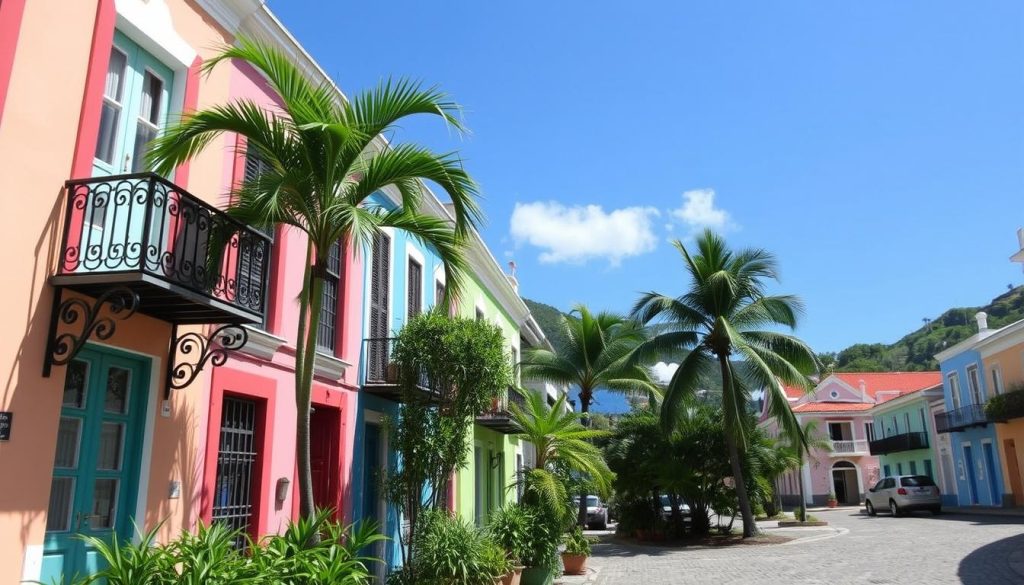
As you walk through Marigot’s narrow streets, you’ll see the town’s rich history. The French colonial architecture here is a must-see. A Marigot architecture tour is the best way to explore it.
A walking guide will show you Marigot’s historic spots. You’ll see the Town Hall, Creole cottages, Eglise de Marigot, Musée de Saint-Martin, and Marigot Marketplace. It’s a great chance to take photos and remember your trip.
Some key things about a Marigot architecture tour include:
- Private guided experience with a knowledgeable guide
- Wheelchair and stroller accessibility
- Customization to suit specific interests
- Opportunities for photography
On a 2-hour private cultural tour, you’ll dive into Marigot’s French colonial architecture. Wear comfy clothes, bring walking shoes, and snacks. This will help you enjoy your tour fully.
| Tour Details | Information |
|---|---|
| Tour price | $29.08 per person |
| Tour rating | Perfect 5-star based on reviews |
| Tour duration | 2-hour private cultural tour |
Preservation Efforts and Restoration Projects
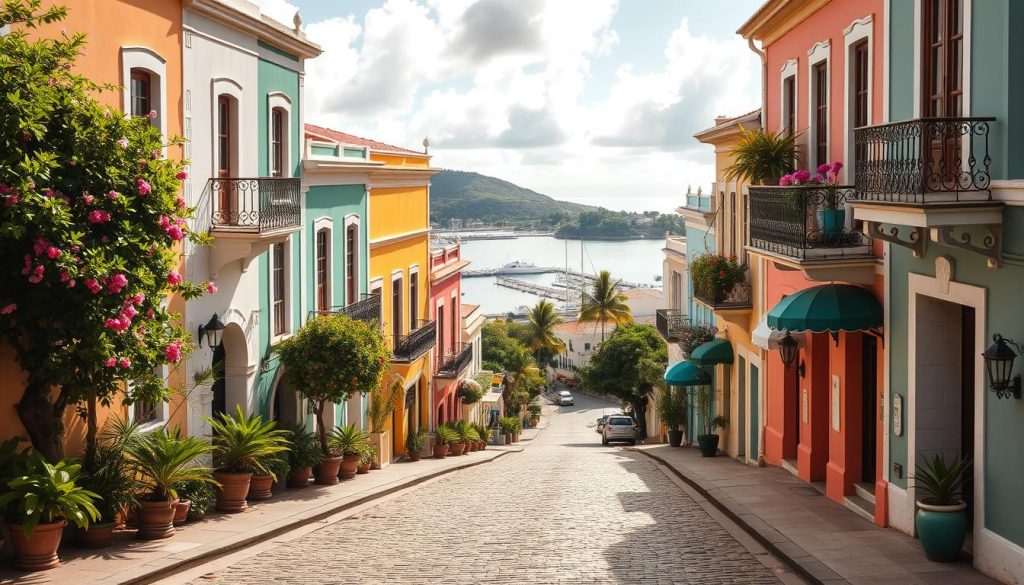
As you explore Marigot’s historical buildings, you might wonder about preservation efforts. The French Caribbean architecture is a big part of the town’s culture. Projects aim to keep these buildings beautiful and meaningful for the future.
Efforts include restoring the Catholic church and the old prison. These projects help keep Marigot’s history alive. They also highlight the town’s unique French Caribbean style.
There are ongoing conservation efforts and plans for the future. These include:
- Restoration of historical buildings
- Promotion of French Caribbean architecture
- Preservation of cultural heritage
Supporting these efforts helps keep Marigot’s buildings a symbol of its rich culture and architecture.
Architectural Elements to Look For
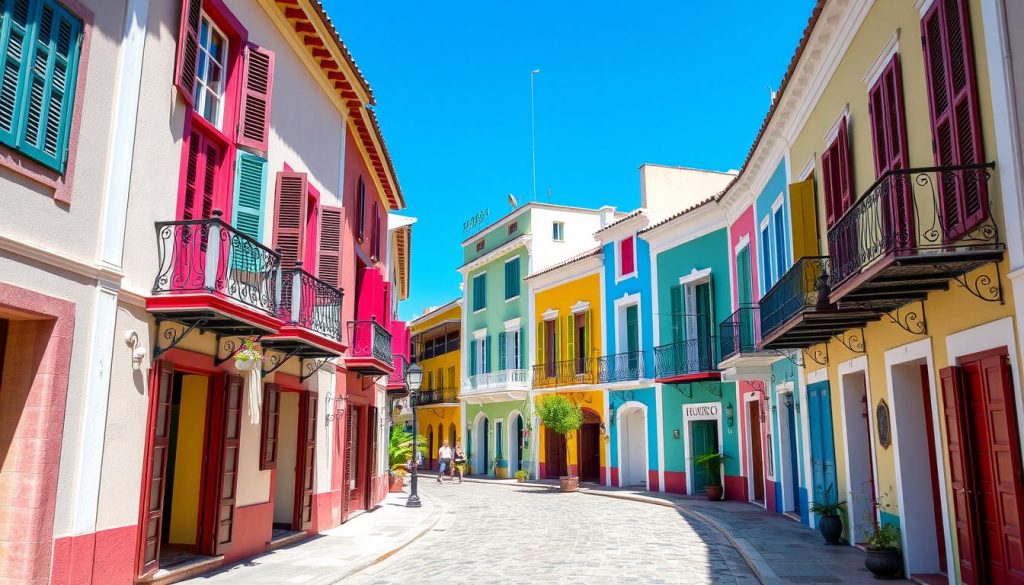
Exploring Marigot reveals its unique Marigot landmark architecture. This architecture shows the town’s rich history and cultural heritage. The architecture of Marigot Saint Martin is known for its traditional 19th-century houses. These are made of stone and timber.
Some architectural elements to look for include:
- Stone and timber structures, showcasing the town’s traditional construction materials
- Well-preserved homes dating back to the 19th century, featuring traditional construction materials like stone and lime mortar
- Landmark buildings, such as Fort Louis, which served as a protective structure for the town against invaders and pirates during the 18th century
These elements highlight the town’s history and cultural importance. Marigot is a fascinating place to explore. Its unique blend of French and Caribbean influences makes the architecture of Marigot Saint Martin a must-see. It’s perfect for those interested in history, culture, and Marigot landmark architecture.
| Architectural Element | Description |
|---|---|
| Stone and Timber Structures | Traditional construction materials used in 19th-century houses |
| Well-Preserved Homes | 19th-century homes featuring traditional construction materials like stone and lime mortar |
| Fort Louis | 18th-century protective structure against invaders and pirates |
Best Times for Architectural Tours
When planning your visit to Marigot, think about the best times for architectural tours. Marigot’s mix of French and Caribbean styles makes it a top spot for architecture fans.
The dry season, from December to April, is the best time to see Marigot. The weather is nice, and it rains less.
Seasonal Considerations
Summer can be hot and humid, but it’s lively with cultural events. For a calmer vibe, visit in the shoulder season, from May to June or November to December.
Guided Tour Options
Guided tours are a great way to see Marigot’s architecture. Guides share the town’s history and culture. The Historical Guided Walking Tour, at $29.08 per person, highlights Marigot’s colonial buildings and waterfront.
Photography Lighting Tips
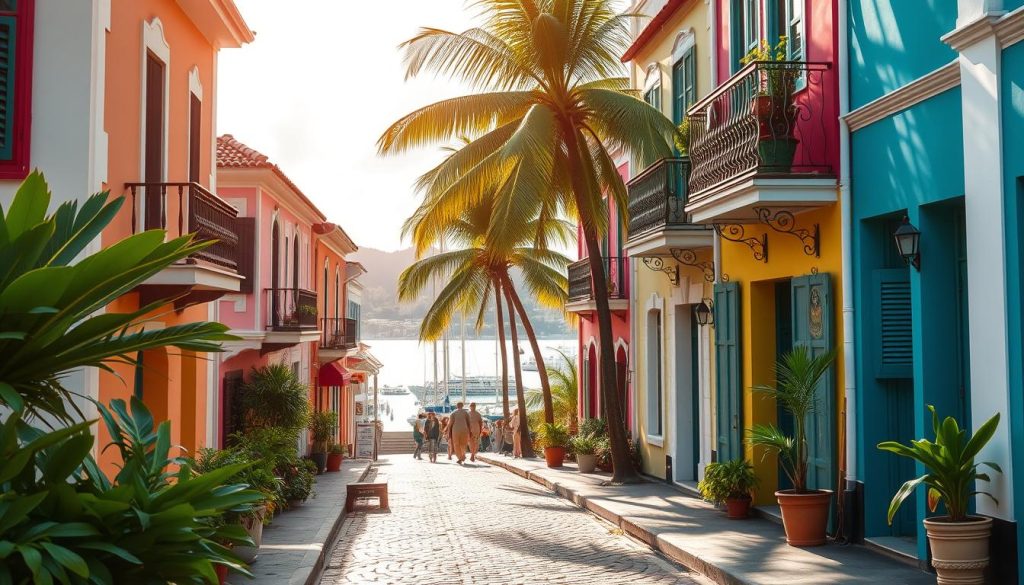
For the best photos, watch the lighting. The golden hour, just before sunset, is perfect. It gives a warm glow to Marigot’s buildings.
| Tour | Price | Duration |
|---|---|---|
| Historical Guided Walking Tour | $29.08 | 1 hour 30 minutes |
Contemporary Buildings with Colonial Influence
Exploring Marigot’s French colonial architecture is a unique experience. You’ll see how modern buildings reflect the town’s rich history. A Marigot architecture tour will take you through historic streets, blending traditional and modern styles. Exploring Marigot’s French colonial architecture lets you appreciate the town’s history and cultural significance.
Some modern buildings in Marigot have colonial touches. Look for wooden shutters, balconies, and ornate ironwork. These features add charm and remind us of Marigot’s colonial past. On a Marigot architecture tour, keep an eye out for these unique touches.
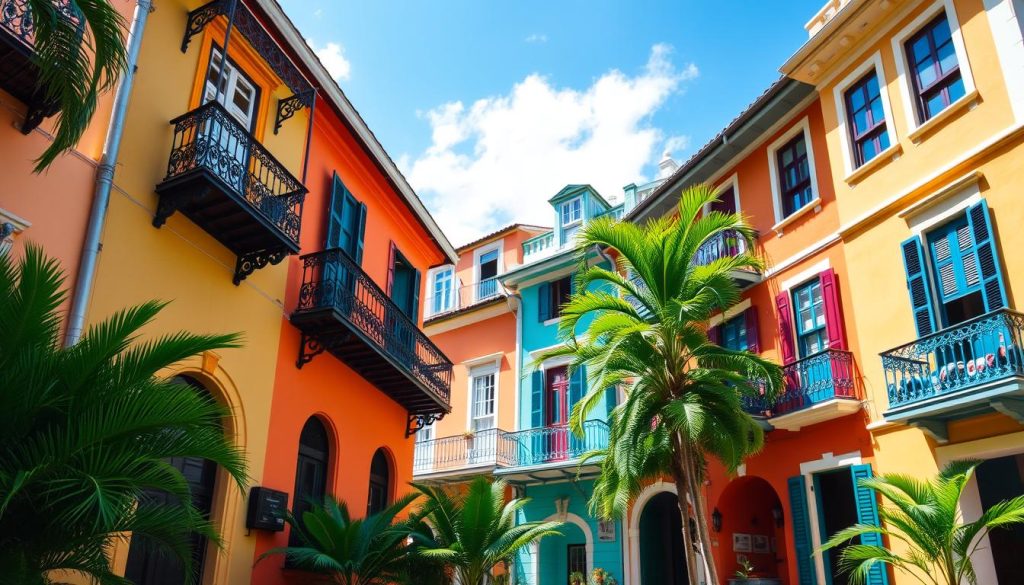
Here are some key features of contemporary buildings with colonial influence in Marigot:
- Use of traditional materials, such as wood and stone
- Incorporation of colonial-style architectural elements, such as balconies and shutters
- Blend of modern and traditional design styles
Exploring Marigot’s French colonial architecture and taking a Marigot architecture tour deepens your understanding of the town. The contemporary buildings with colonial influence show Marigot’s ability to preserve its heritage while embracing modernity.
| Building | Colonial Influence | Modern Features |
|---|---|---|
| Marigot Town Hall | Wooden shutters, balconies | Modern glass facade |
| Marigot Museum | Ornate ironwork, stone walls | Contemporary art exhibits |
Conclusion: Preserving Marigot’s Architectural Heritage
Marigot’s French colonial architecture shows the town’s rich history and culture. It’s important to keep these buildings in good shape. This way, Marigot’s unique charm stays alive for everyone to enjoy.
By exploring Marigot’s architectural heritage, you’ve learned its value. You can help protect this legacy by supporting conservation efforts and going on tours. Together, we can keep Marigot’s beauty alive for future generations.