Explore Malé’s Community-Based Tourism Programs
Have you thought about how your travel choices can help local communities? In Malé, you’ll find community-based tourism programs that do just that. These programs not only make your travel more meaningful but also support the lives of the 133,412 people living in this densely populated city.
The Maldives is now focusing on making tourism better for everyone. This means you can have a great time while also helping the local community. It’s a win-win situation for both visitors and locals.
Let’s dive into how travel can help communities grow. We’ll see how connecting with local culture and supporting local businesses can make a big difference. This is very important in Malé, the capital city.
The upcoming UNWTO Global Summit on Community-Based Tourism is all about this. It shows how tourism can be a positive force in society. It’s a chance to learn and see how we can all make a difference.
Introduction to Community-Based Tourism in the Maldives
Community-based tourism in the Maldives lets travelers dive into the real culture and lives of locals. It’s a chance to connect with people and share experiences. Local entrepreneurs make this possible, offering a true taste of Maldivian traditions.
Visitors get a personal touch while helping the local economy. This shift from resort tourism to community involvement is big. It brings local cultures, crafts, and food into the visitor’s journey, building respect and understanding.
The economic gains are huge. Local entrepreneurs offer tours, fishing, and cooking classes. This enriches the visit and supports local families, strengthening community bonds.
Importance of Sustainable Tourism Initiatives
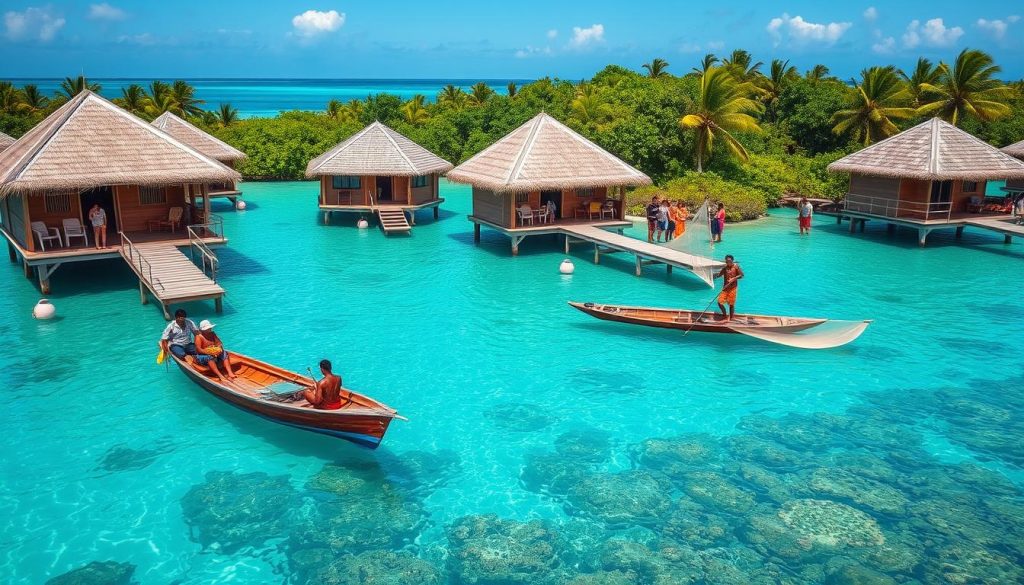
Sustainable tourism is key to keeping places like the Maldives beautiful. More people now think about how their travel affects the environment. Over 300 tourism groups have joined the Glasgow Declaration on Climate, showing a global push for change.
Booking.com found that 69% of travelers want more green options when they book. ABTA’s 2020 study showed 50% of people choose holidays based on sustainability. They care a lot about plastic pollution, which is a big problem in the Maldives.
The “Greater Male’ Environmental Improvement and Waste Management Project” is a big step forward. It aims to make waste management better in the Greater Male’ area. Groups like Green Fins and Manta Trust are working together to make tourism more sustainable.
They’re doing things like using glass bottles for water and protecting the sea. These actions help keep resources safe and create jobs. Local tourism helps communities keep their traditions alive while taking care of the environment.
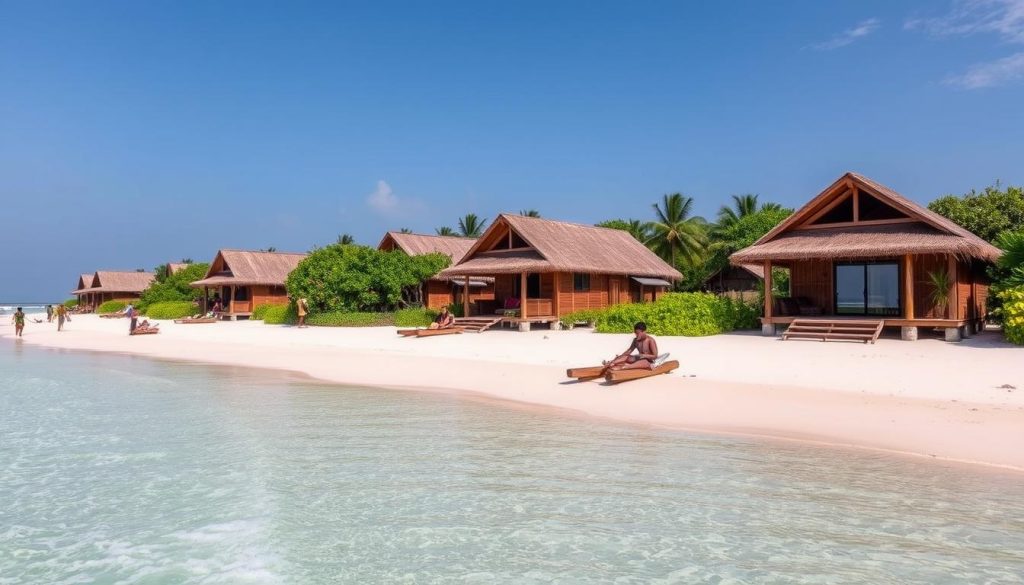
Understanding Community-Based Tourism Programs in Malé
Community-based tourism in Malé is key to sustainable and responsible travel. It brings benefits to local communities. These programs make sure everyone involved gains something valuable.
They focus on more than just what visitors see. They also look at social, cultural, and economic impacts. This requires teamwork among many groups.
Definition and Core Principles
At its heart, community-based tourism is a partnership. It lets locals share their culture and traditions with visitors. This way, tourism helps empower local people and protect their heritage.
Benefits for Local Communities
Local communities gain a lot from these tourism programs. One big plus is more income, thanks to guest houses. Other benefits include:
- Support for community projects: More money for local projects.
- Job creation: More jobs as tourism grows.
- Cultural preservation: Locals get to share their traditions.
- Environmental conservation: Efforts to protect nature.
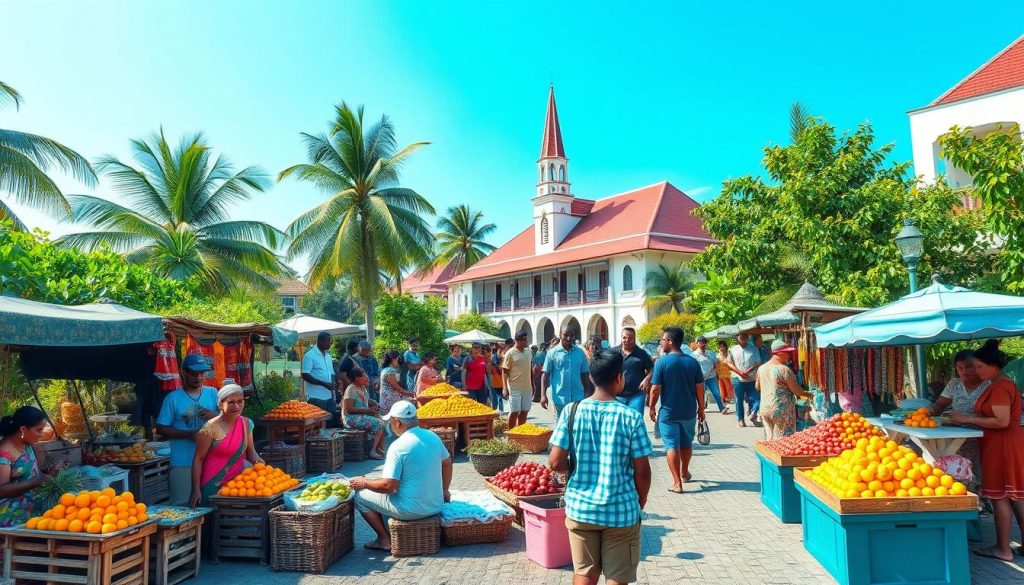
These programs work together with many groups. They include NGOs, businesses, and government. Success is seen in happy visitors and money going to locals. As the Maldives marks 50 years of tourism, community-based tourism is key to keeping local cultures alive.
| Benefit | Description |
|---|---|
| Income Generation | More money for local property owners through tourism |
| Community Projects | Money for local projects that meet social needs |
| Cultural Exchange | Chances for locals to share their heritage |
| Environmental Conservation | Work to save biodiversity and natural resources |
| Empowerment | More local say in decision-making |
Key Features of Community-Based Tourism Programs in Malé
Community-based tourism in Malé has key features that make travel more responsible and empower locals. These programs help local people get involved in tourism. They give them the tools to work together with government and international groups.
Community-led tourism activities are a big part of these programs. They let locals run their own businesses, like homestays and tours. This way, the money from tourism stays in the community. Ms. Yumna Maumoon, Minister of Arts, Culture and Heritage, says showing Maldivian culture to visitors is very important.
The success of these programs depends on a few things:
- Local community empowerment
- Visitor satisfaction
- Economic contributions
- Resource protection
Partnerships are key in these efforts. Working together with community members and tourism groups helps with marketing. This is important for smaller projects. Also, big NGOs or tourism companies help share the financial risks.
These programs also focus on being inclusive. They make sure youth, women, and people with disabilities are part of tourism. Educational programs help develop skills for entrepreneurship and improve the sustainability of these projects.
Here’s a summary of community-based tourism initiatives in Malé:
| Feature | Description | Impact |
|---|---|---|
| Community Engagement | Active participation of local populations in tourism | Increased local empowerment and ownership |
| Partnerships | Collaboration with NGOs and tourism organizations | Enhanced marketing and reduced financial risks |
| Inclusivity | Involvement of youth, women, and disabled individuals | Promotion of diversity and equal opportunities |
| Cultural Preservation | Showcase of traditional Maldivian practices | Stronger cultural identity and visitor engagement |
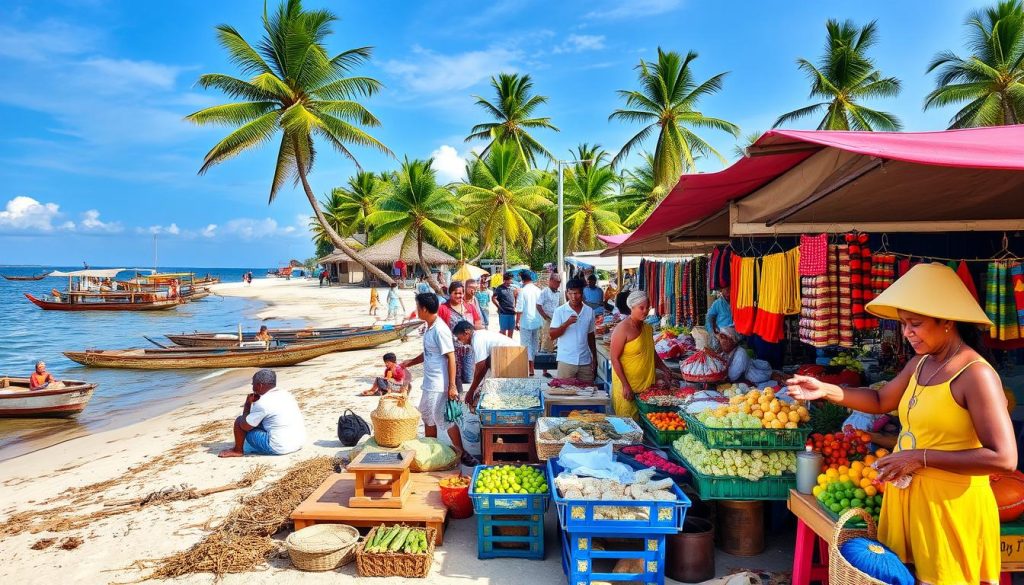
Cultural Exchange Programs in Maldives
Cultural exchange programs in Maldives connect tourists with local communities. They offer immersive experiences that deepen mutual understanding. By joining community-led activities, visitors learn about Maldivian traditions and daily life.
These programs help travelers see the world from a new angle. They also help locals by sharing their culture with the world.
How These Programs Foster Cultural Understanding
Activities like cooking classes and traditional crafts let tourists see life through local eyes. These experiences build empathy and friendships across cultures. They also help visitors appreciate the Maldivian way of life.
Both visitors and locals learn from each other in these programs. It’s a chance for everyone to grow and understand each other better.
Examples of Successful Cultural Exchange Initiatives
Many cultural exchange programs in Maldives have made a big impact:
| Program Name | Location | Description |
|---|---|---|
| Maldives Cultural School | Thulusdhoo | Offers workshops on traditional Maldivian arts and crafts, promoting local artisans. |
| Fish and Curry Cooking Experience | Maafushi | Guided cooking classes that teach visitors how to prepare local dishes with fresh ingredients. |
| Island Community Volunteering | Guraidhoo | Involves tourists in local development projects, fostering collaboration and cultural exchange. |
These programs make tourism in Maldives more meaningful. They mix tourism with community-led projects, enriching everyone’s experience.
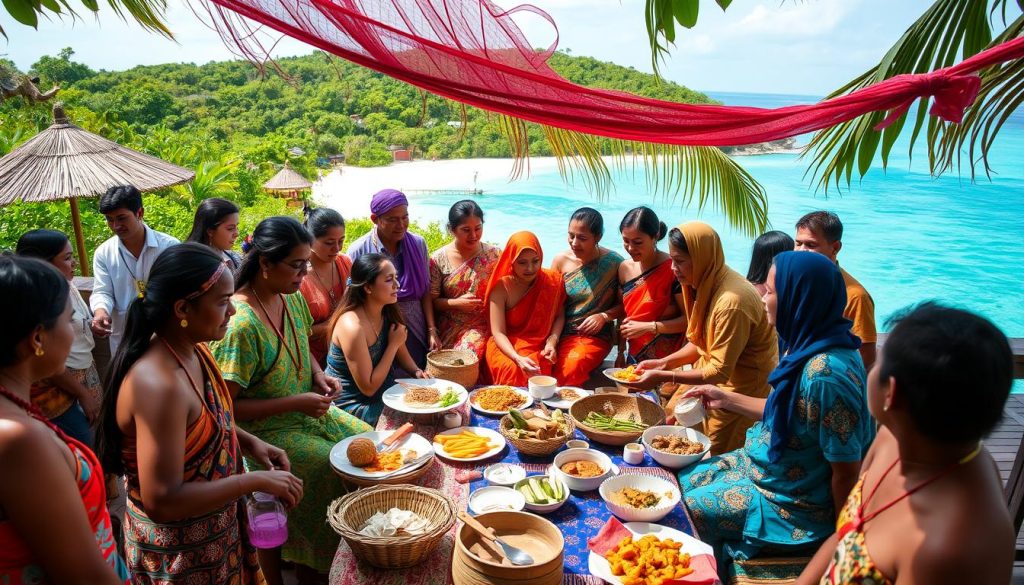
Local Community Involvement in Maldives
Local community involvement in Maldives is key to shaping tourism. The Maldives is celebrating 50 years of tourism, opening doors for collaboration. Working with local communities in Malé boosts their power and the economy.
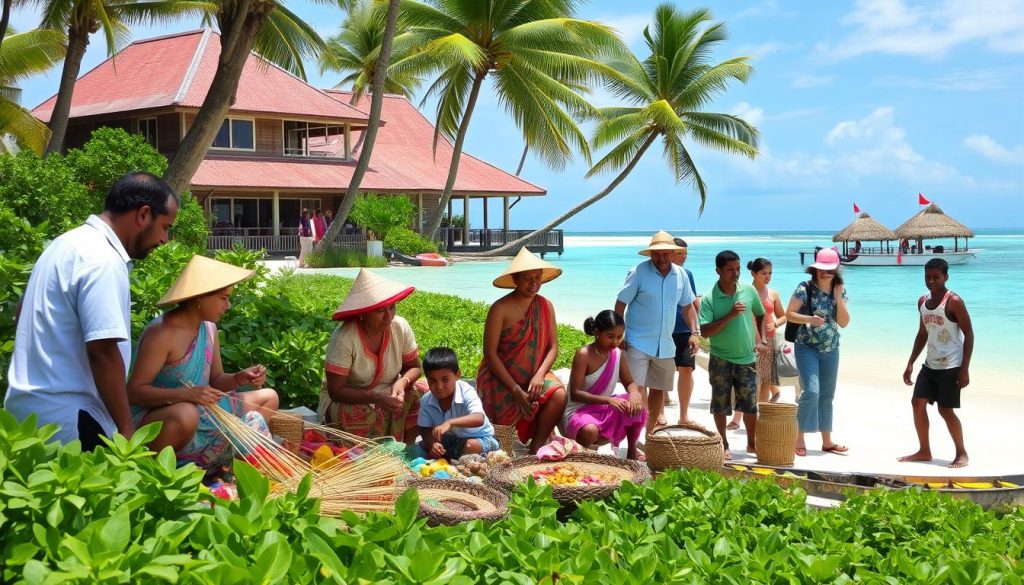
The guest house industry has grown a lot in the last decade. This shows the potential for community-led projects. Over 160 resort businesses can help grow these efforts, balancing culture and tourism.
But, there are still challenges. Local entrepreneurs struggle to get funding and training. It’s important to include women, youth, and marginalized groups in tourism plans.
Success in community projects needs teamwork. NGOs, businesses, government, and island councils must work together. This way, they can tackle local challenges and make tourism sustainable in Malé.
Dr. Dae-Kwan Kim found that empowering locals, making visitors happy, and protecting resources are key. These points highlight the need for a community-focused tourism approach. This approach ensures benefits for future generations. It also makes visitors’ experiences better and boosts local pride.
Eco-Friendly Tourism Initiatives in Malé
Malé is working hard to make tourism better for the environment. This is key to keeping its ecosystems safe as more people visit. They’re focusing on ways to lessen tourism’s harm and make the area even more beautiful.
Environmental Conservation Efforts
Malé is serious about being green. They’ve started several projects to help the planet. These efforts include:
- The nationwide ban on single-use plastics, which promotes sustainable alternatives.
- The Launch of the Greater Malé Waste to Energy Project, enhancing waste management practices.
- A pilot Health Care Waste Management Project, prioritizing eco-friendly waste disposal methods.
- Integration of eco-friendly practices into community-based tourism, ensuring that local resources remain protected.
Support for Local Ecosystems
Malé is teaming up with local groups and the tourism industry. Together, they’re working to:
- Engage in coral restoration projects to protect marine biodiversity.
- Promote sustainable fishing practices that benefit both the economy and the environment.
- Encourage educational programs to raise awareness about the significance of ecological preservation.
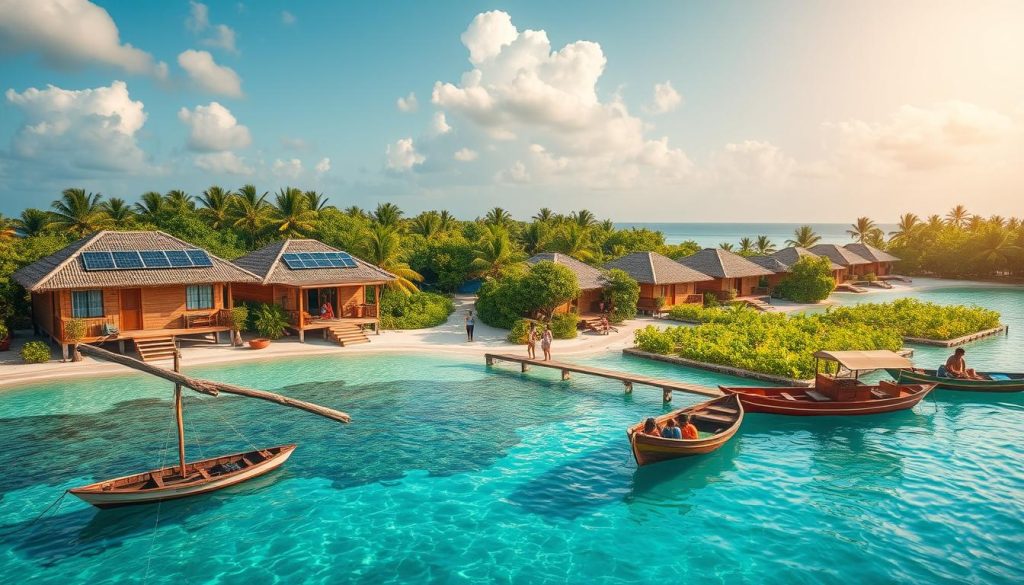
Community-Led Tourism Activities
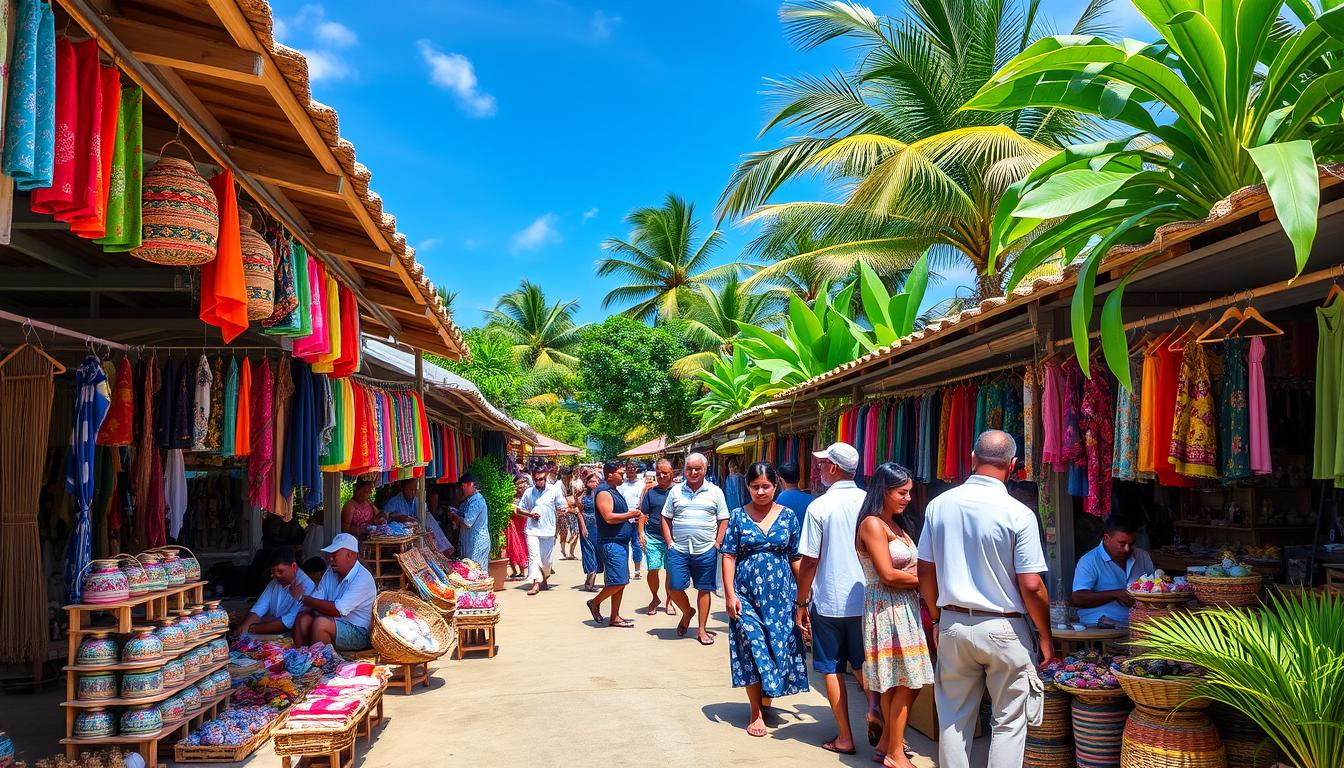
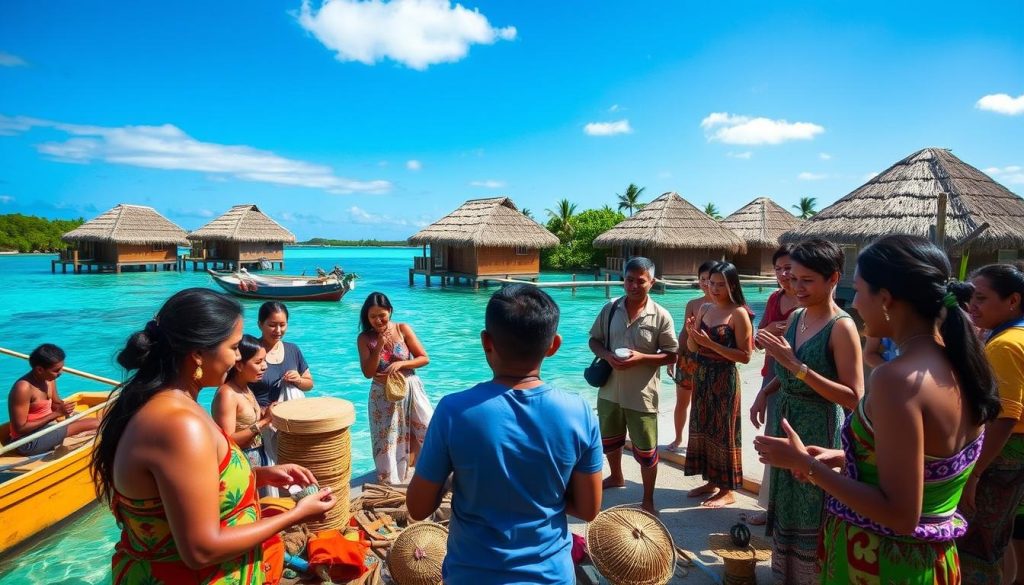
Joining community-led tourism activities lets you dive into the Maldives’ local culture. You can take cooking classes, go on eco-tours, or try craft workshops. These activities make your trip better and help the local economy and culture.
By taking part, you support the community. You also get to see their life up close.
Experiences Offered by Local Hosts
Local hosts create special experiences for you. Here are some favorites:
- Cooking Classes: Learn to make Maldivian dishes with fresh ingredients.
- Guided Eco-Tours: See the Maldives’ beauty and learn about its ecosystems.
- Artisanal Craft Workshops: Make crafts with local artisans, using traditional methods.
Skills Development and Participation
It’s key to train locals for community tourism. They learn hospitality and business skills. This makes visits better and helps tourism grow.
With over 160 resorts, the Maldives is ready for community tourism. Celebrating 50 years, the focus is on local skills. This helps communities and gives visitors unique experiences.
| Experience Type | Description | Skills Developed |
|---|---|---|
| Cooking Classes | Hands-on cooking of local dishes | Food preparation, cultural education |
| Guided Eco-Tours | Exploration of natural landscapes and wildlife | Environmental awareness, guiding skills |
| Artisanal Craft Workshops | Creation of crafts using traditional techniques | Artistry, cultural heritage preservation |
Responsible Tourism Projects in Malé
Responsible tourism projects in Malé are successful thanks to strong partnerships. These partnerships help sustainable practices grow. They make sure visitors and locals both benefit.
Getting the local community involved is key. This helps create jobs and keeps cultural traditions alive. It also makes the islands a better place for everyone.
Stakeholder Collaboration and Impact
Many groups work together to improve tourism in the Maldives. This includes NGOs, local businesses, and the government. Their teamwork leads to better tourism plans and more responsible travel.
Working together means sharing resources and learning from each other. This makes tourism projects more effective. It helps everyone involved.
Role of NGOs and Government Support
NGOs play a big role in teaching communities about sustainable tourism. They help locals start eco-friendly projects. This empowers them to make a difference.
The government also helps a lot. They create policies that support local involvement in tourism. With over 160 resorts, many can work with local projects. This keeps money in the community and helps preserve culture.
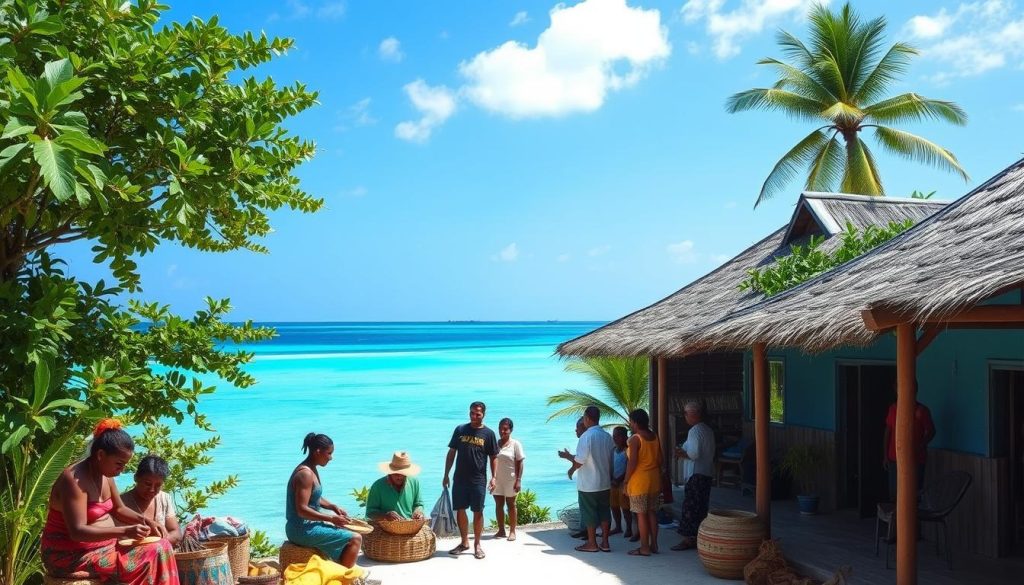
Challenges Facing Community-Based Tourism in the Maldives
Community-Based Tourism (CBT) in the Maldives faces many challenges. Tourism has grown a lot, with a 136% increase in guesthouse rooms in five years. This growth puts pressure on local communities.
While many guesthouses have opened, they are not spread out evenly. For example, Kaafu atoll has 40% of them. But Thaa Atoll has only three, showing a big gap in CBT participation.
Tourism leakage is a big problem. It happens when most tourism money doesn’t stay in local economies. With over 160 resort businesses, many use foreign workers. This limits jobs for locals and shows the need for fair growth in CBT.
There are also big infrastructural gaps. The number of resorts went from 111 to 145 from 2014 to 2018. But local communities struggle to meet the demand for services and facilities. Islands like Thaa Guraidhoo lack a clear land use plan, leading to disorganization.
Both inside and outside factors threaten CBT’s future. Inside, there’s a lack of leadership, education, and poor living standards. Outside, the islands’ remoteness and small size are big barriers. These issues make it clear that local communities need more awareness and education.
| Factor | Detail |
|---|---|
| Guesthouse Growth | Increased from 220 to 521 (2014-2018) |
| Resorts/Mini Marinas | Increased from 111 to 145 (2014-2018) |
| Job Opportunities | Predominantly filled by foreign workers |
| Tourism Leakage | Revenue fails to benefit local communities |
| Infrastructure Needs | Lack of planning and resources |
| Internal Challenges | Poor leadership and education |
| Geographical Challenges | Remoteness and small island size |
Future Prospects for Community-Based Tourism
The future of community-based tourism looks bright, with the Maldives leading the way. The COVID-19 pandemic has brought new ideas and changes to this field. Now, safety and being green are key for travelers wanting real and responsible experiences.
19 Asia Pacific UNWTO member states joined the Global Summit on Community-Based Tourism. This shows a big push for this type of tourism.
Innovations and Adaptations Post-Pandemic
Community-based tourism in the Maldives has shown it can adapt. It’s all about making visitors happy and helping local people. Dr. Dae-Kwan Kim found four main things that make it work: empowering locals, making visitors happy, helping the economy, and protecting nature.
By getting locals involved in tourism, new experiences like food tours and farm visits became popular. These were big topics at the summit.
Potential for Growth and Development
The Maldives has over 160 resorts ready to support community tourism. These resorts offer training in finance, business, and guest service. This helps local people and brings benefits to everyone.
For community tourism to keep growing, it needs teamwork. Communities, NGOs, businesses, and governments must work together. This way, tourism can help the environment, keep cultures alive, and boost the economy.
This approach is key for sustainable tourism. It attracts visitors and helps communities thrive.
Conclusion
Community-based tourism in Malé is a big step towards better travel. It keeps the Maldives’ culture alive and helps local people. These programs mix tourism with local life and work, making travel better for everyone.
When you join these tours, you learn a lot about Maldivian life. You get to see things from a local’s point of view. This makes your trip more meaningful and fun.
These programs are important because they support local businesses and traditions. They use smart ways to work with communities, as studies show. By choosing these tours, you help the places you visit grow and thrive.
So, when you’re planning your next trip, think about Malé’s community tours. They offer great experiences and help local families. You’ll also be supporting a greener, fairer travel world.