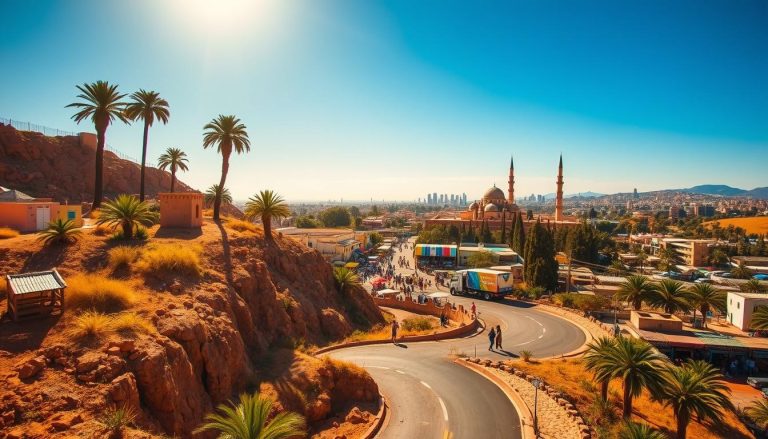
Explore Langkawi’s Sustainable Tourism Efforts
Langkawi, an archipelago located in the Andaman Sea off the coast of northwest Malaysia, is well-known for its incredible natural beauty. With its pristine beaches, lush rainforests, and unique ecosystem, Langkawi has become a popular tourist destination for visitors from around the world. However, with the increase in tourism comes the potential for negative environmental impact. That’s why Langkawi has implemented a variety of sustainable tourism initiatives and projects to ensure that this stunning destination remains a treasure for future generations.
In this article, we will explore the sustainable tourism efforts in Langkawi that are paving the way for a greener and more responsible travel experience. From eco-friendly initiatives to community-based tourism projects, Langkawi is committed to sustainable development and responsible travel. Join us as we delve into the many Langkawi sustainable tourism projects and initiatives that are making this destination a leader in eco-tourism.
Sustainable Development in Langkawi
Langkawi’s sustainable development efforts have been essential in preserving the natural beauty of the destination while supporting the local community. The collaboration between the community and tourism industry has resulted in minimizing the environmental impact of tourism and promoting social and economic progress.
The efforts include using alternative sources of energy, implementing waste reduction programs, and minimizing the use of harmful materials. Several eco-friendly projects such as renewable energy and water conservation initiatives have been implemented to reduce the carbon footprint of tourism in Langkawi.
The preservation of natural habitats and wildlife conservation is also a crucial aspect of sustainable development in Langkawi. The destination holds several conservation and restoration programs to preserve the natural resources while offering eco-tourism opportunities for visitors.
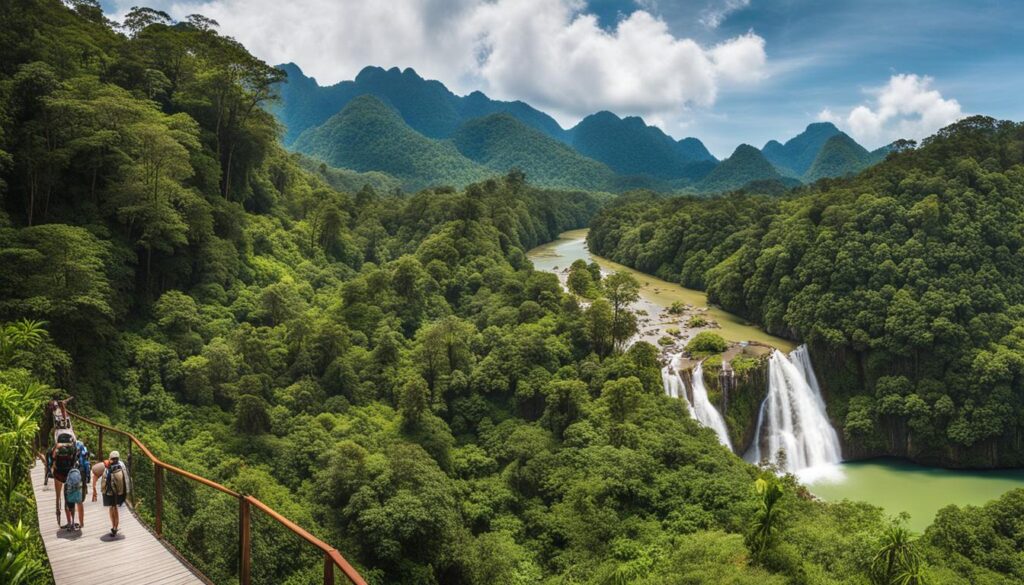
Additionally, the sustainable development efforts in Langkawi have led to job creation, supporting the local community, and preserving the unique cultural heritage of the destination. The local community benefits from tourism, which provides financial support for many community-based initiatives, allowing visitors to engage with the local people and participate in cultural experiences.
Sustainable Development Projects in Langkawi
| Project | Description |
|---|---|
| Sustainable Tourism Awards | An award initiative that promotes, recognizes, and rewards tourism businesses that adopt sustainable practices. |
| Ocean Conservation | The project focuses on reducing the negative impact of human activities on marine life and raising awareness of ocean conservation. |
| Community-Based Tourism | The project aims to offer authentic local experiences while supporting the local community and preserving the cultural heritage of Langkawi. |
| Waste Management Program | A program that focuses on reducing waste, recycling, and raising awareness of effective waste management practices. |
The sustainable development efforts in Langkawi are a great step towards protecting the environment and promoting responsible tourism practices. These initiatives contribute to the preservation of natural resources and support the economic development of the destination, making Langkawi a great example of sustainable tourism for other destinations to follow.
Responsible Travel in Langkawi
Langkawi is not only a beautiful and enchanting destination, but it also offers the opportunity for responsible travel. Responsible travel means being mindful of the impact your travelling has on the environment, culture and economy of the local community.
One way to practice responsible travel in Langkawi is by minimizing waste and preserving the natural environment. When exploring the beaches, parks, and forests, you can help keep the premises clean by disposing of your trash responsibly. Bring reusable bags and water bottles to reduce the use of single-use plastics.
Another way to be a responsible traveler is by supporting local businesses, such as those selling handmade crafts, artisanal food, and local products. Langkawi has a diverse range of local businesses to choose from, and by supporting them, you’re contributing to the local economy.
It’s essential to respect local culture and customs while travelling in Langkawi. Be mindful of your actions and language and dress respectfully when visiting religious sites. By doing so, you not only show respect to the locals, but you also play a role in preserving the cultural heritage of Langkawi.
Responsible travel is not just about being eco-friendly and supporting local businesses. It’s also about seeking meaningful cultural experiences. You can participate in local tours, visit cultural centres, and engage with the community to learn more about Langkawi’s culture and social issues.
Tips for Responsible Travel in Langkawi
– Choose eco-friendly accommodations or homestays that practice responsible tourism.
– Use public transport or rent a bicycle/motorbike instead of taking a taxi or renting a car.
– Choose responsible tourism activities such as hiking, birdwatching, and community-based tourism initiatives.
– Respect the natural environment and avoid activities that harm wildlife, such as feeding them or taking selfies with them.
By practicing responsible travel in Langkawi, you can help contribute to the sustainable tourism initiatives of this enchanting destination.
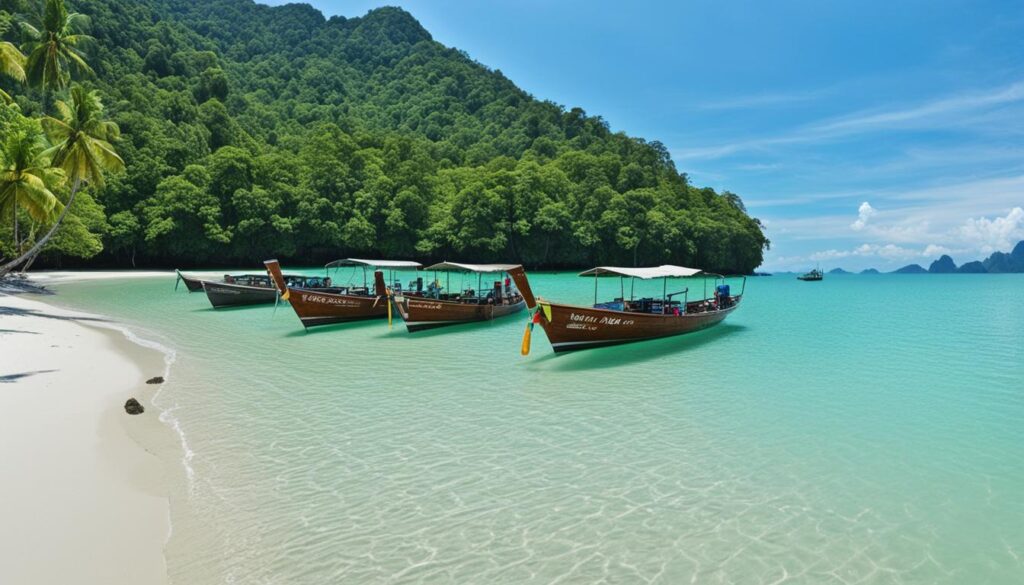
Langkawi’s Eco-Friendly Initiatives
If you’re passionate about eco-friendly initiatives, you’ll be happy to know that Langkawi has plenty to offer. One of the most notable initiatives is the development of renewable energy projects, such as solar power. Langkawi is also home to a successful waste reduction program, which has led to significant improvements in waste management across the island.
The preservation of natural habitats is another key highlight in Langkawi’s eco-friendly initiatives. The island is home to a variety of wildlife, including rare and endangered species such as hornbills, eagles, and monkeys. To protect these species, Langkawi has implemented several conservation projects, such as the Kilim Karst Geoforest Park, which promotes the preservation of mangrove forests and marine ecosystems.
“Sustainable development is the pathway to the future we want for all. It offers a framework to generate economic growth, achieve social justice, exercise environmental stewardship and strengthen governance.” – Ban Ki-moon
Sustainable Tourism Projects in Langkawi
Langkawi’s commitment to sustainable tourism initiatives is visible through the various projects aimed at preserving the destination’s natural environment and culture while supporting local communities. Here are some examples of sustainable tourism projects in Langkawi:
| Project | Description |
|---|---|
| Community-Based Tourism Initiatives | Several local organizations provide opportunities for visitors to learn about the cultural traditions and practices of the local community, while also contributing to their economic development. |
| Wildlife Conservation Efforts | The Kilim Karst Geoforest Park is a protected area managed under the Kilim Geopark project, which aims to conserve local wildlife and the natural beauty of the area. |
| Responsible Boating Practices | Local tour operators provide eco-friendly cruises and educational tours, with activities such as kayaking and stand-up paddleboarding, that respect the marine environment and promote responsible boating practices. |
Through these sustainable tourism projects, Langkawi aims to minimize environmental impact while promoting economic growth and cultural preservation, ensuring a positive experience for visitors and locals alike.

Embracing Eco-Tourism in Langkawi
If you’re looking to have a unique and sustainable travel experience, eco-tourism in Langkawi is the way to go. From exploring mangrove forests and coral reefs to taking part in community-based conservation projects, there’s no shortage of eco-friendly activities to enjoy.
One of the most popular eco-tourism experiences in Langkawi is the guided mangrove tour. These tours take you through the island’s dense mangrove forests, where you can spot a variety of wildlife, including monkeys, herons, and eagles. Along the way, your guide will educate you on the importance of mangroves to the local ecosystem and how mangrove conservation efforts are helping to protect these fragile habitats.
Another must-try eco-friendly activity in Langkawi is snorkeling or diving in the Pulau Payar Marine Park. Here, you can witness the vibrant coral reefs and diverse marine life while supporting marine conservation efforts. Local eco-tourism operators offer guided tours that provide education on the importance of preserving the marine environment and responsible diving and snorkeling practices.
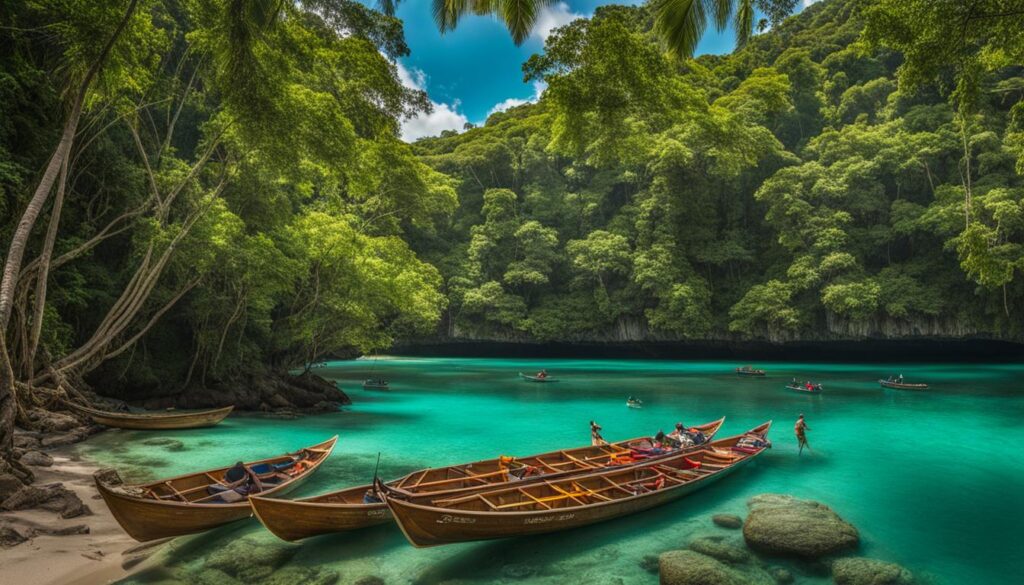
For those interested in community-based conservation, the Langkawi Island Wildlife Park is a great option. This park focuses on animal conservation and houses a variety of endangered and threatened species, including tigers, lions, and primates. Visitors can learn about the conservation efforts and interact with the animals in a responsible and ethical way.
Overall, embracing eco-tourism in Langkawi not only provides a unique and memorable travel experience, but also helps to support conservation efforts and sustainable tourism initiatives.
Sustainable Travel Tips in Langkawi
By making simple choices during your visit to Langkawi, you can contribute to sustainable travel and help protect the environment and local culture for future generations.
Choose eco-friendly accommodations
When booking your stay in Langkawi, consider eco-friendly accommodations that prioritize sustainability and minimize their environmental impact. Look for hotels and resorts that use renewable energy, limit water usage, and have waste reduction policies in place.
Use public transportation
Take advantage of Langkawi’s public transportation options, such as buses and bicycles, which minimize emissions and support local businesses. Avoid renting a car or taking taxis unless necessary.
Participate in responsible tourism activities
Engage in activities that support sustainable tourism in Langkawi, such as visiting community-based tourism initiatives and supporting local artisans and businesses. Avoid experiences that harm animals or exploit natural resources.
Minimize waste
Reduce your environmental impact by bringing a reusable water bottle and avoiding single-use plastic items. Dispose of waste responsibly and recycle when possible.
Respect local culture and customs
Take time to learn about and respect local customs and traditions during your visit. Dress appropriately in public areas and be mindful of cultural sensitivities.
Conserve energy
When leaving your hotel room, turn off lights, air conditioning, and other electronics to conserve energy. Use natural light and ventilation when possible.
By following these sustainable travel tips in Langkawi, you can enjoy a responsible and eco-friendly travel experience while supporting the destination’s efforts towards sustainability.
Partnerships for Sustainable Tourism in Langkawi
To truly achieve sustainable tourism initiatives in Langkawi, it takes collaboration and partnerships. The good news is that local organizations, tourism authorities, and businesses are banding together to make it happen.
The Langkawi Development Authority (LADA) leads the way in coordinating sustainable tourism projects with local partners. The agency works closely with the Malaysian Ministry of Tourism, Arts, and Culture to align Langkawi’s sustainable initiatives with national goals and objectives.
In addition, local businesses have formed the Langkawi Tourism Association (LTA) to promote sustainable tourism practices and responsible travel. Members of LTA have committed to adopting eco-friendly initiatives, such as reducing single-use plastic and supporting local conservation efforts.
One notable partnership is between the Four Seasons Resort Langkawi and the Langkawi Coral Group, which aims to restore and protect the island’s coral reefs through education, research, and conservation efforts. The partnership also offers guests unique opportunities to experience eco-friendly activities that promote coral reef conservation, such as snorkeling trips with a marine biologist.
These partnerships and collaborations demonstrate Langkawi’s commitment to sustainable tourism practices and the importance of working together to promote responsible travel and environmental conservation.
Impact of Sustainable Tourism in Langkawi
Sustainable tourism practices in Langkawi have had a positive impact on the environment, society, and economy of the region. The implementation of eco-friendly tourism practices has helped minimize the adverse effects of conventional tourism activities on the natural environment. As a result, Langkawi has been able to maintain its pristine beaches, rainforests, and other natural attractions for future generations to enjoy. With sustainable tourism initiatives, Langkawi stands as one of the prime examples of sustainable tourism in Southeast Asia.
Environmental Impact
The most apparent impact of sustainable tourism practices in Langkawi has been on the environment of the region. With the implementation of eco-friendly initiatives, there has been a significant decrease in the negative environmental impact of tourism activities. For instance, sustainable waste management practices have helped reduce littering and pollution. Additionally, the conservation of natural habitats and wildlife has helped preserve Langkawi’s biodiversity, which is critical to the health and continuity of the ecosystem.
Social Impact
The positive impact of sustainable tourism practices in Langkawi extends to the social and cultural aspects of the region as well. Sustainable tourism practices have encouraged the support of locally-owned businesses, stimulating the local economy. This, in turn, has led to the creation of new jobs and other economic opportunities for local communities. The preservation of cultural heritage sites and traditions has helped bolster cultural pride and identity, benefiting both residents and visitors alike. Langkawi offers visitors the chance to immerse themselves in authentic Malaysian culture while supporting local communities.
Economic Impact
Sustainable tourism practices in Langkawi have had a significant impact on the economy of the region. The promotion of eco-friendly initiatives has made Langkawi an attractive destination for conscientious travelers seeking responsible and sustainable tourism activities. The surge in tourism has increased demand for services and goods in the area, which has led to the creation of new jobs and boosted local business revenues. By investing in sustainable tourism, Langkawi has been able to benefit economically while also preserving the natural and cultural resources of the region.
Overall, Langkawi’s commitment to eco-friendly tourism practices and sustainable tourism initiatives has had a far-reaching positive impact on the environment, society, and economy of the region. The future looks bright for Langkawi, as the region continues to lead the way for sustainable tourism practices in Southeast Asia.
Sustainable Tourism Initiatives in Langkawi
Congratulations on choosing Langkawi as your next travel destination! As you plan your trip, it’s essential to recognize the importance of sustainable tourism initiatives in Langkawi. By practicing eco-friendly tourism practices, you can help preserve the local environment and support the community’s social and economic development.
Langkawi’s sustainable tourism efforts include various eco-friendly initiatives, such as renewable energy projects, waste reduction programs, and the preservation of natural habitats. Additionally, there are community-based tourism projects, wildlife conservation efforts, and responsible boating practices in place.
When visiting Langkawi, there are several ways you can participate in responsible and sustainable tourism practices. For example, you can choose eco-friendly accommodations, use public transportation, and participate in responsible tourism activities. By doing so, you can minimize your environmental impact and support the local community’s economic growth.
Moreover, partnerships between local organizations, tourism authorities, and businesses promote sustainable tourism practices in Langkawi. These collaborations help create positive environmental, social, and economic impacts, such as job creation, preservation of cultural heritage, and conservation of natural resources.
In conclusion, Langkawi’s sustainable tourism initiatives are essential for a responsible and eco-friendly travel experience. By embracing these practices and supporting the community’s efforts, we can make a positive impact on the environment and contribute to sustainable development. Enjoy your trip to Langkawi, and remember to be mindful of your environmental impact!