Explore Karachi’s Colonial Architecture & Heritage
Karachi’s streets blend colonial grandeur with modern marvels. The city’s past shapes its unique character, attracting visitors worldwide. Let’s uncover the stories within Karachi’s architectural treasures.
Karachi’s architecture weaves history into a tapestry of colonial and modern structures. The Merewether Clock Tower, Frere Hall, and Sindh High Court showcase the British Raj legacy. These buildings stand as testaments to a bygone era.
Walking trails in old Karachi transport you back in time. You’ll marvel at the intricate details of colonial-era architectural styles. These structures offer a glimpse into the city’s rich heritage.
Colonial Architecture: A Glimpse into the Past
Karachi’s architecture reflects its colonial heritage. British rule brought Victorian and Edwardian styles to the city. These colonial-era landmarks are now part of Karachi’s identity.
The British Colonial Influence
The Merewether Clock Tower is an iconic British colonial architecture in Karachi. Built in 1892, it blends local sandstone with imported materials. This neo-Gothic landmark honors Sir William L. Merewether, a key figure in Karachi’s history.
Frere Hall
The Frere Hall, built in 1865, is another architectural gem. It combines Venetian Gothic and local influences with yellow limestone. Once Karachi’s town hall, it now houses paintings and books.
Sindh High Court
The Sindh High Court, built in 1929, showcases colonial architecture. Its Greco-Roman facade features Doric columns and stone carvings. The building reflects British colonial judicial authority.
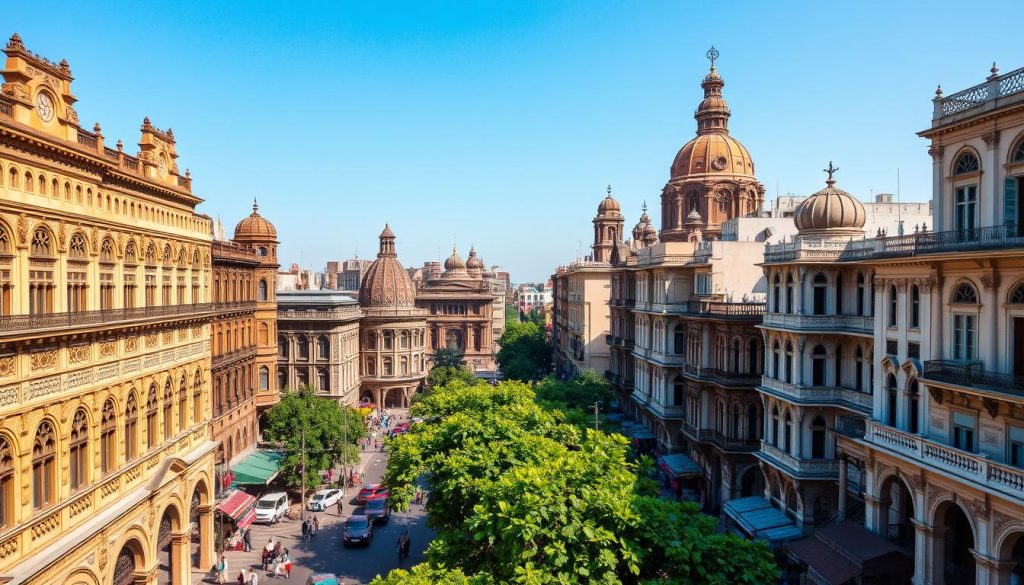
“The colonial-era buildings in Karachi serve as a bridge to the city’s past, offering a glimpse into its rich architectural heritage.”
Preservation Efforts
Karachi’s colonial architecture is a treasured part of the city’s heritage. A movement to preserve these iconic structures is gaining momentum. Restoration projects aim to maintain the buildings’ charm while adapting them for modern use.
The Karachi Municipal Corporation Building, built in 1927, is a landmark of colonial architecture. Frere Hall, constructed in 1865, showcases Venetian Gothic style. The Sindh Cultural Heritage Act of 1994 protects heritage buildings in the province.
Measures for preservation of Karachi’s colonial architecture include restoration and adaptive reuse. Education initiatives, legal protections, and public-private partnerships are also crucial. A Museum of Architectural Heritage is being established to showcase these efforts.
The Kanji Munji building, listed as heritage in 1995, faces an uncertain future. It remains an enduring relic of Karachi’s colonial past. Its fate highlights the challenges in preserving historical structures.
“The architectural study emphasizes the importance of continual adaptation and investment in resources and time for the survival and flourishing of heritage buildings in Karachi’s inner city.”
Karachi’s colonial architecture faces challenges like poverty, neglect, and loose building codes. Intentional demolition and commercialization also threaten these historical structures. Addressing these issues requires a comprehensive approach.
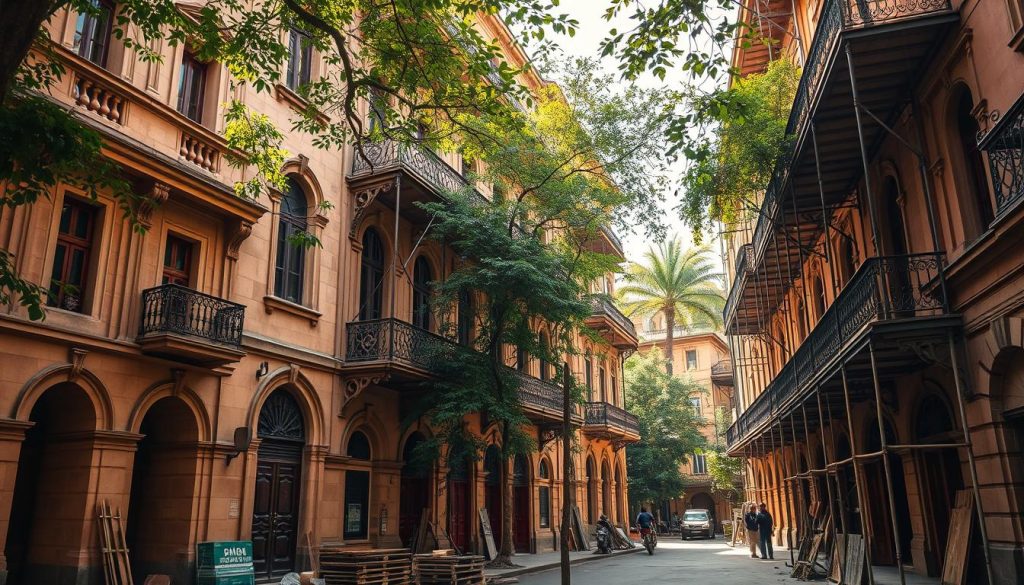
Preserving Karachi’s colonial architecture safeguards its cultural heritage. It also boosts tourism and cultural education. These efforts maintain Karachi’s unique identity and inspire residents and visitors alike.
Modern Architecture: Embracing the Future
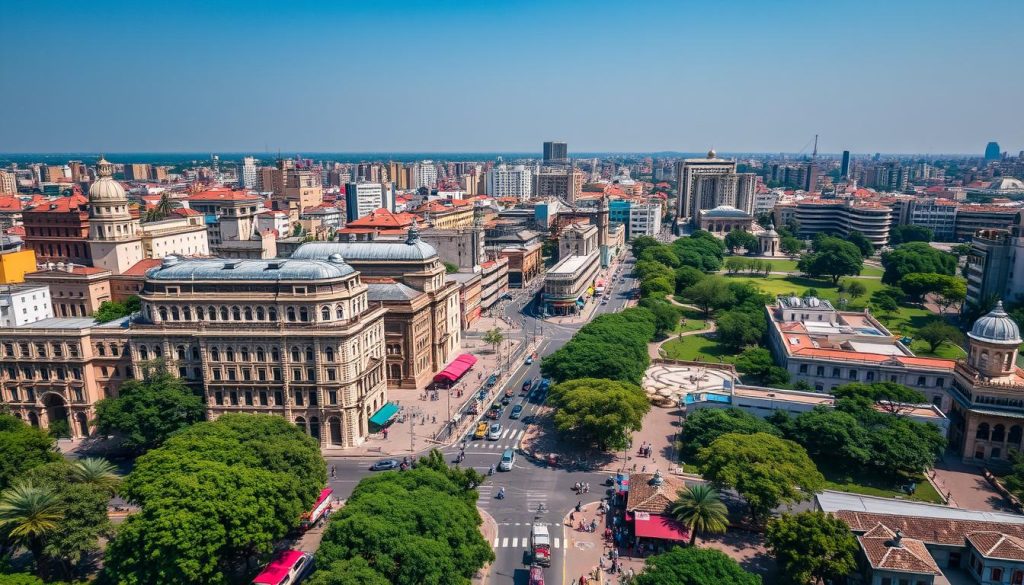
Karachi’s architectural landscape has transformed remarkably in recent decades. High-rise buildings and innovative designs now define the city’s skyline. This showcases Karachi’s embrace of modern architecture and cutting-edge materials.
The Rise of Skyscrapers
Towering skyscrapers are a key feature of Karachi’s modern architecture. These structures symbolize the region’s economic growth and progress. Innovative designs and advanced construction techniques have pushed the boundaries of high-rise development.
Habib Bank Plaza
The Habib Bank Plaza, completed in 1963, exemplifies Karachi’s modernist architecture. It was Pakistan’s tallest building for decades. Its design reflects modernist principles with vertical lines and clean, geometric forms.
The Plaza’s sleek appearance has become an integral part of Karachi’s urban identity. It stands as a testament to the city’s architectural evolution.
Ocean Tower
The Ocean Tower is a notable addition to Karachi’s modern landscape. This mixed-use skyscraper combines retail, commercial, and residential spaces. It offers stunning views of the Arabian Sea.
The building’s contemporary design features a sleek glass facade. It reflects Karachi’s aspirations to be a hub of modern, sustainable development.
Dolmen City Complex
The Dolmen City Complex on Clifton Beach exemplifies mixed-use development. It integrates luxury apartments, a shopping mall, and corporate offices. The complex focuses on sustainability and aesthetic appeal.
Its architectural style blends function and form seamlessly. This contributes significantly to Karachi’s evolving urban landscape.
Karachi’s modern architecture shows the city’s commitment to progress and innovation. High-rise buildings and mixed-use developments continue to shape the skyline. These structures enhance the city’s appeal and reflect aspirations for a vibrant urban environment.
Sustainable Architecture
Karachi is leading the way in sustainable architecture. New developments prioritize eco-friendly materials and energy-efficient designs. They also integrate green spaces, showing a commitment to environmental responsibility.
The Bahria Icon Tower is a prime example of sustainability. This mixed-use skyscraper features advanced insulation and efficient cooling systems. It also uses solar panels to reduce its carbon footprint.
Emaar Crescent Bay, on Karachi’s coastline, is another sustainable project. It incorporates renewable energy sources and water conservation strategies. These features are key parts of its architectural blueprint.
Many modern buildings in Karachi use eco-friendly materials. These include recycled steel, bamboo, and low-emission concrete. Such materials minimize the environmental impact of construction.
Green building practices benefit the environment and enhance the city’s livability. They also improve Karachi’s long-term resilience. This shift serves as a model for other urban centers.
Karachi’s embrace of sustainable architecture is paving the way for a greener future. The city prioritizes energy-efficient designs and renewable resources. These efforts are making a difference, one building at a time.
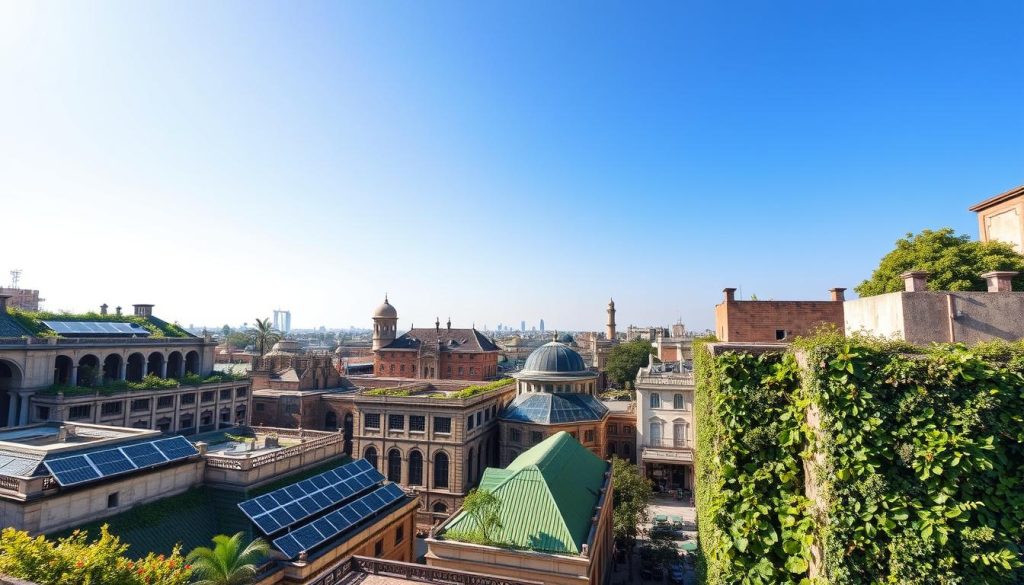
“Sustainable architecture is not just about reducing energy consumption; it’s about creating buildings that are in harmony with the environment and enhance the overall quality of life for the community.”
Cultural and Social Impact
Karachi’s architectural heritage is crucial to its cultural identity. The city’s buildings tell stories of its past and present. This diverse architecture creates pride among residents and connects them to history.
Architectural Heritage and Identity
Karachi’s mix of colonial and modern architecture fascinates global visitors. Heritage walks and tours of historical sites are gaining popularity. These activities boost the city’s economy and promote cultural tourism.
Tourism and Economic Growth
Limited funds hinder heritage site preservation in Karachi. However, organizations like the Heritage Foundation of Pakistan help document and conserve architectural treasures. These efforts raise awareness and boost Karachi’s status as an Architectural tourism destination.
“The decay of heritage sites reflects the citizens’ priorities in Karachi, indicating a potential lack of awareness or interest in preserving historical buildings that represent the diverse cultural contributions to the city.”
Yasmeen Lari, a renowned architect, champions Karachi’s cultural identity. She was the first woman President of the Architects Institute of Pakistan. Lari’s work on iconic buildings and heritage walks documentation preserves the city’s history.
Karachi’s Colonial Architecture and Heritage Walks
Karachi offers a unique chance to explore its rich architectural heritage. Every Sunday, Shaheen Nauman guides enthusiasts through the city’s colonial-era buildings. The Pakistan Chowk Community Center organizes this walk to preserve Karachi’s cultural legacy.
The tour showcases British architectural influence on Karachi’s landscape. It features iconic structures like the Merewether Clock Tower, Frere Hall, and Sindh High Court. Participants discover intricate details and stories behind these architectural gems.
The Sarnagati Building, once a British Council library, highlights Karachi’s cultural heritage. The Mendoza Building on Aram Bagh Road is on the 2018 World Monument Watch List. These sites underscore efforts to preserve the city’s architectural treasures.
The walk reveals Karachi’s evolution through colonial structures and modern skyscrapers. It fosters appreciation for the city’s architectural diversity and cultural identity. Participants gain insight into Karachi’s captivating past.
Heritage walks run every Sunday morning from December to March. They offer a unique experience for locals and visitors alike. History buffs, architecture fans, and curious explorers will find this adventure unforgettable.
| Key Statistics | Details |
|---|---|
| Heritage Walk Inception | The heritage walk began in 2018. |
| Tour Guide | 67-year-old Shaheen Nauman leads the heritage walk. |
| Image Dates | Images were posted on May 4, 2023, and February 8, 2023. |
| Karachi’s Character | Karachi is known for its multicultural character. |
| Heritage Preservation | Preservation efforts are underway for the severely damaged Kanji building, a 19th-century structure. |
| Participant Profiles | Participants include a banker named Sehar Shaikh and a student named Aleena Rizwan. |
The walk sparks discussions about preserving Karachi’s architectural heritage. It highlights the roles of citizens and government in safeguarding cultural legacies. Participants learn about challenges and opportunities in protecting Karachi’s history for future generations.
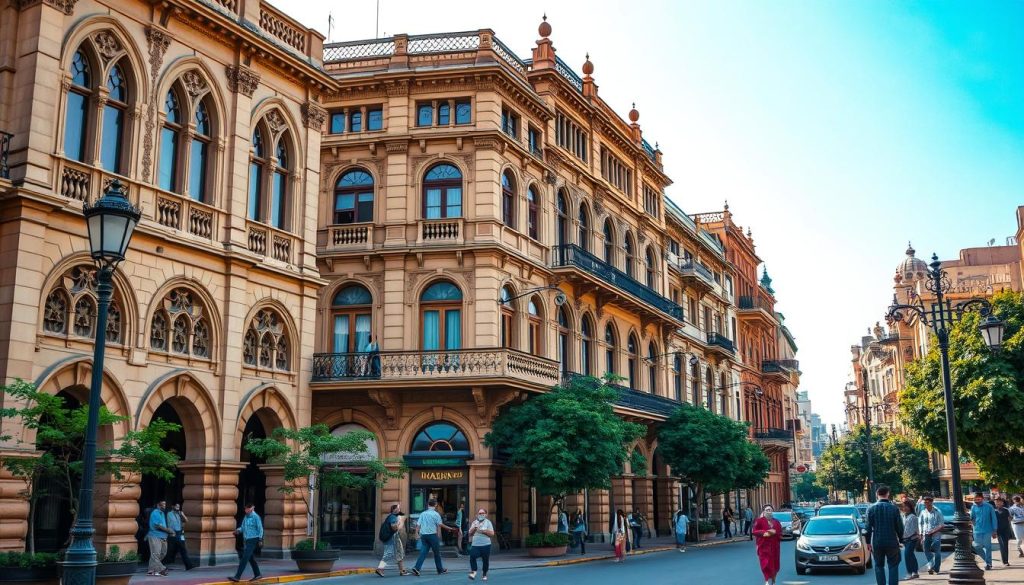
“The heritage walk has been a revelatory experience, shedding light on the fascinating history and architectural gems that have shaped Karachi’s identity. It’s a powerful reminder of the importance of preserving our cultural heritage.”
– Aleena Rizwan, student
Historic Buildings and Landmarks
Karachi, Pakistan’s bustling commercial hub, boasts a rich tapestry of historic buildings and landmarks. Two standout destinations are the National Museum of Pakistan and the Quaid-e-Azam House Museum. These sites offer fascinating glimpses into the city’s past.
National Museum of Pakistan
The National Museum of Pakistan is a treasure trove of historical and cultural artifacts. It showcases the region’s diverse heritage through exhibits on various eras. Visitors can explore the Indus Valley Civilization, Sultanate era, Mughal era, and British Raj.
The museum also features displays on traditional life in different regions. It provides a comprehensive overview of Karachi’s rich history and cultural diversity. History buffs will find this museum a must-visit destination.
Quaid-e-Azam House Museum
The Quaid-e-Azam House Museum is an elegant building with a special significance. It offers insights into the life of Karachi’s most prominent historical figure, Quaid-e-Azam Muhammad Ali Jinnah. The museum displays cars, furniture, and fixtures used by Jinnah and his sister.
Visitors can connect with this influential leader’s personal history. The museum provides a unique opportunity to step into Jinnah’s world.
| Landmark | Highlights |
|---|---|
| National Museum of Pakistan |
|
| Quaid-e-Azam House Museum |
|
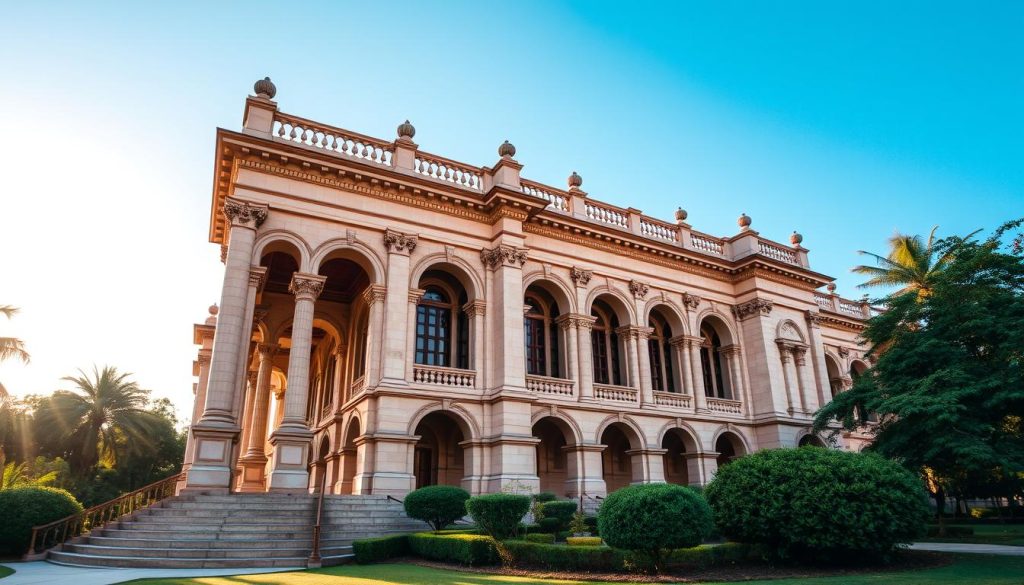
These landmarks offer captivating glimpses into Karachi’s past. Explore colonial-era architecture, learn about historical figures, and discover archaeological artifacts. Dive deep into the city’s rich heritage through these fascinating sites.
Architectural Gems of Karachi
Karachi boasts a rich tapestry of architectural wonders. Historic landmarks stand tall among modern skyscrapers. Frere Hall, St. Patrick’s Cathedral, and Empress Market are three captivating gems.
Frere Hall
Frere Hall is a stunning example of colonial architecture. Its ornate facade and elegant design make it a beloved landmark. Wedding photographers often capture its beauty against Karachi’s bustling streets.
St. Patrick’s Cathedral
St. Patrick’s Cathedral, built in 1878, is a significant religious landmark. Its intricate details attract visitors seeking to explore Karachi’s religious heritage. The cathedral celebrated its centenary in 1978.
Empress Market
The Empress Market is a colonial-era building recently renovated. Illegal constructions were removed to restore its original charm. It’s a vibrant hub for locals and tourists alike.
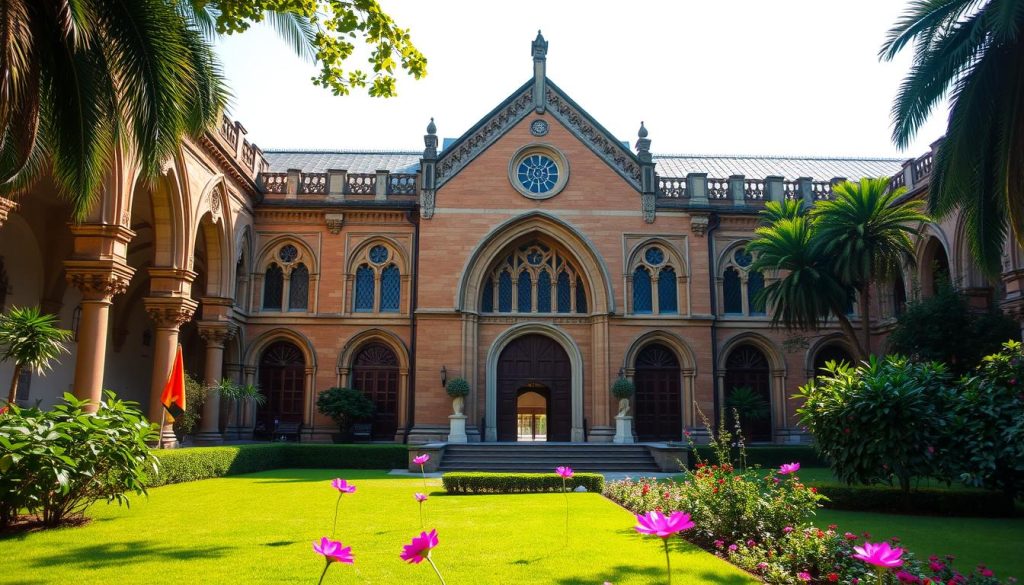
These gems showcase Karachi’s diverse cultural heritage. They stand as a testament to the city’s colonial past. Preserving these landmarks is crucial to honoring Karachi’s rich history and identity.
Exploring the City’s Diversity
Karachi is a vibrant Pakistani metropolis with diverse architecture. It showcases the city’s rich heritage and modern spirit. The Nishan-e-Pakistan stands as a symbol of national pride and sacrifice.
The Nishan-e-Pakistan is a national solidarity monument in Clifton Beach, Karachi. It honors fallen soldiers awarded the Nishan-e-Haider, Pakistan’s highest military honor. This structure represents the nation’s spirit and sacrifices for freedom.
The Port Grand building blends modern and neo-Islamic architectural styles. Its arched design and lively atmosphere attract families and music lovers. It adds to Karachi’s vibrant cultural scene.
Karachi’s architecture reflects its rich history and progress. Colonial-era landmarks stand alongside modern skyscrapers. This diverse landscape continues to inspire visitors from around the world.
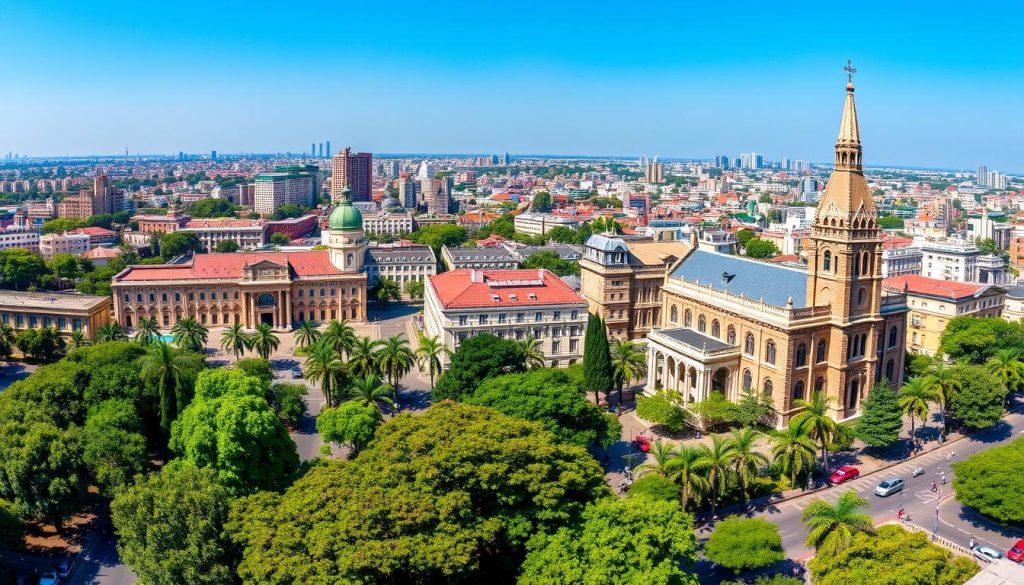
“Karachi is a city that seamlessly blends the old and the new, where the echoes of the past mingle with the aspirations of the future.”
Educational Institutions and Heritage
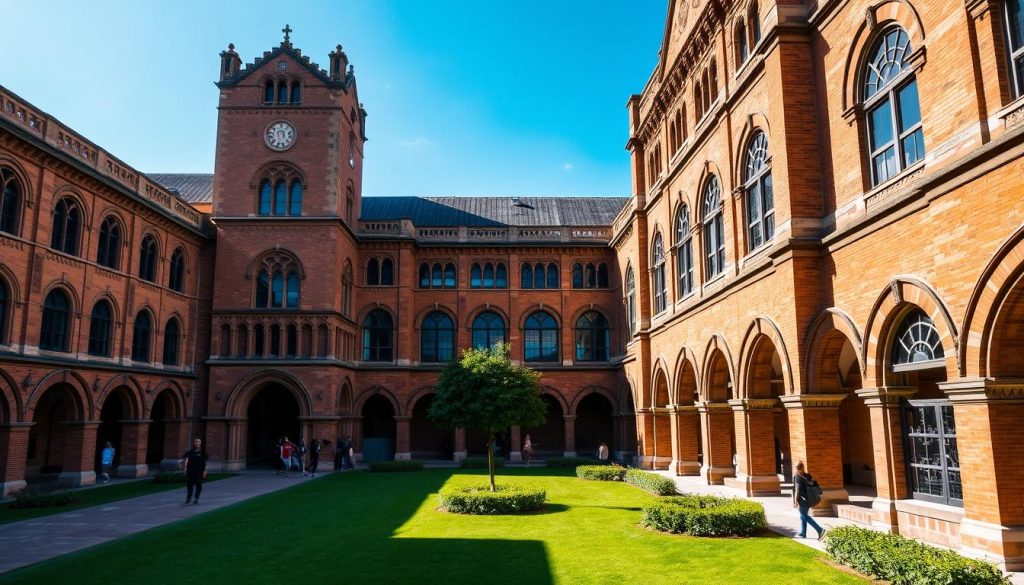
Karachi’s architecture blends colonial landmarks with historic educational institutions. The Old NED University campus and Habib University showcase this mix of old and new.
Old NED University Campus
The NED University campus combines colonial and modern architectural styles. Founded in 1922, it offers a glimpse into Karachi’s architectural heritage.
Students help preserve this historic educational institution. The well-kept grounds create an ideal setting for visitors to explore.
Habib University
Habib University is a newer institution with contemporary architecture. It incorporates Islamic influences in its design, adding to Karachi’s architectural diversity.
The campus blends modern architecture with Islamic design principles. Its innovative use of materials and aesthetic details create a stunning visual impact.
These institutions exemplify Karachi’s dedication to architectural preservation. They also embrace modern architectural trends, reflecting the city’s rich cultural heritage.
Both universities nurture future leaders while honoring Karachi’s architectural legacy. They stand as symbols of the city’s commitment to education and cultural preservation.
Conclusion
Karachi’s architecture reflects its rich history and bright future. Colonial buildings like Frere Hall remind us of the past. Modern structures such as Habib Bank Plaza show the city’s ongoing growth.
Preserving this heritage while embracing new designs is crucial. Karachi continues to grow as a cultural and architectural hub. It offers a unique blend of old and new that fascinates visitors.
Karachi’s economic importance extends beyond Pakistan. It contributes significantly to the region’s growth. The city’s architectural legacy is vital to its identity and charm.
Karachi’s diverse population and lively festivals celebrate its cultural richness. The city’s buildings showcase its resilience and adaptability. This makes Karachi a remarkable destination for exploring South Asian design and history.
Architecture shapes Karachi’s identity and preserves its heritage. Visitors can admire intricate details of the Sindh High Court. They can also marvel at the sleek Ocean Tower.
Karachi’s architectural wonders captivate tourists. They stand as a testament to the city’s enduring spirit. These structures showcase Karachi’s unparalleled charm to the world.