

Explore Historical Sites Near Lake Sevan
What hidden treasures lie in the shadows of Armenia’s stunning Lake Sevan? How do they challenge your understanding of the country’s history? Lake Sevan, the largest lake in the Caucasus, is not just a natural wonder. It’s also a treasure trove of historical sites and landmarks near Lake Sevan that show Armenia’s rich Christian heritage.
This article invites you to explore revered Lake Sevan historical sites. Here, ancient monasteries and churches tell stories of a glorious past. They are set against breathtaking landscapes. From Sevanavank Monastery’s unique architecture to Hayravank’s serene beauty, each place deepens your appreciation of Armenia’s culture and history.
Introduction to Lake Sevan and Its Historical Significance
Lake Sevan is a huge lake at 40°19′N 45°21′E. It covers 1,242 km2 and is crucial for Armenia’s nature and economy. Its beauty and history make it special.
For centuries, Lake Sevan has been a key spot for the Armenian people. It was the first country to adopt Christianity in 301 CE. The area has ancient monasteries and churches, like Sevanavank and Hayravank. These places show the region’s art and architecture.
Despite problems like water level drops, Lake Sevan is still vital. It gives 90% of Armenia’s fish and boosts the local economy. Its history and landmarks attract visitors eager to learn about its past.
Uncovering Historical Sites and Landmarks Near Lake Sevan
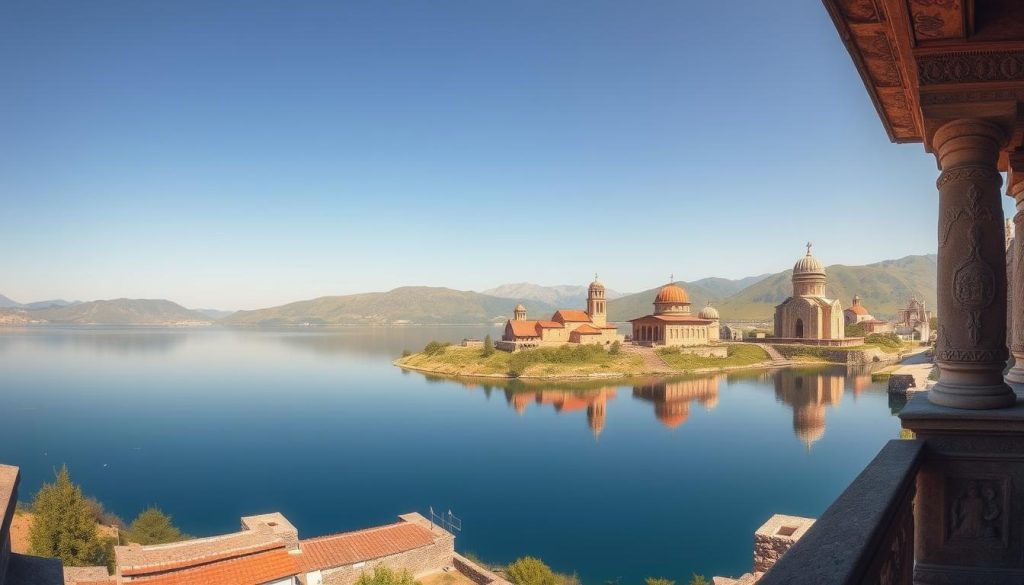
As you explore the alluring region around Lake Sevan, you’ll find many historical sites and landmarks. Lake Sevan is the largest freshwater high-altitude lake in Eurasia. It’s a perfect setting for these impressive destinations.
Each landmark gives a glimpse into Armenia’s rich past. You’ll see unique architectural styles and sacred traditions.
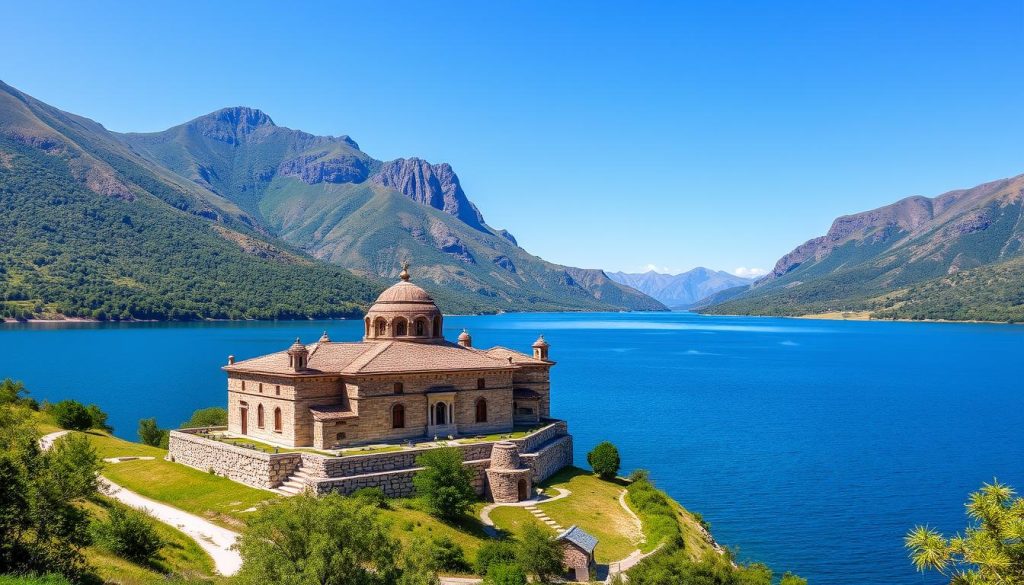
The Sevanavank Monastery is a key Lake Sevan landmark. It’s located on a peninsula with stunning views of the lake. The Haghartsin Monastery, recently renovated, shows Armenia’s commitment to preserving its history.
Goshavank is another highlight, surrounded by lush green landscapes. This spot shows the beauty of nature and architecture together. Visitors from all over come to explore these sites, drawn by their cultural and historical value.
Try traditional Armenian cuisine during your visit. It adds to your cultural experience. Group tours often visit Sevanavank, Dilijan, and Goshavank. Guides share fascinating stories and historical context.
Walking or light hiking is part of the tour. The historical sites near Lake Sevan offer discovery and intrigue. It’s an invitation to dive into the region’s captivating past and vibrant present.

Sevanavank Monastery: A Jewel on the Lake
Sevanavank Monastery is a key site on Lake Sevan, dating back to 874 AD. It sits on a peninsula, showcasing Armenian architecture with detailed stone carvings and khachkars. The Sevanavank Monastery history highlights its role as a center of worship and learning in medieval times. It draws many visitors wanting to dive into its rich heritage.
History and Architecture of Sevanavank
Originally, Sevanavank had three churches, with two still standing today. Walking through, you’ll see Armenian architectural hallmarks like vaulted ceilings and bell towers. Its beauty and historical value make it a must-see for those interested in Armenia’s ancient culture.
Visiting Tips for Sevanavank
For the best photos, visit Sevanavank in the early morning or late afternoon. These times offer the best light for capturing the views over Lake Sevan. Make sure to check out nearby facilities for food and restrooms. Attending local events or festivals can make your visit even more special.
Discovering the Hayravank Monastery
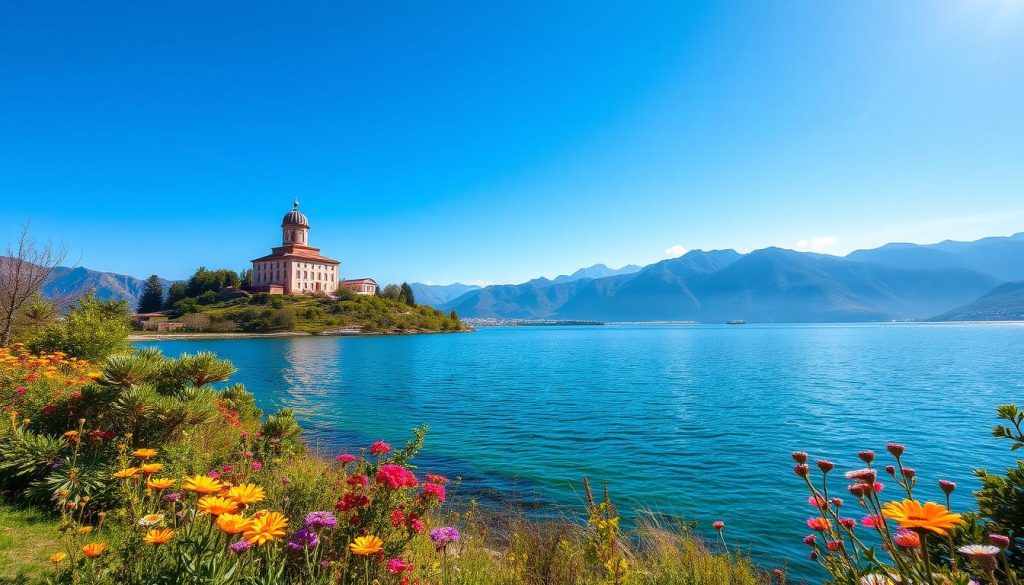
The Hayravank Monastery is a standout spot on Lake Sevan’s shores. Built between the 9th and 12th centuries, it showcases Armenia’s architectural and spiritual heritage. Its architecture invites visitors to explore and appreciate the craftsmanship.
Architectural Features and Significance
This complex includes a beautiful church, a later-added chapel, and a gavit. The main church, from the late 9th century, has a unique quatrefoil design. The gavit, built in the 12th century, has an elaborate main portal and decorative stonework.
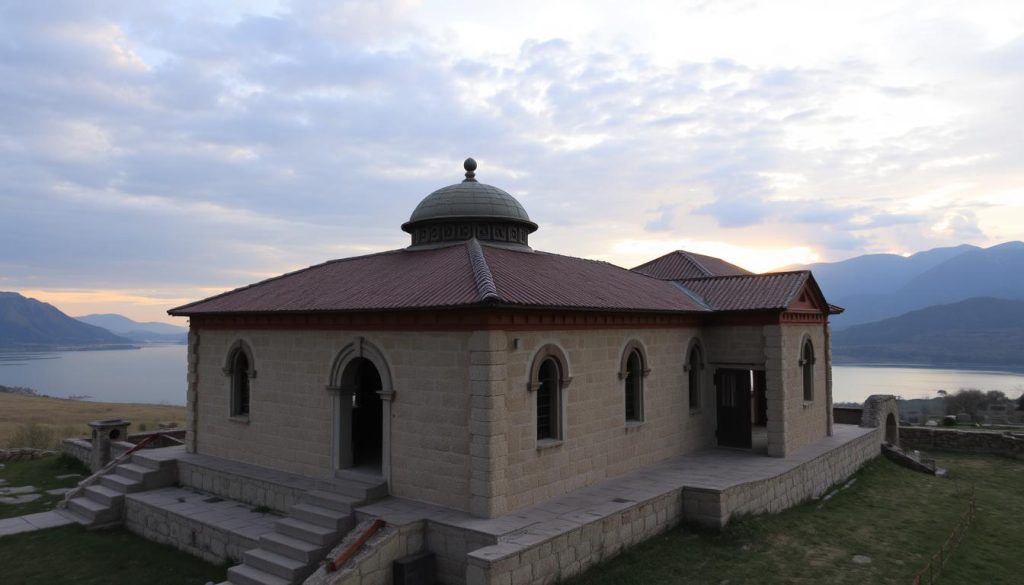
Many khachkars and gravestones surround the monastery, adding to its sacred feel. Archaeological finds nearby reveal Bronze Age settlements, adding to the site’s importance. It’s a must-see on Lake Sevan.
Historical Context and Legends
Hayravank’s history is deeply connected to Armenia’s past, including ancient trade routes. Local legends and stories of saints add to its spiritual charm. The name Hayravank has its own cultural story.
Hayravank is more than just history and architecture. It’s a place of lively celebrations during Vardavar. It attracts those wanting to connect with Armenia’s rich heritage. It’s a key historical site on Lake Sevan.
Exploring the Orbelian Caravanserai
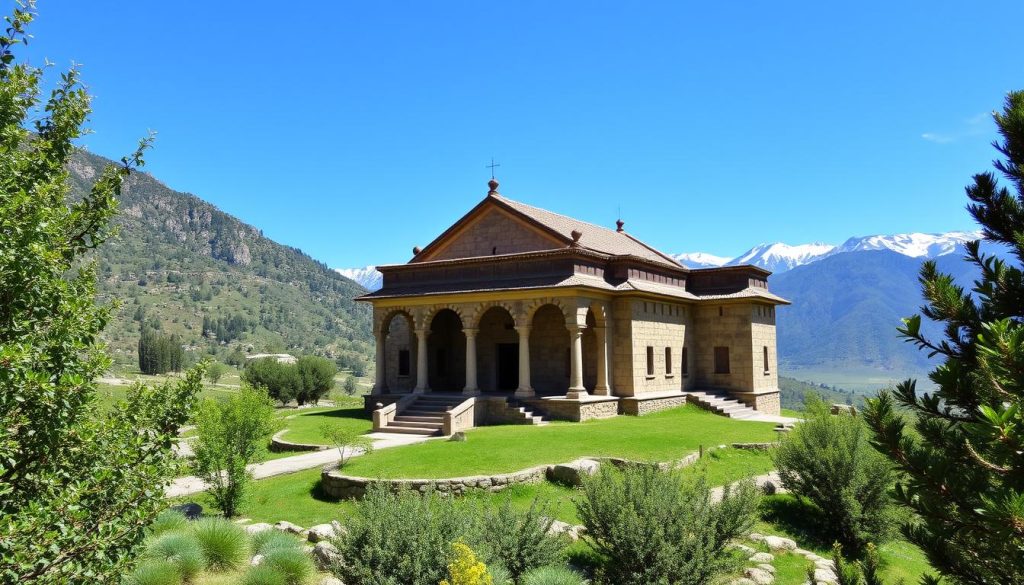
The Orbelian Caravanserai, built in the 14th century, highlights Armenia’s role on the Silk Road. It sits at 2,410 meters (7,906 feet) on the Vardenyats Mountain Pass. This spot offers breathtaking views and a deep dive into history, making it a top site near Lake Sevan.
Known as Selim Caravanserai, it was Prince Chesar Orbelian’s gift to travelers in 1332. Upon entering, you’ll see a grand hall with three aisles and strong pillars. The ends have small rooms for travelers, showing it was a key stop.
Restorations from 1956 to 1959 have preserved the Orbelian Caravanserai. Its carvings and roof designs are a testament to ancient craftsmanship. These details make it stand out today.
Since reopening, it’s become a favorite spot for history lovers. It’s famous for its role in medieval trade on the Silk Road. Visitors can admire its architecture and hear the tales it holds.
Plan your visit by joining tours in English, Russian, and Armenian. Lunch is not included, but meals will be stopped for during longer trips. Groups will go ahead, even with just one person, so everyone can explore this historic gem.
Geghard Monastery: A UNESCO World Heritage Site
Geghard Monastery is a stunning site carved into the Azat River Gorge. It’s a key example of medieval Armenian architecture. Dating back to the 4th century, it combines natural beauty with skilled craftsmanship.
It’s about 40 kilometers from Yerevan. You can get there by public transport or private tours. Prices start at €112.48 for groups of up to three, making it great for small groups.
Many tours also include Garni Temple, Lake Sevan, and Sevanavank. These tours have highly rated guides and are well-organized.
Visiting on your own is also affordable. A minibus ride from Yerevan costs about 250 AMD. Taxis cost between 12 to 15 USD. Renting a car is about 20 USD daily, giving you more freedom to explore.
The monastery is free to visit, open from 10 am to 9 pm in summer and 10 am to 5 pm in winter. Sundays are busier, so visiting on a weekday is better. Remember to dress conservatively to respect the site.
| Tour Type | Price (approx.) | Duration |
|---|---|---|
| DIY Visit (Public Transport) | 20 USD | 1 hour |
| Group Tour from Yerevan | 40-50 USD | Variable |
| Private Tour with Driver | 100 USD | Variable |
Visiting Geghard Monastery alone or with a tour will deepen your understanding of Armenia’s culture and history. It’s a must-see UNESCO site in Armenia.
Historical Sites and Landmarks Near Lake Sevan: A Full List
Exploring the area around Lake Sevan lets you see many historical sites. Each has its own story and importance. This area is full of culture and history, with famous landmarks and hidden treasures. Here’s a list of the top sites to visit on your trip.
Must-See Sights in the Region
- Sevanavank Monastery – An iconic structure overlooking the lake, this is one of the Lake Sevan famous landmarks.
- Khor Virap – A vital pilgrimage site located at the base of Mount Ararat.
- Geghard Monastery – A UNESCO World Heritage site, it offers fascinating architecture and a rich history.
- Garni Temple – The only Greco-Roman colonnaded building in Armenia, dedicated to the sun god Mihr.
- Amberd Fortress – A strategic fortress offering stunning vistas and a glimpse into medieval architecture.
- Haghpat Monastery – Part of the UNESCO World Heritage List, it serves as a testament to medieval Armenian art and architecture.
- Tatev Monastery – An ancient site that once acted as a significant university, representing the depth of Armenian academia.
- Dilijan National Park – Known as “Armenian Switzerland,” it is perfect for nature lovers.
- Gyumri – The second-largest city in Armenia, with rich historical significance and vibrant culture.
Visitor Information for Each Site
| Site | Accessibility | Operating Hours | Additional Notes |
|---|---|---|---|
| Sevanavank Monastery | Accessible by road | Open year-round | Notable for beautiful lake views |
| Khor Virap | Paved pathways | Open year-round | Key pilgrimage destination |
| Geghard Monastery | Accessible; some walking | Daily from 10 AM to 5 PM | Part of UNESCO World Heritage |
| Garni Temple | Accessible by road | Daily from 9 AM to 6 PM | Famous for its unique architecture |
| Amberd Fortress | Accessible; some walking | Open year-round | Impressive views; historical significance |
| Haghpat Monastery | Accessible; some walking | Open year-round | Rich in medieval history |
| Tatev Monastery | Accessible by cable car | Open year-round | Known for its extensive views |
| Dilijan National Park | Accessible; multiple trails | Open year-round | Perfect for nature enthusiasts |
| Gyumri | Good road access | Open year-round | Cultural hub with rich traditions |

Experiencing Armenian Culture at Khor Virap
Visiting Khor Virap is a deep dive into Armenian culture. It’s filled with history and spiritual meaning. Located against Mount Ararat, it shows Armenia’s strong Christian roots. It’s where Saint Gregory the Illuminator was imprisoned, leading to Armenia’s conversion to Christianity in 301 AD.
The views are stunning, making it perfect for reflection. You can feel the essence of Armenia’s faith here.

While you’re there, join in on cultural activities. At Garni Temple, you can watch lavash baking. It’s a chance to see Armenian cooking skills up close. Plus, Armenian music fills the air, adding to the joy and celebration.
- Performance of a children’s choir at Geghard Monastery enhances the spiritual ambiance.
- A baptism ceremony reflects centuries-old traditions that continue to thrive in contemporary Armenia.
- Festive dances like Kochari and Shalakho emerge spontaneously during lunch, epitomizing community spirit.
Khor Virap is a key to understanding Armenia’s rich history. From Echmiadzin Cathedral, the oldest cathedral, to ancient Urartian sites, each visit adds to your knowledge. Armenia’s past inspires its present, showing a culture that’s alive and strong.
Planning Your Visit: Best Times and Travel Tips
When planning your trip to Lake Sevan, knowing the best time to visit Lake Sevan is key. Late spring to early autumn is the best time. It offers mild weather and vibrant nature.
Lake Sevan sits at nearly 2,000 meters, making it cooler than lower places. It’s a favorite summer spot for locals looking to escape the heat. Winter turns the lake into a peaceful scene, ideal for those seeking calm from December to March.
Here are some travel tips for Lake Sevan to make your visit better:
- Transportation: Public transport, like minibuses from Yerevan, runs every hour. Taxis are also an option, costing about 18 USD.
- Guided Tours: Guided tours offer a deeper experience. Day trips from Yerevan cost 40 to 100 USD, including meals and transport.
- Accommodation: Book your stay early, as it gets busy. The Sevan Writers’ House offers a unique historical experience.
- Activities: Enjoy swimming, diving, or just relaxing on the beaches. Fishing and exploring the Sevan Peninsula are also great.
- Local Experiences: Stay overnight to explore local spots and cultural centers like Bohem Studio Teahouse.
With these travel tips for Lake Sevan, your trip will be memorable. Dive into the beauty and culture of this stunning area. It promises a rewarding experience with its rich history and natural wonders.
Conclusion
Exploring Lake Sevan is a journey into Armenia’s deep cultural roots. The area’s beauty, with sites like Sevanavank and Noratus Cemetery, shows the Armenian spirit. It’s a place where history meets nature, inviting you to dive into the past.
Lake Sevan is near Yerevan, making it easy to visit. You can enjoy nature, water sports, and learn at the Matenadaran. The lively Republic Square and the Cascade Complex add to your cultural experience.
Every visit to Lake Sevan is special, whether you’re seeking adventure or history. This area showcases Lake Sevan’s beauty and the need to protect historical sites. Your trip will be filled with unforgettable moments and a deeper understanding of Armenian heritage.





