Explore Historical Sites in Al Wakrah Today
Ever curious about what secrets Al Wakrah’s sands might reveal? This city was once busy with fishing and pearling activities. Located by the eastern side of the Persian Gulf, just below Doha, it invites you to uncover its history. Nowadays, with over 80,000 people, Al Wakrah blends its historical roots with modern life.
Al Wakrah’s tourist spots show off the city’s cultural high points. You can visit old fortresses and traditional markets here. Tours average around $47.64, offering 14 different ways to see historical and cultural spots. Places like Al Wakra Fort and Al Wakrah Heritage Village are big draws, thanks to tours like the South Coast Tour with Camel Ride.
Let Al Wakrah’s history charm you as you dive into its maritime past and stunning architecture. As you make your plans, get ready to be amazed by the cultural gems you’ll find.
Introduction to Al Wakrah’s Historical Significance
Al Wakrah was once a small fishing village. Now, it’s a vibrant city in Qatar. This change is key to understanding its history and cultural impact. It stretches over 75.8 km2 and is home to over 80,000 people, showing its growth.
Al Wakrah has a long history of fishing and pearling. By 1920, about 300 ships were based there. This strong fishing community has played a big role in Qatar’s economy.
The city’s buildings show its rich past. You can see this in the Al Wakrah cultural landmarks. Its growth has been helped by the nearby Mesaieed Industrial Area. Plans from the 1970s have made the community better while keeping its culture.
Al Wakrah nicely mixes old and new, attracting many visitors. Exploring its landmarks and history gives deep insights into the city’s soul.
Historical Sites in Al Wakrah
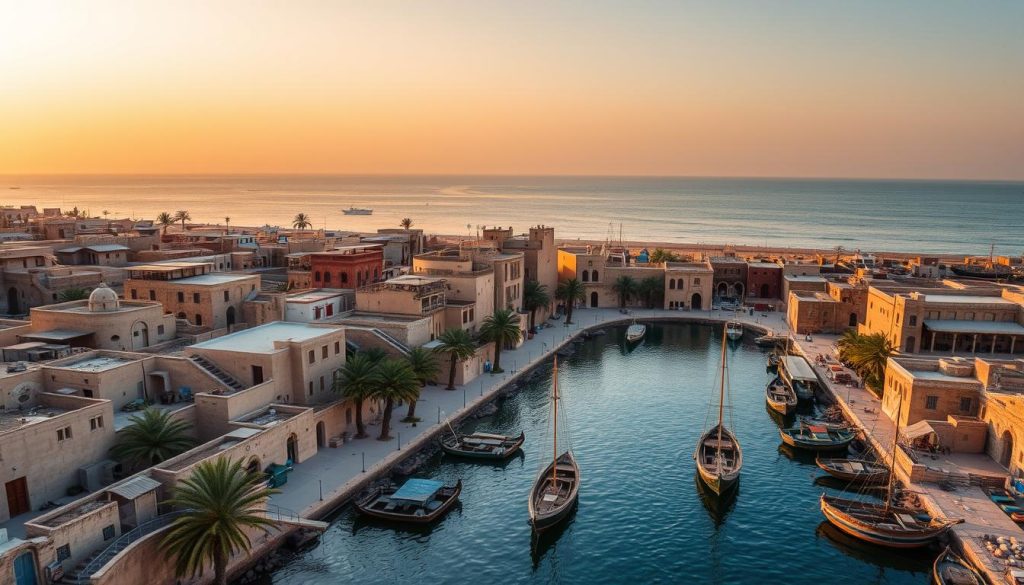
Al Wakrah is rich in history, showing off its vibrant past. It has everything from old houses to lively markets. Each place has a story to share. In Al Wakrah, you can explore the history of Qatar in a unique way. A special find is a seventh-century Islamic home, showing how important the area was. Scientists used radiocarbon dating, finding the site dates back to between 600 and 630 AD. This gives clues about the early people who lived there. This ancient home, hidden under the sand for centuries, is amazingly well-preserved.
Overview of Key Attractions
Al Wakrah’s history shines through in these special places:
- Al Wakra Fort – A fort that shows how the city protected itself.
- Abu Manaratain Mosque – Known for its beautiful design and peaceful feeling.
- Al Wakra Museum – Displays local traditions and the sea’s importance.
- Souq Al Wakrah – A lively market full of Qatari crafts and foods.
These sites prove that Al Wakrah has always been a place of human activity. For example, pots found in the ancient home show it was used for about a hundred years. This suggests a busy community lived there. The home’s location makes us wonder about how people settled in the area back then.
Importance of Heritage Preservation
Keeping Al Wakrah’s heritage sites safe is important for the future. As cities grow, protecting these historical spots is more crucial. Local authorities are working to preserve the unique styles and stories of Al Wakrah’s ancient past. Tours of these places help visitors understand why saving them matters. You can visit forts and museums to see how Qatari culture has changed over time.
| Historical Site | Significance | Visitor Activities |
|---|---|---|
| Al Wakra Fort | Defense and military history | Guided tours, photography |
| Abu Manaratain Mosque | Spiritual and architectural heritage | Worship, architecture tours |
| Al Wakra Museum | Local culture and maritime history | Exhibitions, workshops |
| Souq Al Wakrah | Economic and social hub | Shopping, cultural interactions |
Al Wakra Fort: A Glimpse into the Past
The Al Wakra Fort is a vital link to the area’s deep history and architectural skill. Built in the early 1900s, it stands on what once were Sheikh Abdulrahman bin Jassim Al Thani’s ruins. It was meant to be a barracks and police station. After its restoration, you can now see its history and Al Wakra’s architectural style.
Historical Background of Al Wakra Fort
The story of Al Wakra Fort gives us key insights into how people were governed back then. Unlike many Qatari forts focused on military use, this fort was for administration, marking a move from simple beachside communities to organized governance and safety. It’s a symbol of Al Wakrah’s evolution in administration and community protection.
Architectural Features and Restoration
The fort’s architecture, with its long walls, shows its purpose. The renovation was done carefully, keeping true to the region’s style while opening it to visitors. You’ll see traditional building techniques and materials. These are key to understanding Al Wakrah’s architectural past. The renovation lets you feel the past’s charm and Qatar’s present-day beauty.

Discover the Abu Manaratain Mosque
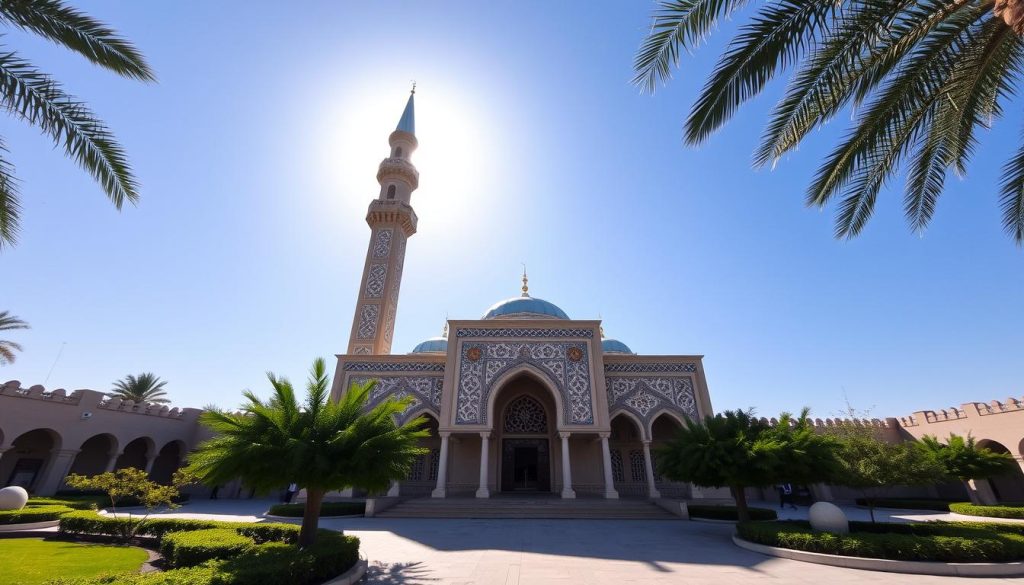
The Abu Manaratain Mosque stands out in Al Wakrah. Since it was built in 1940, it has been the oldest mosque there. It represents the deep Islamic heritage. Moreover, its architecture makes it different from other buildings in Qatar.
Historical Context of the Mosque
For generations, this mosque has been a beacon of faith. It shows how the community holds on to Islamic traditions while embracing changes. As the center of prayer and gathering, it’s been crucial in the residents’ lives.
Architectural Characteristics
Abu Manaratain Mosque’s design is truly unique. With its strong, thick walls, it stands apart. The single minaret contrasts typical mosque designs. Plus, there’s a small pool that creates a peaceful place for prayer. This mix of beauty and purpose enhances Al Wakrah’s cityscape.
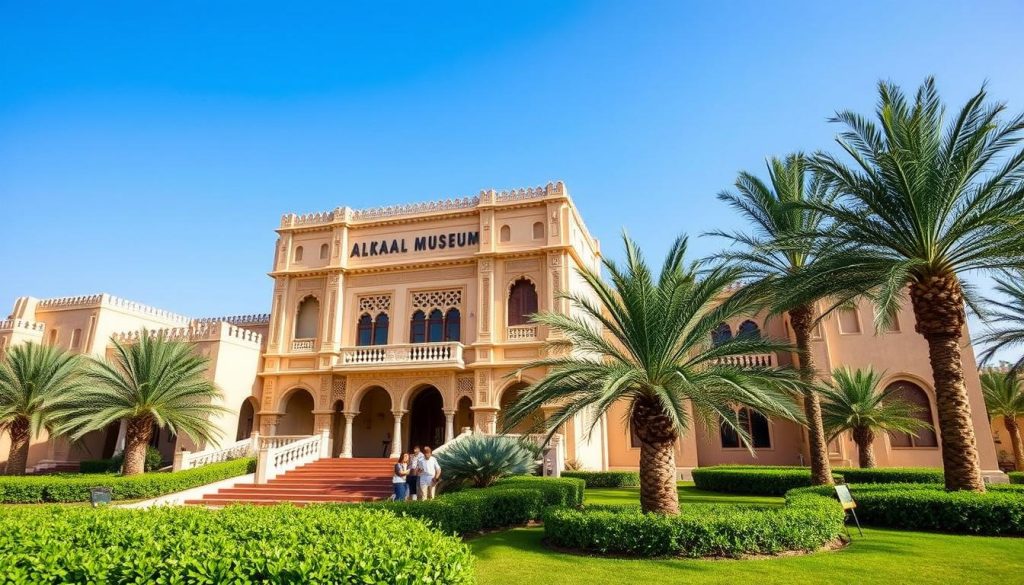
Exploring the Al Wakra Museum
The Al Wakrah Museum is key for learning about Al Wakrah’s past and culture. It’s just 17 kilometers from Doha. Here, you’ll find many exhibits that show the area’s rich heritage. These exhibits give you a close look at the local traditions. They highlight the area’s strong fishing culture and its maritime past.
Exhibits Showcasing Local Heritage
Inside the museum, many exhibits showcase the community’s artistic and cultural practices. You’ll see traditional artifacts and models of the pearling industry. These displays help you understand what life was like in Al Wakrah. This place is known for showing how the people lived every day. It makes the museum a unique spot among Al Wakrah attractions.
Significance of Maritime History
The museum emphasizes Al Wakrah’s maritime history. This history shows the city’s role in Qatar’s economic growth. Al Wakrah was famous for pearl diving and fishing. These industries were not just income sources; they were part of the people’s cultural identity. Learning about this legacy helps us value Al Wakrah’s role in the region’s history.
Souq Al Wakrah: A Cultural Landmark
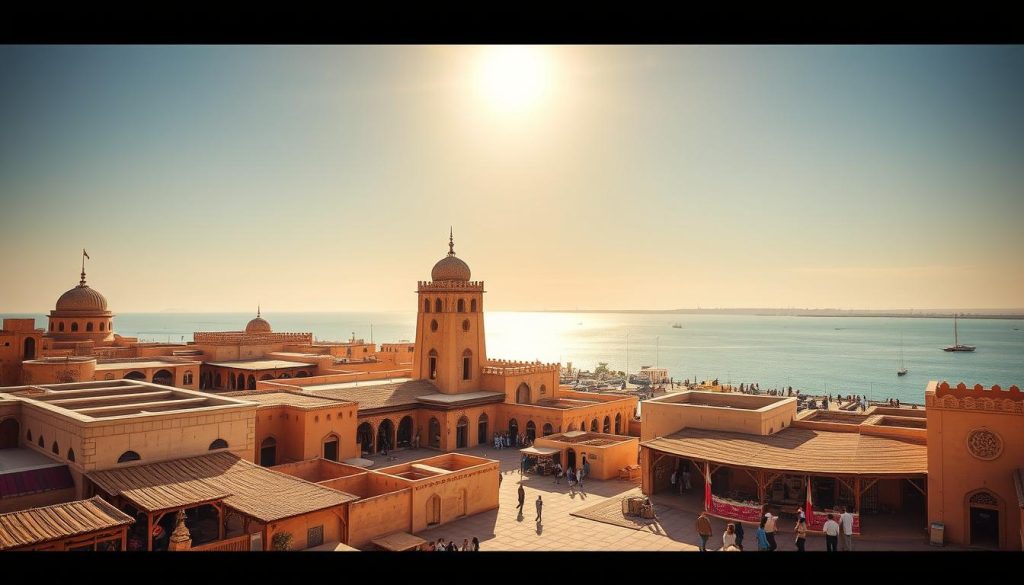
Souq Al Wakrah, also known as Al Wakra Old Souq, is where culture meets commerce. It showcases Al Wakrah’s rich history. Since its opening in 2014, it’s become a must-visit in Qatar. It mixes traditional Qatari culture with modern comforts, attracting tourists.
Near the beautiful Al Wakrah family beach, the souq offers a variety of goods. You’ll find everything from spices and crafts to gold and marine gear. It boasts 10 market zones for different products, including:
- Fruits & vegetables
- Marine supplies
- Women’s and men’s accessories
- Birds and animal markets
- Utensils
- Gold
- Spices and foodstuffs
- Falcon accessories
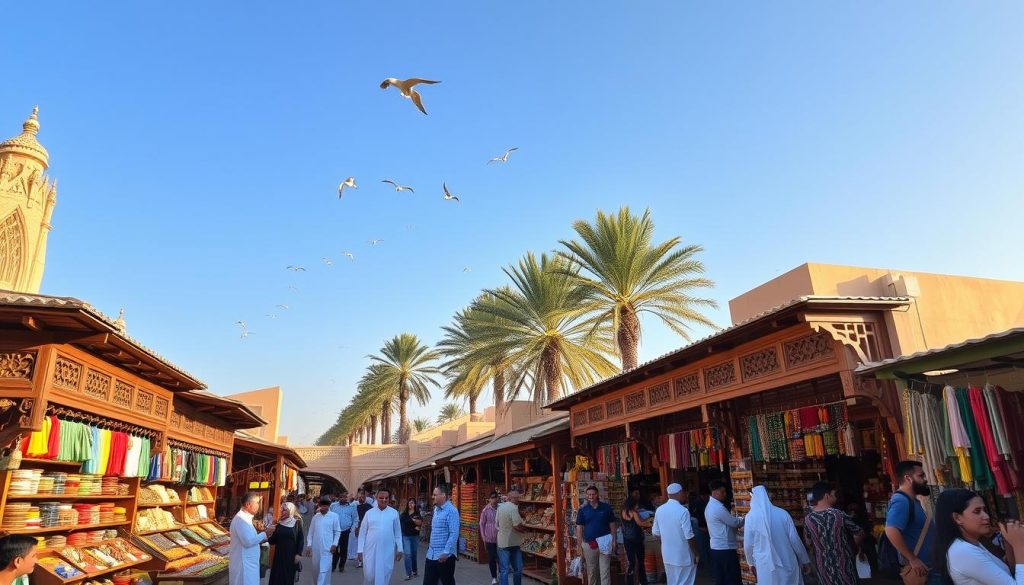
At Souq Al Wakrah, you can enjoy food from around the world. Its restaurants and cafes serve a variety of cuisines. Try Italian dishes at Mercato Antico, Indian food at Barahat Al Wakra, or snacks at Arnag bakery.
The nearby beach stretches over 3 km, offering a perfect relaxation spot. It has sun umbrellas, showers, and play areas for kids. You can also explore wildlife in its shallow pools, adding to the fun.
Getting to Souq Al Wakrah is easy, thanks to several transport options like the Al Wakrah metro station. It has plenty of parking and stays open late. So, tourists and locals can enjoy this cultural landmark anytime.
Unraveling Al Wakrah Heritage Village
Al Wakrah Heritage Village is a window into old Qatari life. It has mud-brick houses and an ancient mosque. This place is known for its real Qatari architecture.
Every building has a story from the past. Looking at the buildings’ designs and craftsmanship shows the rich culture of the area.
Traditional Qatari Architecture
The architecture in Al Wakrah Heritage Village is special. Visitors see how nature, climate, and landscape play a role in Qatari designs. Important features are:
- Mud-brick constructions that keep homes cool.
- Wind towers that lower indoor temperatures.
- Beautiful designs that show off local skills.
Activities Available for Visitors
There’s a lot to do at Al Wakrah Heritage Village. Workshops let you dive into traditional crafts. You feel part of the community. Activities you can enjoy include:
- Guided tours that explain the village’s history.
- Exhibitions that teach about Qatari traditions.
- Interactive workshops on Sadu weaving and leather crafting.
- Coffee ceremonies that show Qatari hospitality.
Joining in helps you understand Al Wakrah’s culture better. Al Wakrah Heritage Village is not just a place of beauty. It’s also a lively center for Al Wakrah cultural experiences.
Marine and Pearling Traditions in Al Wakrah
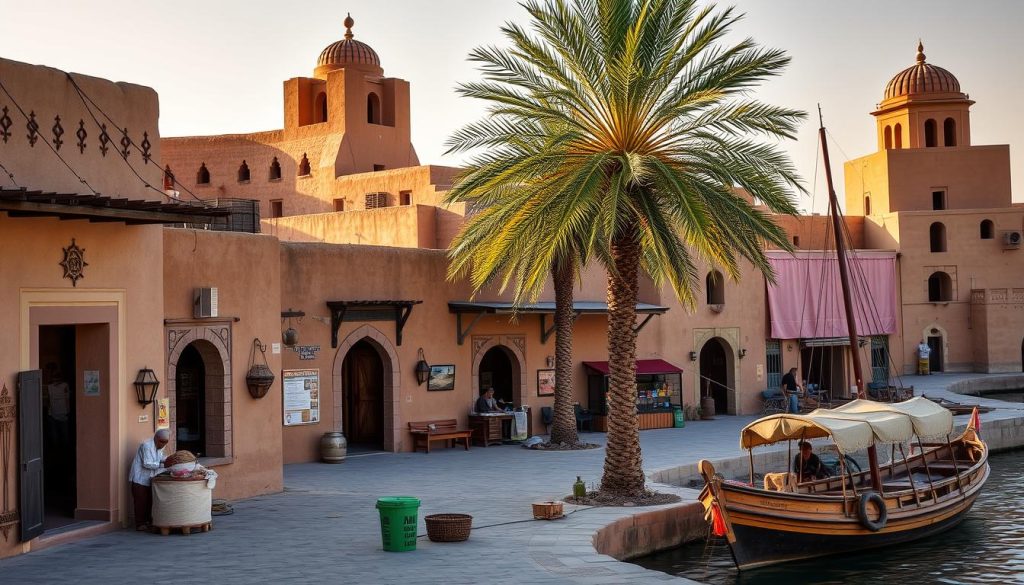
Al Wakrah has a deep connection with the sea, reflected in its marine and pearling traditions. These traditions have shaped the region’s identity and economy. Pearling, in particular, has a long history here. It was vital to many families’ way of life.
Historical Relevance of Pearling
In Al Wakrah, pearling was more than a job; it was a significant part of the local culture. Fishermen braved the Arabian Gulf, diving for pearls in olden times. The discovery of oil in the 1920s changed everything, reducing pearling’s importance. Yet, the tradition’s cultural value is still celebrated, keeping the history alive.
Local Fishing Practices and Their Impact
The fishing traditions in Al Wakrah highlight the community’s commitment to the sea. Fishermen use age-old methods to fish responsibly. This care helps protect the marine environment. It shows how closely the community’s way of life is tied to the ocean.

| Aspect | Details |
|---|---|
| Pearling Techniques | Traditional diving methods using dhows and simple tools. |
| Historical Impact | Shift in economy due to oil discovery and rise of artificial pearls. |
| Sustainability Efforts | Use of community-based fishing methods to preserve marine life. |
| Current Developments | Modern technologies enhancing pearl production quality. |
| Cultural Events | Annual Pearl Diving Festival celebrating the heritage. |
Al Wakrah’s Natural Attractions and Parks
Al Wakrah is a wonderful place for those who love nature and fun. This coastal city has amazing outdoor spots. These places make your visit better and are great for adventure. Al Wakrah is a top choice for families and anyone wanting to enjoy nature.
Recreational Opportunities Available
In Al Wakrah’s beautiful parks, you can find lots of activities. Don’t miss these top spots:
- Al Wakrah Family Beach: Offers camel rides, boating, and lovely views. It’s great for families with safe swimming and kid-friendly areas.
- Al Wakrah Park: Perfect for gatherings, this park has playgrounds and spots for picnics. It’s a wonderful place to relax with family and friends.
- Al Wakrah Promenade: This area is next to the beach and has many places to eat. You can try Arabic food or something international.
Al Wakrah has over nine spots for tourists to explore. Whether you want exciting or calm experiences, there’s plenty to do.
| Natural Attraction | Activities Offered | Facilities |
|---|---|---|
| Al Wakrah Family Beach | Camel rides, boating, swimming | Restrooms, gazebos, children’s playgrounds |
| Al Wakrah Park | Picnics, outdoor games | Playgrounds, BBQ facilities |
| Al Wakrah Promenade | Dine with a view, leisurely walks | Restaurants, dining options |
Exploring Al Wakrah’s parks and natural spots is wonderful. You’ll make memories, enjoy the scenery, and love the lively vibe.

Dining Experiences to Complement Your Visit
Al Wakrah dining offers a vibrant mix of tastes that will excite your palate. From traditional Qatari dishes to worldwide flavors, it’s a rich and varied scene. Restaurants like Al Khaima serve amazing lamb machboos. This dish uses local ingredients to celebrate culinary traditions. Seafood lovers will enjoy the fresh dishes at coastal restaurants, famous for their delicious selections.
But it’s not all about traditional food. Places like Q Lounge & Restaurant mix Asian and European tastes. This caters to many preferences. These dining spots are great for exploring Al Wakrah’s unique flavors in a beautiful setting. Here, you can find anything from comfort food to gourmet meals, or just a relaxed meal.
In the lively Souq Al Wakra, dining meets culture and history. Families can savor a seafood barbecue or try authentic Yemeni dishes. Really, a trip to Al Wakrah isn’t complete without diving into its food scene. It shows off flavors that tell the city’s rich story.
| Restaurant | Cuisine Type | Signature Dishes |
|---|---|---|
| Al Khaima | Qatari | Lamb Machboos |
| Al Aker | Seafood | Fresh Grilled Fish |
| Q Lounge & Restaurant | Fusion | Asian-European Dishes |
| Souq Wakrah Restaurants | Various | Seafood Barbecue, Yemeni Cuisine |
Dining in Al Wakrah enhances your cultural journey, making it key to your visit. Looking for a feast or a snack, Al Wakrah delivers. Every meal shares a part of the area’s past and its modern vibes. It invites you to enjoy its culinary creativity.
Conclusion
Al Wakrah is a vibrant mix of Qatar’s past and its growing culture. Its historical places are key in boosting tourism. Visiting the Heritage Village and Al Wakra Fort lets you see Al Wakrah’s stories. These sites connect the past to the future. They invite you into true cultural experiences.
Al Wakrah’s tourism has grown impressively, blending old culture with new. It boasts family parks and significant sights like Al Janoub Stadium by Zaha Hadid. Trying out craft workshops at the Heritage Village helps you understand the city’s customs. This boosts interest in Al Wakrah’s culture.
Sustainable and eco-friendly spots are making Al Wakrah even more appealing. You might come for its history, sports, or the beauty of coastal tours. Exploring Al Wakrah’s historical places makes your visit richer. You leave understanding what makes it special in Qatar.