Explore Hidden Valleys & Viewpoints Near Punakha
Have you ever wondered about the breathtaking secrets beyond Punakha’s well-known paths? This enchanting place is full of hidden valleys and viewpoints. It invites you to a journey with stunning landscapes and rich cultural experiences.
As you explore the Punhaka Valley, you’ll find must-visit places that most travelers miss. These spots are hidden treasures waiting to be discovered.
In this article, we’ll uncover Punakha’s lesser-known gems. This valley’s scenic beauty and local traditions blend perfectly. It offers much more than what you see at first glance.
So, get ready to explore this magnificent region. Lace up your hiking boots and discover Punakha’s hidden allure.
Introduction to Punakha and Its Scenic Beauty
Punakha is known as the “Garden of Bhutan.” It attracts visitors with its beautiful landscapes and unique geography. The valley sits where the Pho and Mo Chhu rivers meet, surrounded by lush greenery and colorful flowers.
Its elevation of 1200 meters above sea level creates a mild climate. This climate makes the region’s natural beauty even more stunning.
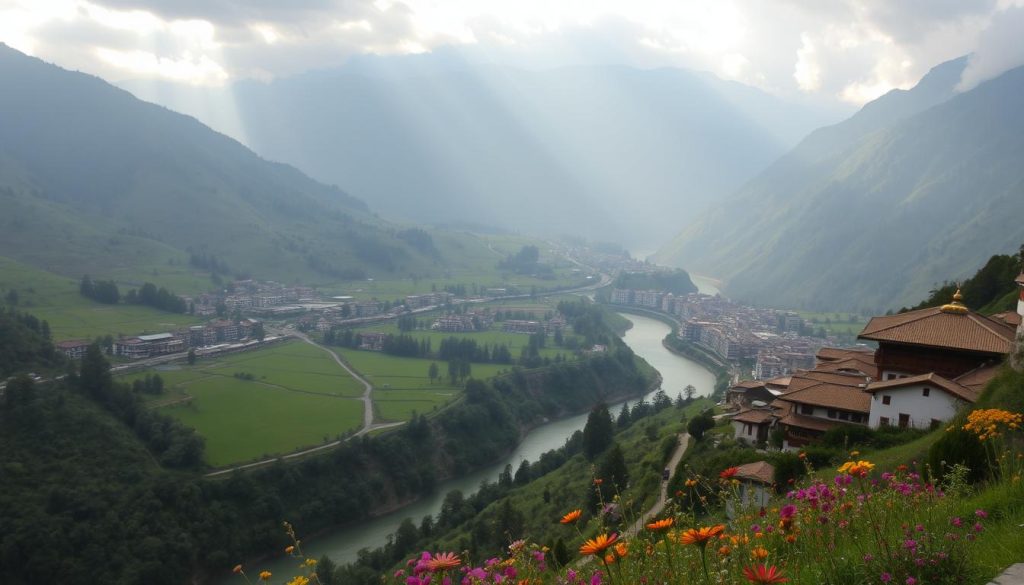
The Punakha Dzong is a symbol of the area’s rich history. It was the capital of Bhutan from 1637 to 1907. This dzong is the second oldest and second largest in Bhutan, known for its architecture and peaceful location.
The Punakha Drubchen festival celebrates a victory over Tibetan forces. It offers a chance to experience the valley’s culture.
Punakha is full of hidden gems waiting to be discovered. You’ll find stunning views and the sound of rivers flowing. The Dochula Pass offers panoramic views of the Himalayas.
This setting is perfect for your adventures. Every moment in Punakha is unforgettable.
Understanding Punakha’s Geography
Punakha’s landscape is stunning, offering a glimpse into its geography. It sits at about 1,200 meters above sea level. This altitude creates a climate perfect for many ecosystems.
The valley is filled with terraced rice fields, lush forests, and fertile valleys. These are set against the grand Himalayas.
The Punakha Valley has many rivers, key for farming. These rivers help grow rice, fruits, and vegetables. They also make the valley great for outdoor fun like trekking and rafting.
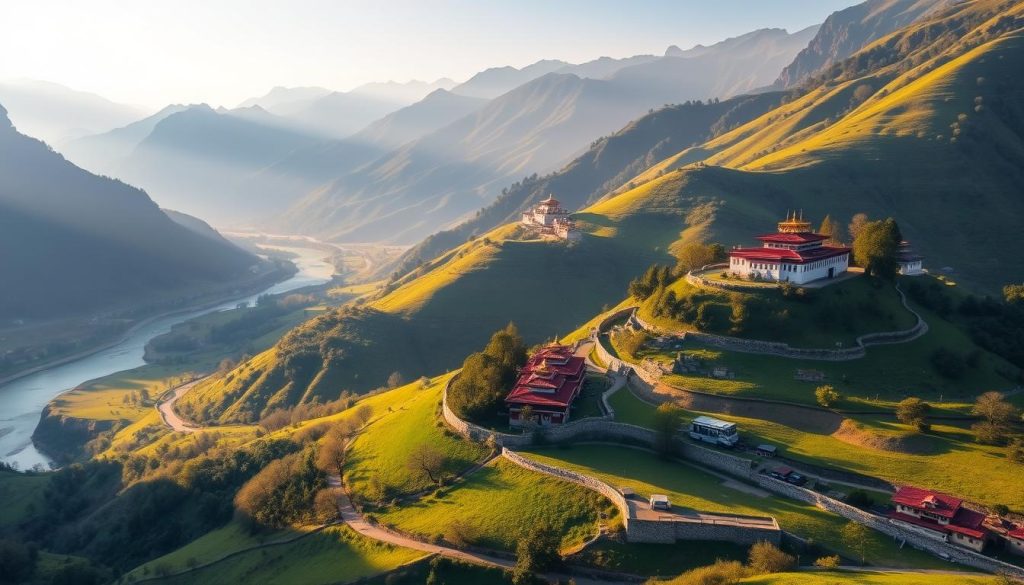
The Dochula Pass is a high point at 3,100 meters. It offers amazing views. Near the valley is the Sangchhen Dorji Lhuendrup Lhakhang, a peaceful nunnery.
Chimi Lhakhang, or the Divine Madman’s temple, is famous for fertility blessings. It’s visited by women from Bhutan and places like Japan and the United States. Its story shows the mix of culture and geography in Punakha.
The Mo Chhu and Pho Chhu rivers meet at Punakha Dzong. This place has a rich history, starting in 1637. Despite natural disasters, it stands as a symbol of Bhutan’s culture.
The dzong is six stories tall and 180 meters long. It’s known for its beautiful murals. These show the skill and dedication of Bhutanese artists.
In short, knowing Punakha’s geography makes your visit even more special. Every part of the valley offers breathtaking views and a deeper look into Bhutan’s culture.
Hidden Valleys and Viewpoints Near Punakha
Punakha is surrounded by magical hidden valleys and stunning viewpoints. These spots are often overlooked by most tourists. By exploring these areas, you can truly connect with Bhutan’s culture and nature.
You’ll discover the real beauty and calm landscapes of this region. It’s a chance to see Punakha in a new light.
Overview of Hidden Valleys
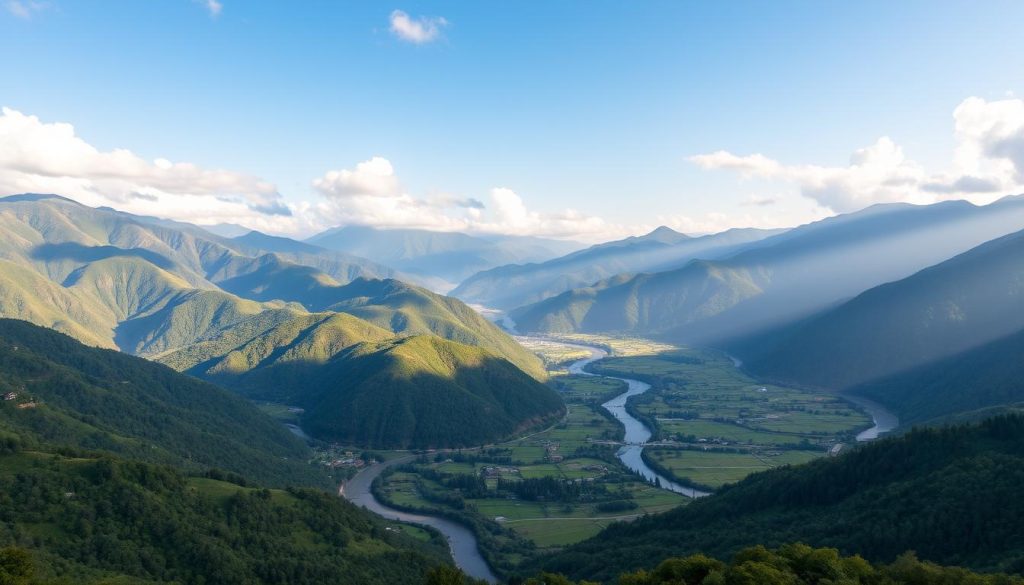
The hidden valleys near Punakha offer a rare look at Bhutanese life. With 60% of Bhutan covered in forests, these valleys are untouched. The Phobjikha Valley is famous for its black-necked cranes.
These valleys provide a peaceful break from the crowds. They are a tranquil escape for visitors.
Importance of Viewpoints in Bhutan
Viewpoints are key to experiencing Bhutan. The Dochula Pass, at 3,300 meters, has some of Punakha’s best views. It shows off the Himalayas in all their glory.
These spots are not just for looking. They inspire reflection and great photos. Visiting these viewpoints will leave you with unforgettable memories.
| Location | Features | Distance from Punakha |
|---|---|---|
| Dochula Pass | Stunning views of the Himalayas | 30 km |
| Phobjikha Valley | Winter home for black-necked cranes | 4 hours drive |
| Gangtey Monastery | Rich in culture and scenic views | 40 km |
Must-Visit Places in Punakha
Punakha is famous for its beautiful sights that show off Bhutan’s culture and nature. Two top spots are the Punakha Dzong and the stunning views at Dochula Pass.
Punakha Dzong: The Jewel of the Valley
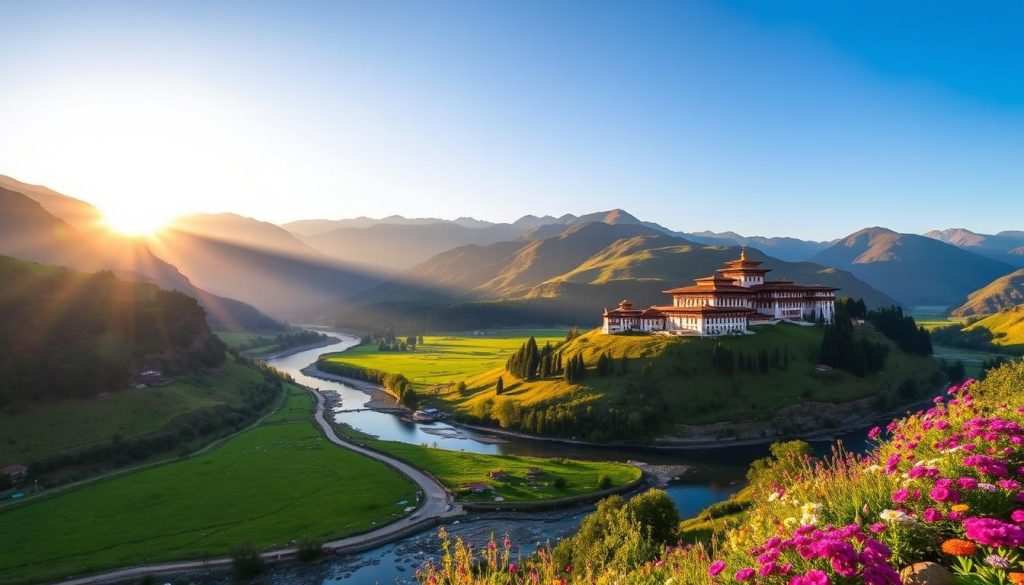
The Punakha Dzong was built in 1637. It’s a mix of history and amazing architecture. Known as the “Jewel of the Valley,” it’s the heart of the area’s government and religion.
Its grand design against the beautiful scenery draws many visitors. They are amazed by its details and importance in culture.
Breathtaking Landscapes at Dochula Pass
Dochula Pass is a key place to see in Punakha, at 3100 meters high. It offers wide views and has 108 Druk Wangyal Chortens. This creates a calm place for thinking.
The area is also known for its bright red rhododendrons and flying prayer flags. These add to the stunning views around the pass.
| Attraction | Description | Significance |
|---|---|---|
| Punakha Dzong | A majestic fortress built in 1637. | Administrative and spiritual center of Punakha. |
| Dochula Pass | Scenic viewpoint at an elevation of 3100 meters. | Offers breathtaking landscapes and a peaceful ambiance. |
Top Viewpoints Near Punakha
Punakha is home to stunning viewpoints that show off the area’s beauty and culture. Each spot offers a unique experience and beautiful views. You’ll find places that make you appreciate Bhutan’s nature and offer quiet spots for thinking.
Stunning Views from Chimi Lhakhang
Chimi Lhakhang, known as the fertility temple, is a top spot in Punakha. It sits on a hill, giving you amazing views of the Punakha Valley. The climb is worth it, with its green surroundings and colorful rhododendrons in spring.
The calm around Chimi Lhakhang makes it a special place for reflection.
Explore the Picturesque Khamsum Yulley Namgyal Chorten
The Khamsum Yulley Namgyal Chorten is another must-see near Punakha. This royal shrine took nine years to build and has over 100 sculptures, including a big Vajrakilaya statue. The trail to it is beautiful, and the views from the top are breathtaking.
This spot combines spirituality with nature, making it one of Punakha’s best viewpoints.
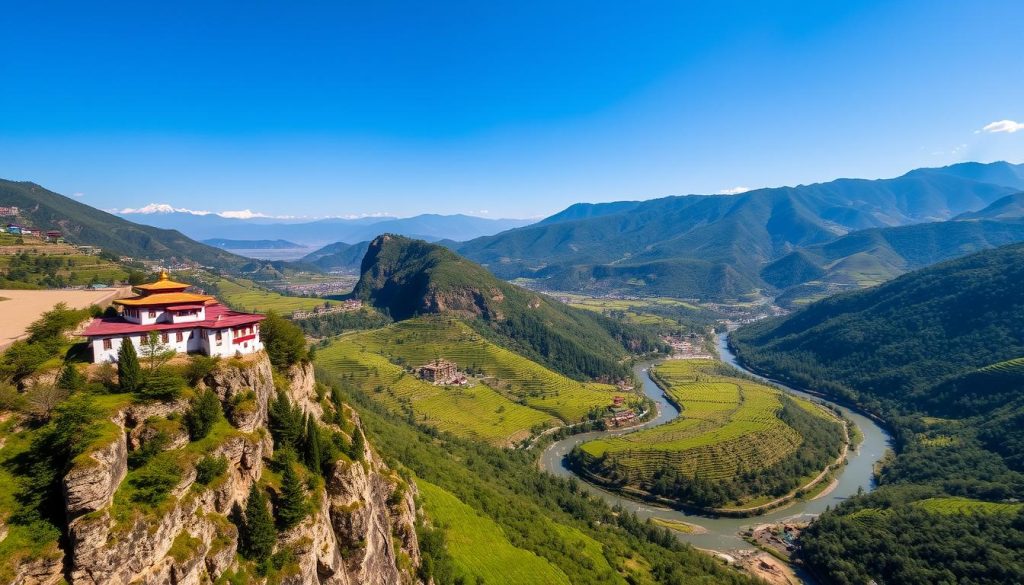
Best Activities for Punakha Valley Exploration
Punakha is full of activities that let you see its beautiful landscapes and rich culture. Exploring Punakha valley helps you find its hidden treasures. You’ll see the area’s beauty and traditions up close.
Trekking Options in Hidden Valleys
Trekking is key for those wanting to dive into Punakha’s hidden valleys. Many trails take you through stunning views. They invite you to connect with nature.
- Phobjikha Valley: Famous for its winter guests, the black-necked cranes, this area presents diverse trekking opportunities.
- Haa Valley: Known for its serene atmosphere, this valley evokes a sense of ancient culture and tranquility.
- Trekking to Khamsum Yulley Namgyal Chorten: A challenging hike that rewards you with stunning views and a spiritual atmosphere.
Cultural Experiences and Local Cuisine
Connecting with local communities gives you a real look at Punakha’s life. Staying in guesthouses and eating home-cooked meals lets you taste Bhutanese food. It’s made from fresh, local ingredients.
- Ema Datshi: A traditional dish made with chili peppers and cheese.
- Jasha Maru: A flavorful chicken curry, often paired with rice.
- Red Rice: A staple ingredient, known for its nutty flavor and health benefits.
These experiences offer tasty food and a deeper understanding of Bhutanese customs. They make your trip to Punakha very rewarding.
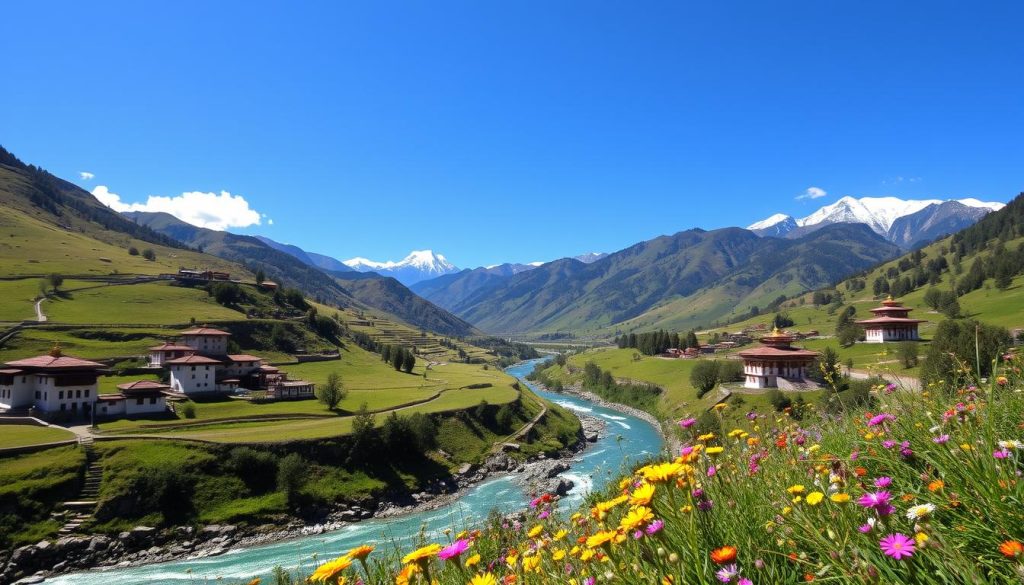
Getting Off the Beaten Path in Punakha
Traveling to Punakha lets you see stunning landscapes and rich culture of Bhutan. If you’re up for something different, Punakha has hidden valleys full of stories and adventure. Exploring these places gives you a closer look at Bhutanese life and traditions.
Exploring Less-Known Valleys
The hidden valleys around Punakha are full of secrets waiting to be found. These peaceful spots are often missed by most travelers. They offer amazing views and unique plants and animals.
Many of these valleys have local villages. Here, you can see old farming ways and beautiful fields. Talking to the locals can make your trip even more special, and you might even make new friends.
Engaging with Local Communities
Talking to the people of Punakha’s hidden valleys is key. They are friendly and want to share their culture. By joining in local activities, like visiting workshops or helping with farming, you learn a lot about Bhutan’s heritage.
This connection also helps the local economy. It lets you feel closer to the land and its people.
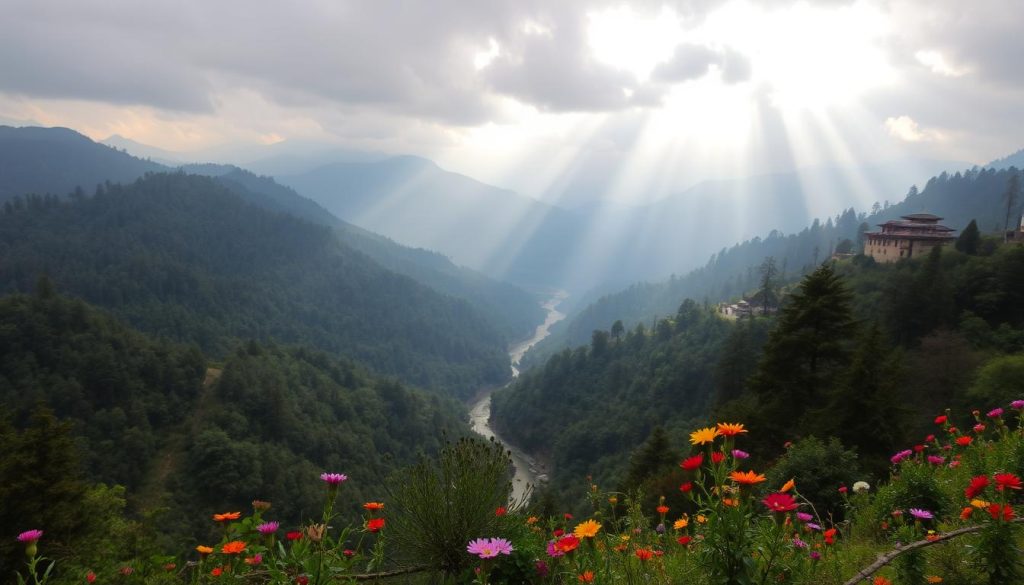
| Activity | Description | Location |
|---|---|---|
| Visit Local Farms | Experience traditional farming methods and local produce. | Punakha Valley |
| Artisan Workshops | Participate in craft-making sessions with local artisans. | Hidden Valleys |
| Cultural Interactions | Engage in local festivals and daily rituals. | Various Villages |
| Trekking Tours | Explore scenic trails less traveled by tourists. | Surrounding Valleys |
Seasonal Considerations for Visiting Punakha
Knowing when to visit Punakha is key to a great trip. Each season brings its own charm, making your visit unforgettable.
Spring, from March to May, offers mild weather. Temperatures range from 15°C to 25°C. This is the best time for outdoor fun like the Jomolhari Trek and Drukpath Trek. Late April to May is also perfect for seeing flowers and bird watching.
Summer, from June to August, has warmer weather but more rain. It’s great for river rafting on the Mo Chhu or Pho Chhu rivers. You can also try the Bumthang Cultural Trek. After the rain, mornings are perfect for photos.
Fall, from September to November, has clear skies and cooler temperatures. It’s the best time for cultural events like the Thimphu Tshechu. You can also help with rice harvesting and explore local markets.
Winter, from December to February, is colder. But it’s special for seeing Black-Necked Cranes in Phobjikha Valley. You can also enjoy the Punakha Dromche and Tshechu in February. This season is quiet, perfect for peaceful walks.
| Season | Months | Temperature (°C) | Activities |
|---|---|---|---|
| Spring | March – May | 15 – 25 | Flower watching, Jomolhari Trek, Bird watching |
| Summer | June – August | 20 – 30 | River rafting, Bumthang Cultural Trek, Photography |
| Fall | September – November | 10 – 25 | Thimphu Tshechu, Rice harvesting, Market exploration |
| Winter | December – February | 5 – 15 | Black-Necked Crane migration, Punakha Dromche, Nature walks |
Thinking about the seasons will help you plan your Punakha trip. You’ll get to enjoy all that this beautiful place has to offer.
Punakha Sightseeing Spots for Photography Enthusiasts
Punakha is a paradise for photography lovers. Its varied landscapes, from grand dzongs to peaceful valleys, make every photo special. The golden dawn light turns the architecture into a canvas, perfect for photographers.
Capturing Sunrise at Punakha Dzong
Seeing the sunrise at Punakha Dzong is a must for photographers. The morning light highlights the site’s intricate designs and colors. As the sun rises over the rivers, it’s a mix of nature and culture.
Here are some tips for your photography in Punakha:
- Timing: Get there early to find the best spot and set up before dawn.
- Lighting: The golden hour, right after sunrise, is the best time for light.
- Composition: Use the rivers or mountains to add depth to your photos.
Don’t miss other amazing spots like the Himalayan Druk Wangyal Chortens and Gangtey Monastery. Each place has its own charm that can make your photos stand out. With the right planning and skills, you can capture Punakha’s beauty.
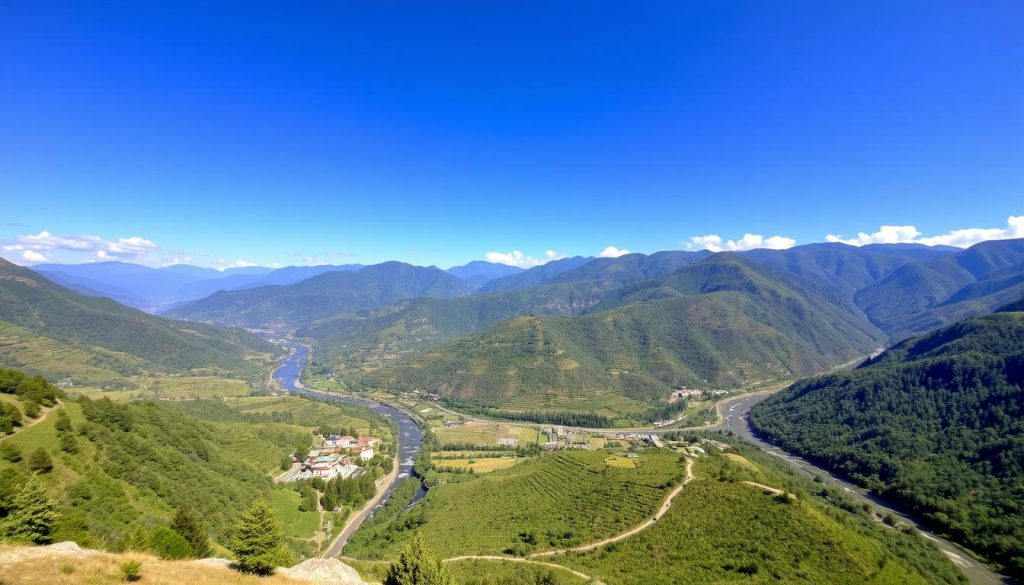
Transportation Options for Exploring Punakha
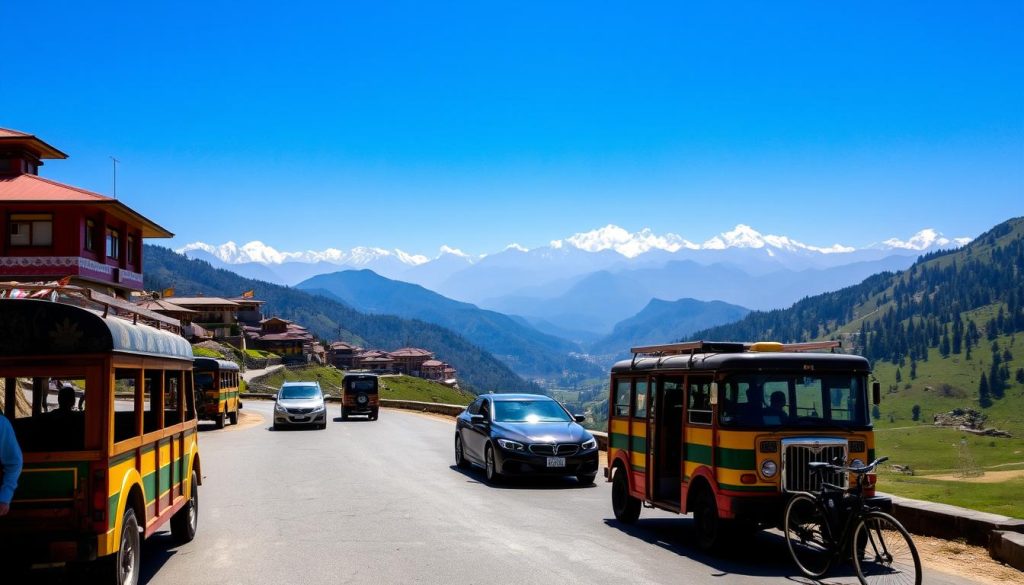
Exploring Punakha is easy and fun with the right transport. You can choose from many options to see both hidden valleys and beautiful views. Whether you like local transport or guided tours, there’s something for everyone.
Getting Around the Valley
Here are some ways to get around Punakha:
- Taxis: Taxis are easy to find and take you to top spots and views.
- Local Buses: For a cheap option, local buses run on many routes and show you daily life.
- Rental Vehicles: Renting a car gives you freedom to find hidden spots at your own pace.
Recommended Tour Operators
Guided tours make exploring Punakha even better. Many tour operators in Bhutan offer special packages. They take you to famous places and secret spots. Look for a tour that fits your interests and has knowledgeable guides.
- Bhutan Travel Club: Offers unique experiences tailored to your interests, ensuring a memorable visit.
- Druk Asia: Provides comprehensive tours that cover key attractions and local culture.
- Bhutan Tour Planner: Specializes in custom itineraries focusing on both adventure and cultural exploration.
With different transport options and tour operators, your trip to Punakha will be smooth and fun.
Conclusion
As you finish exploring hidden valleys and viewpoints near Punakha, you’ll have unforgettable memories. This journey shows the beauty of Bhutan, where landscapes and culture meet. You can visit famous places like Chimi Lhakhang or try exciting activities like rafting.
Punakha’s charm goes beyond its famous spots. You’ll love the scenic drives and short treks. The Punakha Drubchen festival is a highlight, bringing joy to all who attend. Birdwatching and exploring cultural sites add to the adventure.
Immerse yourself in Punakha’s local life by staying in rural homestays. This way, you connect deeply with the area. Every step reveals more of Bhutan’s beauty and heritage, leaving a lasting impression.