Explore Gyumri Local Crafts Shopping Gems
Have you ever wondered how a city can show centuries of culture through its handmade items? Welcome to Gyumri, where local crafts shopping takes you into a world of Armenian traditions. This city is known for its rich history and talented artisans. It’s not just a place; it’s an experience.
From pottery studios to artisan markets, Gyumri’s local crafts shopping is a journey. You’ll find handmade souvenirs that tell stories of resilience and creativity. These items are more than just gifts; they’re pieces of history.
After the 1988 Spitak Earthquake, Gyumri became a symbol of Armenian handicrafts. The city, known as Armenia’s creative capital, is still growing. It’s a place of ongoing restoration and a thriving artisan community. If you’re interested in unique shopping experiences, Gyumri has a lot to offer.
Introduction to Gyumri: A Cultural Haven
Gyumri is Armenia’s second-largest city, known for its deep history and culture. It’s often called the Gyumri cultural capital. The city, once named Alexandrapol in the Russian Empire, mixes old charm with modern life. Travelers to travel to Gyumri will see a mix of Russian architecture and beautiful churches.
After a big earthquake in 1988, Gyumri started to rebuild. Now, it’s full of art and new businesses. You can walk through the historic town center. But, you might need a car for other places. Don’t miss the Town Square, Surb Amenaprkitch Church, and the Museum of National Architecture and Urban Life.
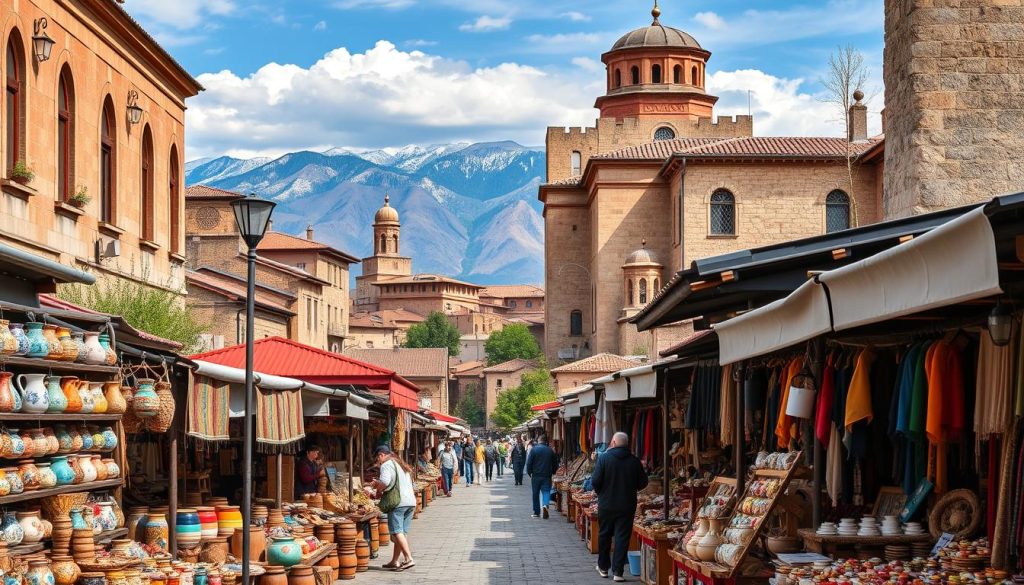
When you visit Gyumri tourism, think about using public transport like marshrutkas or shared taxis. The drive from Yerevan is about two hours. Gyumri’s friendly people and rich culture make it a must-see in Armenia.
The Rich History Behind Gyumri’s Crafts
The history of Gyumri crafts is a colorful story of art and culture. This city, famous for its traditional Armenian crafts, has a long history. It goes back to the 5th century BC. Over the years, empires like the Russian Empire have shaped its artistic traditions.
Gyumri, once called Kumayri, faced many challenges. The 1988 earthquake was a big one. It hit the city hard but also sparked a revival in its crafts. Despite tough times, the artisans kept going, showing the strength of Armenian cultural heritage. Today, their work mixes old techniques with new ideas.
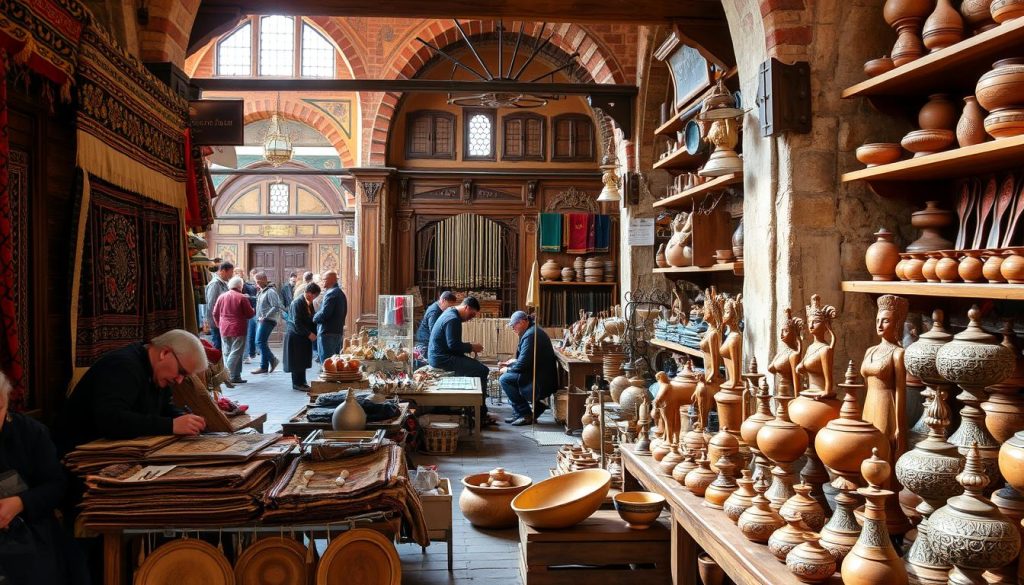
The city is known for its black tufa buildings, showing its artistic past. Artisans make beautiful items like carpets, ceramics, and pottery. These pieces tell stories of resilience and pride.
In Gyumri, each handmade item tells a story of the city’s journey. It shows the city’s role in keeping Armenian culture alive. By seeing these crafts, visitors learn about the local community’s history and their love for art.
| Aspect | Details |
|---|---|
| Historical Roots | Established as Kumayri in the 5th century BC, significantly influenced by various empires. |
| Post-Earthquake Revival | 1988 earthquake impacted the community; artisans showed resilience in rebuilding crafts. |
| Architectural Style | Notable for its black tufa architecture which reflects its rich history. |
| Local Crafts | Includes carpets, ceramics, and hand-painted pottery showcasing Armenian cultural heritage. |
| Cultural Significance | Crafts act as a medium for preserving the identity and stories of Gyumri’s residents. |
Gyumri Local Crafts Shopping: A Unique Experience
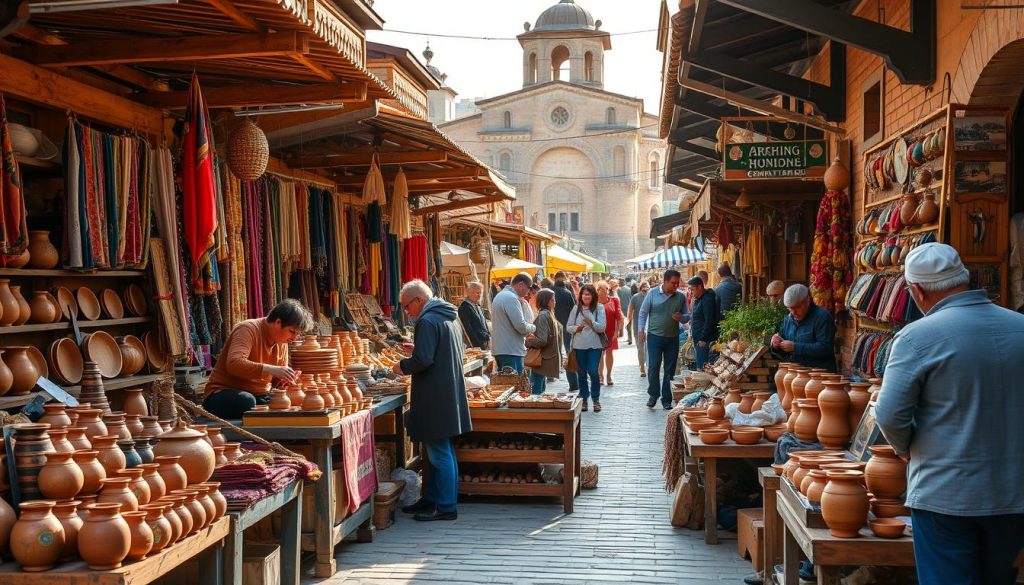
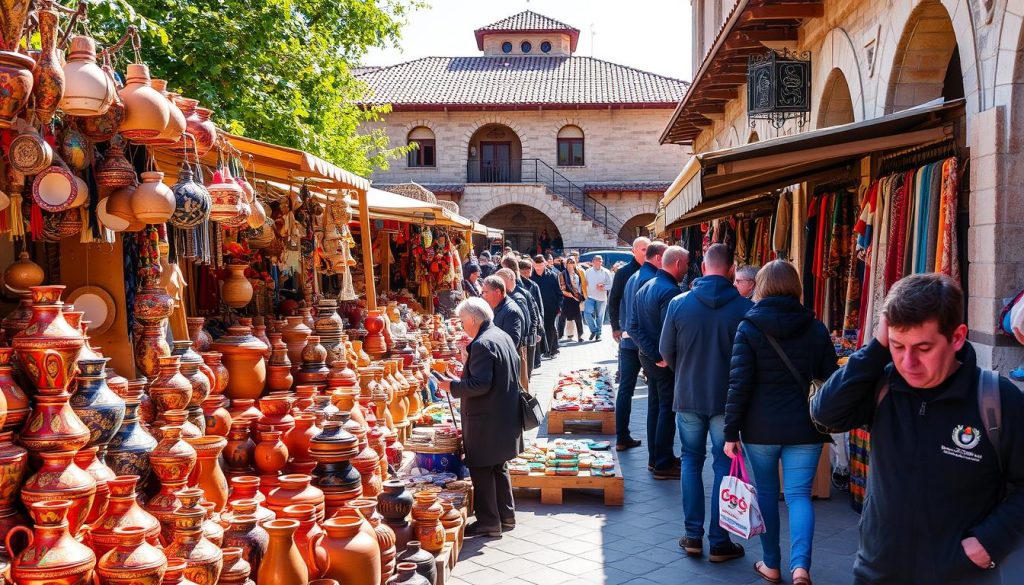
Shopping for local crafts in Gyumri is a special experience. Every corner is filled with handcrafted treasures. The artisan market Gyumri displays a colorful mix of local crafts, showing the city’s deep cultural roots.
Visiting markets like Gyumrik and Flesh lets you see real artisanal products. These items bring history to life. It’s a chance to connect with the past through art.
Highlights of Artisan Markets in Gyumri
The artisan market Gyumri offers a wide range of local crafts. You’ll find beautiful pottery and textile art. These items are not just decorations but also tell stories of Armenian culture.
Talking to skilled artisans can deepen your appreciation for their craft. You might find special pieces that capture the essence of Gyumri’s authentic souvenirs.
How to Find Authentic Souvenirs from Gyumri
Finding authentic souvenirs in Gyumri is a rewarding journey. Look for shops and markets known for their local crafts. Check the quality of the craftsmanship and the materials used.
Talking to artisans can help you find unique items. Enjoy the lively atmosphere and look for traditional items that match your taste. These items will show off Gyumri’s rich artistic heritage.
Handmade Souvenirs: A Treasure Trove of Local Artistry
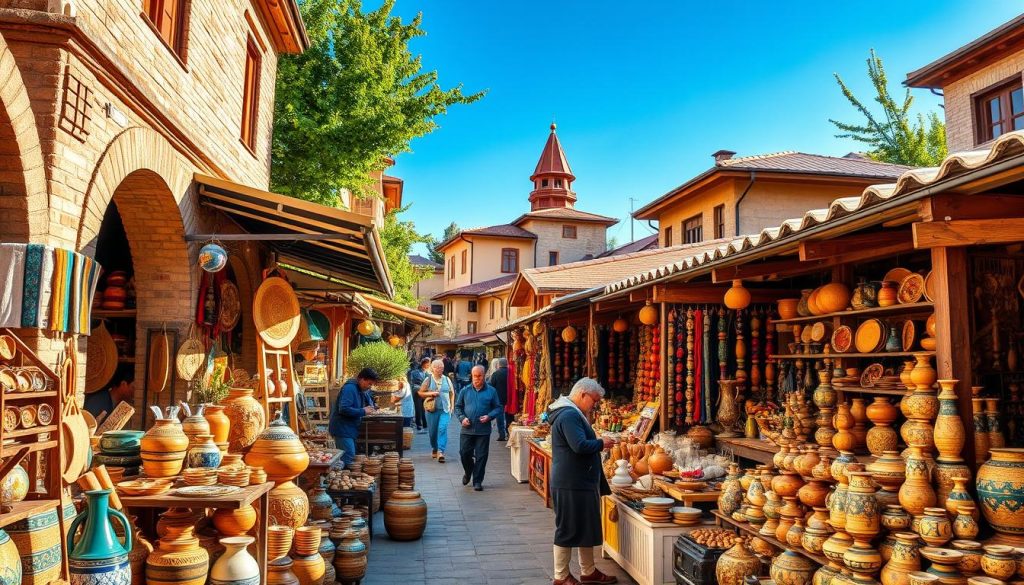
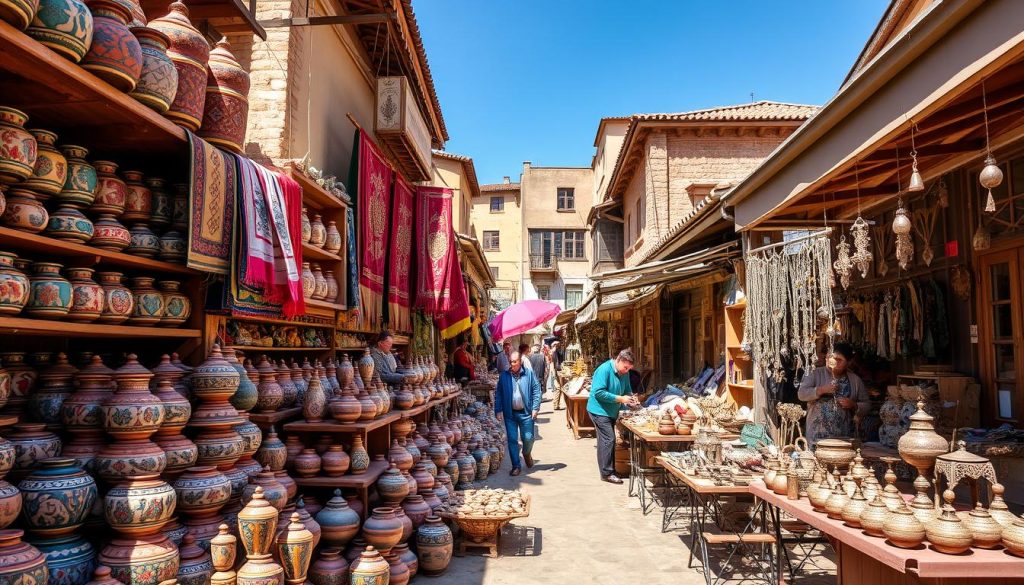
In Gyumri, handmade souvenirs are more than just trinkets. They show the heart of local artistry. As you wander through markets and workshops, you’ll find items that highlight the talents of skilled artisans. Look for things like textiles, ceramics, and woodwork that tell the story of Armenia’s rich culture.
Each piece has its own story. It connects you to the craftsmanship and traditions of this beautiful region.
Types of Handmade Souvenirs to Look For
Gyumri has a wide range of handmade souvenirs. They show off the area’s unique culture and artistry. Here are some popular ones:
- Traditional Costumes: At Zanan Cultural House, find stunning costumes made from velvet and silk. They’re often decorated with gold thread.
- Personalized Scarves: Make custom scarves with Armenian calligraphy and bird motifs. They add a personal touch to your collection.
- Ceramics: Find vibrant, detailed ceramics from local artists. They capture Gyumri’s artistic spirit.
- Jewelry: Look for handmade silver jewelry with historical symbols. It makes for a meaningful keepsake.
- Pottery: Try pottery workshops where you can make your own dishware. It’s a fun way to learn a new skill.
Tips for Selecting Quality Handcrafted Items
When looking for quality handcrafted items in Gyumri, keep these tips in mind:
- Check the craftsmanship: Look for items with well-finished edges and secure seams. They should show attention to detail.
- Choose originality: Pick items that show the artist’s unique style. Avoid mass-produced goods.
- Think about cultural significance: Knowing the craft’s background can make your purchase more valuable.
- Learn about the artist: Understanding the artist’s process and story can deepen your appreciation for the item.
- Support local businesses: Buy directly from local artisans at markets or workshops. It ensures they get fair compensation for their work.
Exploring the Artisan Markets in Gyumri
The artisan markets in Gyumri are alive with color and creativity. They offer a special look into the skills and traditions of local artisans. Markets like Gyumrik and Flesh show off a wide variety of handmade items. Each piece has its own story, passed down through generations.
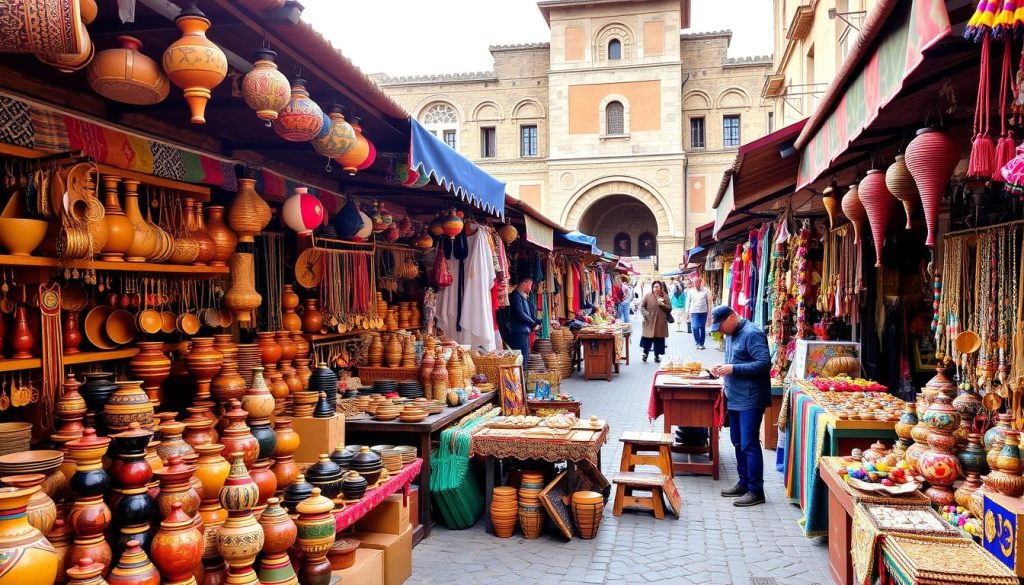
When you go shopping for crafts in Gyumri, you’ll see amazing ceramics, textiles, and woodwork. These items show the rich culture of Armenia. Talking to the artisans gives you a peek into their creative world and the history behind their work. These markets are not just places to buy things. They are also cultural hubs where tourists and craftsmen meet.
Here is a brief overview of highlights you can expect at these artisan markets:
| Market Name | Location | Main Offerings | Unique Features |
|---|---|---|---|
| Gyumrik | Central Gyumri | Textiles, Pottery, Jewelry | Live demonstrations by artisans |
| Flesh | Near Victory Park | Woodwork, Organic Foods | Focus on sustainability and traditional techniques |
These markets are perfect for diving into Gyumri’s artistic scene. You’ll find unique, handmade items. Talking to the artisans will give you a deeper understanding of Armenian culture.
The Role of Local Artisans in Gyumri’s Economy
Local artisans in Gyumri are key to the city’s economy. They mix traditional crafts with new methods. This helps keep cultural heritage alive and supports sustainable jobs.
These artisans are experts in many crafts. Their work shows Armenia’s deep artistic history.
Featured Artisans: Masters of Traditional Crafts
In Gyumri, many artisans focus on traditional crafts. They are skilled in pottery, weaving, and stone carving. Their work keeps Armenian culture alive and helps the local economy.
Empowering Local Talent Through Craft
Supporting local artisans boosts the economy and empowers new talent. Workshops and classes teach traditional crafts. This creates jobs and promotes independence.
Investing in local talent means investing in a creative and sustainable future.
A Guide to Traditional Crafts in Gyumri
Gyumri is a hub for traditional crafts, showcasing Armenian culture’s rich heritage. It’s not just a place for artisans but a living museum of crafts. Each handcrafted piece tells a story, blending beauty with history.
Overview of Different Types of Traditional Crafts
In Gyumri, you can see many traditional crafts passed down through generations. Some notable ones include:
- Pottery: Artisans like Vazgen Gevorgyan master the art of throwing clay on a wheel.
- Embroidery: It’s known for intricate designs that share Armenian stories.
- Metalwork: Items are crafted beautifully, mixing function with art.
- Carpet weaving: The traditional methods are still alive here.
- Stone craftsmanship: Artists create stunning pieces from Armenian tuff stone.
Significance of Traditional Crafts to Armenian Culture
Traditional crafts in Gyumri are more than just beautiful; they are a key part of Armenian identity. Artisans like Albert Vardanyan and his sons use materials like wax, gypsum, and stone. Their work connects us to the past while embracing new ideas.
Visiting local artisans lets you see the craft’s methods and the stories behind them. The community’s passion invites you to join Gyumri’s artistic tradition.
| Type of Craft | Key Artisan | Techniques Used | Significance |
|---|---|---|---|
| Pottery | Vazgen Gevorgyan | Throwing clay, restoring ancient pieces | Represents cultural heritage and functionality |
| Embroidery | Local artisans | Intricate stitching, preserved techniques | Embodies storytelling and tradition |
| Metalwork | Various artists | Forging, shaping metals | Functional art that reflects history |
| Carpet Weaving | Community weavers | Loom techniques, designs based on folklore | Symbolizes heritage and craftsmanship |
| Stone Craftsmanship | Local artists | Carving, sculpting tuff stone | Links to local geology and culture |
Finding Unique Gifts in Gyumri
Exploring Gyumri for unique gifts reveals more than just souvenirs. It gives you a peek into Armenian heritage. Each item showcases the vibrant culture and the skill of local artisans, making them great keepsakes.
What Makes a Gift Unique in Gyumri
Unique gifts from Gyumri are special because they are authentic and creative. The artisans put a lot of thought into their work, using traditional methods. This makes each piece unique, from hand-painted ceramics to detailed textiles.
These gifts are not just items; they have stories. They are made with love and care, unlike mass-produced goods. This makes them more meaningful and personal.
Popular Categories of Unique Gifts from Gyumri
- Handcrafted Wooden Items: These pieces often feature elaborate carvings and designs, showcasing the natural beauty of the materials.
- Ceramics: Look for colorful, hand-thrown pottery that highlights local artistry and craftsmanship.
- Traditional Textiles: Essential for understanding the local culture, these textiles come in various forms, such as carpets and embroidered pieces.
- Artisan Jewelry: Handcrafted silver and gold items can be found in local shops, often reflecting traditional Armenian designs.
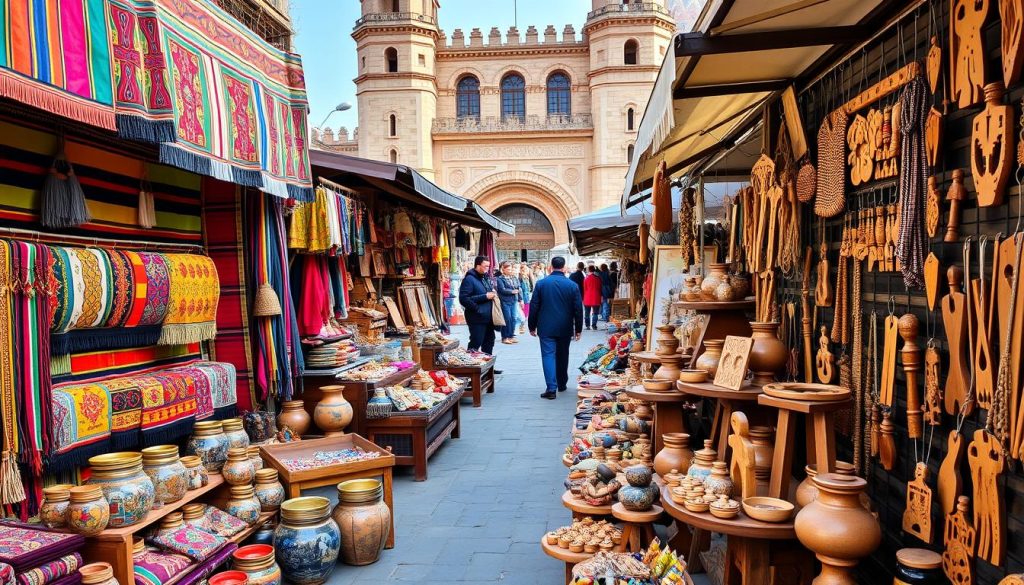
Looking for beautiful ceramics or authentic textiles in Gyumri? You’ll find unique gifts that will enhance your collection. Each visit is not just a shopping trip. It’s an adventure that celebrates local crafts and lets you take a piece of Armenia home.
Shopping Tips for Craft Enthusiasts
Exploring craft shops in Gyumri is a fun adventure for anyone who loves making things. To get the most out of your trip, follow these tips. Visiting during less busy times can make your experience even better, letting you talk more with the artisans.
Optimal Times to Visit Artisan Shops
Weekdays, like Tuesday to Thursday, are great for a peaceful craft shopping trip. Shops are usually less busy, so you can chat more with the makers. Try to go in the morning when the artisans are most excited to show off their work.
How to Negotiate Prices and Get the Best Deals
In Gyumri, it’s normal to talk about prices, making your shopping more fun. Learning a few Armenian phrases can make you feel more at ease. Start by showing you really like the item’s details. Artisans often enjoy discussing prices back and forth.
Here’s a quick guide to help you shop better:
| Tip | Description |
|---|---|
| Visit During Weekdays | Engage with artisans in a quieter setting. Optimal days are Tuesday to Thursday. |
| Morning Visits | Shop early to interact with artisans when they are most energized. |
| Learn Local Phrases | Familiarize yourself with basic Armenian terms to ease communication. |
| Show Genuine Interest | Demonstrating interest often leads to better prices and unique stories behind crafts. |
| Expect Bargaining | Understand that haggling is part of the shopping culture; don’t hesitate to negotiate. |
Experiencing Local Culture Through Craft Workshops
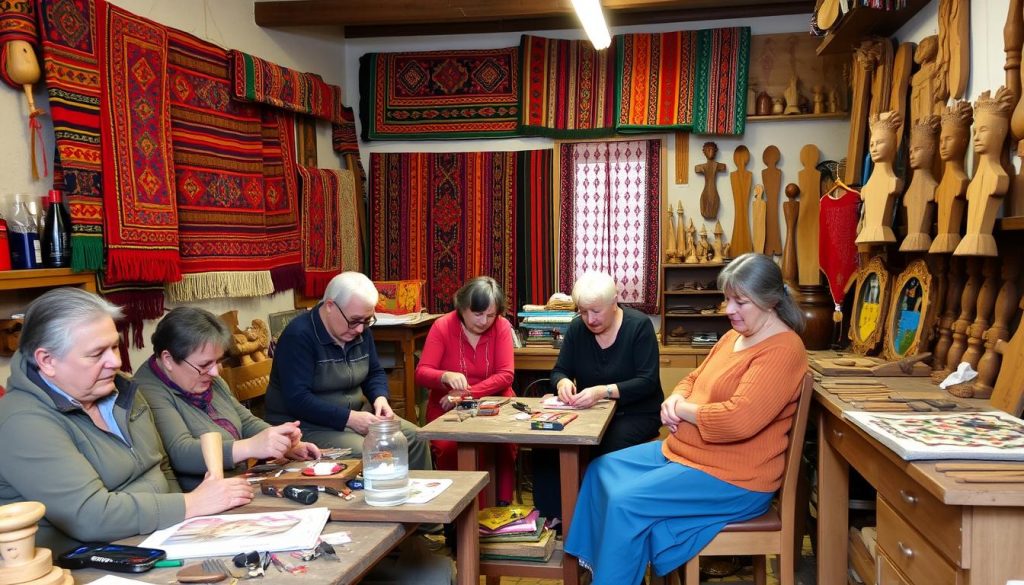
Visiting craft workshops in Gyumri is a special way to dive into the local culture. You get to try out traditional crafts and meet local artists. This helps you understand and love Armenian traditions more.
Types of Workshops Available for Visitors
Gyumri has many craft workshops for all kinds of interests and skill levels. Here are some favorites:
- Pottery Workshops: Make your own ceramic pieces the old way.
- Textile Workshops: Learn about natural dyeing and eco-printing with materials like indigo and cochineal.
- Culinary Classes: Discover Armenian cooking by making local dishes.
- Leather Crafting: Learn how to mold leather from start to finish.
Benefits of Participating in Local Craft Workshops
Joining craft workshops in Gyumri brings many benefits:
- Skill Development: Learn new skills that you can use later.
- Cultural Insights: Get a deeper understanding of Armenian culture through hands-on experiences.
- Community Engagement: Meet local artists and other participants, making new friends and connections.
- Tangible Souvenirs: Take home a unique, handmade item that reminds you of your time in Gyumri.
The Best Places to Craft Shop in Gyumri
Exploring Gyumri for unique crafts leads you to many local shops. Places like Gyumrik and the Flesh shop Gyumri stand out. They show off the region’s best crafts. You’ll find everything from ceramics to textiles here.
Top Shops to Visit for Local Crafts
Here are some top shops to check out in Gyumri:
- Gyumrik: Known for its handmade items, it uses traditional techniques and bright colors.
- Flesh shop Gyumri: It’s famous for its wide range of crafts, including modern pieces that show local culture.
- Artisan Alley: This place has crafts from local artists, helping new talents in the craft world.
Why Gyumrik and Flesh Should Be on Your List
Gyumrik and Flesh shop Gyumri are key spots for local crafts. They offer unique items that show the artisans’ creativity and skill. Shopping here supports local businesses and gives you a special experience.
Visitors can talk to the makers and learn about the cultural value of each piece. It’s a chance to see the craftsmanship up close.
Conclusion
Exploring Gyumri’s local crafts is a unique chance to dive into the city’s rich culture and art. You’ll find unique, handmade items that show the talent and hard work of local artisans. These items let you take a piece of Gyumri home, enriching your travel and supporting Armenian craftsmanship.
Gyumri is more than just crafts. The locals’ warm welcome, the city’s lively arts scene, and delicious food make it inviting. Enjoy traditional dishes like khorovats and dolma, and join in on the fun at festivals. These experiences will stay with you long after you leave.
Your visit to Gyumri will surely leave you with lasting thoughts on its beauty and culture. By exploring local crafts, you support a community dedicated to Armenian traditions. It’s a chance to be part of something special and meaningful.