Explore Gyeongju Tea Houses & Korean Ceremonies
If you’re a tea enthusiast or simply love immersing in new cultures, Gyeongju, South Korea is the perfect destination to satisfy your cravings. Gyeongju boasts a rich tea heritage, evident in the numerous local tea houses and traditional Korean tea ceremonies.
Exploring Gyeongju’s tea culture is the best way to understand the region’s history and traditions. Whether you’re a tea connoisseur or a curious traveler, visiting Gyeongju’s tea houses and participating in tea ceremonies is an experience you won’t want to miss. In this article, we will guide you through the charming local tea houses, the delightful tea rituals, and the fascinating history behind Gyeongju’s vibrant tea culture.
Gyeongju Tea House Experience
When it comes to experiencing Gyeongju’s tea culture, visiting local tea houses is an absolute must. These tea houses offer visitors a window into the region’s rich tea traditions and provide a peaceful escape from the hustle and bustle of daily life.
There is no shortage of options when it comes to Gyeongju’s local tea houses, each offering its own unique ambiance. Some tea houses boast traditional decor, while others have a more modern aesthetic. No matter the setting, the focus of Gyeongju’s tea houses is on providing guests with a serene environment where they can enjoy a variety of teas.
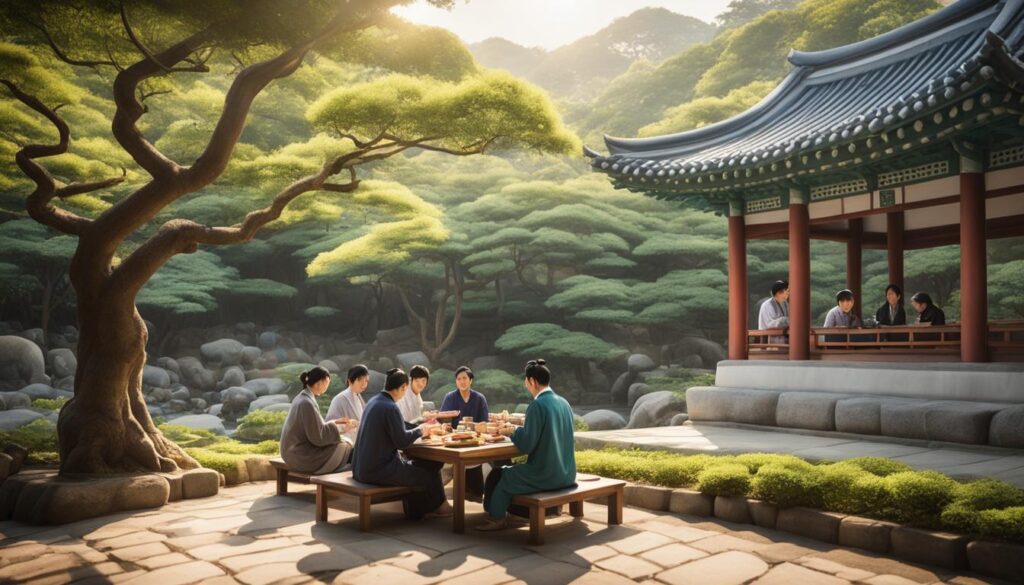
Tea lovers can choose from a wide range of tea options when visiting Gyeongju. From green tea to black tea, and even unique blends, there is something for everyone. Each tea house serves its own selection of teas, making each visit to Gyeongju a unique taste experience.
Other than sampling tea, visiting tea houses in Gyeongju also offers a glimpse of the city’s tea traditions. Everything from the serving methods to the types of teas available is steeped in history and culture. By immersing yourself in the tea house experience, you gain a deeper appreciation for Gyeongju’s tea culture.
Traditional Korean Tea Ceremonies in Gyeongju
Gyeongju is home to some of the most beautiful and traditional Korean tea ceremonies. These ceremonies have been an integral part of Korean culture for centuries, and Gyeongju is one of the few places where you can still observe and experience them.
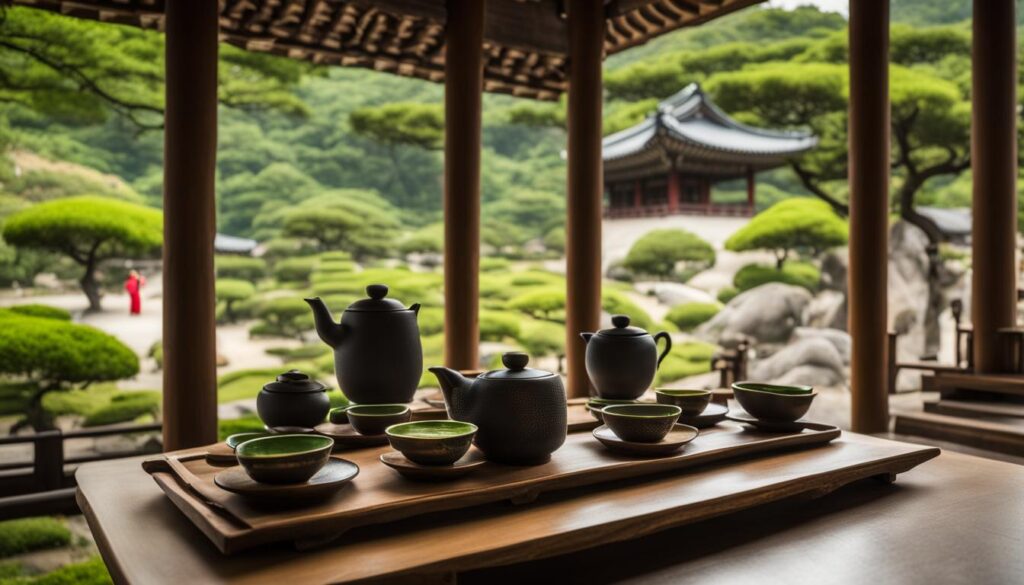
In a traditional Korean tea ceremony, you’ll experience not only the delicious taste of Korean tea but also the intricate rituals involved. The ceremonies often follow a specific order, with guests sitting in a specific arrangement, and the tea served in special Korean ceramics.
The significance of the tea ceremony goes far beyond just consuming tea. It’s a chance to reflect, meditate, and connect with those around you. The quiet, contemplative atmosphere is perfect for escaping the hustle and bustle of everyday life.
If you want to participate in a traditional Korean tea ceremony in Gyeongju, there are a few tea houses that offer them, such as the Hwagae Tea House. Be sure to make a reservation in advance, as the ceremonies are highly sought after.
| What to Expect in a Traditional Korean Tea Ceremony | What to Bring |
|---|---|
| Quiet setting with beautiful Korean ceramics | Comfortable shoes, as you might be seated on the floor |
| Meditative atmosphere | Curiosity and an open mind to the traditions and rituals involved |
| Guests seated in a predetermined arrangement | Cash or card to pay for the ceremony and any souvenirs you might want to buy |
| Special tea preparation, with specific orders and steps involved | Possibly a camera to capture the experience – be sure to ask for permission before taking pictures |
Don’t miss out on the opportunity to participate in an authentic and introspective traditional Korean tea ceremony during your Gyeongju tea culture exploration.
The History and Significance of Gyeongju Tea Culture
In Gyeongju, tea has been an essential part of Korean culture for centuries, deeply rooted in festivals and daily life. The region’s rich history and deep Buddhist influence have contributed significantly to the development of tea culture in Gyeongju.
During the Silla Dynasty, from 57 BC to 935 AD, Gyeongju was the capital of Korea. Tea played a fundamental role in both the social and political lives of Silla’s aristocracy and the royal family. It was also the beverage of choice during religious ceremonies and rituals, and Buddhist temples served as important places of tea consumption.
Buddhism, with its emphasis on simplicity, mindfulness, and harmony with nature, has significantly influenced the Korean tea culture. By practicing tea ceremonies, followers of Buddhism could achieve enlightenment and self-reflection. Meditation and tea ceremonies became integrated with nature, with many tea ceremonies taking place in gardens or under cherry blossom trees.
As the tea culture developed in Gyeongju, so did tea trade, with tea becoming a significant export of Korea to China and Japan. Gyeongju’s tea gardens and the city’s reputation as a center of tea production contributed to Gyeongju’s rise as a popular destination for tea enthusiasts, and the tradition of tea-making and tea ceremonies continues today.
“In the culture of Korean tea, we learn that tea is a drink that warms people’s hearts and fosters a spiritual connection.”
A Brief Timeline of Gyeongju Tea Culture
| Timeframe | Event |
|---|---|
| 57 BC – 935 AD | The Silla Dynasty, tea drinking becomes firmly embedded in Korean culture. |
| 1592-1598 | The Imjin War, a time of chaos and civil unrest which sees tea culture lose significance. |
| 1603 | The publication of ChaBuWi, a guidebook on tea preparation and tea ceremonies. |
| 1671-1712 | Yi Am, a renowned tea master, popularizes the traditional Korean tea ceremony. |
| 1915 | The Japanese colonial government establishes a tea research center in Gyeongju with the aim of promoting tea production. |
| 1965 | Gyeongju promotes the first-ever tea festival, the start of an annual event where tea lovers gather and celebrate Gyeongju’s tea traditions. |
Today, tea remains a treasured companion in Gyeongju. From small backyard tea houses to larger venues offering elaborate tea ceremonies, Gyeongju tea culture continues to charm visitors, and it remains an essential part of Korean heritage.
Famous Tea Houses in Gyeongju
Exploring Gyeongju’s local tea houses is an unforgettable experience. Here are some of the most popular ones:
| Tea House Name | Location | Unique Features | Types of Tea Served |
|---|---|---|---|
| Tea House Seoyeon | 27-9, Hwango-dong, Gyeongju | Located in a traditional Korean house | Green tea, black tea, herbal tea |
| Tea House Gyeonhwayeon | 192-7, Gyochon-dong, Gyeongju | Beautiful garden views | Green tea, flower tea, fruit tea |
| Tea House Yetchatong | 67-3 Hwango-dong, Gyeongju | Exquisite tea sets | Green tea, black tea, bamboo tea |
Each tea house provides a unique experience that showcases Gyeongju tea traditions. Whether you’re in search of a serene garden setting or an elegant traditional house, you’re sure to find the perfect fit for your tea house experience.
Exploring Gyeongju’s Tea House Districts
While exploring Gyeongju’s tea culture, it is recommended that you visit the various tea house districts to fully immerse yourself in the local tea house experience. Each district has its own unique atmosphere, and there are numerous tea houses to sample tea blends and specialties from. Here are some of the popular tea house districts to explore:
Bomun Tourist Complex District
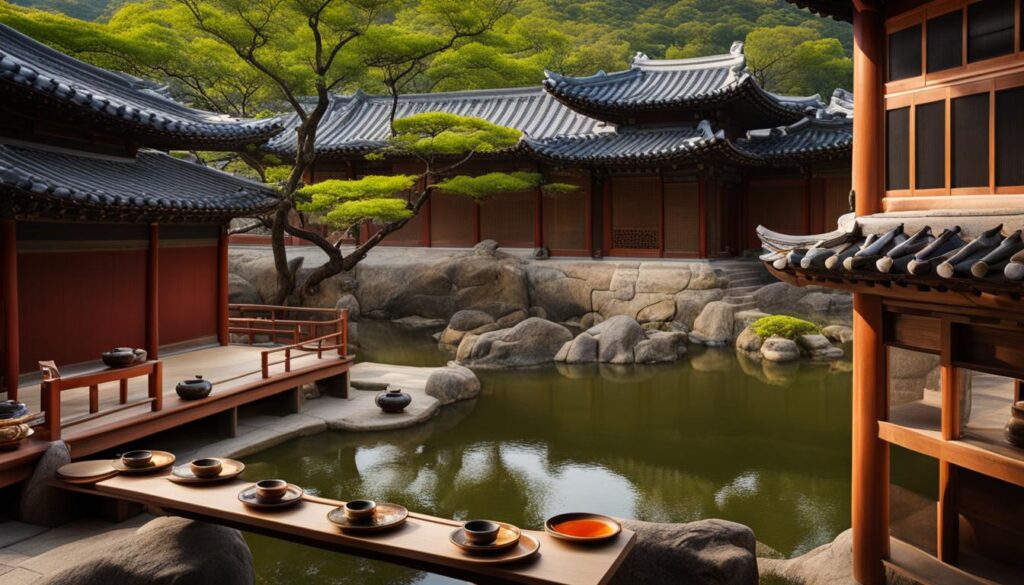
The Bomun Tourist Complex District is located on the outskirts of Gyeongju, next to Bomun Lake. It is a popular destination for tourists due to its beautiful scenery and the numerous attractions available, such as hot springs, theme parks, and historical sites. The tea houses in this district are typically located in traditional Korean buildings and offer a breathtaking view of the lake. Some popular tea houses in this district include:
| Tea House | Specialties |
|---|---|
| Bomunjeong | Organic green tea, jujube tea, honey tea |
| Wang Tea | Green tea, persimmon tea, dried persimmon |
| Byeokang | Organic green tea, traditional Korean snacks |
Don’t miss out on visiting Bomunjeong, one of the oldest tea houses in the area. The teas here are made from organic, hand-picked tea leaves, providing visitors a taste of high-quality, pure teas.
Downtown Gyeongju District
The downtown Gyeongju district is the heart of the city, bustling with activity and history. The tea houses in this district are usually found tucked away in small alleys or traditional Korean houses. Some popular tea houses in this district include:
| Tea House | Specialties |
|---|---|
| Mammoth Tea | Green tea, black tea, sweet potato latte |
| Bulhu Tea | Organic green tea, traditional Korean sweets |
| Mak Tea | Green tea, black tea, traditional Korean teas |
If you want to experience a traditional Korean tea ceremony, head over to Bulhu Tea. The owner is a trained tea master who also offers tea-making classes for visitors.
Silla Millenium Park District
The Silla Millenium Park District is a peaceful neighborhood located behind the Gyeongju National Museum. This district is home to several tea houses that offer traditional Korean teas and light snacks. Some popular tea houses in this district include:
| Tea House | Specialties |
|---|---|
| Samnak Tea House | Green tea, black tea, homemade sweets |
| Gyeongju Myeongin Tea House | Green tea, traditional Korean teas, rice cakes |
| Heukdong Tea House | Green tea, black tea, traditional Korean teas |
Make sure to visit Samnak Tea House for a tranquil tea experience in the beautiful traditional Korean house setting. Here, you can relax and enjoy the views of the surrounding mountains while sipping on your tea.
Exploring the tea house districts in Gyeongju is a must-do for tea lovers and those who want to experience traditional Korean tea culture. Each district has its own charm and unique tea houses to offer, making it a worthwhile adventure for tea enthusiasts.
Traditional Korean Tea Rituals
Tea drinking in Gyeongju follows traditional Korean tea rituals, emphasizing the importance of mindfulness, respect, and hospitality. These rituals date back to the Joseon dynasty, where tea was used for spiritual and medicinal purposes.
In Gyeongju, tea rituals begin with the preparation of tea, which involves cleaning the tea utensils, heating the water to a specific temperature, and measuring the tea precisely. This process signifies the value of purity and attention to detail.
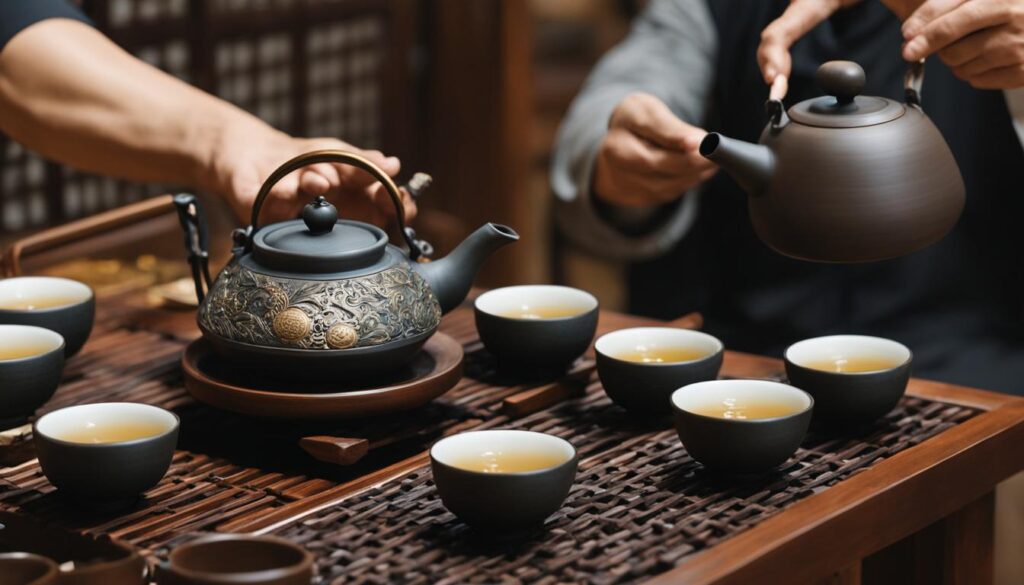
The tea is then whisked, often using a bamboo whisk, until it becomes frothy, indicating its readiness to be served. A small cup of tea is offered to the guest or the eldest member of the group before the remaining tea is distributed.
The ritual of drinking tea in Gyeongju emphasizes mindfulness and respect towards others. During the tea service, participants are encouraged to focus on the tea, appreciate its aroma and taste, and engage in slow, deliberate sips.
Gyeongju tea rituals also emphasize the importance of hospitality towards guests. Tea is seen as a symbol of warmth and welcoming, and hosts are encouraged to go above and beyond to create a comfortable and relaxing environment for their guests.
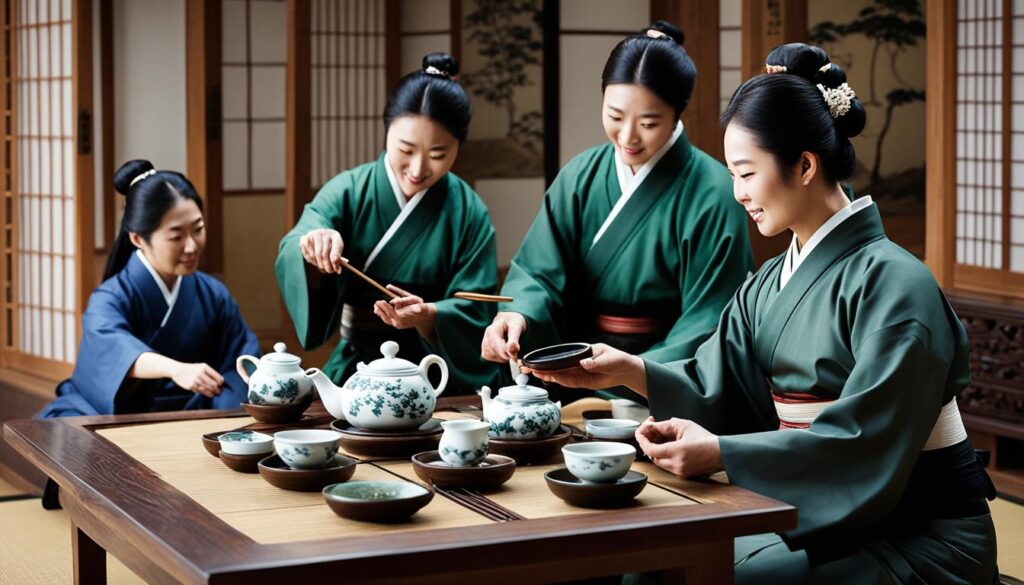
In essence, traditional Korean tea rituals in Gyeongju offer a unique opportunity to experience the region’s rich cultural heritage. These rituals highlight the importance of mindfulness, respect, and hospitality towards others, making it an unforgettable experience for visitors.
Tea Etiquette in Gyeongju
As a visitor to Gyeongju tea houses and traditional Korean tea ceremonies, it’s important to be familiar with tea etiquette and customs. Following proper etiquette not only shows respect for the tea culture but also helps create a harmonious environment during your visit.
Proper Tea Etiquette
When drinking tea in Gyeongju, it’s essential to know how to hold and handle the teacup. Proper etiquette dictates that you hold the cup with both hands and avoid making any loud noises or slurping sounds while drinking. It’s also courteous to take small sips and not gulp the tea down quickly.
During a Korean tea ceremony, guests should always wait until the host has finished serving tea before drinking. Tea drinking should be performed in silence and with a respectful demeanor. If there are any questions during the ceremony, they should be directed to the host or a knowledgeable tea master.
Serving Practices
When serving tea, there are also specific practices to follow. The host or tea master should always pour the tea from the guest’s left-hand side and use their right hand to hold the teapot’s handle. If there are multiple guests, the tea should be poured in order of seniority or rank.
It’s common for the host or tea master to offer snacks or sweets along with the tea. You should always accept the offer and thank them for their generosity.
The Dos and Don’ts of Tea House Visits
When visiting a Gyeongju tea house, it’s important to respect the rules and customs of the establishment. You should always remove your shoes before entering and avoid speaking loudly or making disruptive noises that may disturb the other guests. It’s also best to dress appropriately, avoid strong fragrances, and turn off your phone or put it on silent mode.
Overall, proper tea etiquette in Gyeongju involves showing respect for the tea culture, the host, and the other guests. By following simple practices, you can fully immerse yourself in the beauty and richness of Gyeongju’s tea traditions.
Conclusion
If you want to explore the rich tea heritage of Gyeongju, visiting local tea houses and experiencing traditional Korean tea ceremonies is a must. Immersing in the tea culture of Gyeongju gives you an opportunity to appreciate the history and significance of tea in Korean culture. Try out the variety of teas available, enjoy the unique ambiance of different tea houses, and participate in or observe traditional tea ceremonies.
By visiting Gyeongju’s local tea houses and experiencing traditional Korean tea ceremonies, you will gain a deeper understanding of the cultural importance of tea in the region. Don’t miss out on this unforgettable opportunity to explore Gyeongju’s tea culture.
Thank you for reading this article and we hope it has inspired you to plan a trip to Gyeongju to immerse in the world of tea.