Explore Galle Fort Lighthouse Location in Sri Lanka
Ever thought about how a lighthouse could connect to a country’s past? The Galle Fort Lighthouse in Sri Lanka is a perfect example. Built in 1939, it guides sailors and tells the story of Sri Lanka’s colonial history. It stands within the walls of Galle Fort, marking a spot where trade and the sea meet.
Visiting the Galle Fort Lighthouse is a journey into history and beauty. It’s not just a landmark but also a place with breathtaking views. It’s a chance to see Sri Lanka’s rich heritage up close.
Introduction to Galle Fort Lighthouse
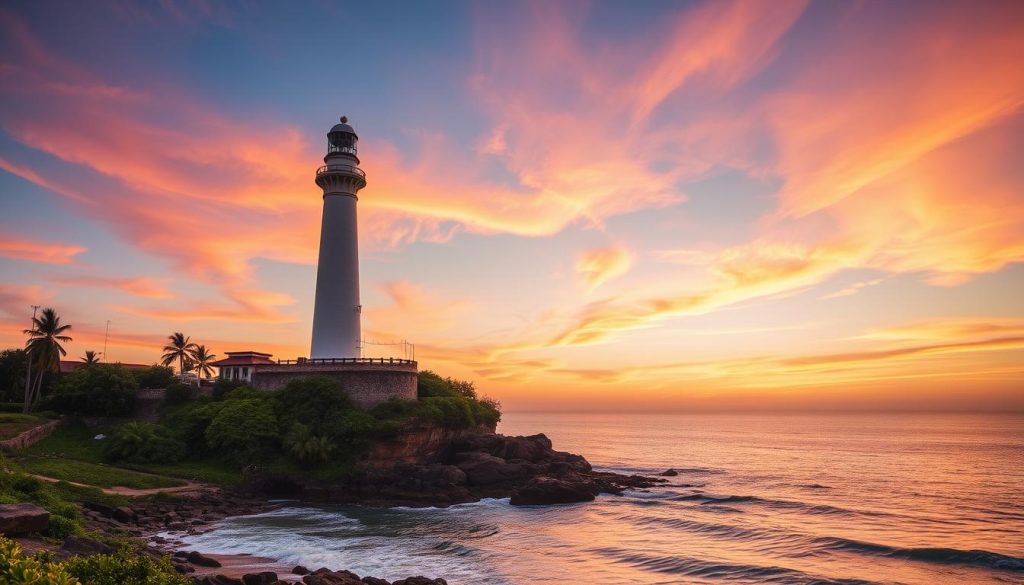
The Galle Lighthouse is the oldest light station in Sri Lanka. It guides sailors and attracts visitors. Standing 26.5 meters tall, it offers breathtaking views of Galle Fort and the Indian Ocean.
This historic landmark was built in 1848. It has been renovated several times, now made of solid concrete. Its craftsmanship makes it a top attraction in Galle Fort.
Visiting the Galle Lighthouse is like stepping back in time. You’ll see its importance in maritime history. Its beauty and history make it a key part of any visit to Galle.
Historical Significance of Galle Fort
Galle Fort’s history is closely tied to the growth of trade in the area. Its origins show it was a key trading port. This drew merchants from many cultures, creating its unique identity.
The Origins of Galle as a Trading Port
Galle’s role as a trading center began in ancient times. Its coastal location made it a favorite for merchants on the East-West trade routes. Historians and travelers, like Ibn Battuta, noted its lively trade scene in the 14th century.
The harbor of Galle offered safety for ships. This allowed them to rest before heading to the Bay of Bengal. The mix of cultures and traditions in Galle set the stage for its colonial history.
Colonial Influences and the Development of Galle Fort
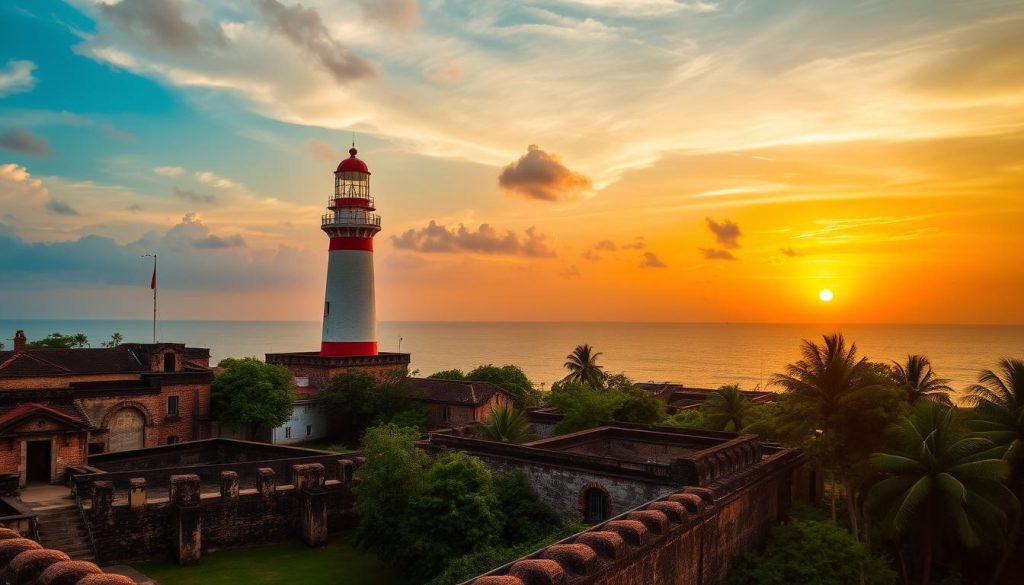
As Galle’s importance grew, European powers took notice. The Portuguese arrived in the 16th century, starting the fort’s colonial history. The Dutch later expanded the defenses, leaving a lasting architectural mark.
The British took over in the late 18th century, improving the fort. This shows the changing power and trade dynamics in the region.
| Era | Key Development | Colonial Power |
|---|---|---|
| 14th Century | Trading hub established | Various cultures |
| 16th Century | Portuguese fortifications | Portugal |
| 17th Century | Dutch expansion | Netherlands |
| 18th Century | British enhancements | Britain |
Galle Lighthouse Details
The Galle Lighthouse is a key landmark for sailors. It has a rich history and a stunning design. This makes it very important in Sri Lanka’s maritime world.
Construction History and Designs
The first lighthouse was built in 1848 by British architect Alexander Gordon. It was made of cast iron. Sadly, it was destroyed by fire in 1936.
After that, a new lighthouse was built in 1939, about 100 meters away. This shows the dedication to keeping sailors safe.
Current Structure of the Lighthouse
Now, the Galle Lighthouse is 26.5 meters tall. It has a white, cylindrical shape that shows off colonial style. The lighthouse uses electricity to light the way for ships.
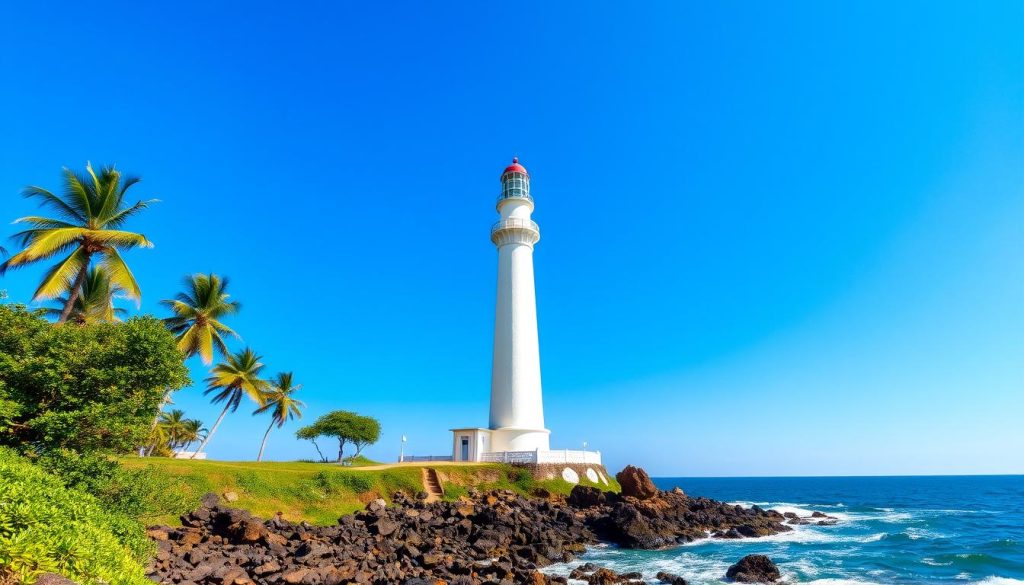
The Sri Lanka Ports Authority looks after the lighthouse. They make sure it keeps working and looks good.
Galle Fort Lighthouse Location
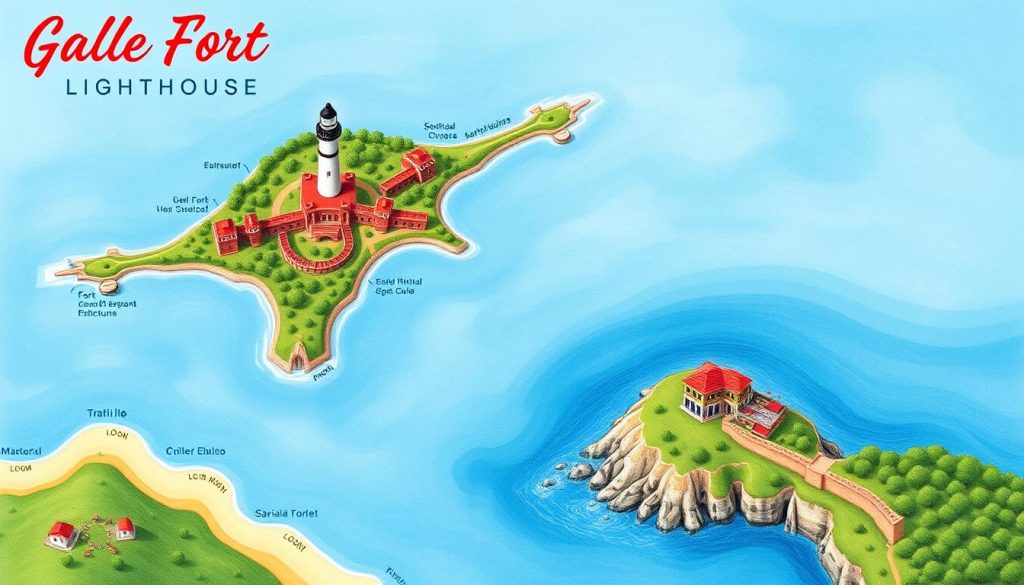
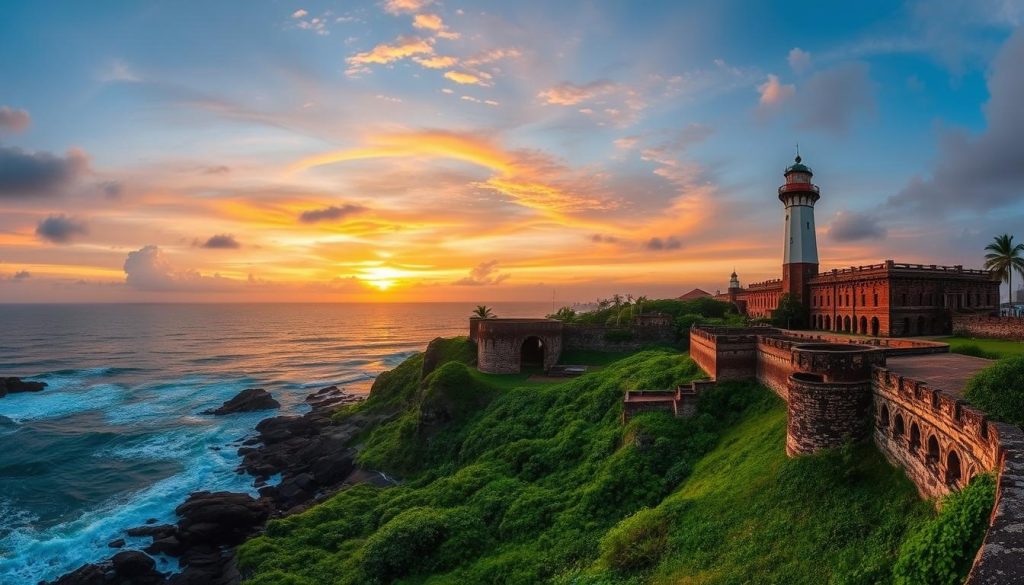
The Galle Fort Lighthouse is at the historic Point Utrecht Bastion. It’s on the southern edge of Galle Fort. From here, you get amazing views of the coastline and the Indian Ocean.
Many people use the galle fort lighthouse location map to find their way. Its location is not just for looks. It helps guide sailors safely through the waters.
When you visit Galle Fort, the lighthouse is a must-see. It shows the importance of maritime history and architecture. The galle fort lighthouse location map is key for anyone planning to see it.
Coordinates and Accessibility
The Galle Lighthouse is a key spot in the beautiful Galle Fort. It’s a place you shouldn’t miss. You can find it using its exact coordinates. Knowing these coordinates makes your trip easier and ensures you find the right spot.
Exact Coordinates of the Lighthouse
The coordinates for the Galle Lighthouse are 6°01′28.4″N 80°13′09.7″E. These help travelers find the lighthouse easily on maps. This makes visiting this historic site smooth.
How to Reach Galle Lighthouse
Getting to the Galle Lighthouse is simple. If you’re coming from Colombo, take the Southern Expressway. This trip is about 126 km and takes 2 to 2.5 hours, depending on traffic. Once in Galle, you can reach the lighthouse by:
- Local transport like tuk-tuks and buses
- Walking paths inside Galle Fort
- Guided tours that share the lighthouse’s history
The Scenic Surroundings of Galle Fort
Visiting Galle Fort is like stepping into a world of history and beauty. The fort’s architecture shows a mix of cultures and styles. You’ll see Dutch fortifications and beautiful churches, each with its own story.
Architectural Highlights within Galle Fort
Exploring Galle Fort, you’ll find amazing buildings. Some key spots include:
- The Fortifications: Walls and ramparts that reflect defensive architecture.
- Dutch Reformed Church: A serene place of worship with historical significance.
- The Maritime Museum: Showcases Galle’s maritime history and cultural heritage.
- Residential Buildings: A unique blend of European and local architectural elements.
Natural Beauty and Views from the Lighthouse
The Galle Lighthouse is famous for its stunning views. Standing at the top, you see the Indian Ocean stretching out. The sight of waves against the coast is both calming and inspiring, perfect for photos or just enjoying nature.
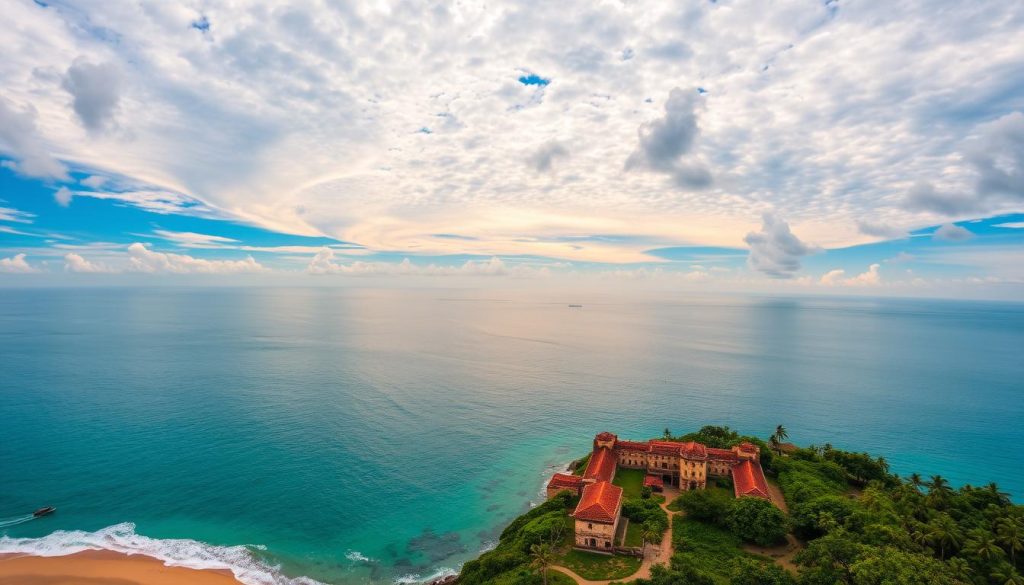
Visiting Galle Lighthouse
Exploring Galle Lighthouse is a rich experience. It’s filled with history and stunning architecture. You can dive into the local culture and see the area’s lively scene.
What to Expect During Your Visit
Make sure to spend enough time at the Galle Lighthouse. Enjoy the beautiful views of the coast and the well-kept buildings around it. Don’t forget your camera, as the views and architecture are perfect for photos.
Also, take a walk along the fortified walls. You’ll see amazing views of the land and sea.
Nearby Attractions and Activities
Visiting the Galle Lighthouse is even better with nearby attractions. Check out:
- Galle Fort Museum, showcasing local history and culture.
- National Maritime Museum, perfect for those interested in maritime heritage.
- Boutique shops within the fort, ideal for unique souvenirs and crafts.
- Restaurants serving exquisite local cuisine and fresh seafood.
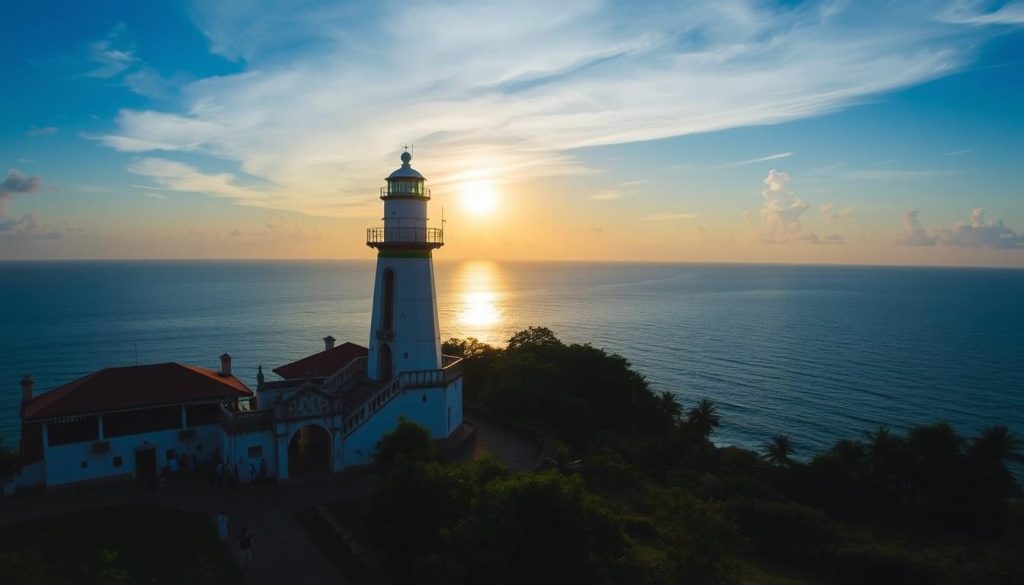
Photographic Opportunities at Galle Lighthouse
The Galle Lighthouse is a photographer’s dream. Its stunning architecture against the Indian Ocean is perfect for scenic shots. The golden hour, just before sunset, is especially great for photos. The warm light brings out the lighthouse’s details beautifully.
Children playing cricket nearby add a special touch to your photos. These moments capture the local culture, making your pictures more than just images. The bright colors of the area and the lighthouse create a stunning scene.
Try different photography techniques to make your photos even better:
- Use different lenses for unique views.
- Play with angles to show the lighthouse from different spots.
- Add wildflowers or animals in the foreground for depth.
With these tips, you’ll capture beautiful moments at Galle Lighthouse. Your photos will show off the lighthouse’s charm and the beauty around it.
| Time of Day | Lighting Conditions | Best Photography Tips |
|---|---|---|
| Golden Hour | Warm, soft light | Focus on silhouettes and reflections in water |
| Midday | Bright, harsh light | Use filters to manage glare and highlights |
| Evening | Soft light | Capture long shadows and the changing colors of the sky |
The Lighthouse Keeper’s Role and Experience
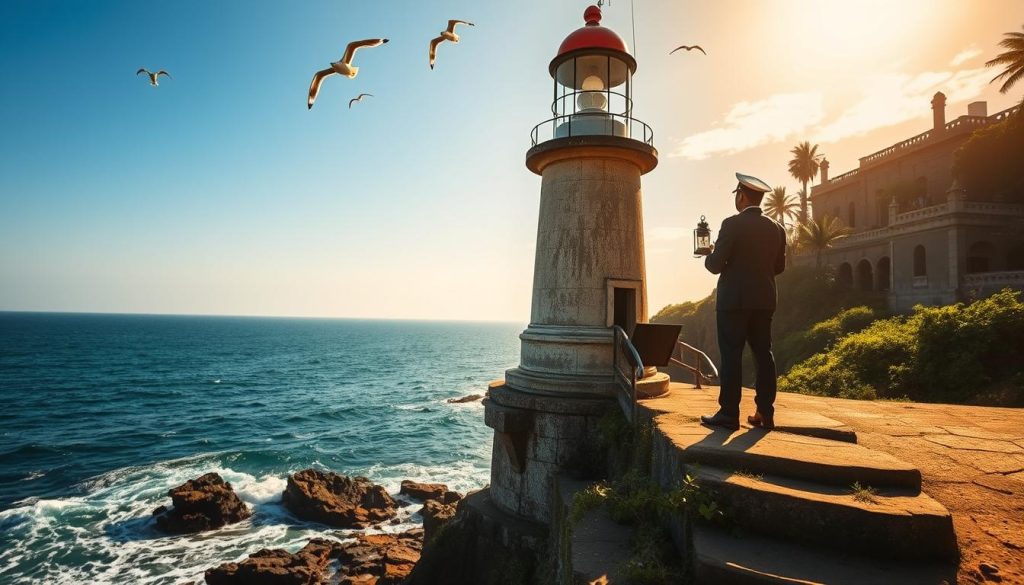
The role of the lighthouse keeper in Galle is filled with tradition and duty. Even though the Galle Lighthouse is now automated, a keeper is still crucial. U.D. Harischandra, the current keeper, makes sure the light works well, especially when power goes out. His work is key to keeping ships safe on the water.
People visiting the lighthouse often connect with Harischandra. He shares fascinating stories about the lighthouse’s history and its role in guiding ships. His tales bring the lighthouse’s past to life, making the visit more meaningful.
The use of technology to automate the lighthouse doesn’t make the keeper less important. It shows the need for a person to watch over this vital landmark. Harischandra’s knowledge and commitment keep the lighthouse’s stories alive for everyone who visits.
| Responsibilities | Importance |
|---|---|
| Maintaining the light | Ensures safety of vessels |
| Monitoring equipment | Prevents failures and outages |
| Engaging with visitors | Enhances the visitor experience |
| Preserving the history | Maintains cultural significance |
Galle Fort as a UNESCO World Heritage Site
Galle Fort was named a galle fort unesco world heritage site in 1988. This honor shows how important it is to keep such historical places safe from modern changes. By protecting Galle Fort, we make sure its story lives on and attracts visitors from everywhere.
Importance of Preservation
Keeping the fort safe is key to its history. It helps protect its buildings and stories. Efforts to save it also help tourism, letting people enjoy it without harming it.
Inside the fort, you can see many cultures mixed together. This makes your visit more interesting and helps you learn about Sri Lanka’s past.
Visitor Statistics and Popularity
The Galle Lighthouse is a big draw, bringing in lots of tourists every year. The galle lighthouse visitor statistics show many people want to see it. It’s a big help to the local economy, making Galle Fort and its lighthouse famous in Sri Lanka.
| Year | Visitors | Visitor Growth (%) |
|---|---|---|
| 2018 | 300,000 | N/A |
| 2019 | 350,000 | 16.67 |
| 2020 | 200,000 | -42.86 |
| 2021 | 250,000 | 25.00 |
| 2022 | 400,000 | 60.00 |
This table shows how many people visit Galle Fort, and how tourism has grown. It helps us understand how to keep this UNESCO site appealing to visitors.
Travel Tips for Galle Fort and Lighthouse
Planning your trip to the Galle Fort Lighthouse? Keep these travel tips in mind. The dry season is the best time to visit. You’ll enjoy clear views and comfortable weather.
Wear comfy shoes for all the walking. You’ll be exploring cobblestone paths and the fort’s grounds. Don’t forget your camera for amazing photos, especially at sunrise and sunset.
Buying souvenirs from local vendors is a great idea. It supports local businesses and adds to your experience. Remember to stay hydrated, especially in the hot months. Always carry a bottle of water.
Here are some more tips for your Galle Fort Lighthouse adventure:
- Plan your visit early in the day to avoid crowds.
- Check local weather forecasts to avoid unexpected rain.
- Explore nearby attractions, such as museums and local markets.
- Respect the local customs and traditions while visiting temples.
- Use sunscreen to protect against direct sunlight.
| Tip | Description |
|---|---|
| Best Time to Visit | Dry season for clear views and pleasant weather. |
| Footwear | Comfortable shoes are essential for walking. |
| Photography | Capture stunning landscapes, especially during golden hours. |
| Hydration | Always carry water, especially in hot weather. |
| Local Interaction | Engage with vendors for unique, authentic souvenirs. |
Conclusion
As you finish exploring the Galle Fort Lighthouse location, you’ll see it’s a mix of natural beauty and history. This lighthouse is more than a beacon for sailors. It shows Sri Lanka’s rich past in trade and colonization.
By visiting, you connect with a story of cultural blending and the growth of sea travel in the area. The Galle Fort Lighthouse location offers stunning views. It lets you see the beauty of the architecture and the calm coast.
Walking through the fort and its area, the lighthouse’s importance becomes clear. It reminds you of the strong spirit of its people and their sea history.
Visiting the Galle Fort Lighthouse is more than reaching a place. It’s about diving into the many stories it tells. From experiencing local culture to enjoying the amazing views, your trip will surely make a mark.