Explore Dilijan Historical Sites – Armenian Heritage
What secrets do the ancient walls of Dilijan hold about Armenia’s rich past? As you walk through this beautiful town, known as the “Switzerland of Armenia,” you’ll find Dilijan’s historical sites. They show the town’s architectural beauty and the strong Armenian heritage that has lasted for centuries. The town is surrounded by stunning landscapes, with each site telling a unique story.
Medieval monasteries and Dilijan National Park make your visit special. They offer a glimpse into Armenia’s cultural and historical stories.
Introduction to Dilijan and Its Cultural Significance
Dilijan is in the northeastern part of Armenia. It’s known for its green forests and clear lakes. The town is a key place for Armenian culture, filled with Dilijan cultural attractions that show its deep history.
Archaeologists have found settlements from the Late Bronze Age and Early Iron Age. These discoveries give us a peek into the lives of early humans.
In the IV century BC, Artashes I started a powerful state here. Armenia became the first country to adopt Christianity in 301 AD. This event made Armenia’s culture even richer. The Armenian alphabet was created in 405-406 AD by Mesrop Mashtots, helping keep Armenian heritage alive.
The Tashir-Dzoraget kingdom emerged in 978 AD. This made Dilijan a cultural center in the High Middle Ages. Later, Safavid Iran and the Ottoman Empire’s conflicts added to the town’s history, making it a significant heritage site in Dilijan.
The name “Dilijan” was first mentioned in 1672 by French traveler Jean Chardin. He noted 300 Armenian households there. The 19th century saw the Tiflis-Erivan road’s construction, making Dilijan a key place for education and healthcare.
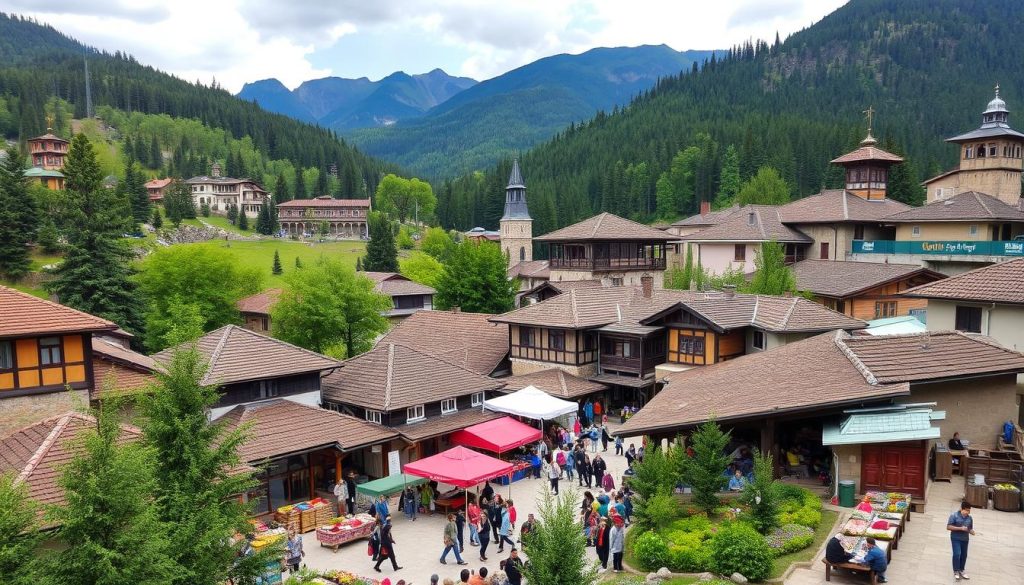
Now, efforts are underway to restore Dilijan’s heritage. Its natural beauty and rich history attract visitors wanting to explore its history.
Dilijan Historical Sites: A Journey Through Time
Dilijan is a treasure trove of medieval monasteries that show Armenia’s rich history. These structures are stunning examples of Dilijan’s historical architecture. They connect us to the past, inviting us to explore centuries of cultural growth. Haghartsin Monastery and Goshavank Monastery are must-see sites in Dilijan. They are known for their beauty and their role in Armenia’s heritage.
Overview of Medieval Monasteries
Medieval monasteries in Dilijan show the skill and devotion of their makers. Haghartsin Monastery, from the 10th century, is a symbol of strength and spirituality. It has stood for nearly a thousand years, attracting many with its peaceful setting and historical importance.
Goshavank Monastery, founded in the 12th century by Mkhitar Gosh, was a hub of learning. It houses many preserved manuscripts, showing the intellectual achievements of its time.
Importance of Historical Preservation
Keeping Dilijan’s ancient landmarks safe is key to Armenia’s cultural identity. These sites draw tourists, boosting local economies and the tourism industry. Every year, thousands walk the stone paths of these monasteries, learning from their walls.
Local governments and cultural groups work hard to keep these sites standing. They protect the history for future generations. By investing in sites like Haghartsin and Goshavank, we honor the past and connect with our cultural heritage.

Must-Visit Sites in Dilijan: Unveiling the Past
Exploring Dilijan’s history is not complete without seeing Haghartsin Monastery and Matosavank Monastery. These places mix history and architecture beautifully. They are set against Dilijan’s stunning landscapes. Each spot shows off Armenian craftsmanship and lets you dive into the area’s rich culture.
Haghartsin Monastery
Haghartsin Monastery is just 15 minutes from the city center. It’s a standout historical spot in Dilijan, dating back to the 9th century. The monastery has detailed churches and old tombstones. Walking around, the greenery adds to its calm vibe.
The architecture and history make it a key stop on Dilijan tours.
Matosavank Monastery
Matosavank Monastery was built in the 13th century. It’s known for its link to Armenian victories. Exploring here, you see history and nature together, with amazing views of hills.
Matosavank shows the Armenian people’s strength and culture. Both Haghartsin and Matosavank are must-sees in Dilijan for history buffs.
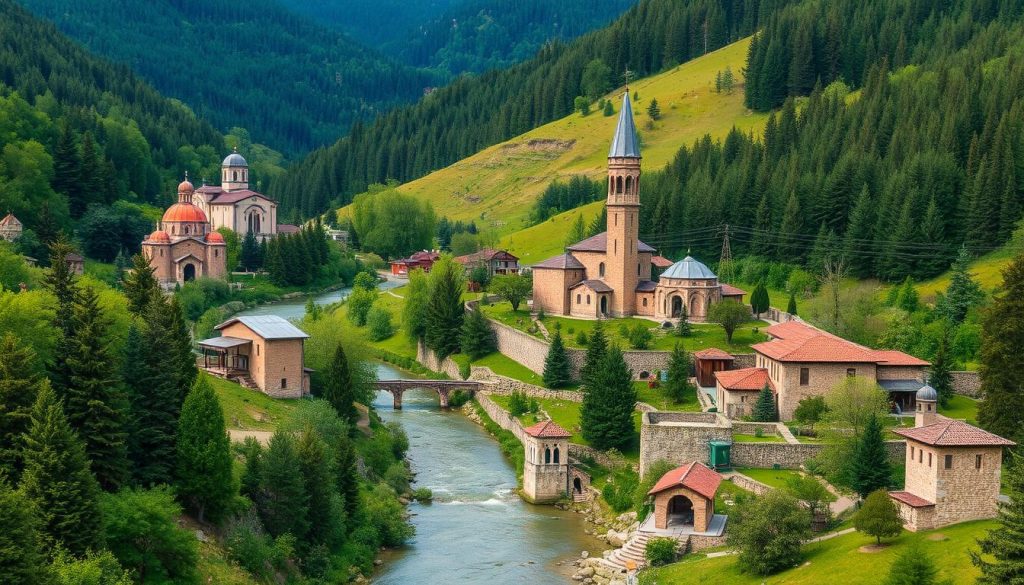
| Monastery | Established | Architectural Features | Significance |
|---|---|---|---|
| Haghartsin Monastery | 9th Century | Intricate carvings, ancient tombstones | Architectural beauty and historical relevance |
| Matosavank Monastery | 13th Century | Ancient ruins, scenic views | Tied to Armenian victories and cultural heritage |
Exploring the Ancient Landmarks in Dilijan
As you explore Dilijan’s stunning landscapes, you’ll find history and nature blend beautifully. Goshavank Monastery is a highlight, once a hub of culture and learning. It shows how important religion was in Armenian society.
Jukhtakvank is another gem, with two churches from the 13th century. Its medieval architecture takes you back in time. The detailed stone carvings and unique designs are a testament to Dilijan’s rich history.
Visiting these sites, you’ll see how human creativity meets nature’s beauty. Walking through the landscapes, you’ll feel the centuries of history and spirituality. Dilijan’s natural beauty, like “Little Switzerland,” adds to the experience.
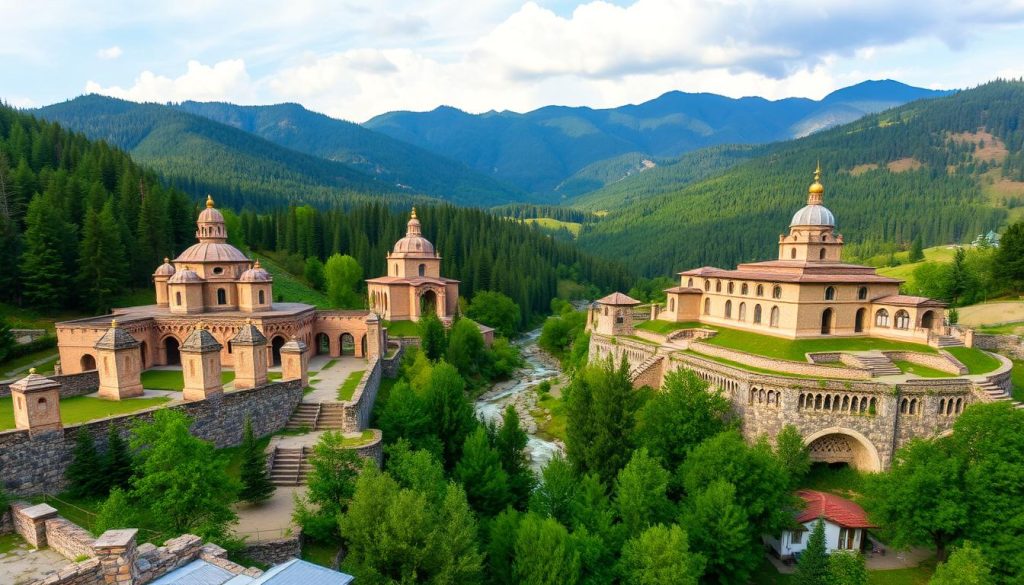
| Landmark | Construction Period | Notable Features |
|---|---|---|
| Goshavank Monastery | Dates back to the 10th century | Cultural and educational center with unique stone carvings |
| Jukhtakvank | Completed in 1201 | Two churches showcasing impressive architectural designs |
Exploring Dilijan’s ancient landmarks is a mix of history and nature. It shows how the past shapes our present. Each visit honors Armenian culture and the importance of preserving heritage.
Dilijan Cultural Attractions Beyond Architecture
Dilijan is a treasure trove of culture, beyond its stunning architecture. The area’s natural beauty makes exploring its heritage sites even more special. Dilijan National Park is a prime example, offering both scenic views and fun activities.
Dilijan National Park
Since 2002, Dilijan National Park has been a haven for nature enthusiasts. It’s close to town and boasts:
- Rich biodiversity, perfect for wildlife watching.
- Medicinal mineral springs for health seekers.
- Cultural monuments that connect nature with history.
Outdoor activities abound, like hiking and birdwatching. The park’s trails lead to breathtaking views and peaceful spots, ideal for a nature-filled day.
Local Arts and Crafts
Dilijan’s allure also comes from its local arts and crafts. Visitors can dive into the area’s rich culture through:
- Pottery, showcasing the region’s traditions and creativity.
- Textile weaving, featuring vibrant colors and Armenian patterns.
This blend of culture and nature deepens your connection to the community’s creative spirit.
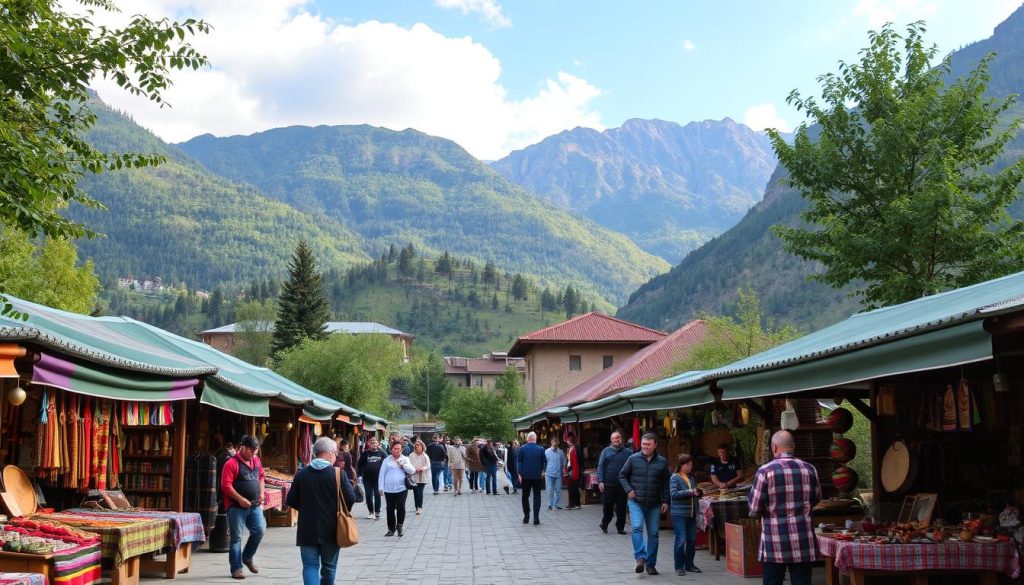
Historic Places to Visit in Dilijan
Exploring Dilijan’s history, you’ll find sites that show Armenia’s architectural and cultural heritage. Goshavank and Jukhtakvank monasteries are key. They highlight Armenian identity and their enduring designs.
Goshavank Monastery
Goshavank is about 15 kilometers from Dilijan. It’s famous for its medieval learning center. Scholars came here to share knowledge.
This ancient site shows the past’s educational ways. It also boasts stunning carvings and structures. These reflect Armenia’s spiritual depth.
Jukhtakvank Monastery
Jukhtakvank has two 10th-century churches. They show off old architectural skills. The peaceful setting makes it a standout historical site in Dilijan.
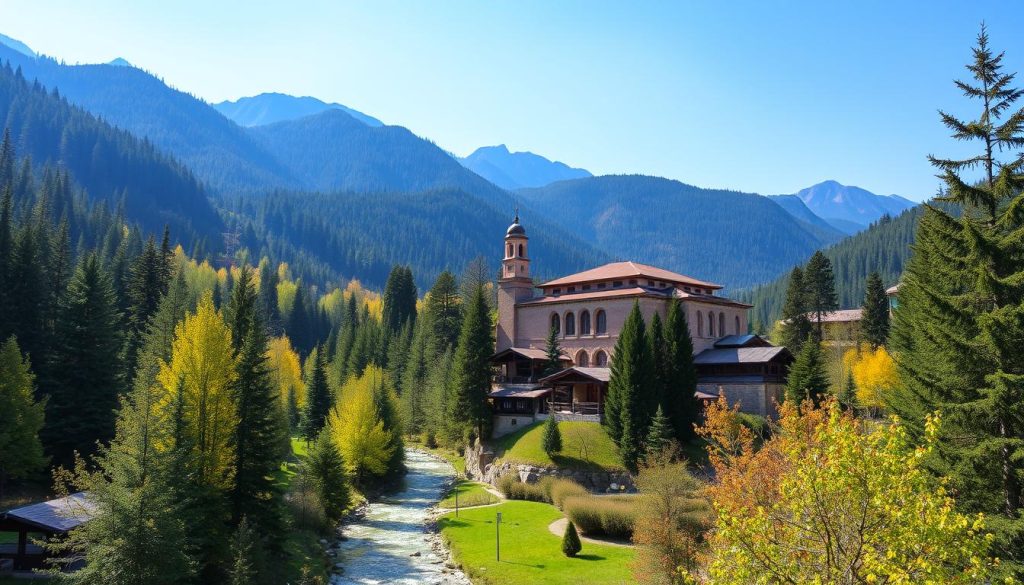
Dilijan Historical Architecture: A Testament to Time
Dilijan’s historical architecture is a window into the past. It started growing fast around 1830, without the help of experts. This style mixed local and outside influences, creating unique buildings.
These buildings, mostly one to two stories, used local stone. They were made from light gray basalt and limestones. This made them blend beautifully with the area’s natural beauty.
In the 19th century, Dilijan became a bustling town. It started with a Russian military base after the Russo-Persian War. This brought in many people, making the town grow.
Rich Armenians from places like Tiflis and Baku moved here. They built taller homes with balconies and terraces. This showed a move towards city living.
The Molokan community arrived in the mid-1800s. They brought new crafts to Dilijan’s buildings. Features like high roofs, whitewashed walls, and carvings became common.
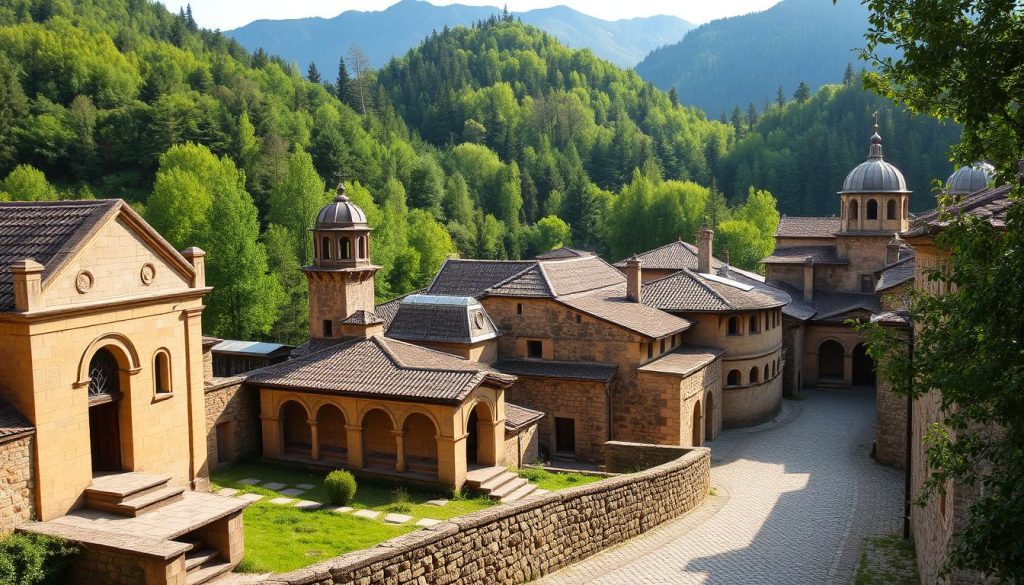
As Dilijan grew, so did its culture and science. The town got theaters, schools, and libraries. These places helped the community come together.
Local craftsmen used the ground floors for workshops. This mixed work and charm, showing off Armenian heritage.
By the 1900s, Dilijan had a plan for its growth. It included areas for culture and fun. This shows the town’s people were creative and resilient.
Exploring Dilijan’s history through its buildings is key. They stand as symbols of Armenian identity and heritage.
Outdoor Activities Around Historical Sites
The landscape around Dilijan is not just about history. It’s also full of outdoor activities. Visitors enjoy trails and natural reserves that meet historical sites. This mix lets you see Dilijan’s natural beauty and cultural importance.
Hiking Trails in Dilijan National Park
Dilijan National Park has many hiking trails. They offer stunning views and a chance to see wildlife. A famous trail goes to the Haghartsin Monastery, blending things to see in Dilijan with adventure.
The park is also home to the Transcaucasian Trail. It attracts both experienced hikers and casual walkers. The Whispering Waterfall Trail is best from April to June. Here, you can enjoy waterfalls and greenery.
Exploring Nature Reserves
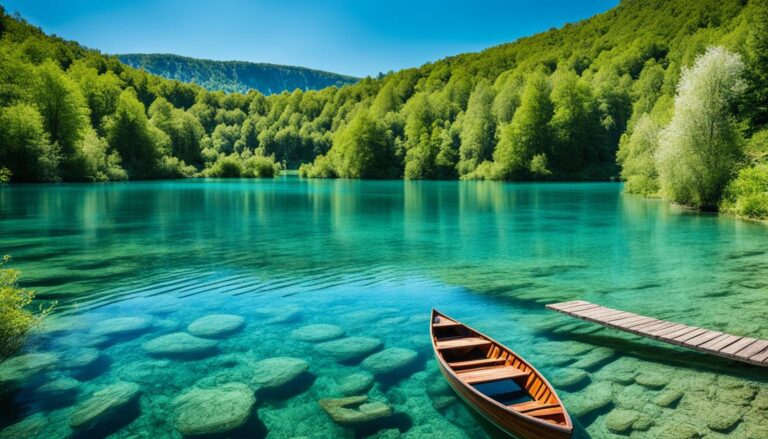
Nature reserves near Dilijan offer a special experience. They let you see diverse plants and animals, adding to Dilijan cultural attractions. Parz Lake, 14 km from town, is great for picnics and rowing.
The Dilijan Tourist Information Centre has gear for biking and camping. It’s perfect for those who love adventure.
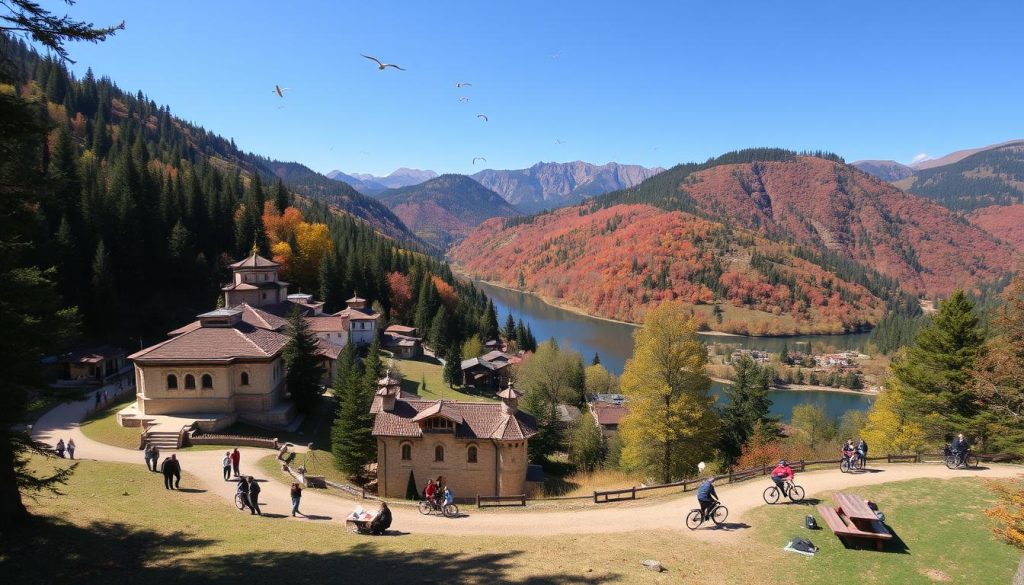
Experience the Rich Heritage of Dilijan
To truly experience Dilijan, dive into the local food and join in on lively festivals. The food here is shaped by the area’s rich history. It uses local ingredients, offering a unique taste experience. You’ll get to try dishes that show off the region’s farming traditions, giving you a taste of Armenian culture.
Local Cuisine Influenced by History
The local food is a delicious way to see the area’s culture. You’ll find dishes like khorovats (Armenian barbecue) and dolma (stuffed grape leaves). These meals are more than just food; they connect you to Dilijan’s traditions and let you taste its history.
Traditional Festivals Celebrating Heritage
Attending traditional festivals lets you connect with the local community. You’ll see vibrant displays of culture. Festivals include:
- Music and dance that show off local talent.
- Handicrafts and artisan booths that highlight traditional skills.
- Special dishes that showcase regional flavors.
These events help you feel connected to Dilijan’s past. By joining in, you help keep alive the traditions that make this place special.
Conclusion
Exploring Dilijan history gives you a deep look into Armenian heritage. The stunning architecture and beautiful nature make your journey special. Each site you see shares a unique story, showing the area’s rich culture and history.
Walking through places like Jukhtak Monastery and the Tufenkian Old Dilijan Complex, you connect with the past. You also see how vibrant culture still thrives today. The work to keep these sites alive lets you feel connected to those who came before.
Your trip to Dilijan is more than seeing old buildings. It’s a chance to dive into Armenian heritage. You can enjoy local food, join cultural activities, or explore the peaceful landscapes. Dilijan offers a journey that deepens your understanding of history and celebrates its traditions.