

Explore Chittagong’s Ecotourism Initiatives
Chittagong, a coastal region in Bangladesh, offers sustainable and eco-friendly travel experiences. This destination pioneers sustainable tourism, community-based experiences, and environmental conservation. Chittagong’s ecotourism initiatives support local communities while providing unique adventures for travelers.
Chittagong boasts pristine beaches and lush forest reserves. Its cultural heritage and empowered local communities create a transformative travel experience. The region goes beyond the typical tourist trail.
Discover how Chittagong redefines eco-friendly travel. It sets a new standard for responsible tourism. Explore the boundless potential of Chittagong’s ecotourism initiatives today.
Introduction to Chittagong’s Natural Beauty
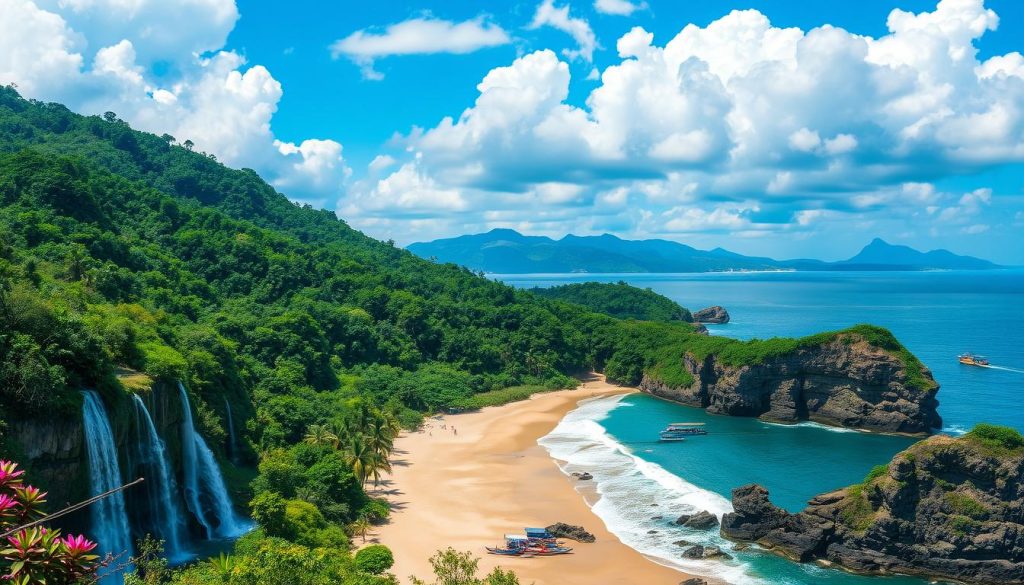
Chittagong, in southeastern Bangladesh, showcases a stunning array of natural wonders. It sits along the Bay of Bengal, offering diverse landscapes. These include pristine beaches, rugged cliffs, mangrove forests, and lush hill tracts.
This geographical advantage has created various ecosystems. Each ecosystem provides unique opportunities for ecotourism exploration. Visitors can immerse themselves in Chittagong’s natural beauty and biodiversity.
Chittagong’s Geographical Location and Diverse Ecosystems
Chittagong’s coastline extends from the Teknaf Peninsula to the Moheshkhali Channel. This stretch offers visitors a stunning coastal backdrop. The region’s hilly terrain, known as the Chittagong Hill Tracts, is famous for its biodiversity.
The Hill Tracts also boast a rich cultural heritage. These natural assets make Chittagong ideal for sustainable tourism in Bangladesh. The city’s coastal and mountainous landscapes add to its appeal.
Experts say tourism can help reduce poverty in developing nations like Bangladesh. However, the country’s tourism industry faces challenges. These include limited infrastructure, insufficient amenities, and the need for better marketing strategies.
| Ecosystem | Characteristics |
|---|---|
| Coastal Ecosystems | Pristine beaches, rocky cliffs, and mangrove forests |
| Hill Tracts | Lush, hilly terrain with rich biodiversity and cultural heritage |
Chittagong’s natural beauty and diverse ecosystems offer great potential for ecotourism. By showcasing these unique features, Bangladesh can become a top ecotourism destination. This can lead to sustainable growth and economic development in the region.
Overview of Ecotourism in Bangladesh
Bangladesh sees great promise in ecotourism for sustainable tourism growth. The Bangladesh Parjatan Corporation (BPC) leads these efforts since 1972. It oversees the tourism sector’s development as an autonomous body.
Bangladesh aims to build a sustainable tourism industry despite challenges. This includes ensuring tourist safety and effective planning. It also involves strict environmental regulations and infrastructure development.
Tourism plays a vital role in Bangladesh’s social and economic landscape. Good practices create welfare for local communities. They also preserve the country’s natural and cultural heritage.
Ecotourism Opportunities in Bangladesh
- The Sundarbans, a UNESCO World Heritage site, is the world’s largest mangrove forest. It offers chances to see diverse wildlife, including Bengal tigers.
- Bandarban in the Chittagong Hill Tracts is known for hills and tribal life. It provides trekking and cultural experiences.
- Cox’s Bazar has one of the world’s longest natural beaches. It’s perfect for surfing, beachcombing, and watching sunsets.
- St. Martin’s Island is famous for clear waters and coral reefs. It offers various water activities.
- Kuakata, the ‘Daughter of the Sea,’ provides a peaceful beach environment. Visitors can see both sunrise and sunset over the Bay of Bengal.
Sustainable travel practices are key to growing ecotourism in Bangladesh. These include reducing plastic use and supporting local businesses. Respecting wildlife and conserving resources are also important.
Travelers can help preserve Bangladesh’s natural and cultural heritage by following these principles. This approach ensures responsible and meaningful travel experiences.
| Ecotourism Destination | Key Attractions |
|---|---|
| Sundarbans | Mangrove forests, wildlife (Bengal tigers, Sambar, Wild boar, Gaur, Horned Crocodile, and diverse avian species) |
| Bandarban | Hills, tribal life, trekking opportunities (Nilgiri and Ruma) |
| Cox’s Bazar | Longest natural sea beach, surfing, beachcombing, sunset viewing |
| St. Martin’s Island | Coral reefs, snorkeling, water activities |
| Kuakata | Sunset and sunrise over the Bay of Bengal, beach strolling |
Exploring Bangladesh’s diverse ecotourism offerings can be rewarding. By practicing sustainable travel, visitors support environmental conservation and cultural preservation.

Chittagong’s Ecotourism Hotspots
Chittagong, Bangladesh’s bustling port city, boasts diverse ecotourism hotspots. These destinations showcase the region’s natural wonders. Visitors can explore pristine beaches and lush forest reserves.
Beaches and Coastal Attractions
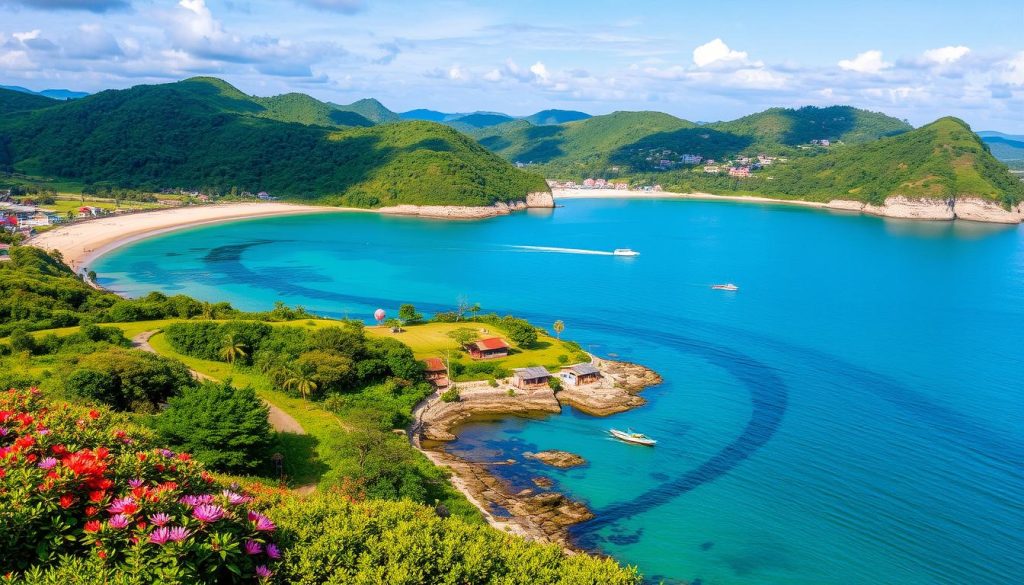
Chittagong’s coastline features stunning beaches like Cox’s Bazar, Teknaf, and Inani. The Bay of Bengal’s azure waters kiss these sandy shores. Visitors enjoy beachcombing, birdwatching, and responsible water sports.
The area’s vibrant marine life adds to its coastal appeal. Thriving mangrove ecosystems further enhance these natural attractions.
Hill Tracts and Forest Reserves
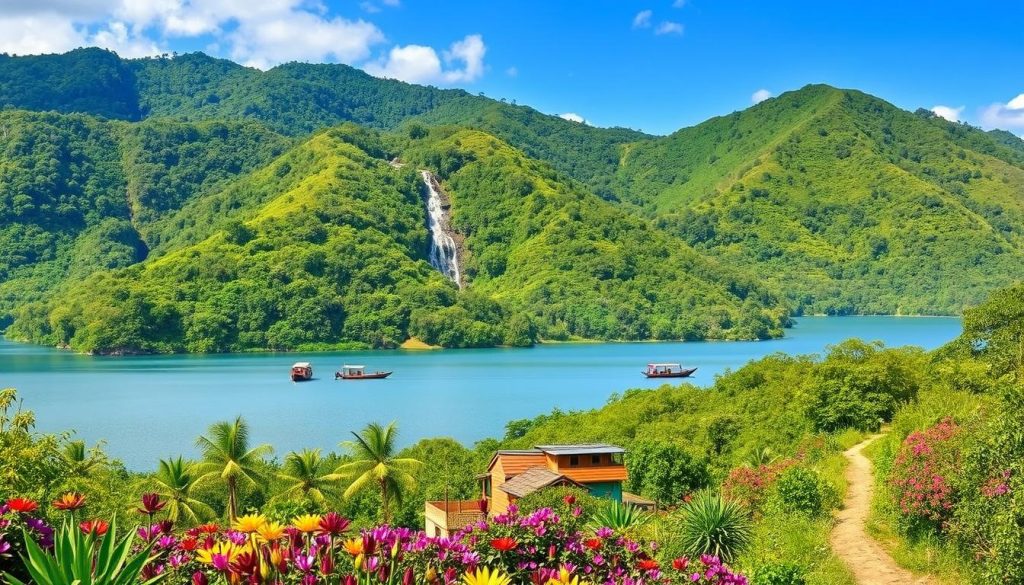
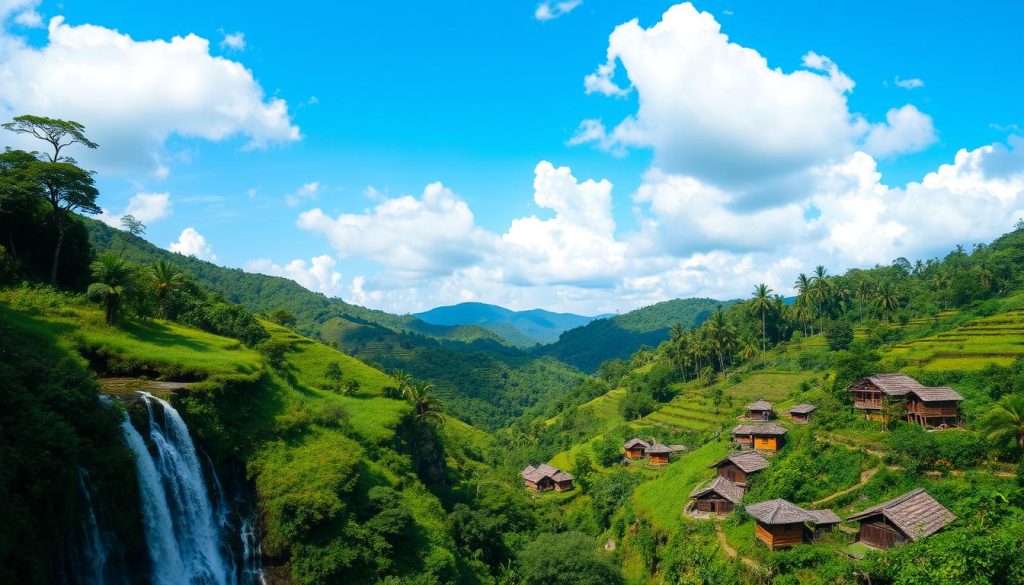
Inland, the Chittagong Hill Tracts offer lush forests and cascading waterfalls. This region is known for its rich cultural heritage. Nature lovers flock to these verdant landscapes for immersive experiences.
Biodiversity hotspots like Kaptai National Park house rare species. The Teknaf Wildlife Sanctuary is home to endangered animals. These areas boost the region’s ecotourism appeal.
Chittagong’s ecotourism spots have seen a 15% increase in visitors. International tourists make up 60% of these visitors. This highlights the global appeal of the area’s natural beauty.
| Ecotourism Attraction | Key Features | Tourist Satisfaction |
|---|---|---|
| Cox’s Bazar | Longest unbroken sandy beach in the world | 80% rated their experience as excellent |
| Teknaf Wildlife Sanctuary | Home to diverse flora and fauna, including the endangered Asian elephant | 75% engaged in wildlife spotting and hiking |
| Kaptai National Park | Lush forests, cascading waterfalls, and rich cultural heritage | Average length of stay: 4.5 days |
Ecotourism in Chittagong has boosted the local economy. The hospitality sector has grown by 20%. This sustainable approach benefits both visitors and locals.
The future of ecotourism in Chittagong looks bright. It provides a path for growth and conservation. These hotspots continue to thrive and attract nature lovers.
Sustainable Tourism Practices in Chittagong
Chittagong has implemented various sustainable tourism practices. These initiatives balance environmental conservation, responsible tourism, and economic development. They ensure the long-term viability of its natural resources and communities.
Strict environmental regulations protect Chittagong’s beaches, forests, and wildlife habitats. These measures preserve the region’s natural beauty and ecological integrity. They safeguard these assets for future generations.
The region has invested in robust waste management systems. Sanitation facilities have been improved at tourist hotspots. These efforts maintain cleanliness and environmental health in popular areas.
Chittagong integrates traditional ecological knowledge into its conservation strategies. This approach respects local cultures and traditions. It fosters a more sustainable and inclusive form of ecotourism.
These sustainable tourism practices make Chittagong a model for responsible travel. The region prioritizes environmental conservation and community empowerment. These measures aim to attract eco-conscious travelers and boost responsible tourism in Bangladesh.
| Sustainable Tourism Initiatives in Chittagong | Key Objectives |
|---|---|
| Environmental Regulations | Protect natural resources and ecological integrity |
| Waste Management and Sanitation | Maintain cleanliness and environmental health of tourist areas |
| Integration of Indigenous Knowledge | Foster a holistic and inclusive approach to sustainable development |
“By adopting sustainable tourism practices, Chittagong can position itself as a leading ecotourism destination that balances environmental, social, and economic considerations.”
Community-Based Ecotourism Initiatives
Chittagong’s ecotourism empowers local communities and promotes sustainable livelihoods. It recognizes indigenous knowledge in the Chittagong Hill Tracts. These initiatives align with local needs and cultural traditions.
Proper tourism practices create jobs and support local businesses. They also preserve cultural heritage. This approach fosters trust and brings social and economic benefits to host communities.
Empowering Local Communities
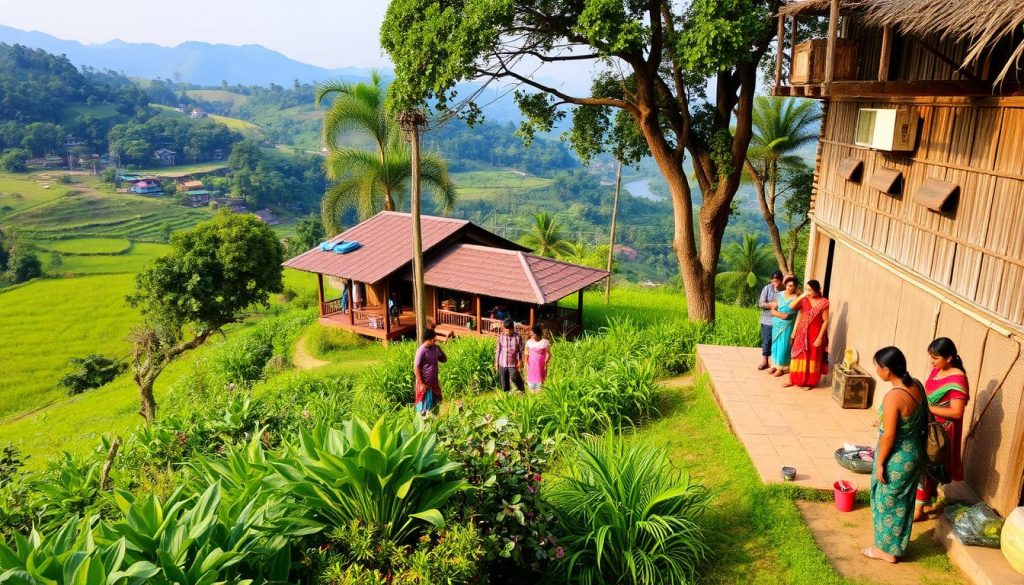
Chittagong’s initiatives have involved 887 men and 113 women directly. An additional 870 people participate indirectly. The projects have set up 18 tourist homestays.
They’ve trained 320 service providers in ecotourism and business management. The initiatives created 13 boat ride and 3 kayaking services with 25 kayaks.
They also established 3 breastfeeding corners. These services cater to 130-140 tourists daily. Each kayak provider earns about 2,000-2,500 taka per day.
The projects offer e-commerce training to local service providers. They raise awareness about environmental preservation and waste management. These efforts have boosted local income and tourist numbers.
Chittagong’s community-based ecotourism integrates local perspectives. It aims to create a fair and sustainable tourism model. This approach benefits both visitors and the host population.
Chittagong ecotourism initiatives
Chittagong, Bangladesh’s port city, is boosting sustainable ecotourism. The Bangladesh Parjatan Corporation (BPC) aims to enhance tourist spots nationwide, including Parki Beach. This initiative preserves natural beauty and empowers local communities.
Parki Beach boasts stunning landscapes and diverse ecosystems. It’s home to the unique “Crystal Gold” vessel, which fascinates visitors. However, the beach lacks adequate infrastructure and services for growing tourist numbers.
Chittagong’s ecotourism efforts focus on sustainable growth and community involvement. The goal is to improve Parki Beach while preserving its natural and cultural integrity. Local communities participate in planning and managing tourism activities.
| Ecotourism Initiatives in Chittagong | Key Statistics |
|---|---|
| Improvement of Ecotourism Industry at Mirsharai and Sitakunda |
|
Chittagong’s ecotourism initiatives balance growth, conservation, and community engagement. By empowering locals and using natural assets, Chittagong creates a responsible tourism industry. This approach benefits both visitors and the local population.
Challenges Faced by Ecotourism in Chittagong
Chittagong’s ecotourism faces hurdles despite its natural beauty. Tourist safety is a primary concern. Sustainable economic benefits require effective planning and strict environmental regulations.
Many tourist spots lack proper infrastructure and services. Inadequate waste management and sanitation facilities deter visitors. Unreliable safety measures and guide services also hinder tourism growth.
Political instability poses additional threats to the sector. Balanced and sustainable development initiatives are crucial for overcoming these challenges.
Environmental Threats and Conservation Efforts
The Chittagong Hill Tracts (CHT) cover 12% of Bangladesh’s land and one-third of its forests. They face significant environmental risks. The Kaptai Dam project displaced 100,000 tribal people and flooded 655 km2 of land.
Bengali settlers and expanding road networks have led to forest clearance. This has caused ecological imbalance in the region. Jhum cultivation, a form of shifting agriculture, contributes to ecological deterioration.
- Shifting cultivation, referred to as Jhum cultivation, significantly contributes to ecological deterioration in the CHT region.
- Commercial activities like large-scale tobacco cultivation threaten food security and disrupt the local ecosystem in the CHT.
- The CHT has been historically exploited without considering sustainable management, perpetuating environmental degradation and land disputes.
To thrive, Chittagong’s ecotourism must prioritize conservation efforts. Improving infrastructure and services is essential. Engaging communities and fostering regional cooperation will create a sustainable tourism ecosystem.
“The UN Decade on Ecosystem Restoration (2021–2030) presents an opportunity to address ongoing forest and landscape degradation in the CHT.”
Government Policies and Support
Bangladesh’s government actively supports tourism development through the Bangladesh Parjatan Corporation (BPC). The BPC oversees industry growth and serves domestic and foreign tourists. The government aims to create an autonomous body to promote and regulate tourism.
Research shows that Bangladesh’s tourism sector still faces challenges. Development efforts often lack sustainability. The government needs to strengthen its policy framework and improve coordination between various stakeholders.
Effective implementation of regulatory frameworks is crucial. This will support the sustainable growth of Chittagong’s ecotourism industry. These steps are essential for long-term success in the region.
| Key Statistics | Value |
|---|---|
| Earnings from tourism exports in Bangladesh (2016) | BDT 11.1bn |
| Forecast of tourist arrivals in Bangladesh (2027) | 23.9bn |
| Direct contribution of travel and tourism to GDP in Bangladesh (2016) | 2.2% of total GDP |
| Capital investment in the tourism sector of Bangladesh (2016) | BDT 72.5bn |
| Forecast of capital investment growth in tourism sector of Bangladesh (next 10 years) | 9.5%, reaching BDT 201.8bn in 2027 |
Government support for tourism development in Chittagong is vital for ecotourism growth. Strengthening the regulatory framework will ensure long-term sustainability. Improved coordination among stakeholders will boost Chittagong’s ecotourism offerings.
Economic Impact of Ecotourism
Ecotourism can boost Chittagong’s economy significantly. Recent studies show promising returns in Mirsharai and Sitakunda. Service providers there earn an average annual income of BDT 11,855,223.9 and BDT 12,180,952.4, respectively.
Tourism creates jobs, supports local businesses, and aids the national economy. Chittagong can use its natural and cultural assets to benefit local communities. This can diversify income sources and develop the region’s economy.
Tourism makes up 10% of the world’s GDP, says the World Economic Forum. It provides 8.2% of global jobs. Ecotourism generates about $700 billion, or 10% of total world income.
Success depends on good planning, rules, and local involvement. This ensures fair sharing of economic benefits. Countries like Costa Rica and Nepal have shown ecotourism’s potential.
The tourist industry creates tax revenue, income, and jobs. It drives economic growth. Local community support is vital for sustainable success in regional tourism hotspots.
| Ecotourism Metric | Global Percentage |
|---|---|
| Contribution to GDP | 10% |
| Global Employment | 8.2% |
| Gross Income | 10% |
Chittagong can unlock its natural assets’ economic potential through sustainable ecotourism. This approach can create jobs and support local livelihoods. Engaging communities is key to achieving these goals.
Future Prospects for Ecotourism Growth
Chittagong’s ecotourism industry has huge growth potential. The Karnaphuli River Tunnel and popular spots like Parki Beach will attract more visitors. To grow sustainably, Chittagong must develop infrastructure while protecting natural and cultural resources.
Partnerships with nearby areas could boost tourism and conservation efforts. By tackling challenges and building regional ties, Chittagong can become a top sustainable tourism spot.
Tourism is booming in the service economy. It’s key to reaching global Sustainable Development Goals. From 2009 to 2019, international tourism receipts grew 54%, outpacing global GDP growth.
Bangladesh’s tourism is on the rise. From 2015 to 2019, it welcomed about 227,000 visitors yearly. In 2019, 323,000 tourists visited. Each tourist spent around $1277, showing the sector’s economic promise.
By using its natural beauty and working with communities, Chittagong can boost ecotourism growth. It can promote sustainable development and become a center for regional cooperation. This will unlock its future potential in tourism.
“Ecotourism is recognized as a rapidly expanding sustainable land use concept, promoting global biodiversity and forest protection.”
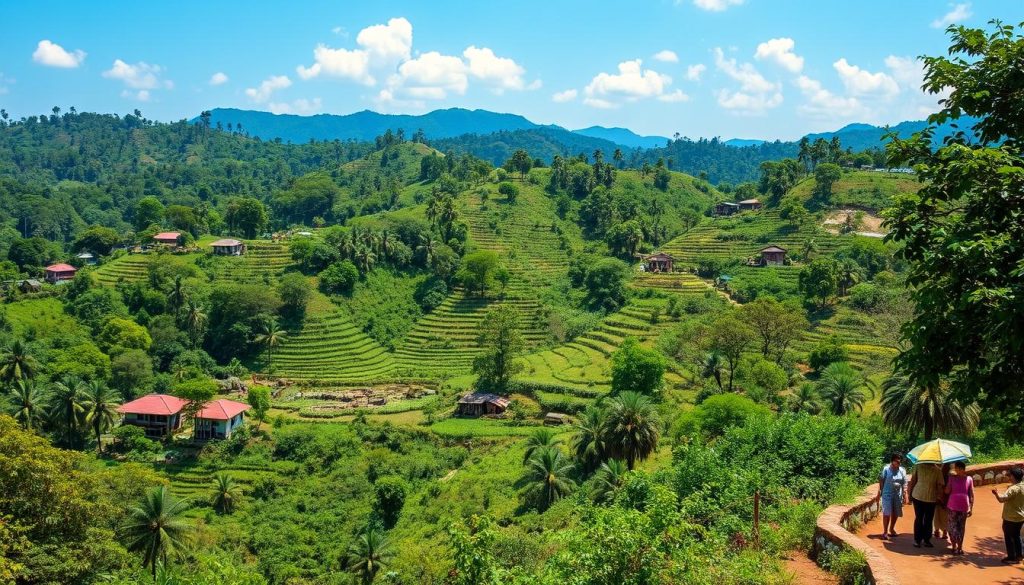
New tech like Geographic Information System (GIS) and Remote Sensing (RS) can help find eco-friendly tourist spots. These tools, combined with decision analysis, can map Chittagong’s ecotourism potential effectively.
With smart planning and teamwork, Chittagong’s ecotourism can thrive. This growth will boost the region’s economy and protect its environment.
Conclusion
Chittagong’s ecotourism initiatives promise sustainable development for the region. They balance environmental conservation, cultural preservation, and economic growth. The area’s diverse natural beauty and rich heritage make it ideal for ecotourism.
Success depends on addressing governance challenges and strengthening community involvement. Regional cooperation is also crucial. Chittagong can become a model for ecotourism initiatives in Bangladesh by leveraging its natural assets.
Integrating traditional knowledge and promoting sustainable practices are key. With strategic planning, Chittagong’s ecotourism can boost the country’s economy. It can also preserve environmental and cultural treasures for future generations.
Chittagong’s ecotourism development needs a holistic approach. This involves protecting natural resources and empowering local communities. Fostering responsible tourism practices is also essential.
By prioritizing these aspects, Chittagong can exemplify positive change through ecotourism. It can create a lasting legacy for Bangladesh’s people and inspire other regions.





