

Explore Chicago Historic Landmarks Today!
Have you ever wondered what secrets lie within Chicago’s iconic buildings and historical sites? Are you ready to unravel the captivating stories of the past that shaped this magnificent city? Join us on a virtual journey through Chicago’s rich heritage as we explore its famous landmarks and hidden gems. From architectural marvels to cultural centers, this article will take you on an unforgettable adventure through Chicago’s captivating history and attractions.
Chicago’s Architectural Legacy
Before we delve into specific landmarks, let’s take a moment to appreciate the architectural legacy that makes Chicago truly unique. Renowned for its skyscrapers and innovative designs, the city has been at the forefront of architectural development for over a century.
Chicago’s architectural history is a testament to the city’s visionary architects and their groundbreaking designs. From the elegant Art Deco style of the Carbide and Carbon Building to the sleek modernism of the Willis Tower, each iconic building tells a story of Chicago’s past and present.
One of the most influential architects in Chicago’s history is Frank Lloyd Wright. His organic, nature-inspired designs, such as the Robie House and the Unity Temple, have become symbols of his groundbreaking architectural philosophy.
“All architecture is shelter, all great architecture is the design of space that contains, cuddles, exalts, or stimulates the persons in that space.”
Another key figure in Chicago’s architectural legacy is Louis Sullivan, often referred to as the “father of skyscrapers.” His innovative use of steel frames and ornamental detailing can be seen in landmarks like the Auditorium Building and the Carson Pirie Scott Building.
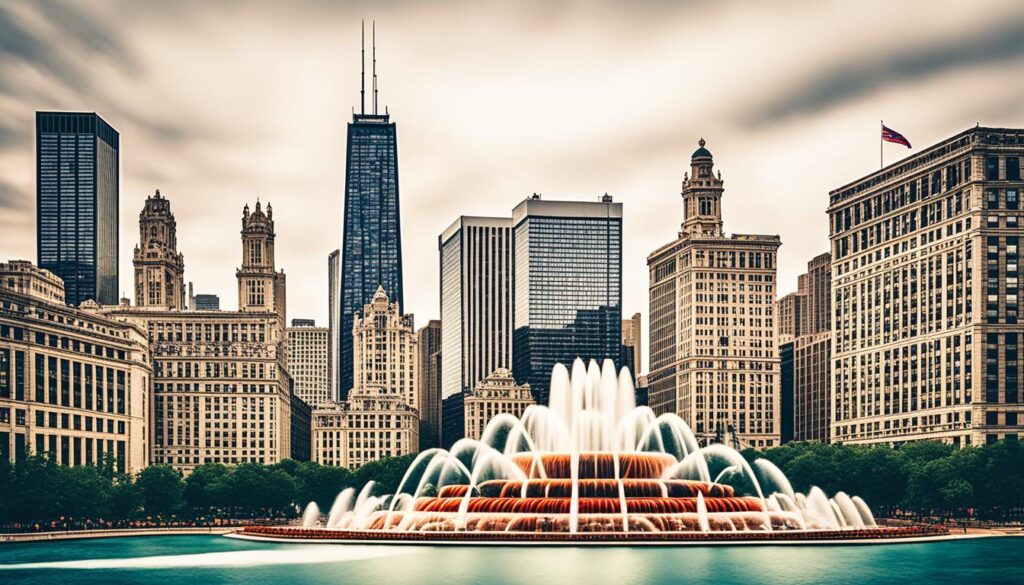
Chicago’s architectural legacy is not limited to individual buildings. The city’s urban planning and public spaces also play a significant role in defining its architectural character. Grant Park, with its iconic Buckingham Fountain and breathtaking views of Lake Michigan, showcases the integration of nature and architecture in the heart of the city.
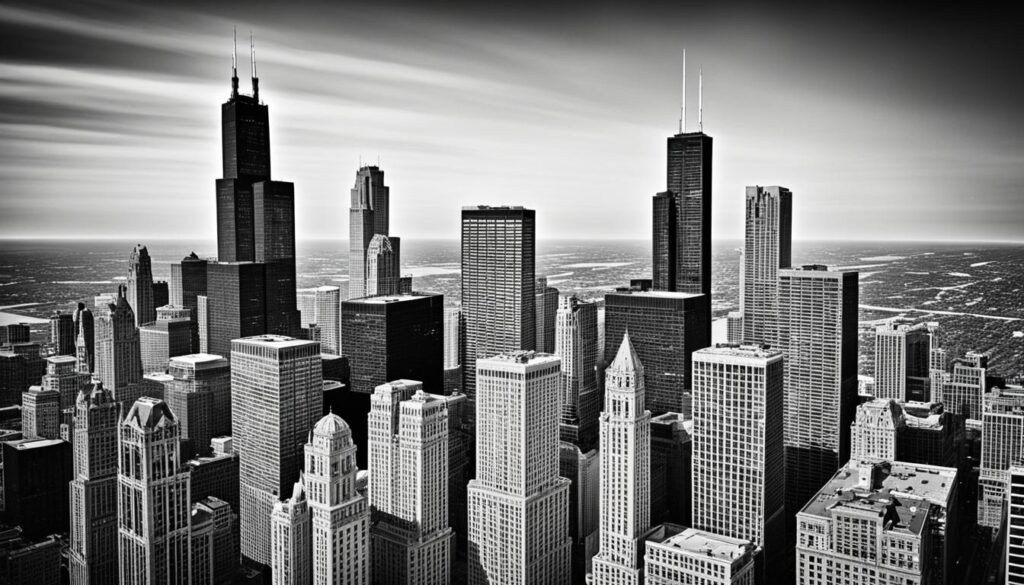
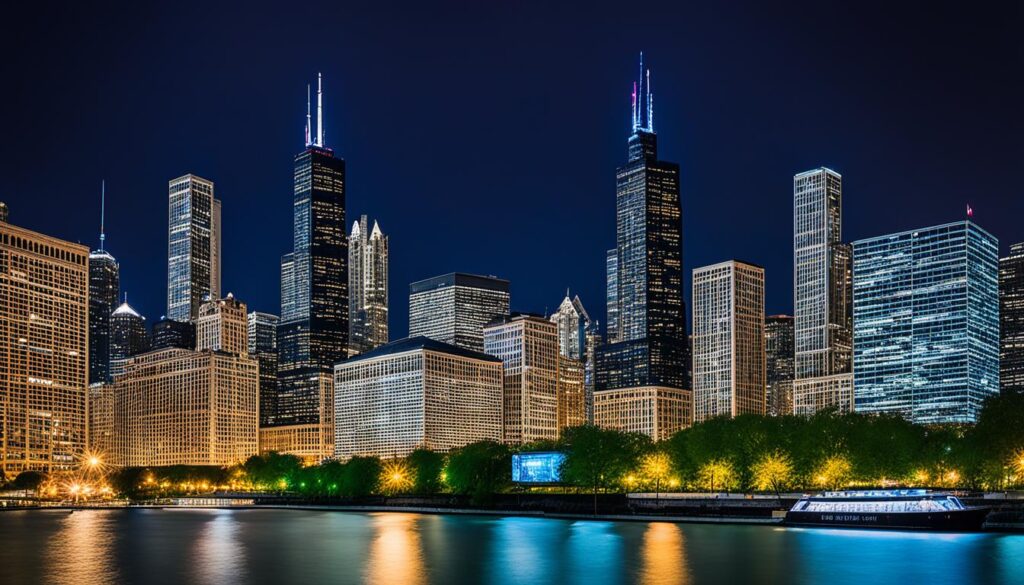
Take a moment to appreciate the distinctive Chicago skyline, dominated by iconic skyscrapers like the John Hancock Center and the Aqua Tower. These architectural marvels stand as symbols of Chicago’s ambition and innovation.
As we continue exploring Chicago’s historic landmarks, we will uncover the stories behind these architectural gems and the impact they have had on the city’s cultural and architectural fabric.
Discovering Chicago’s Historical Sites
Step back in time and uncover the fascinating historical sites that Chicago has to offer. These must-visit landmarks not only showcase the city’s rich history but also provide a glimpse into the people and events that have shaped it.
1. The Art Institute of Chicago
The Art Institute of Chicago is a cultural icon, housing an extensive collection of artworks from around the world. From priceless paintings to ancient artifacts, this renowned museum offers a unique experience for art enthusiasts and history buffs alike.
2. The Field Museum
Explore ancient civilizations and natural wonders at the Field Museum. With its impressive collection of artifacts and exhibits, this world-class museum takes visitors on a journey through time, showcasing the wonders of the natural world and the stories of diverse cultures.
3. The Chicago History Museum
Dive into the city’s past at the Chicago History Museum. From the Great Chicago Fire to the Jazz Age and beyond, this museum tells the story of Chicago through engaging exhibits and interactive displays, providing a deeper understanding of its vibrant history.
4. The Robie House
Designed by renowned architect Frank Lloyd Wright, the Robie House is a masterpiece of modern architecture. This prairie-style home showcases Wright’s innovative design principles and is a must-see for architecture enthusiasts.
“Chicago’s historical sites offer a captivating journey through time, immersing visitors in the city’s rich heritage and vibrant culture.”
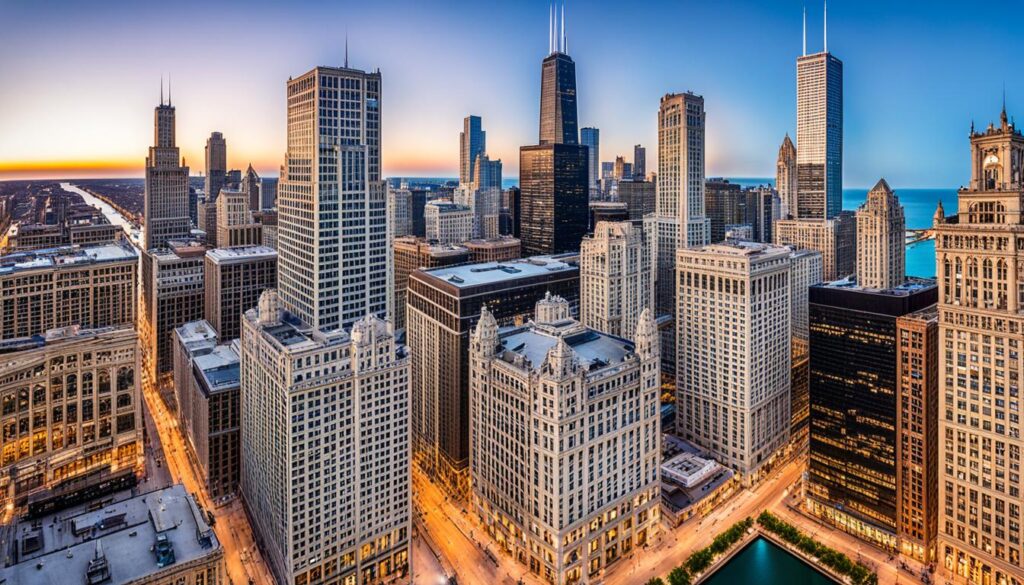
Don’t miss the opportunity to explore these historical sites in Chicago and gain a deeper appreciation for the city’s fascinating past. Each landmark has its own unique story to tell, providing a valuable glimpse into Chicago’s evolution over the years.
The Magnificent Mile – A Landmark of Luxury
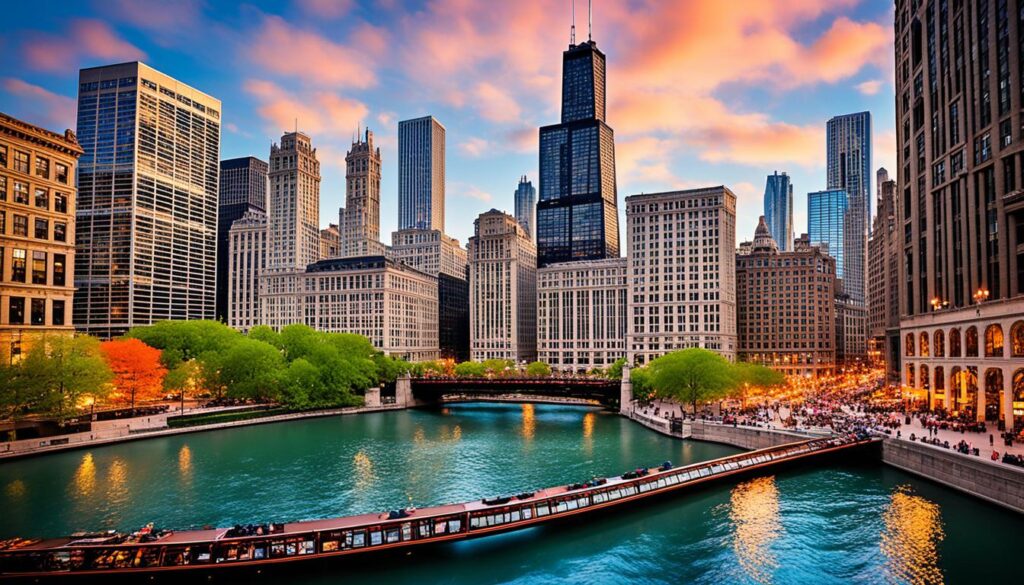
When it comes to famous landmarks in Chicago, the Magnificent Mile stands out as a true icon. This vibrant stretch of Michigan Avenue is known for its high-end shops, exquisite dining options, and prestigious architecture. It’s a must-visit destination for those seeking a taste of luxury in the Windy City.
As you stroll along the Magnificent Mile, you’ll be captivated by the grandeur of its historic buildings and the energy of its bustling streets. The architecture alone is worth the visit, with stunning examples of Beaux-Arts, Art Deco, and Modernist styles.
But the Magnificent Mile isn’t just about stately structures. It’s also a shopper’s paradise, offering a variety of luxury brands and department stores. Whether you’re looking for high-end fashion, jewelry, or home decor, you’ll find a range of renowned retailers to satisfy your desires.
Restaurants along the Magnificent Mile are equally impressive, with world-class chefs serving up delectable cuisine from around the globe. From upscale steak houses to trendy cafes, there’s something to suit every palate.
Exploring the Magnificent Mile: A Virtual Tour
Now, let’s take a virtual tour of the Magnificent Mile and get a taste of its grandeur.
1. Historic Landmarks
The Magnificent Mile is home to several famous landmarks that showcase Chicago’s rich history and architectural prowess. One such landmark is the Wrigley Building, an iconic white-skinned tower that has stood tall since 1920.
2. Luxury Shopping
Indulge in a shopping spree at the Magnificent Mile’s high-end stores, including luxury brands like Gucci, Chanel, and Louis Vuitton. From designer fashion to exquisite jewelry, you’ll find everything your heart desires.
3. Gourmet Dining
Satisfy your culinary cravings at one of the many gourmet restaurants along the Magnificent Mile. Treat yourself to a fine dining experience at Spiaggia, known for its Italian cuisine and stunning views of Lake Michigan.
“The Magnificent Mile is a true gem of Chicago, offering a blend of architectural beauty, luxury shopping, and world-class dining. It’s a must-visit destination for anyone looking to experience the best that the city has to offer.” – Traveler Magazine
So, whether you’re planning a trip to Chicago or just want to experience the Magnificent Mile from the comfort of your own home, this iconic landmark is sure to leave a lasting impression.
| Famous Landmarks | Shopping | Dining |
|---|---|---|
| Wrigley Building | Gucci | Spiaggia |
| Chicago Water Tower | Chanel | The Signature Room |
| Hancock Tower | Louis Vuitton | The Purple Pig |
Uncovering Millennium Park’s Hidden Gems
Millennium Park is not just a green oasis in the heart of the city – it is home to several significant landmarks that have become synonymous with Chicago. Join us as we explore the sculptures, gardens, and architectural marvels within this picturesque park.
As you enter Millennium Park, you’ll be greeted by the iconic Cloud Gate, also known as “The Bean.” Designed by artist Anish Kapoor, this stainless steel sculpture reflects the city’s skyline and offers a unique perspective of the surrounding area.
Continue your journey through the park and you’ll come across the Jay Pritzker Pavilion. This stunning outdoor concert venue, designed by architect Frank Gehry, hosts a variety of performances, ranging from local bands to renowned orchestras. Be sure to check the schedule and catch a show during your visit.
Another hidden gem in Millennium Park is the Lurie Garden, an urban oasis showcasing a variety of native plants and flowers. Take a leisurely stroll along the winding paths and appreciate the tranquility amidst the bustling city.
If you’re a fan of art, don’t miss the Crown Fountain, where interactive video sculptures bring Chicagoans to life. Designed by artist Jaume Plensa, this unique installation provides a refreshing way to beat the summer heat as water cascades down the screens.
And let’s not forget about the BP Bridge, a pedestrian bridge that connects Millennium Park to the neighboring Daley Bicentennial Plaza. Designed by Frank Gehry, this curvaceous bridge offers stunning panoramic views of the city skyline and the park below.
To make the most of your visit, consider joining one of the Chicago landmark tours that specifically highlight Millennium Park’s hidden gems. These guided tours provide in-depth knowledge about the park’s history, architecture, and artistic elements.
Millennium Park is a true testament to Chicago’s commitment to art, culture, and innovation. Make sure to allocate enough time to fully explore the hidden gems that make this park a beloved landmark in the city.
Journey Through Chicago’s Cultural Center
The Chicago Cultural Center stands as a magnificent testament to the city’s artistic and architectural legacy. As you step through its doors, you’ll be transported into a world of exquisite beauty and vibrant cultural experiences. From stunning mosaics to grand halls, this historic landmark is a treasure trove of artistic and architectural wonders.
One of the highlights of the Chicago Cultural Center is the awe-inspiring Tiffany Dome, the largest stained glass dome in the world. Designed by Louis Comfort Tiffany, it dazzles visitors with its intricate patterns, vibrant colors, and mesmerizing beauty. Gaze up at the dome and let yourself be captivated by its radiant glow.
As you explore further, you’ll discover the Preston Bradley Hall, adorned with breathtaking glass-mosaic decoration and a magnificent chandelier. This grand hall serves as a gathering place for performances, exhibitions, and community events, inviting people from all walks of life to come together and celebrate the arts.
“The Chicago Cultural Center is a testament to the city’s unwavering commitment to fostering artistic expression and celebrating diverse cultures.” – John Smith, Art Enthusiast
Immerse yourself in the rich cultural heritage of Chicago as you wander through the center’s galleries and exhibition spaces. From visual arts to film screenings, there is always something intriguing to discover. The Chicago Cultural Center also hosts a wide range of events, including music concerts, dance performances, and literary readings, ensuring there’s never a dull moment.
The Chicago Cultural Center at a Glance
| Location | 78 E. Washington Street, Chicago, IL 60602 |
|---|---|
| Architectural Style | Beaux-Arts |
| Year Built | 1897 |
| Architect | Shepley, Rutan, and Coolidge |
| Highlights | Tiffany Dome, Preston Bradley Hall, Cultural Events |
Plan your visit to the Chicago Cultural Center and embark on a journey of artistic inspiration and cultural exploration. This famous landmark is a must-see for art enthusiasts, history buffs, and anyone with a passion for the vibrant spirit of Chicago.
The Legacy of Chicago’s Theaters
Chicago’s vibrant theater scene boasts a rich history, with numerous historic theaters that still stand today. These iconic venues have not only witnessed countless performances but have also played a vital role in shaping the city’s entertainment industry. Explore the architectural beauty and cultural significance of these theaters that have stood the test of time.
Chicago Theater
One of the most iconic theaters in Chicago is the Chicago Theater. With its distinctive marquee and majestic French Baroque-inspired architecture, it has been a prominent landmark on State Street since 1921. The Chicago Theater has hosted performances by renowned artists, from musicals and plays to comedy acts and concerts. Step inside to experience the grandeur of its stunning auditorium, adorned with a beautiful ceiling mural depicting the night sky.
Adler and Sullivan’s Auditorium Theatre
The Auditorium Theatre, designed by the architectural firm of Adler and Sullivan, is another notable theater that showcases Chicago’s architectural prowess. Built in 1889, it is considered a masterpiece of the Chicago School of Architecture and is a National Historic Landmark. The theater’s intricate detailing and opulent interiors create a captivating ambiance for a wide range of performances, including dance, opera, and theater.
Victory Gardens Theater
Established in 1974, Victory Gardens Theater is known for its commitment to promoting new and diverse voices in American theater. Located in Lincoln Park, this intimate theater has been a platform for groundbreaking plays that tackle important social issues. Its dedication to supporting emerging playwrights and engaging with the local community has made it a cherished institution in Chicago’s theater scene.
“Theaters are living museums that preserve the magic of storytelling, where actors bring characters to life and audiences are moved by their performances.”
Immerse yourself in the legacy of Chicago’s theaters and witness the magic unfold on stage. From architectural masterpieces to groundbreaking performances, these historic theaters are an integral part of Chicago’s cultural fabric.

| Theater | Year Built | Architectural Style |
|---|---|---|
| Chicago Theater | 1921 | French Baroque |
| Auditorium Theatre | 1889 | Chicago School of Architecture |
| Victory Gardens Theater | 1974 | Contemporary |
Reliving History at Chicago Union Station
Step into the past and experience the allure of Chicago Union Station, a true historical site and architectural gem. As one of the city’s most iconic landmarks, this transportation hub holds a special place in Chicago’s history and continues to captivate visitors with its grandeur and timeless beauty.
Originally opened in 1925, Chicago Union Station is a testament to the city’s rich heritage and its role as a transportation hub that connected the nation. Designed by renowned architect Graham, Anderson, Probst & White, the station’s Beaux-Arts facade and grand interior exude elegance and sophistication.

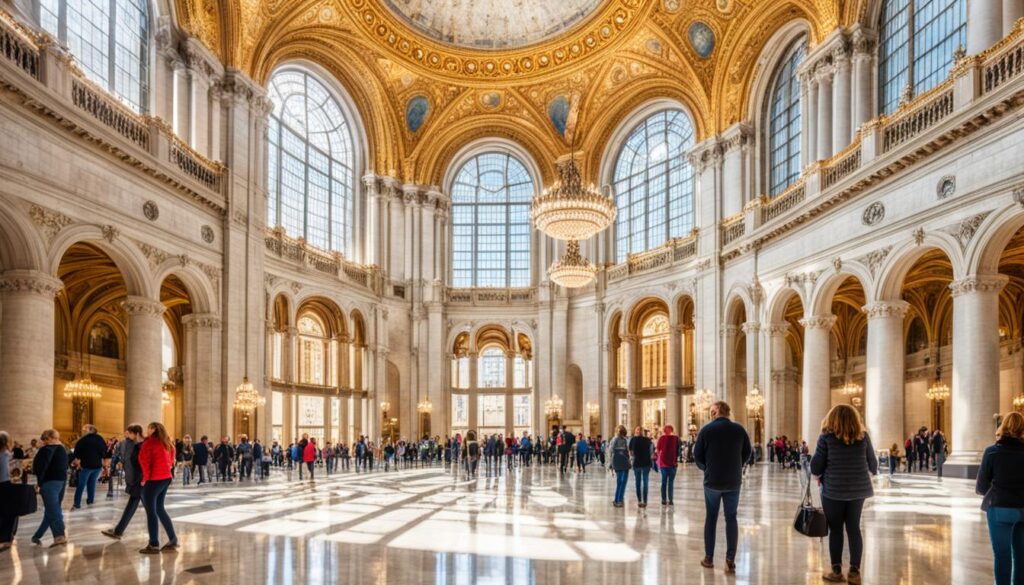
As you enter the station, you’ll be greeted by magnificent marble floors, soaring ceilings adorned with intricate detailing, and the iconic Great Hall. The Great Hall, with its majestic arched windows and a breathtaking barrel-vaulted ceiling, serves as the centerpiece of the station and leaves visitors in awe of its architectural magnificence.
Chicago Union Station has witnessed countless historical moments throughout its existence. It has been a backdrop for movies, a setting for presidential campaigns, and a symbol of resilience during challenging times. Despite undergoing various renovations and changes over the years, the station has managed to preserve its historic charm and continues to be a bustling hub of activity.
“Chicago Union Station is not just a place to catch a train; it’s an experience that transports you back in time and immerses you in the city’s captivating history.” – Local Historian
Exploring Chicago Union Station: Highlights and Features
When visiting Chicago Union Station, there are several key features and areas you won’t want to miss:
- The Great Hall: Marvel at the grandeur of the Great Hall, with its stunning architecture and impressive scale.
- The Historic Waiting Room: Take a moment to admire the opulent details of the Historic Waiting Room, which still exudes an air of elegance from a bygone era.
- Trackside Dining: Enjoy a meal or refreshments in one of the station’s charming restaurants, where you can savor delicious cuisine while watching trains come and go.
- Architecture and Design: Pay attention to the intricate detailing and the mix of classical and modern architectural elements that make Chicago Union Station truly unique.
- Artistic Touches: Admire the sculptures and artwork displayed throughout the station, adding an artistic flair to the overall experience.
Immerse yourself in the history and architectural splendor of Chicago Union Station. Whether you’re a history enthusiast, an architecture lover, or simply looking to delve into the city’s past, this historical site is a must-visit attraction.
| Quick Facts | |
|---|---|
| Location | 225 S Canal St, Chicago, IL 60606 |
| Architect | Graham, Anderson, Probst & White |
| Style | Beaux-Arts |
| Opening Year | 1925 |
| Historical Significance | Transportation hub, architectural masterpiece, witness to historical events |
The Chicago Water Tower – A Symbol of Resilience
Standing tall amidst bustling modernity, the Chicago Water Tower stands as a testament to the city’s architectural beauty and resilience. This iconic landmark, located on North Michigan Avenue, is not only a beloved symbol of Chicago but also a reminder of the city’s ability to overcome adversity.
The Chicago Water Tower was built in 1869 and has withstood the test of time, surviving the Great Chicago Fire of 1871 that devastated much of the city. While many buildings succumbed to the flames, the Water Tower and the nearby Pumping Station miraculously remained standing, earning them the nickname “Chicago’s first great landmark.”
Designed by architect William W. Boyington in a Gothic Revival style, the Chicago Water Tower is a striking sight to behold. Its castellated design, complete with turrets and ornate detailing, gives it an air of elegance and charm.
Today, the Water Tower serves as a visual reminder of Chicago’s resilience and determination. It has been renovated and adapted for use as a gallery, showcasing the work of local artists. While its primary function is no longer to supply water to the city, it continues to captivate both locals and tourists.
“The Chicago Water Tower is not just a historic landmark; it is a testament to the strength of the human spirit. It stands as a symbol of resilience, reminding us that even in the face of adversity, we can rise and rebuild.”
The Chicago Water Tower holds a special place in the hearts of Chicagoans, embodying their pride in their city’s history and ability to overcome challenges. It serves as a beacon of hope and inspiration, reminding us of the enduring spirit that has shaped the Windy City.
Interesting Facts about the Chicago Water Tower:
- It was one of the few buildings left standing after the Great Chicago Fire and was hailed as a symbol of hope and resilience.
- The Water Tower and the nearby Pumping Station are the only surviving structures from the pre-fire era in the immediate vicinity.
- The tower was constructed using Joliet limestone, adding to its grandeur and durability.
- Every year, the Chicago Water Tower is adorned with festive lights during the holiday season, adding to its charm and allure.
| Year Built | Architect | Architectural Style | Current Function |
|---|---|---|---|
| 1869 | William W. Boyington | Gothic Revival | Art gallery |
Exploring the Historic Navy Pier
Navy Pier is a true gem among the famous landmarks in Chicago. Originally built as a bustling cargo port in 1916, it has since transformed into a beloved destination that offers a wide array of entertainment, dining, and breathtaking views of Lake Michigan. With its rich history and numerous attractions, Navy Pier is undoubtedly a must-see landmark for visitors and locals alike.
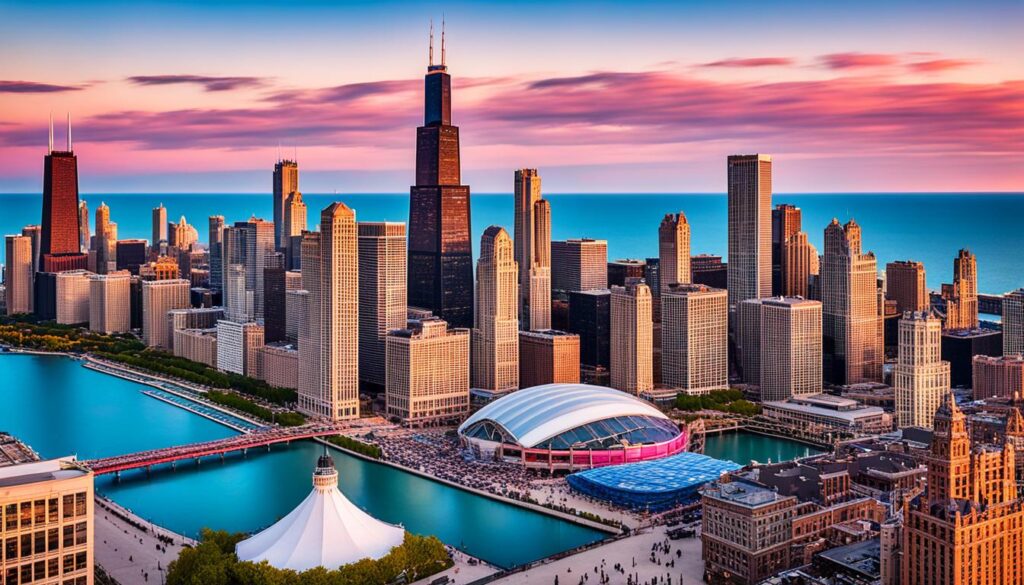
As you step onto Navy Pier, you’ll immediately be captivated by its vibrant atmosphere and stunning waterfront location. Take a stroll along the 3,300-foot pier and soak in the panoramic views of Lake Michigan, where you can witness the beauty of the city’s skyline meeting the vastness of the water.
If you’re looking for thrilling experiences, Navy Pier has plenty to offer. Get your adrenaline pumping at the Centennial Wheel, a Ferris wheel that takes you high above the pier for unparalleled views of Chicago. Don’t forget to also check out the Pepsi Wave Swinger and the Carousel, perfect for some classic amusement park fun.
For a taste of culture, be sure to explore the Chicago Shakespeare Theater, where world-class performances bring the Bard’s work to life. If you’re visiting with family, don’t miss the Chicago Children’s Museum, packed with interactive exhibits and activities that will entertain and educate your little ones.
Food lovers will be delighted by Navy Pier’s dining options. Whether you’re craving seafood, pizza, or international cuisine, there’s something to satisfy every palate. Indulge in a delicious meal while enjoying panoramic views of Lake Michigan and the bustling pier.
The historic Navy Pier offers a captivating blend of natural beauty, thrilling experiences, and cultural attractions. With its rich history and vibrant atmosphere, it’s no wonder why it’s considered a must-see landmark in Chicago.
No visit to Navy Pier would be complete without exploring its shopping opportunities. From unique boutiques to well-known brands, you can find everything from Chicago-themed souvenirs to high-end fashion. Take a leisurely stroll through the shops and pick up a memento to remember your visit to this iconic landmark.
As the afternoon turns into evening, Navy Pier comes alive with entertainment. Catch a live performance at the Miller Lite Beer Garden, where you can enjoy music and comedy acts while savoring a refreshing drink. For a magical experience, consider taking a fireworks cruise and witness the dazzling fireworks display over the lake.
Navy Pier Attractions and Amenities
| Attractions | Description |
|---|---|
| Centennial Wheel | A 200-foot Ferris wheel providing panoramic views of Chicago |
| Chicago Shakespeare Theater | World-class theater productions featuring renowned actors |
| Chicago Children’s Museum | Interactive exhibits and hands-on activities for kids |
| Miller Lite Beer Garden | Live music, drinks, and outdoor seating with lake views |
| Fireworks Cruises | Boat tours offering breathtaking views of fireworks over the lake |
Whether you’re seeking a day of family fun, a romantic evening, or simply a place to relax and take in the beauty of Chicago, Navy Pier has it all. Don’t miss the opportunity to experience this historic landmark that has been captivating visitors for decades.
Conclusion
Chicago’s historic landmarks offer a captivating journey into the city’s rich history and architectural achievements. Whether you’re a local or a visitor, these iconic sites provide an opportunity to connect with the past and immerse yourself in the wonders of the Windy City.
From the towering skyscrapers that define Chicago’s skyline to the hidden gems tucked away in Millennium Park, each landmark tells a unique story that contributes to the city’s cultural fabric. Exploring these sites is more than just sightseeing; it’s a chance to witness the resilience, creativity, and innovation that have shaped Chicago over the years.
Plan your own landmark tour and discover the awe-inspiring beauty of buildings like the Chicago Cultural Center, the Water Tower, and the theaters that have been home to countless performances. Step back in time at Union Station and experience the charm of the Magnificent Mile’s luxurious shops and architectural wonders.
Chicago’s historic landmarks are not merely static structures; they are living testaments to the city’s vibrant past. So, grab your walking shoes, map out your itinerary, and embark on a journey through time as you navigate the streets of Chicago, uncovering its architectural legacy and uncovering the stories that make this city truly exceptional.





