

Explore Castries’ Historical Landmarks
Planning a trip to Castries, the capital of Saint Lucia? You might wonder about the historical landmarks to see. Prices for tours range from $11 to $297 USD. This lets you enjoy Castries’ rich history and beautiful landscapes.
The average cost for historical tours is about $96 USD. This makes Castries a great and affordable spot for history lovers and travelers. Castries’ landmarks offer a mix of culture and history, making it a memorable tropical getaway.
Castries has key historical sites like the Derek Walcott Square and the Cathedral of the Immaculate Conception. These sites show the city’s most important historical spots and its cultural heritage. You can also visit places like the Castries Central Market to see local culture and commerce.
So, what are the top historical landmarks in Castries that will make your Saint Lucia trip unforgettable?
Introduction to Castries’ Rich Historical Heritage
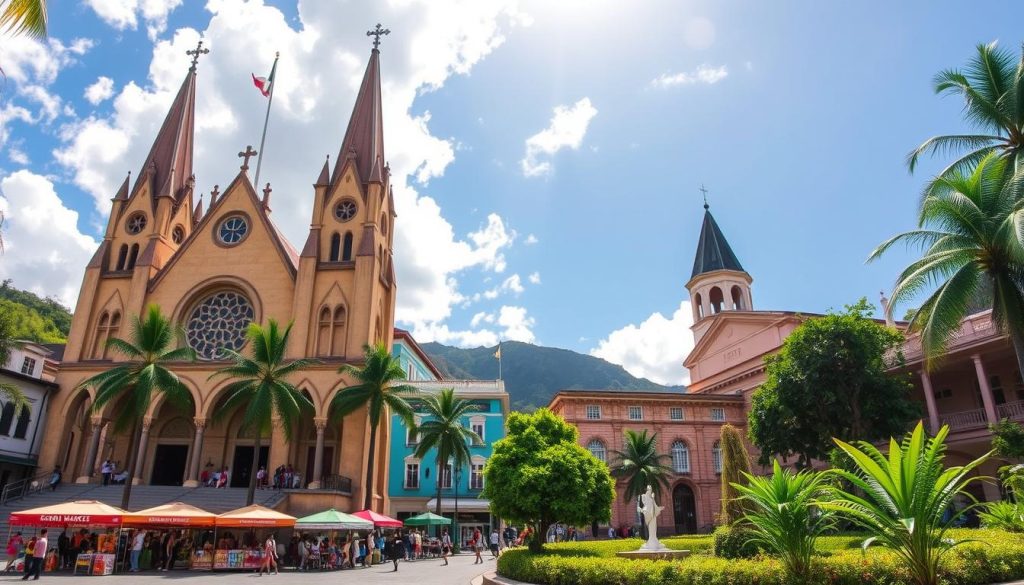
Exploring Castries reveals a rich history, showing its colonial roots and importance in the Caribbean. The city boasts attractions like the Cathedral of the Immaculate Conception. This cathedral gives a peek into the island’s history and faith. The best time for historical tours is from December to April, the dry season.
The city’s landmarks list is long, with sites like Fort Charlotte and the Derek Walcott Square. These landmarks offer a deep look into the city’s past and its role in the region. Booking tours early helps secure spots and might get you discounts.
The Colonial Origins of Castries
The city’s architecture shows French and British styles, reflecting its colonial past. The Castries Central Market is a key cultural and commercial spot. It features vendors selling local goods and crafts.
Historical Significance in the Caribbean
Castries has been a major trading and cultural center in the Caribbean. Its landmarks and monuments draw visitors worldwide, highlighting its historical importance.
Overview of Major Historical Periods
Castries has changed a lot, from colonial times to today. Knowing its history helps us appreciate its culture and buildings.
- Colonial era: The city was founded by the French in 1659 and later became a British colony in 1814.
- Slavery and emancipation: The city was key in the transatlantic slave trade, with many slaves brought to work on plantations.
- Independence: Saint Lucia, where Castries is, gained independence from Britain in 1979.
Exploring Castries’ history lets you understand its role in the Caribbean. With its many attractions and landmarks, the city is a rich cultural and historical treasure.
Getting to Know Castries’ Historical District
Exploring Castries history reveals a city that mixes old charm with modern life. It’s on Saint Lucia’s northwest coast. Castries is full of history and culture, making it perfect for those who love history.
The city’s historical district is a must-see. It has old buildings, museums, and cultural spots. Walking through, you’ll see beautiful architecture. The Central Library is a key cultural spot, celebrating local literature.
Castries is also home to landmarks like Derek Walcott Square. It honors Saint Lucia’s Nobel laureate.
Some top historic spots in Castries are:
- Derek Walcott Square
- Central Library
- Castries Market and Vendor’s Arcade
- Fort Charlotte
These places show Castries’ rich history and culture. They’re a must-see for anyone interested in the city’s past.

Castries offers history, culture, and beauty for all. Whether you’re into history or just want to enjoy the city’s vibe, you’ll have a great time here.
| Landmark | Description |
|---|---|
| Derek Walcott Square | A tribute to Saint Lucia’s Nobel laureate |
| Central Library | A significant cultural institution emphasizing the literary heritage of the region |
| Castries Market and Vendor’s Arcade | A bustling hub of local life and commerce |
| Fort Charlotte | A historic fort with stunning views of the city |
Derek Walcott Square: The Heart of Castries Historical Landmarks
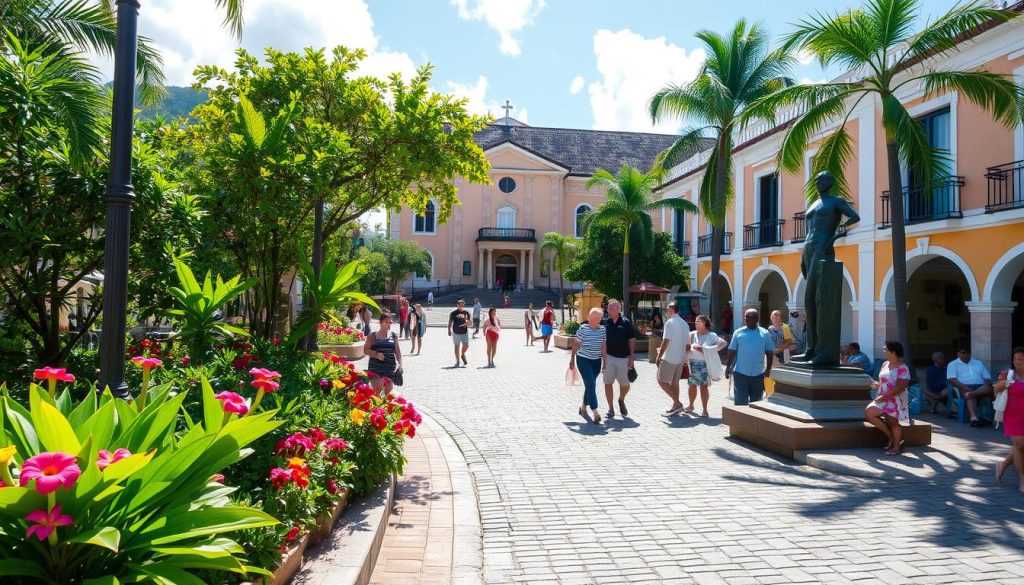
Exploring Castries, you’ll find yourself in a rich historical area. Derek Walcott Square, named after the Nobel Prize-winning poet, is perfect for relaxing and watching people. It’s surrounded by monuments and statues, showing the city’s cultural heritage.
At Derek Walcott Square, you’ll see the city’s notable landmarks. The Cathedral Basilica of the Immaculate Conception, the largest church in the Caribbean, is one. The Central Library Building, in use since 1924, is another landmark. Walking around, you’ll see monuments and statues with their own stories.
The Cathedral Basilica of the Immaculate Conception
This cathedral is a must-see at Derek Walcott Square. Its architecture and stained-glass windows show the city’s heritage. It’s a peaceful place to take in the cathedral’s beauty.
Notable Monuments and Statues
The square has many monuments and statues, celebrating the city’s history and culture. You can take a self-guided tour to learn about each one. This will help you understand Castries’ historical sites better.
- Parking fees near Derek Walcott Square typically range from $2 to $4 USD per hour.
- The fare for public transportation from Choiseul to Castries is usually around $2 USD.
- Walking distance from the main bus terminal to Derek Walcott Square is approximately 5-10 minutes.
| Location | Distance from Derek Walcott Square | Transportation Options |
|---|---|---|
| Choiseul | 30 minutes by car | Bus, taxi, or drive |
| Main bus terminal | 5-10 minutes walking | Walking or taxi |
The Victorian Architecture of Castries
Exploring Castries, you’ll see the city’s historic sites, like the Cathedral of the Immaculate Conception. It shows Victorian architecture mixed with local styles. This mix comes from the city’s long history, having been ruled by the French and British 14 times.
The Castries landmarks, including the Cathedral, show a mix of wood and stone. This reflects the city’s ability to recover from fires between 1796 and 1948. The historic sites in Castries, St. Lucia, show the city’s strength and its dedication to preserving its heritage.
Some key features of Victorian architecture in Castries include:
- Ornate details and intricate designs
- Use of local materials, such as wood and stone
- Blend of European and Caribbean styles
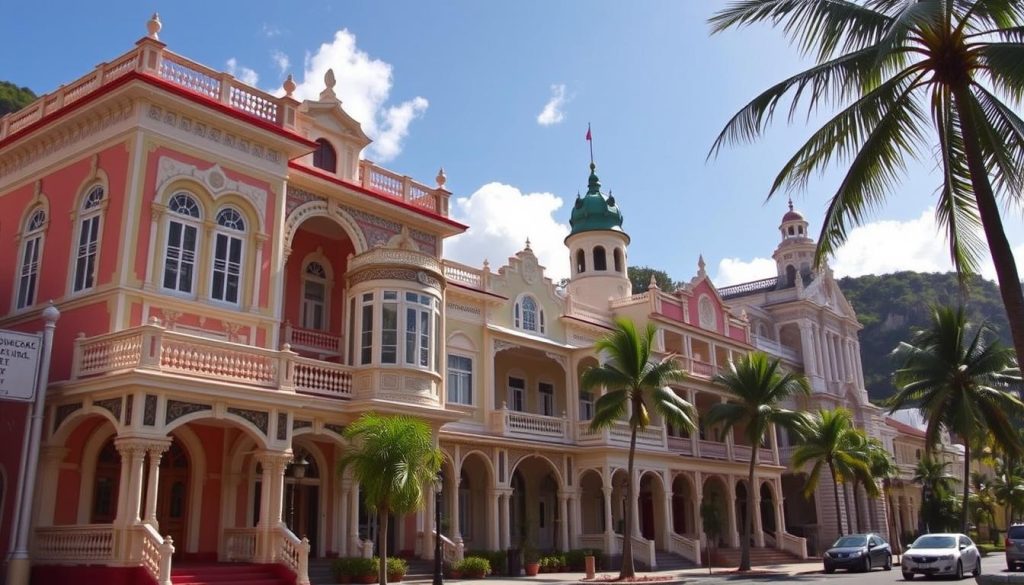
Walking through the city, you’ll find historic sites in Castries, St. Lucia. Each has its own story and importance. The Castries historical landmarks are a must-see for history, architecture, and culture lovers.
Fort Charlotte: A Military Heritage Site
Fort Charlotte is a key spot in Castries, known for its military history. This 18th-century British fort highlights the area’s military importance. It’s located at 5Q55+65C, about 10-15 minutes from Young Island by car.
Visitors to Fort Charlotte can enjoy beautiful views of the city and the Caribbean Sea. The site offers a peek into the region’s history with military artifacts and exhibits. It’s a top spot for history buffs and anyone interested in military heritage.
Some key facts about Fort Charlotte include:
- No entry fee, but potential costs for special events
- Optimal lighting for photography during early morning or late afternoon
- Approximately 2 km walking distance from the bus drop-off point
- Estimated taxi fare for a one-way trip is around 20-30 EC dollars
Here are some tips for visiting Fort Charlotte:
For the best experience, visit during the early morning or late afternoon when the lighting is optimal for photography. Be sure to check for any special events or exhibitions that may be taking place during your visit.
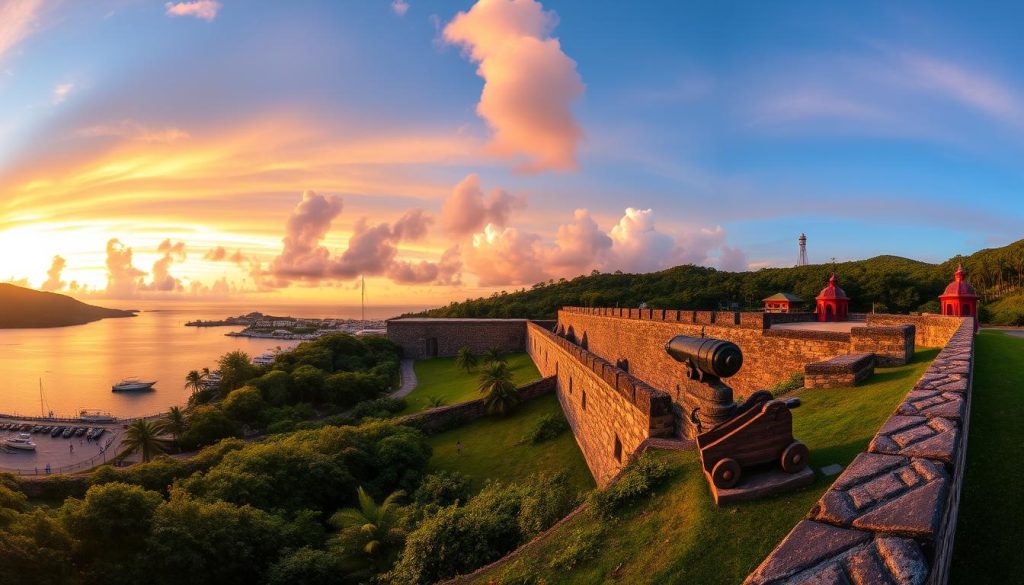
Fort Charlotte is a must-see in Castries, with its rich history and amazing views. It’s a key part of the Castries landmarks list. It offers a unique look into the region’s military past and strategic importance.
| Location | Distance from Young Island | Entry Fee |
|---|---|---|
| Fort Charlotte | 10-15 minutes by car | No entry fee |
Government House and Colonial Administration Buildings
Exploring Castries history takes you to the Government House and Colonial Administration Buildings. These sites are key to understanding the city’s rich past. The Government House stands out, showing off the island’s history and design.
Visiting these buildings lets you dive into the island’s colonial past. The Colonial Administration Buildings show the city’s history through their architecture. Exploring these places helps you understand Castries’ role in the region.
The waterfront area has beautiful promenades and places to eat. It’s great for trying local food and enjoying the city’s vibe. Walking here, you’ll see historic buildings and landmarks that make Castries special.

Some key features of the Government House and Colonial Administration Buildings include:
- Historical architecture and design
- Significance in Castries’ history and cultural heritage
- Opportunities for learning and exploration
| Historic Site | Year Built | Significance |
|---|---|---|
| Government House | 19th century | Colonial administration and governance |
| Colonial Administration Buildings | 18th century | Historical architecture and cultural heritage |
La Toc Battery: Coastal Defense Heritage
La Toc Battery is a key coastal defense site in Castries. It offers breathtaking views of the city and the Caribbean Sea. It’s a top spot for those interested in Castries’ historical sites.
La Toc Battery is about 6.5 kilometers from the Micoud bus stop. You can get there by bus, taxi, or bike. A minibus ride from Castries’ central bus station takes 15-20 minutes. Taxis cost between 25-35 Eastern Caribbean dollars.
Some attractions near La Toc Battery include:
- La Toc Beach
- St Mark’s Colonial House
- Coubaril Church St. Lucia
- Castries City View Point
Visitors can enjoy outdoor activities like beach visits and local exploration. The area is filled with history and culture. The Vigie Lighthouse and Provost Park are nearby. La Toc Battery is a must-see for anyone interested in Castries’ heritage.
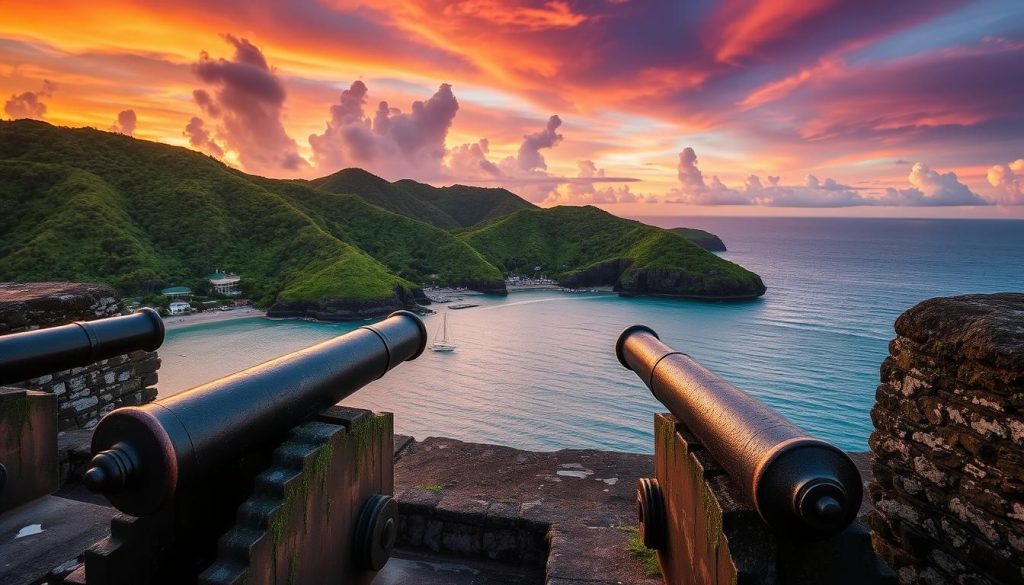
It’s best to visit early in the morning or at sunset to avoid crowds. La Toc Battery offers stunning views, a rich history, and nearby attractions. It’s perfect for exploring Castries’ heritage sites.
| Attraction | Distance from La Toc Battery | Description |
|---|---|---|
| La Toc Beach | 1 km | Stunning beach with crystal-clear waters |
| St Mark’s Colonial House | 2 km | Historic colonial house with cultural significance |
| Coubaril Church | 3 km | Beautiful church with stunning views |
Traditional Markets and Commercial Heritage Sites
Exploring Castries reveals its rich history and culture, seen in its traditional markets and commercial sites. The Castries Central Market is a key landmark, showing the city’s past. It blends colonial and indigenous influences beautifully.
The Castries Central Market buzzes with life, offering fresh produce and local crafts. You can find exotic spices and handmade jewelry here. It’s a historic site in Castries, St. Lucia, where you can see the city’s commercial heritage. It’s perfect for finding unique souvenirs and diving into local culture.
Here are some tips for visiting the market:
- Arrive early in the morning for the freshest produce and to avoid crowds
- Bring cash, as many vendors do not accept credit cards
- Be prepared to haggle for prices, as it’s a common practice among vendors
Nearby attractions like Bideau Park and Promenade Castries add to the market’s charm. They make it a great spot to explore and learn about Castries’ history and culture.
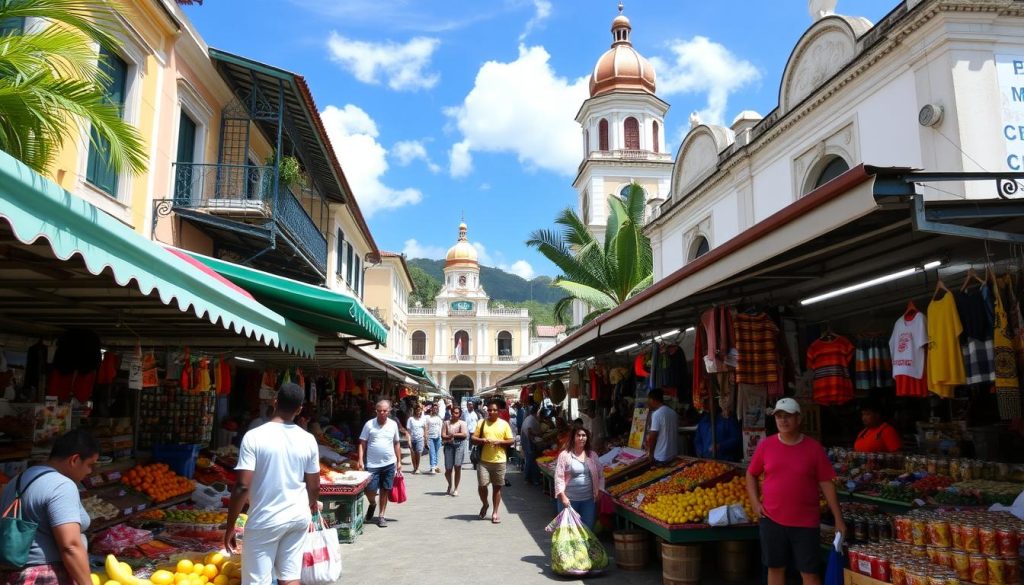
Visiting the Castries Central Market and other traditional markets deepens your understanding of Castries. You’ll see its historical landmarks and commercial heritage. Castries is a city with a rich history, blending colonial and indigenous influences, featuring many historic sites in Castries, St. Lucia.
| Market | Location | Hours of Operation |
|---|---|---|
| Castries Central Market | Downtown Castries | Monday – Saturday, 8am – 5pm |
Planning Your Visit to Historical Sites
Getting ready to explore Castries’ history is exciting. It’s key to plan your visit to historical sites. Castries historical tours take you back in time, showing the city’s history and heritage. The best time to visit is during the dry season, from December to April.
Guided tours offer a deep dive into the city’s landmarks. You can pick from walking, bus, or boat tours. These tours enhance your understanding of Castries’ history and culture, making your visit more fun.
Best Times to Visit
The dry season, from December to April, is the best time to visit Castries. The weather is nice, perfect for outdoor activities and seeing historical sites.
Guided Tour Options
Castries City Walking Tours are a great way to explore history. Knowledgeable guides share interesting stories about the city’s landmarks.
Photography Tips and Restrictions
Be respectful when taking photos at historical sites. Some places might not allow photos, so check first. Also, think about the lighting and timing for the best photos of landmarks.
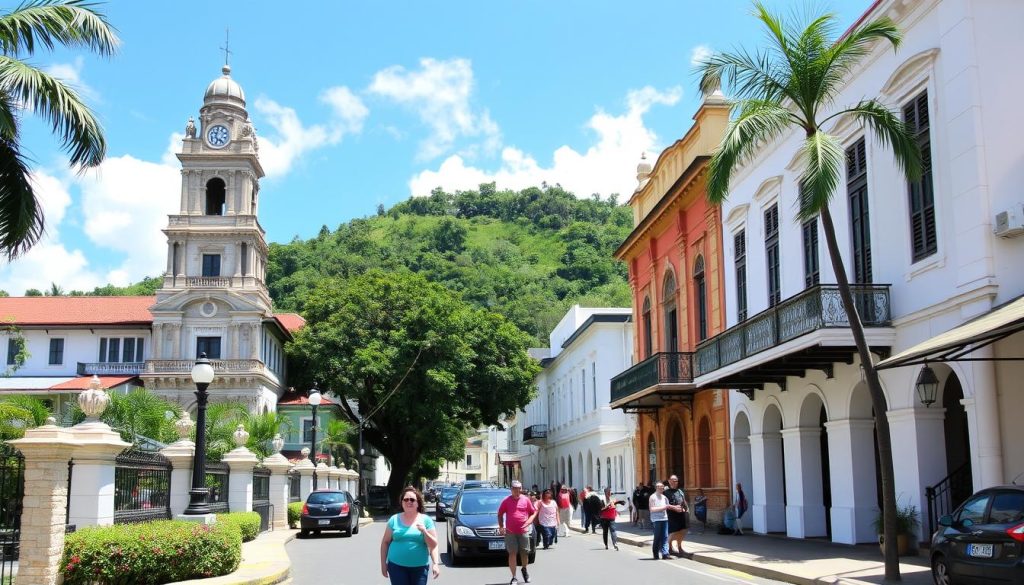
Planning your visit and using guided tours will make your experience unforgettable. You’ll dive deep into Castries’ history and culture, making your trip more memorable and fun.
Conclusion: Preserving Castries’ Historical Legacy
Castries is a city filled with history, showing off landmarks that tell its story. Places like the Derek Walcott Square and Fort Charlotte show the island’s past. These sites remind us of the island’s history and the cultures that shaped it.
The city works hard to keep these sites safe and open to visitors. This shows Castries’ love for its history. It offers a mix of old-world charm and Caribbean life, making it a special place to visit.
When you visit Castries, make sure to see these historical spots. Walking through markets, looking at buildings, or learning about landmarks will deepen your respect for the city’s history. You’ll leave with a new appreciation for Castries’ rich past.





