Explore Bhutan’s Unique Wildlife at Motithang Takin Preserve
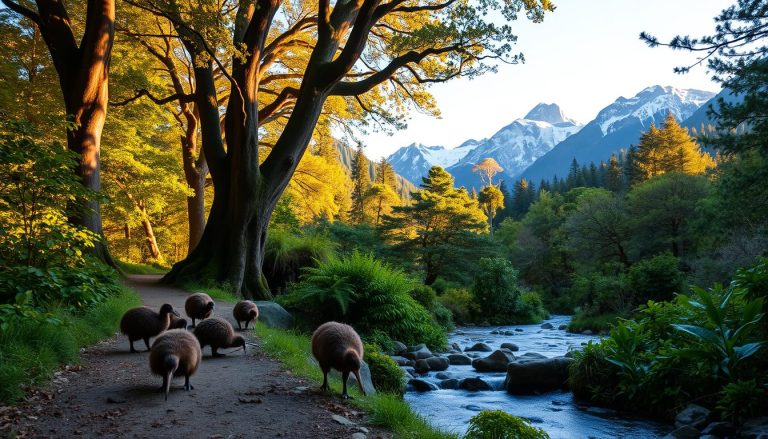
Have you ever wondered what it feels like to stand face-to-face with a creature that is both majestic and uniquely Bhutanese? Welcome to the Motithang Takin Preserve, a remarkable sanctuary tucked away in the heart of Thimphu, where the Bhutan Takin roams freely. Covering an area of 3.4 hectares, this preserve is not only home to the national animal of Bhutan but also a vital site for wildlife conservation efforts. With its rich biodiversity and stunning landscapes, the Motithang Takin Preserve offers an unforgettable glimpse into Bhutan’s natural heritage.
Introduction to the Motithang Takin Preserve
The Motithang Takin Preserve is a key part of Bhutan’s wildlife protection efforts. It’s located in the Motithang district of Thimphu. This park is dedicated to the Takin, Bhutan’s national animal, and other native species. It spans 8.4 acres, with forests and meadows that are perfect for these animals.
Once a mini-zoo, it was revamped to give animals a better life. Now, visitors can see takins and other wildlife in a natural setting. The preserve teaches people about conservation and Bhutan’s biodiversity.
Guests can go birdwatching or hiking here. But, they must keep their distance to respect the animals’ natural behavior. The preserve is open from dawn to dusk and is close to the city center. It offers a unique and educational experience for everyone.
Location and Accessibility of Motithang Takin Preserve
The Motithang Takin Preserve is in the heart of Motithang district. It’s just a 15-minute drive from Thimphu, Bhutan’s capital. This spot is easy to get to for both tourists and locals.
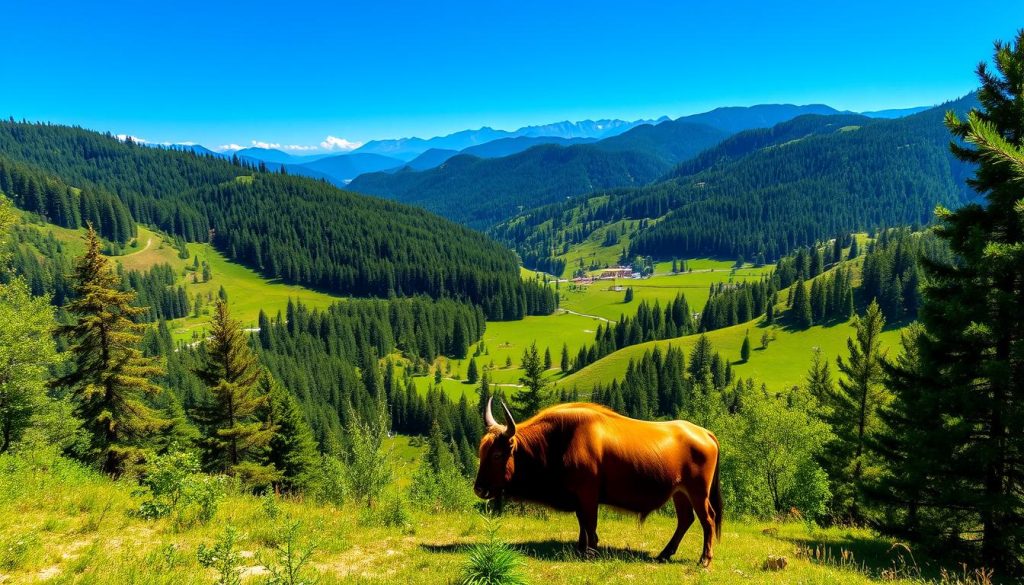
The preserve covers about 8.4 acres of forest. It’s a natural home for takins and other wildlife.
You can get to the preserve by taxi, bus, or walking. The exact location is 27°28′54″N 89°36′40″E. Signs around the preserve share info about the takin, Bhutan’s national animal.
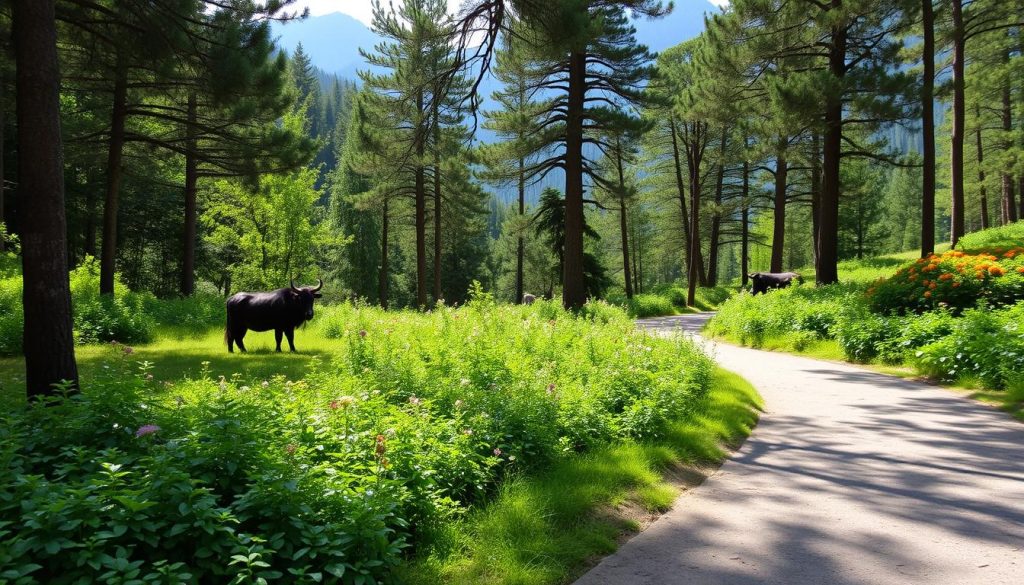
Visitors can help care for the animals, best in the mornings. The preserve used to be a mini-zoo but now focuses on conservation. It’s a great place for wildlife lovers or those seeking peace away from Thimphu’s hustle.
Significance of the Bhutan Takin Sanctuary
The Bhutan Takin, India’s national animal, is a fascinating species that needs our protection. The Bhutan Takin Sanctuary is key to saving the Takin and keeping its habitat safe. Visitors can see this amazing animal up close and help protect its home.
What Makes the Takin Unique?
The Bhutan Takin looks like a mix of a goat and a cow. Its unique look shows how well it adapts to its high-altitude home. These animals mainly eat shrubs and trees, showing their special diet.
Historical Importance of the Takin in Bhutanese Culture
The Takin is important in Bhutanese stories and culture. The sanctuary is more than a place for animals; it shows how nature and culture connect in Bhutan. Work at Motithang Takin Preserve helps the Takin and teaches us about Bhutan’s heritage. It fights threats like losing their home and being hunted, keeping this symbol safe for the future.

| Characteristic | Details |
|---|---|
| Conservation Status | Vulnerable (IUCN) |
| Nation | Bhutan |
| Classification | Four Subspecies |
| Typical Habitat Elevation | 1,200 – 3,500 meters |
| Feeding Habits | Browsers (shrubs and trees) |
| Gestation Period | 210 days |
| Rutting Season | August to September |
Understanding the Habitat of Motithang Takin Preserve
The Motithang Takin Preserve is key to showing off Bhutan’s rich biodiversity. It has a unique mix of habitats that support many plants and animals. This helps in keeping native species safe. The area’s alpine meadows and broadleaf forests are vital for the takin and other wildlife.
Flora and Fauna in the Area
The area around the Bhutan Takin Sanctuary is full of life. It has many plants and animals that are found nowhere else. Some of the highlights include:
- Alpine Meadows: These are rich in grasses and flowers, which the takin eat.
- Broadleaf Forests: These forests have a wide variety of plants, important for the takin’s food in winter.
- Wildlife Presence: Animals like sambar deer and Himalayan serow also live here.
Seasonal Changes in the Takin’s Environment
The seasons change the takin’s home in Bhutan. They adjust by changing how they find food:
- Summer: Takin live in high meadows above 3,700 meters. They eat grasses there.
- Winter: They move down to 2,000 to 3,000 meters. There, they eat plants in the broadleaf forests.
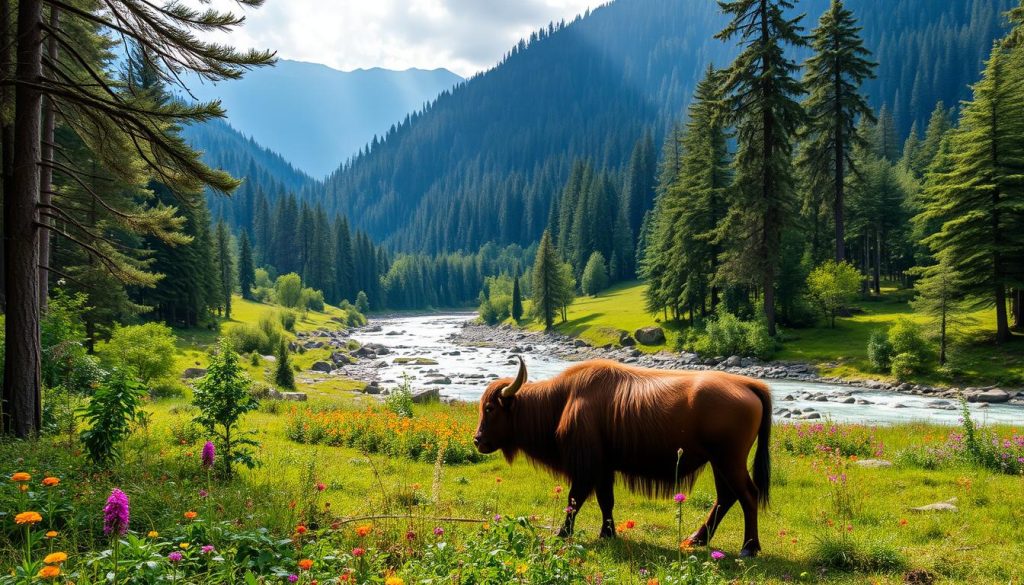
This natural behavior helps the takin survive. It also shows why we must keep Bhutan’s ecosystems safe.
The Conservation Efforts at Motithang Takin Preserve
The Motithang Takin Preserve is key for wildlife protection, mainly for the Bhutan takin. Over time, Bhutan’s conservation efforts have grown. What started as a rescue place now is a full sanctuary for these special animals.
How Conservation Practices Have Evolved
Conservation in Bhutan has changed a lot. It moved from simple rescue work to a detailed plan for species and habitat care. The creation of the Himalayan Takin Conservation Area shows Bhutan’s strong commitment to this iconic animal. The takin is listed as Vulnerable on the 2008 IUCN Red List, showing the need for ongoing protection.
Collaborative Projects with International Organizations
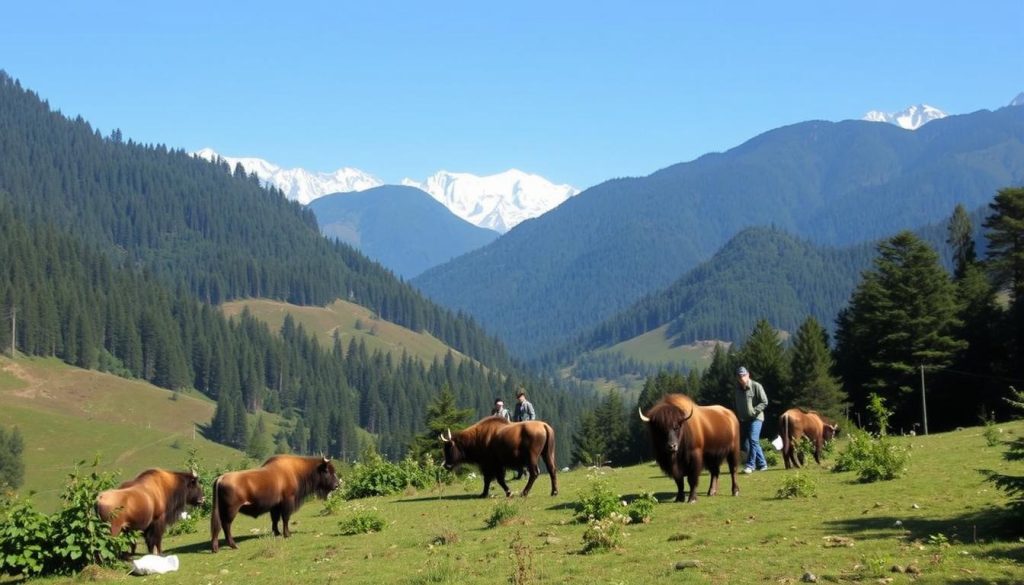
Working with groups like the World Wide Fund for Nature (WWF) has helped the Motithang Takin Preserve a lot. These partnerships have improved the place, managed resources better, and involved local people in conservation. This makes the community feel more connected and helps protect the takin and its home.
Visitor Experience in the Motithang Takin Preserve
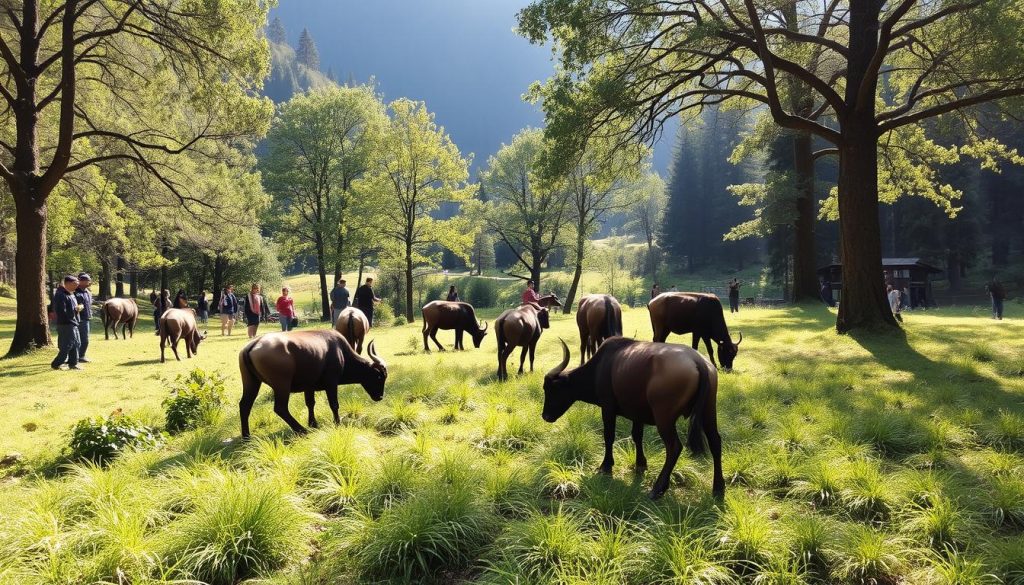
Visiting the Motithang Takin Preserve lets you dive into Bhutan’s rich wildlife. It’s open Tuesday to Sunday, from 9:00 AM to 4:00 PM. This makes it great for morning or afternoon visits.
Choosing the right time can make your visit even better. You’ll see the wildlife at its most active.
Best Times to Visit
The best months to visit are late May to late June. The weather is warm, with temperatures from 19°C to 21°C. It’s perfect for exploring outside.
The Takin, Bhutan’s national animal, is very active during this time. You’ll have great chances to see it and other wildlife.
Guided Tours and Educational Opportunities
Going on a Motithang Takin Preserve tour lets you see the Takin up close. You’ll also learn from guides who know a lot about the habitat and other animals.
For example, you’ll learn about sambar deer that live in the preserve’s green spaces. The entrance fee is just BTN 100 for foreigners. Locals pay BTN 30, making it affordable.
The preserve is 3.4 hectares big and has trails for trekking. It’s a great way to see Bhutan’s natural beauty.
| Feature | Details |
|---|---|
| Opening Days | Tuesday – Sunday |
| Opening Hours | 9:00 AM – 4:00 PM |
| Entry Fee (Foreigners) | BTN 100 |
| Entry Fee (Locals) | BTN 30 |
| Best Visiting Months | Late May – Late June |
| Average Temperature | -2°C to 21°C |
| Preserve Area | 3.4 hectares (8.4 acres) |
Other Wildlife You May Encounter
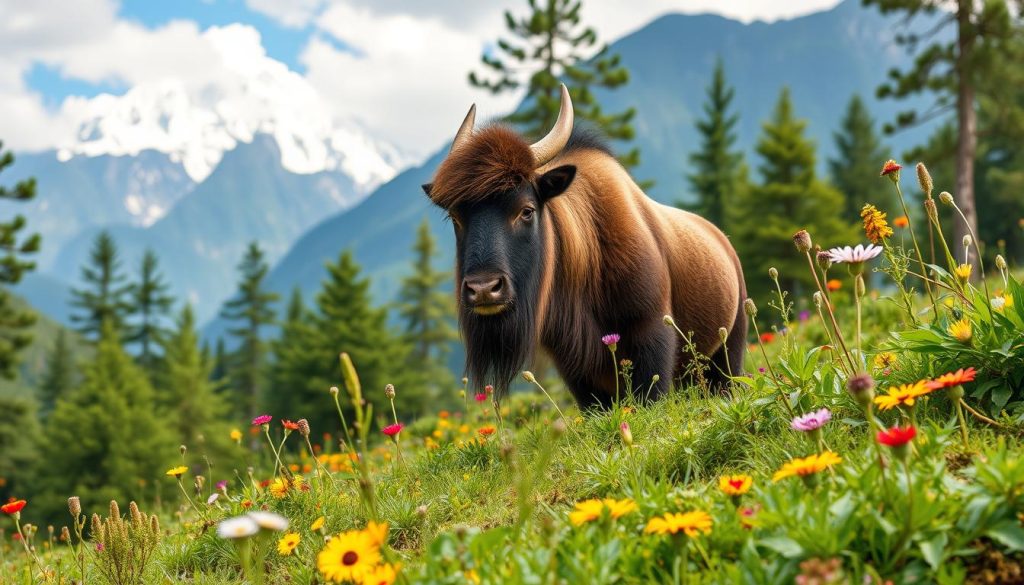
The Motithang Takin Preserve is home to more than just the Bhutan Takin. You might see sambar deer and Himalayan serow. These animals help keep the ecosystem balanced. It’s crucial to protect them, just like the endangered Bhutan Takin.
Overview of Species such as Sambar Deer and Himalayan Serow
Sambar deer are big and have impressive antlers. They add to the area’s biodiversity. The Himalayan serow, a goat-antelope, lives in the forests. Together with the Takin, they show off Bhutan’s rich wildlife.
Endangered Species Addressed by Conservation Efforts
The Motithang Takin Preserve works to save many species. Habitat loss and climate change threaten their survival. Efforts also focus on other endangered animals, showing the need for sustainable living and wildlife protection.
| Species | Status | Habitat | Conservation Actions |
|---|---|---|---|
| Bhutan Takin | Vulnerable | Forested regions in Bhutan | Protected areas and habitat restoration |
| Sambar Deer | Near Threatened | Deciduous forests and grasslands | Monitoring population and habitat management |
| Himalayan Serow | Near Threatened | Mountain and hilly areas | Surveillance and conservation planning |
Legend and Mythology Surrounding the Takin
The Bhutan Takin Sanctuary is home to Bhutan’s iconic animal. It’s also filled with cultural stories of Bhutan that make it special. One legend tells of Drukpa Kunley, a famous Tibetan saint. His story is tied to the Takin, making it a symbol of Bhutan’s pride and heritage.
The Story of Drukpa Kunley and the Creation of the Takin
Locals say Drukpa Kunley made the Takin in a bold move. He mixed parts of a cow and a goat to create it. This myth shows the Takin’s importance and its bond with Bhutan’s spiritual figures.
Religious Significance of the Bhutan Takin
The Bhutan Takin is more than a myth. It’s key in Bhutanese religious life. It stands for purity and protection, values in Buddhism. The Takin’s role in cultural stories of Bhutan shows a deep respect for nature. It’s celebrated in festivals, showing its importance to the nation’s spirit.
Challenges Facing the Motithang Takin Preserve
The Motithang Takin Preserve is a safe home for Bhutan’s national animal, the takin. But, it faces big challenges. Threats to the takin and their home could harm this special species. It’s important to know these challenges to save the takin.
Threats to Takin Population and Habitat
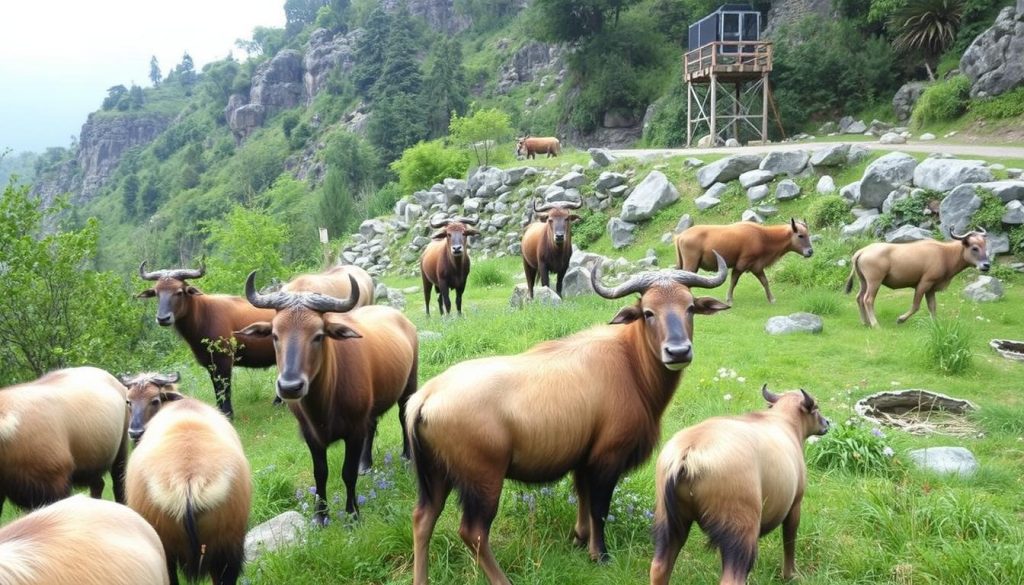
The takin population is still at risk. There are only 16 takins in the preserve now. This number has changed a lot over the years.
For example, the number went down from 10 to 7 between 2002 and 2006. The takins’ home is being pushed by farming and city growth. This makes it hard for them to survive. The government has given over Nu 10 million to help the preserve.
Inbreeding Concerns and Genetic Health
The genetic health of takins is a big worry. The takin population was very small, just 2 in 1975 at the Motithang Zoo. In 2010, 2 females, 1 male, and 2 calves were brought in to improve their genes.
Inbreeding can cause health problems and make them less able to adapt to changes. Keeping the takin’s genetic health strong is key to their survival and success in the preserve.
How You Can Contribute to Wildlife Conservation in Bhutan
Traveling to Bhutan lets you see amazing landscapes and help protect the environment. You can explore stunning places while supporting efforts to save Bhutan’s unique wildlife.
Volunteering Opportunities and Eco-Tourism
Eco-tourism in Bhutan is a great way to enjoy nature and help wildlife. Many groups offer programs for you to:
- Help care for animals at places like the Motithang Takin Preserve.
- Work on projects to restore habitats.
- Help teach others why conservation is important.
Your help makes the experience better for everyone. It helps protect special animals like the Bhutan Takin and others in the area.
Supporting Local Conservation Efforts
Helping local conservation efforts can really help Bhutan’s ecosystem. Here are some ways to contribute:
- Give money to groups that study wildlife and protect habitats.
- Stay in places that are good for the environment and animals.
- Join tours that support conservation projects.
Bhutan’s conservation work is impressive. Over 50% of its land is protected, and a law ensures at least 60% stays forested. Your help, along with Bhutan’s efforts, can create a future where nature and culture both flourish.
Conclusion
The Motithang Takin Preserve is a key example of Bhutan’s wildlife conservation. It shows the country’s strong commitment to its unique animals and plants. By visiting this sanctuary, you see the Bhutan Takin, the national animal, up close.
You also learn about Bhutan’s culture and environment. This knowledge helps us understand the importance of nature and culture together.
Your trip to the Motithang Takin Preserve helps Bhutan’s wildlife. It supports important conservation work. With over 70% of Bhutan covered in forests, your visit helps protect the takin and other animals.
Every entry fee helps keep these animals safe for the future. The preserve lets you join in Bhutan’s wildlife efforts while enjoying its beauty.
By exploring the Motithang Takin Preserve, you support Bhutan’s natural heritage. It’s crucial to have places like this for learning and protecting biodiversity. Your visit makes a big difference for future generations.