Explore Best Ways to Get Around Vietnam Safely
If you’re planning a trip to Vietnam, one of the essential aspects of your travel planning is figuring out how you’ll get around. With so many transportation options available, it can be overwhelming to decide which mode of transport suits your travel style and budget the best. And, of course, you want to ensure you’re getting around safely.
This article will take you through the best ways to get around Vietnam, including public transportation, trains, buses, motorbikes, taxis, ride-hailing apps, and more. We’ll also provide tips and advice on navigating traffic, transportation etiquette, accessibility for people with disabilities, and essential safety measures. Whether you’re exploring the cities or venturing into the countryside, we’ve got you covered.
Public Transportation in Vietnam
When it comes to getting around Vietnam, public transportation is a convenient and affordable option. The public transportation system in Vietnam includes buses, trains, and taxis, providing a range of transportation options to suit your needs.
Getting around by bus is a popular choice, especially in the cities. Bus networks are extensive and run frequently throughout the day and night. You can buy tickets from bus stations or onboard. It’s important to note that buses may not always stick to a fixed schedule, so it’s best to be flexible with your plans.
Trains are a great option for long-distance travel in Vietnam, offering scenic routes from north to south. The train stations are located in the city center and are easily accessible by taxi or bus. It’s advisable to book tickets in advance to secure your seat and choose the best option for your travel needs.
Taxis are also readily available in Vietnam, but they can be more expensive than buses or trains. Make sure to choose a reputable taxi company and check the fares before getting in. Most taxis operate on a meter system, and you should only pay the fare shown on the meter plus a small tip.
Tips for Public Transportation in Vietnam
– Purchase tickets from authorized agents or stations.
– Be mindful of your belongings and keep them close.
– Always be aware of your surroundings and stay alert.
– Take precautions to prevent theft, especially on crowded public transportation.
– Following traffic rules and regulations can help avoid accidents.
Keep these tips in mind when using public transportation in Vietnam to ensure a safe and enjoyable travel experience.
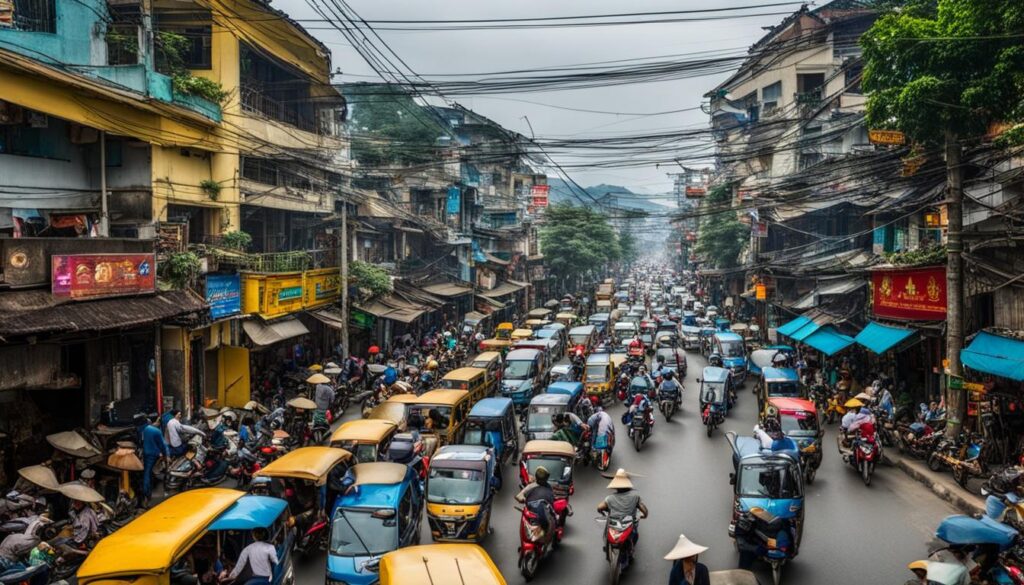
Getting Around Vietnam by Train
If you’re looking for a comfortable and affordable way to explore Vietnam, traveling by train is an excellent option. Vietnam’s rail network is well-established and offers a glimpse into the country’s stunning landscapes.
You can choose from a variety of train types, including local and long-distance services. Each train offers different levels of comfort, from basic seats to sleeper cabins, depending on your budget and needs.
| Train Type | Route | Duration | Ticket Prices |
|---|---|---|---|
| SE trains | North-South route | 30 hours | $30-80 |
| TG trains | North-South route (faster than SE trains) | 22 hours | $45-100 |
| PN trains | Hanoi-Sapa route | 9 hours | $10-35 |
Before purchasing your ticket, make sure to check the train schedule and book in advance, especially during peak travel seasons. You can buy tickets online or at the train station.
When traveling by train, it’s essential to keep your valuables secure and be mindful of your surroundings. You should also bring snacks, water, and entertainment, as well as a sweater or jacket, as the air conditioning can be chilly.
Overall, traveling by train is an excellent option for those who want to explore Vietnam at a leisurely pace while enjoying beautiful scenery and comfortable amenities.
Getting Around Vietnam by Bus
When it comes to getting around Vietnam, buses are an affordable and convenient transportation option. Many bus companies operate in Vietnam, offering services that range from basic to luxury. Some of the most popular bus routes connect major cities and tourist destinations across the country.
Some of the well-known bus companies include Phuong Trang, Hoang Long, and Mai Linh. These companies offer comfortable and air-conditioned buses for long-distance travel. You can purchase bus tickets from the bus station, online or through a travel agency.
| Bus Company | Route | Fare (USD) |
|---|---|---|
| Phuong Trang | Saigon – Nha Trang | $15 |
| Hoang Long | Hanoi – Halong Bay | $7 |
| Mai Linh | Hoi An – Hue | $6 |
Before boarding a bus, be sure to confirm the route and schedule. It’s also essential to have your belongings within reach and keep an eye on them throughout the journey. Additionally, when traveling overnight or long distances, consider purchasing a first-class sleeper bus ticket for added comfort.
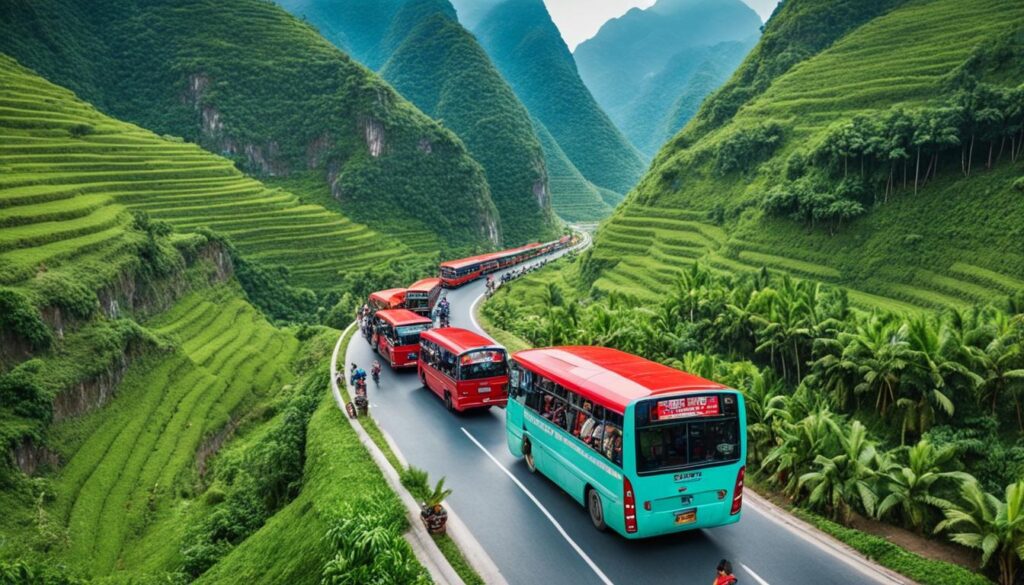
“Taking the bus in Vietnam is a great way to immerse yourself in the local culture and see the scenic countryside.”
Getting Around Vietnam by Motorbike
Exploring Vietnam by motorbike is one of the most popular options for transportation. With stunning scenery and endless winding roads, it’s an adventure you won’t forget! Renting a motorbike is easy and affordable, but there are some safety precautions that you should consider before hitting the open road.
First, make sure you have a valid license that allows you to ride a motorcycle. Helmets are required by law, so be sure to wear one. Be aware of the traffic and try to stay in the right lane when possible. Lastly, keep in mind that road conditions can vary, so drive carefully.
If you’re interested in taking a motorbike tour, there are many options available. These tours typically come with a guide who will take you on a scenic route while providing interesting information about the area. Popular routes include the Hai Van Pass and the Ho Chi Minh Trail.
When renting a motorbike, prices can range from $5-$15 per day depending on the type of bike and your negotiation skills. Be sure to check the condition of the bike before renting and take photos of any scratches or damages to avoid any issues upon returning the bike. Don’t forget to fill up the gas tank before hitting the road, as gas stations can be sparse in some areas.
| Pros | Cons |
|---|---|
|
|
Overall, exploring Vietnam by motorbike can be a thrilling and exciting way to see the country. The freedom and flexibility of the open road make it a top choice for adventurous travelers.
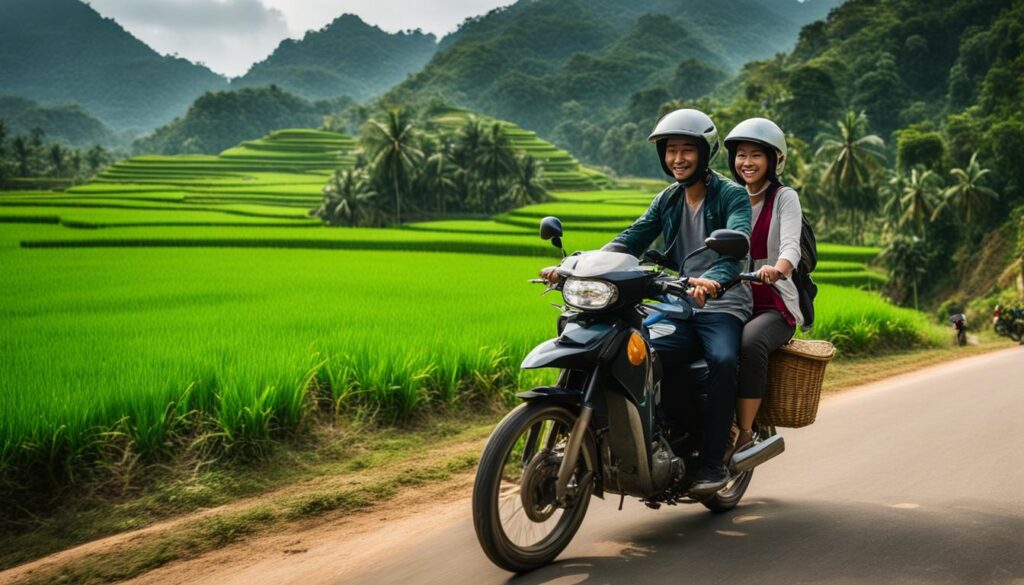
Exploring Vietnam’s Cities
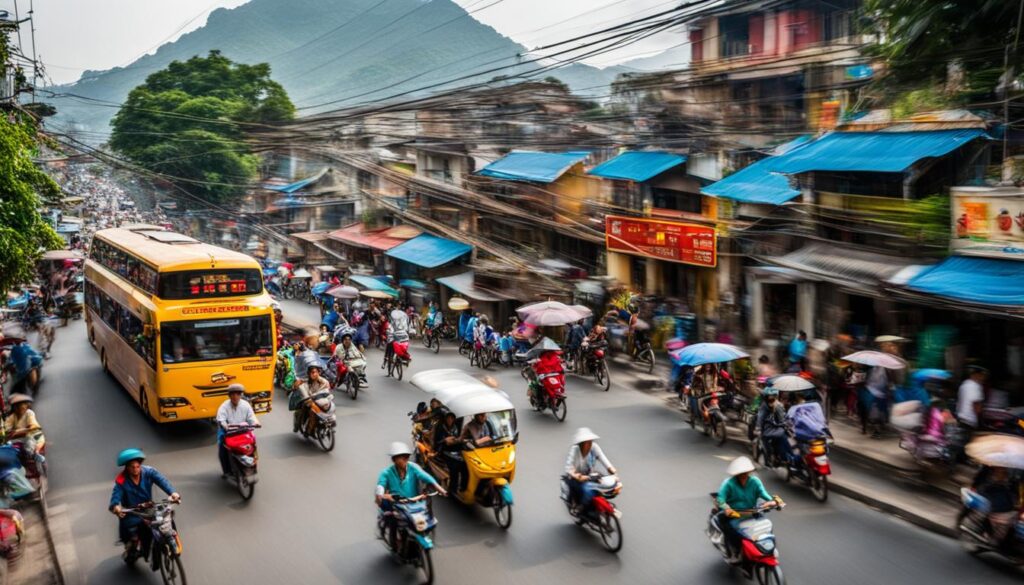
When it comes to navigating Vietnam’s bustling cities, there are several transportation options to choose from. Taxis and ride-hailing apps are the most convenient, although walking and cyclos offer a unique and authentic experience.
If you prefer the comfort and convenience of taxis, popular brands like Vinasun and Grab are widely available. These services come with fixed prices and air-conditioned cars. Ride-hailing apps give you the added advantage of tracking your driver and paying through an app.
Cyclos, a three-wheeled bicycle taxi, are a popular and eco-friendly alternative to taxis, especially for short distances. Negotiate a price with the driver before hopping on.
| Transportation Option | Pros | Cons |
|---|---|---|
| Taxis | Comfortable, convenient, air-conditioned, fixed prices | Potentially expensive, possibility of traffic |
| Ride-hailing apps | Convenient, track your driver, pay through an app | Possibility of traffic, sometimes difficult to find precise pickup location |
| Cyclos | Eco-friendly, unique and authentic experience, negotiable prices | Uncomfortable for longer distances, limited space for luggage |
| Walking | Free, healthy, allows for exploring at your own pace | Sometimes not feasible for longer distances, potential for getting lost |
Tips for getting around Vietnam’s cities safely:
- Carry a map or use a GPS-enabled device to avoid getting lost.
- Be aware of your surroundings and keep an eye on your belongings to avoid pickpocketing.
- Always wear a helmet if renting a motorbike or scooter.
- Be cautious when crossing the street; traffic can be chaotic and unpredictable.
Exploring Vietnam’s Countryside
One of the best ways to experience Vietnam’s picturesque countryside is by exploring it on wheels. From cycling to renting a car or hiring a private driver, there are plenty of transportation options to choose from.
Cycling: For the adventurous souls, cycling through the countryside offers a unique way to immerse in the local culture and landscapes. Many tour companies offer bike rentals and guided tours, allowing you to explore the countryside at your own pace. Just remember to wear a helmet and bring plenty of water.
Renting a car: Another option is renting a car to explore the countryside. This provides more flexibility in terms of where you can go and how long you can stay. However, be aware that traffic rules and road conditions may be different from what you’re used to, and driving in rural areas can be challenging for foreign visitors.
Private driver: Hiring a private driver is an excellent option if you’re not comfortable driving yourself or prefer a more relaxed trip. Most hotels and tour companies can arrange for a private driver, and some drivers may also offer tour guide services. Just be sure to agree on the itinerary and price beforehand.
Organized tours: If you prefer a hassle-free experience, joining an organized countryside tour may be the best option. These tours typically include transportation, guide services, and activities such as visiting local villages or trekking. Just make sure to book with a reputable tour company to ensure a safe and enjoyable experience.
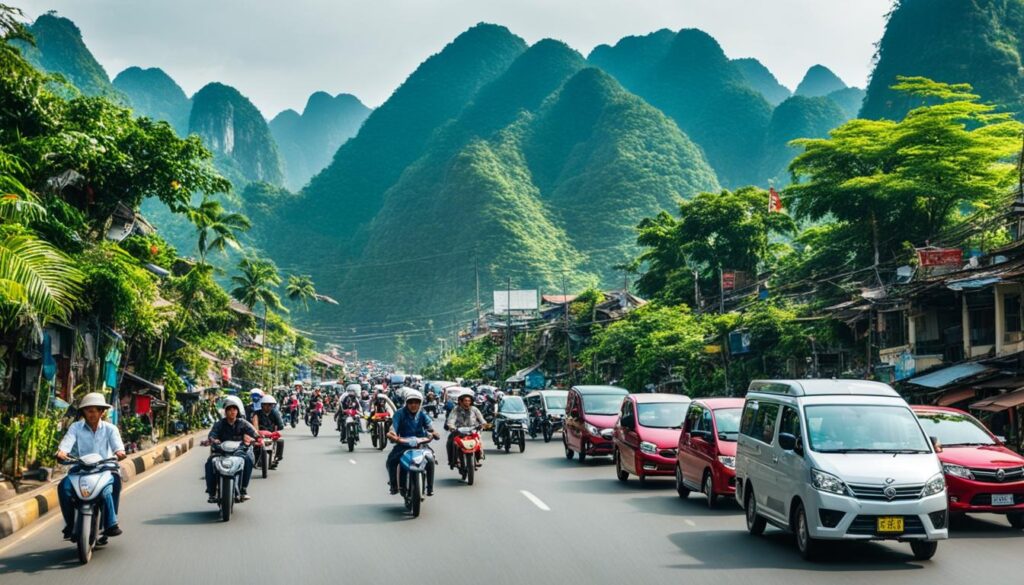
Regardless of which transportation option you choose, exploring Vietnam’s countryside is a must-do for any traveler. It offers the chance to see a different side of the country, away from the busy cities, and is sure to provide unforgettable memories.
Navigating Traffic in Vietnam
Getting around Vietnam can be an exhilarating experience filled with beautiful vistas and incredible adventures. However, navigating the country’s notorious traffic can be a daunting task for even the most experienced travelers. To make your journey smoother and safer, here are some essential tips and advice for navigating traffic in Vietnam.
Understand the Road Rules
The first step to safe travel in Vietnam is to understand the country’s road rules. Traffic moves on the right-hand side of the road, and vehicles have the right of way over pedestrians. Motorbikes and scooters are the most common modes of transportation, and they tend to follow their own set of unofficial rules. Always be on the lookout for unexpected maneuvers from other drivers and take extra care when crossing the road.
Wear a Helmet
In Vietnam, wearing a helmet is mandatory for anyone riding on a motorbike or scooter. Make sure to wear a properly fitting helmet at all times to protect yourself in case of an accident. Don’t rely solely on the helmet provided with your rental bike. Purchase a reliable one to ensure your safety.
Drive Slowly and Defensively
One of the best ways to stay safe on Vietnam’s roads is to drive slowly and defensively. Keep a safe distance from the vehicle ahead of you, use your signals when changing lanes or turning, and avoid sudden movements. Remember, a leisurely and cautious pace is always better than speeding.
Take Advantage of Ride-Hailing Apps
Ride-hailing apps like Grab and Be are popular in Vietnam, and they are a great option for travelers who don’t want to drive themselves. These apps offer affordable and convenient transportation options for getting around the city, and they are a safer alternative to driving yourself.
Be Aware of Scams
Unfortunately, scams are a common occurrence in Vietnam’s transportation industry. Be vigilant when booking taxis or using local transport services. Research trusted companies and drivers, confirm the price before the ride, and avoid unlicensed transportation options.
Navigating Vietnam’s traffic can be a challenging but rewarding experience. By following these tips and advice, you can stay safe and enjoy your travels to the fullest. Remember to prioritize safety, be aware of your surroundings, and always wear your helmet when riding a motorbike or scooter.
Transportation Etiquette in Vietnam
While using public transportation in Vietnam, it’s essential to be mindful of the etiquette and cultural norms associated with it. By following these tips, you can travel respectfully and considerately while using the various transportation options available.
Respect personal space
In Vietnam, people value their personal space and privacy, so it’s important to avoid standing too close to others while waiting for and using public transportation. When standing in line or sitting on the bus or train, keep a reasonable distance from the person next to you.
Be courteous
It’s customary to show respect to the elderly, disabled, and pregnant women by offering them a seat on public transportation. Additionally, avoid talking loudly or playing music on your phone without headphones, as this can be considered disrespectful.
Pay attention to body language
In Vietnam, subtle body language cues can indicate someone’s intentions or emotions. For example, avoiding eye contact or looking down can be a sign of respect, while maintaining eye contact can be interpreted as aggressive. Be mindful of personal boundaries and avoid touching or patting someone on the back or shoulder.
Respect local customs
Certain gestures or actions may be considered rude or offensive in Vietnam, so it’s important to research and understand local customs before traveling there. For example, pointing your finger is considered impolite, and public displays of affection are generally not acceptable.
Pro Tip: Learning a few key phrases in Vietnamese can help you communicate more effectively and show respect to the locals. Practice saying hello, thank you, and excuse me before your trip!
Accessibility for People with Disabilities
If you have a disability, choosing the right transportation options in Vietnam can be a daunting task. Fortunately, there are accessible transportation services, facilities, and resources available to ensure an inclusive and comfortable travel experience.
Here are some travel tips for getting around Vietnam with a disability:
- Consider using ride-hailing apps like Grab or Gojek, which offer accessible vehicles, including wheelchair ramps and tie-downs, for those with mobility impairments.
- Look for buses that have been retrofitted with wheelchair lifts or ramps.
- Book train travel in advance to secure an accessible berth and notify the staff of your needs.
- Choose hotels that are wheelchair accessible and have accommodations for hearing or visually impaired guests.
It’s important to note that Vietnam’s infrastructure is not as accessible as in other countries, and you may encounter some challenges when using public transportation or visiting certain attractions. Nevertheless, with some preparation, you can have a fulfilling and enjoyable travel experience in Vietnam.
Accessible Transportation Services in Vietnam
While the options for accessible transportation in Vietnam are still limited, there are some services available to assist travelers with disabilities:
| Service | Description |
|---|---|
| GoDisabled | A transportation service for people with disabilities and reduced mobility, offering customized vehicles and trained drivers who can assist with boarding and disembarking. |
| Handi Solutions | A disability support service that provides accessible transportation, personal assistance, and interpretation services for travelers with disabilities or special needs. |
| Bluebird Vietnam | A taxi service with wheelchair accessible vehicles in Hanoi and Ho Chi Minh City. Reservations should be made in advance. |
It’s worth noting that these services may not be available in all locations or at all times, and it’s advisable to make arrangements in advance.
Traveling with a disability requires additional planning, but it’s important to remember that it’s possible to enjoy all that Vietnam has to offer. With accessible transportation options and some preparation, you can have an unforgettable trip.
Safety Tips for Getting Around Vietnam
Exploring Vietnam can be an unforgettable experience, but it’s essential to stay safe while getting around. Here are some travel tips for avoiding potential hazards:
- Always wear a helmet if you’re riding a motorbike. It’s the law and can help prevent serious head injuries in case of accidents.
- Keep your belongings secure in crowded areas. Pickpocketing and theft are common in Vietnam, so always keep your bags and wallets close to your body.
- Research transport services before using them. Look for reputable companies with good safety records to avoid unsafe vehicles or drivers.
- Be cautious when crossing the street. Traffic can be chaotic in Vietnam, and pedestrians don’t always have the right of way. Look both ways and cross with confidence when you see a safe gap.
- Check for seat belts before getting into a car or taxi. If your vehicle doesn’t have them, ask for a different one.
- Be mindful of your surroundings. Use your intuition to sense potential dangers and avoid areas where you don’t feel comfortable.
By following these safety tips, you can enjoy your travels in Vietnam with peace of mind.
Conclusion
Now that you have a comprehensive understanding of the various transportation options available in Vietnam, you can plan your travel itinerary with confidence. Always prioritize your safety by choosing the best transportation options for your needs.
Remember to refer to this Vietnam transportation guide as a valuable resource when planning your trip. By following the tips and advice provided, you can explore Vietnam’s beautiful countryside and bustling cities with ease.
Whether you prefer to travel by train, bus, motorbike, or taxi, make sure you research your options thoroughly and plan your journey in advance.
Thank you for reading and we hope this Vietnam transportation guide has been helpful in planning your next adventure!