

Explore Bali’s Hidden Rice Paddies & Trekking Trails
Looking for an adventurous getaway? Bali’s hidden rice paddies and trekking paths offer a unique opportunity to explore the island’s natural beauty and cultural essence. Embark on a journey to discover the hidden gems like Tegalalang or Jatiluwih, where you can immerse yourself in the tranquility of the rice fields and witness the traditional farming practices of the Balinese people.
Whether you’re an experienced hiker or a beginner, Bali’s trekking paths cater to all skill levels, providing breathtaking views and unforgettable memories. Let the lush greenery and fresh mountain air reinvigorate your senses as you embark on an exploratory journey through this tropical paradise.
Discover Tegalalang Rice Terraces: A Spectacular Balinese Landscape
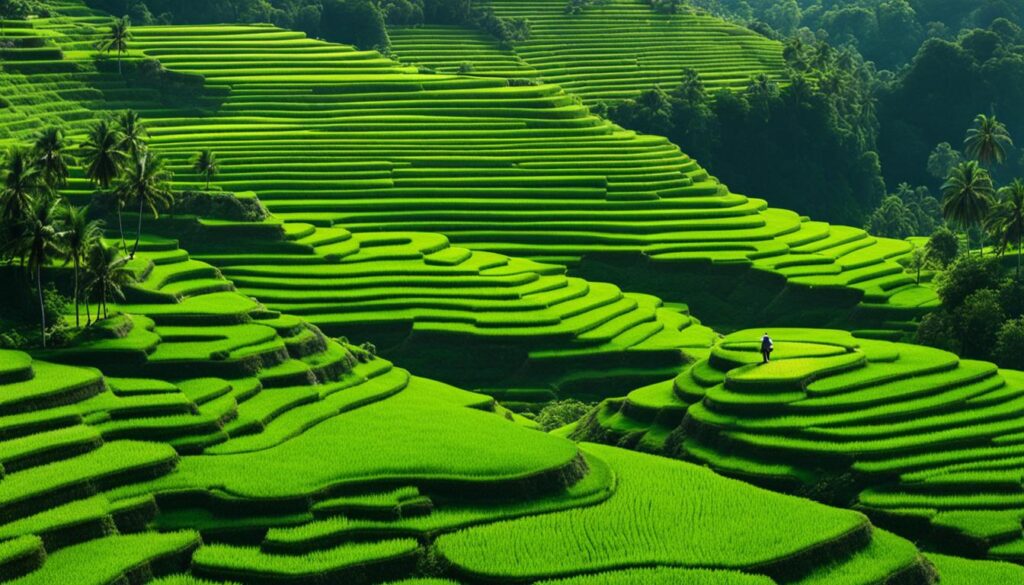
When it comes to Bali’s iconic rice terraces, Tegalalang is one of the most well-known and awe-inspiring. Located just north of Ubud, these terraces offer a stunning view of Bali’s lush landscapes and traditional farming practices. The Tegalalang rice terraces are a must-visit for anyone looking to experience Bali’s culture and natural beauty.

What Makes Tegalalang So Special?
What sets Tegalalang apart from other rice terraces in Bali is its unique layout. Unlike other terraces that are built on rolling hillsides, the Tegalalang terraces are situated in a valley, creating an impressive layered effect. The terraces are also beautifully maintained by local farmers who have used sustainable farming practices for generations.
In addition to its natural beauty, Tegalalang is also rich in cultural history. The irrigation system in place dates back to the 8th century and is still used by the locals today. Visitors can learn about Balinese culture and traditional farming practices while taking in the stunning views.
Exploring Tegalalang
Visitors can explore the Tegalalang terraces by foot or on a guided tour. Walking through the terraces allows for a more intimate and immersive experience. It’s important to note that the terrain can be uneven and slippery, so appropriate footwear is recommended. A guided tour offers more insights into the history and culture of the area, and can also include nearby attractions such as coffee and spice plantations.
Getting There
Tegalalang is located about 20 minutes north of Ubud by car or scooter. There are several tour operators that offer day trips to the area, but hiring a driver or renting a scooter is also an option for those who prefer to explore at their own pace.
Uncover the Magic of Jatiluwih Rice Terraces: Bali’s UNESCO World Heritage Site
When it comes to experiencing the natural beauty of Bali, Jatiluwih Rice Terraces is a must-visit destination. Located in the island’s lush central highlands, Jatiluwih is known for its breathtaking landscapes and traditional farming practices, as well as its status as a UNESCO World Heritage Site.
To truly appreciate the beauty of Jatiluwih, it is recommended that you take a leisurely walk through the rice terraces. This will allow you to fully immerse yourself in the stunning scenery and observe the intricate irrigation system that has sustained the area’s agriculture for centuries. Keep an eye out for the rare and endangered Balinese Starling, a bird species that can be spotted in the terraces.
If you prefer a more adventurous experience, consider taking an off-the-beaten-path trek through the rice fields, which will also allow you to experience the local Balinese culture in a unique way. Don’t miss the opportunity to watch farmers at work, using traditional methods to cultivate rice and other crops.
“Jatiluwih Rice Terraces is a stunning example of Bali’s unique and sustainable agricultural heritage, providing ecological, economic, and cultural benefits to the local community and visitors alike.”
When planning your trip to Jatiluwih, keep in mind that the best time to visit is during the rice planting and harvesting season, which occurs between April and May, and September and October. This is when the terraces are at their most vibrant and picturesque.
While Jatiluwih can be visited as a day trip from other parts of Bali, consider staying at one of the local homestays to fully immerse yourself in the Balinese culture and way of life. This will also allow you to experience the local cuisine and hospitality.

The Beauty of Jatiluwih: A Visual Feast
| What to expect: | Benefits: |
|---|---|
| Stunning panoramic views of rice paddies | Relaxation and rejuvenation |
| Opportunity to experience traditional Balinese farming practices and irrigation system | Insight into local culture and history |
| Rare and endangered bird species sightings | Unique wildlife encounters |
| Off-the-beaten-path trekking opportunities | Adventure and exploration |
| Local homestays and cuisine | Authentic Balinese experience |
Bali’s Hidden Nature Trails: A Paradise for Hikers
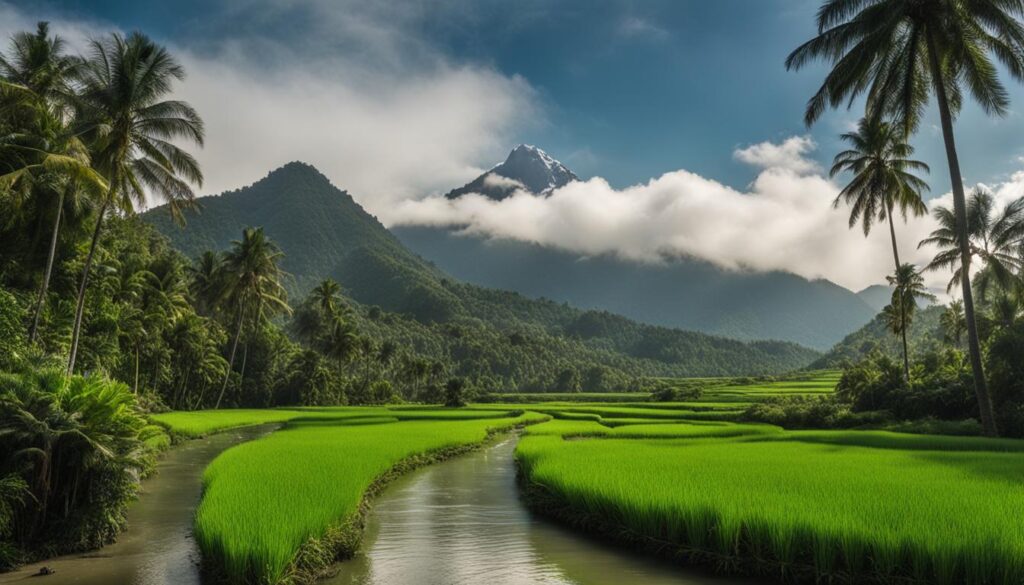
While Bali is widely known for its stunning rice paddies, the island offers far more than just endless fields. Exploring Bali’s hidden nature trails is a great way to escape the crowds, immerse yourself in nature, and discover some of the island’s most breathtaking landscapes.
The Bali nature trails boast a diverse range of environments, from lush rainforests to rugged mountain paths, and offer unique experiences for hikers of all levels. Whether you’re looking for a leisurely stroll through stunning scenery or a challenging trek to panoramic viewpoints, Bali has something to offer.
The Bali hiking trails are also home to a variety of natural attractions, including waterfalls, hot springs, and sacred temples. These hidden gems are often less crowded than the more popular tourist destinations, and offer a more authentic glimpse into Balinese culture and way of life.
The Best Bali Nature Trails to Explore
If you’re looking to hike Bali’s hidden nature trails, there are plenty of options to choose from. Here are a few of our top recommendations:
| Trail Name | Location | Distance | Difficulty |
|---|---|---|---|
| Campuhan Ridge Walk | Ubud | 2 kilometers | Easy |
| Bukit Cinta | Nusa Penida | 5 kilometers | Moderate |
| Munduk Waterfall Trail | Munduk | 2.5 kilometers | Easy |
These trails are just a few examples of the many Bali nature trails waiting to be explored. Whether you’re a seasoned hiker or a first-time adventurer, Bali’s hidden nature trails are sure to leave you awestruck and inspired.
Scenic Walks through Bali’s Hidden Gems
One of the best ways to experience the beauty and tranquility of Bali’s hidden rice paddies and explore its unique culture is by taking scenic walks through the picturesque pathways that wind through them. These hidden gems offer a peaceful escape from the bustling tourist areas and provide a glimpse into authentic Balinese life.
Exploring rice fields in Bali on foot is a unique and unforgettable experience. Walking along these paths allows you to take your time and appreciate the natural beauty around you. You’ll see locals going about their daily routines, tending to the rice fields and other crops. You may hear the sound of running water from the irrigation channels, providing a soothing soundtrack to your journey.
To make the most of your scenic walking adventure, consider visiting some of the lesser-known areas in Bali. Places like the Campuan Ridge Walk or the Sidemen Valley offer stunning views of rice fields and lush greenery, as well as a peaceful retreat from the busy city center. Another recommendation is to explore the Bali Highlands, known for its verdant rice terraces and quaint villages. These areas are perfect for those looking for a more authentic and off-the-beaten-path Bali experience.
Tips for Exploring on Foot
- Wear comfortable, sturdy shoes that can handle uneven terrain.
- Apply sunscreen and bring a hat or other sun protection.
- Carry a refillable water bottle to stay hydrated.
- Respect local customs and dress appropriately, covering your shoulders and knees when visiting temples or other sacred sites.
- Take your time and enjoy the peaceful pace of life in Bali’s hidden gems.
By taking scenic walks through Bali’s hidden gems, you can immerse yourself in the beauty and culture of this unique island. From the verdant rice fields to the quaint villages, these off-the-beaten-path destinations offer an authentic and unforgettable experience.
Planning Your Bali Adventure: Tips and Recommendations
Embarking on an adventure to explore Bali’s hidden rice paddies and trekking paths is an exciting way to experience the island’s natural beauty and rich culture. To help you plan your journey, here are some practical tips and recommendations:
Transportation
Public transportation in Bali is not always reliable, so it’s best to hire a private driver or rent a scooter to explore these hidden gems. Hiring a driver is often more comfortable and practical, but be sure to negotiate a fair price before setting out on your journey.
Suitable Clothing and Gear
When embarking on a Bali adventure, it’s essential to dress appropriately for the weather and terrain. Light, breathable clothing is recommended, along with sturdy hiking shoes to navigate Bali’s rugged landscapes. Don’t forget to bring sunscreen, a hat, and insect repellent.
Best Times to Visit
The best time to visit Bali’s rice paddies and trekking paths is during the dry season, from May to October. This period offers the most favorable weather conditions for exploring the natural beauty of the island.
Safety Considerations
When exploring Bali’s rice fields and trekking paths, safety should be a top priority. Plan your route in advance, and let someone know where you will be going. Be aware of potential hazards, such as slippery surfaces, uneven terrain, and steep drops. Always carry a first aid kit and plenty of water.
Explore Bali’s Hidden Gems
Exploring hidden gems in Bali offers an opportunity to experience the island’s authentic beauty and rich culture. From Tegalalang Rice Terraces to Jatiluwih Rice Terraces, Bali nature trails, Bali hiking trails, Bali scenic walks, and more, there are plenty of hidden rice paddies and trekking paths to discover.
With these tips and recommendations, you’ll be able to plan an unforgettable Bali adventure that takes you off the beaten path and immerses you in the island’s hidden treasures.
Immersing Yourself in Balinese Culture: Homestays and Cultural Experiences
Your Bali adventure wouldn’t be complete without immersing yourself in the Balinese culture. Besides exploring hidden rice paddies and trekking paths, you can opt for traditional homestays and cultural activities to gain a deeper understanding of the local way of life.
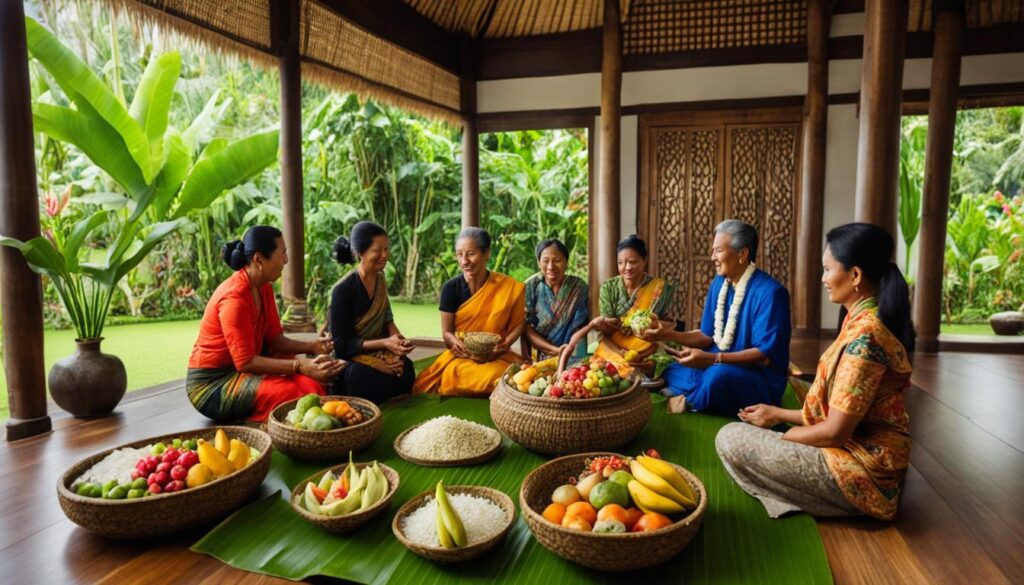
Balinese homestays offer a unique opportunity to experience the local culture first-hand while staying with a Balinese family. You will have the chance to learn more about traditional customs, taste authentic Balinese cuisine, and witness daily life up close. This is an excellent way to gain a better appreciation of Balinese values and customs and leave with a richer cultural experience.
For a more immersive experience, consider participating in cultural activities such as traditional dance performances or local ceremonies. These events offer a glimpse into the beauty and complexity of Balinese traditions, beliefs, and rituals. Don’t miss the chance to witness the vibrant and colorful culture of Bali up close.
Traditional Balinese Homestays
| Name | Location | Average Price |
|---|---|---|
| Villa Arya | Ubud | $20-30/night |
| Pondok Pitta | Canggu | $25-35/night |
| Geriya Homestay | Denpasar | $15-25/night |
These are just a few examples of the Balinese homestays available in different locations throughout Bali. Prices may vary depending on location, amenities, and season. Don’t forget to check reviews and ratings before making a reservation to ensure a pleasant stay.
Capturing Bali’s Beauty: Photography Tips and Techniques
If you’re headed to Bali to explore its hidden rice paddies and trekking paths, you’ll want to capture the stunning landscape with your camera. Here are some photography tips to help you capture Bali’s beauty:
Composition
When capturing Bali’s landscapes, composition is key. Consider the rule of thirds when framing your shots, placing the subject off-center for a more visually appealing image. Change your perspective by getting low to the ground or using a drone to capture unique angles. Including foreground elements, such as flowers or trees, can add depth and interest to your photos.
Lighting
Bali’s sunlight can be intense, so aim to shoot during the golden hours of sunrise and sunset for the most flattering lighting. Use a polarizing filter to reduce glare and enhance the colors of the sky and rice fields. Consider using artificial lighting, such as a flash or reflector, to balance the light and shadows in your photos.
Recommended Equipment
When exploring Bali’s hidden beauty, you’ll want to have the right equipment to capture it. A wide-angle lens is essential for capturing Bali’s expansive landscapes and the intricate details of its terraced rice paddies. A tripod can help you stabilize your shots and ensure sharpness, especially in low light situations. Consider bringing a backup battery and memory card to avoid missing any photo opportunities.
“Photography is the story I fail to put into words.” – Destin Sparks
Don’t forget that photography is a form of storytelling. Use your camera to capture the unique culture and way of life in Bali. Be respectful of the locals and their traditions when taking photos, and don’t be afraid to ask for permission. With these tips and techniques, you’ll be able to capture the essence of Bali’s hidden beauty through your photography.
Exploring Bali’s Culinary Delights: Tasting Traditional Flavors
One of the best ways to immerse yourself in Balinese culture while exploring the hidden rice paddies and trekking trails is to indulge in the delicious local cuisine. Balinese cuisine is known for its vibrant flavors and unique combinations of spices, herbs, and fresh ingredients.
When it comes to traditional flavors of Bali, it’s hard to miss out on the famous Babi Guling, roasted pig stuffed with spices and seasonings. Another popular dish is Nasi Campur, a mixed rice dish with a variety of toppings like satay, curried vegetables, and crispy pork. For those who prefer vegetarian cuisine, Gado-Gado is a must-try, a refreshing salad with blanched vegetables and a peanut sauce dressing.
If you’re looking for authentic dining experiences, then a visit to the local Warungs (small, family-owned restaurants) is highly recommended. You can also try your hand at a Balinese cooking class, which will provide insight into the culinary techniques and ingredients that make Balinese cuisine so unique.
Conclusion
Congratulations on reaching the end of this article! By now, you should have a thorough understanding of Bali’s hidden rice paddies and trekking trails. Remember to take advantage of Tegalalang and Jatiluwih Rice Terraces, as well as the lesser-known nature trails and scenic walks.
Plan your adventure carefully and take into account the provided tips and recommendations. Don’t forget to immerse yourself in the local culture through homestays and cultural experiences, and capture Bali’s beauty through photography.
Finally, make sure to try traditional Balinese cuisine and taste the flavors that embody the island’s heritage.
We hope this article has inspired you to embark on your own Balinese adventure, and that you discover the hidden gems of Bali’s rice paddies and trekking paths to make unforgettable memories.





