Explore Baa Atoll’s Sustainable Tourism Ventures
Ever thought about how tourism can protect nature while still being fun? Baa Atoll in the Maldives is a prime example. It’s a UNESCO Biosphere Reserve since 2011, showing how to travel responsibly. Here, you can see stunning views and marine life, all while helping the environment.
With 75 islands, only a few are home to people and resorts. Big names like Six Senses and Four Seasons have set up shop here. They’re all about making tourism better for the planet. This article will take you through the eco-friendly projects in Baa Atoll.
Understanding Baa Atoll’s Unique Environment
Baa Atoll is a stunning place with diverse landscapes and ecosystems. It covers nearly 1,200 km² and has 75 islands. The area is famous for its blue waters, colorful coral reefs, and green mangrove forests.
The unique environment of Baa Atoll supports a wide variety of marine life. This includes the amazing manta rays and whale sharks. These creatures thrive in Baa Atoll’s rich ecosystems, attracting marine biologists and eco-tourists.
In 2011, Baa Atoll was named a UNESCO World Biosphere Reserve. This shows its importance for biodiversity and the conservation efforts. The location of Baa Atoll helps bring in nutrient-rich ocean currents, supporting a rich marine habitat.
From June to November, manta rays gather in Baa Atoll. They come for food, mating, and cleaning. You can see them doing cool moves like barrel rolls and somersaults.
Every year, manta rays come to Baa Atoll for plankton. This offers visitors a chance to see incredible underwater scenes. Places like Hanifaru Bay are famous for their manta ray gatherings. These gatherings are important for both tourism and marine research.
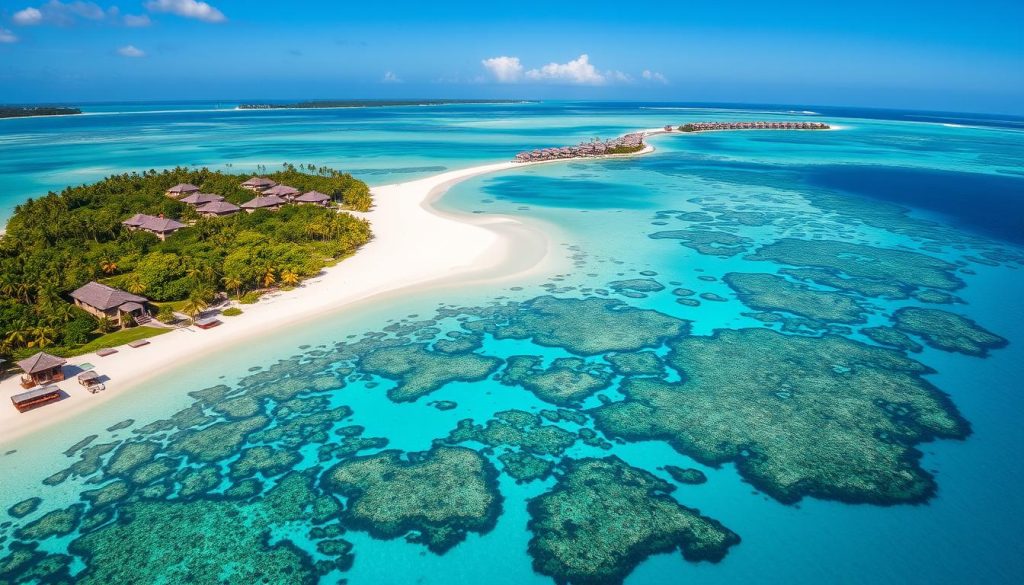
There’s a strong effort to protect Baa Atoll’s environment. This includes setting up marine protected areas and monitoring programs. These efforts help keep the ecosystems of Baa Atoll safe.
These actions are key to balancing tourism and conservation. As you explore Baa Atoll, you’ll see its beauty and the dedication to protecting it.
What Makes Baa Atoll a UNESCO Biosphere Reserve
The UNESCO Biosphere Reserve Baa Atoll is known for its amazing biodiversity and natural beauty. It’s home to 250 species of colorful coral and over 1,200 species of fish. This place has caught the eye of many conservationists and researchers.
In 2011, Baa Atoll was named a UNESCO Biosphere Reserve. It meets UNESCO’s high standards because of its ecological importance. Hanifaru Bay is a key spot, where hundreds of manta rays and whale sharks come to feed on zooplankton during the monsoon season.
Early in the 2000s, Baa Atoll faced threats from fishing and tourism. The Maldivian Government started sustainable tourism efforts and plans for protected areas like Hanifaru Bay. These actions aim to balance economic growth with environmental protection, showing how nature and tourism can live together.
Baa Atoll is seen as a model for sustainable development in the Maldives. The whole archipelago hopes to become a UNESCO Biosphere Reserve too. Visitors can see stunning beaches and lush landscapes. They can also join eco-friendly tours and help with reef restoration, helping to protect this marine ecosystem.
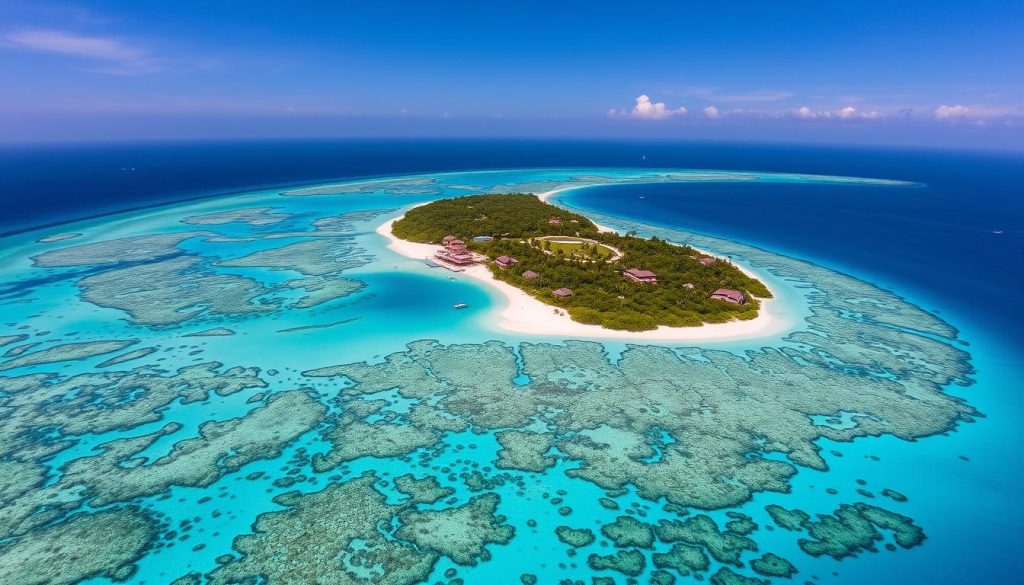
Baa Atoll Sustainable Tourism Initiatives
Baa Atoll is leading the way in sustainable tourism. These efforts greatly benefit the environment and local communities. By focusing on eco-friendly practices, the area ensures its beauty will last for generations to come.
Overview of Key Sustainable Projects
Many resorts and guesthouses in Baa Atoll are adopting sustainable practices. For example, Finolhu Maldives has earned the Travelife Gold Certification. This shows its commitment to reducing environmental harm and supporting the local economy.
Soneva Fushi is another example of luxury meeting sustainability. It uses solar power and has waste management systems to cut down plastic pollution. It also works on coral reef restoration to protect marine life.
These projects show that luxury travel can be done responsibly. They encourage others to follow, working together for a greener future.
Impact on Local Communities
Sustainable tourism has a big impact on local communities. It creates jobs and supports local businesses. Resorts and hotels work with community members on projects that improve living standards.
Through these efforts, tourism teaches locals about protecting the environment. This creates a shared responsibility for Baa Atoll’s natural beauty.
Community-based tourism also promotes cultural exchange and provides jobs. It includes volunteer programs for coral reef restoration and support for local businesses. This helps improve the well-being of Baa Atoll’s communities.
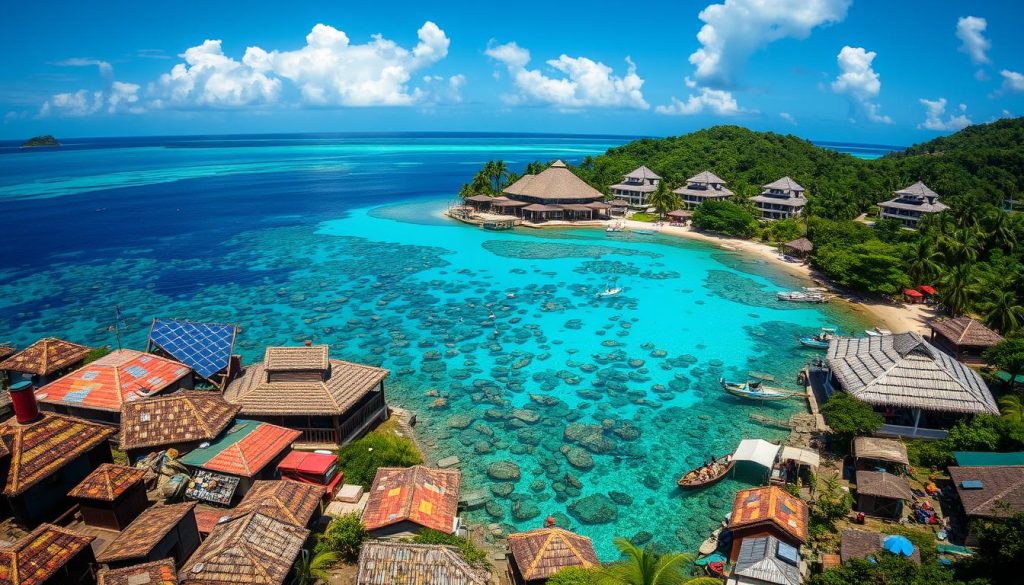
| Project | Description | Community Involvement |
|---|---|---|
| Finolhu Maldives | Travelife Gold Certified, focusing on reducing environmental impacts. | Supports local employment and community projects. |
| Soneva Fushi | Luxury villas with eco-friendly excursions and practices. | Collaborative programs enhancing local cultural exchange. |
| Anantara Kihavah Maldives Villas | Plastic-free resort with extensive conservation programs. | Participative efforts in coral planting and education. |
Notable Eco-Friendly Resorts in Baa Atoll
Baa Atoll boasts some of the top eco-friendly resorts in the Maldives. These places show a big commitment to being green. They make sure guests have a great time while also protecting the beautiful environment. Finolhu and Soneva Fushi are leaders in eco-friendly hospitality in this stunning area.
Finolhu’s Commitment to Sustainability
Finolhu is all about sustainability practices. It has earned the Travelife Gold Certification for Accommodation Sustainability. This shows its dedication to taking care of the environment and helping the community. Finolhu focuses on:
- Using renewable energy every day
- Reducing water use
- Supporting organic gardening to help local plants and animals
These steps show how resorts in Baa Atoll can offer luxury and protect the planet. Guests can enjoy their stay without worrying about harming the environment.
Soneva Fushi’s Innovative Practices
Soneva Fushi is a leader in eco-friendly practices in the Maldives. It has started many sustainable projects. Some of its key efforts are:
- Recycling plastic on-site to cut down on waste
- Working towards being completely waste-free
- Using solar energy at its Eco Centre
- Turning waste into art, like glass sculptures
- Teaching local kids about ocean conservation through the Ocean Stewards program
These actions make the stay better for guests. They also help keep Baa Atoll’s delicate ecosystems safe for the future.
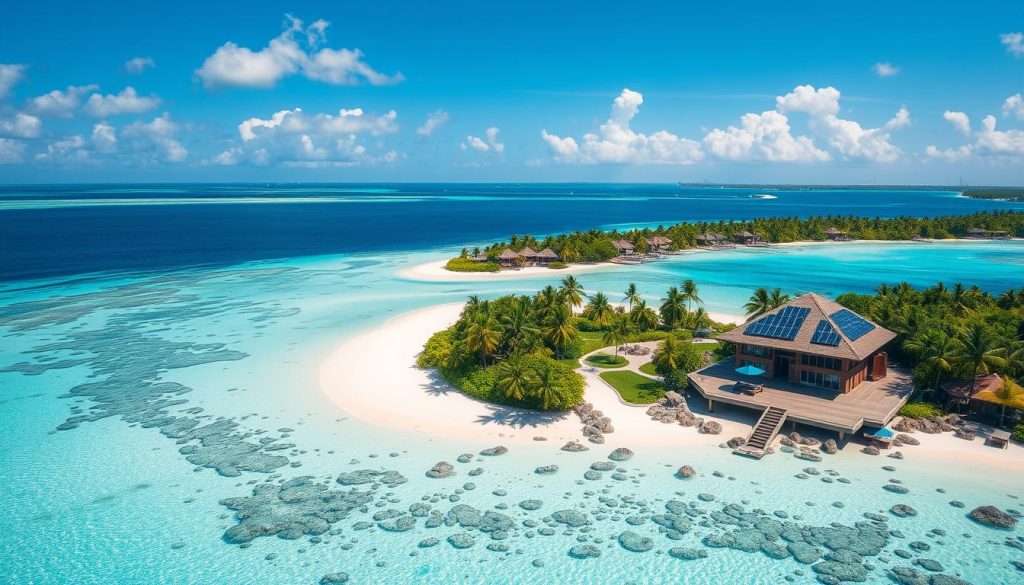
| Resort | Key Sustainability Practices | Achievements |
|---|---|---|
| Finolhu | Renewable energy, water conservation, organic gardening | Travelife Gold Certification |
| Soneva Fushi | Plastic recycling, waste-free goals, solar energy usage | Leading pioneer in sustainability |
Marine Conservation Projects in Baa Atoll
Baa Atoll is a key area for marine conservation. It protects its rich marine life. Projects here focus on important ecosystems, like those of manta rays and whale sharks. They aim to fight threats from climate change, like rising sea temperatures.
Protecting Marine Biodiversity
Many efforts are in place to keep Baa Atoll’s marine life safe. These include:
- Coral restoration projects that help corals grow fast. This is important because coral bleaching has harmed reefs a lot.
- Turtle rescue centers that help injured turtles. These centers are crucial for saving vulnerable species.
- Work with big conservation groups, like Manta Trust and the Olive Ridley Project. This boosts efforts to protect marine life.
Collaborative Efforts with Tourists
Getting tourists involved in conservation is key. It makes them care for the ecosystems they visit. There are many ways to get involved, like:
- Hands-on projects where tourists help with coral restoration and clean-ups. This directly helps marine conservation.
- Learning programs at places like Soneva Fushi. Guests can learn about coral and marine issues.
- Experiences at resorts, like the Mai Khao Marine Turtle Foundation at Anantara. Guests can help release turtles back into the wild.
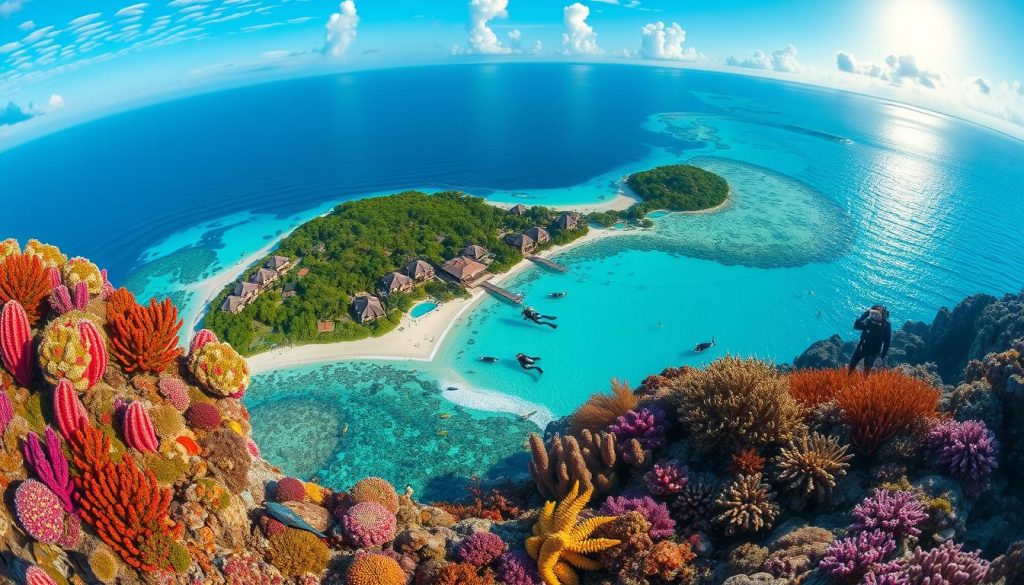
Working together, tourism and conservation goals are met. This approach raises awareness and protects Baa Atoll’s marine life. By choosing to travel mindfully and joining these projects, you help preserve this beautiful place.
Community-Based Tourism Initiatives
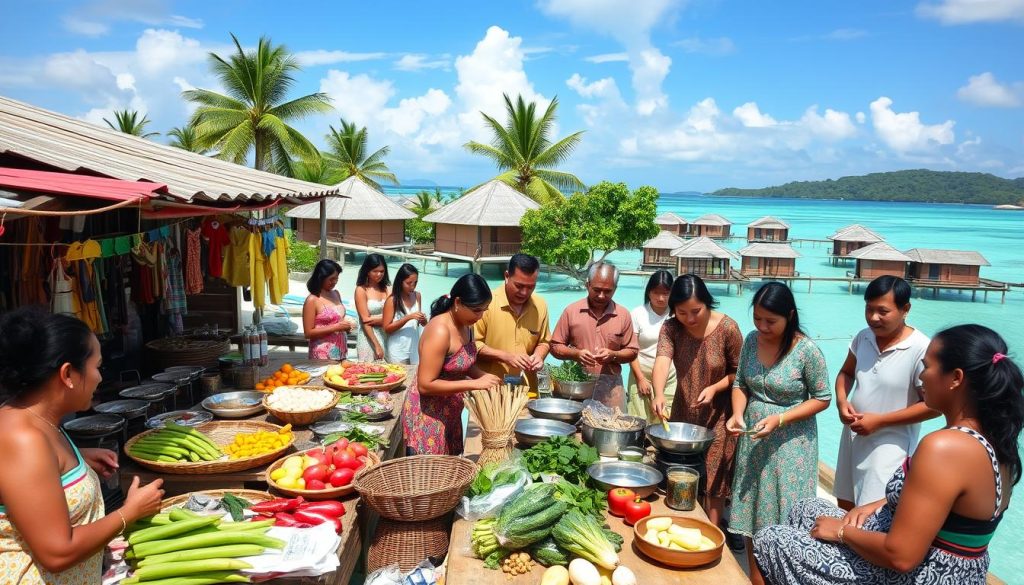
Community-based tourism in Baa Atoll brings visitors and locals closer. It mixes real Maldivian traditions with travel. People get to meet locals, join cultural events, and try local food.
These efforts also boost local businesses. They sell arts and crafts, helping the economy grow. This benefits both the community and the visitors.
Engaging Locals through Sustainable Travel
Traveling sustainably lets you see Baa Atoll’s unique way of life. It’s a chance to connect with the community. Visitors learn from locals, like through fishing or cooking classes.
Local women are key in these experiences. They share their skills and knowledge. Despite some challenges, they’re working to involve more women in tourism.
Benefits of Community Involvement
When locals join in tourism, everyone wins. It creates jobs and boosts the local economy. It also strengthens community bonds.
Education plays a big role too. It teaches locals new skills and gives them a voice. This way, tourism benefits both the community and visitors.
Responsible Tourism Practices in Baa Atoll
Responsible tourism in Baa Atoll aims to protect the environment and improve visitor experiences. Resorts like Reethi Beach Resort have been working on green initiatives for over a decade. They monitor water and energy use to lessen their impact on the planet.
The Maldives faces challenges with waste management. Resorts join local efforts to reduce their environmental footprint. This helps keep the area beautiful for future visitors.
Visitors are encouraged to respect the local culture and nature. Supporting eco-friendly practices in Baa Atoll is key. Resorts promote using less waste and eco-friendly travel.
For example, the mosquito man method keeps islands free of mosquitoes without harming the environment. This approach supports the local economy by creating jobs for people from Baa Atoll.
Getting involved in community projects can make your visit more meaningful. Your help can support local people and help tourism grow sustainably. Choosing responsible tourism in Baa Atoll is a way to protect this paradise for everyone.

Exploring the Activities That Support Sustainability
Snorkeling and diving in Baa Atoll change how we see our oceans. In 2021, the Maldives welcomed 1.3 million visitors. They came to see its beautiful underwater world.
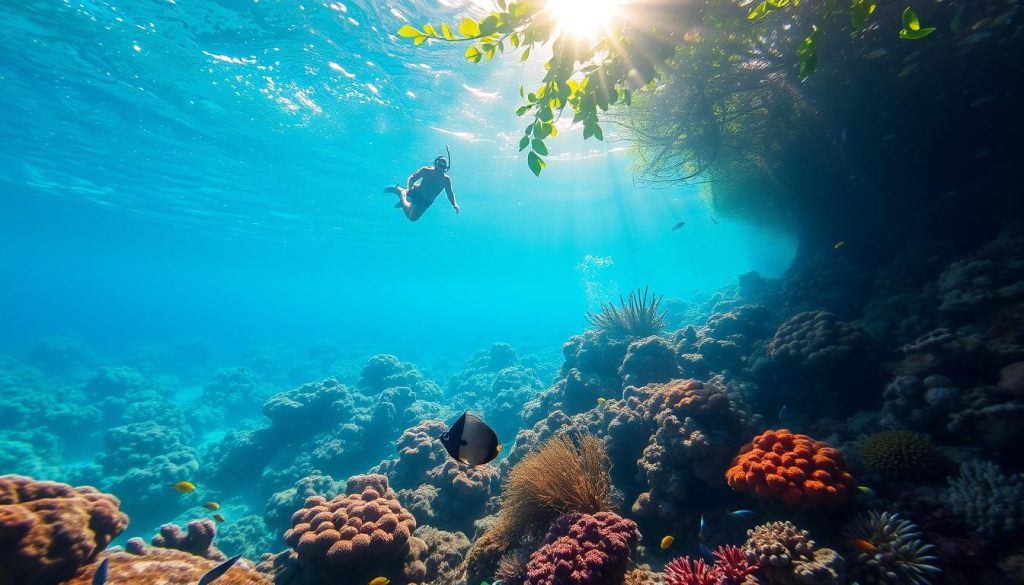
The area has about 2,500 coral reefs. These invite activities that help protect the sea. By diving responsibly, you can see coral and learn to respect marine life.
Local dive operators teach visitors to avoid harming the reefs. They tell us not to touch corals and keep a safe distance from animals. This helps the reefs stay healthy.
Snorkeling and Diving Tourism
Snorkeling and diving in Baa Atoll take you to an amazing underwater world. You can see manta rays and whale sharks. Since 2005, Reefscapers have worked to restore coral reefs.
The Maldives is focusing on being more sustainable. For example, the St. Regis Maldives Vommuli Resort has a recycling plant. It aims to create a closed-loop economy in tourism.
Wildlife and Nature Excursions
Wildlife excursions in Baa Atoll let you connect with nature and learn about conservation. You can go on guided tours to see the area’s plants and animals. Local guides teach us about the importance of these ecosystems.
Baa Atoll has a lot of mangroves, which are important for birds. These excursions help local communities and teach us about biodiversity. They show how important it is to protect our environment.
| Activity | Description | Sustainability Impact |
|---|---|---|
| Snorkeling | Experience the underwater beauty up close, exploring diverse reef structures. | Encourages coral preservation and supports local conservation efforts. |
| Diving | Guided dives to observe marine life and coral health. | Promotes awareness of marine ecosystems and responsible interaction. |
| Wildlife Excursions | Guided tours to observe local flora and fauna, including bird watching. | Highlights the importance of biodiversity and fosters conservation education. |
Conclusion
Baa Atoll shows how sustainable tourism can change the Maldives. With climate change affecting us more, local efforts and eco-friendly resorts are key. Your choice to travel sustainably helps the local economy and protects the environment for the future.
The future of eco-tourism in the Maldives looks bright, with Baa Atoll leading the way. With over 1.88 million tourists in 2023, the need for sustainable tourism is clear. This area shows that responsible travel can help communities and the environment, keeping the islands beautiful despite climate threats.
Baa Atoll’s commitment to sustainable tourism makes it a UNESCO Biosphere Reserve. When you visit, you see its stunning reefs and local traditions. Your choice to travel sustainably helps preserve this beauty and supports a green future for Maldives.