Explore Authentic Cultural Tours in Pakse
Have you ever wondered what lies beneath the surface of a city often overlooked by travelers? Pakse, the capital of Champasak province in southern Laos, is a gem waiting to be discovered. As you explore Pakse culture, you will find a destination rich in cultural heritage and natural beauty.
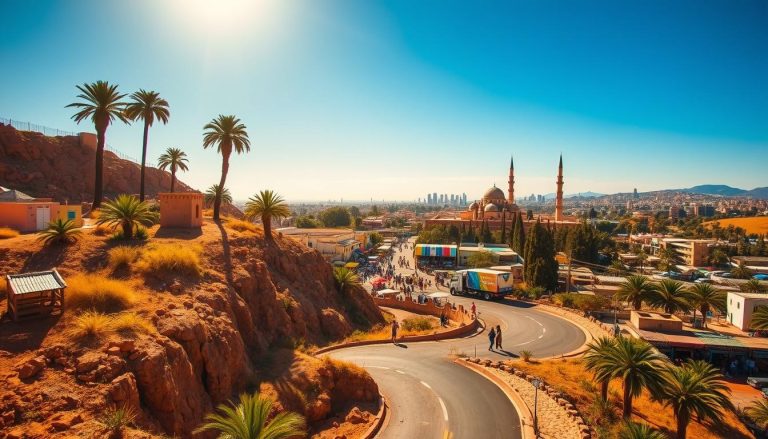
The confluence of the Mekong and Xe Don rivers creates a unique backdrop for your adventures. This city, characterized by its blend of French colonial architecture and traditional Laotian influences, serves as the perfect gateway for cultural tours in Pakse. It allows you to immerse yourself in Laos’ vibrant lifestyle.
From ancient temples like Wat Phu to vibrant markets like Dao Heuang Market, every corner of Pakse showcases authentic Pakse cultural experiences. Whether you’re pampering yourself with a traditional massage at Dok Champa after a day of exploration or discovering the hidden treasures at the Champasak Provincial Historical Heritage Museum, Pakse offers countless opportunities for authentic engagement and enlightenment.
Overview of Pakse
Pakse is a charming city at the Mekong and Xe Don rivers’ meeting point. It’s a gateway to Southern Laos, offering a fresh vibe unlike other Mekong towns. The city has a population of about 70,000 and spans 180 square kilometers. It’s the key economic and tourism hub in Southern Laos.

Exploring nearby attractions is enlightening. For Pakse city tours, highlights include the Bolaven Plateau, Wat Phu Champasak, and Kiet Ngong. Ban Saphai village showcases Southern Lao culture through weaving, while Kho Island offers a unique car-free experience.
Pakse has many tourism facilities, with hotels and guest houses for all. For adventure, Mekong cruises range from budget to luxury. Talat Dao Heuang market is a food lover’s paradise, offering local treats like Pan miiang baa and Kow neeo bing.
Pakse celebrates its culture all year, but Lao New Year is special. Families hold ceremonies with rice plant arches and water fights to clean Buddha statues. The Champasak Historical Heritage Museum displays cultural and historical artifacts, giving insights into the region’s past.
Pakse’s handicraft industry in Ban Saphai and scenic parks like Phou Xieng Thong National Park make it a well-rounded destination. It offers relaxation and cultural experiences.
Rich Cultural Heritage in Pakse
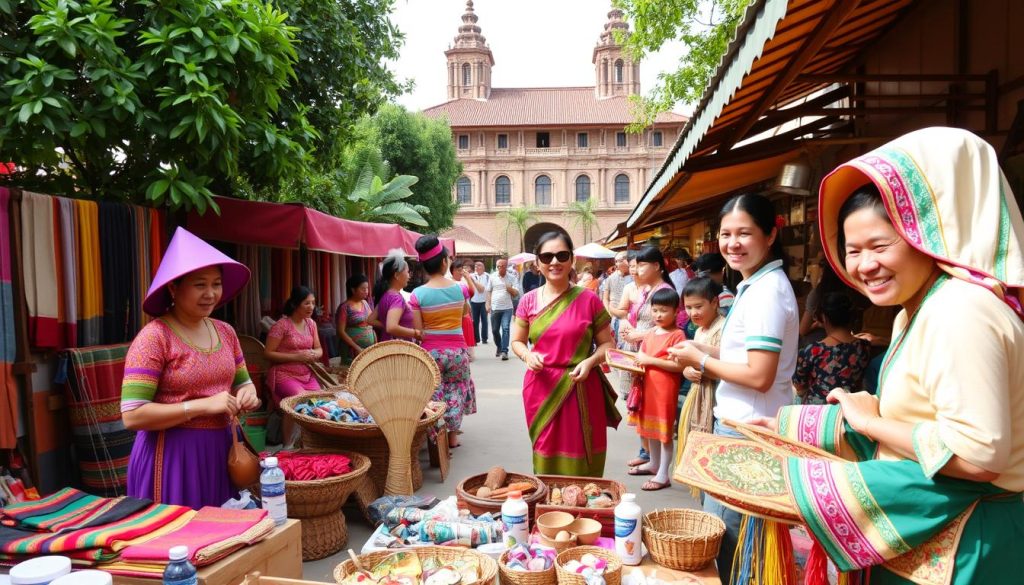
Pakse is a vibrant center where you can dive into a rich cultural heritage. It’s influenced by Indian and Chinese traditions. This mix creates a unique tapestry that shows local customs and practices. You’ll find many Pakse cultural activities that show the warmth and friendliness of the people.
Every year, traditional ceremonies and festivals fill the air with excitement. They let you discover Pakse traditions firsthand. Wat Phu, an ancient Khmer temple complex, is a must-see. It dates back to the 5th century and showcases architectural marvels of its time.
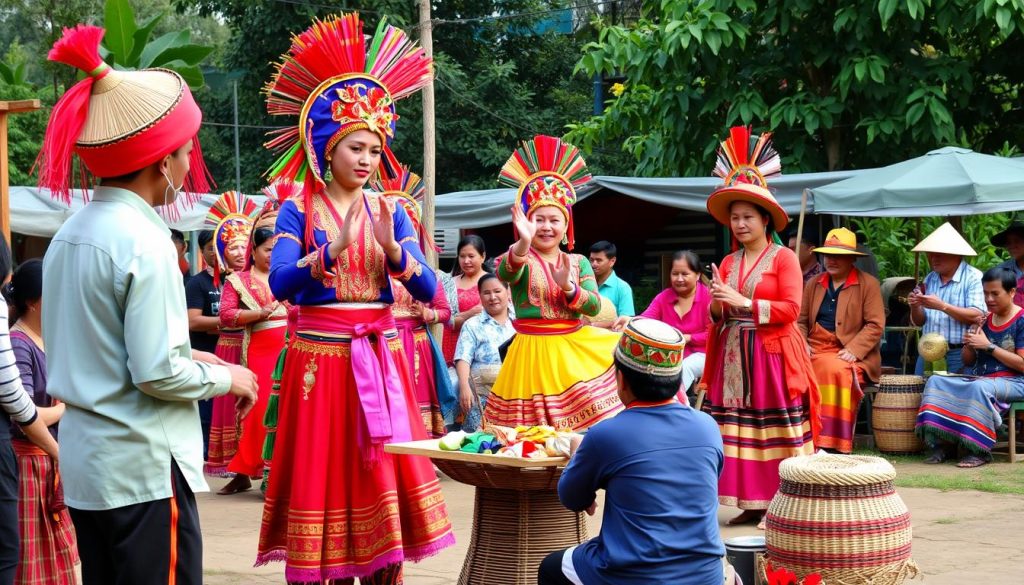
Exploring local communities is a great way to learn about traditional crafts, dances, and folklore. The numerous Buddhist monasteries in Pakse are spiritual havens and cultural oases. They let you immerse yourself in the daily lives of the locals.
The diverse ethnic groups in and around Pakse add color to the cultural landscape. Whether it’s tasting local delicacies or joining community celebrations, each experience deepens your understanding of Laotian culture. Pakse’s authentic charm is still largely undiscovered by mass tourism, making your visit truly special.
Best Time to Visit Pakse
The best time to visit Pakse is from November to March. The weather is dry and cool, ideal for outdoor fun and cultural tours. Temperatures are between 20°C to 28°C, perfect for trekking and exploring.
From March to May, it gets very hot, with temperatures over 40°C. This makes it less ideal for visits. Many prefer the cooler months.
The wet season, from May to October, brings heavy rain. While it makes the landscapes green, it can mess with travel plans. So, visiting during the dry season is best to enjoy Pakse fully.
| Season | Duration | Temperature Range | Ideal for Visits? |
|---|---|---|---|
| Dry Season | November – March | 20°C – 28°C | Yes |
| Hot Season | March – May | Up to 40°C | No |
| Wet Season | May – October | Variable | No |
Planning your visit around these seasons makes your trip better. You’ll enjoy cultural tours in Pakse and explore the local environment and heritage fully.
Things to See and Do in Pakse
Pakse is full of activities and sights for every traveler. Exploring Pakse’s culture is a great way to dive into the city’s traditions and lively vibe.
Don’t miss the floating markets of Dao Heuang. Here, you can find local produce and enjoy the bustling scene. For history buffs, the Champasak Palace Hotel is a must-see. It’s a former royal home turned luxury hotel.
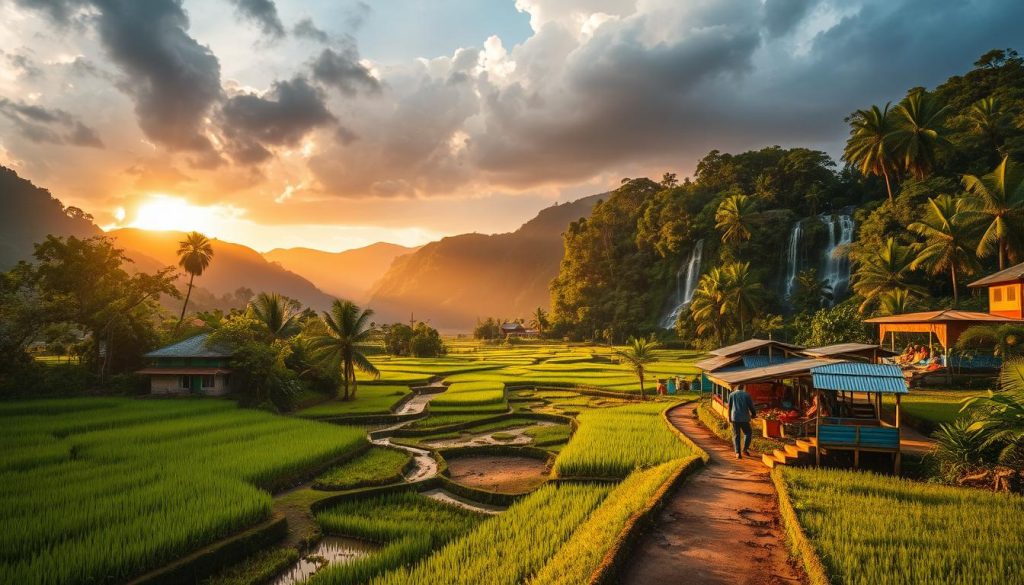
As you explore, the natural beauty of Pakse is stunning. The Tad Fane Waterfall is the highest in Laos, with a 130-meter drop. Si Phan Don, about 150 kilometers south, is famous for its islands and lush nature.
Eating out in Pakse is a treat. Try local dishes at riverside restaurants for a true cultural taste. The views from Pakse Hotel’s rooftop bar are amazing, and happy hour offers great deals.
Local markets in Pakse are a must-see. Talat Dao Heung market is open daily and offers a real glimpse into Pakse’s daily life.
| Attraction | Description | Entrance Fee |
|---|---|---|
| Champasak Provincial Museum | A showcase of the region’s history and culture. | 10,000 kip (about 1€) |
| Wat Phou | 10th-century Khmer temple, UNESCO World Heritage site. | 30,000 kip. Option for 45,000 kip for golf kart ride. |
| Tad Fane Waterfall | Highest waterfall in Laos, prominent natural attraction. | Free access |
| Dao Heuang Market | Popular floating market, great for fresh local produce. | Free access |
| Ban Saphai Silk Weaving Village | Unique cultural experience in silk weaving. | Free access |

Visit Wat Luang – A Cultural Landmark
Wat Luang, built in 1935, is one of Pakse’s biggest and most detailed Buddhist temples. It’s right by the Xe Don River. This place shows off amazing architecture that mixes Lao and Thai styles. Visiting Wat Luang helps you understand local beliefs, making it a key spot for cultural tours in Pakse.
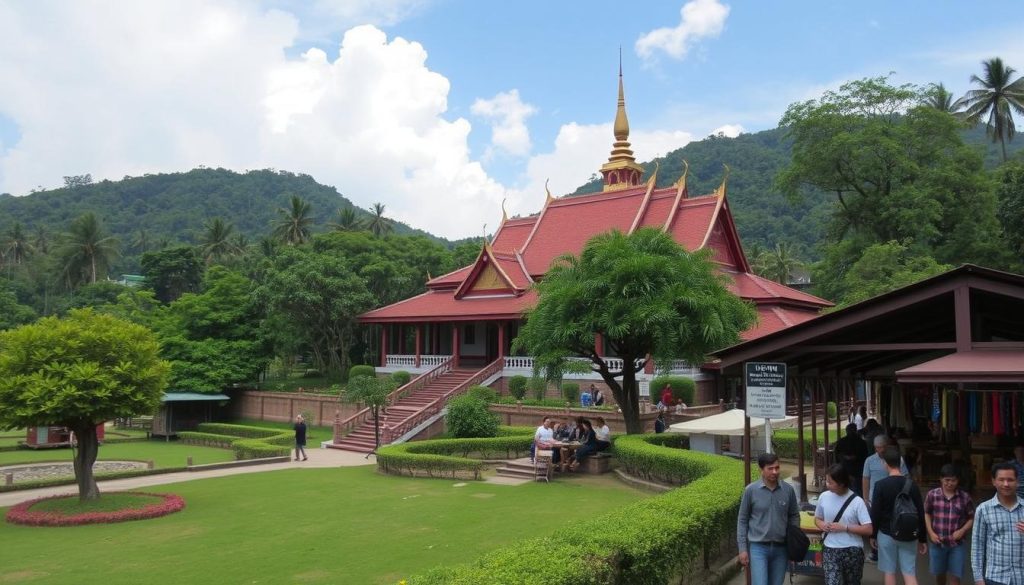
Getting there is easy. You can walk for 10 minutes from the main road. Or, cycling from Champasak takes about 20-30 minutes. Tuk-Tuks from Champasak are quicker, taking 10-15 minutes. Nearby, you’ll find Pakse Landmark, Pakse Market, and Sunset Beach. Watphou Travels and local food spots add to the fun.
Wat Luang is perfect for quiet moments and photos. It has a stupa, monks’ homes, and schools. The temple also has meditation sessions for everyone, no matter your experience.
- Daily Alms Giving Ceremony with offerings of rice and traditional snacks
- Cultural Craft Workshop covering weaving and paper-making
- Buddhist Teaching Class discussing the Four Noble Truths and karma
- Herbal Medicine Workshop showcasing natural remedy preparations
- Traditional Lao Cuisine Cooking Class led by local chefs
- Mindfulness and Reflection Retreat to enhance self-awareness
- Temple Stay Experience for deeper cultural engagement
Wat Luang has about 10 activities to enjoy. Prices range from $53 to $600. It’s a top pick for anyone wanting to explore Pakse’s heritage. Dive into the culture, spirituality, and beauty of this famous temple during your visit.
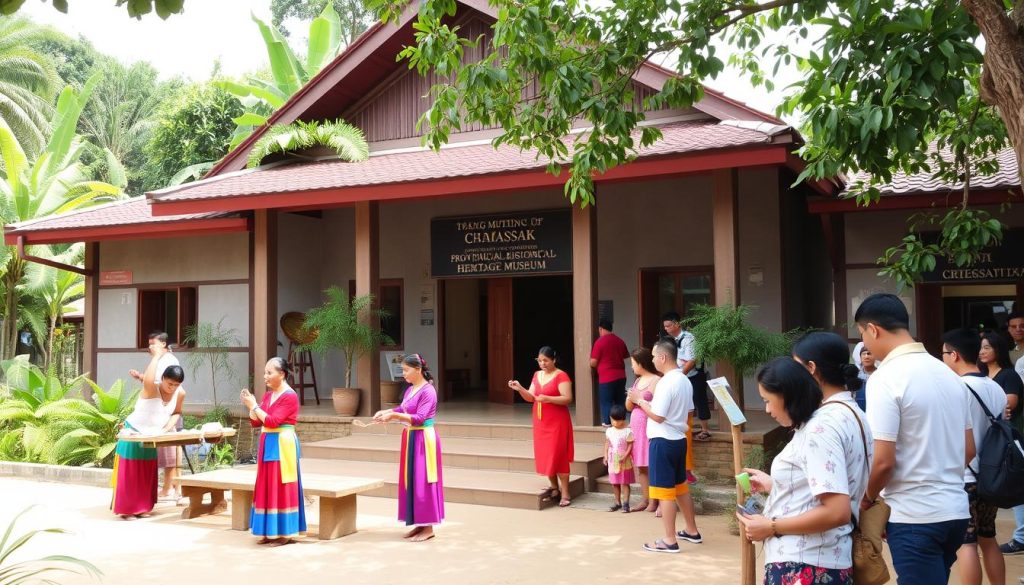
Champasak Provincial Historical Heritage Museum
The Champasak Provincial Historical Heritage Museum is key to understanding Pakse’s culture. It offers a journey through time with artifacts from prehistoric times, the Khmer Empire, and the French colonial era. You’ll see ceramics, textiles, traditional instruments, and religious art that highlight the region’s rich heritage.
This museum also honors important figures in Laos, like Kaysone Phomvihane. It supports eco-friendly travel, making it a top choice for those wanting real Pakse cultural experiences. It’s perfect for anyone looking to dive deep into Pakse’s history and heritage.
Pakse, the capital of Champasak, is full of attractions shaped by different cultures. From French buildings to lively markets, a heritage tour here offers a unique look at history and culture. It’s a chance to see how these elements come together in this special region.
Cultural Tours in Pakse
Cultural tours in Pakse let you dive into the area’s rich heritage. You can pick from many activities that fit your interests. This makes each tour special and fun. Tours are usually for small groups, so you get a personal touch whether you’re alone or with someone.
Types of Cultural Excursions
Pakse offers a wide range of cultural activities. You can see historical sites or visit local villages. Tours last from 4 to 9.5 hours, and some include meals. You can choose to start in the morning or afternoon, making it easy to plan your day.
Some tours even let you ride elephants through forests to reach temples. This adds a unique touch to your experience.
- Visit key landmarks such as Wat Visun and the Khmer archaeological site of Oum Moung.
- Explore the Boloven Plateau, renowned for coffee and tea plantations.
- Admire natural wonders like Kuang Si Waterfalls and Khone Phapeng Waterfall.
- Enjoy a 2-hour cruise down the Mekong River to Champassak.
Local Guides and Their Insights
Local guides make cultural tours in Pakse even better. They share interesting facts and stories about each place. For example, visiting tribal villages lets you see communities that still live like our ancestors.
Learning about sites like Wat Phou and Pakse’s history makes your trip more meaningful. It’s a chance to understand the area’s culture deeply.
Exploring Pakse’s Local Cuisine
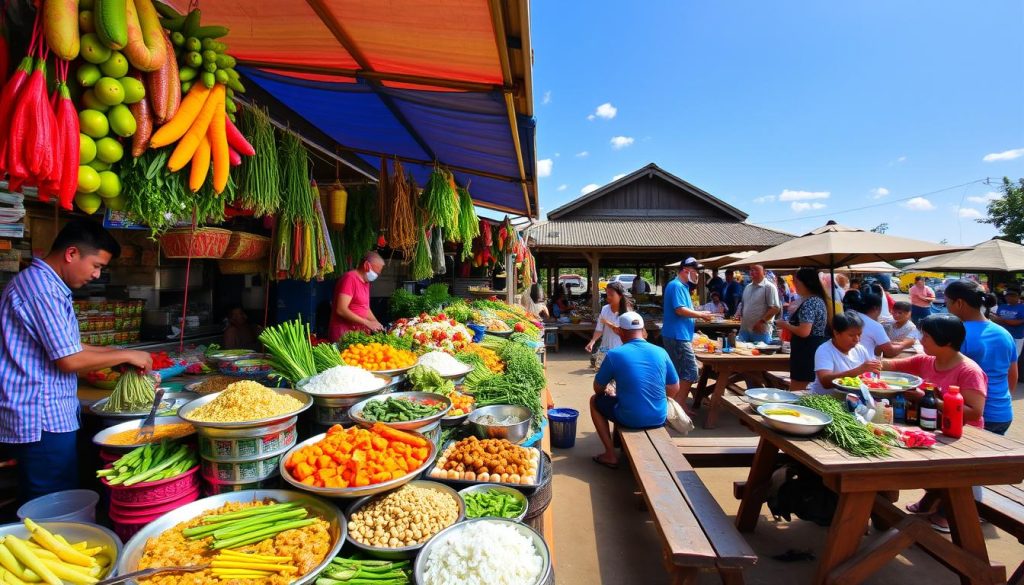
Pakse’s local cuisine is a vibrant mix of flavors that shows off Southern Laos’s rich culture. You’ll find dishes that are both tasty and beautiful, a feast for your senses. Kao Piek, a flavorful noodle soup with fresh herbs, is a must-try. It’s a comforting meal often enjoyed for breakfast.
Tam Mak Hoong, a spicy green papaya salad, is another highlight. It perfectly balances tangy, spicy, and sweet flavors. Dining at riverside restaurants or local eateries adds charm. You’ll enjoy authentic meals while taking in the stunning views of the Mekong River.
The culinary scene in Pakse is more than just dishes. The Boun Wat Phou Festival celebrates traditional cooking and cultural rituals. It’s a chance to dive into local customs. Dining in Pakse is about more than just food; it’s about connecting with the community and its heritage.
Nightlife Activities in Pakse
Pakse’s nightlife is a mix of fun for all tastes. As the sun goes down, the Mekong River area buzzes with life. You’ll find bars, rooftop spots, and restaurants filled with laughter and tunes.
Rooftop bars, like Pakse Hotel’s, give you amazing views. Enjoy cool drinks and watch the city light up. Street food vendors offer tasty dishes like noodle soup and spicy papaya salad.
The Ban Tong Night Market is a top spot for street food lovers. It’s full of local dishes that show off the area’s cooking skills. Restaurants, including those by the river, serve fresh fish and crayfish.
For a fun night, check out Pakse’s nightclubs. They open early and are perfect for those who love to party. These places have a special charm that lets you dive into local culture.
Here’s a look at what Pakse’s nightlife has to offer:
| Type of Venue | Atmosphere | Typical Closing Time |
|---|---|---|
| Rooftop Bars | Relaxed, Scenic | 11:30 PM |
| Street Food Markets | Lively, Casual | Late Night |
| Nightclubs | Energetic, Vibrant | Late Night |
Pakse’s nightlife is a great way to enjoy the city’s culture. You’ll find everything from laid-back bars to lively markets and cozy restaurants. Dive into the fun and make your evenings unforgettable.
Pakse’s Natural Attractions
Pakse is surrounded by stunning natural landscapes in Laos. The Bolaven Plateau, known as the “Gateway to the Bolaven Plateau,” is a short drive away. It’s famous for its coffee plantations and waterfalls like Tad Fane and Tad Lo.
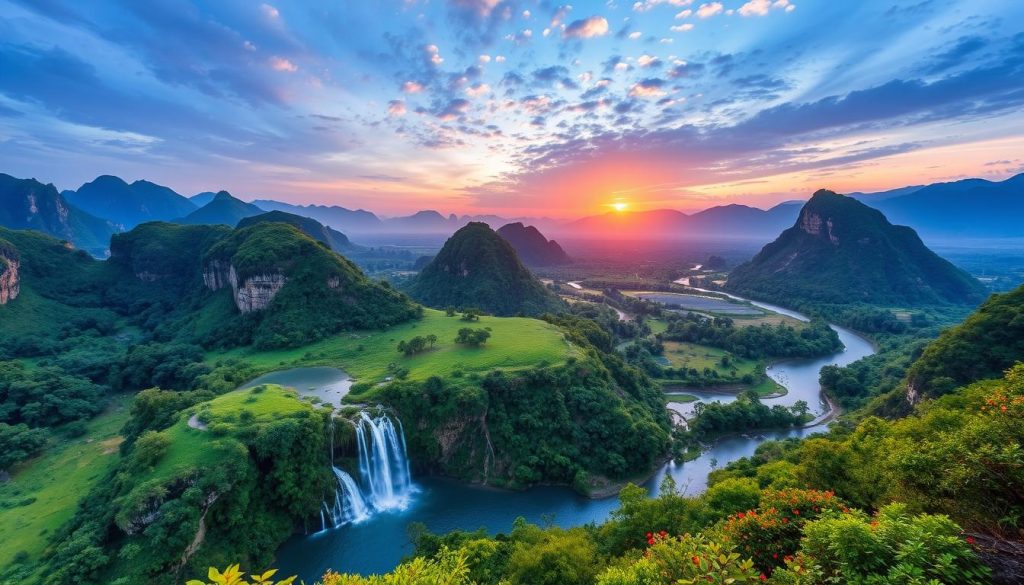
The plateau covers about 10,000 square kilometers. It’s perfect for trekking and outdoor adventures. Wildlife lovers will enjoy seeing endangered species like the Irrawaddy dolphin here.
Traveling to Si Phan Don, about 150 kilometers from Pakse, is a must. You’ll see the Khone Falls, the largest in Southeast Asia.
Exploring local villages like Don Khong and Don Daeng is also rewarding. These islands show rural life and cultural richness. Whether you visit in the dry or wet season, Pakse’s natural wonders offer something for everyone.
Conclusion
Pakse is a vibrant mix of cultural tours and stunning landscapes. It’s a top spot for travelers. You can dive into the area’s rich heritage through various activities, like joining a traditional Buddhist ceremony at Wat Luang.
Exploring the Champasak Provincial Historical Heritage Museum is a must. It showcases a vast collection of artifacts and art. Many visitors also head to the Wat Phou Temple Complex to learn about Lao spirituality.
The Bolaven Plateau is home to ethnic minority villages. It offers a unique look into local life. Pakse’s street food and traditional dance performances add to its lively vibe.
Try a cooking class to learn Lao dishes or go on guided tours. These are favorite activities among visitors. Pakse’s growing tourism scene makes it a top adventure spot. Your visit will be filled with authentic experiences.