Alternative Accommodation Options Beyond Hotels: A Practical Guide
Hotels are not the only option for travel accommodation, and in many cases they are not the most affordable or interesting one. Vacation rentals, homestays, house swaps, glamping sites, and hostels can save 20 to 60 percent compared to equivalent hotel rooms while offering more space, kitchens, and experiences you would not find at a chain property.
This guide covers the main alternatives to hotels available in 2026, with the platforms to book them, what they actually cost, and who each option works best for.
Vacation rentals
Vacation rentals are the most direct hotel alternative. You get an entire home, apartment, or condo to yourself with a kitchen, living space, and often a washer and dryer. For families and groups, the per-person cost is almost always lower than booking multiple hotel rooms.
The major platforms for vacation rentals in 2026 are Airbnb (over 7.7 million listings worldwide), VRBO (over 2 million listings, whole-home rentals only), and Booking.com (28 million total listings including hotels and rentals). VRBO charges guests a 6 to 12 percent service fee, which is generally lower than Airbnb’s 14 percent guest service fee. For travelers who want to avoid platform fees entirely, Houfy lists over 97,000 properties across 50+ countries with zero guest service fees and zero host commissions.
A practical example: on a 7-night stay at $200 per night, booking through Houfy instead of Airbnb saves a typical guest $140 to $200 in service fees. VRBO falls somewhere in between. The tradeoff is that zero-fee platforms have smaller inventories and less brand-name trust infrastructure, so read reviews carefully and verify the host before booking.
Glamping and outdoor stays
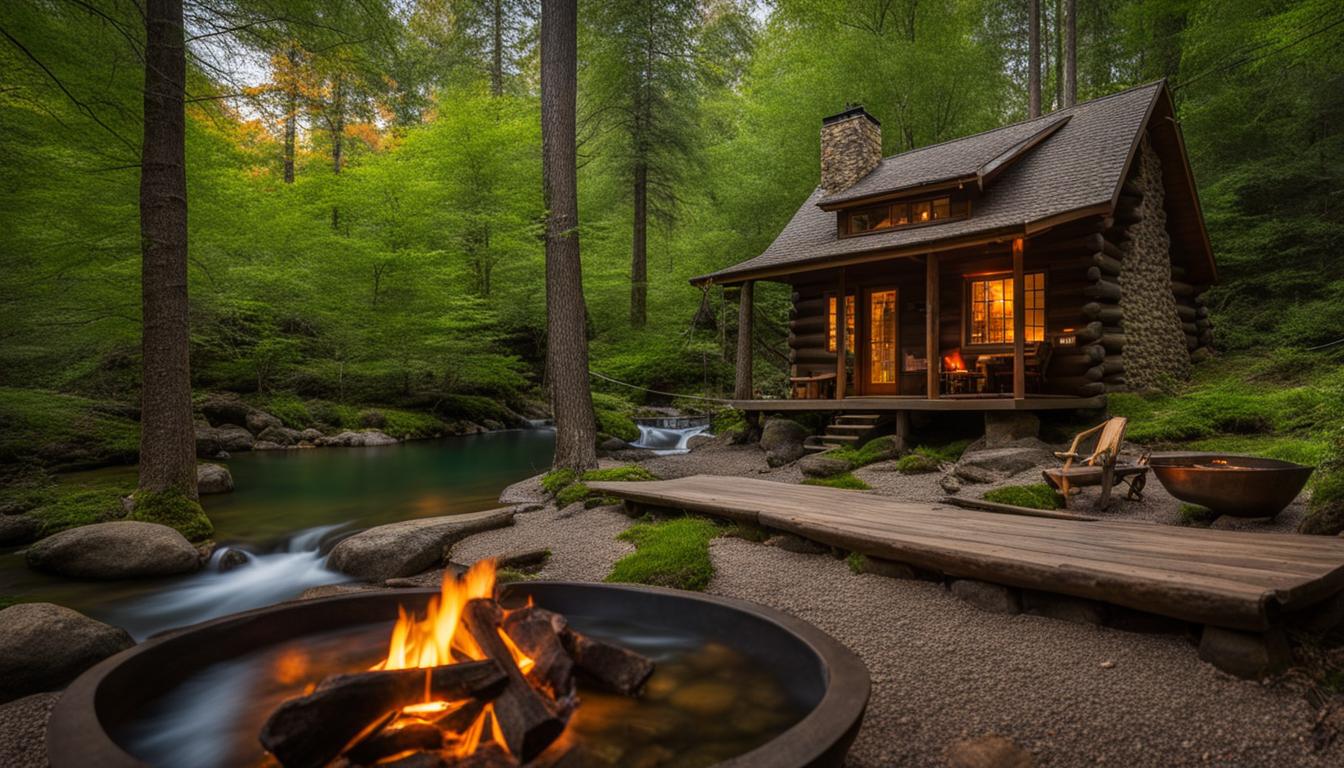
Glamping (glamorous camping) puts you in nature with more comfort than a tent on the ground. Options include safari tents, yurts, treehouses, geodesic domes, converted Airstreams, and cabins on private land. Nightly rates range from $25 for a basic campsite to $300+ for a luxury safari tent with a king bed and private bathroom.
Hipcamp is the largest outdoor accommodation platform in North America with over 500,000 listings, mostly on private land that is not available through other booking sites. A rancher in Montana with 50 acres, a vineyard in Sonoma with a glamping tent overlooking the vines, a tree farm in Vermont with a cabin that sleeps four. Hosts pay a 10 percent commission and guests pay roughly 10 percent in service fees. Many listings are significantly cheaper than traditional rentals because the stays are simpler.
Glamping Hub focuses on the upscale end of outdoor stays with a global inventory of treehouses, luxury yurts, and safari tents. The platform charges hosts a 4 percent commission, one of the lowest in the industry. For travelers who want the outdoor setting but not the roughing-it experience, Glamping Hub filters specifically for amenities like real beds, electricity, private bathrooms, and heating.
Getaway offers a more standardized glamping product: purpose-built tiny cabins in wooded locations near major cities across the United States. Unlike peer-to-peer platforms, Getaway owns and operates all its properties, so the experience is consistent. Pricing is all-inclusive with no service or cleaning fees added at checkout.
Homestays
A homestay means renting a room in a local host’s home rather than having the entire place to yourself. This is the most affordable accommodation option after hostels and couchsurfing, and it offers something hotels cannot: direct cultural immersion with someone who lives in the destination.
Homestay.com operates in over 160 countries with prices typically ranging from $15 to $100+ per night. Many hosts include breakfast or meals, which adds significant value. The platform is especially popular with students, solo travelers, and language learners who want daily conversation practice with a native speaker.
Airbnb also lists shared-room and private-room options where you stay in the host’s home, though the dedicated homestay platforms tend to attract hosts who are more interested in cultural exchange than pure income.
House swapping
House swapping eliminates accommodation costs almost entirely. You exchange homes with another traveler, so both parties stay for free. The only cost is the annual membership on the swapping platform.
HomeExchange is the largest house swap platform, operating worldwide. Members pay an annual fee and earn points (GuestPoints) when they host, which they can use to stay at other members’ homes even without a simultaneous swap. This solves the biggest logistical challenge of traditional house swapping, where both parties needed matching travel dates.
TrustedHousesitters takes a different approach: instead of swapping homes, you stay in someone’s home for free in exchange for caring for their pets while they travel. Annual membership starts at $149 per year for pet owners. The platform covers over 140 countries and is the strongest genuinely free accommodation option available. The tradeoff is that you are committed to pet care responsibilities during your stay, which limits spontaneous day trips.
Hostels
Hostels are the most affordable option for solo travelers and backpackers. A dorm bed in a major city typically costs $15 to $50 per night, while private rooms at hostels run $40 to $100. Modern hostels have evolved well beyond the stereotype of noisy bunk rooms. Many now offer private rooms with en-suite bathrooms, coworking spaces, rooftop bars, and organized social events.
Hostelworld is the primary booking platform, with the largest inventory and most detailed review system. Booking.com also lists hostels alongside its hotel and rental inventory. When choosing a hostel, filter by review score (aim for 8.0+ on a 10-point scale) and check recent reviews for cleanliness and security comments.
Boutique and alternative hotel concepts
Several companies have created hybrid models that sit between traditional hotels and vacation rentals. Sonder operates serviced apartments in major cities with hotel-like consistency but apartment-style space, including full kitchens and living rooms. Check-in is contactless and there is no front desk, which some travelers find liberating and others find impersonal.
Plum Guide and One Fine Stay focus on vetted luxury properties. Every listing on Plum Guide passes a 150-point quality inspection before being approved, making it the most trust-consistent platform for high-end vacation rentals. Nightly rates are premium, but the curation eliminates the risk of booking a property that does not match its photos.
For families with young children, Kid and Coe vets every listing for child-safety features like stair gates, high chairs, and cribs. This niche focus solves a real problem, since most vacation rental platforms leave child-friendliness to the host’s description rather than verifying it.
Comparison table
| Accommodation Type | Typical Nightly Cost | Best Platform | Best For | Main Tradeoff |
|---|---|---|---|---|
| Vacation rental (whole home) | $100 to $400+ | VRBO, Airbnb | Families, groups, longer stays | Cleaning fees, check-in logistics |
| Glamping / outdoor stay | $25 to $300 | Hipcamp, Glamping Hub | Nature lovers, couples, unique experiences | Remote locations, variable amenities |
| Homestay | $15 to $100 | Homestay.com, Airbnb | Solo travelers, cultural immersion, budget | Shared space, less privacy |
| House swap | $0 (membership fee only) | HomeExchange, TrustedHousesitters | Homeowners, flexible travelers, pet lovers | Must offer your home or pet-sit |
| Hostel | $15 to $50 (dorm), $40 to $100 (private) | Hostelworld, Booking.com | Solo travelers, backpackers, budget | Shared facilities, noise |
| Serviced apartment | $120 to $300 | Sonder, Marriott Homes and Villas | Business travelers, longer stays | Less character than boutique options |
How to choose the right alternative
The best accommodation type depends on three factors: your group size, your budget, and how much you value privacy versus social interaction.
Solo travelers on a budget should start with hostels or homestays. Both offer the lowest per-night costs and built-in opportunities to meet people. If you are comfortable with pet responsibilities, TrustedHousesitters eliminates accommodation costs entirely.
Couples looking for a memorable experience should explore glamping platforms. A treehouse or safari tent creates a completely different vacation memory than a hotel room, often at a comparable or lower price point.
Families should compare vacation rental prices against hotel rates for their destination. Once you factor in the value of a kitchen (cooking breakfast and lunch instead of eating out saves $50 to $100 per day for a family of four), vacation rentals often cost less than hotels on a total-trip basis even when the nightly rate appears higher.
Groups of four or more almost always save money with a vacation rental or villa. Splitting a $400 per night three-bedroom house four ways costs $100 per person, compared to $150 to $250 each for individual hotel rooms.
Frequently asked questions
Are vacation rentals cheaper than hotels?
Vacation rentals are typically 20 to 40 percent cheaper than hotels for groups of three or more, especially when factoring in the kitchen, which saves on dining costs. For solo travelers or couples on short stays, hotels can be competitive or cheaper once cleaning fees and service fees are added to the rental price. The savings become clearer on stays of four nights or more, where cleaning fees are spread across more nights.
Is Airbnb still the best vacation rental platform?
Airbnb has the largest inventory at over 7.7 million listings, but it is not always the cheapest option. VRBO charges lower guest service fees (6 to 12 percent versus Airbnb’s 14 percent) and focuses exclusively on whole-home rentals. Houfy charges zero guest fees. For outdoor stays, Hipcamp has a larger and more specialized inventory than Airbnb’s outdoor listings. The best approach is to search two or three platforms and compare total checkout prices for the same dates.
How does house swapping work?
You list your home on a platform like HomeExchange, and other members can request to stay at your place while you stay at theirs. Modern platforms use a points system so you do not need a simultaneous swap. When you host someone, you earn points that you spend on stays at other homes. Annual membership fees range from about $100 to $200. The accommodation itself is free.
Is glamping worth the price?
Glamping prices range from $25 per night for a basic campsite on private land to $300+ for a luxury safari tent with a real bed and bathroom. At the lower end, it is significantly cheaper than hotels. At the higher end, you are paying for a unique experience rather than savings. The value depends on whether the outdoor setting and novelty factor matter to you. Platforms like Hipcamp offer the budget end, while Glamping Hub curates the luxury end.
Are homestays safe?
Reputable platforms like Homestay.com and Airbnb verify host identities and provide review systems. Read recent reviews carefully, especially comments about cleanliness, safety, and host communication. Booking through an established platform with secure payment processing (never pay a host directly outside the platform) provides meaningful protection. Homestays in private rooms with a lock are generally as safe as budget hotels.
What is the cheapest accommodation option for travel?
The cheapest options in order are: TrustedHousesitters ($0 per night, $149 annual membership, must pet-sit), house swapping via HomeExchange ($0 per night, ~$150 annual membership), hostel dorm beds ($15 to $50 per night), homestays ($15 to $100 per night), and basic Hipcamp campsites ($25 to $50 per night). For travelers willing to commit to pet care or home exchange, accommodation can be nearly free.