Essential Dominican Culture and Etiquette Tips
Are you planning a trip to the beautiful Dominican Republic? Before you go, it’s crucial to understand the Dominican culture and etiquette. By immersing yourself in the local customs and Dominican Republic social norms, you can ensure a respectful and enjoyable travel experience.
In this comprehensive guide, we will provide you with essential tips to navigate the intricacies of Dominican culture. From greetings and personal interactions to dining etiquette and religious customs, we will explore the key aspects that shape Dominican society. Get ready to delve into the vibrant and rich fabric of the Dominican Republic!
Introduction to Dominican Culture
Gain insights into the rich and vibrant Dominican culture, from its history and traditions to the values and beliefs that shape Dominican society. Understanding the cultural context will help you navigate social interactions and avoid cultural misunderstandings.
“The Dominican Republic is known for its diverse and lively culture, influenced by indigenous, African, and European traditions. The fusion of these influences has created a unique cultural tapestry that is deeply ingrained in the daily lives of Dominicans.”
Dominican culture is characterized by its warm and welcoming nature, vibrant music and dance, and a strong sense of community. From the moment you arrive in the Dominican Republic, you will be immersed in the lively and colorful atmosphere that permeates the country.
Let’s take a closer look at some key aspects of Dominican culture:
1. Music and Dance
Dominican Republic is renowned for its music and dance traditions, especially merengue and bachata. Merengue, the national dance of the country, is a fast-paced and energetic dance form that originated from African rhythms combined with Spanish influences. Bachata, on the other hand, is a slower and more sensual dance style that reflects the country’s melancholic musical traditions.
2. Family and Community
Family plays a central role in Dominican culture, and strong family bonds are highly valued. Extended families often live together, and the concept of “familismo” emphasizes the importance of loyalty and support within the family unit. Communities also play an essential role, with neighbors often acting like extended family members.
3. Cuisine
Dominican cuisine is a delicious fusion of African, Spanish, and indigenous influences, resulting in a flavorful and diverse culinary experience. Traditional dishes include rice and beans, sancocho (a hearty stew), mangu (mashed plantains), and tostones (fried plantains).
4. Sports
Sports, particularly baseball, are a significant part of Dominican culture. The Dominican Republic has produced many world-class baseball players who have achieved great success in the Major Leagues. Baseball fields can be found in every town and village, reflecting the country’s passion for the sport.
By immersing yourself in the vibrant culture of the Dominican Republic, you can gain a deeper appreciation for the country and its people. Embrace the music, taste the traditional cuisine, and join in the lively celebrations that embody the spirit of the Dominican Republic.
Greetings and Personal Interactions
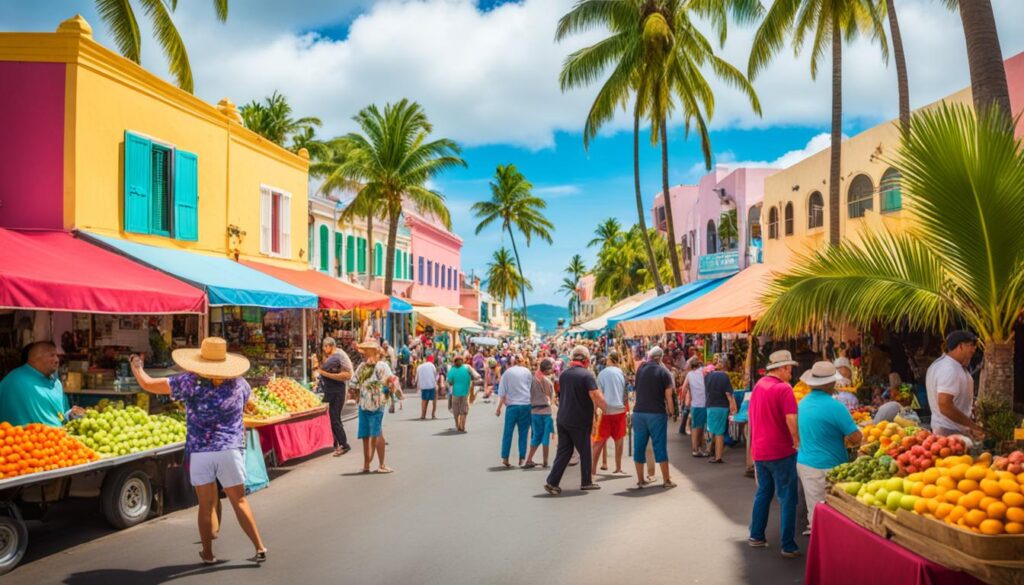
When visiting the Dominican Republic, it’s important to familiarize yourself with the cultural etiquette surrounding greetings and personal interactions. Dominicans value personal connections and place great importance on respect and politeness in social interactions. Understanding the dos and don’ts will help you navigate social situations and build positive relationships with the locals.
When greeting someone in the Dominican Republic, it’s customary to greet with a handshake and maintain eye contact. Be sure to offer a warm and friendly smile as well. Handshakes should be firm but not overly strong or prolonged.
In more formal settings or when greeting older individuals and those in positions of authority, using titles such as “Señor” (Mr.) or “Señora” (Mrs.) followed by the person’s last name is appropriate. However, in informal settings among friends or peers, first names can be used.
It is also common to exchange a light kiss on the cheek when greeting friends and family. This greeting is typically reserved for people of the same gender and close acquaintances. However, it is always best to follow the lead of the person you are greeting and wait for them to initiate the cheek kiss.
When dining or attending events, it’s customary to greet everyone individually, even if you don’t know them personally. Taking the time to acknowledge each person and exchange pleasantries demonstrates respect and fosters a welcoming atmosphere.
It’s also important to note that punctuality is highly valued in the Dominican Republic. Arriving on time or slightly early shows respect for others’ time. However, it’s not uncommon for social events to start later than the designated time, so some flexibility may be necessary.
The Importance of Personal Connections
Building personal connections and establishing rapport is crucial in Dominican culture. Taking the time to get to know the people you interact with, showing genuine interest, and engaging in friendly conversation will go a long way in forging meaningful relationships.
“The Dominican Republic is known for its warm and friendly people. Embracing their culture and etiquette through proper greetings and personal interactions can open doors to unforgettable experiences.” – Local Resident
Dos and Don’ts in Dominican Republic
To ensure respectful and positive interactions during your stay in the Dominican Republic, here are some dos and don’ts to keep in mind:
| Dos | Don’ts |
|---|---|
| Do greet people with a handshake and a smile. | Don’t interrupt or talk over others. |
| Do address older individuals and those in positions of authority with respect using appropriate titles. | Don’t use overly casual or disrespectful language. |
| Do take the time to greet everyone individually. | Don’t neglect to greet or acknowledge others in a social setting. |
| Do show genuine interest in getting to know the people you interact with. | Don’t invade personal space or ask overly personal questions. |
| Do be punctual or slightly early for social events. | Don’t be overly agitated if events start later than scheduled. |

By following these cultural etiquette tips and embracing Dominican customs and traditions, you’ll enhance your overall experience in the Dominican Republic and leave a positive impression on the locals you meet along the way.
Dining Etiquette
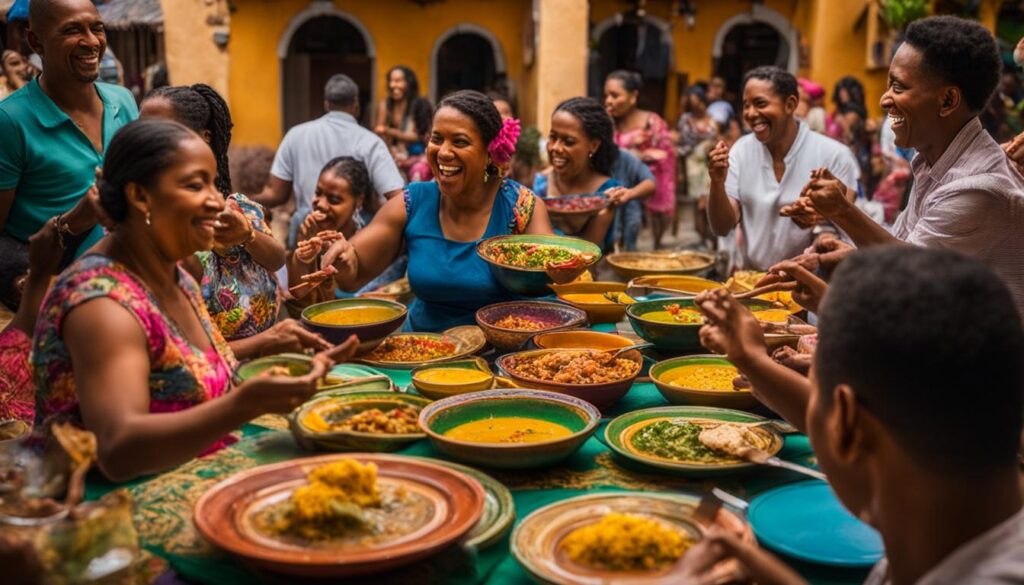
When visiting the Dominican Republic, it’s essential to familiarize yourself with the dining etiquette to ensure a seamless and respectful experience. Dominican culture places great importance on food and socializing, making mealtimes a significant aspect of daily life.
Table Manners:
When dining with Dominicans, it’s crucial to practice proper table manners. Here are some key etiquette tips to keep in mind:
- Wait for the host to start eating before you begin.
- Keep your hands visible on the table, but avoid resting your elbows on it.
- Try to finish everything on your plate to show appreciation for the meal.
- If someone offers to serve you seconds, it is polite to accept.
- Keep your napkin on your lap during the meal, and use it to wipe your mouth when necessary.
Traditional Foods and Beverages:
The Dominican Republic boasts a rich culinary tradition influenced by Taíno, Spanish, and African cultures. Trying traditional foods and beverages is a great way to immerse yourself in the local culture. Some must-try dishes include:
- La Bandera: A traditional meal consisting of rice, beans, and meat, typically served with plantains.
- Mofongo: Mashed plantains seasoned with garlic and served with various toppings.
- Pescado con coco: Fish stewed in coconut milk, often served with rice and beans.
When it comes to beverages, the Dominican Republic is famous for its rum, which is widely enjoyed in various cocktails. Traditional non-alcoholic options include fresh fruit juices, such as passion fruit and tamarind.
Navigating Social Gatherings and Meals:
Social gatherings and meals in the Dominican Republic often involve large groups of family and friends. Here are some tips on how to navigate these situations:
- Be prepared to greet everyone individually with a handshake or a kiss on the cheek.
- Show appreciation for the host’s hospitality by expressing gratitude for the invitation and the delicious food.
- Engage in conversation and participate in group activities to create a warm and inclusive atmosphere.
- Respect the hierarchical structure within the group, with elders and heads of the household given special attention and respect.

Immersing yourself in Dominican dining etiquette allows you to connect with locals and experience the country’s culture firsthand. By respecting these social norms, you can enjoy memorable meals and forge meaningful connections during your stay in the Dominican Republic.
Dress Code and Appearance
When visiting the Dominican Republic, it’s essential to understand the cultural expectations around dressing appropriately and presenting oneself. Dominican culture places importance on clothing choices, as they reflect not only personal style but also social status and respect. By being mindful of the dress code and appearance norms, you can show your appreciation for Dominican culture and make a positive impression on the locals.
Clothing Etiquette
In the Dominican Republic, dressing conservatively and modestly is generally appreciated, especially in more formal settings or when visiting religious sites. While casual attire is acceptable in many tourist areas, it is still advisable to dress modestly out of respect for the local customs and cultural norms.
- Avoid wearing revealing or provocative clothing, such as shorts that are too short, low-cut tops, or clothing with offensive or suggestive designs.
- Opt for lightweight, breathable fabrics as the Dominican Republic can have a tropical climate. Light-colored clothing can help you stay cool under the sun.
- While swimwear is acceptable at the beach or poolside, be sure to cover up when leaving these areas to maintain cultural sensitivity.
Formal Occasions
For formal occasions, such as business meetings, weddings, or religious ceremonies, it’s important to dress appropriately to show respect and professionalism. Here are some guidelines for dressing for formal occasions:
- Men should opt for suits or dress pants with a collared shirt. Ties are typically worn for more formal events, but they may not be necessary for all occasions.
- Women can choose elegant dresses or dress pants with a blouse. It’s advisable to avoid attire that is too revealing or provocative.
About Footwear
Most establishments in the Dominican Republic allow casual footwear such as sandals or open-toe shoes. However, when visiting more formal settings or religious sites, it is best to wear closed-toe shoes. Additionally, comfortable and sturdy footwear is recommended for outdoor activities and excursions.
Dress Code Examples
| Occasion | Appropriate Attire | Inappropriate Attire |
|---|---|---|
| Beach or poolside | Swimwear, cover-ups, sandals | Underwear as swimwear, excessive exposure |
| Formal event | Suits, dresses, dress pants, blouses | Shorts, flip-flops, casual t-shirts |
| Religious sites | Conservative clothing, covered shoulders, closed-toe shoes | Revealing attire, beachwear, barefoot |
Remember, when in doubt, it’s always better to dress more conservatively to show respect for Dominican culture and etiquette.

“Clothing is a powerful form of self-expression and cultural respect. By dressing appropriately and embracing the dressing norms of the Dominican Republic, you can display your appreciation for the local culture and make a positive impression.”
Religious Customs and Traditions
Religion plays a significant role in Dominican culture and daily life. The majority of Dominicans identify as Catholics, deeply influenced by the country’s history and traditions. Exploring the religious customs and traditions of the Dominican Republic offers valuable insights into the cultural fabric of this Caribbean nation.
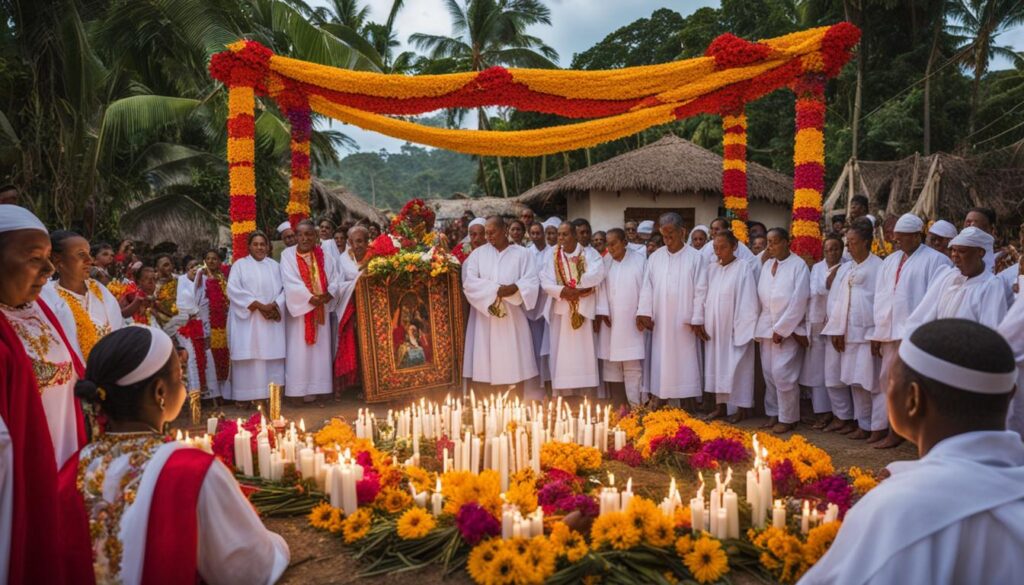
One of the most important religious events in the Dominican Republic is Semana Santa, or Holy Week. This week-long celebration leading up to Easter Sunday is marked by processions, reenactments of biblical events, and religious ceremonies. Santo Domingo, the capital city, is known for hosting one of the most elaborate Semana Santa festivities in the country.
Another widely observed tradition is the feast day of Our Lady of Altagracia, the patroness of the Dominican Republic. Celebrated on January 21st, thousands of pilgrims travel to the Basílica de Nuestra Señora de la Altagracia in Higüey to pay homage to the Virgin Mary. This religious pilgrimage is a powerful expression of faith and devotion.
Throughout the year, religious processions known as “velaciones” are organized in towns and villages across the country. These processions involve carrying statues of saints through the streets, accompanied by music, dancing, and prayer. They provide an opportunity for locals to come together and express their religious devotion.
The Dominican Republic is also home to several significant religious sites, including the Catedral Primada de América in Santo Domingo. This cathedral, built in the early 16th century, is the oldest existing cathedral in the Americas and holds great historical and religious importance.
Sepa:
Religion plays a significant role in Dominican culture, with the majority identifying as Catholics. Semana Santa, the feast day of Our Lady of Altagracia, and religious processions are important events that showcase the deep-rooted faith of the Dominican people.
By understanding and respecting these religious customs and traditions, you can fully immerse yourself in the cultural experience of the Dominican Republic and foster meaningful connections with the local community.
| Religious Event | Date | Significance |
|---|---|---|
| Semana Santa | Week leading up to Easter Sunday | A week of religious processions, reenactments, and ceremonies |
| Our Lady of Altagracia | January 21st | Celebration of the patroness of the Dominican Republic |
| Velaciones | Throughout the year | Religious processions accompanied by music and prayer |
Language and Communication
When visiting the Dominican Republic, understanding the role of language in Dominican culture is essential for effective communication with locals. While Spanish is the official language, English is also commonly spoken in tourist areas. However, making an effort to learn some basic Spanish phrases will greatly enhance your cultural experience.
Here are a few key phrases to help you navigate your interactions:
- Hola – Hello
- Por favor – Please
- Gracias – Thank you
- De nada – You’re welcome
- ¿Cómo estás? – How are you?
- ¿Hablas inglés? – Do you speak English?
While many Dominicans can communicate in English, especially in tourist areas, it is polite to make an effort to speak Spanish. This demonstrates respect for the local culture and shows that you are actively trying to engage with the community.
Additionally, it is important to be aware of the significance of non-verbal cues and gestures in Dominican culture. Dominicans are known for their expressive body language and use of hand gestures to convey meaning. Paying attention to these non-verbal cues can help you better understand the context of conversations and avoid miscommunication.
“Learning a few basic Spanish phrases will not only facilitate your interactions but also show respect for the local culture.”
By embracing the language and non-verbal communication customs, you will be able to connect more authentically with the Dominican people and gain a deeper appreciation for their culture.
Social Etiquette and Behavior
When visiting the Dominican Republic, it’s essential to familiarize yourself with the country’s social norms and behaviors. By understanding and adhering to these customs, you can ensure that your interactions are respectful and positive. Here are some dos and don’ts to keep in mind:
1. Show Mutual Respect
Respect is highly valued in Dominican culture. Treat everyone with politeness, kindness, and consideration, regardless of their social status. Engage in conversations with an open mind and demonstrate genuine interest in the local culture and customs.
2. Greetings and Personal Space
When greeting someone, a handshake is the standard form of greeting between people of the same gender. Men may also use a pat on the back or hug if they are close friends or family. Women usually greet each other with a kiss on the cheek. Respect personal space and avoid standing too close to others, as Dominicans value their personal boundaries.
3. Use Appropriate Titles
Addressing people by their titles is important in Dominican culture. Use “señor” for men and “señora” or “señorita” for women, followed by their last name. It’s a sign of respect and shows that you acknowledge their position or age.
4. Punctuality
While some flexibility may be expected, it’s generally appreciated to be punctual for appointments and meetings in the Dominican Republic. Arriving a few minutes early is a good practice, as it demonstrates respect for the other person’s time.
5. Dining Etiquette
When dining with Dominicans, good table manners are essential. Keep your elbows off the table and wait for the host to start eating before you begin. It’s customary to say “buen provecho” to everyone at the table before starting the meal, which means “enjoy your meal.”
6. Dress Code
The Dominican Republic has a relatively casual dress code, but it’s important to dress modestly and respectfully, especially when visiting religious sites. Avoid revealing clothing and opt for neat and well-groomed attire. Acceptable dress varies depending on the context, so observe the clothing choices of the locals for guidance.
“Respect is highly valued in Dominican culture.”
Remember, these dos and don’ts are guidelines to help you navigate Dominican culture and etiquette. By showing respect, embracing the local customs, and being mindful of your behavior, you can make a positive impression and enjoy a rewarding experience in the Dominican Republic.
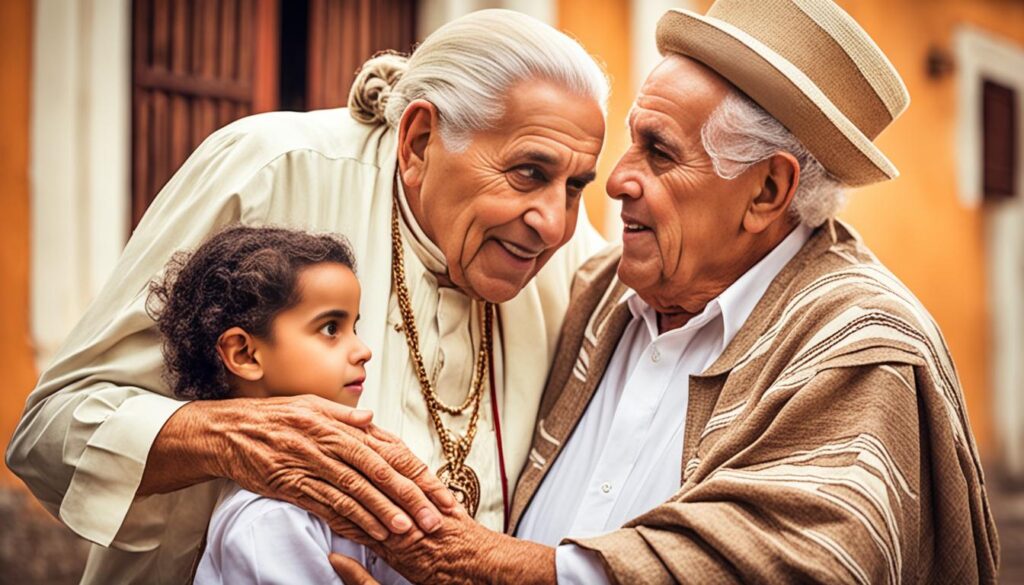
Dos and Don’ts in Dominican Republic Social Etiquette
| Dos | Don’ts |
|---|---|
| Respect personal space | Invade personal boundaries |
| Address people using appropriate titles | Use informal language when addressing elders or authority figures |
| Be punctual for appointments | Be consistently late or disregard appointment times |
| Practice good table manners | Chew gum or talk with food in your mouth |
| Dress modestly and respectfully | Wear revealing or inappropriate clothing |
Festivals and Celebrations
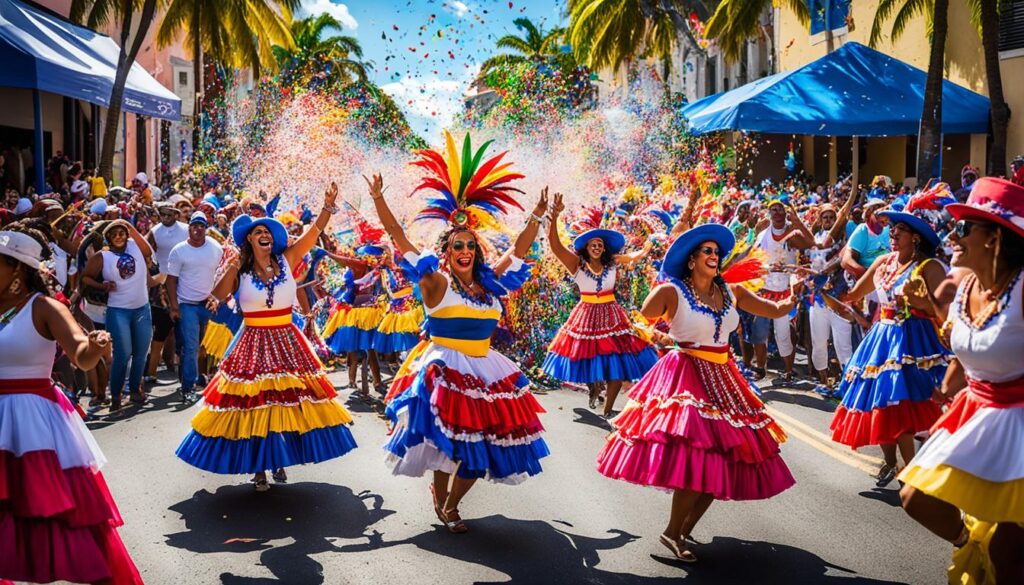
Immerse yourself in the vibrant and colorful festivities that showcase the rich Dominican culture. From annual events rooted in tradition to lively celebrations of music and dance, the Dominican Republic offers a diverse array of cultural experiences for locals and visitors alike.
Participating in these festivals not only allows you to enjoy the lively atmosphere and experience the local traditions, but it also provides a unique insight into the Dominican way of life. It’s essential to approach these celebrations with respect and understanding, honoring the customs and social norms of the Dominican Republic.
“The Dominican Republic is known for its energetic and passionate celebrations, where music, dance, and community unity take center stage. By participating respectfully, you can fully immerse yourself in the joyous spirit of these festivals.”
Annual Festivals in the Dominican Republic
Throughout the year, the Dominican Republic hosts numerous festivals and celebrations that showcase the country’s cultural diversity. Here are some of the most significant annual events:
- Carnaval de la Vega – A vibrant carnival celebrated in the city of La Vega, featuring colorful costumes, lively music, and traditional dances. This festival pays homage to Dominican folklore and traditions.
- Merengue Festival – This music festival held in Santo Domingo celebrates the lively and rhythmic sounds of merengue, a popular Dominican music genre. Enjoy live performances by renowned artists and embrace the infectious dance rhythms.
- Independence Day – On February 27th, the Dominican Republic commemorates its independence from Haiti. Experience parades, concerts, and fireworks displays that honor the nation’s history and resilience.
- Las Patronales – Celebrated in various towns and cities, Las Patronales are religious festivals dedicated to the patron saints of each community. These events combine religious processions, traditional food, music, and dancing.
Attending these festivals offers an opportunity to witness the Dominican Republic’s dynamic culture firsthand, engage with locals, and celebrate together.
Cultural Sensitivities and Taboos
When visiting the Dominican Republic, it’s important to be aware of the cultural sensitivities and taboos that exist in the country. By understanding and respecting these cultural nuances, you can ensure a positive and respectful interaction with the locals.
Respecting Personal Space
Dominicans value personal space and prefer to maintain an arm’s length distance during conversations. Invading someone’s personal space may be perceived as intrusive or disrespectful. Always be mindful of this cultural norm and adjust your proximity accordingly.
Appropriate Attire
The Dominican Republic is known for its beautiful beaches and resorts, but it’s important to remember that the country has conservative cultural values. When visiting religious sites, it is best to dress modestly, covering your shoulders and knees. Revealing clothing may be seen as disrespectful.
Use of Titles
In Dominican culture, titles are important and should be used as a sign of respect. When addressing someone, especially someone older or in a position of authority, it is common to use their title followed by their last name. For example, “Señor López” or “Doctora Rodriguez”. Using titles shows politeness and recognition of their status.
Gesture and Body Language
While hand gestures and body language may vary across cultures, it’s important to be aware of their meanings in the Dominican Republic. The “OK” gesture, which involves making a circle with your thumb and index finger, is considered offensive in the country. Additionally, pointing with your finger is seen as impolite. It’s best to use an open hand gesture to indicate directions or objects.
Respecting Religious Traditions
Religion plays a significant role in Dominican culture, and it is important to be respectful of religious practices and traditions. When visiting churches or religious sites, maintain a quiet and reverent demeanor. Avoid disruptive behavior, loud talking, or taking selfies in such locations.
Cuisine and Dining Etiquette
In the Dominican Republic, it is customary to offer a small prayer before meals, expressing gratitude for the food. It is considered polite to wait for the host or an elder to begin eating before you start your meal. Additionally, avoid placing your elbows on the table, as it may be seen as impolite.
Avoid Controversial Subjects
When engaging in conversations, it’s best to avoid discussing sensitive topics like politics or religion, as they can be divisive. Instead, focus on positive and neutral subjects like local cuisine, culture, or sports. This will help maintain a harmonious and enjoyable atmosphere.
“Respecting and understanding Dominican culture and etiquette will enhance your experience during your visit to the Dominican Republic. By being aware of these cultural sensitivities and taboos, you can ensure that you are respectful and enjoy a positive interaction with the locals.” – Local resident, Dominican Republic
| Taboo | Respectful Behavior |
|---|---|
| Invading personal space | Maintain an arm’s length distance during conversations. |
| Revealing clothing at religious sites | Dress modestly, covering your shoulders and knees. |
| Disrespecting titles | Use appropriate titles when addressing someone. |
| Offensive gestures | Avoid using the “OK” gesture and pointing with your finger. |
| Disruptive behavior at religious sites | Maintain a quiet and reverent demeanor. |
| Impolite dining behavior | Offer a small prayer before meals and wait for the host to begin eating. |
| Discussing controversial topics | Focus on positive and neutral subjects during conversations. |
By keeping these cultural sensitivities and taboos in mind, you can demonstrate cultural respect and make the most of your visit to the Dominican Republic.
Travel Tips and Safety Considerations
When traveling to the Dominican Republic, it is important to keep some essential tips and safety considerations in mind to ensure a smooth and enjoyable experience. By following these guidelines, you can navigate the local customs and social norms while staying safe during your trip.
Transportation Options
Before your trip, familiarize yourself with the transportation options available in the Dominican Republic. Taxis, buses, and car rentals are popular choices for getting around the country. It is advisable to use licensed taxis or reputable ride-sharing services to ensure your safety. Additionally, consider booking a reliable tour guide or using organized group tours for exploring remote areas or engaging in outdoor activities.
Local Customs and Etiquette
Respecting the local customs and etiquette is essential to forge positive interactions with the people of the Dominican Republic. Here are a few key points to keep in mind:
- Learn a few basic Spanish phrases to communicate with the locals. This effort will be appreciated and help you get around more easily.
- Dress modestly when visiting religious sites or rural areas. Revealing clothing may be considered disrespectful.
- Be conscious of your surroundings and avoid displaying valuable items openly to minimize the risk of theft.
- Tipping is customary in the Dominican Republic. It is customary to tip service staff, such as waiters, bartenders, and hotel staff, around 10% of the bill.
Safety Precautions
The Dominican Republic is generally a safe destination for travelers, but it is still important to exercise caution. Here are some safety precautions to consider:
- Be mindful of your personal belongings and keep them secure at all times, especially in crowded places.
- Avoid walking alone late at night, especially in unfamiliar or poorly lit areas.
- Stay informed about current safety conditions and any travel advisories issued by your government.
- Always use reputable ATMs or banks to withdraw cash and be cautious of card skimming devices.
Health and Medical Considerations
Prior to your trip, consult with a healthcare professional to ensure you are up to date on routine vaccinations and any specific travel-related vaccinations required for the Dominican Republic. Additionally, consider purchasing travel insurance that covers medical emergencies and evacuation if necessary.
Conclusion
Now that you have gained insight into Dominican culture and etiquette, you are well-equipped to navigate the vibrant and diverse landscape of the Dominican Republic. By understanding the customs, traditions, and social norms of this beautiful country, you can ensure a respectful and enjoyable travel experience.
Remember, the key to successful interactions with locals lies in cultural understanding and respect. Whether it’s through proper greetings, dressing appropriately, or engaging in social etiquette, embracing the cultural richness of the Dominican Republic will enhance your journey and create lasting memories.
As you explore the culinary delights, participate in colorful festivals, and engage with the warm-hearted Dominican people, remember to approach every experience with an open mind and a willingness to learn. By incorporating these cultural practices into your travel, you will forge meaningful connections and leave a positive impact on the communities you encounter.