
Wellness Retreats in Taos: Hot Springs, Yoga, and High Desert Healing
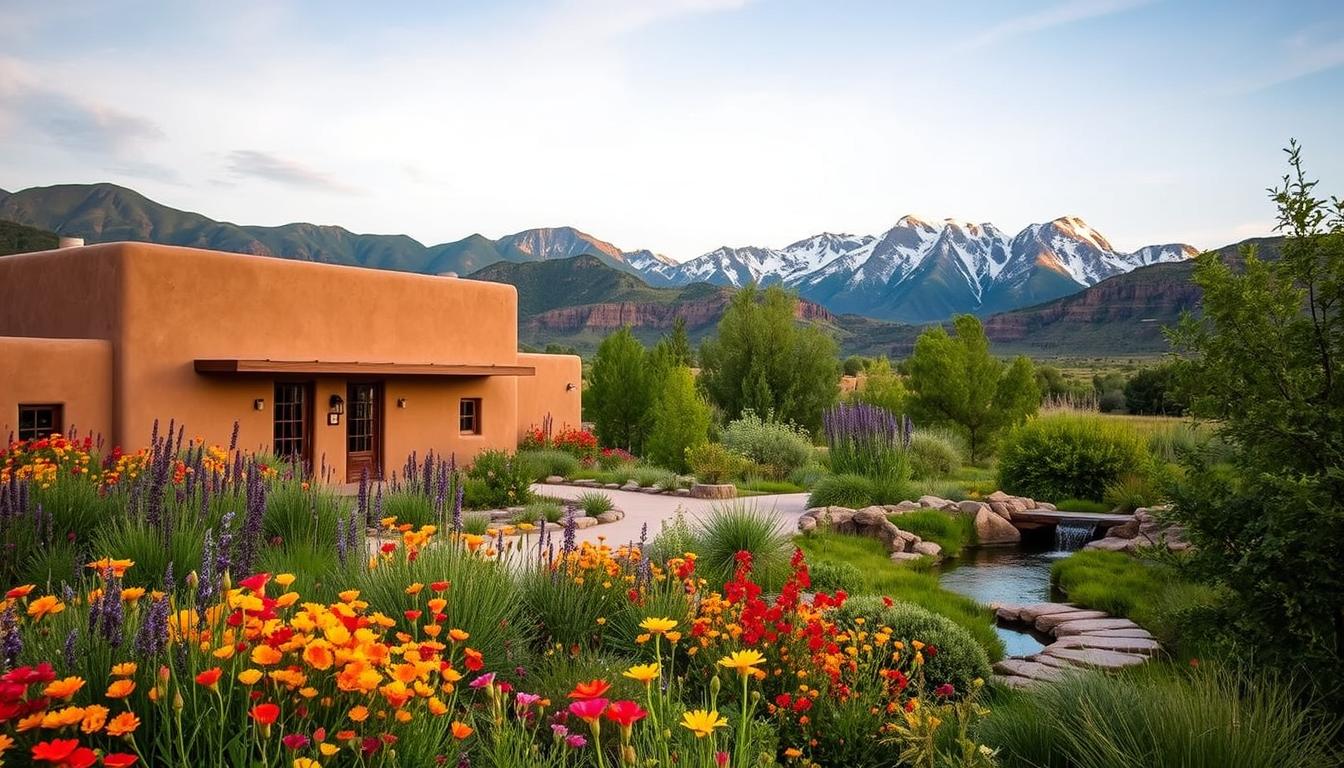
Taos sits at 7,000 feet in northern New Mexico’s Sangre de Cristo Mountains, and that altitude changes how a place feels. The light is different. The air is dry and thin. The high desert stretches out in every direction, broken by deep gorges and snow-capped peaks. People have been coming here for spiritual and physical renewal for a long time, centuries before wellness retreats were a category on booking platforms.
The town has a population of about 6,000, but its reputation in the wellness space is outsized. Part of that comes from the landscape itself, part from the Taos Pueblo community (continuously inhabited for over 1,000 years), and part from a century-long tradition of artists, writers, and seekers building intentional communities here. D.H. Lawrence, Georgia O’Keeffe, and Mabel Dodge Luhan all came to Taos looking for something they couldn’t find elsewhere. That energy persists.
Why Taos for a Wellness Retreat
Taos is not Sedona, not Bali, not Big Sur. It’s quieter, less commercialized, and rougher around the edges. The wellness scene here leans toward depth over polish. You’re more likely to find a small retreat run by a practitioner who’s lived here for 20 years than a corporate spa with a smoothie bar.
The practical advantages are real: the dry mountain climate is comfortable most of the year, the altitude itself has a clarifying effect (many visitors describe feeling more alert and emotionally open at elevation), and the landscape actively discourages distraction. There’s not much to do in Taos besides slow down, which is exactly the point.
Types of Retreats Available in Taos
Yoga and meditation retreats
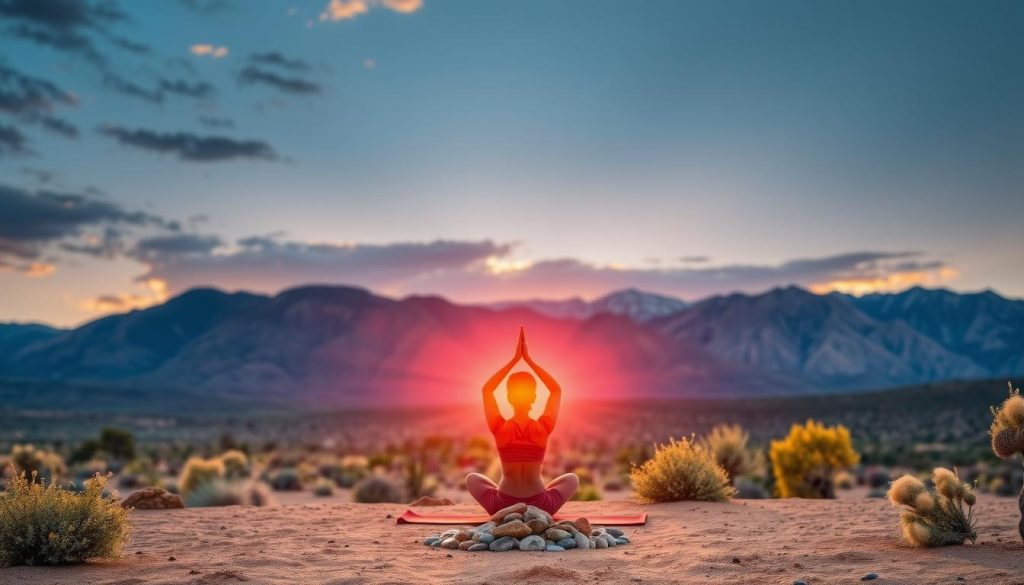
Several centers in and around Taos offer structured yoga and meditation programs, ranging from weekend intensives to week-long silent retreats. The style tends toward traditional rather than trendy: expect Hatha, Vinyasa, and Kundalini traditions rather than hot yoga or aerial silks. Many retreats incorporate outdoor practice, using the high desert landscape as part of the experience.
Hot springs and soaking
Ojo Caliente Mineral Springs, about 50 minutes southwest of Taos, is the anchor of the region’s hot springs culture. The resort sits on a natural geothermal site with multiple pools fed by different mineral sources: iron, soda, arsenic (in safe therapeutic concentrations), and lithia. Day passes start around $50, and the on-site accommodations range from basic rooms to private casitas. Ojo also runs structured wellness packages that combine soaking with massage, facials, and guided meditation.
For a more rugged experience, Manby Hot Springs sits at the bottom of the Rio Grande Gorge, accessible via a short but steep trail from the gorge rim. It’s free, undeveloped, and clothing-optional. The springs vary in temperature depending on river levels and season.
Energy healing and bodywork
Taos has a deep bench of independent practitioners offering Reiki, craniosacral therapy, sound healing, and various forms of bodywork. Many work out of home studios or small shared spaces rather than large centers. The Taos Center for the Healing Arts and individual practitioners listed through the Taos Holistic Community are good starting points for finding sessions. Expect to pay $80-150 per session depending on the modality and practitioner.
Art and creativity retreats
Taos has been an art colony since the early 1900s, and creative practice is woven into the town’s identity. Several retreat programs combine art-making with mindfulness, using painting, ceramics, or writing as vehicles for self-reflection. The Mabel Dodge Luhan House, a historic inn and retreat center, regularly hosts writing and arts workshops in its adobe compound. The building itself has hosted some of the most significant creative figures of the 20th century.
Where to Stay for a Wellness-Focused Trip
Taos accommodation ranges from basic motels on Paseo del Pueblo Sur to historic adobe properties with real character. For a wellness trip, the setting matters more than the star rating.
El Monte Sagrado is the closest thing to a luxury wellness resort in Taos. It has an on-site spa, a spring-fed pool, and rooms built around a central courtyard. The Sacred Circle spa offers treatments that draw from local traditions. Rates start around $200-300 per night depending on season.
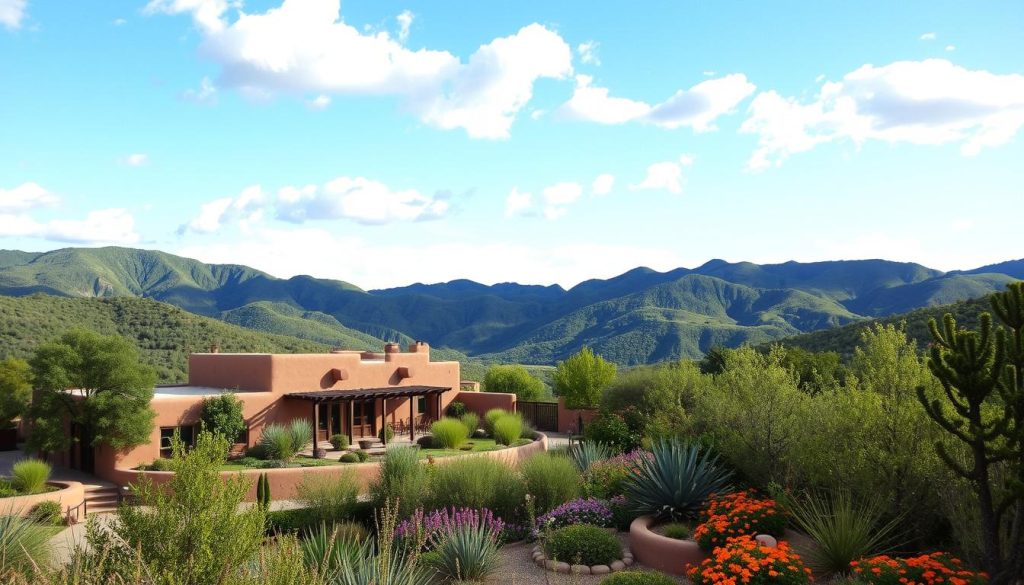
The Mabel Dodge Luhan House is a different kind of experience: a historic property with thick adobe walls, uneven floors, and the feeling of sleeping inside a century of creative history. Rooms are simpler and less polished, but the atmosphere is unique. Group retreat bookings are available for the entire property.
For budget travelers, the Abominable Snowmansion hostel in Arroyo Seco (about 15 minutes north of Taos, on the road to Taos Ski Valley) offers dorm beds and private rooms at hostel prices. It’s basic but well-located for access to hiking and hot springs.
Outdoor Activities That Support Wellness
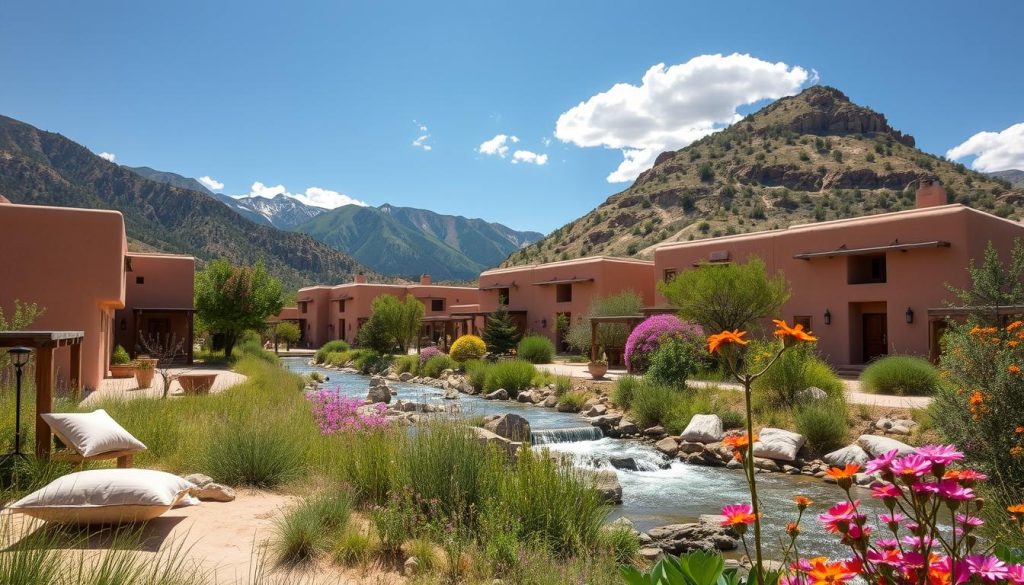
The landscape around Taos is not just a backdrop. Most wellness visitors here build outdoor time into their experience, and the options are varied.
The Rio Grande Gorge is the most dramatic natural feature: an 800-foot deep crack in the earth about 10 miles west of town. The Rio Grande Gorge Bridge offers a dizzying view straight down. For a more immersive experience, trails descend into the gorge from several access points. The hike down to the river is steep but manageable.
Wheeler Peak, the highest point in New Mexico at 13,167 feet, is accessible from the Taos Ski Valley area. The round-trip hike is about 15 miles and gains over 3,000 feet of elevation, so it’s a full-day commitment. For something gentler, the Williams Lake trail (about 4 miles round-trip) is a popular option that ends at an alpine lake.
The Enchanted Circle, an 83-mile scenic loop drive, passes through Angel Fire, Eagle Nest, Red River, and Questa before returning to Taos. It’s a good half-day drive with multiple stop points, and gives a sense of the broader northern New Mexico landscape.
The Taos Pueblo Connection
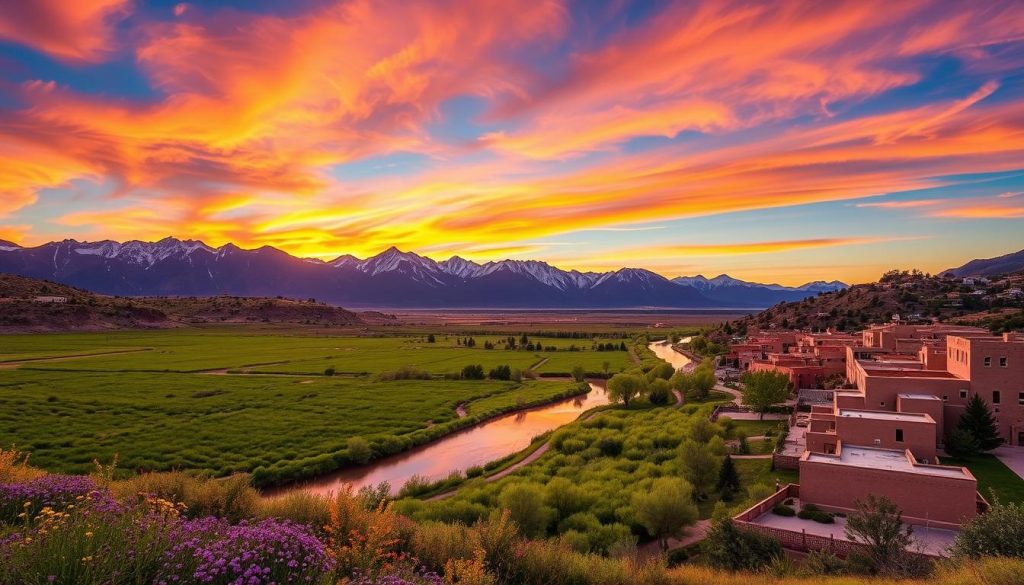
Taos Pueblo is a UNESCO World Heritage Site and one of the oldest continuously inhabited communities in North America. The multi-story adobe structures have been occupied for over 1,000 years. The pueblo is open to visitors on a scheduled basis (check current hours and fees, which change seasonally), and guided tours are available from community members.
Visiting the pueblo is not a wellness activity in the commercial sense, but it provides genuine context for why this specific valley has drawn people seeking spiritual connection for centuries. The community’s relationship with the surrounding mountains, particularly Taos Mountain (Blue Lake), is central to their spiritual practice and was the subject of a landmark land-rights case in 1970.
Respect for the community’s boundaries is essential. Photography restrictions are strict and enforced. Some areas and ceremonies are closed to outsiders. Follow all posted guidelines and the instructions of your guide.
Practical Information
Getting to Taos
The nearest major airport is Albuquerque International Sunport (ABQ), about 2.5 hours south by car. Santa Fe Regional Airport (SAF) is closer (about 90 minutes) but has limited flights. Renting a car is essentially required. There is no meaningful public transit between Taos and the airports, and you’ll want a car for getting around once you’re there.
When to go
Spring (April-May) and fall (September-October) offer the most comfortable weather for outdoor activities: warm days, cool nights, and minimal rain. Summer (June-August) brings afternoon thunderstorms and higher temperatures at lower elevations, though Taos itself stays pleasant due to the altitude. Winter is cold and snowy, but Taos Ski Valley operates from late November through early April, and the hot springs are at their best when the air is cold.
Altitude
At 7,000 feet, altitude effects are real for visitors coming from sea level. Drink significantly more water than you normally would, go easy on alcohol for the first day or two, and don’t plan a strenuous hike for your first morning. Most people acclimate within 24-48 hours.
Budget
Taos is more affordable than most wellness destinations. A mid-range daily budget of $150-200 covers a decent hotel room, meals, and one activity or treatment. Budget travelers can manage on $80-100 by staying at hostels or vacation rentals and focusing on free outdoor activities. Structured multi-day retreats range widely, from $500 for a basic weekend program to $2,000+ for week-long immersive experiences at premium centers.
Food
New Mexican cuisine is a distinct regional tradition, not interchangeable with Tex-Mex. Green and red chile are served on virtually everything (when asked “red or green?” the correct answer if you’re unsure is “Christmas,” meaning both). Orlando’s and The Love Apple are local favorites. The Taos Farmers Market runs on Saturdays from mid-May through late October.
Frequently Asked Questions
What is the best time of year for a wellness retreat in Taos?
September and October are ideal. The summer crowds have thinned, the aspens are turning gold, daytime temperatures are comfortable (60s-70s°F), and most retreat centers are fully operational. Spring (April-May) is the second-best window. Winter appeals specifically to those who want to combine hot springs soaking with skiing.
Do I need a car in Taos?
Yes. Taos has very limited public transit, and most retreat centers, hot springs, and trailheads are outside the town center. Rent a car at the Albuquerque or Santa Fe airport.
How far is Ojo Caliente from Taos?
About 50 minutes by car, heading southwest on NM-285. It’s an easy day trip or you can stay overnight at the resort itself.
Is Taos a good destination for solo travelers?
Very much so. The retreat and wellness community here is welcoming to solo visitors, and many retreat programs are designed for individuals rather than couples or groups. The town is safe and walkable in the central area.
How does Taos compare to Sedona for wellness travel?
Sedona is more developed, more commercialized, and more focused on the vortex/energy tourism niche. Taos is quieter, less polished, and draws from a deeper well of artistic and indigenous cultural traditions. Sedona is easier to reach (closer to Phoenix) and has more structured resort options. Taos rewards travelers who prefer authenticity over convenience.
Can I visit Taos Pueblo?
Yes, the pueblo is open to visitors on a scheduled basis, but hours and availability change seasonally and may be restricted during ceremonial periods. Check the Taos Pueblo Tourism office for current visiting hours and fees before your trip. Photography permits are separate from the entrance fee, and some areas are completely off-limits to photography.





