

Electric Vehicles: Sustainable Travel Option?
Are electric vehicles a sustainable option for travel? In recent years, there has been increasing interest in electric vehicles as a more eco-friendly mode of transportation. With concerns over climate change and air pollution, many people are looking towards electric vehicles as a way to reduce their carbon footprint while still enjoying the convenience and freedom of personal travel.
In this article, we’ll explore the benefits of electric vehicles and how they can contribute to sustainable transportation solutions. We’ll also look at the practical considerations of using electric vehicles for travel, including charging infrastructure and range limitations.
Whether you’re considering an electric vehicle for your daily commute or planning a sustainable road trip, this guide will provide valuable insights into the world of electric vehicles and their potential as a sustainable travel option. Let’s get started!
Understanding Electric Vehicles
Electric vehicles are becoming increasingly prevalent as a more sustainable form of transportation. But, what exactly is an electric vehicle?
Simply put, an electric vehicle (EV) is a vehicle that is powered by electricity instead of gasoline or diesel fuel. There are two main types of EVs on the market today: battery electric vehicles (BEVs) and plug-in hybrid electric vehicles (PHEVs).
BEVs rely solely on electricity to power the vehicle. They have larger batteries, which are charged by plugging the vehicle into an electrical source. On the other hand, PHEVs have both an electric motor and a gasoline engine. These vehicles can run purely on electricity for a set range, but can also use gasoline to extend their range.
EVs are gaining popularity in the United States due to their efficiency and reduced environmental impact compared to traditional gasoline vehicles. As of 2021, there are over 1 million EVs on US roads, with companies such as Tesla leading the charge in developing more advanced EV technology.
The Different Types of Electric Vehicles
As previously mentioned, there are two main types of EVs: BEVs and PHEVs. However, there are also different types of EVs that fall under these categories:
| Type of EV | Description |
|---|---|
| Extended-Range Electric Vehicle (EREV) | A type of PHEV that relies more heavily on electricity. These vehicles typically have a longer all-electric range than traditional PHEVs. |
| Hybrid Electric Vehicle (HEV) | A traditional hybrid vehicle that uses a combination of gasoline and electricity to power the vehicle. |
| Fuel Cell Electric Vehicle (FCEV) | A vehicle that uses hydrogen gas to power an electric motor. The only byproduct of these vehicles is water vapor. |
Regardless of the type of EV, all of these vehicles have one thing in common: they are an eco-friendly transportation option that can reduce carbon emissions and help combat climate change.
Sustainability and Electric Vehicles
Electric vehicles are an environmentally sustainable alternative to traditional internal combustion engine vehicles. By eliminating gas-powered engines that rely on fossil fuels, electric vehicles significantly reduce carbon emissions and contribute to a cleaner environment. Traditional vehicles emit harmful pollutants such as carbon monoxide, nitrogen oxide, and particulate matter that have negative impacts on both human health and the environment.
In contrast, electric vehicles emit zero carbon emissions directly from their tailpipes. Although carbon emissions may still be produced during the electricity generation process, renewable energy sources such as wind and solar power can be used to charge electric vehicles, further reducing their carbon footprint.
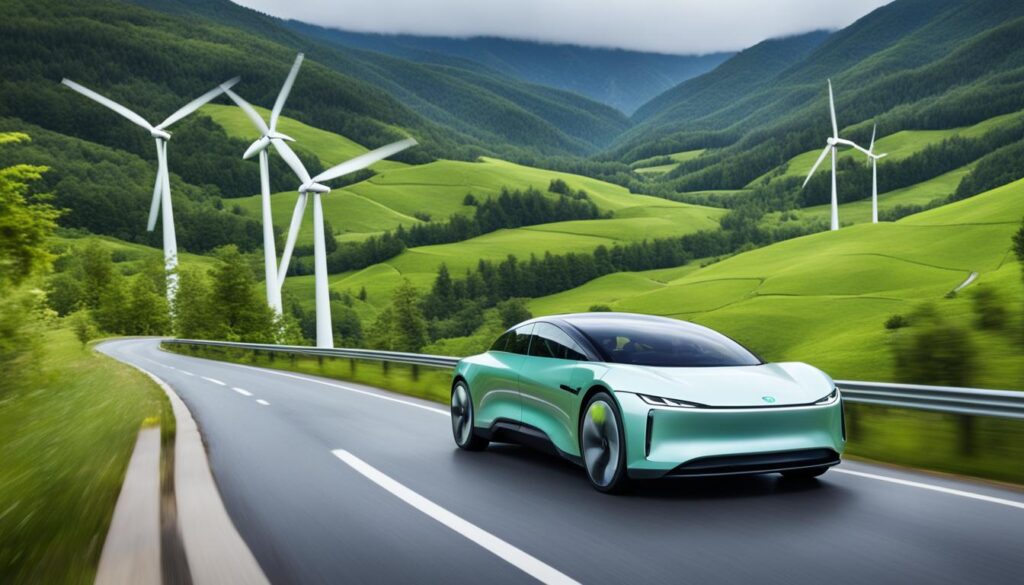
Furthermore, the use of electric vehicles promotes sustainability by reducing dependence on finite natural resources such as oil and gas. As the popularity of electric vehicles grows, there is increasing potential for sustainable transportation systems that rely on renewable energy sources and see a decrease in greenhouse gas emissions.
Overall, electric vehicles provide a sustainable alternative to traditional gas-powered vehicles and can contribute to a greener future. By reducing carbon emissions, promoting renewable energy, and decreasing dependence on fossil fuels, electric vehicles are a vital aspect of sustainable transportation solutions.
Benefits of Electric Vehicles for Sustainable Travel
Electric vehicles offer numerous benefits when it comes to sustainable travel. By opting for electric vehicles, you can significantly reduce your carbon footprint, contributing to a cleaner and healthier environment. Electric vehicles produce zero emissions and consume less energy, making them an eco-friendly alternative to traditional gasoline-powered cars.
| Benefits | Description |
|---|---|
| Reduced carbon emissions | Electric vehicles emit no harmful pollutants, reducing air pollution and greenhouse gas emissions. |
| Improved air quality | Electric vehicles have no tailpipe emissions, leading to improved air quality and reduced health risks from air pollution. |
| Potential cost savings | Switching to an electric vehicle can result in significant savings on fuel and maintenance costs. |
Not only are electric vehicles better for the environment and your wallet, but they also provide a smoother and quieter driving experience. With fewer moving parts, electric vehicles have lower maintenance needs and can last longer than traditional vehicles.
So why not make the switch to electric vehicles for a more sustainable and efficient way to travel?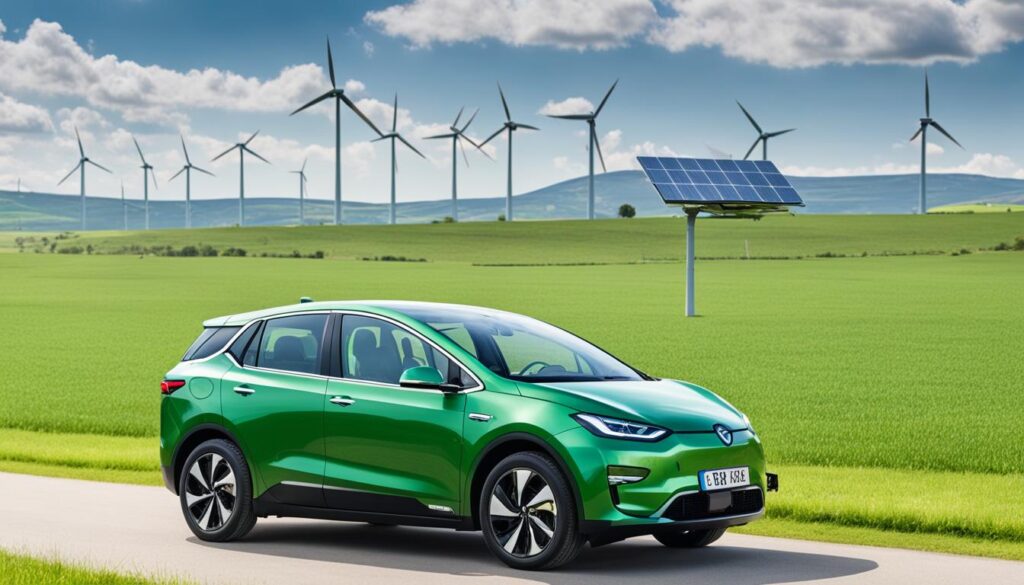
Eco-Friendly Travel with Electric Vehicles
Electric vehicles are not only a sustainable option for travel, but they also contribute to eco-friendly travel practices. By embracing electric vehicles, you can make a positive impact on the environment and reduce your carbon footprint. Here are some ways that electric vehicles promote eco-friendly travel:
Quiet Operation
Unlike traditional vehicles, electric vehicles operate quietly due to their lack of a combustion engine. This results in reduced noise pollution, providing a more peaceful driving experience for you and those around you.
Reduced Noise Pollution
Electric vehicles have fewer moving parts than traditional vehicles, resulting in less noise pollution during operation. Choosing electric vehicles over traditional vehicles can make your commute more peaceful and comfortable, while also reducing the impact on the environment.
Renewable Energy Sources for Charging
Charging an electric vehicle with renewable energy sources, such as solar panels, means that the vehicle’s energy source comes from a clean and renewable source. This further reduces the carbon footprint of electric vehicles and promotes a more sustainable energy future.

“Electric vehicles contribute to eco-friendly travel practices – less noise pollution and renewable energy sources for charging are two significant examples.”
Electric Vehicles and Sustainable Transportation
If you’re interested in the future of sustainable transportation, electric vehicles (EVs) are an exciting technology to consider. With their ability to operate on renewable energy, they are a key part of the transition towards greener travel options. By utilizing EVs, you can help reduce your carbon footprint and contribute to the fight against climate change.
One of the most promising aspects of EVs is their integration with renewable energy grids. When you charge your vehicle using renewable energy sources, such as wind or solar power, you can reduce your dependence on fossil fuels and decrease your overall carbon footprint. Furthermore, the use of EVs can reduce the amount of pollution in our urban areas, leading to improved air quality.
While EVs are not without their challenges, their potential for sustainable transportation is undeniable. Let’s take a closer look at the data:
| Transportation Type | CO2 Emissions (tons/year) |
|---|---|
| Gasoline Car | 4.6 |
| Electric Car | 1.5 |
As you can see, EVs emit significantly less CO2 than traditional gasoline-powered cars. This is due to the fact that EVs require less energy to operate, and they produce zero tailpipe emissions. By switching to an EV, you can help reduce your personal carbon footprint and contribute to a more sustainable future.
In addition to their sustainability benefits, EVs also offer a smoother, quieter ride than their gas-powered counterparts. This is due to their electric motors, which provide instant torque and a seamless driving experience. Plus, with an expanding network of charging stations, it’s becoming easier than ever to own and operate an EV on a daily basis.
The Role of EVs in Sustainable Transportation
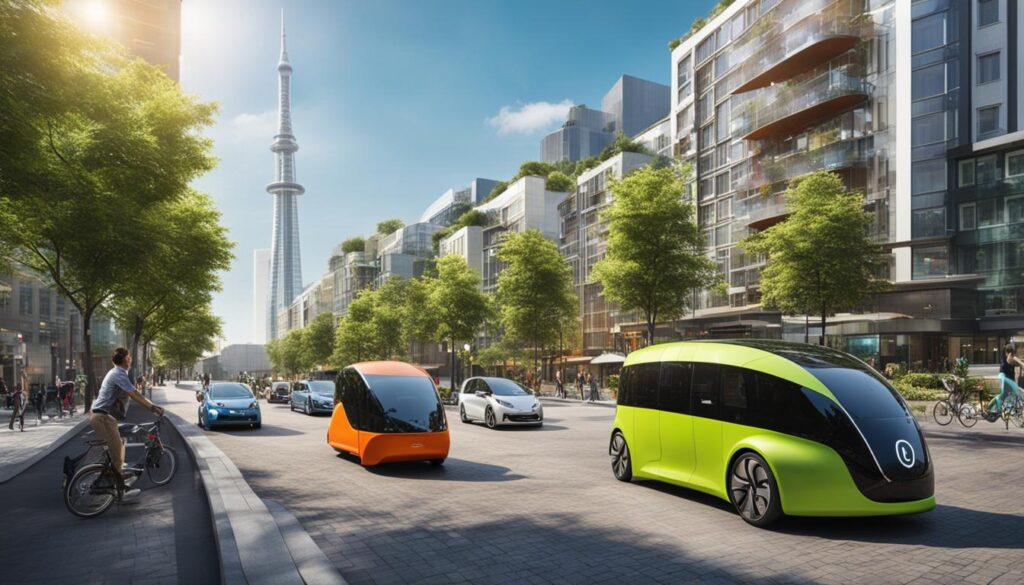
EVs have the potential to play a large role in sustainable transportation on a national and global level. By reducing our dependence on fossil fuels and utilizing renewable energy sources, we can combat climate change and improve the health of our communities. Additionally, as more people embrace EVs, it will help to create a positive feedback loop of increased investment in charging infrastructure and advancements in technology.
The future of transportation is electric, and by taking action today, you can help make a difference for generations to come.
Transitioning to Electric Vehicles
If you’re considering transitioning to electric vehicles, there are a few key factors to keep in mind. One of the most significant considerations is the expanding charging infrastructure. With a growing number of charging stations across the country, you’ll be able to recharge your electric vehicle with ease.
Additionally, the government offers incentives to make the transition more accessible. In some states, you may qualify for tax credits or other financial incentives for purchasing an electric vehicle. These incentives can help offset the initial cost of investing in an electric vehicle.
As the popularity of electric vehicles increases, so too does the availability of models. You’ll find a wide range of electric cars on the market, from compact cars to SUVs. With more options available, it’s easier than ever to find an electric vehicle that meets your needs.
Transitioning to an electric vehicle may seem daunting, but with these factors in mind, it’s more accessible than ever. Along with the environmental benefits of electric vehicles, choosing an electric vehicle can be a practical and convenient choice for sustainable transportation.
Overcoming Challenges
Electric vehicles are undoubtedly a sustainable option for travel, but that doesn’t mean they are without their challenges. Here are some of the common obstacles facing electric vehicle owners:
| Challenge | Potential Solution |
|---|---|
| Range Anxiety | Plan your routes carefully and ensure you have access to charging stations along the way. Many electric vehicle models also have features to help estimate range and optimize charging. |
| Charging Infrastructure | While the number of public charging stations is growing, it is still not as widespread as traditional gas stations. Consider installing a home charging station or speak with your employer about adding charging options at work. |
| Limitations on Distance and Speed | Electric vehicles have come a long way in terms of range and speed, but they may not be the best option for long-distance travel or high-speed driving. Evaluate your needs and consider renting a traditional vehicle for trips that may exceed the capabilities of your electric vehicle. |
Despite these challenges, electric vehicles offer a sustainable and eco-friendly option for travel. By understanding their limitations and planning accordingly, you can enjoy the benefits of electric vehicles while minimizing their challenges.
The Future of Electric Vehicles
As technology advances and society aims to reduce its carbon footprint, the future of electric vehicles looks promising. With increased demand comes increased innovation, and there are multiple potential advancements on the horizon.
Longer-Range Batteries
One of the primary concerns for electric vehicle owners is range anxiety, or the fear of running out of battery power before reaching a charging station. Fortunately, researchers are working to develop longer-range batteries, which would alleviate this concern and make electric vehicles an even more practical choice for long-distance travel.
Faster Charging Capabilities
While electric vehicles already require less maintenance than traditional vehicles, the process of charging them can still be time-consuming. However, experts are working to improve charging capabilities, with technology like ultrafast charging and wireless charging being explored. This would make electric vehicle ownership even more convenient and efficient.
Integration of Renewable Energy Sources
Electric vehicles are already an eco-friendly mode of transportation as they produce zero emissions. However, as clean energy sources like solar and wind become more widespread, the integration of renewable energy sources into the charging infrastructure could further reduce the environmental impact of electric vehicles. This would also lead to a more sustainable future overall.
“The electrification of transportation is happening because batteries are getting cheaper at the same time that policy and public demand are requiring carbon reductions,” – Kyle Conner, CEO and Co-Founder of Out of Spec Motoring.
Sustainable Travel Options with Electric Vehicles
When it comes to incorporating electric vehicles into your sustainable travel practices, there are several things to keep in mind.
Plan Your Routes
One of the most important things you can do when traveling sustainably with electric vehicles is to plan your routes. Make use of tools that help you find charging stations along your way, such as the Tesla Trip Planner or the ChargePoint App. This will ensure that you always have access to a charging station when you need it and can avoid running out of battery power in the middle of your trip.
Maximize Energy Efficiency
Another way to get the most out of your electric vehicles is to maximize your energy efficiency. This includes things like accelerating and braking smoothly, avoiding high speeds, and limiting your use of air conditioning and other accessories. By doing this, you can help your electric vehicle conserve energy and extend your driving range.
Utilize Public Charging Stations
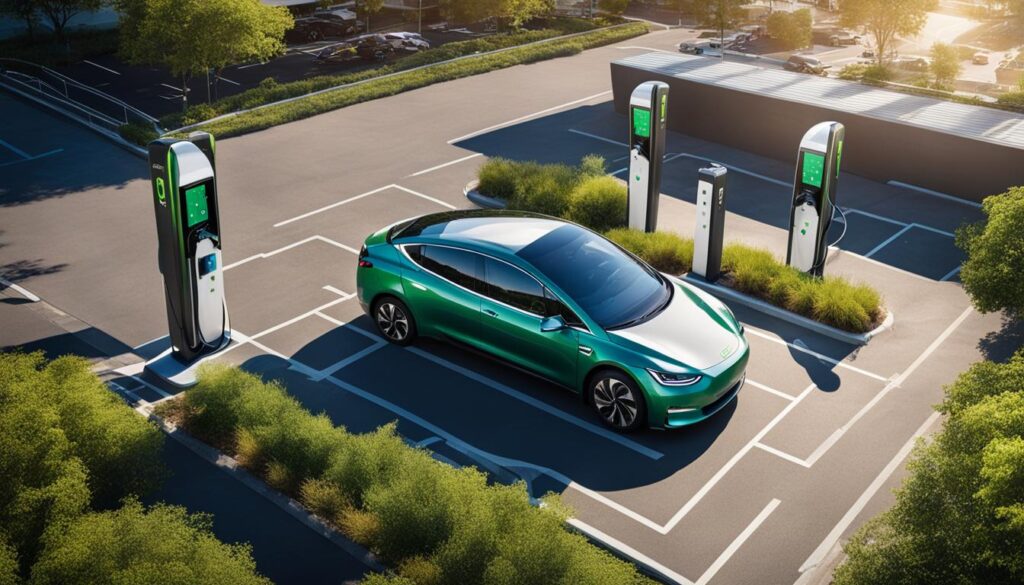
Public charging stations are becoming increasingly common and are a great resource for electric vehicle owners. Make use of charging stations along your route, and look for ones that offer renewable energy sources. Some charging stations even offer free charging, so be sure to take advantage of these opportunities when you can.
| Location | Charging Station | Renewable Energy Source | Cost |
|---|---|---|---|
| New York City | ChargePoint | Solar | Free |
| Chicago | Tesla Supercharger | Wind | $0.28/kWh |
| Seattle | EVgo | Hydroelectric | $0.31/minute |
Consider Your Charging Options
Finally, when it comes to sustainable travel options with electric vehicles, it’s important to consider your charging options. While at-home charging solutions are convenient, they may not always be the most sustainable option. Consider using renewable energy sources like solar or wind power to charge your electric vehicle, or look into community-based charging solutions, like shared charging stations or local co-ops.
By following these tips and making use of sustainable travel options with electric vehicles, you can help reduce your carbon footprint and contribute to a greener future.
Conclusion
You’ve learned about the sustainability of electric vehicles and their numerous benefits for eco-friendly and sustainable travel. They offer reduced carbon emissions, improved air quality, and potential cost savings. Electric vehicles also contribute to sustainable transportation solutions, with the potential to reduce dependence on fossil fuels and combat climate change. As the charging infrastructure continues to expand and technology advances, electric vehicles are becoming a more practical and accessible travel option.
By embracing electric vehicles, you can play a role in shaping the future of transportation towards a greener and more sustainable world. Remember to plan your routes, utilize public charging stations, and maximize energy efficiency to fully reap the benefits of sustainable travel options with electric vehicles. Together, we can create a more sustainable future for generations to come.


