Eco-Friendly Travel: Sustainable Tourism in Malé
Have you ever thought about how your travel choices affect the places you visit? In the beautiful Maldives, its clear waters and white beaches come with a big responsibility. This is becoming more important in sustainable tourism.
When you visit Malé, think about how eco-friendly travel can make your trip better. It also helps keep this island beautiful for others in the future. Malé has many ways to travel sustainably, helping both the locals and the environment.
The Importance of Sustainable Tourism in the Maldives
Sustainable travel in Malé is key to protecting the environment and community. The Maldives faces big challenges from climate change, like rising sea levels. Your choices as a traveler can greatly impact this beautiful place.
Choosing sustainable tourism helps keep tourism from harming the local ecosystems. It promotes responsible travel experiences.
Environmental conservation in Malé is linked to the well-being of local communities. Resorts often hire locals, boosting the economy. This helps individuals and builds a sense of community.
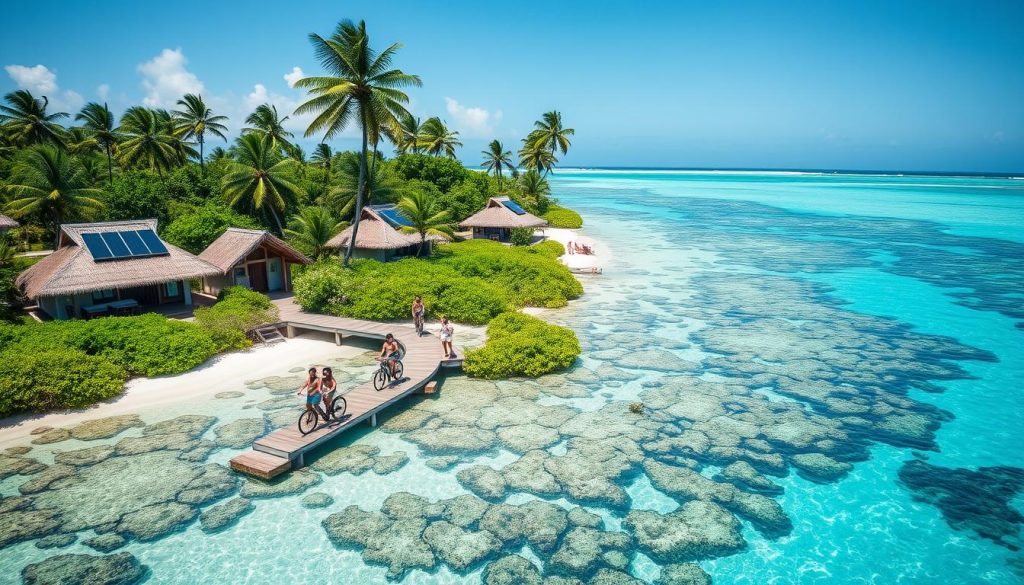
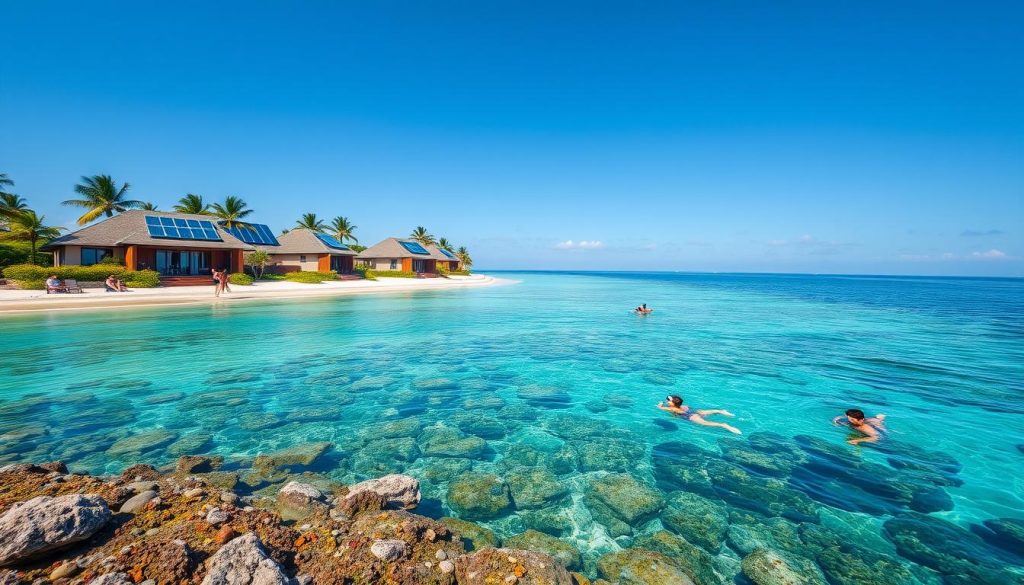
Resorts are also using renewable energy like solar panels. This reduces their carbon footprint and supports sustainable practices.
Travelers can support resorts that manage waste well. They recycle, compost, and reduce single-use plastics. Resorts are also working on water conservation, like using desalination plants and greywater systems.
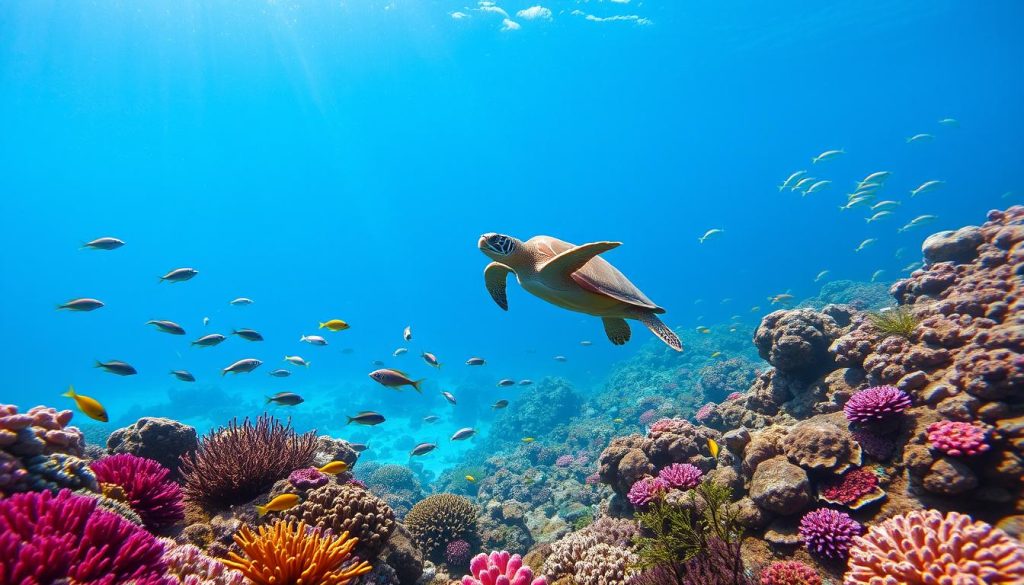
By choosing sustainable travel, you help fight plastic pollution and support marine life. Resorts are involved in coral restoration projects. They grow coral in nurseries and replant it in the ocean.
Your choice to travel sustainably helps protect the Maldives’ ecosystems. The tourism sector is working to preserve natural beauty. By making smart choices, you help keep the Maldives beautiful for future generations.
Understanding the Environmental Challenges Facing Malé
Malé is facing big environmental challenges that affect its ecosystem and tourism. The Maldives, being very flat, is at risk from rising sea levels. This makes fighting climate change very urgent. These challenges affect not just the land but also the people and the ecosystem that supports tourism.
Coral bleaching is a big threat, caused by warmer seas. This harms the coral reefs, which are key for marine life. These reefs are also a big draw for tourists looking for eco-friendly experiences in Malé. With most of the Maldives being underwater, keeping the reefs healthy is crucial for both tourism and conservation.
The Maldives’ economy relies a lot on tourism, which makes up about 30% of its GDP. Knowing about these environmental challenges is key for tourists. By choosing eco-friendly tourism, you can help protect Malé’s environment. This supports the local economy and keeps Malé beautiful for the future.
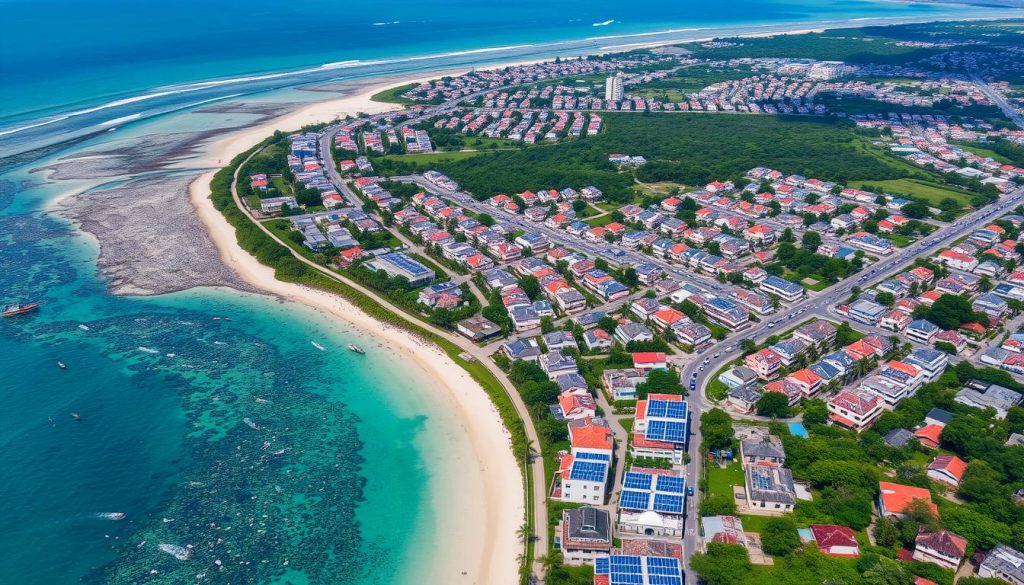
Working together with the community and other countries is important for conservation. The Maldives has made laws to tackle these environmental issues. By focusing on eco-friendly tourism, the Maldives aims to protect its natural beauty.
| Environmental Challenge | Impact on Malé | Tourism Relevance |
|---|---|---|
| Rising Sea Levels | Threatens coastal infrastructure and local ecosystems | Disrupts travel experiences and access to sites |
| Coral Bleaching | Destroys coral ecosystems, affecting marine life | Reduces diving and snorkeling attractions |
| Coastal Development | Encroaches on marine habitats | Risks long-term viability of tourist activities |
| Unsustainable Fishing Practices | Depletes fish stocks, harming the local economy | Impacts dining experiences and local cuisine |
Sustainable Tourism Initiatives in Malé
The Maldives is moving fast to create a green tourism model. It focuses on saving the environment. The government sees tourism as a big money maker and is making rules to encourage eco-friendly actions.
These steps are to keep nature and tourism alive for the future.
Government Policies for Eco-Conscious Tourism
The Maldives wants to fight climate change and aims to be carbon neutral by 2030. The Climate Emergency Bill shows the country’s dedication to being green. It’s investing in clean energy like wind and solar.
They plan to build a huge floating solar power plant. It will power Male with 36 megawatts of energy.
Collaboration with NGOs for Environmental Protection
The government and NGOs are working together to protect the environment. They team up with groups like the United Nations Environment Programme (UNEP). This helps teach locals about eco-tourism in the Maldives.
They focus on important topics like coral restoration and waste management. Resorts are also getting involved by offering green activities. They use marine biologists to help protect coral reefs.
By switching to eco-friendly products, resorts are reducing waste. This shows their commitment to a greener future for tourism and nature in the Maldives.
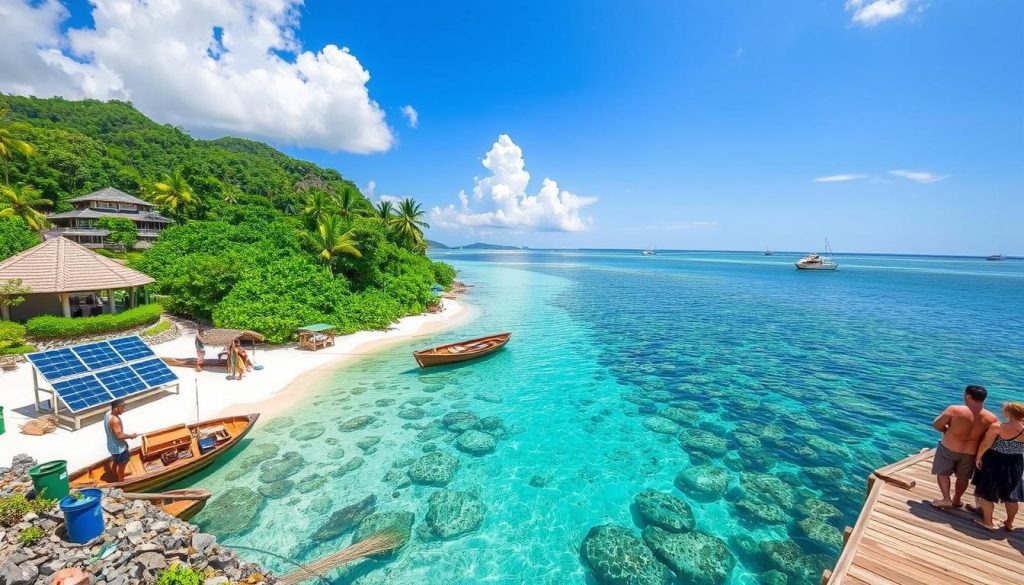
Eco-Friendly Travel Practices for Tourists
Travelers in the Maldives can help with sustainable tourism by being eco-friendly. It’s about making choices that care for the environment and local people.
Here are some easy ways to help:
- Use reef-safe sunscreen: Choose sunscreens that don’t harm the ocean.
- Avoid single-use plastics: Use reusable bags, utensils, and containers to cut down on waste.
- Participate in eco-tourism activities: Join tours or help clean beaches to protect marine life.
- Support local businesses: Buy local crafts and eat at local restaurants to help the community.
- Practice mindful water usage: Be careful with water, as the Maldives has little freshwater.
Every small action helps with sustainable tourism in Malé. It lets tourists enjoy the Maldives while also helping the environment and local people. Being responsible in travel not only saves nature but also helps the local economy.
| Eco-Friendly Practice | Benefits |
|---|---|
| Reef-Safe Sunscreen | Protects marine life, prevents coral bleaching |
| Avoiding Single-Use Plastics | Reduces waste, minimizes pollution |
| Participating in Eco-Tourism | Supports conservation efforts, engages locals |
| Supporting Local Businesses | Stimulates the economy, provides authentic experiences |
| Mindful Water Usage | Conserves precious resources, promotes sustainability |
Choosing Sustainable Accommodations
When planning your stay in Malé, picking eco-friendly accommodations can make your trip better. Look for resorts that care about the environment. They use energy wisely, save water, and manage waste well.
Characteristics of Eco-Friendly Resorts
Eco-friendly resorts have special features that help them be green. Here are some important ones to look for:
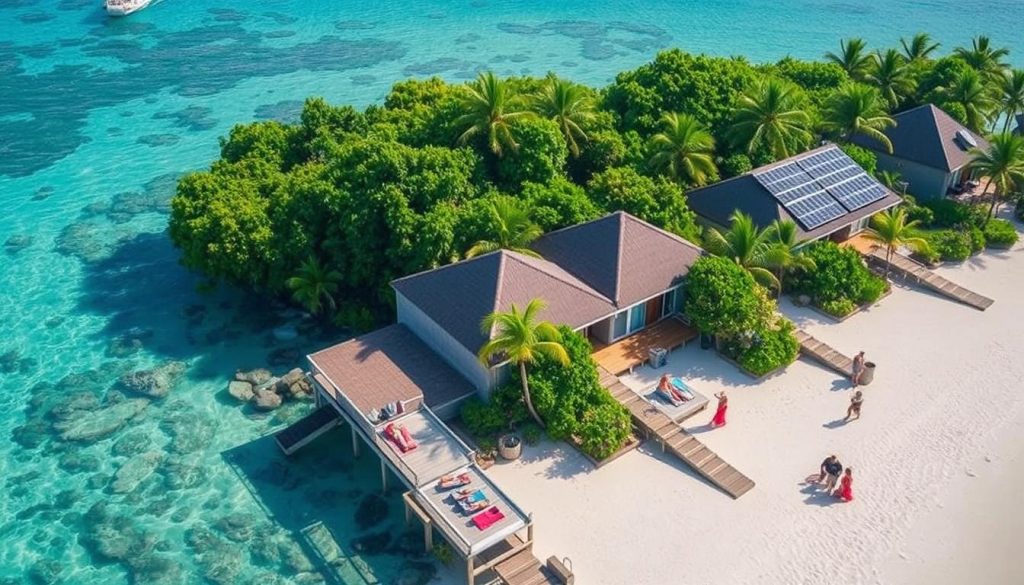
- They use renewable energy like solar panels.
- They save water with low-flow fixtures.
- They serve local food to cut down on food miles.
- They work on coral restoration and marine conservation.
- They teach guests about sustainability and conservation.
Examples of Green Initiatives in Malé
Many places in Malé are getting greener. Below is a table showing some resorts and their green efforts:
| Resort Name | Green Initiative |
|---|---|
| Kudadoo Maldives Private Island | First fully solar-powered resort in 2018 |
| Soneva Resorts | Recycles around 90% of plastic, aluminum, and glass waste |
| The Ritz-Carlton Maldives | Mostly powered by solar energy, using solar panels on villas |
| LUX* South Ari Atoll | Hosts the world’s largest floating solar power plant at sea |
Choosing green accommodations in Malé helps the environment. It also supports your eco-friendly travel goals. By choosing eco-conscious options, you help make the Maldives a better place for the future.
Engaging with Local Communities
Getting involved with local communities is key to sustainable tourism in Malé. By exploring community-based tourism, you dive into the Maldivian culture. This helps keep it alive and supports local traditions.
Here are a few ways you can actively participate and support local businesses during your visit:
- Visit marketplaces and shops run by local artisans to purchase handicrafts and goods.
- Dine at community-owned restaurants that serve traditional Maldivian dishes, allowing you to savor authentic flavors while boosting the local economy.
- Take part in cultural experiences, such as traditional dances or cooking classes, which not only enrich your travel experience but also benefit local families.
- Engage in volunteer tourism opportunities that focus on community development and environmental protection.
Tourism is a big deal in the Maldives, making up about one-third of the country’s GDP. Community-based tourism makes your visit better while helping local people. It’s vital for keeping the Maldives’ culture and nature safe.
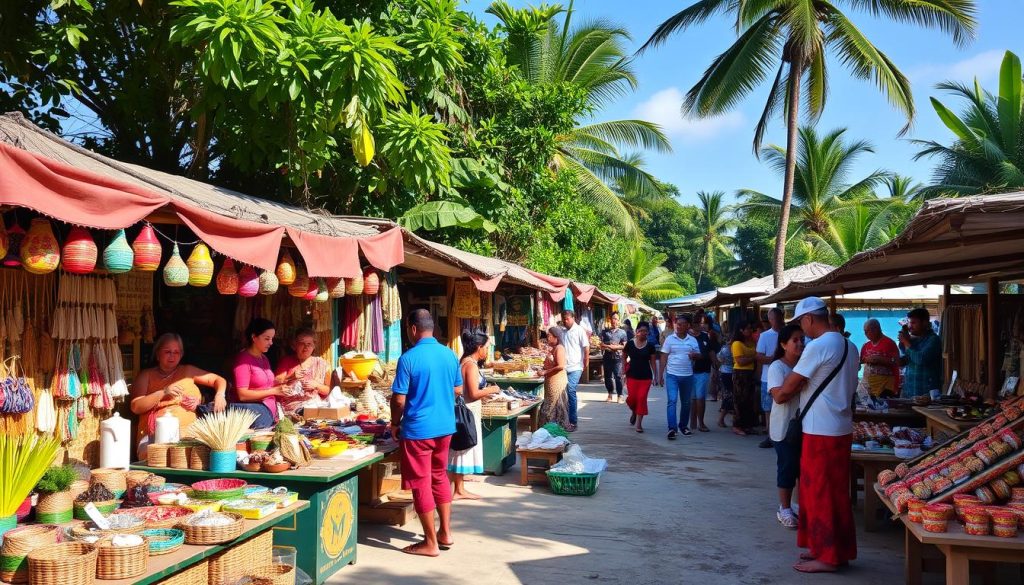
Joining these efforts helps protect the environment and reduces carbon emissions. These activities give you unforgettable experiences that support sustainable tourism. They also help keep the Maldives’ rich heritage alive for future generations.
The Role of Marine Conservation in Responsible Tourism
Getting involved in marine conservation makes your trip more meaningful. It also helps protect the Maldives’ unique ecosystems. As responsible tourists, you can help while enjoying the area’s beauty.
Participating in Coral Restoration Projects
Coral reefs are key to marine life and tourism in the Maldives. Eco-tourism projects invite you to join coral restoration efforts. You can:
- Plant coral fragments to help reefs grow back
- Check reef health on guided dives
- Learn about coral biology in workshops
Helping with these projects rejuvenates reefs and teaches you about marine challenges. Resorts like Ellaidhoo Maldives by Cinnamon offer educational programs. They empower you to protect the ocean.
Supporting Community-Based Marine Initiatives
Joining community marine projects boosts conservation efforts. Supporting local groups helps preserve the Maldives’ marine environments. Key efforts include:
- The Olive Ridley Project protects sea turtles
- The Manta Trust educates on manta ray conservation
- Resorts like Soneva Fushi have coral nurseries for restoration
Every action helps fight climate change and protect marine life. The Maldives, with its UNESCO biosphere reserve, focuses on sustainable development. It ensures both locals and visitors contribute to conservation.
| Conservation Initiative | Description | Location |
|---|---|---|
| Marine Turtle Rescue Centre | Protects and rehabilitates sea turtles | Coco Palm Dhuni Kholi & Coco Palm Bodu Hithi |
| Coral Nursery | Restores damaged coral reefs | Soneva Fushi & Soneva Jani |
| Manta Education Program | Teaches local students about marine issues | Manta Trust, multiple locations |
| Mai Khao Marine Turtle Foundation | Involves guests in releasing rehabilitated turtles | Anantara, Mai Khao |
Future Trends in Sustainable Tourism in the Maldives
The future of sustainable tourism in the Maldives is promising. It will see new ways to promote eco-friendly travel. At the Hotelier Maldives GM Forum 2024, experts shared important insights. They talked about boosting foreign investments to improve tourism and explore new markets.
Ministers and leaders want to manage public debt and invest in tourism. They aim to attract private sector help. Plans include growing Velana International Airport and diversifying tourism to include eco and cultural tours.
Experts say we need to rethink how we market tourism. Using digital marketing and connecting with travelers emotionally is key. They suggest moving beyond the usual Sun, Sand, and Sea to attract more visitors.
Industry leaders know we must act fast to protect the environment. They want to save coral reefs and improve waste management. These steps will help keep the marine life healthy and fight pollution. They also plan to teach locals about living green.
| Future Initiatives in Sustainable Tourism | Focus Areas |
|---|---|
| Research and Innovation | Utilizing technology to monitor environmental impacts |
| Eco-Friendly Transport | Increasing availability of sustainable transport options |
| Marine Conservation | Establishing marine protected areas |
| Community Engagement | Promoting local initiatives in tourism |
| Waste Management | Developing efficient systems to mitigate environmental harm |
By planning carefully and finding new solutions, the Maldives can lead in sustainable tourism. These steps will meet the growing need for eco-friendly travel. They will help create a strong tourism industry that can last for years to come.
Conclusion
The future of sustainable tourism in Malé depends on everyone working together. By choosing eco-friendly travel, you help keep the Maldives beautiful for future generations. The Fourth Edition of the Sustainable Tourism Forum in December 2023 showed everyone’s commitment to responsible tourism.
Resorts, guesthouses, NGOs, and industry leaders came together to find ways to reduce tourism’s harm to the environment. They shared strategies to protect the Maldives’ delicate ecosystems.
It’s crucial to balance economic growth with protecting the environment as tourism grows. The forum showed that sustainable practices are key to protecting the Maldives. They also talked about the need for initiatives that help both the environment and local communities.
Every choice you make while traveling can help achieve sustainability. Supporting local businesses, joining marine conservation efforts, or staying in eco-friendly places all make a difference. You can enjoy the beauty of the Maldives while also helping to preserve it for the future.